Pekingese: Little Lion, Big Mane

Quiz Complete!
Pekingese Looks Through History: The Hallmarks Behind the Iconic Silhouette
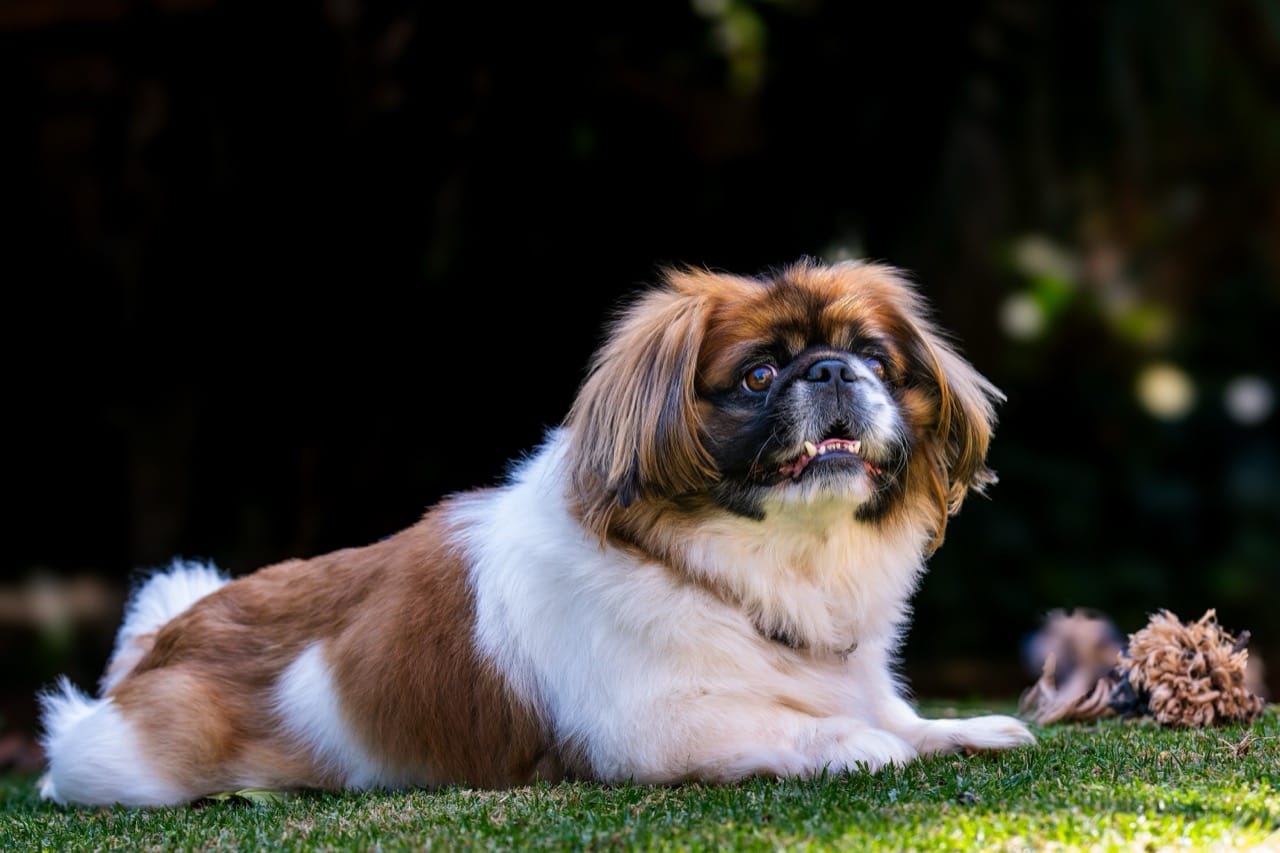
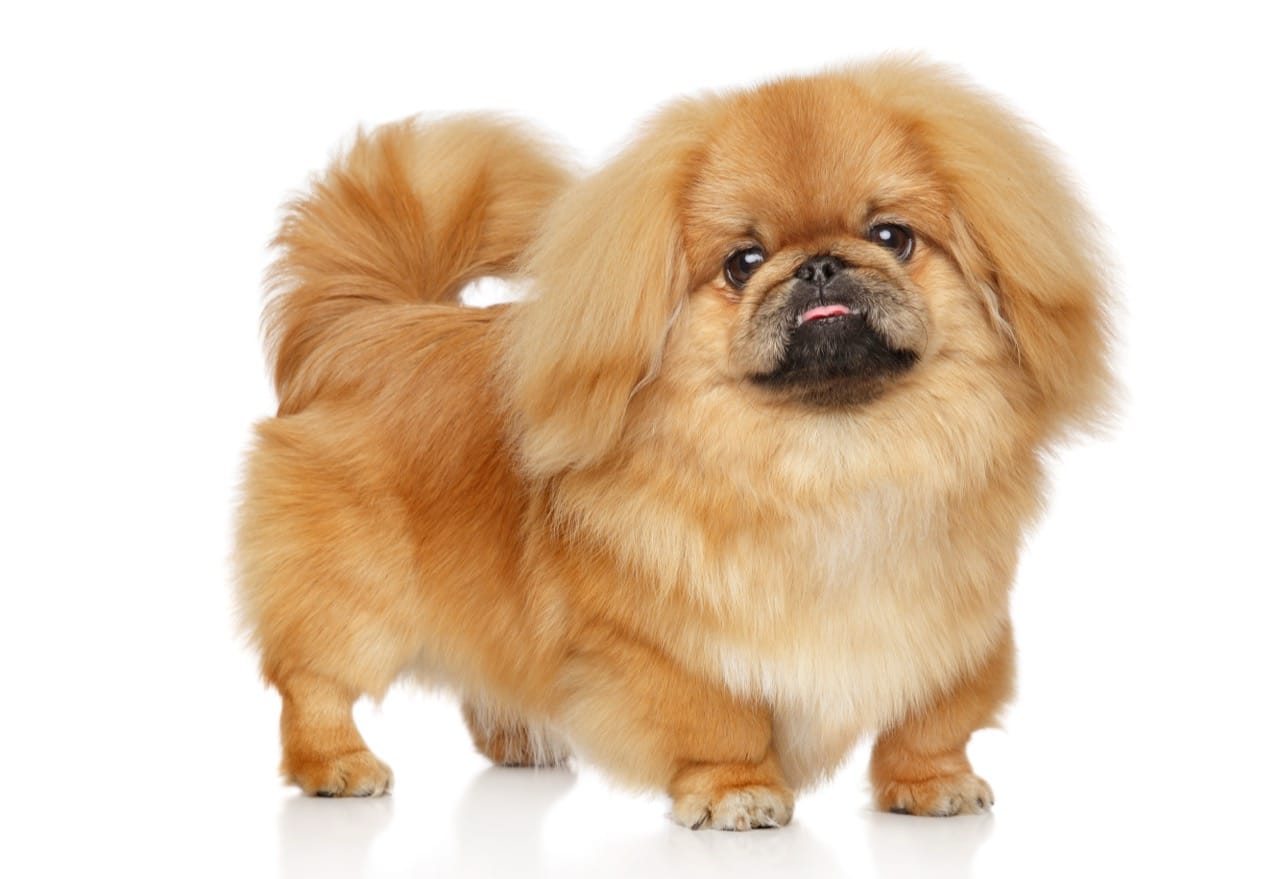
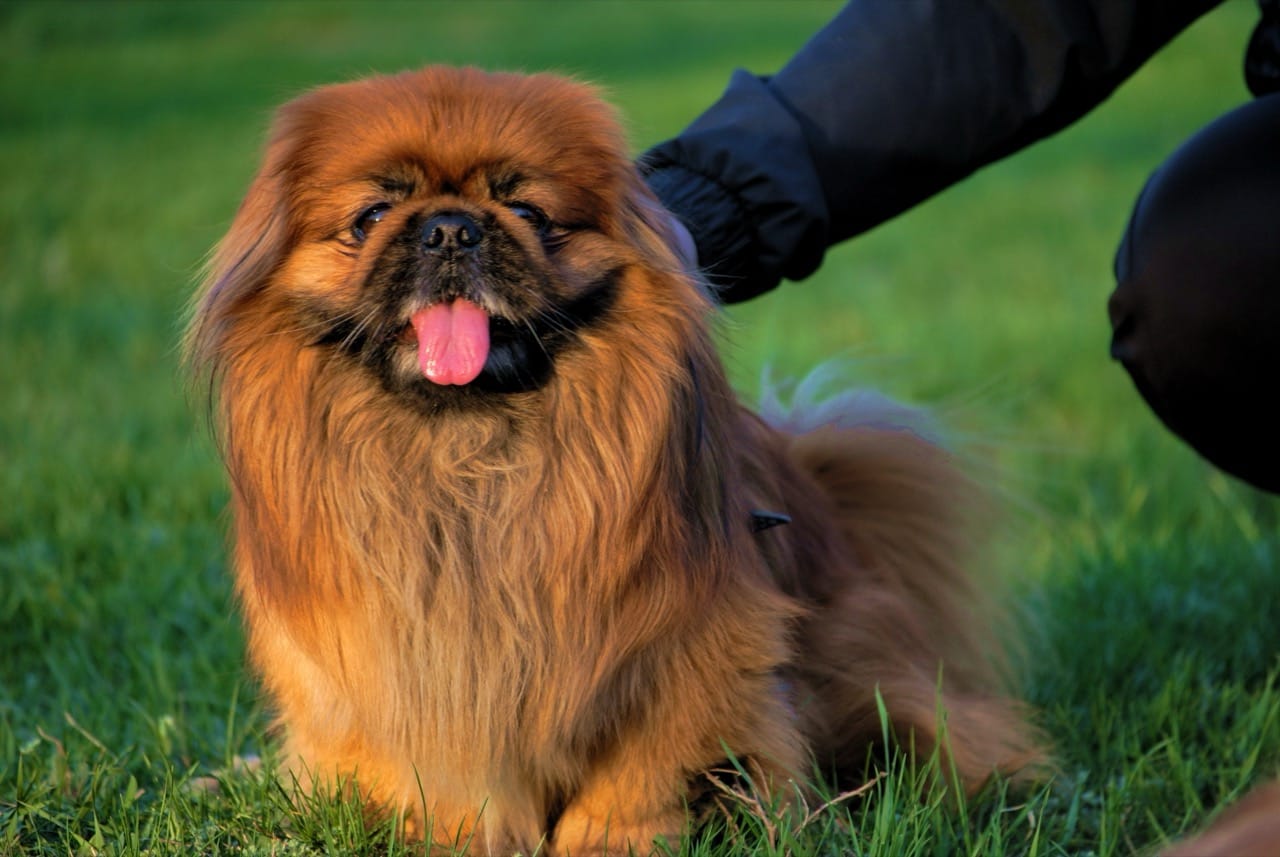
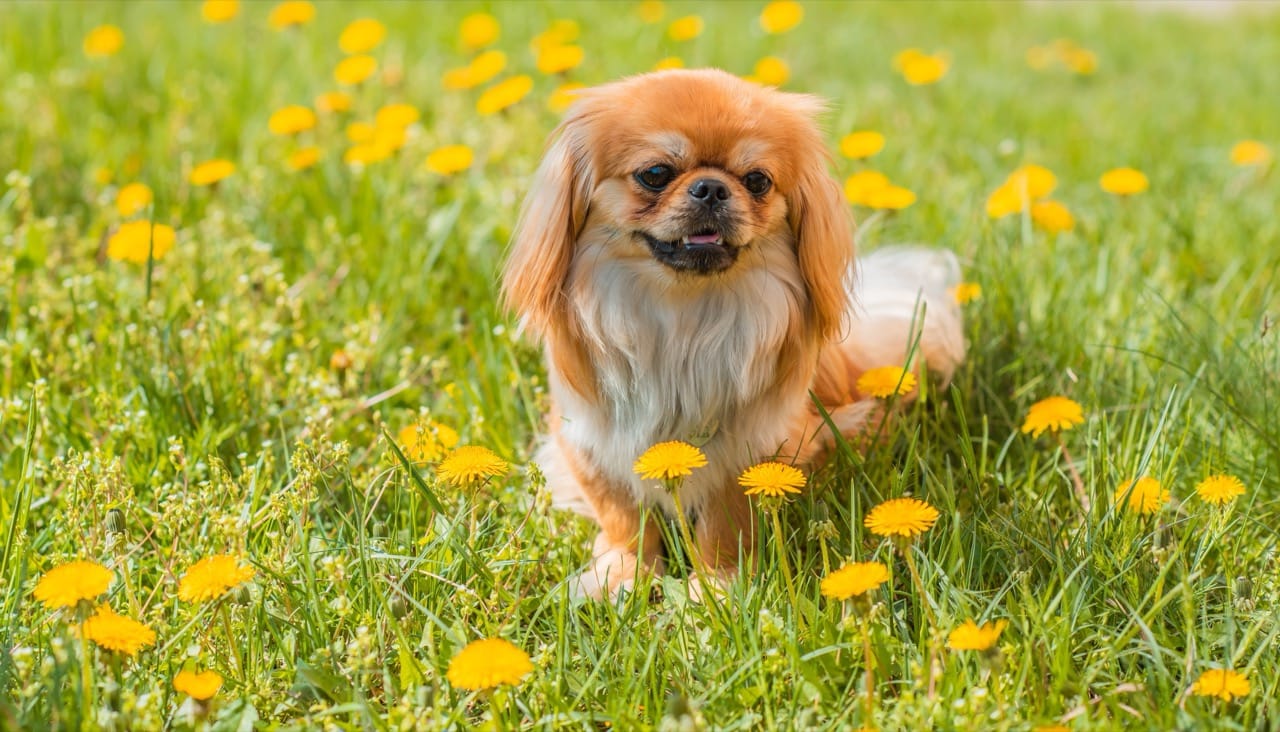
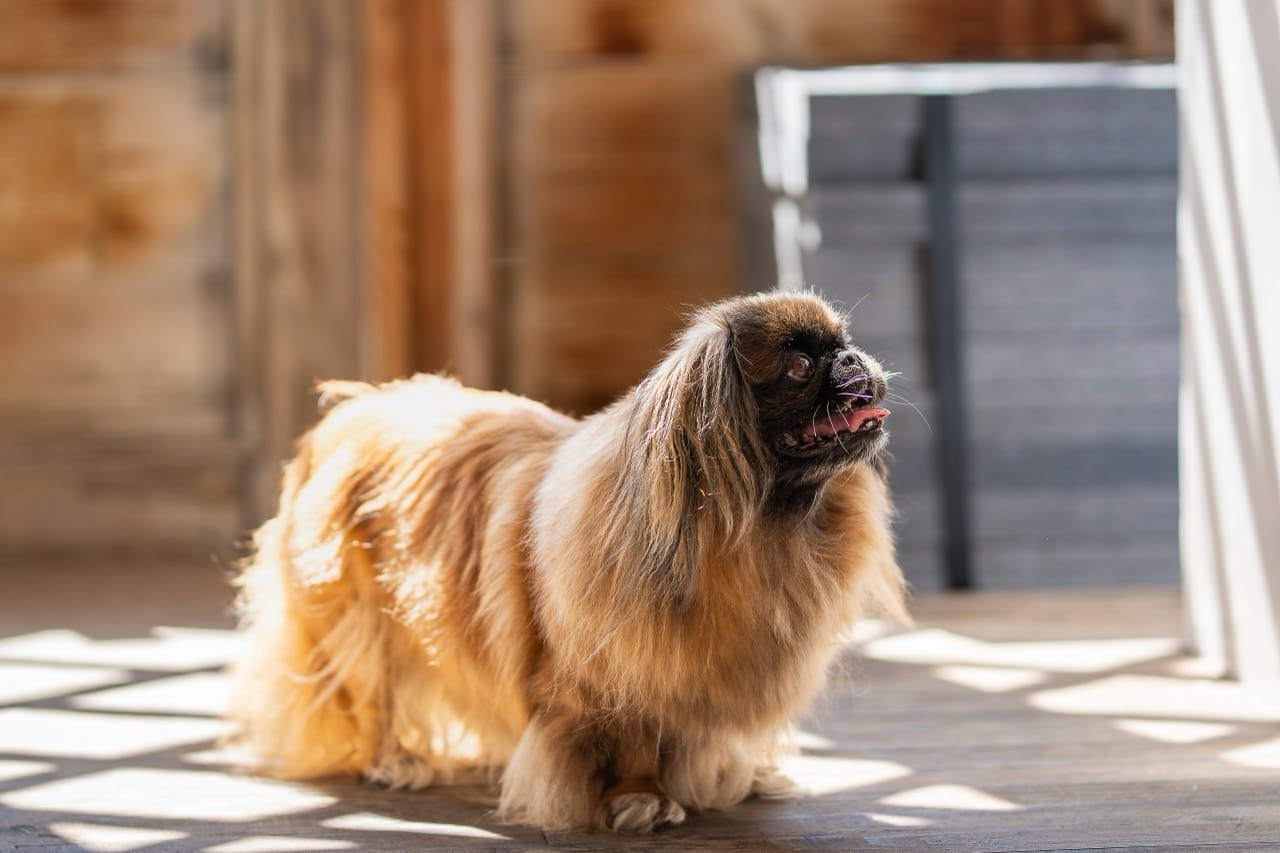
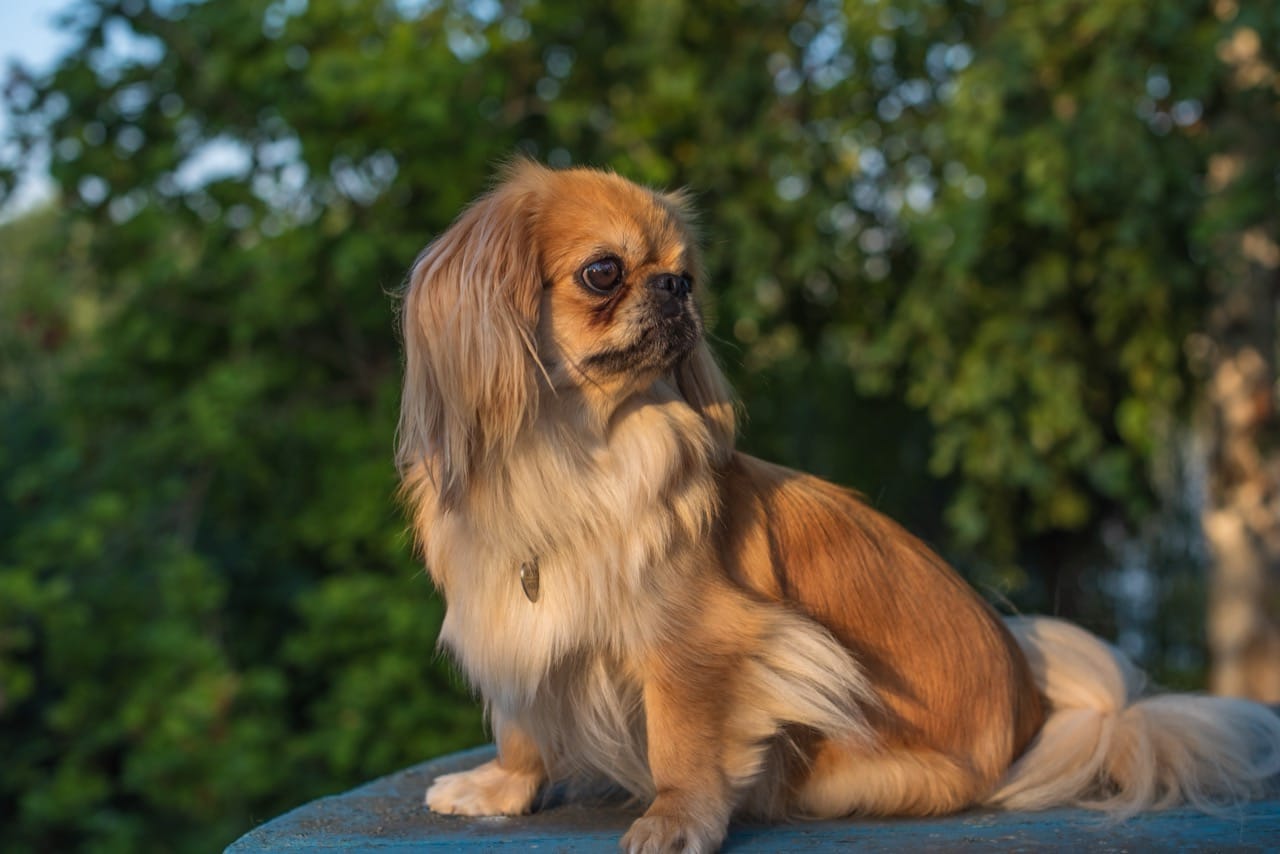
The Pekingese is one of those breeds you can often recognize from across a room. Its outline is compact and low to the ground, wrapped in a dramatic coat that frames the body like a small, moving lion. That look did not happen by accident. Over centuries, breeders favored a particular combination of features that created a dog meant to be both ornamental and unmistakable. Understanding those physical hallmarks is the best way to tell a true Pekingese from other small companion breeds with long hair or flat faces.
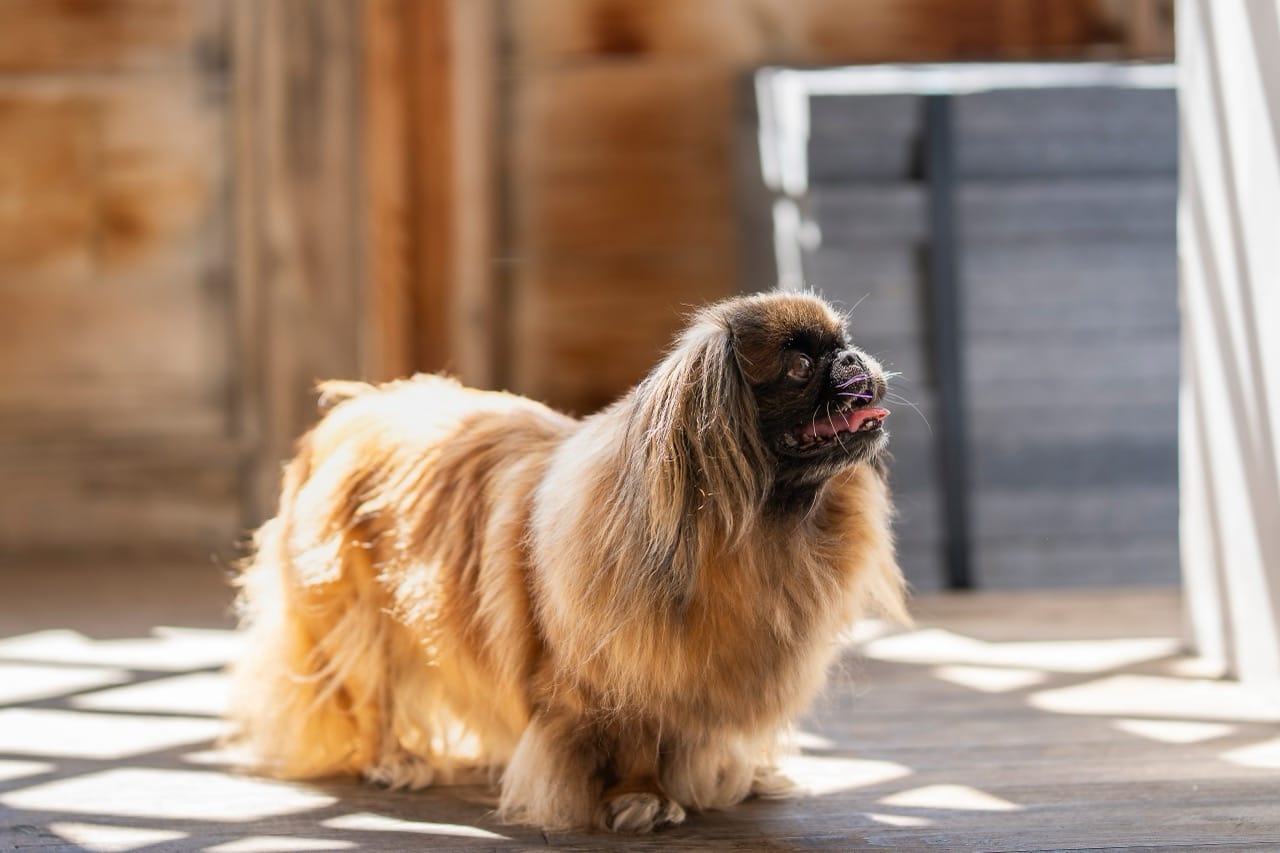
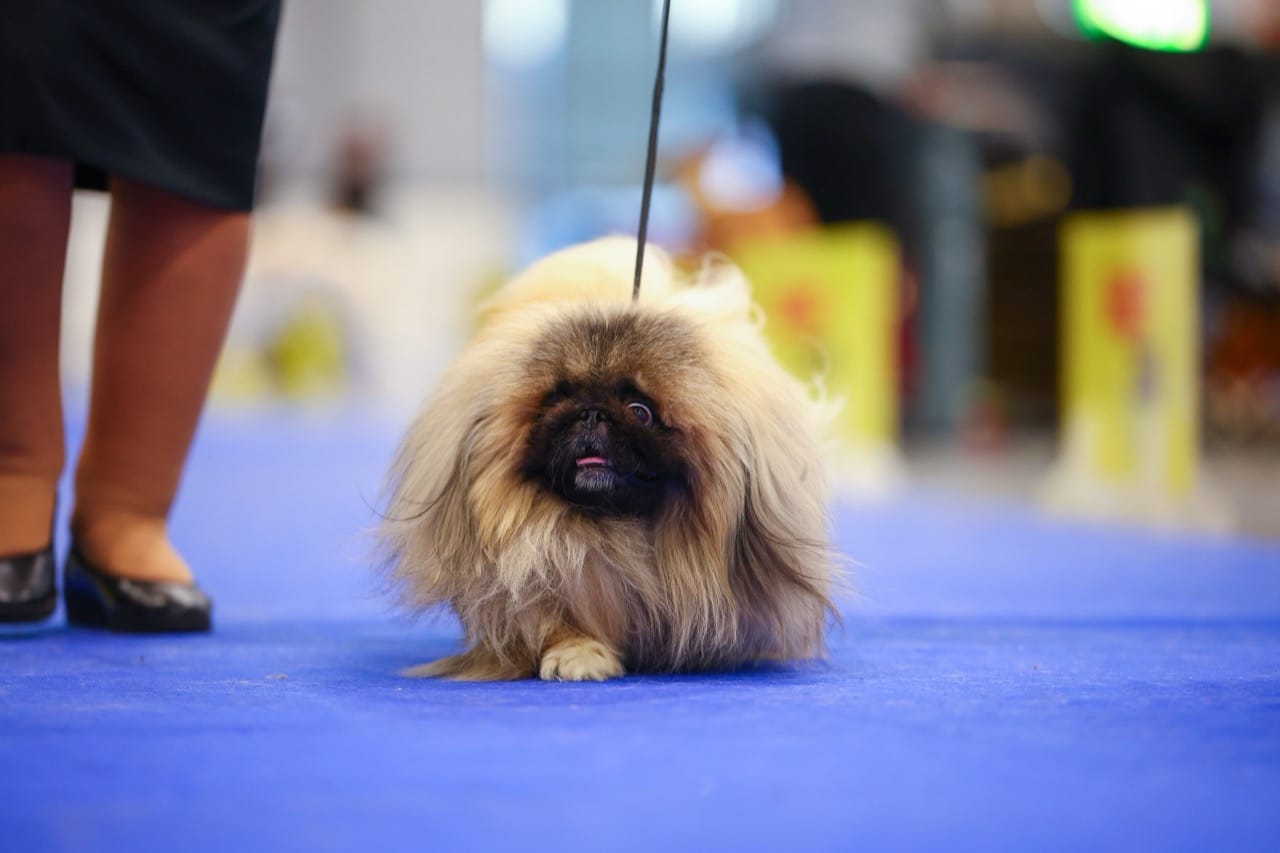
Start with the overall build. A Pekingese is small but surprisingly substantial, with a broad front, a heavy bone structure for its size, and a body that is longer than it is tall. The stance is typically wide in front, giving a steady, grounded appearance. This is not a dainty, leggy toy dog. The breed’s proportions create a rolling, deliberate gait that matches its low center of gravity.
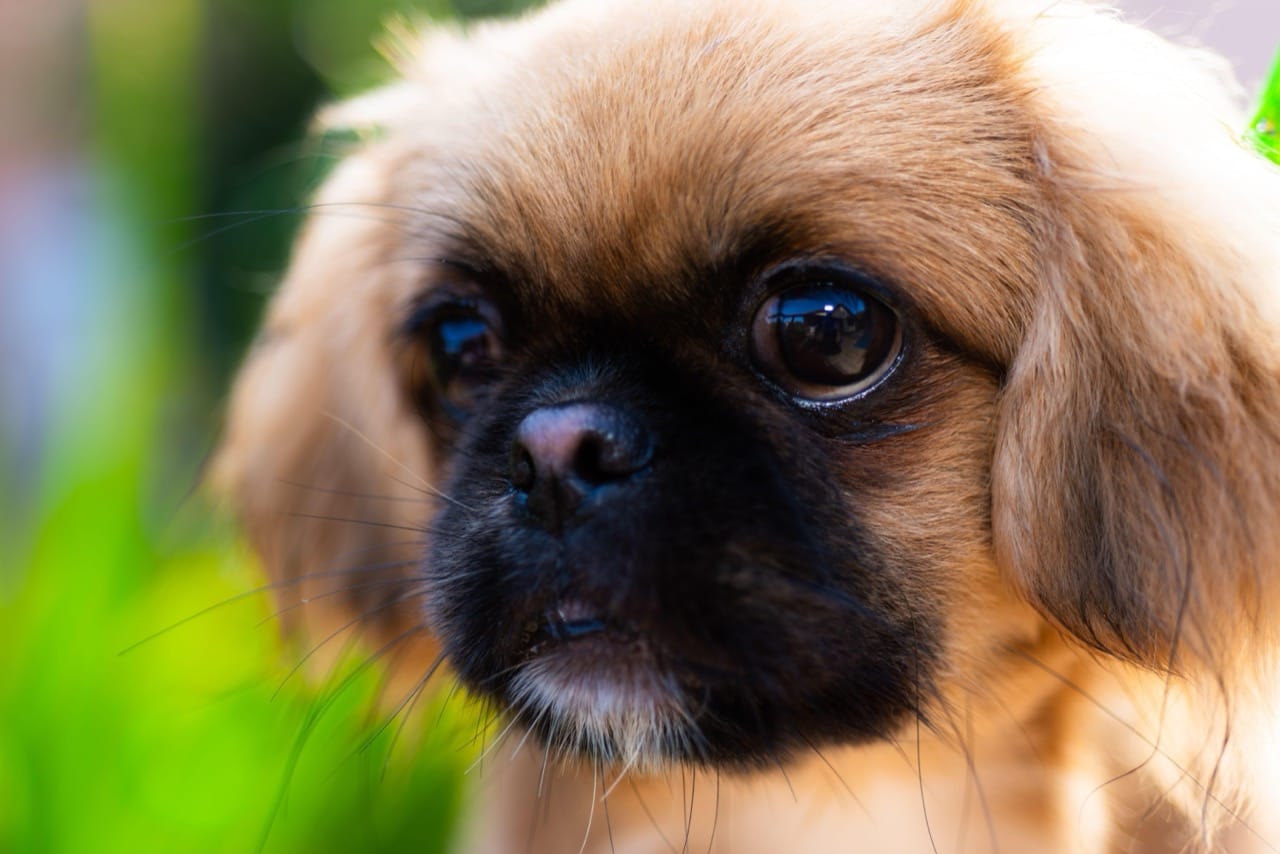
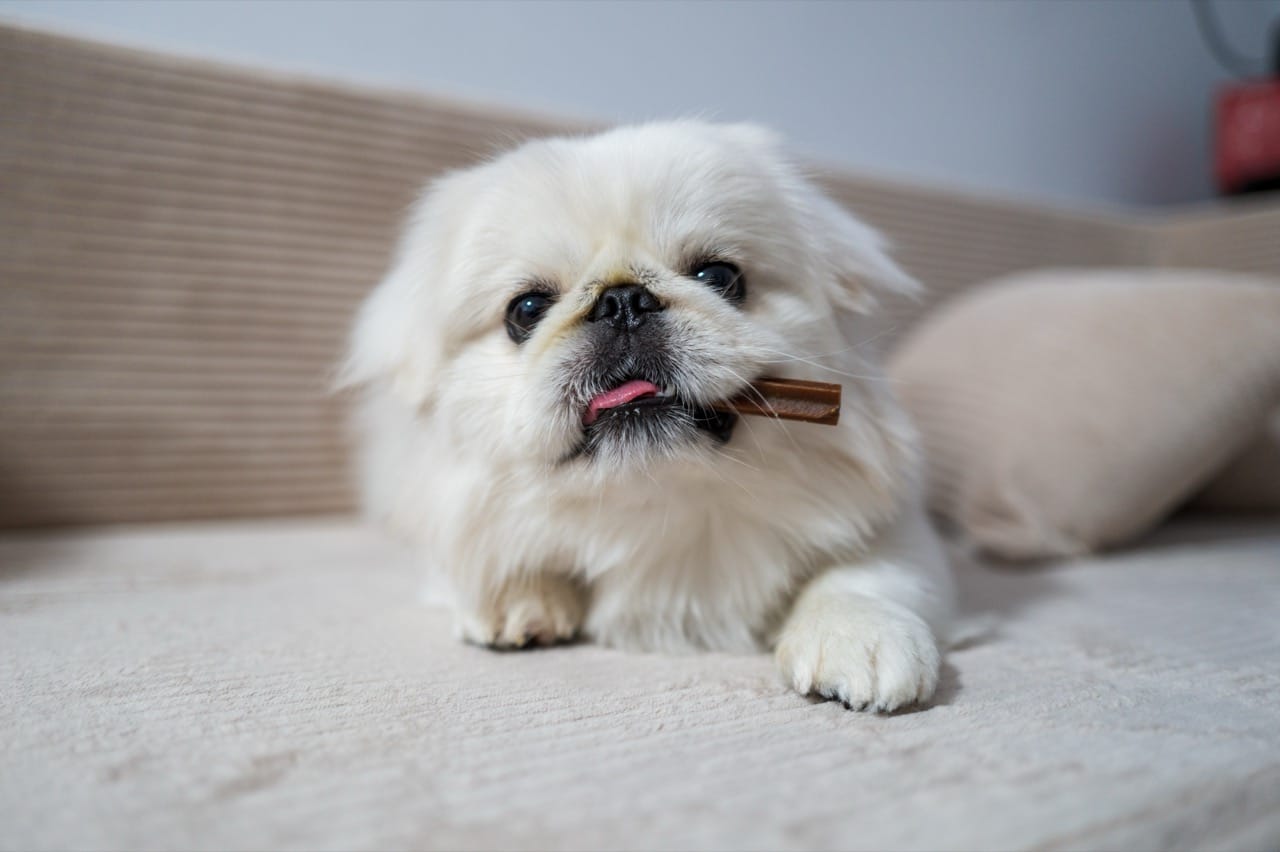
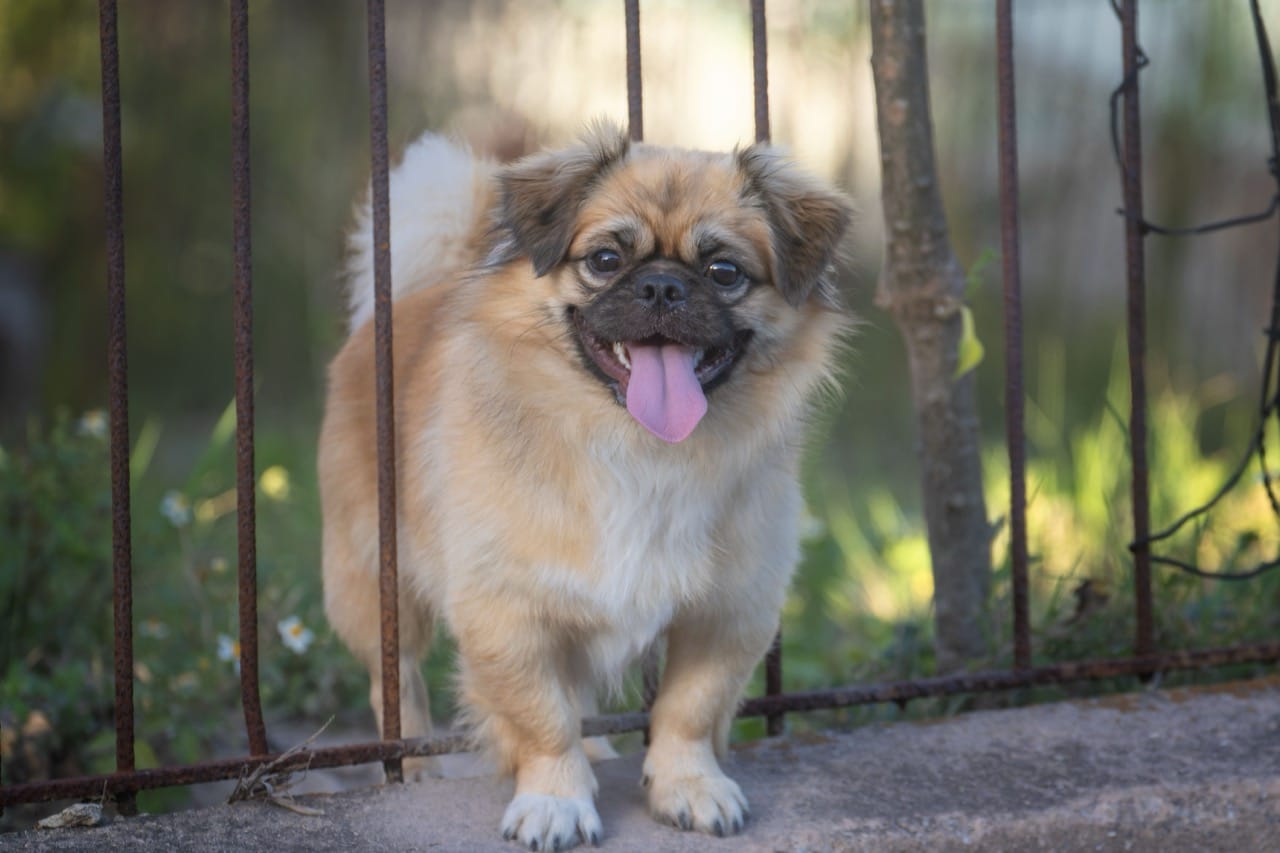
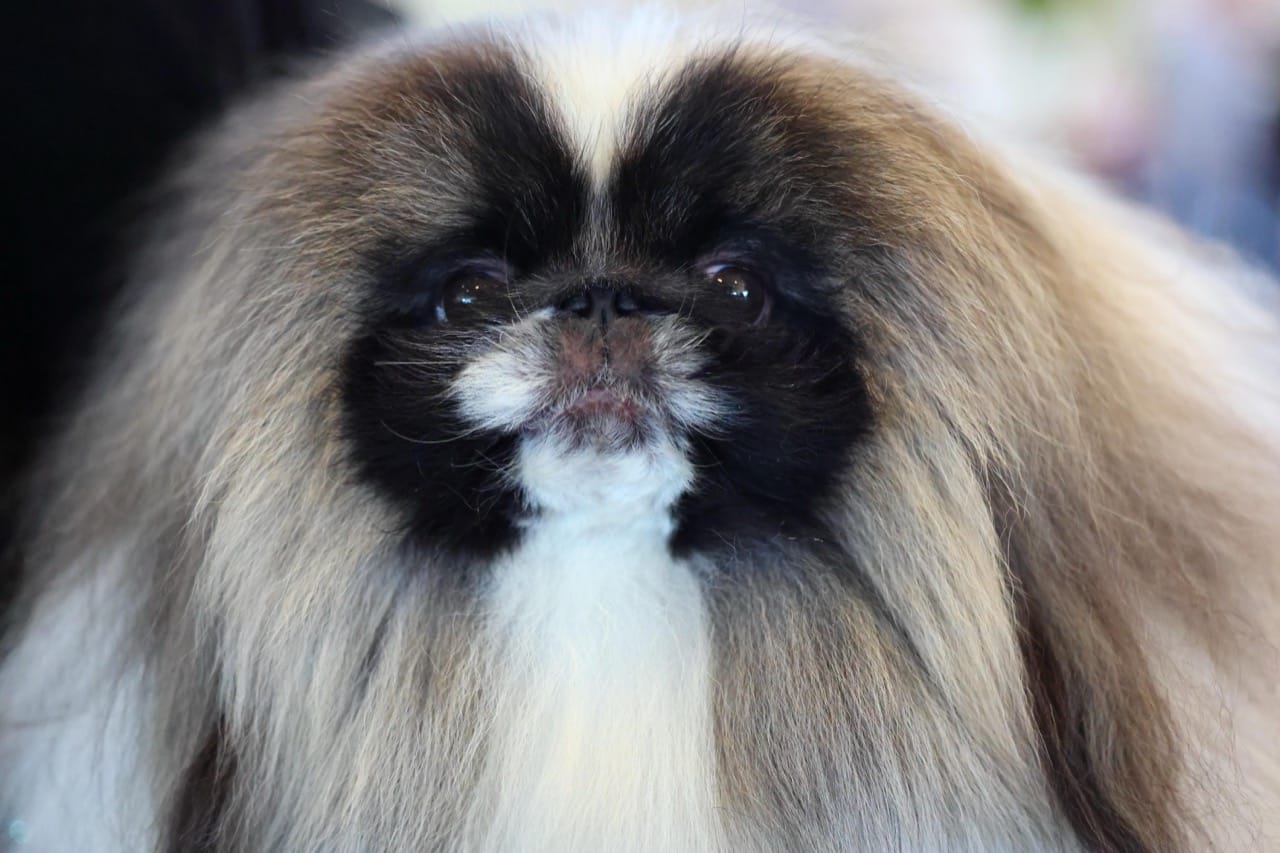
The head is the breed’s signature. The face is short and flat, with a very short muzzle and a distinct, broad skull. The eyes are large, round, and set wide apart, which contributes to the breed’s direct, alert expression. Ears are heart shaped and lie close to the head, but because they are heavily feathered they can blend into the surrounding coat rather than standing out as separate shapes. When you see a Pekingese head framed by its coat, the goal is a balanced look: bold and open faced, not pinched or narrow.
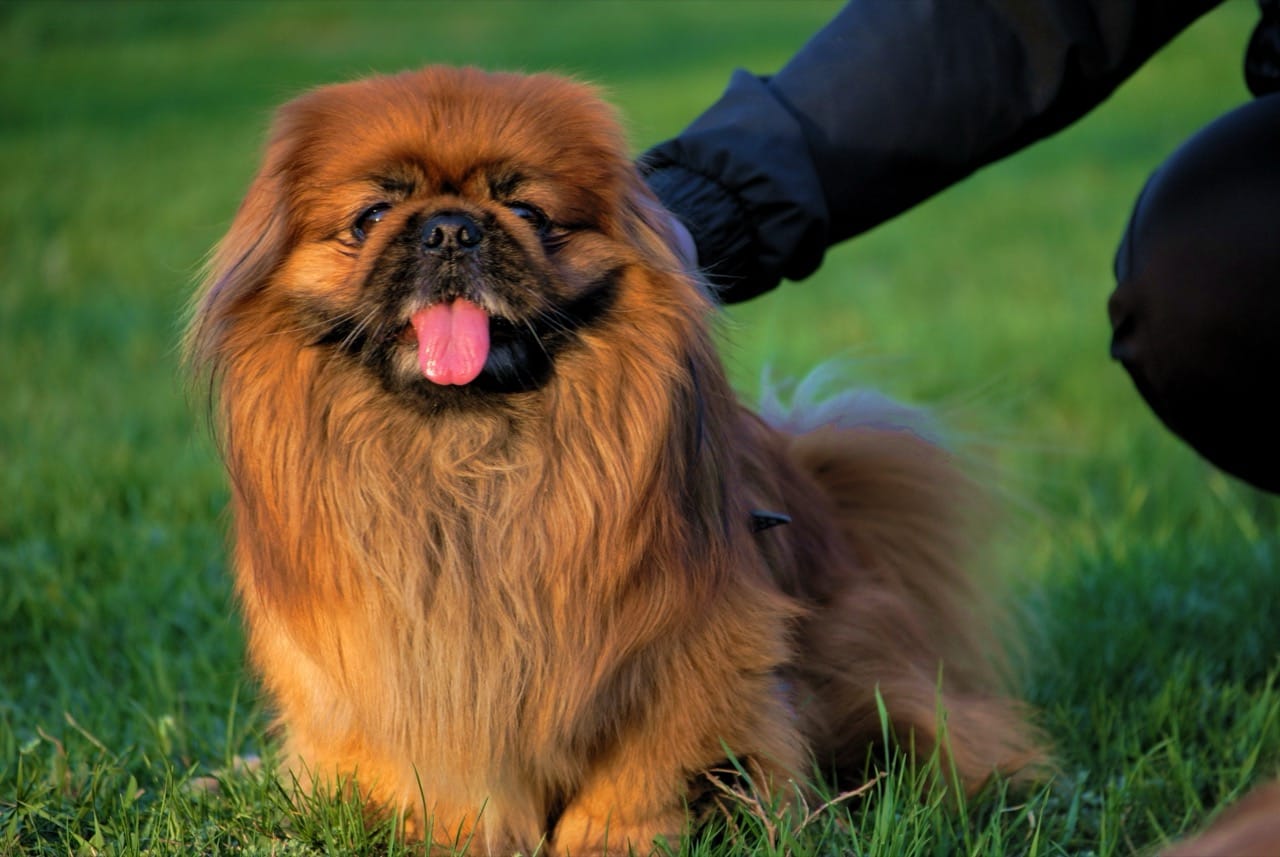
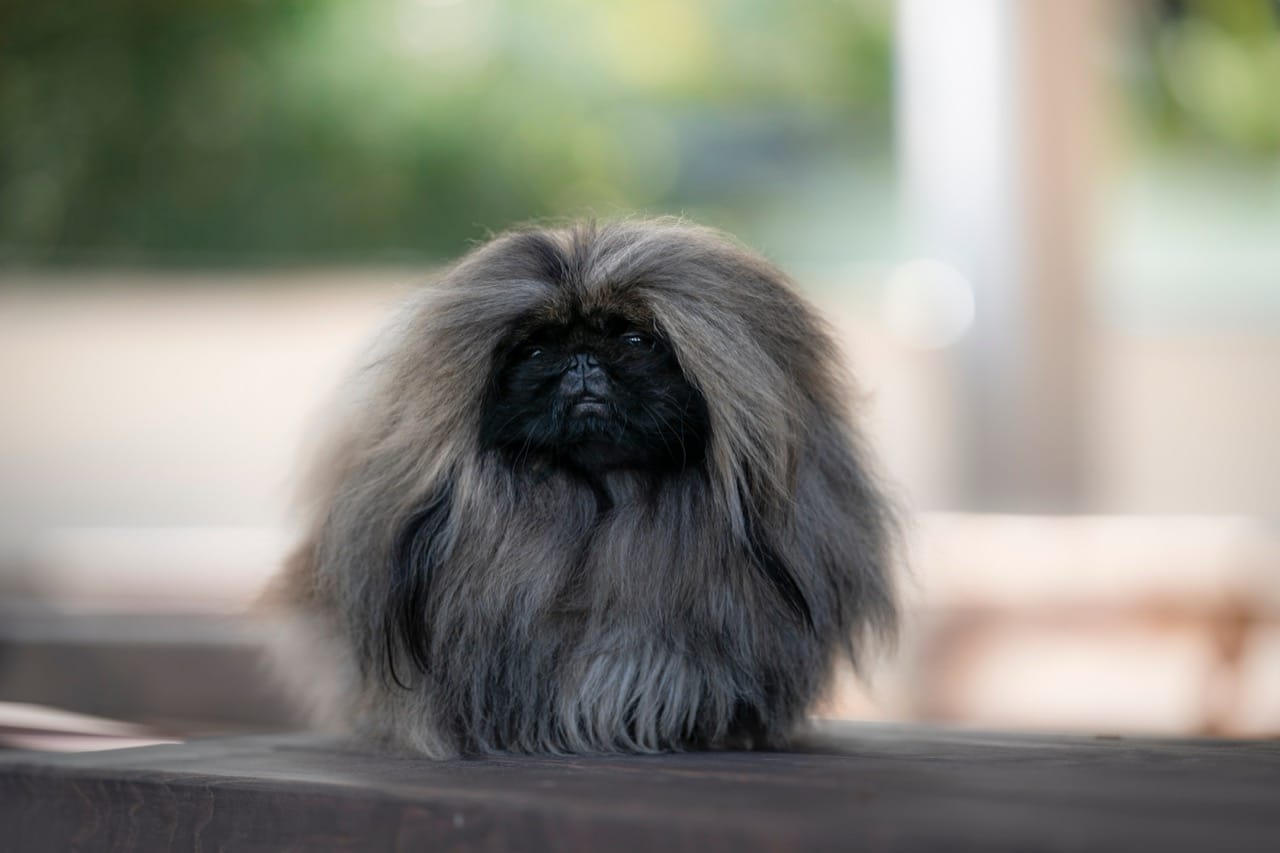
That “lion” impression comes from the coat, especially the mane or ruff around the neck and shoulders. The coat is double: a soft, dense undercoat supports a longer, straight outer coat. The outer coat should not be curly or woolly, and it should not be so profuse that it hides the dog’s outline completely. The texture matters as much as the length, because the correct coat falls in a way that emphasizes the breed’s shape rather than turning it into a round fluff ball.
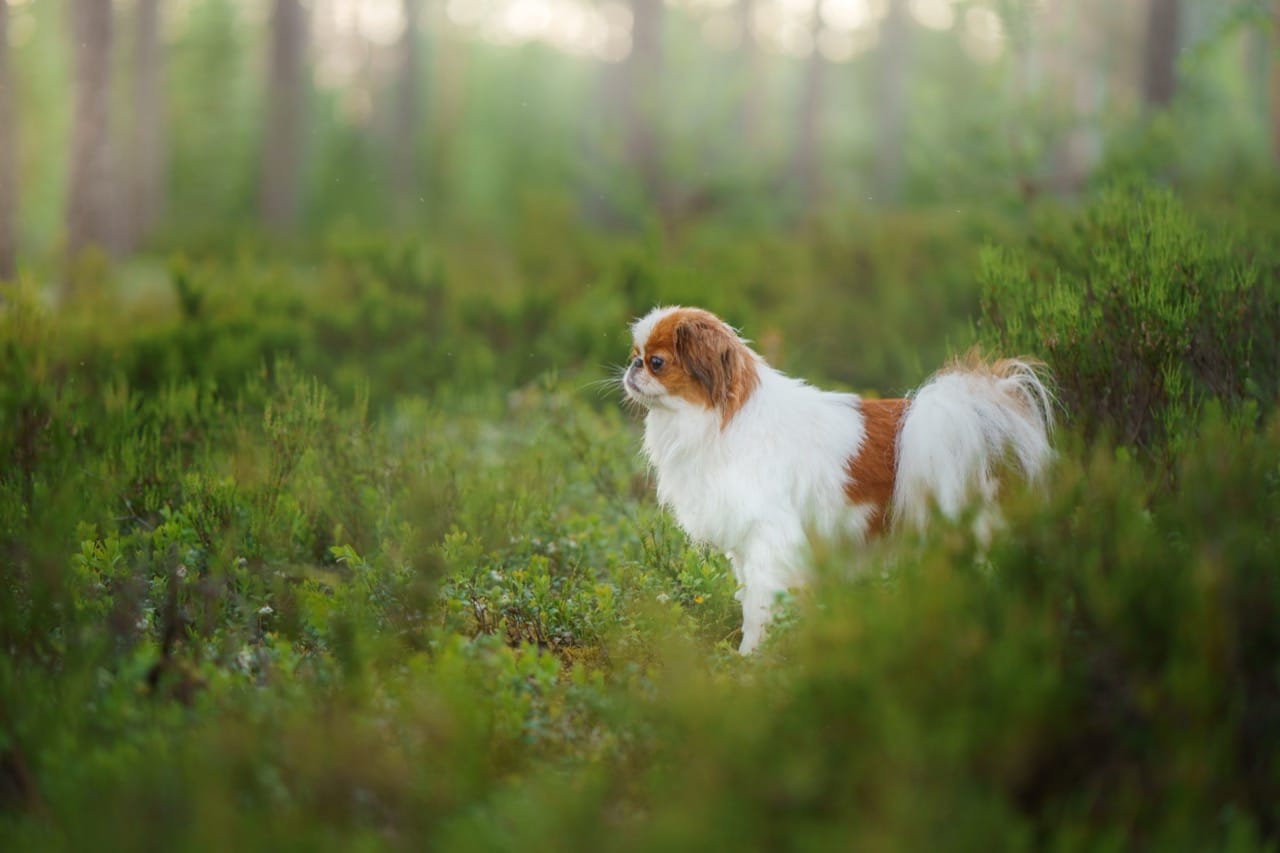
The tail is another reliable clue. A Pekingese tail is set high and carried over the back, typically to one side, and it is richly feathered. That plume is part of the breed’s silhouette, creating a finishing flourish at the rear. In similar small breeds you may see a plumed tail as well, but in the Pekingese it works with the low body and heavy front to create a distinctive front to back balance.
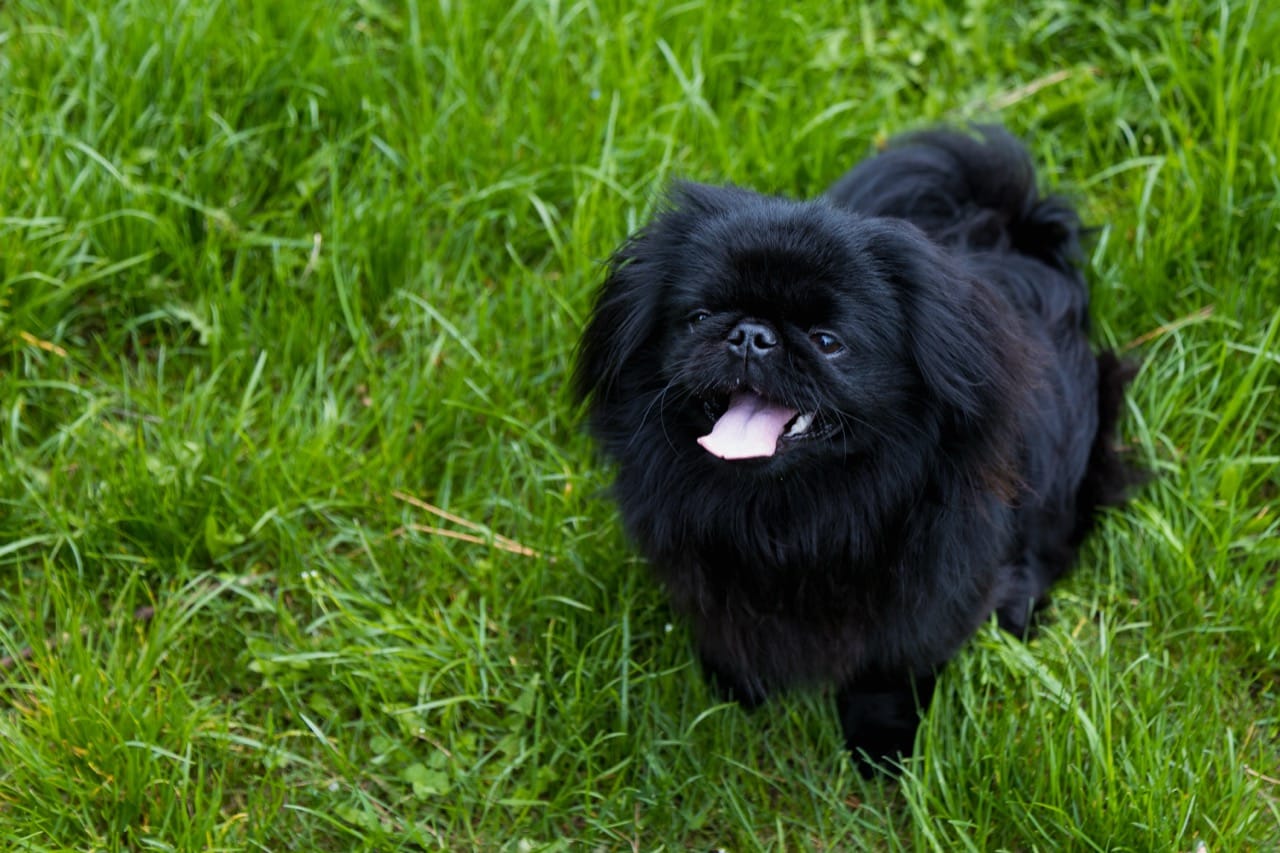
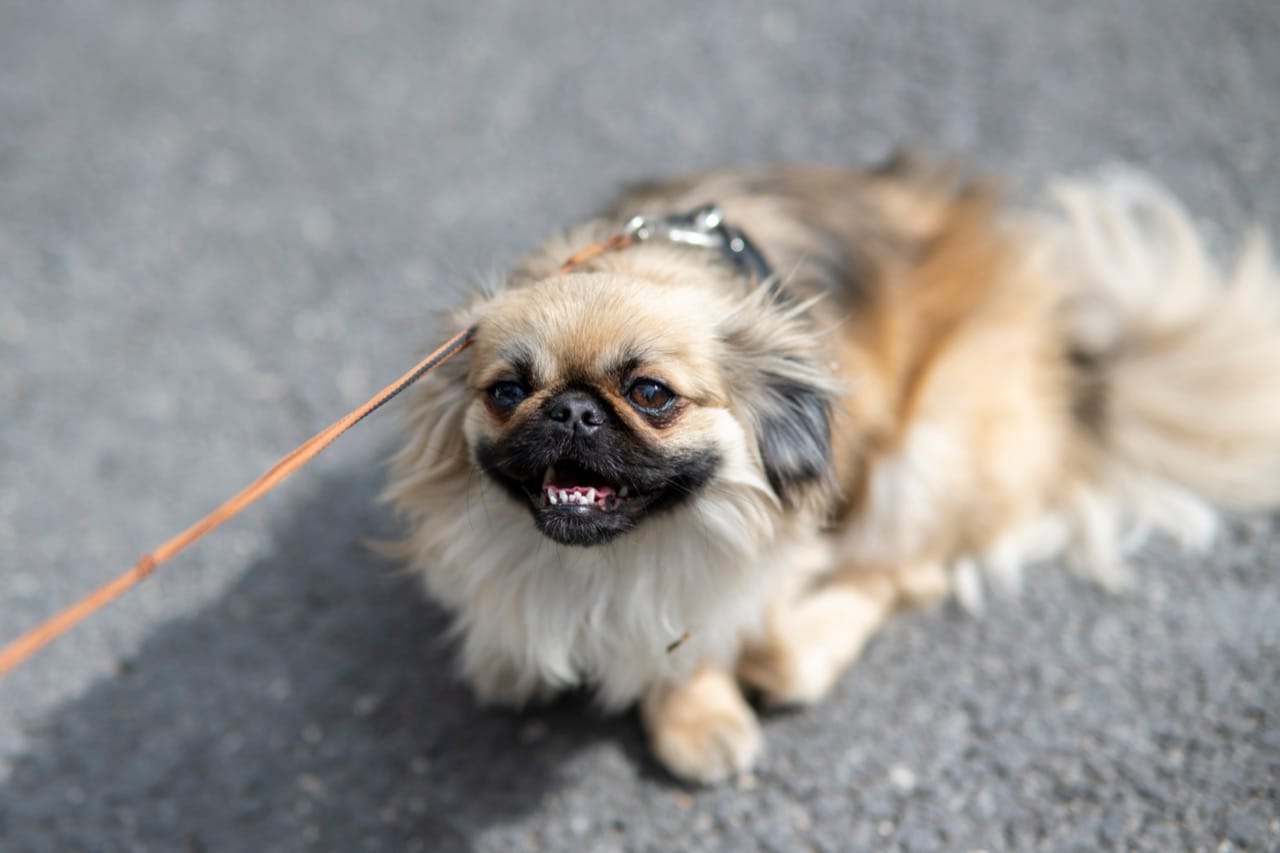
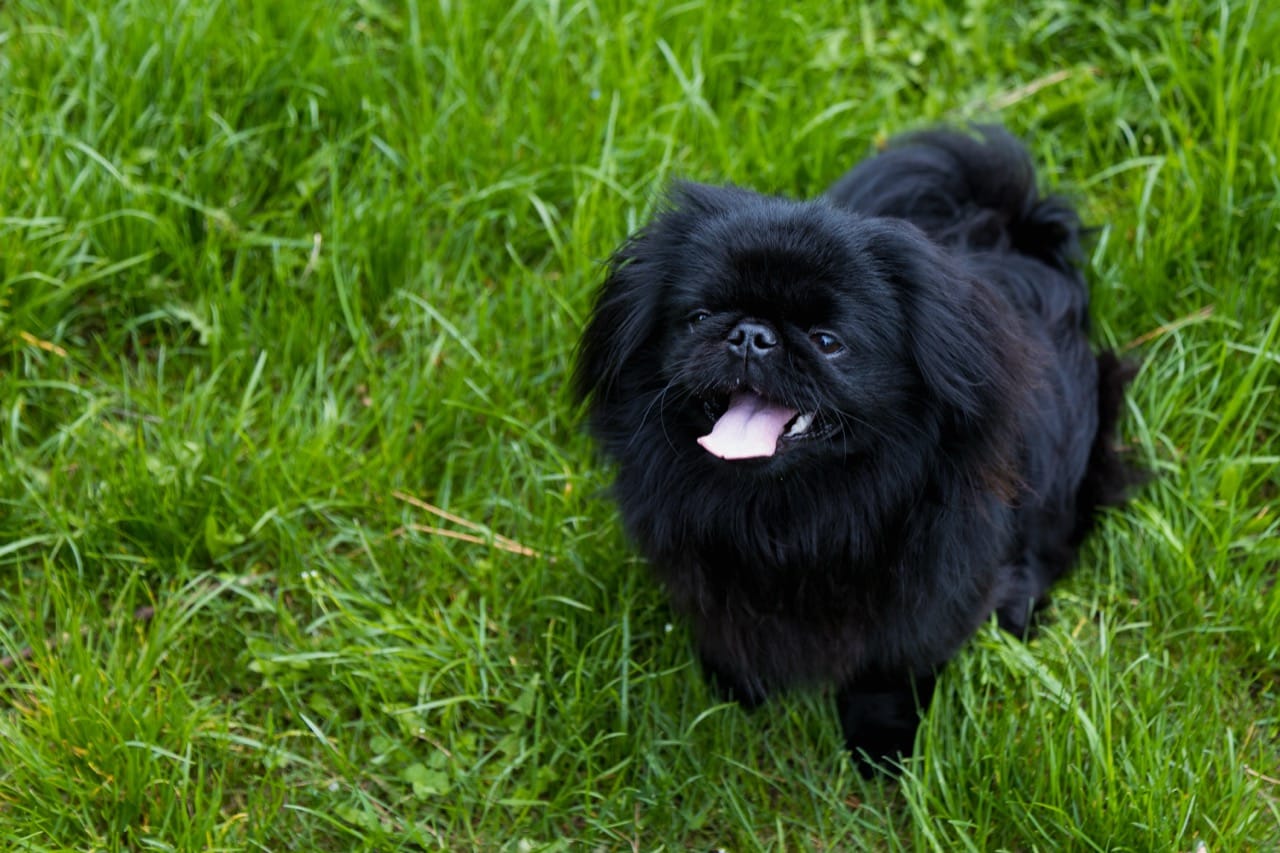
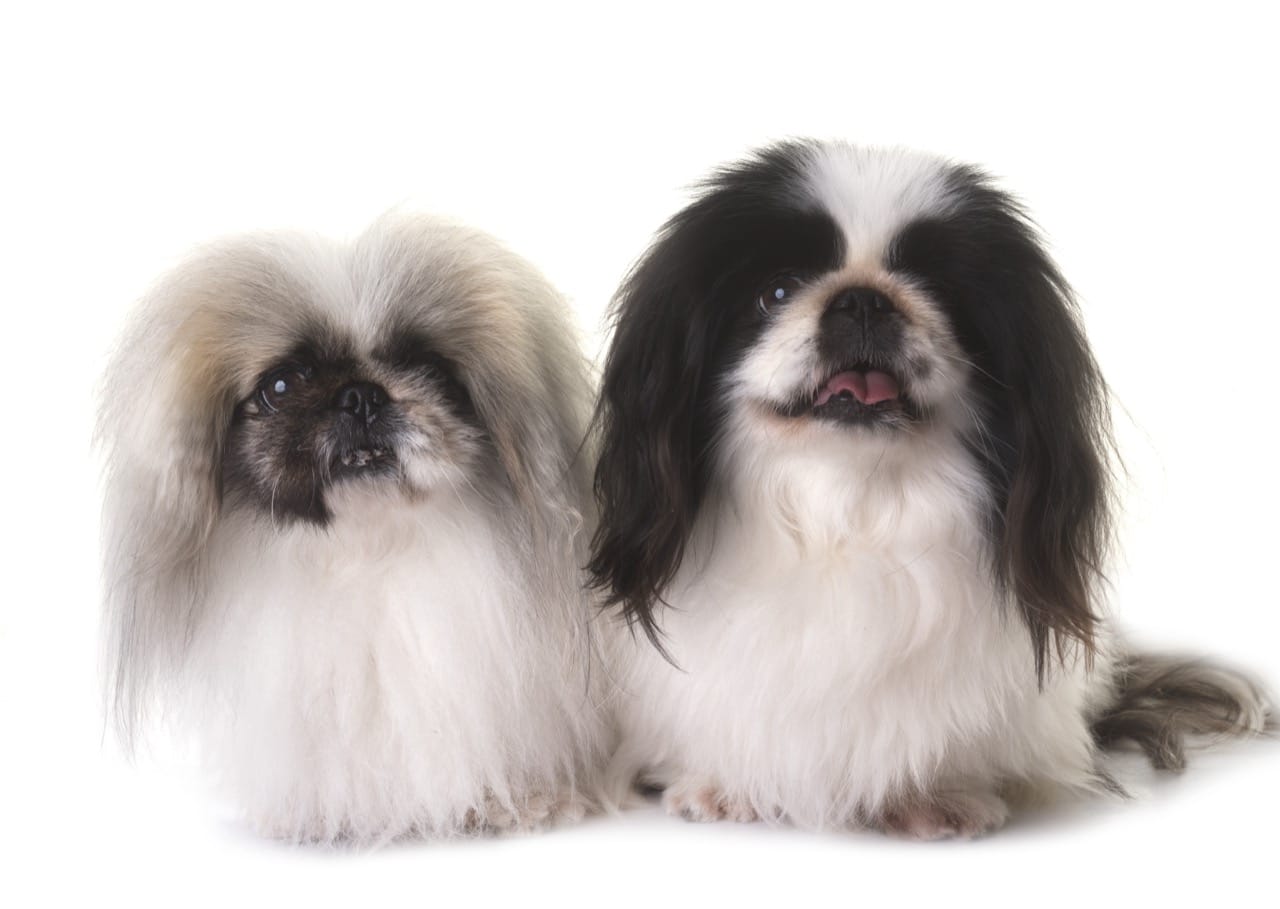
Color is the part many people overthink. Pekingese come in a wide range of colors and patterns, and the breed is not defined by a single shade. What matters more is that the coat and markings do not distract from the overall type: the recognizable head, the compact body, and the correct coat structure. If you are trying to identify a Pekingese, focus on the shape and expression first, then treat color as a bonus detail.
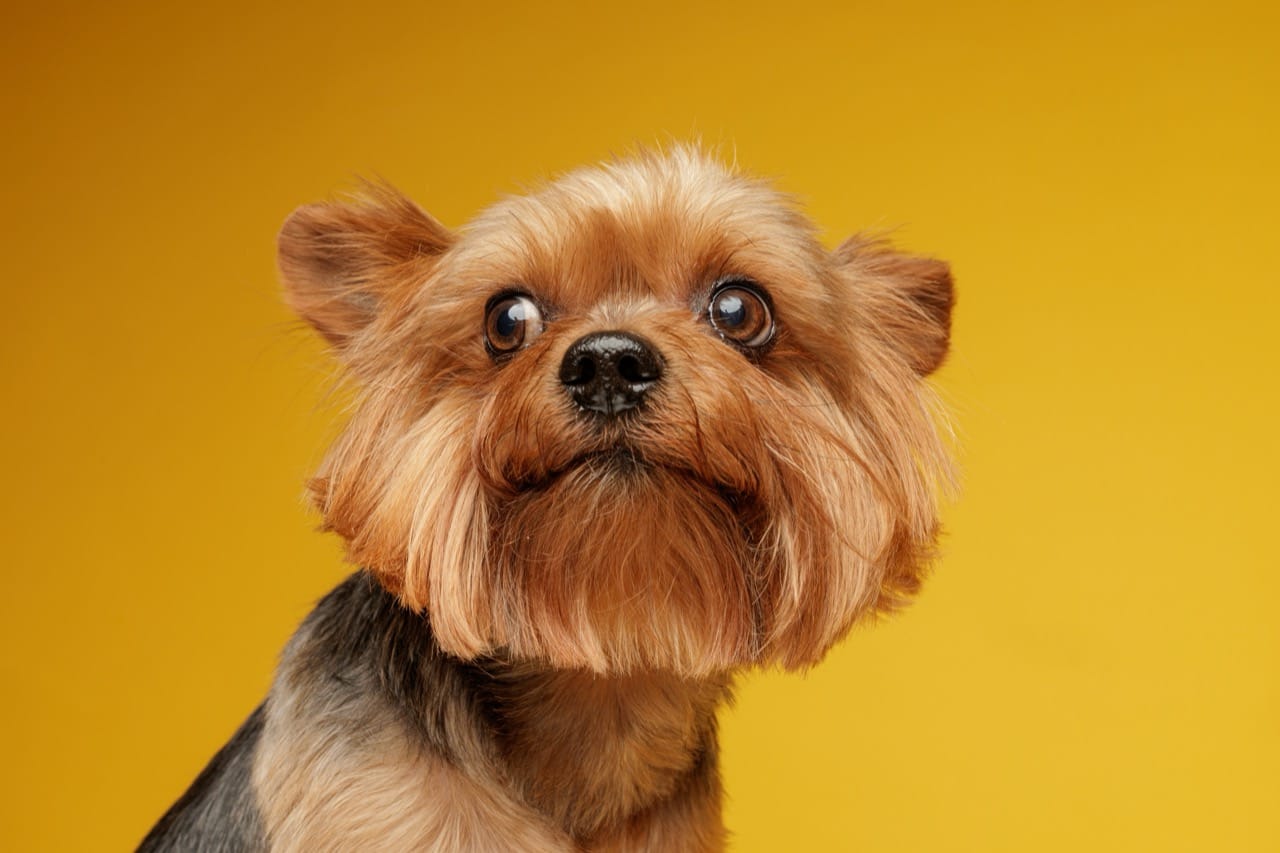
It also helps to know what the breed is not. A Pekingese should not look like a tiny spaniel with a longer muzzle, nor like a round coated puff with no visible structure. It should not appear tall on the leg, narrow in the chest, or fine boned. The best examples look confident and solid, with a front heavy impression, a broad face, and a coat that frames rather than overwhelms.
Once you learn these hallmarks, the Pekingese becomes easy to spot: a compact, low, lionlike companion with a wide, expressive face, a mane of straight hair supported by a thick undercoat, and a high carried feathered tail that completes its instantly recognizable outline.