Palace Dogs: Pekingese Origins

Quiz Complete!
From Imperial Treasure to Western Icon: The Palace Origins of the Pekingese
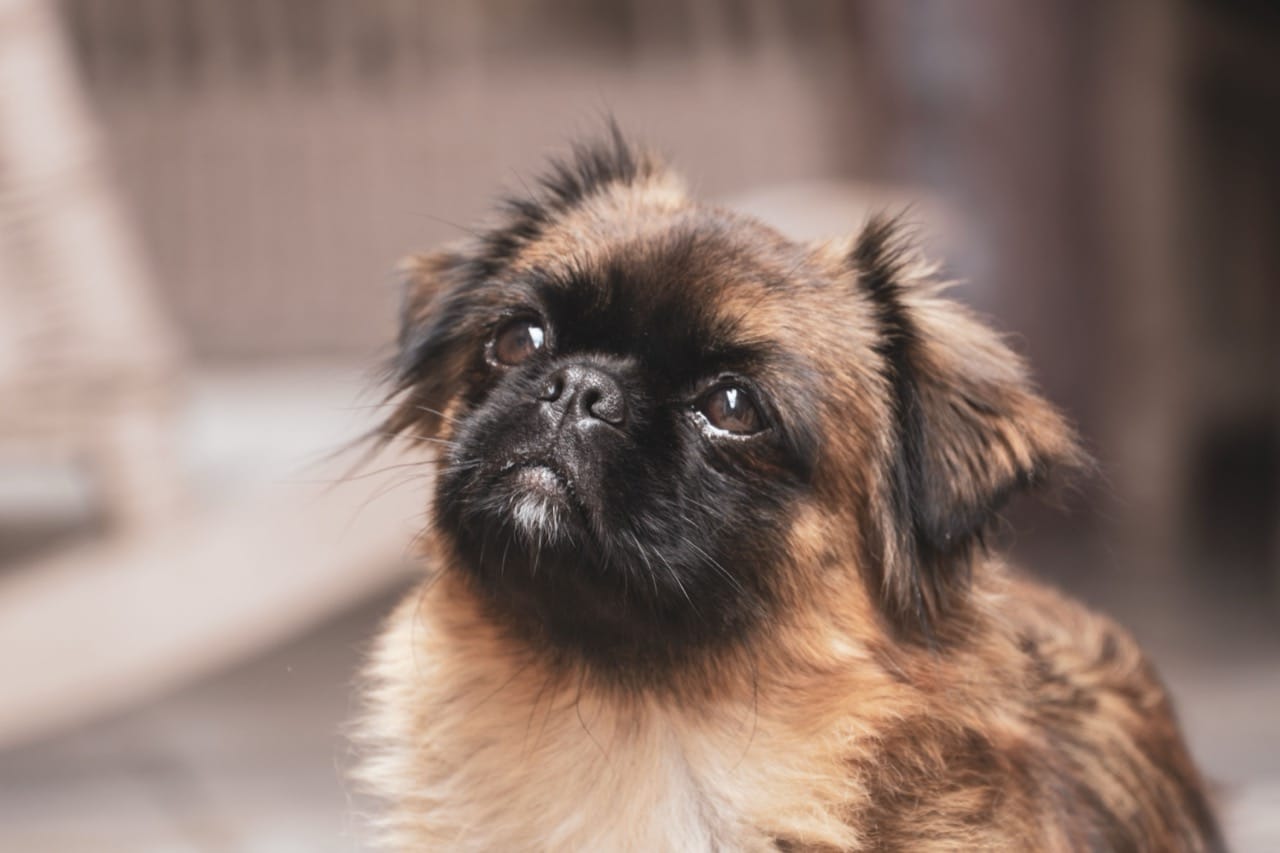
Small enough, as legend has it, to ride in a sleeve yet confident enough to stare down strangers, the Pekingese has one of the most tightly guarded origin stories in the dog world. This is not a breed shaped by farms or hunting fields, but by palace walls, court ritual, and centuries of selective breeding in China. Developed in and around Beijing, the Pekingese became closely associated with the imperial household, especially during the Qing dynasty. While similar toy spaniel type dogs existed earlier, the Pekingese as we recognize it today was refined as a companion animal for the highest ranks of society, with appearance and demeanor valued as much as affection.
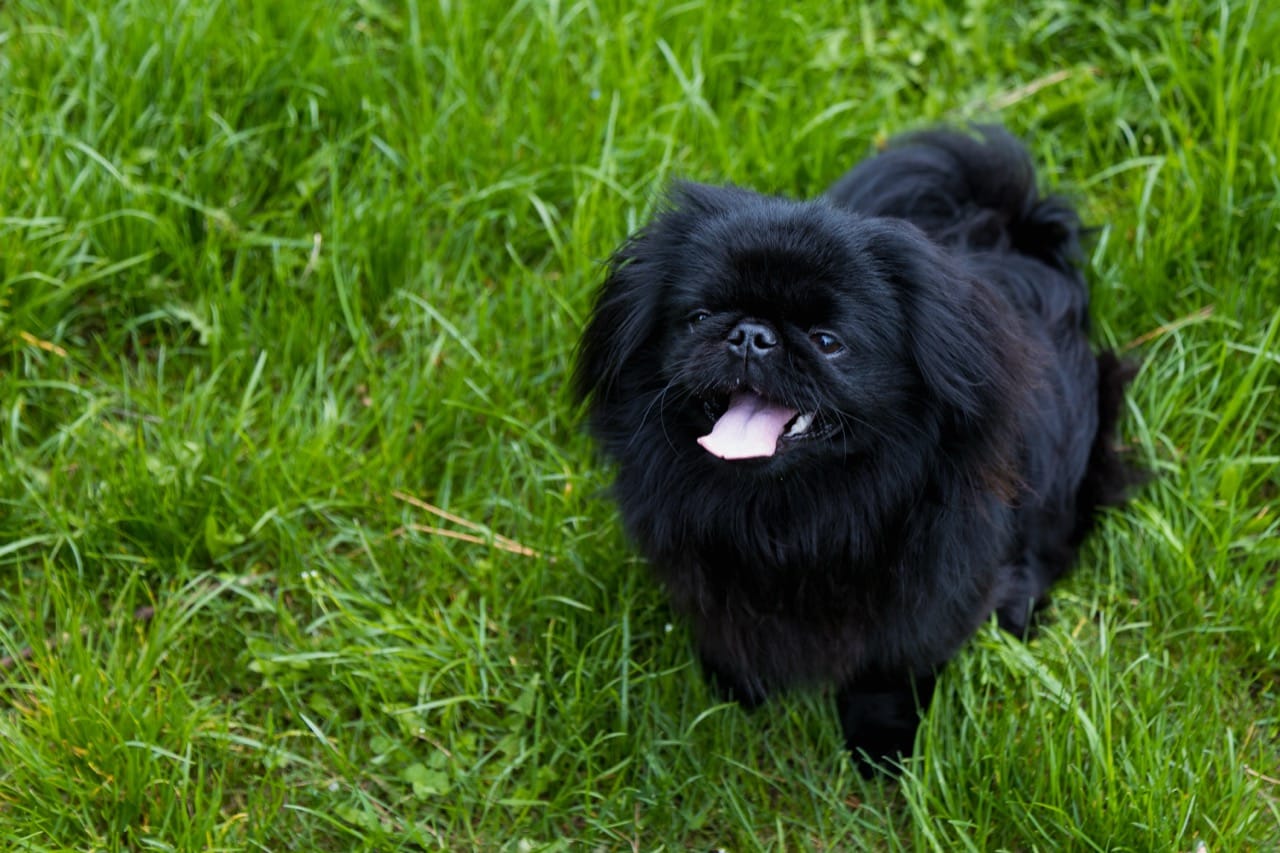
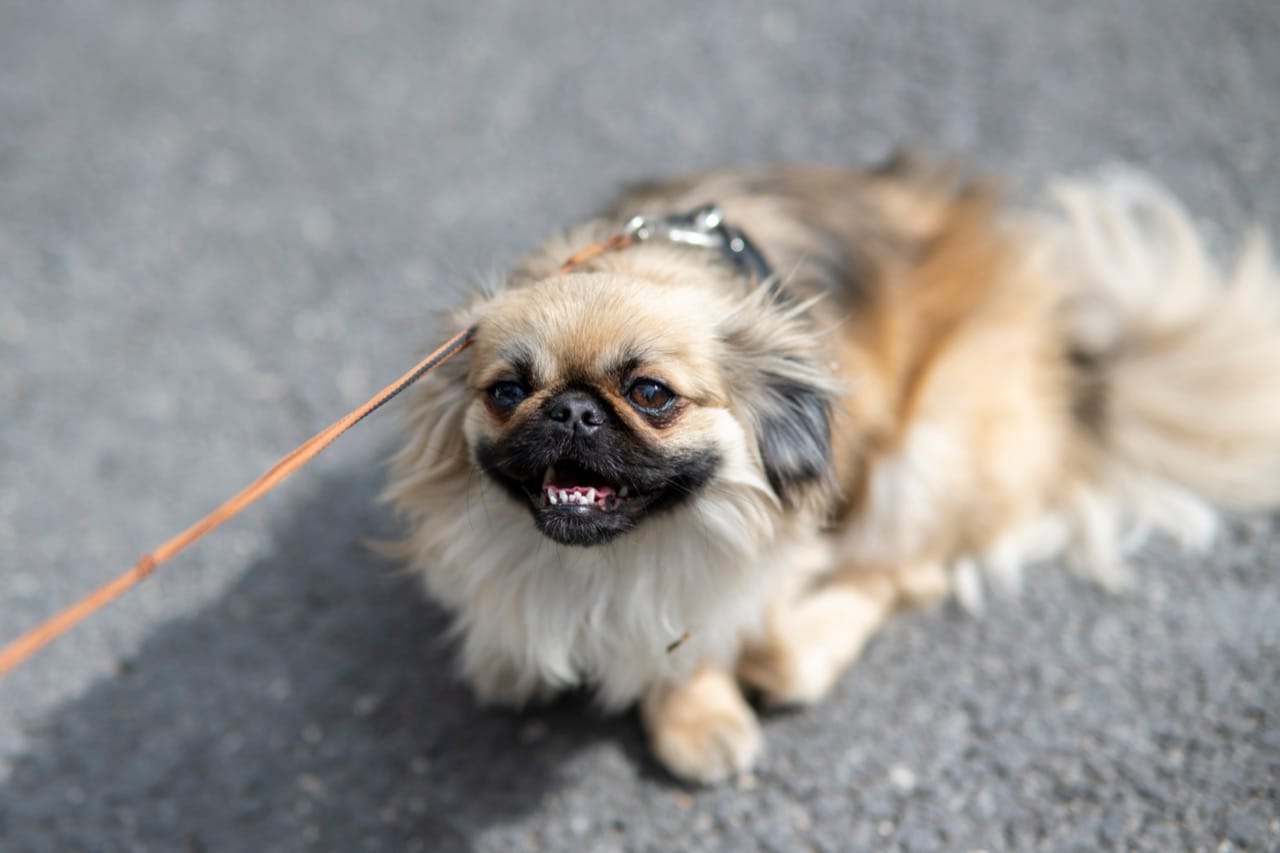
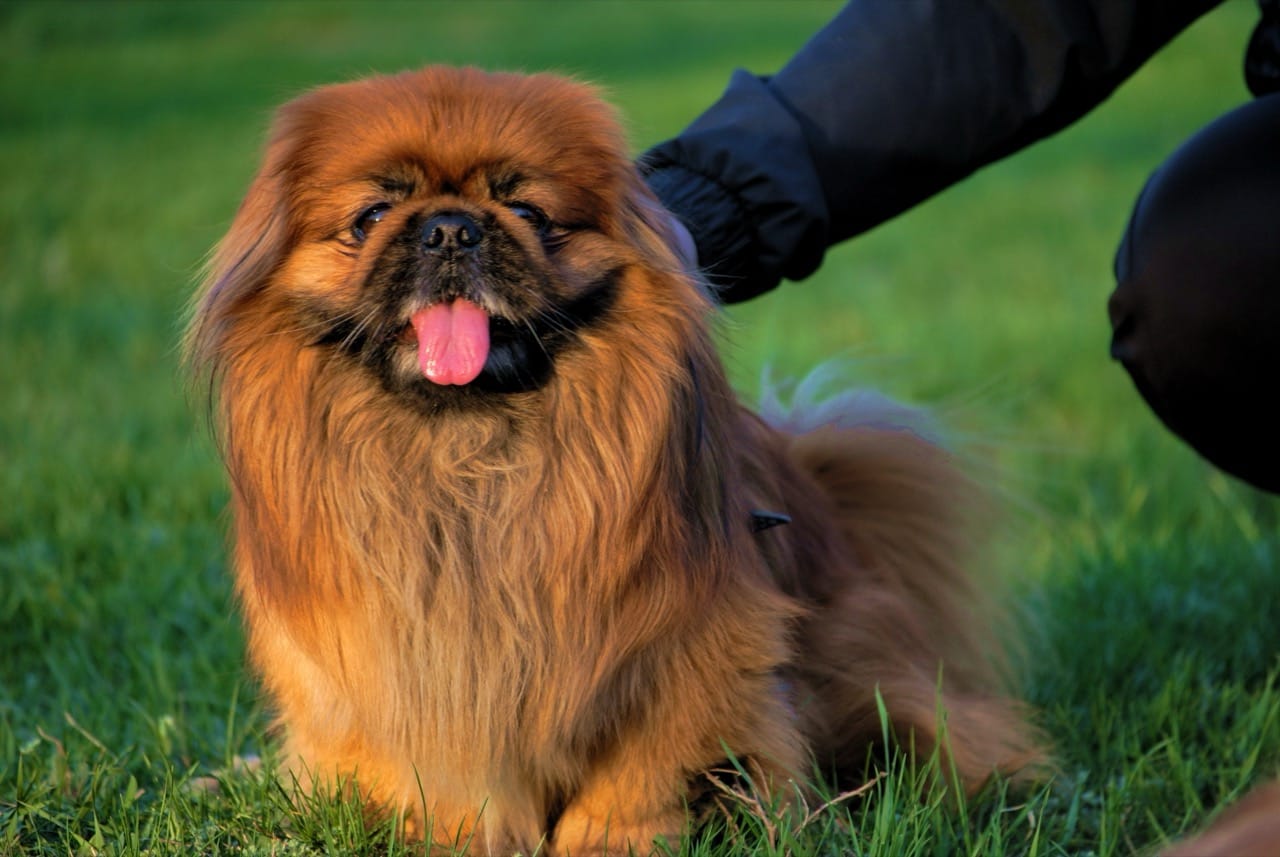
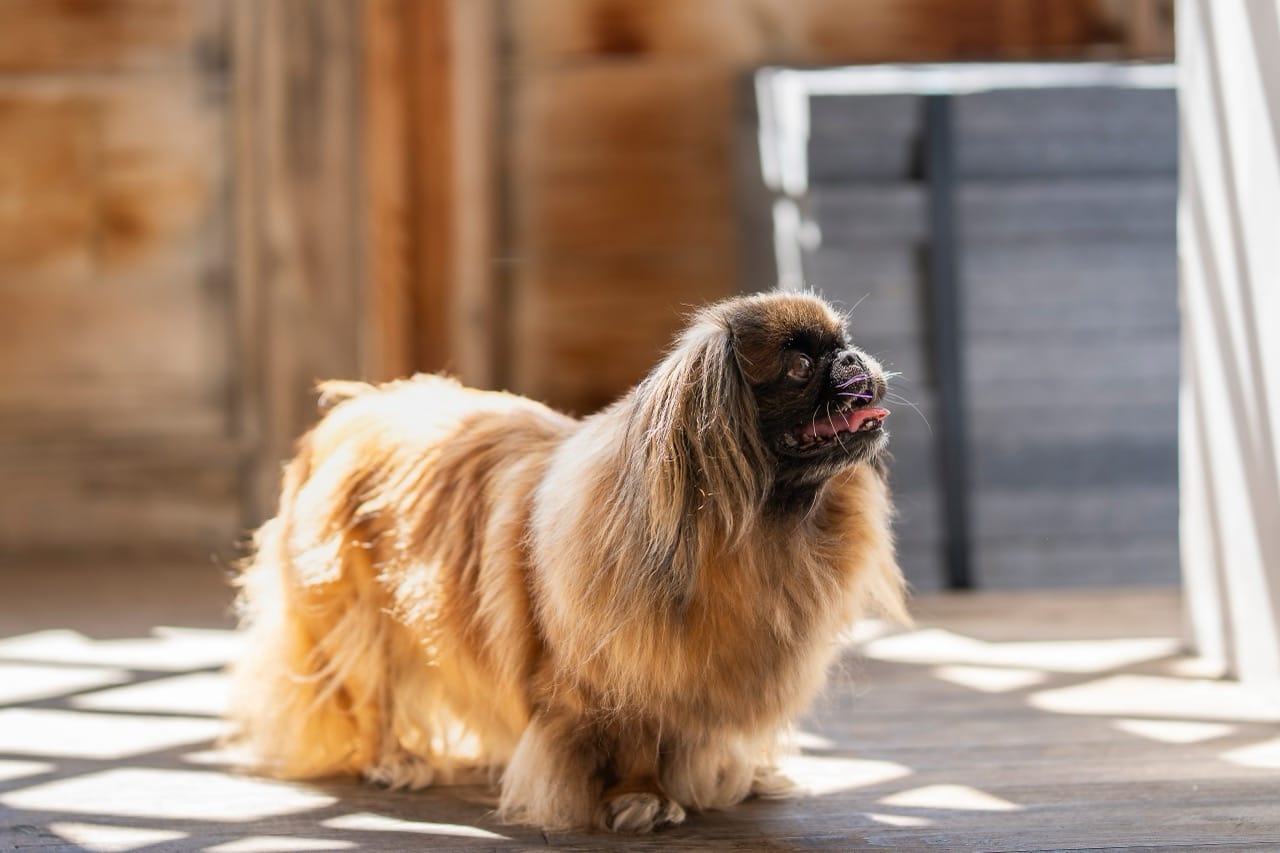
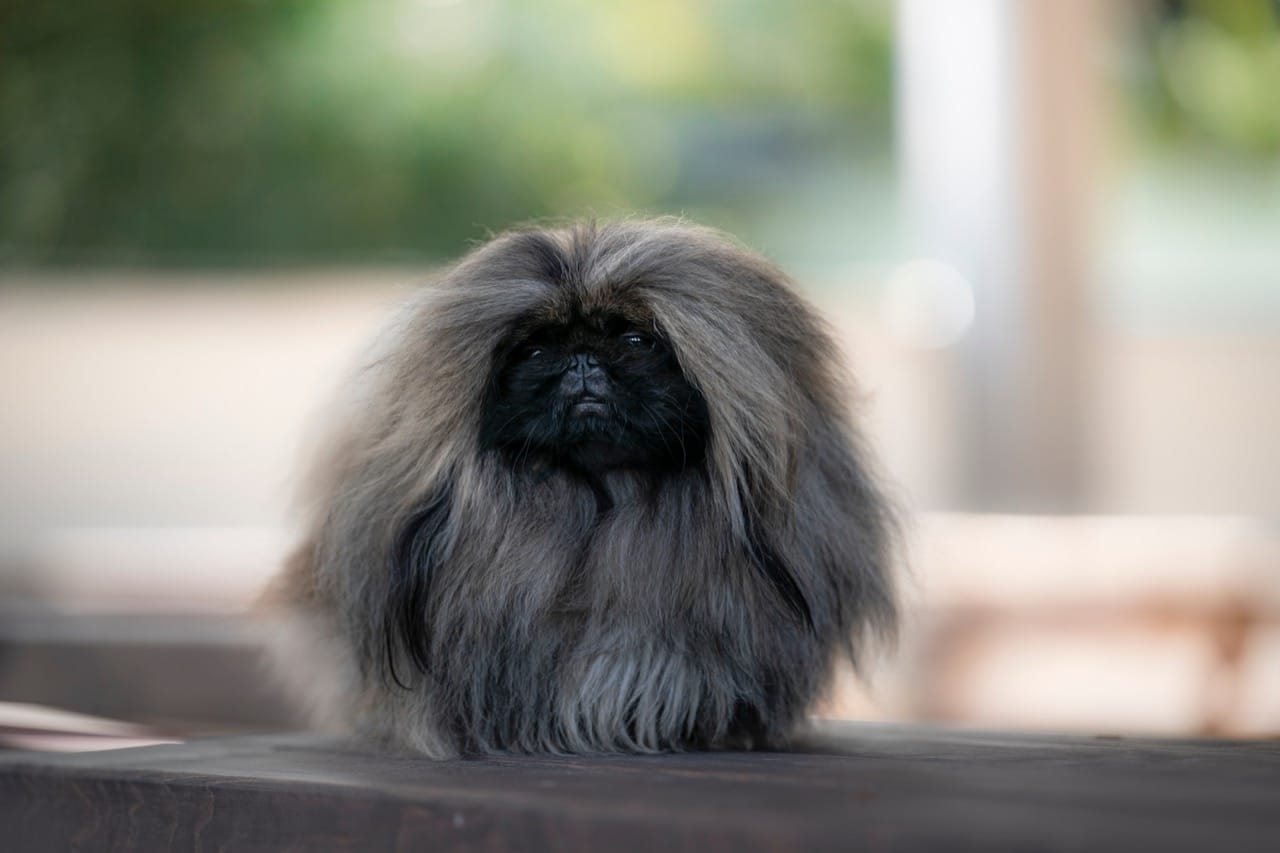
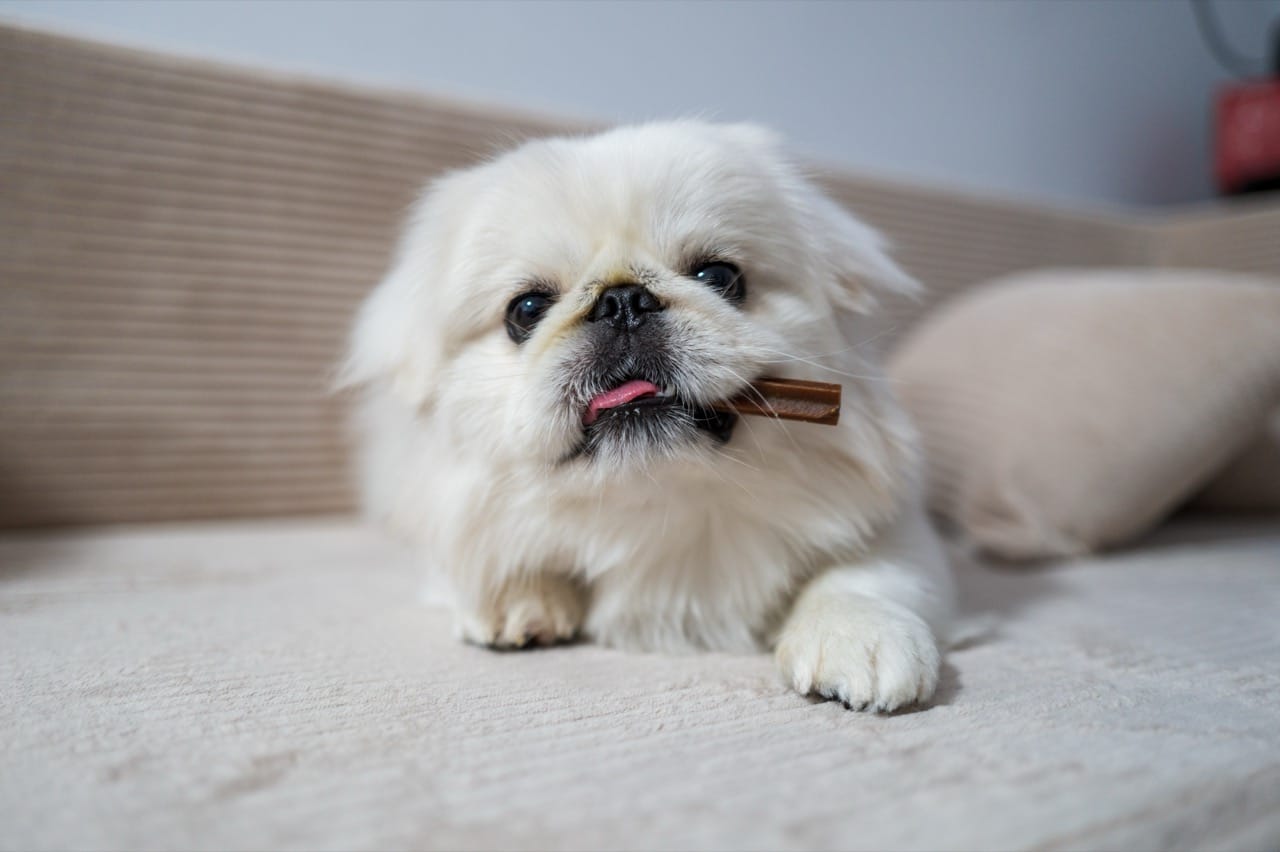
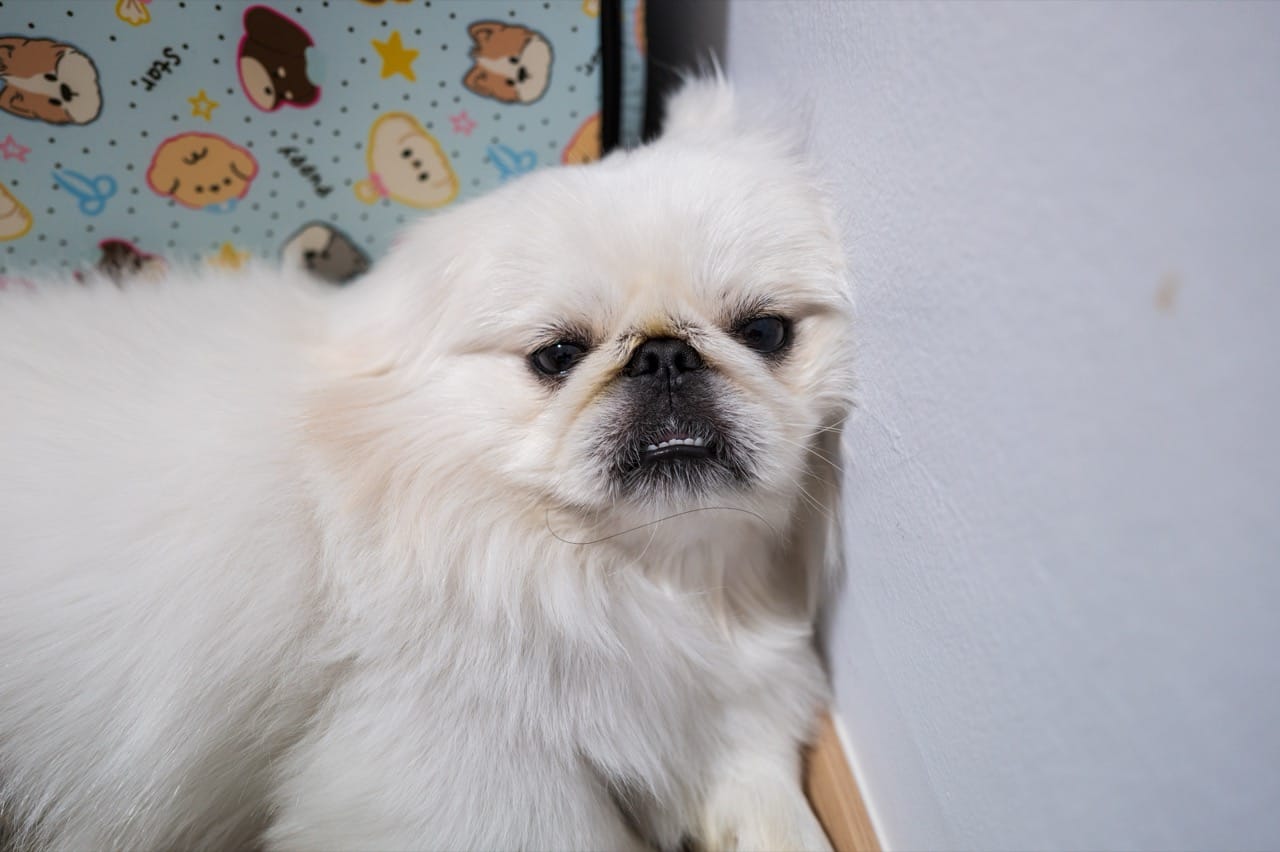
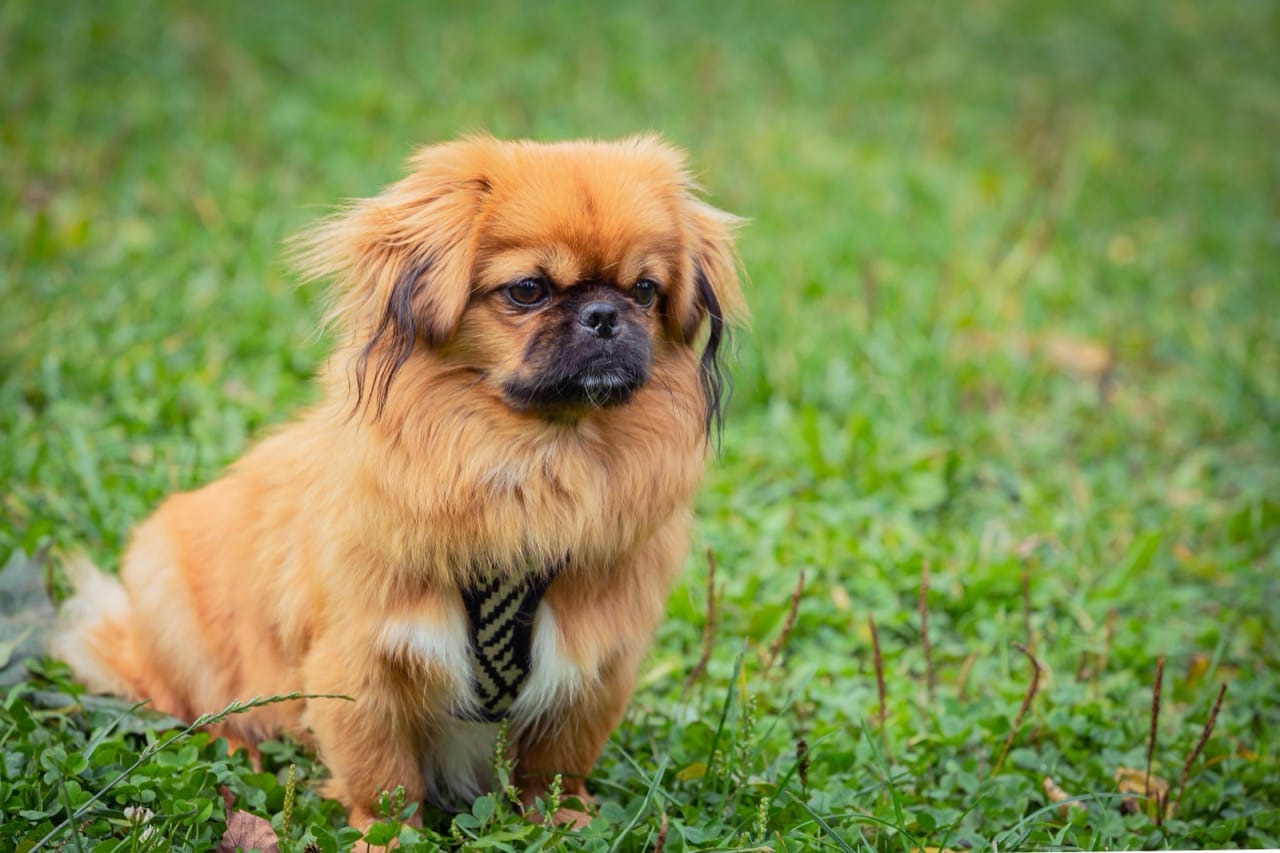
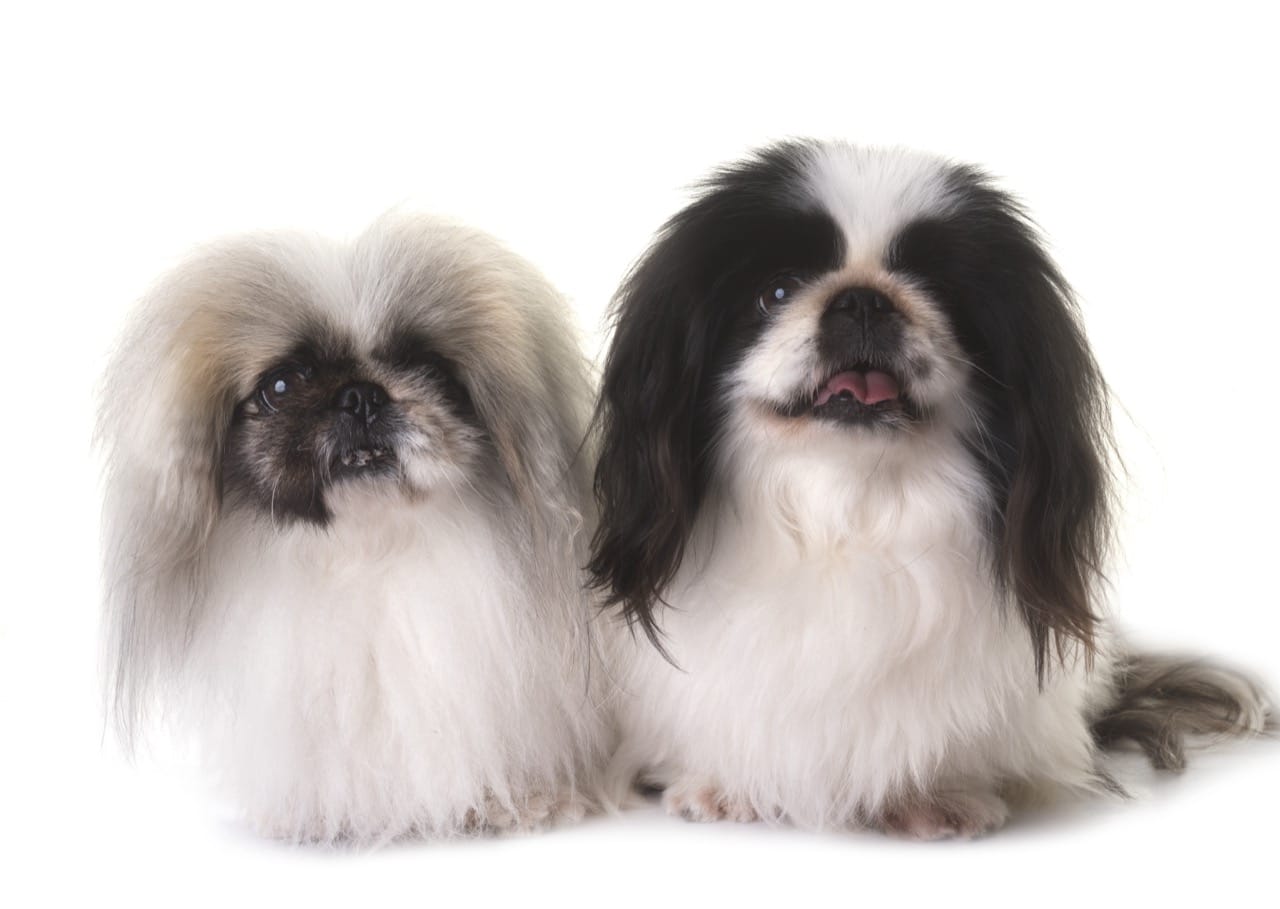
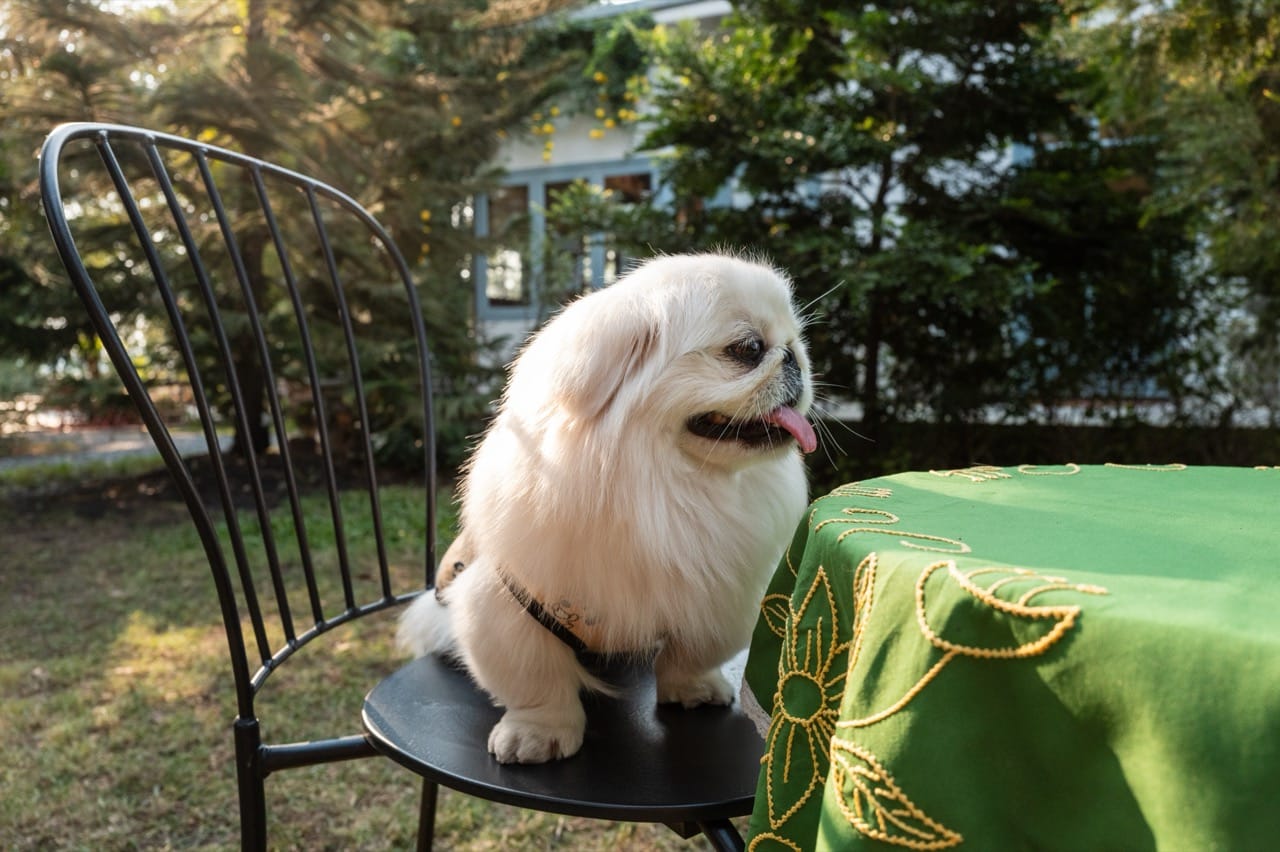
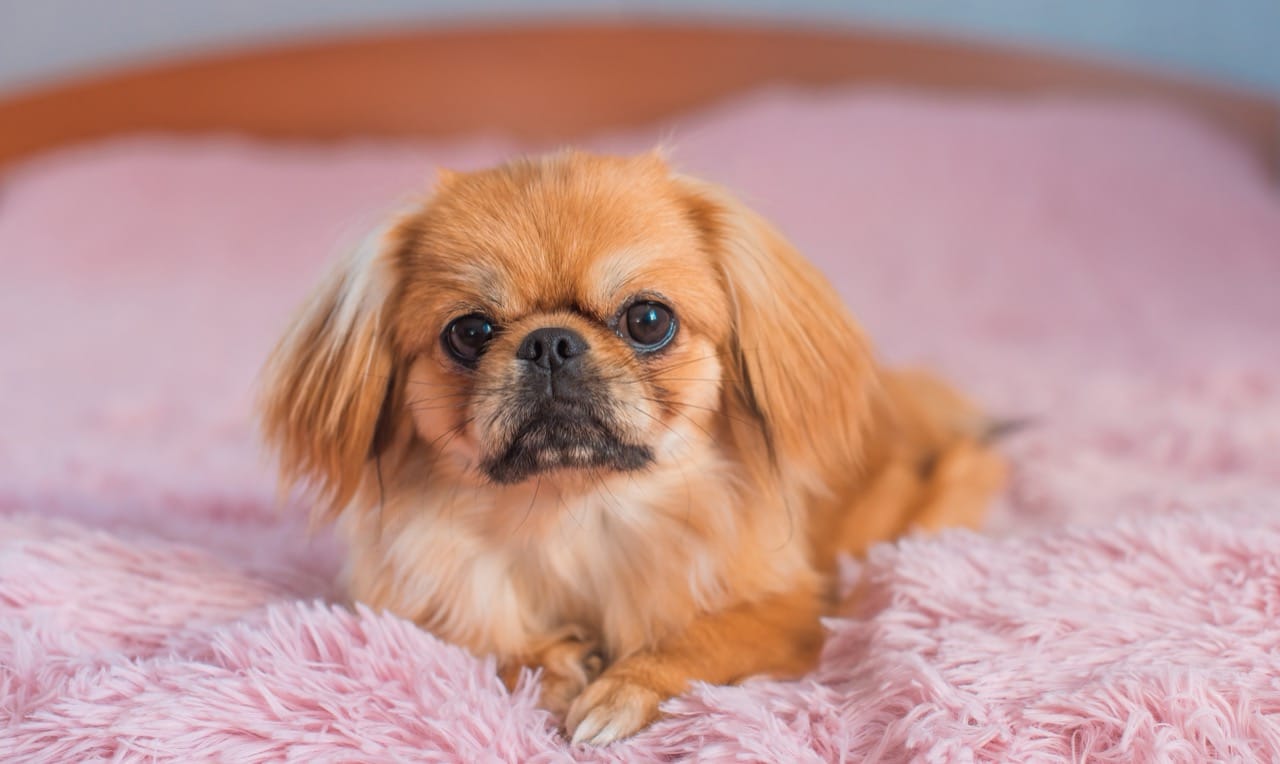
In the Qing court, these dogs were more than pets. They were living symbols of status, carefully managed and often treated as rare treasures. Court life encouraged a distinctive look: a compact body, a broad head, a very short muzzle, large expressive eyes, and a profuse coat that created a mane-like effect. That lionlike outline was not accidental. In Chinese art and Buddhism, lions carried protective symbolism, and small “lion dogs” were seen as auspicious companions. Stories circulated about “sleeve dogs” carried in wide robe sleeves, and although the details can be romanticized, the underlying truth remains: these dogs were bred to be close to humans and to project a bold, almost ceremonial presence.
For Westerners in the 18th and early 19th centuries, China’s imperial court was distant and restricted, and so were its dogs. Early accounts described palace dogs as exotic rarities, sometimes with exaggerated claims about their value and the penalties for removing them. The sense of mystery was fueled by limited access to the Forbidden City and the fact that these dogs were not broadly traded. When a Pekingese did appear in foreign writing or art, it was often framed as a glimpse into a closed world.
The turning point came in 1860 during the Second Opium War, when British and French forces entered the Summer Palace complex near Beijing. In the aftermath, a small number of palace dogs were found and taken to the West, an event that became central to the breed’s Western timeline. The best known of these dogs was a Pekingese presented to Queen Victoria in 1861, later named Looty. Whether or not every popular retelling captures the full nuance of the moment, Looty became a potent symbol: a tangible link between imperial China and Victorian Britain, and an early anchor for the breed’s identity outside its homeland.
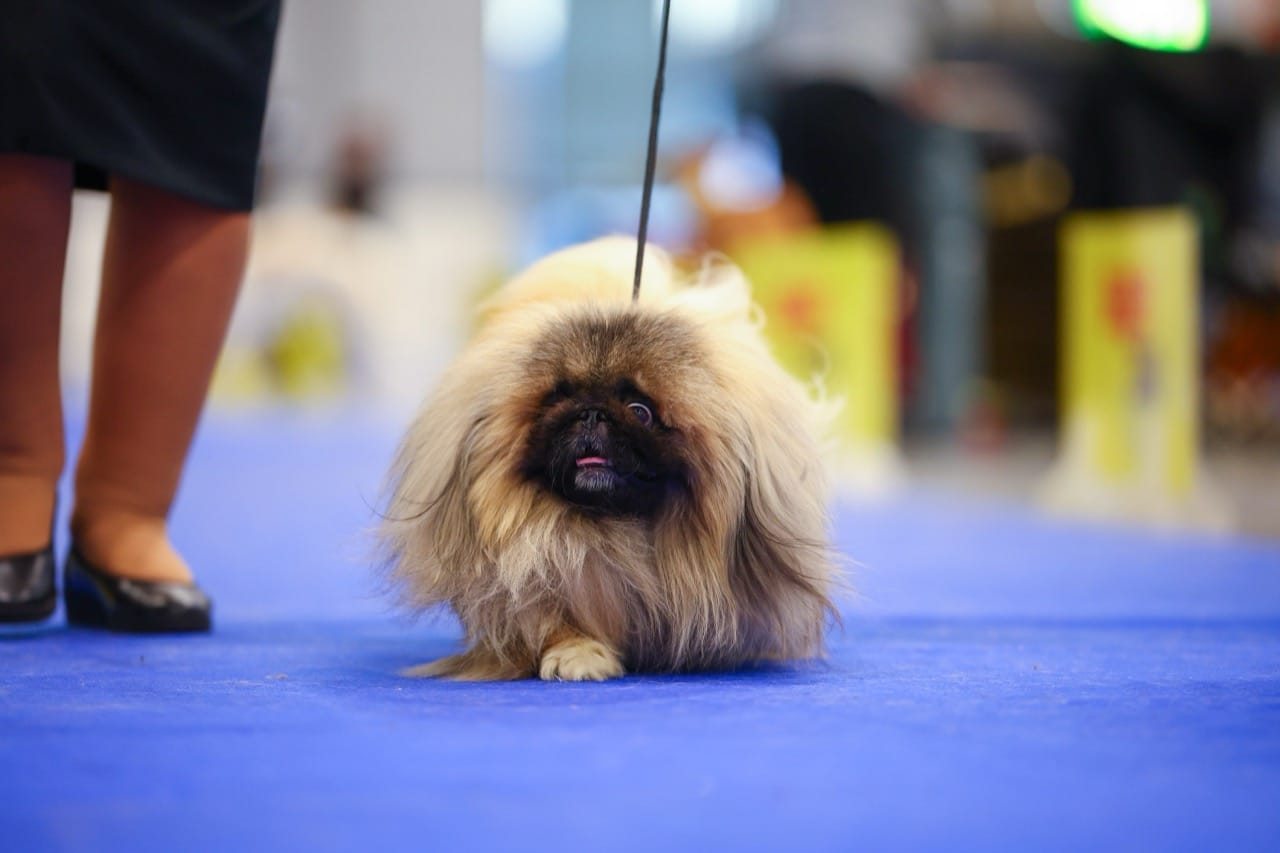
As more Pekingese reached Britain in the late 19th century, they entered an environment fascinated by purebred dogs and formalized standards. Fanciers compared notes on type, coat, and expression, trying to preserve what they believed to be the authentic palace look. The breed’s reputation as an imperial companion helped it stand out in dog shows, where its dramatic outline and confident carriage drew attention. Kennel club recognition and organized breeding programs soon followed, which helped standardize the Pekingese in the West. This process also shaped the modern dog: once a carefully controlled court treasure, it became a registered breed with written descriptions, pedigrees, and show traditions.
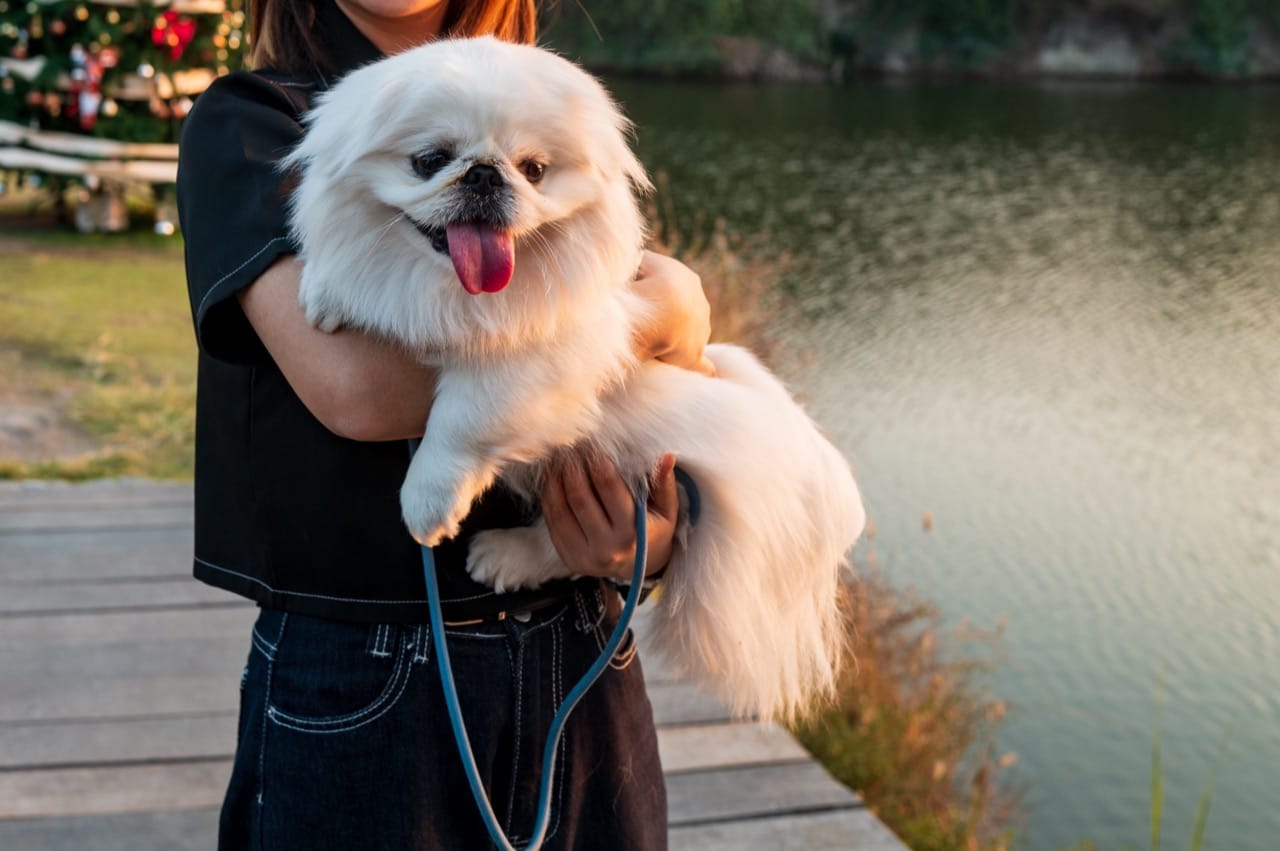
Today, the Pekingese still carries that palace legacy in its attitude as much as its appearance. Behind the silky coat and flat face is a dog bred for intimate companionship and dignified self-possession, a tiny survivor of history’s upheavals whose journey from imperial halls to ordinary homes remains one of the most distinctive stories in the companion dog world.