Peke Myths, Busted







Quiz Complete!
Pekingese Facts and Fiction: Myths, Realities, and Everyday Care
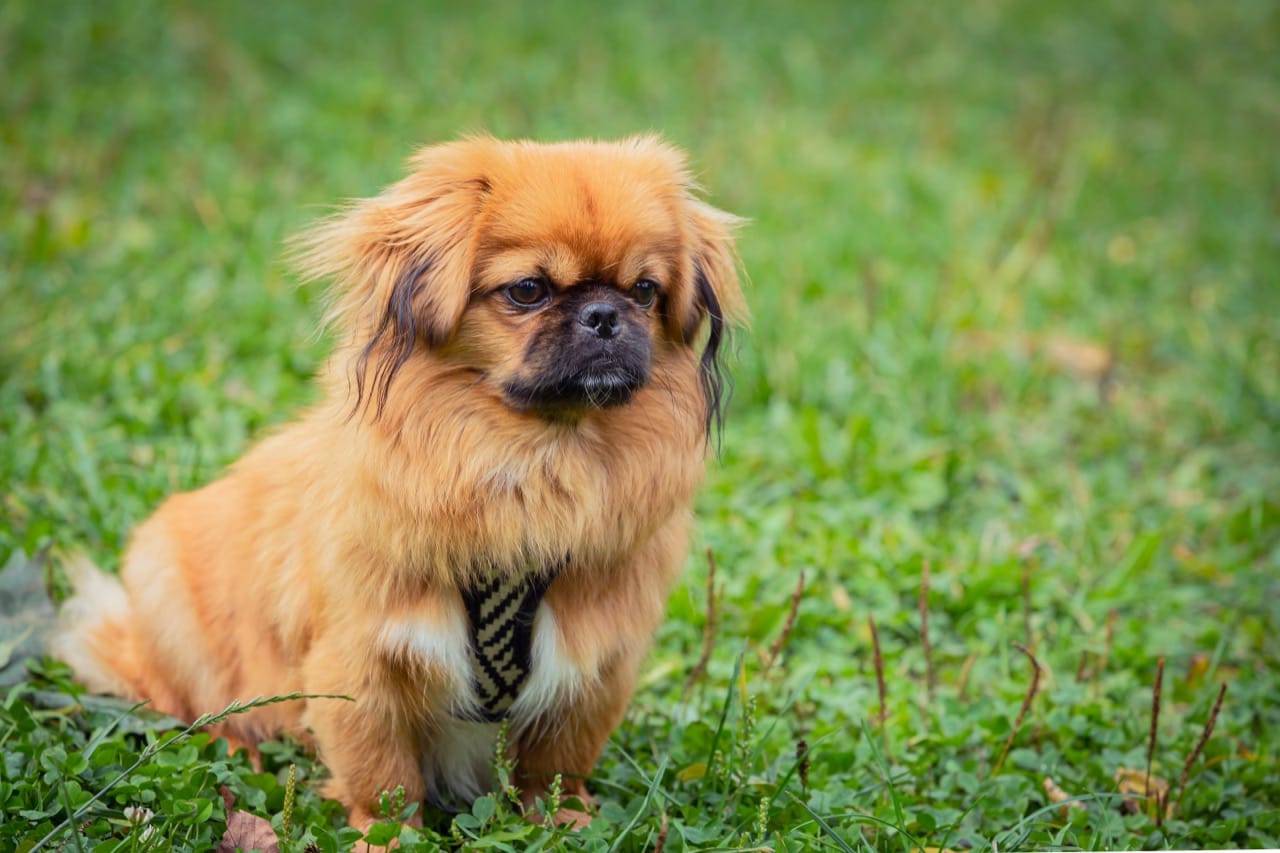
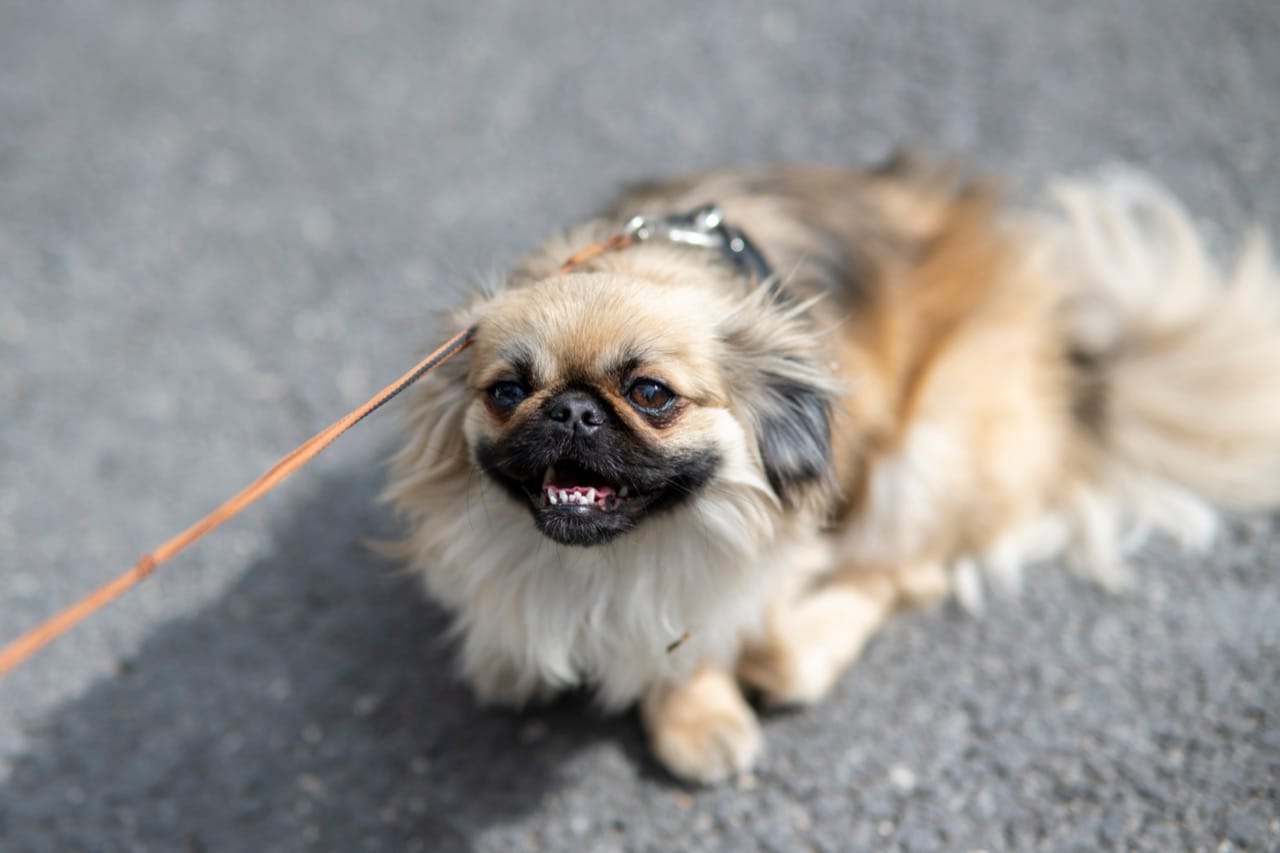
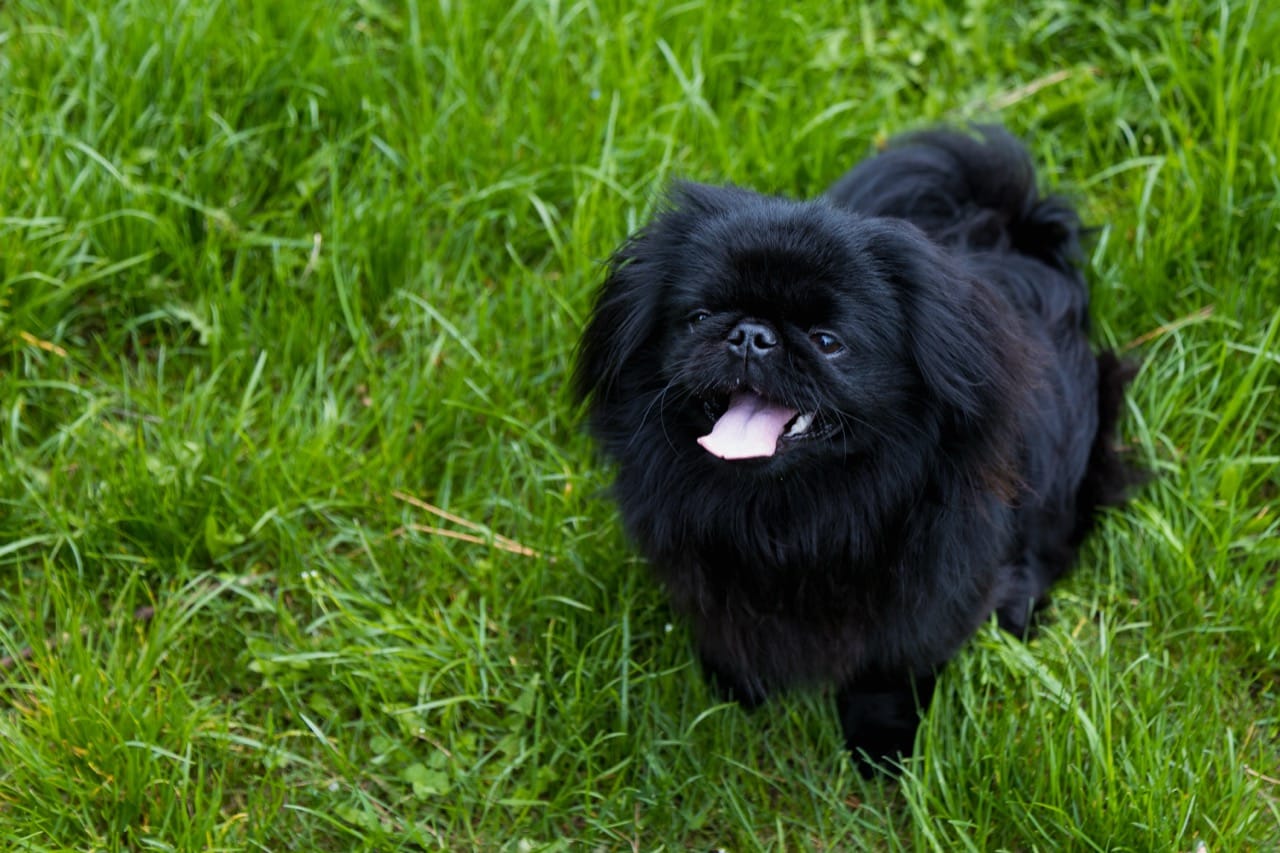
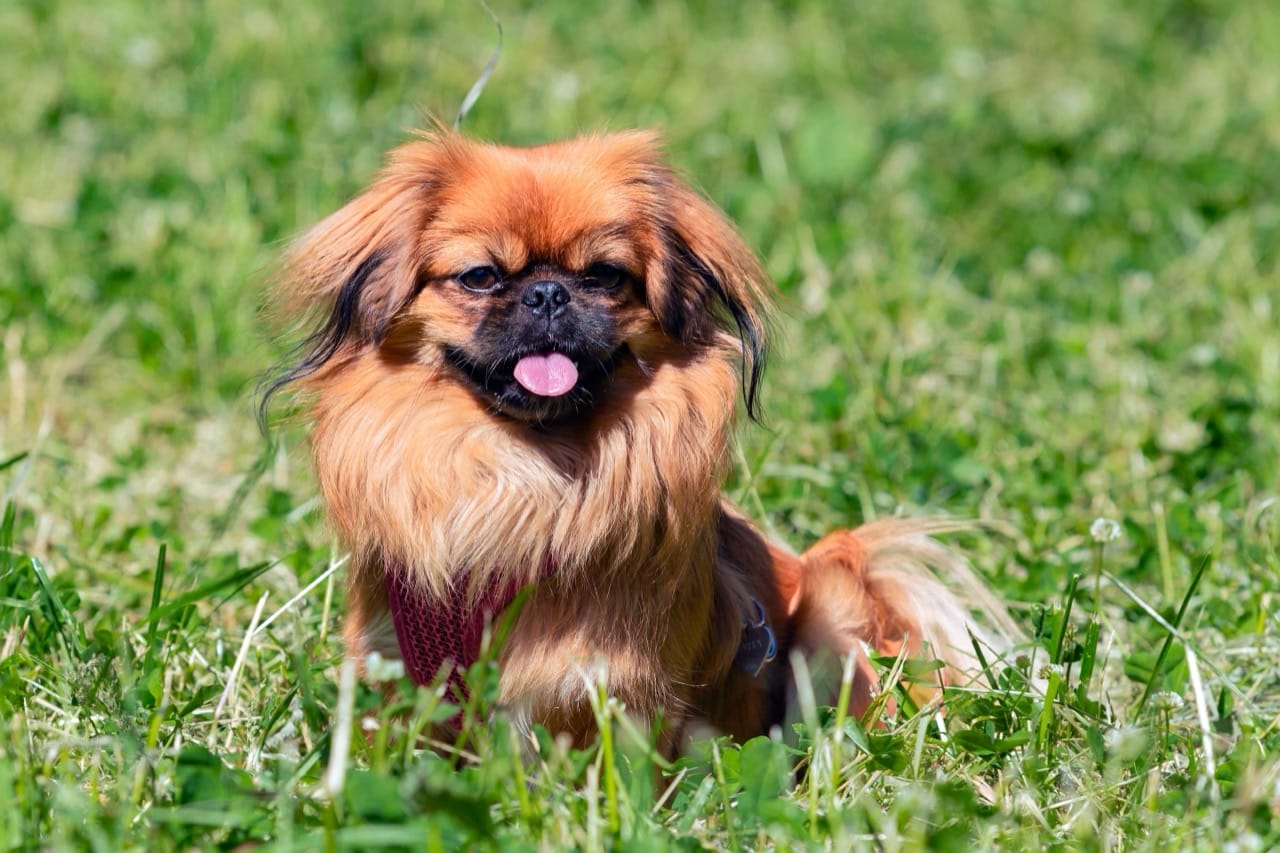
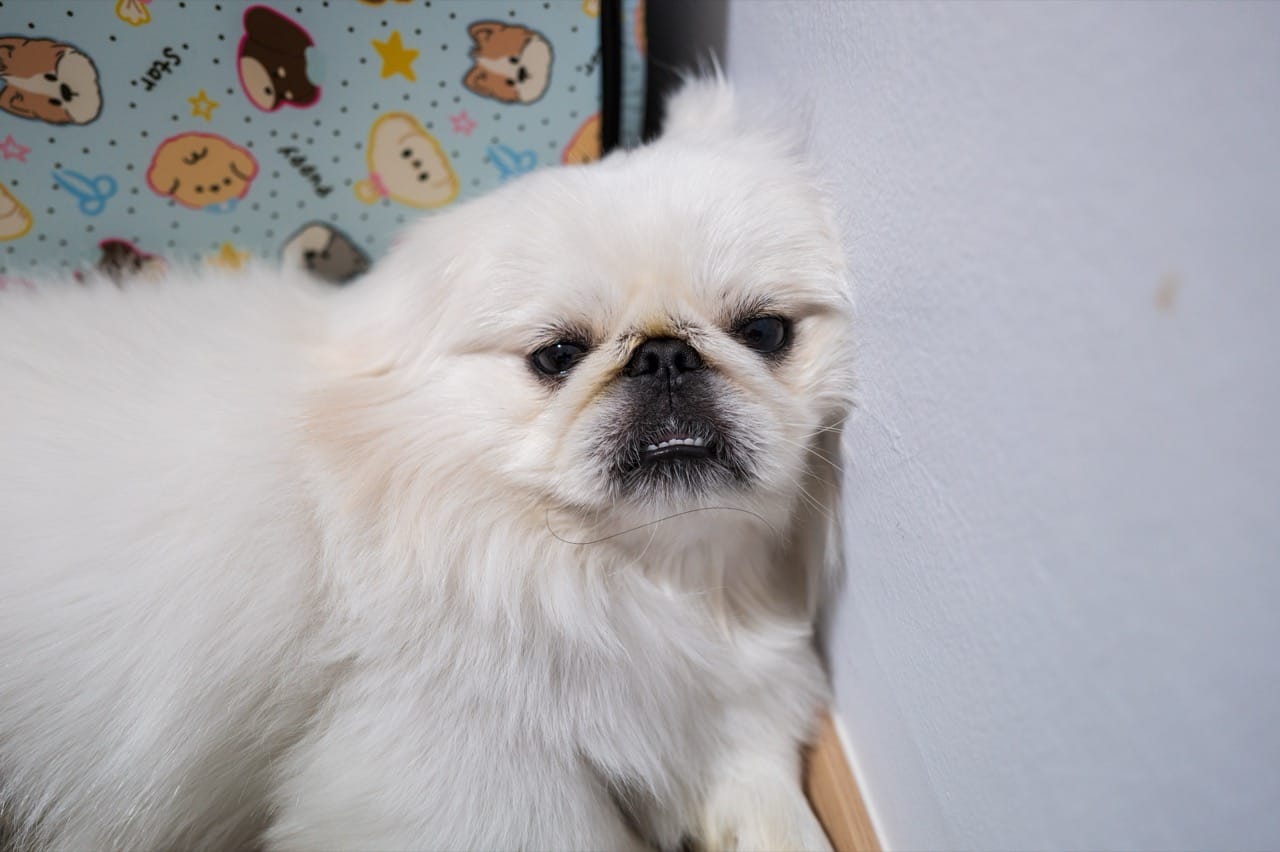
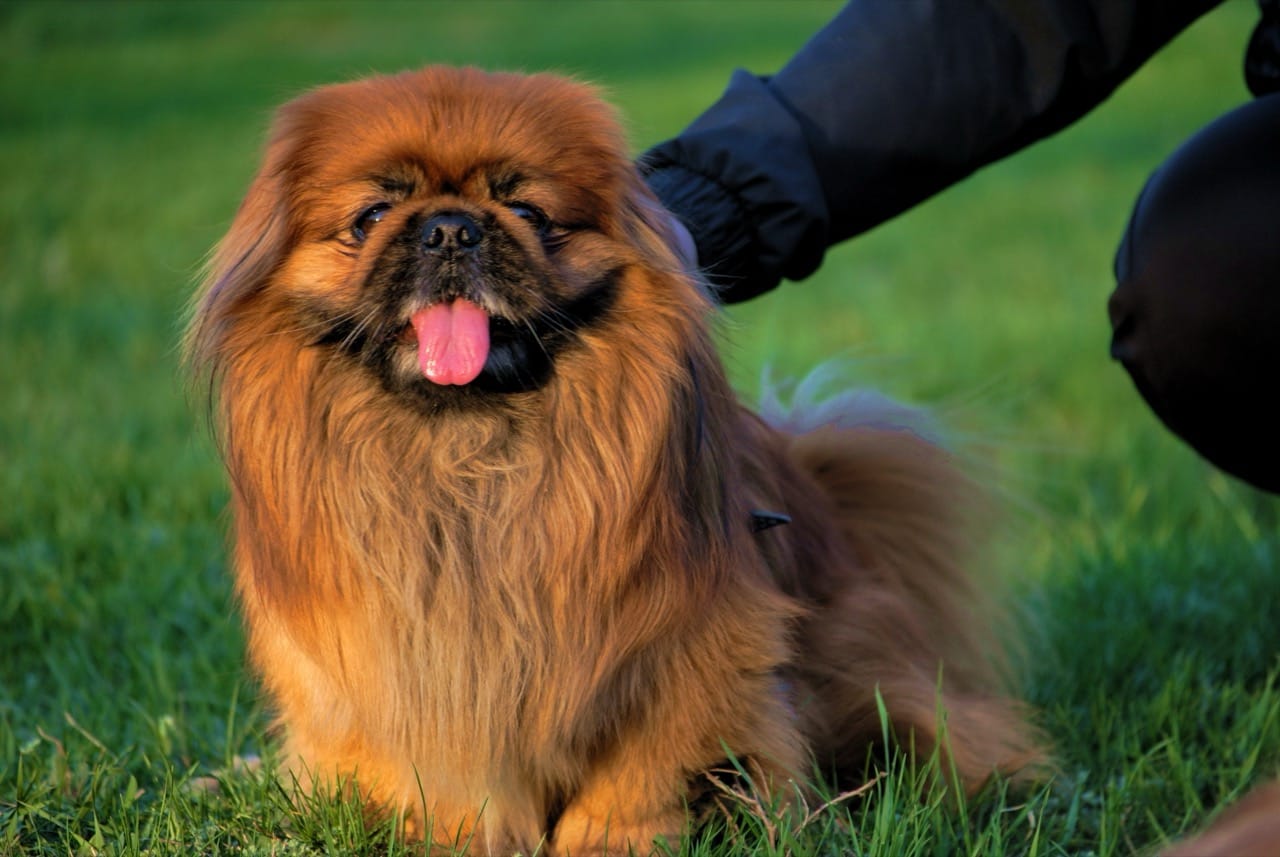
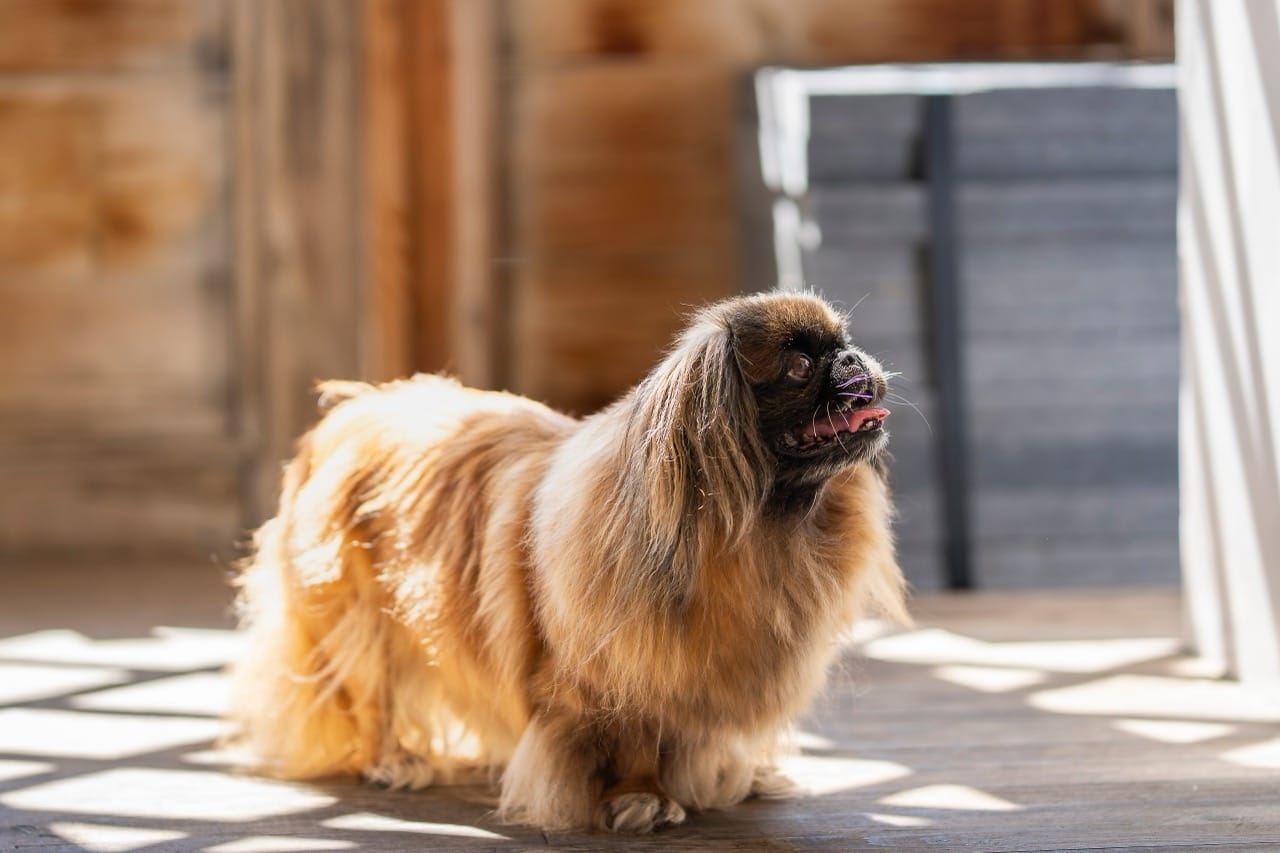
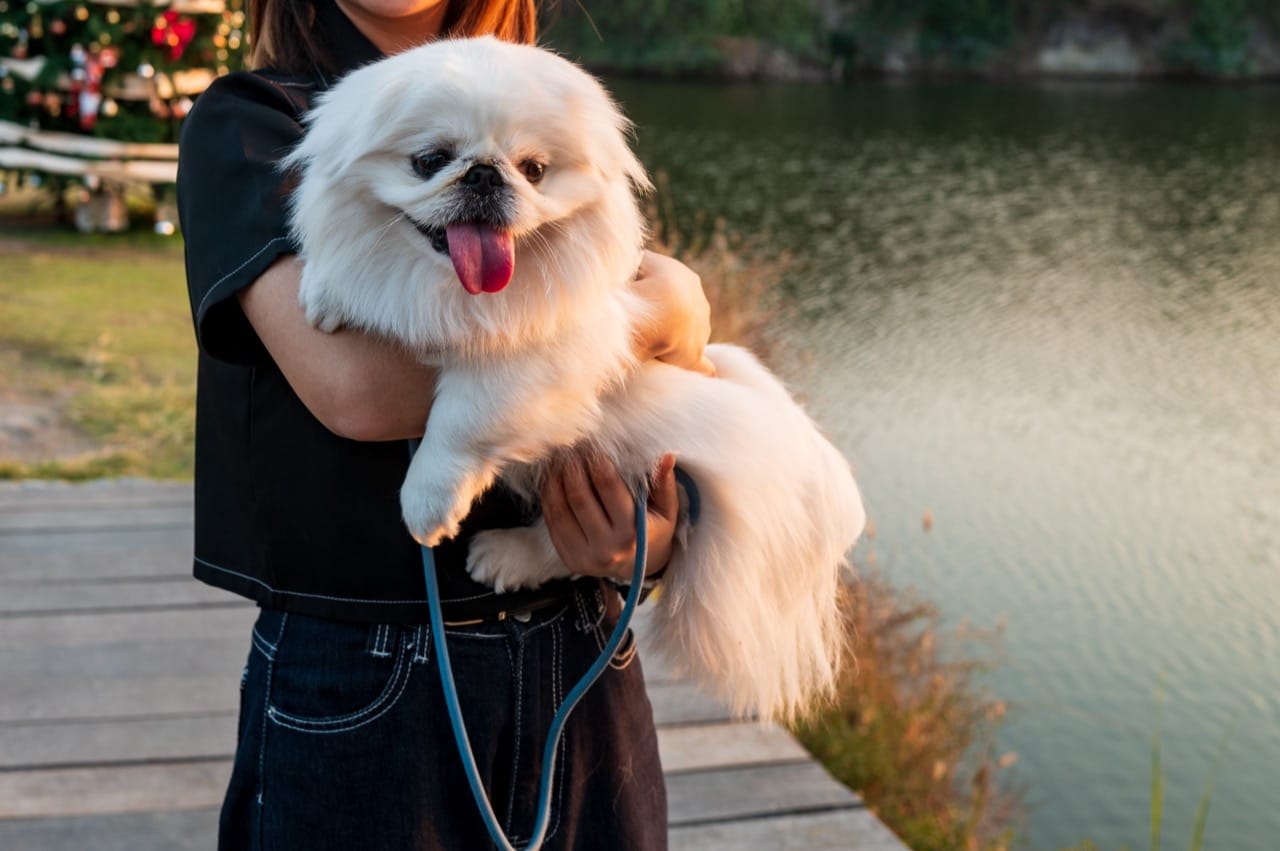
The Pekingese may be small enough to fit comfortably in a lap, but the breed was never meant to be treated like a toy. Bred in ancient China and closely associated with imperial courts, Pekingese were valued companions with an unmistakable sense of importance. That history still shows up today in their confident posture and surprisingly bold attitude. One of the most common myths is that a Pekingese is automatically delicate and helpless. In reality, many are sturdy little dogs with strong opinions and a willingness to stand their ground. Their small size does mean they can be injured by rough handling, jumps from high furniture, or overly enthusiastic play with much larger dogs, so smart management matters more than assuming they are fragile by nature.
Another tall tale is that Pekingese are impossible to train. They can be trained, but they are not famous for being blindly obedient. Many Pekingese are independent thinkers and respond best to patient, consistent training that feels worthwhile to them. Short sessions, clear cues, and rewards that genuinely motivate the dog often work better than repetitive drilling. Harsh corrections tend to backfire, not because the dog is weak, but because the breed can be sensitive and stubborn at the same time. House training can take longer than with some breeds, so a predictable routine and careful supervision are practical necessities.
People also assume Pekingese are unfriendly, when what they often are is discerning. Many are affectionate with their own people and reserved with strangers. Early, positive social experiences help them feel comfortable in new situations. They may not be the type to greet every passerby, but that is different from being aggressive. Like any dog, temperament varies by individual and by upbringing, and good breeders prioritize stable, confident personalities.
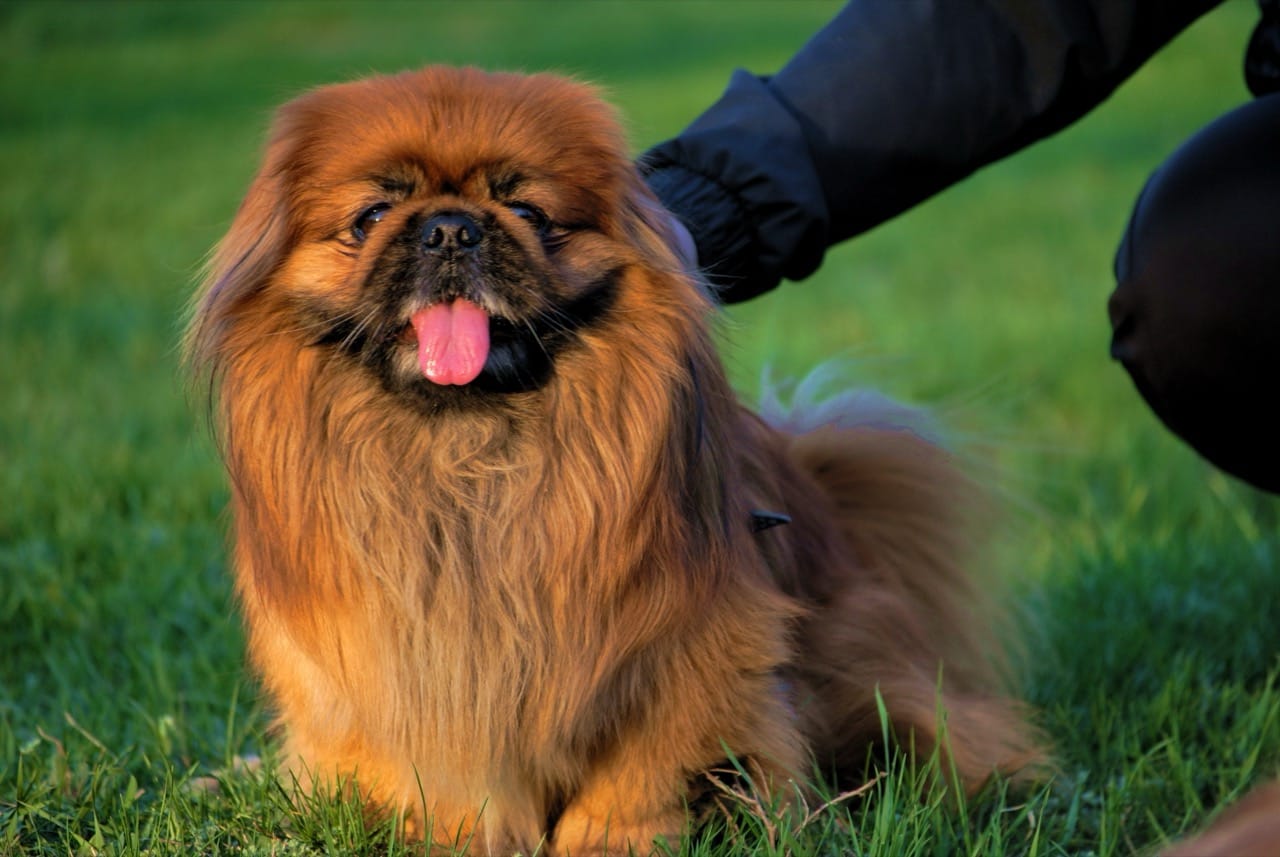
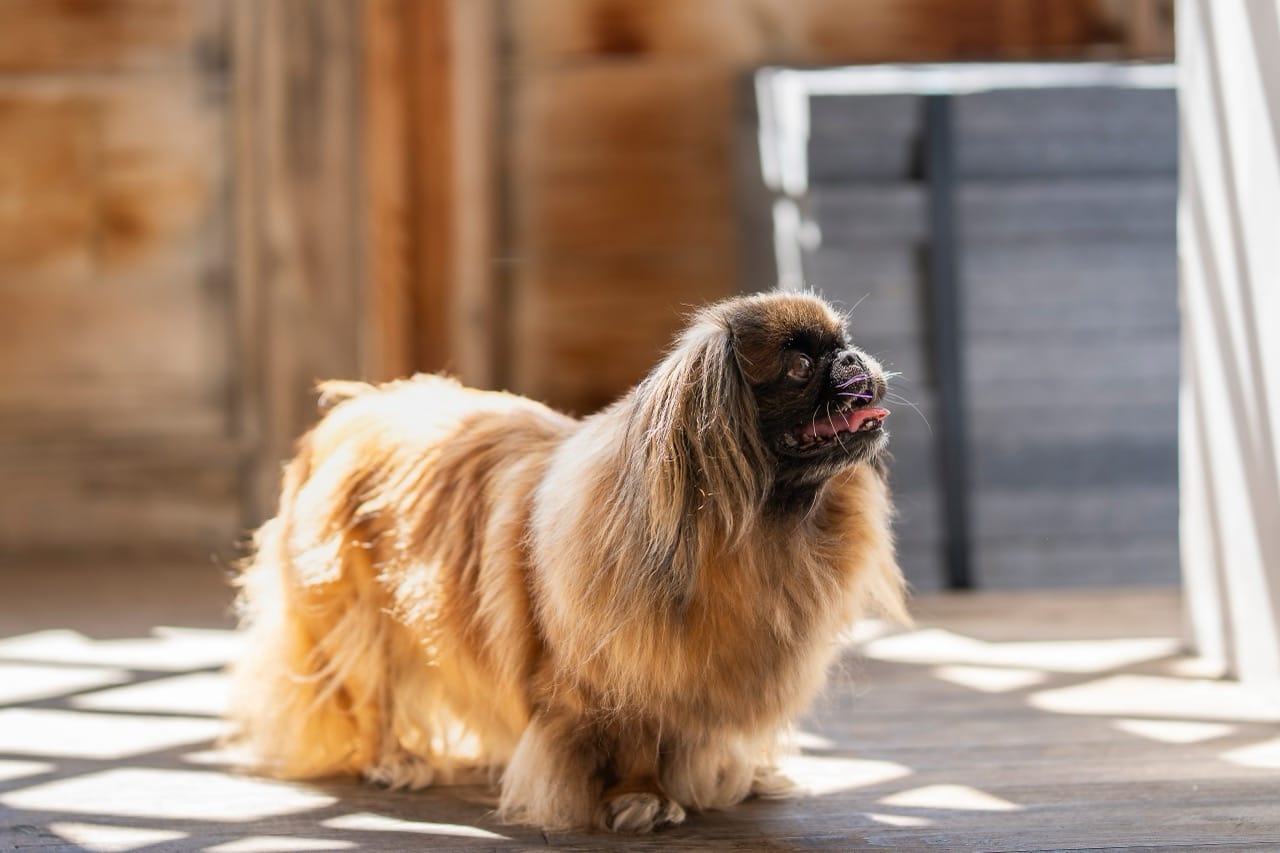
The dramatic coat sparks another misconception: that grooming must be nonstop or the dog will be miserable. The truth is that coat care is regular, not endless, and it depends on the lifestyle you choose. A full coat needs consistent brushing to prevent mats, especially behind the ears, under the collar area, and around the legs. Many owners keep a shorter trim for convenience, which can reduce tangles and keep the dog cleaner without changing who the dog is. Pekingese do shed, often in noticeable seasonal cycles, so brushing is as much about managing hair around the home as it is about keeping the coat healthy.
Because Pekingese are brachycephalic, meaning they have a shortened muzzle, it is true that heat and overexertion can be risky. The myth is that normal activity is unsafe in every situation. Most Pekingese enjoy daily walks and play, but they do best with moderate exercise and plenty of chances to rest. Warm weather calls for caution: avoid midday heat, provide water, and watch for heavy panting or slowing down. Indoor play and short, cooler walks can meet their needs without pushing them past their comfort zone.
Health realities are worth knowing so owners can be proactive. The breed can be prone to breathing issues, eye injuries due to prominent eyes, dental crowding, and back or joint problems. None of this means every Pekingese will be unhealthy, but it does mean routine veterinary care, weight management, and careful handling are especially important. Keeping them lean is one of the most practical ways to support easier breathing and joint comfort.
What surprises many first time owners is how much personality is packed into a small body. A well cared for Pekingese is often comical, loyal, and quietly confident, with a dignified streak that feels almost theatrical. When you separate myth from reality, the breed looks less like a fragile ornament and more like what it has always been: a companion dog with a big presence, specific needs, and a lot of character.