Brushing Up on the Peke Coat
Quiz Complete!
Pekingese Coat Care Wisdom: Keeping a Regal Double Coat Comfortable and Clean
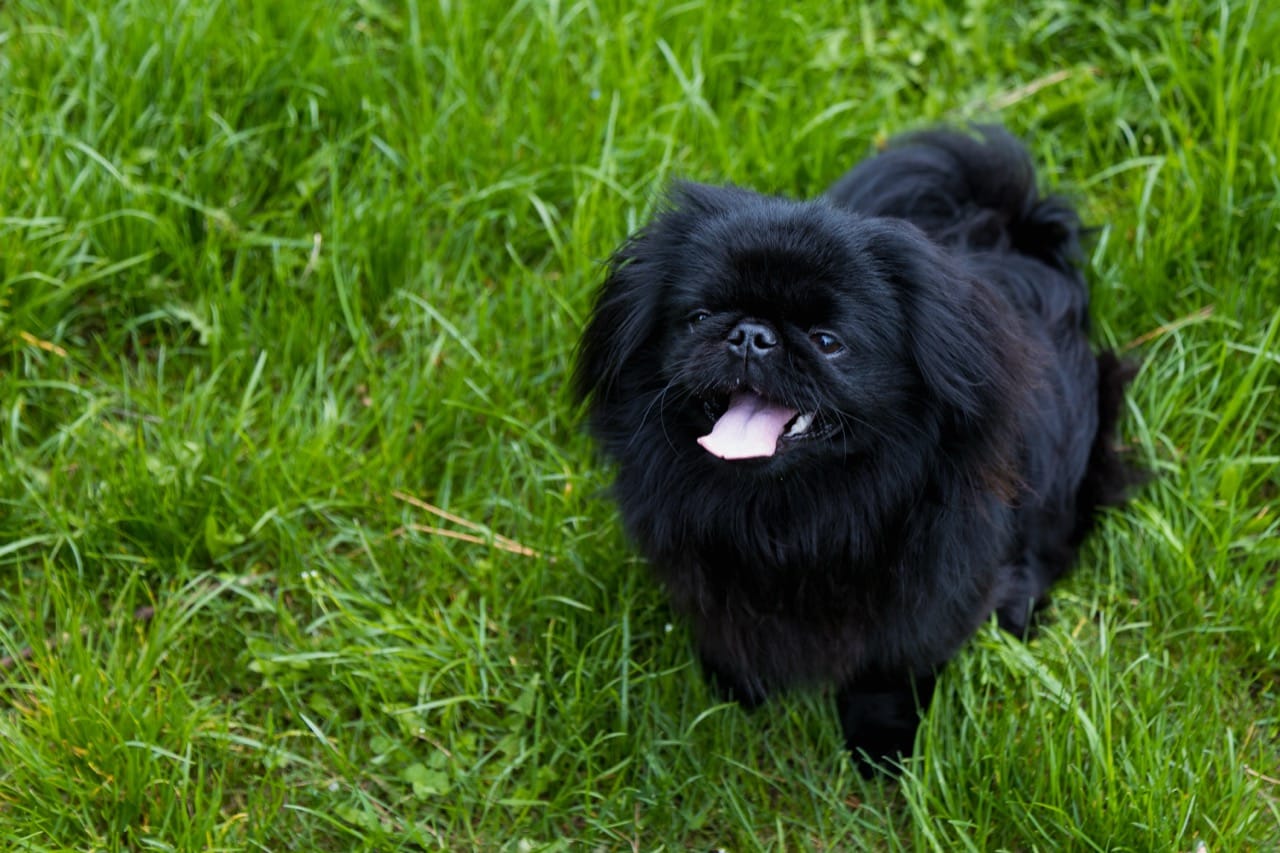
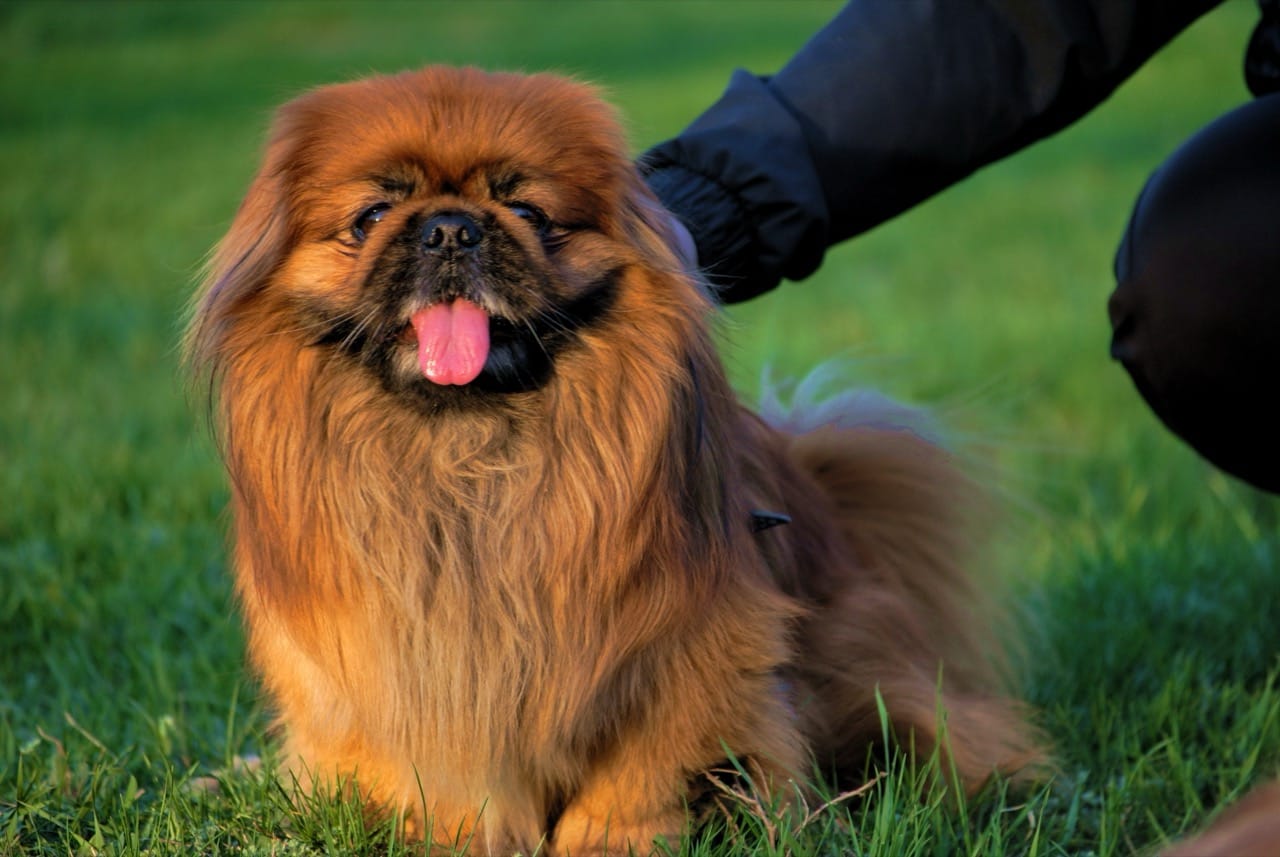
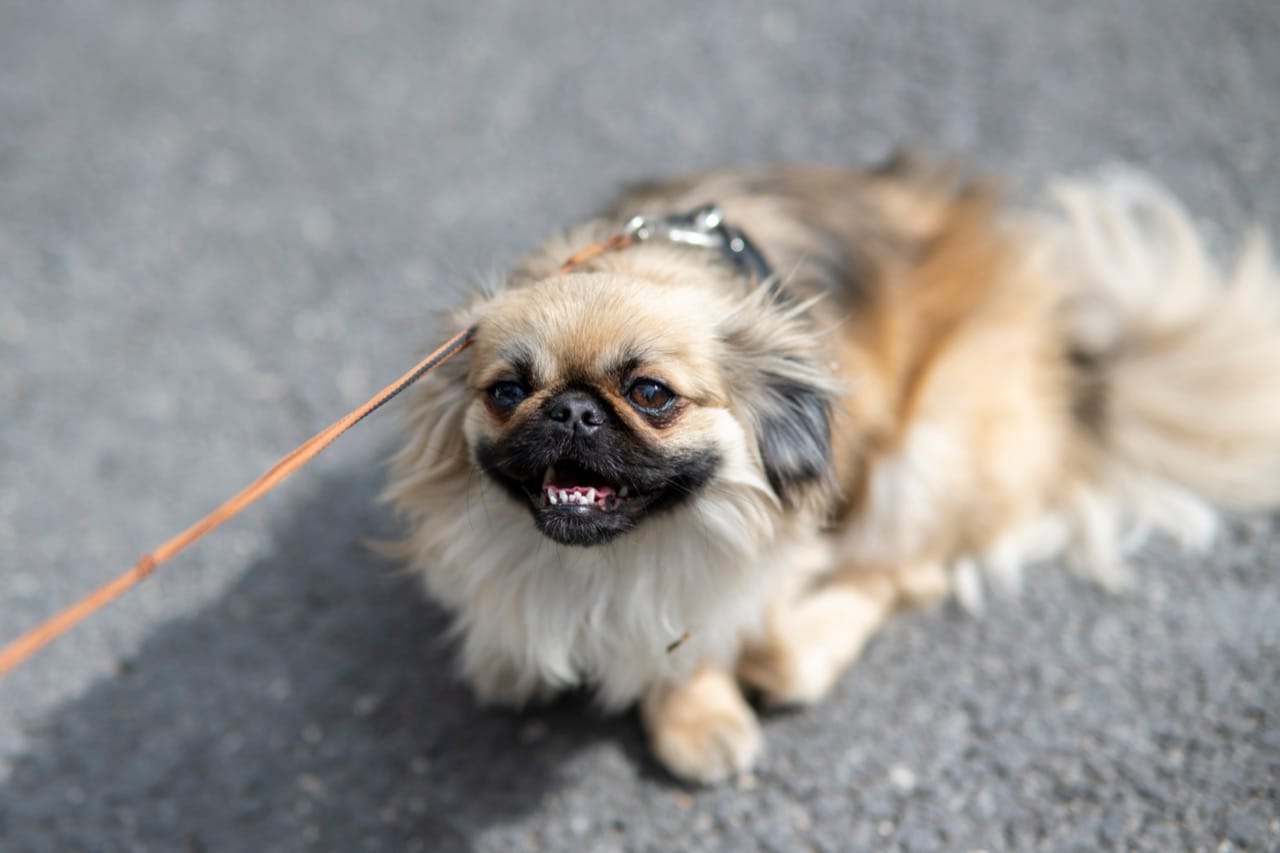
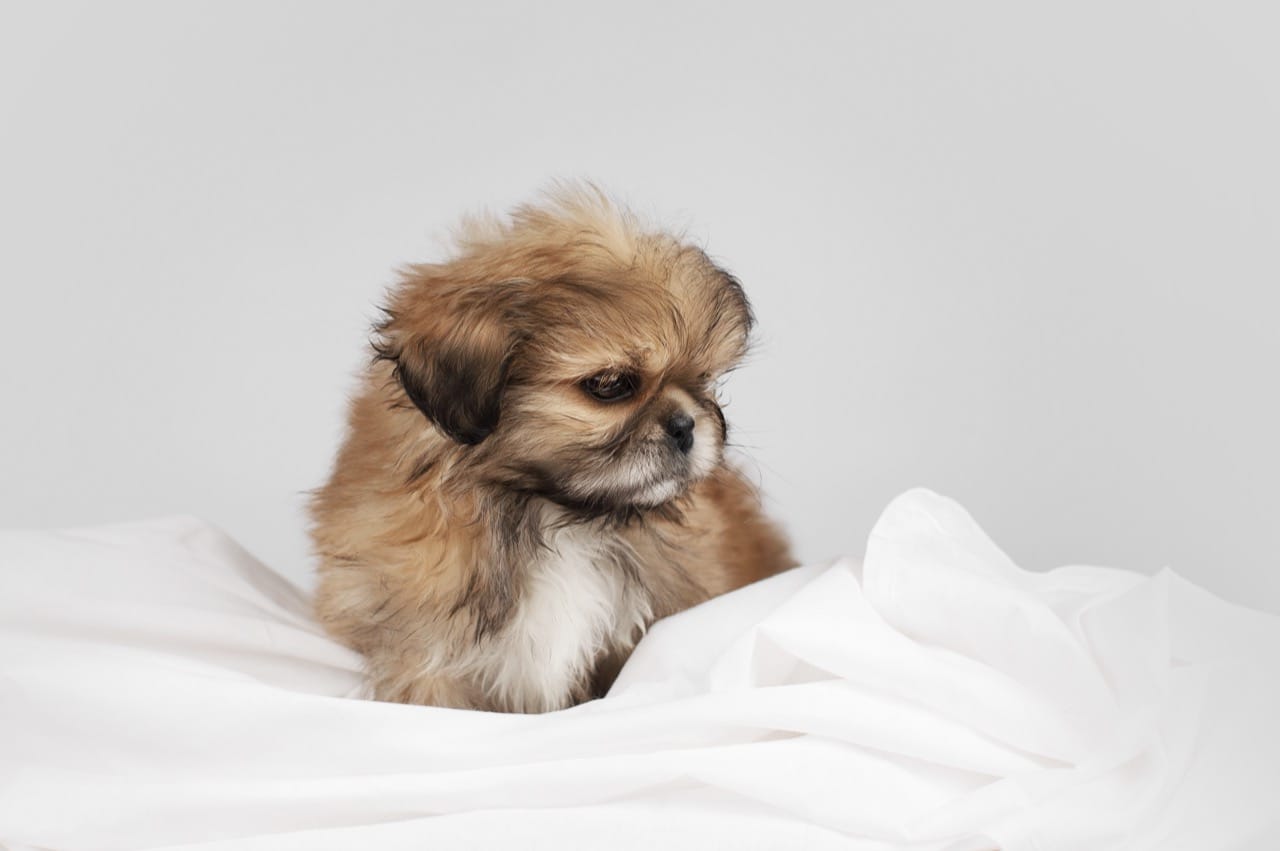
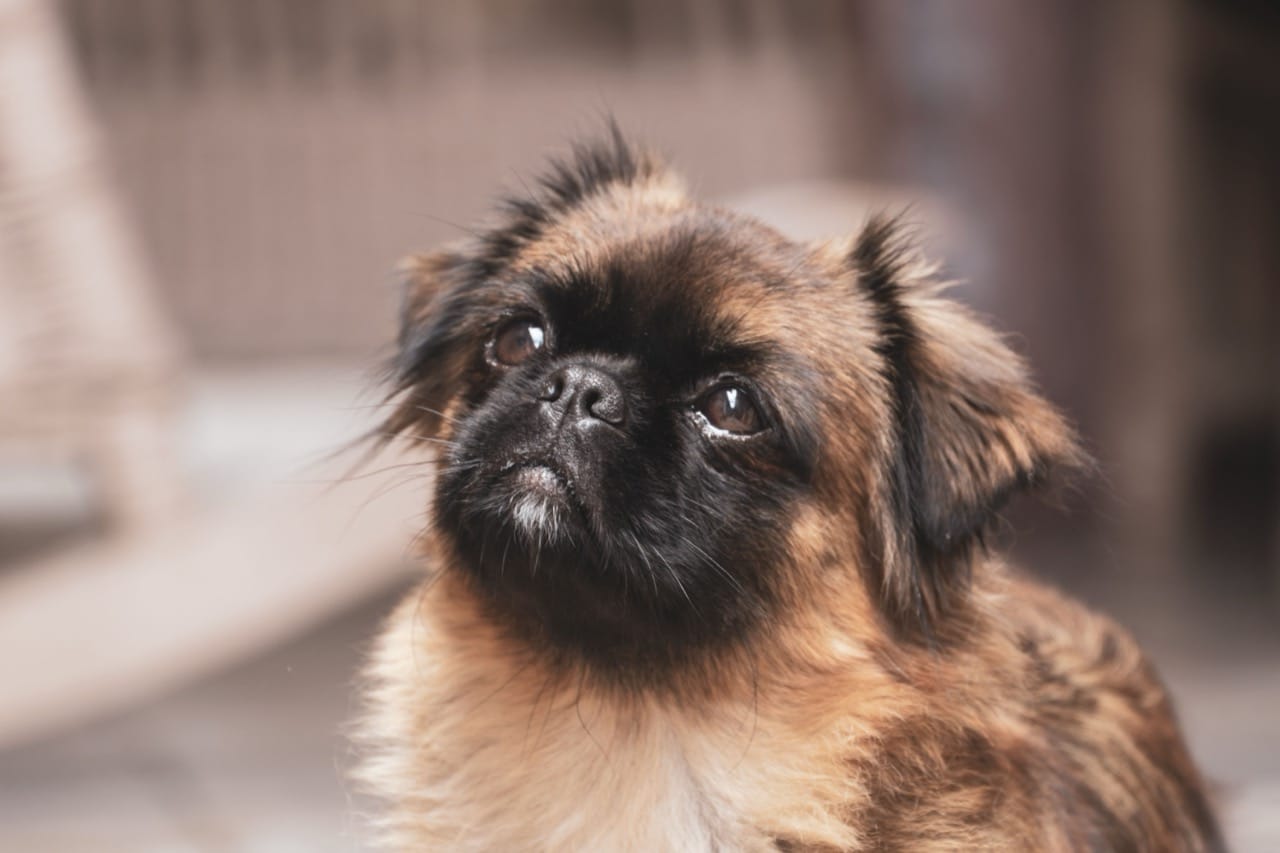
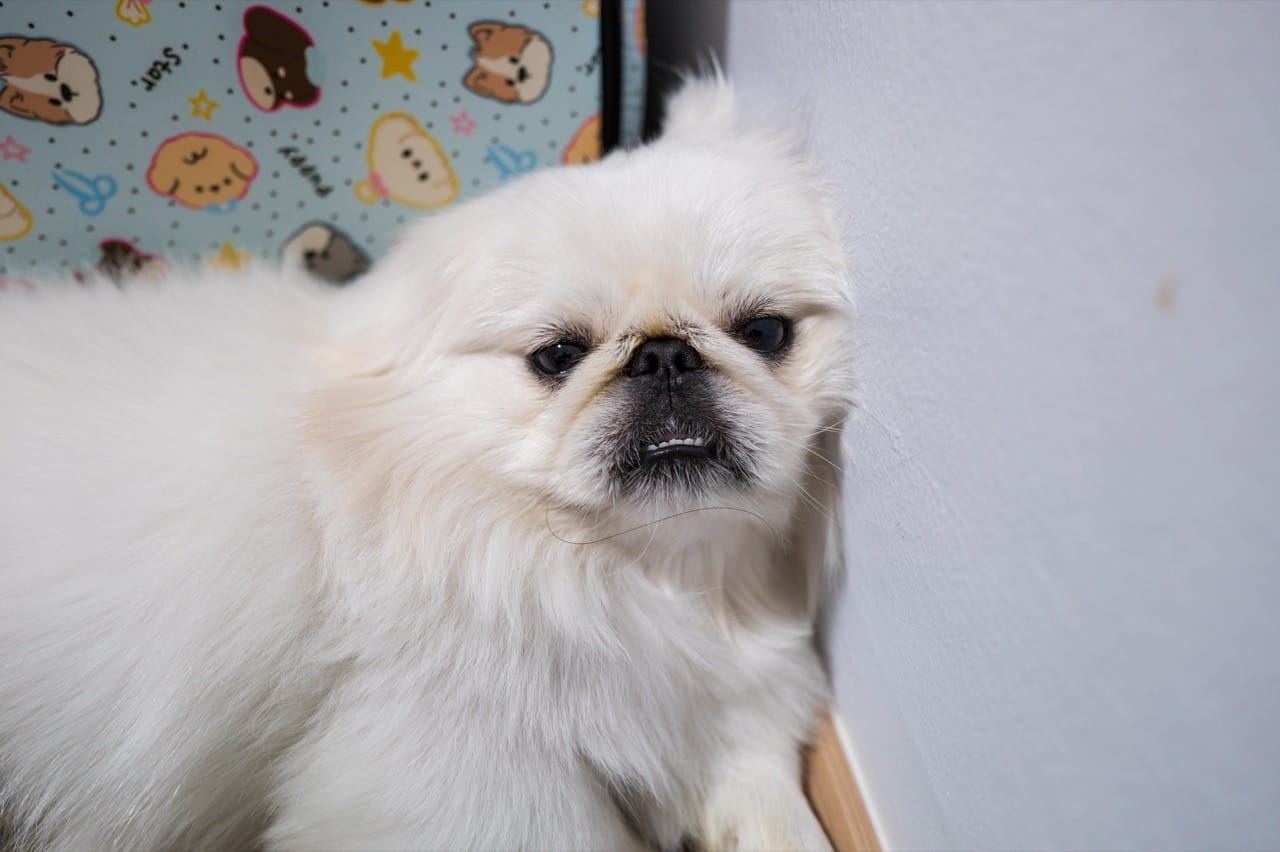
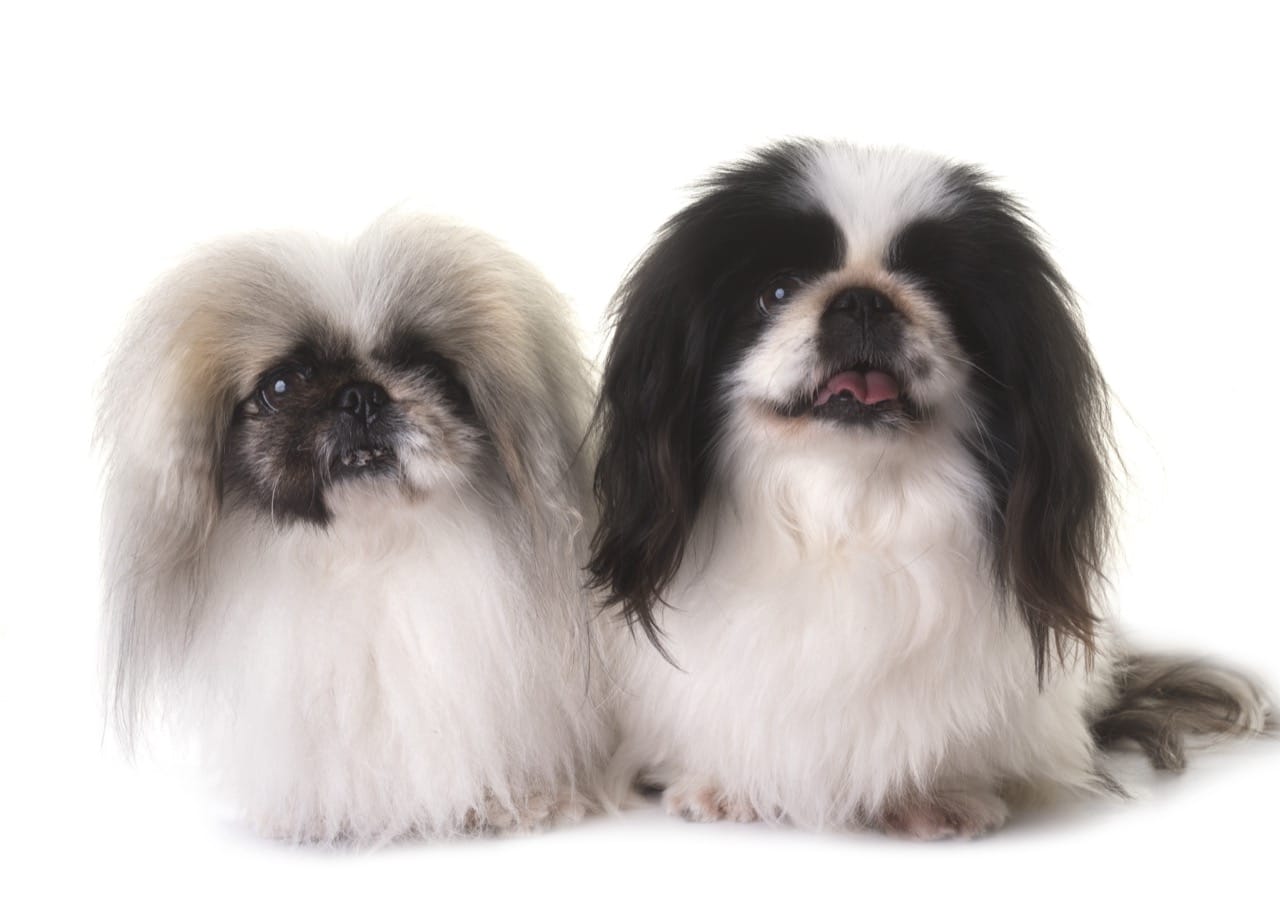
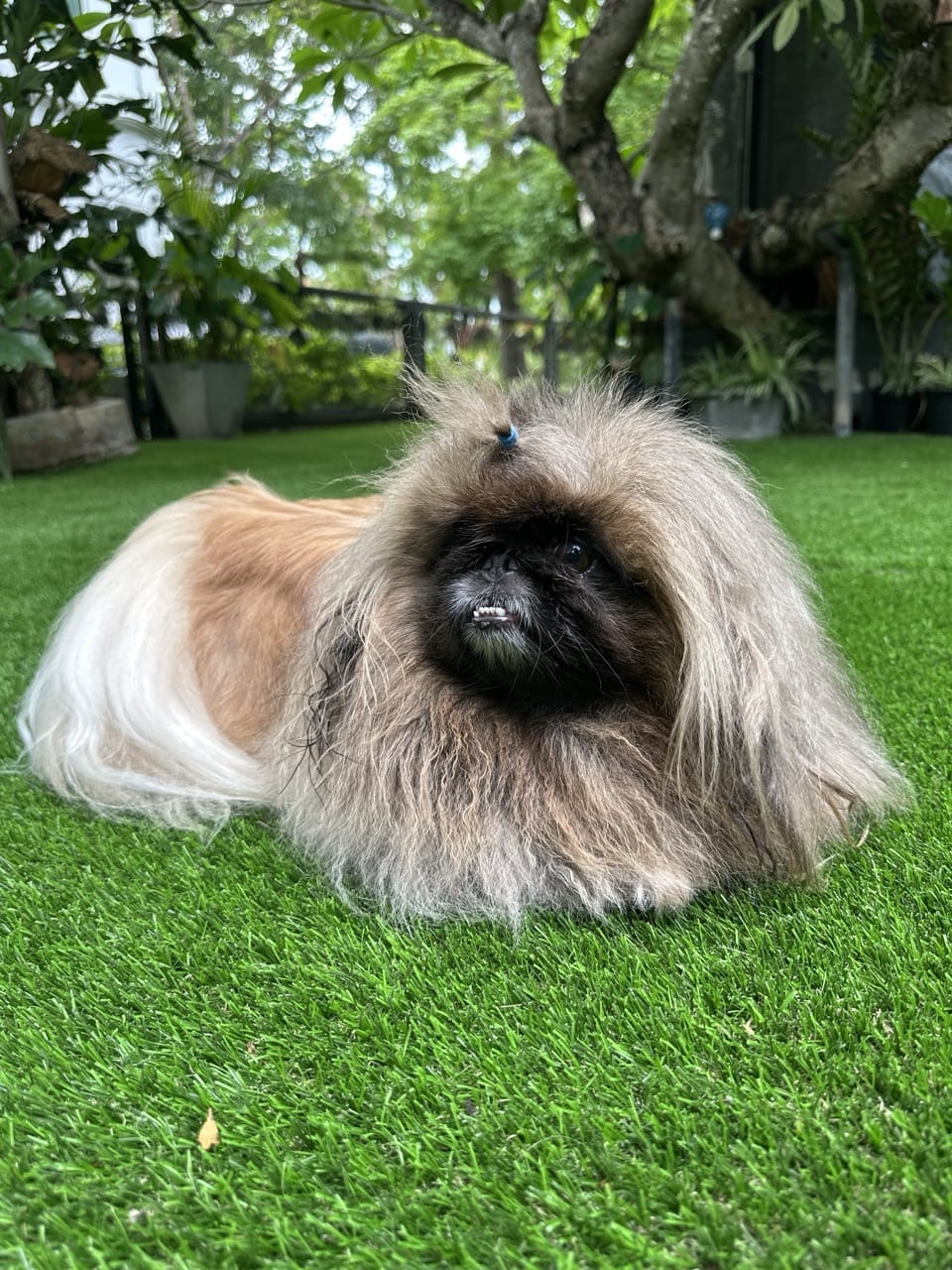
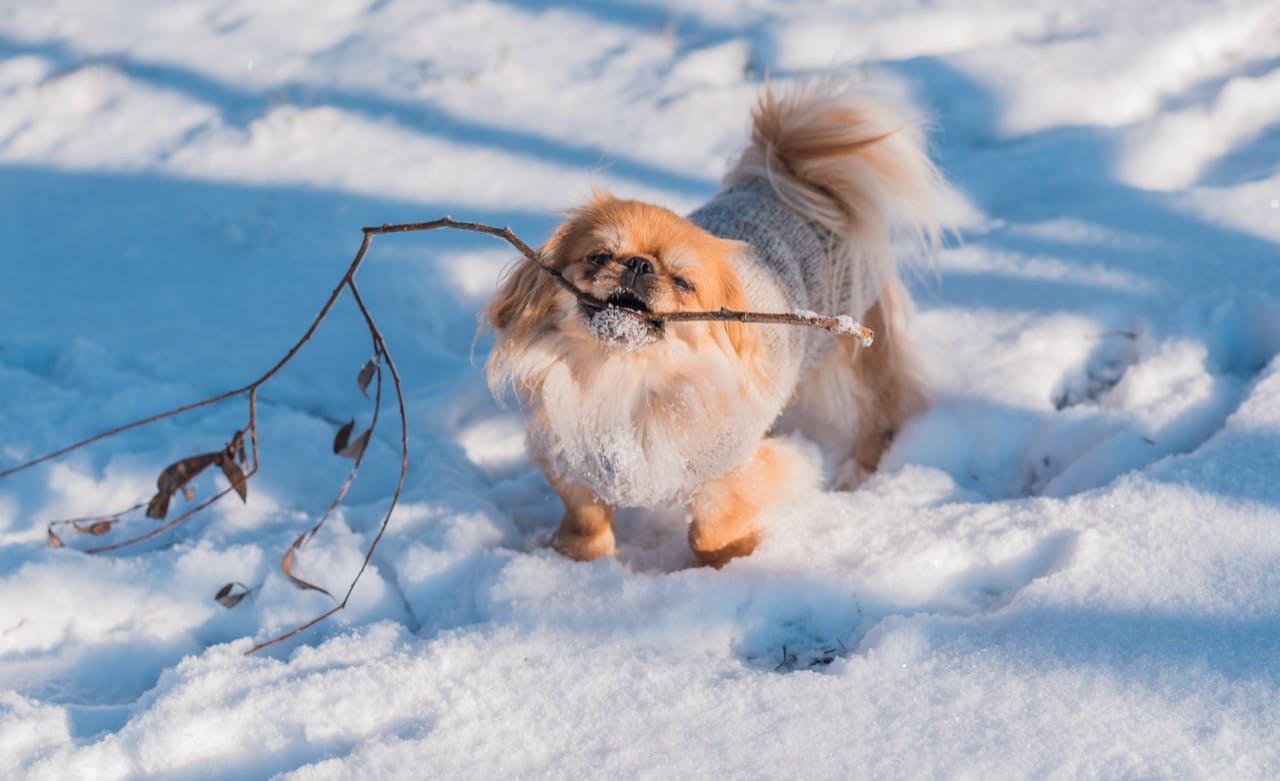
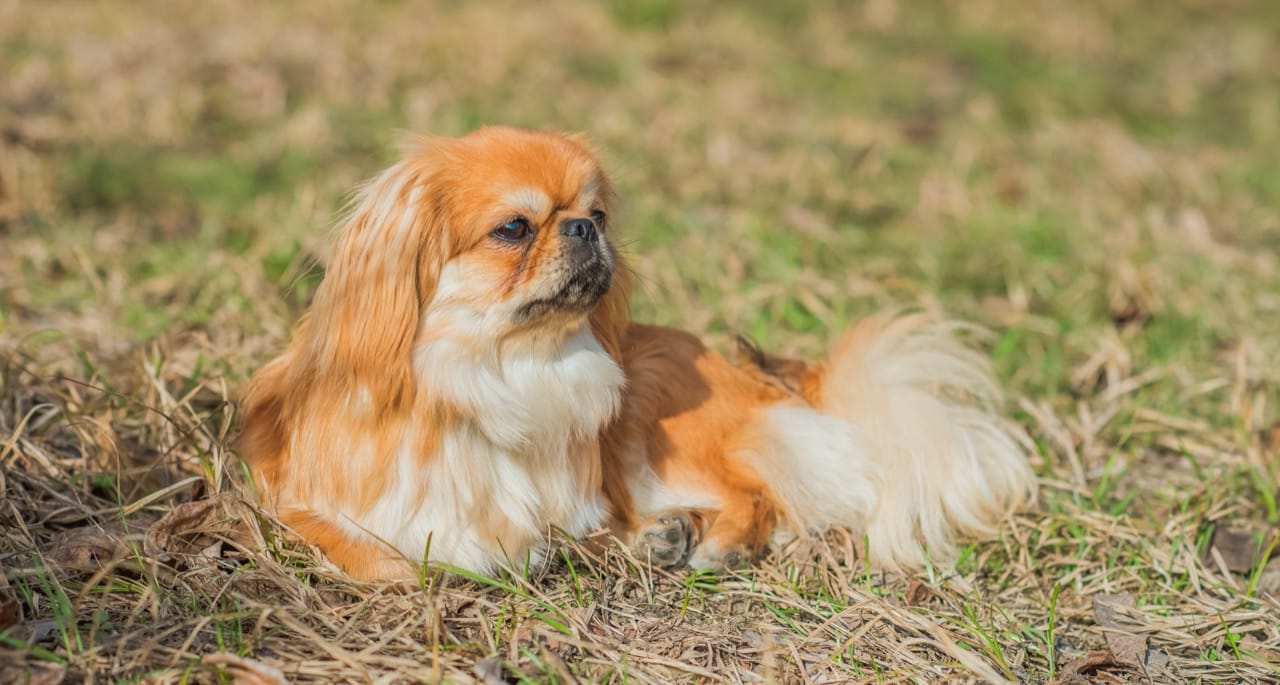
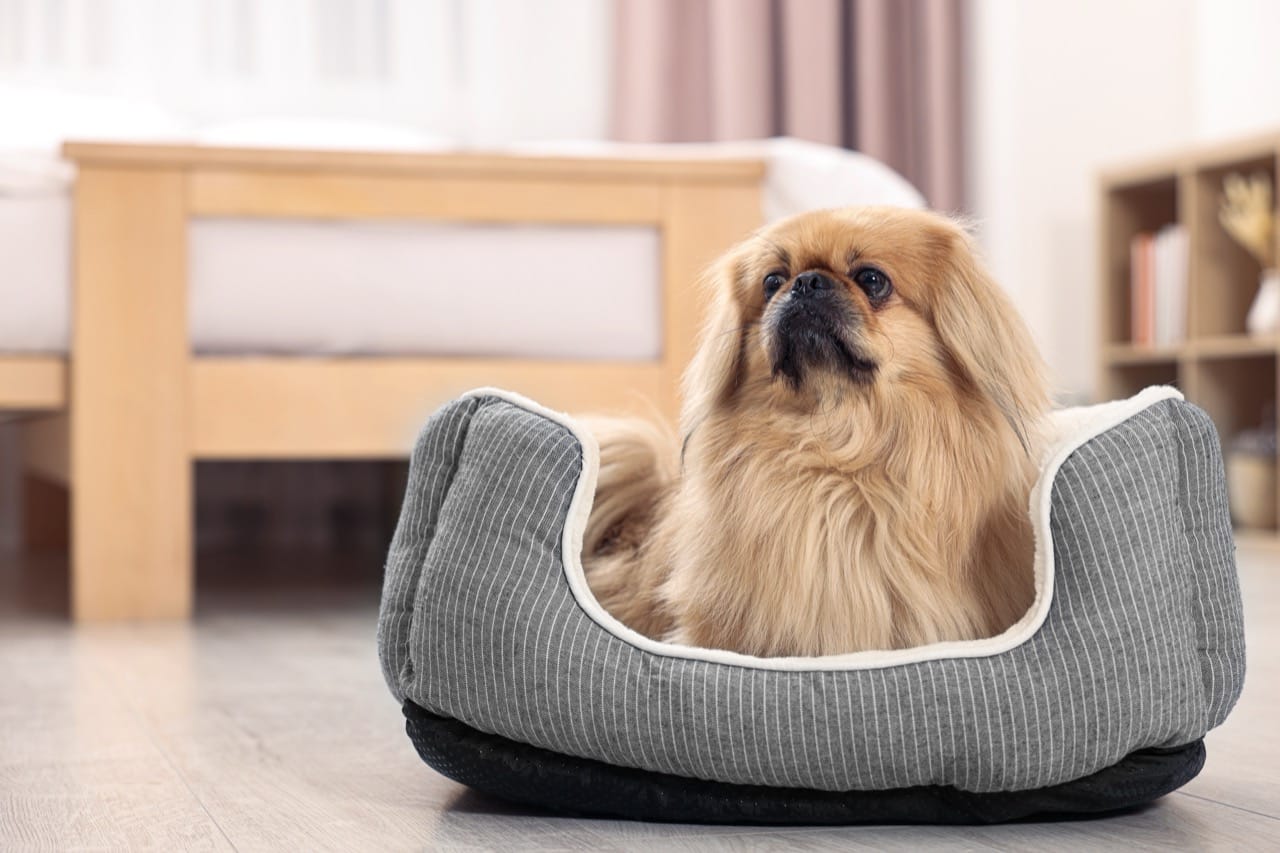
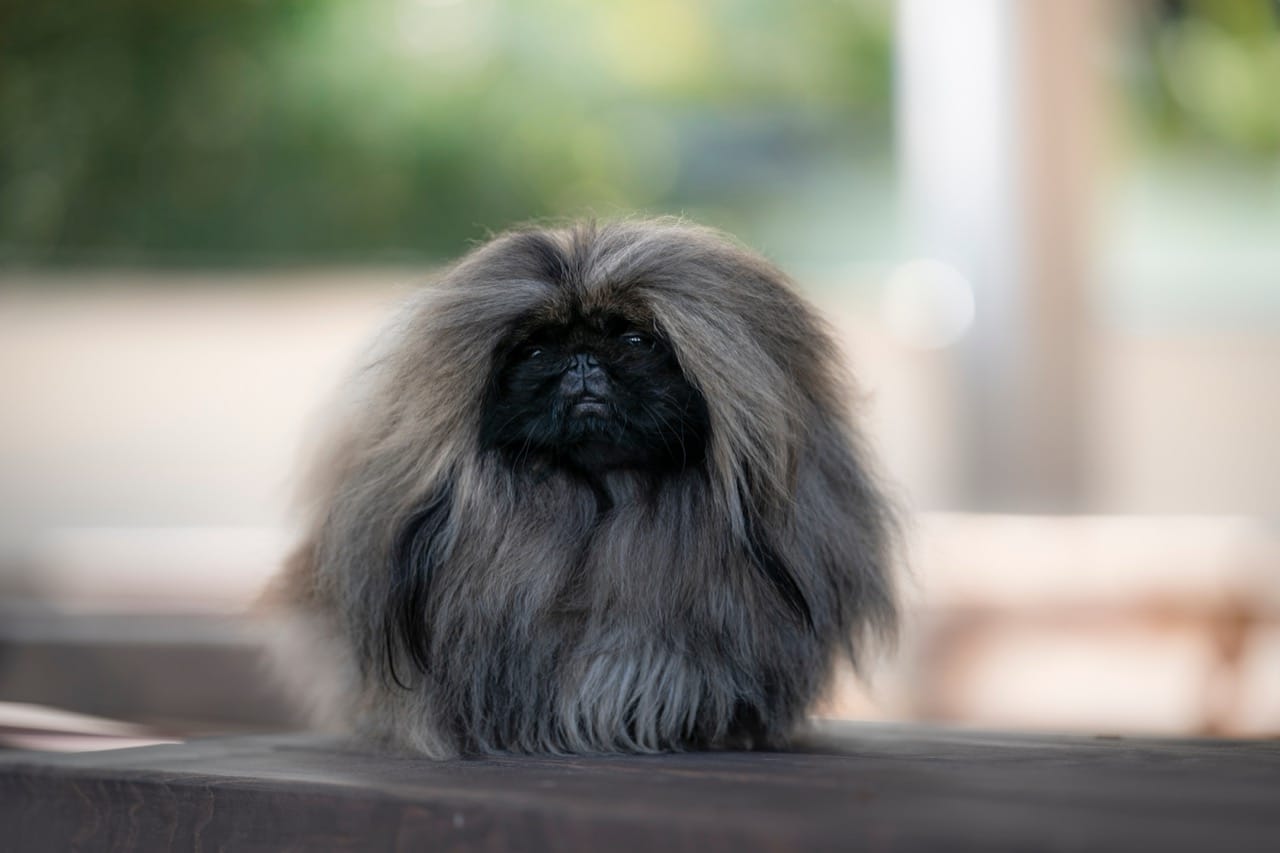
A Pekingese can look like a tiny lion, but that iconic silhouette is really a carefully maintained double coat working overtime. The outer coat is long and flowing, while the undercoat is dense and soft, designed to insulate. That insulation is helpful in cool weather, but it also means heat can build up quickly, especially because the breed is brachycephalic and cannot cool itself as efficiently through panting. Coat care for a Peke is therefore not just about beauty; it is daily comfort, skin health, and overheating prevention.
Regular brushing is the backbone of good coat care because mats form easily where friction happens. The thick ruff around the neck and shoulders tangles from collar rub and from the dog’s own movement. Feathering on the ears, belly, and the backs of the legs collects debris and twists into knots after walks. A good routine is slow, thorough line brushing, parting the hair and brushing small sections down to the skin so you do not simply skim the surface. A slicker brush and a metal comb are common tools, but the real skill is being gentle and patient. Tugging through tangles can make a dog dislike grooming and can irritate the skin. A light mist of coat conditioner or detangling spray can reduce breakage and help the brush glide.
Mats are more than an inconvenience. Tight mats trap moisture and dirt against the skin, creating a warm environment where irritation and infection can start. If you find a mat close to the skin, especially in the armpits, behind the ears, or in the groin area, it is often safer to work it apart with your fingers and a comb rather than trying to rip it out with a brush. Some mats need to be clipped out, and that is when a professional groomer is worth it. Scissors near the skin are risky because thin skin can fold into the mat and be cut.
Bathing a Pekingese is helpful, but bathing without proper drying can backfire. The undercoat holds water, and dampness left near the skin can cause hot spots or a musty odor. After a bath, towel dry thoroughly and then use a dryer on a comfortable, not hot, setting while brushing to separate the coat and dry it evenly. Many owners find that a bath schedule works best when paired with frequent brushing between baths, because clean hair still tangles if it is left unattended.
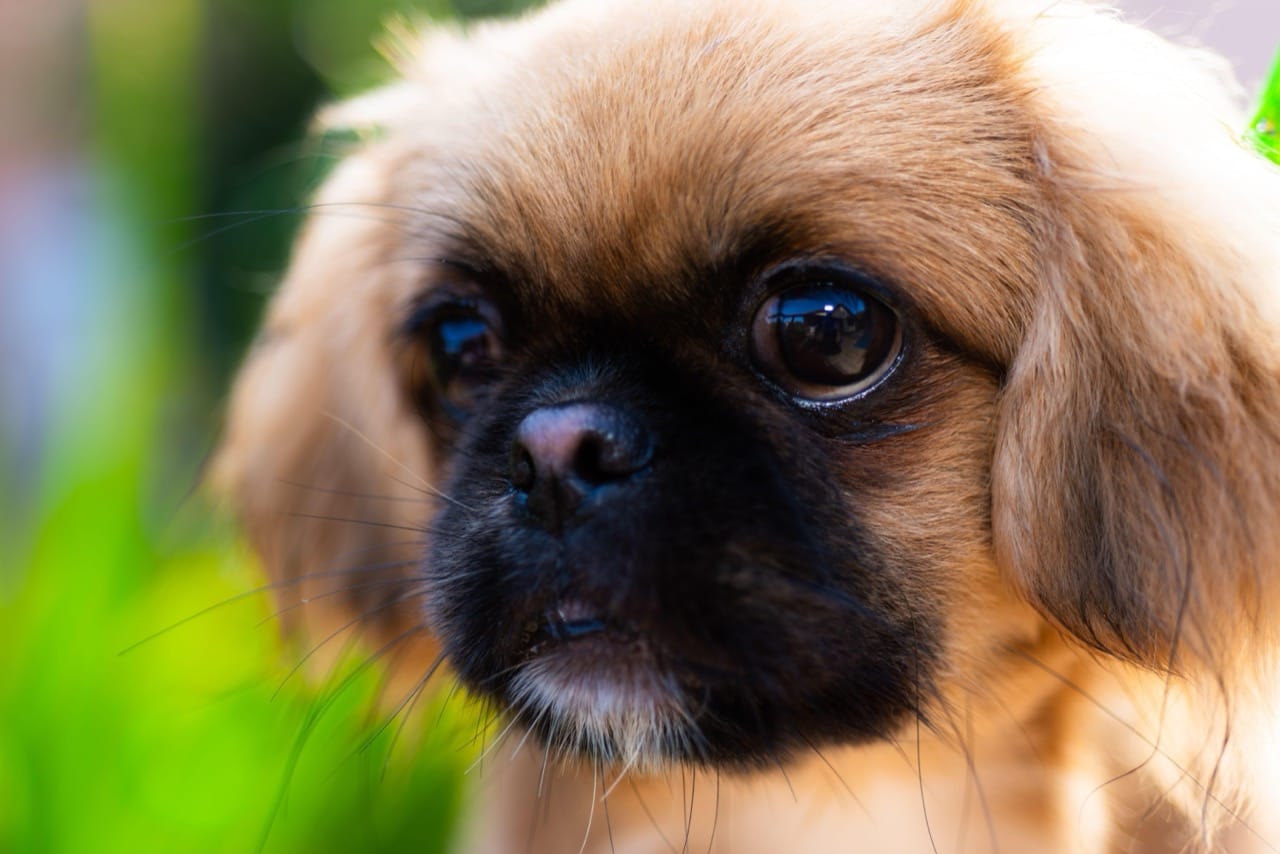
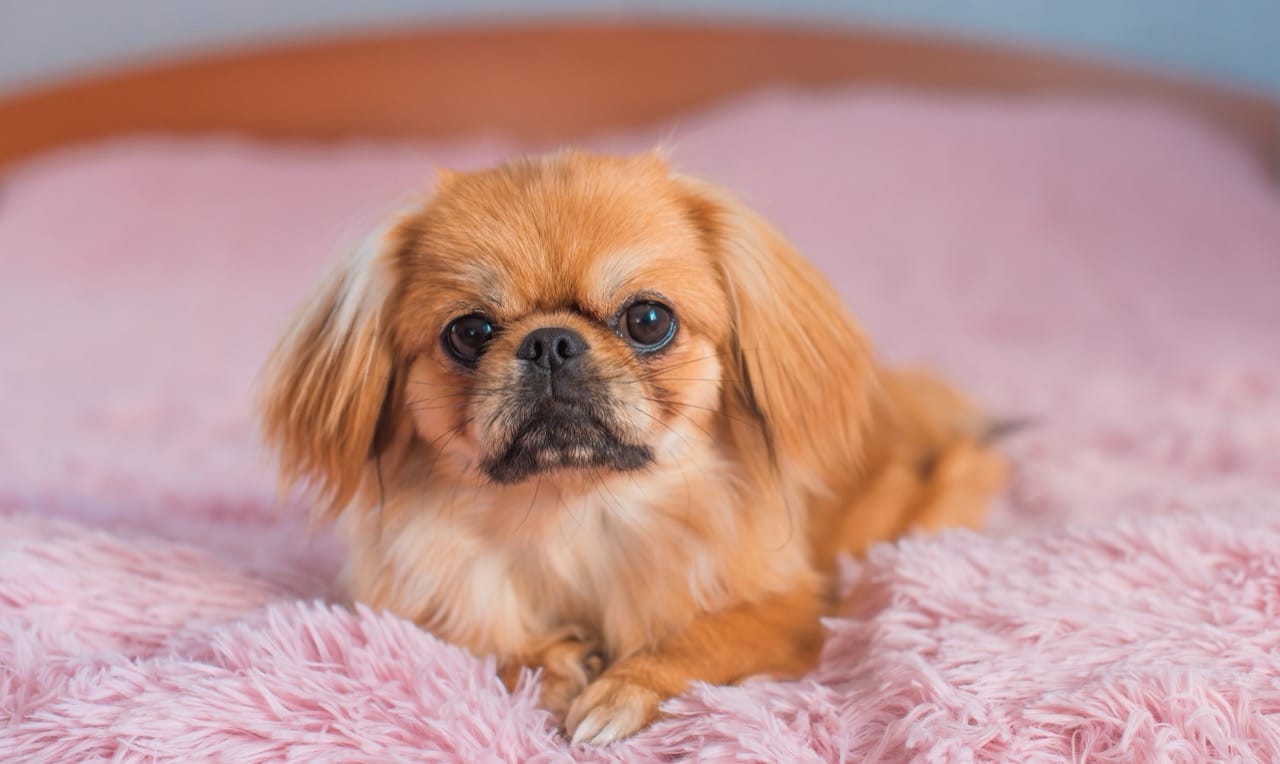
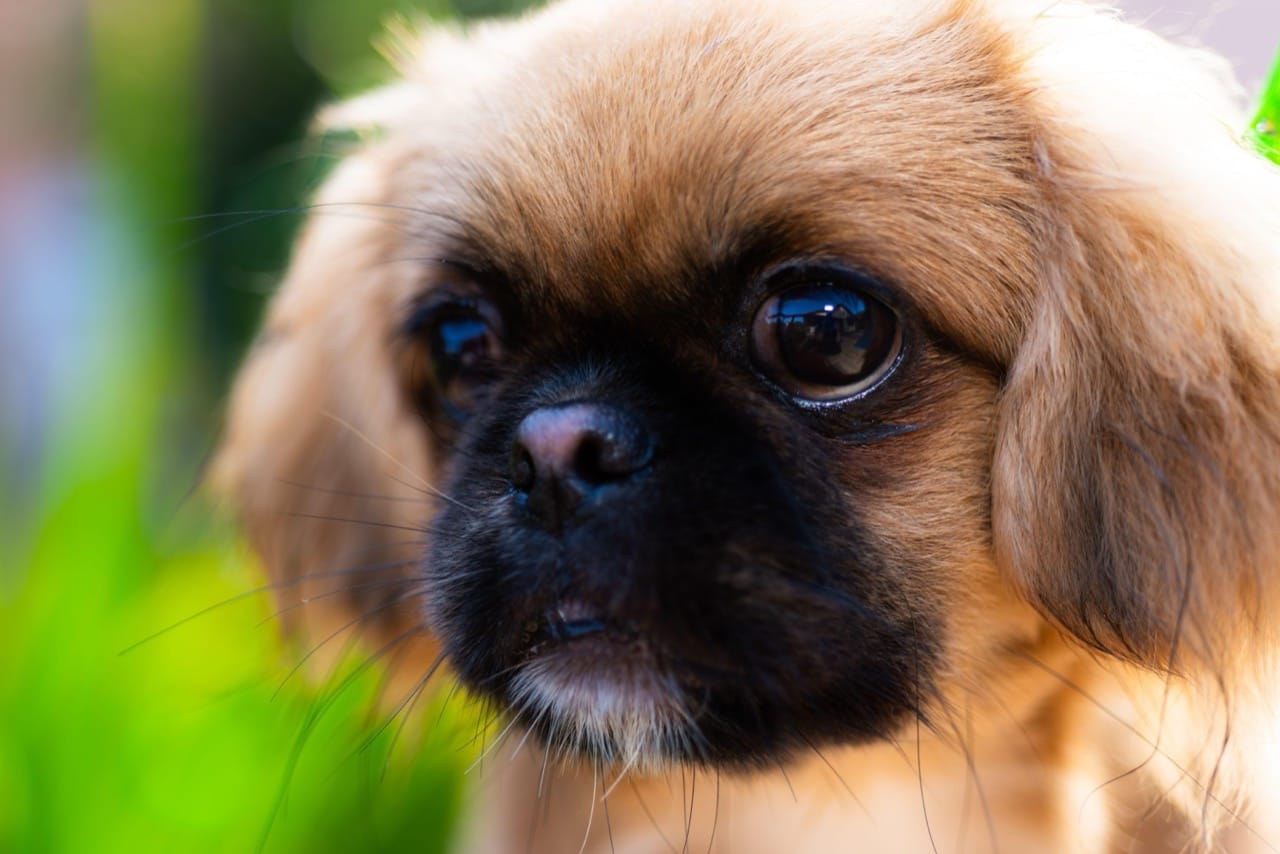
The face requires its own daily routine. Because the Pekingese has a short nose and facial folds, moisture and debris can collect in creases. Gently wiping folds with a damp cloth or a vet-approved wipe and then drying them helps prevent irritation and odor. The eyes are prominent and more exposed to dust, wind, and accidental scratches from hair. Keeping the hair around the eyes neatly combed and trimmed to avoid poking, and watching for redness, squinting, or discharge, can prevent small problems from becoming emergencies. Any sudden eye pain or cloudiness should be treated as urgent.
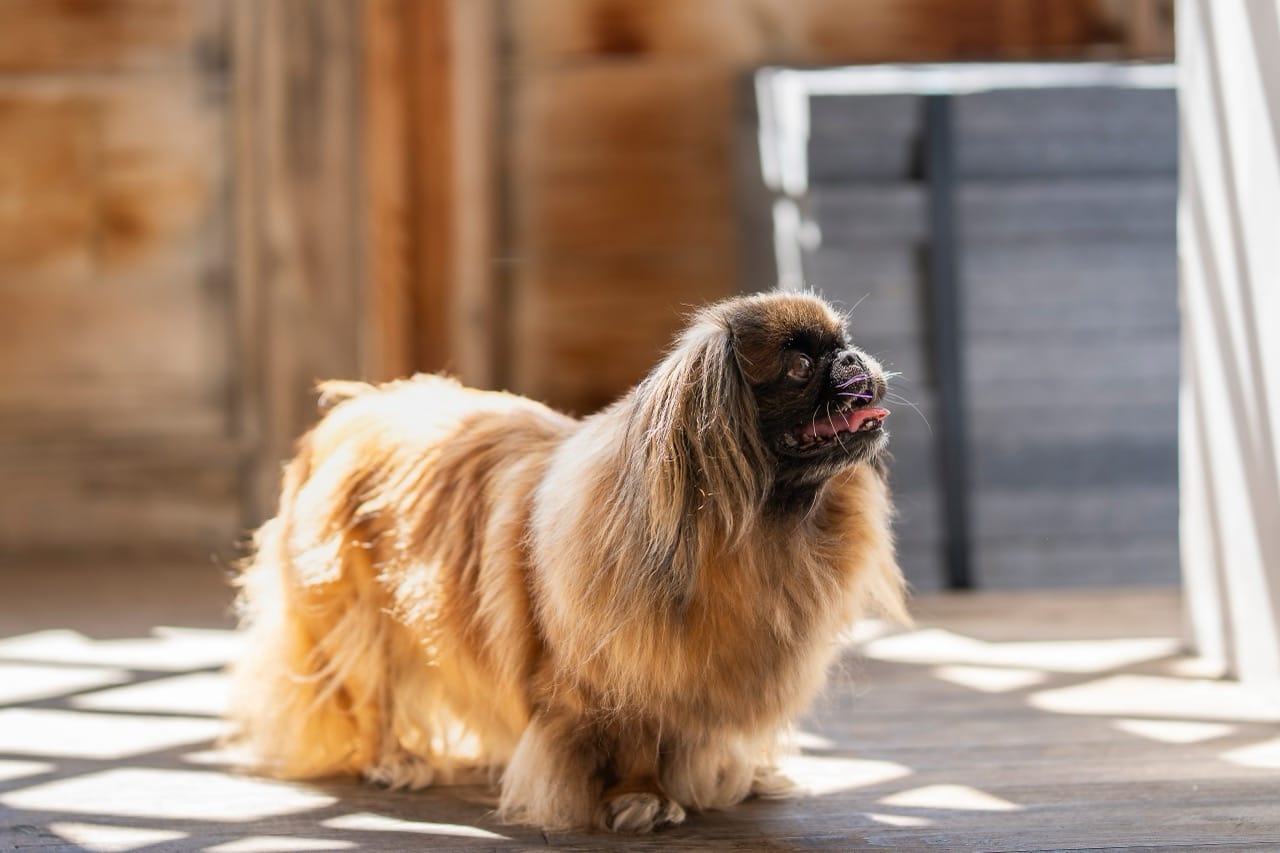
Cleanliness also matters at ground level. The long coat can drag through food bowls, wet grass, and muddy paths, so many owners keep a “bib” area under the chin and the feathering on the feet especially well combed. Checking the paws after walks removes burrs and prevents slipping on slick floors. Nails should be kept short enough that the dog can stand comfortably without toes splaying, which can affect posture.
Finally, coat decisions should match the dog’s lifestyle and health. Shaving a double coat is not automatically a solution for heat, because the coat also helps regulate temperature and protects skin from sun. The safer approach is shade, air conditioning, fresh water, avoiding hot pavement, and keeping the coat free of mats so air can move through it. A well-groomed Pekingese is not only striking to look at; it is a dog that can breathe easier, move comfortably, and enjoy being handled, which is the real mark of wise coat care.