Life With a Little Lion Dog

Quiz Complete!
Living With a Pekingese: Big Personality in a Small Package

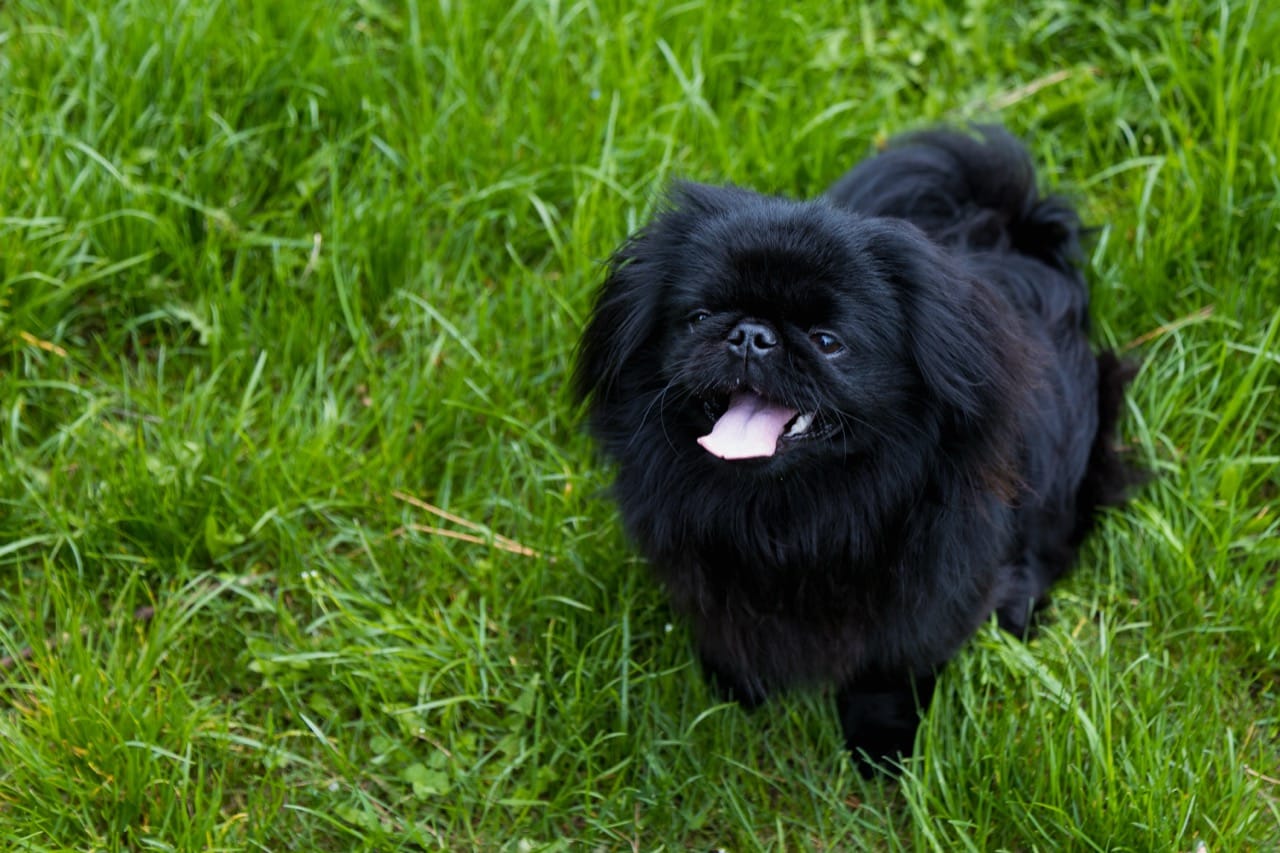
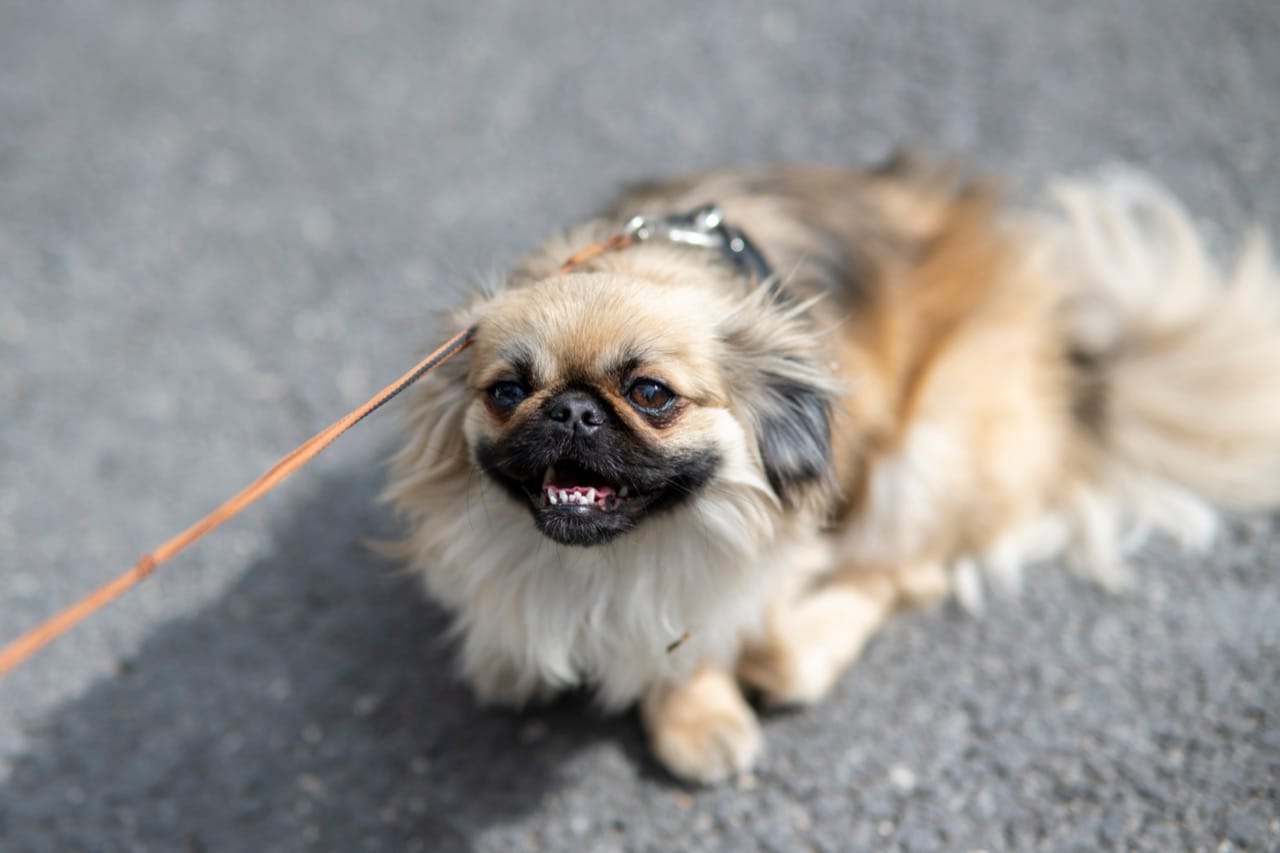
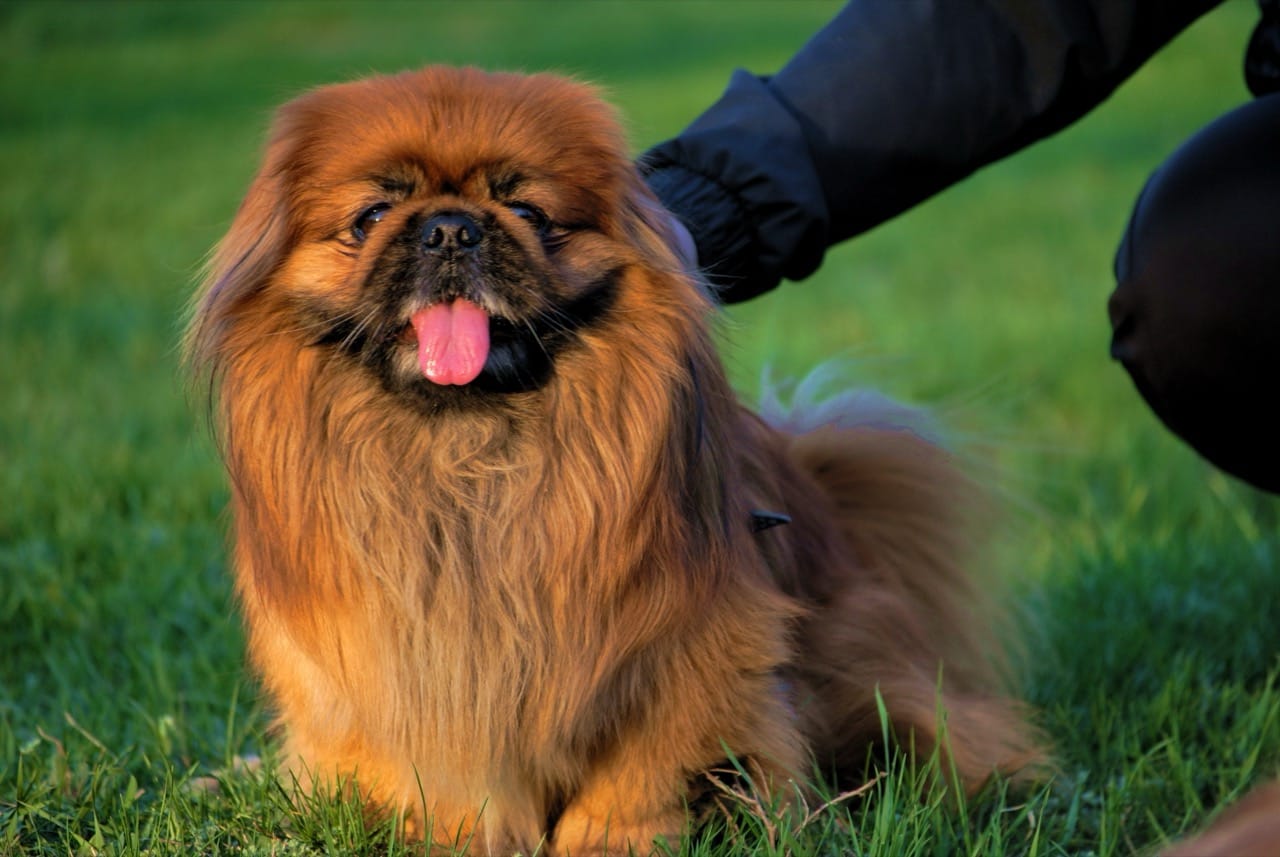
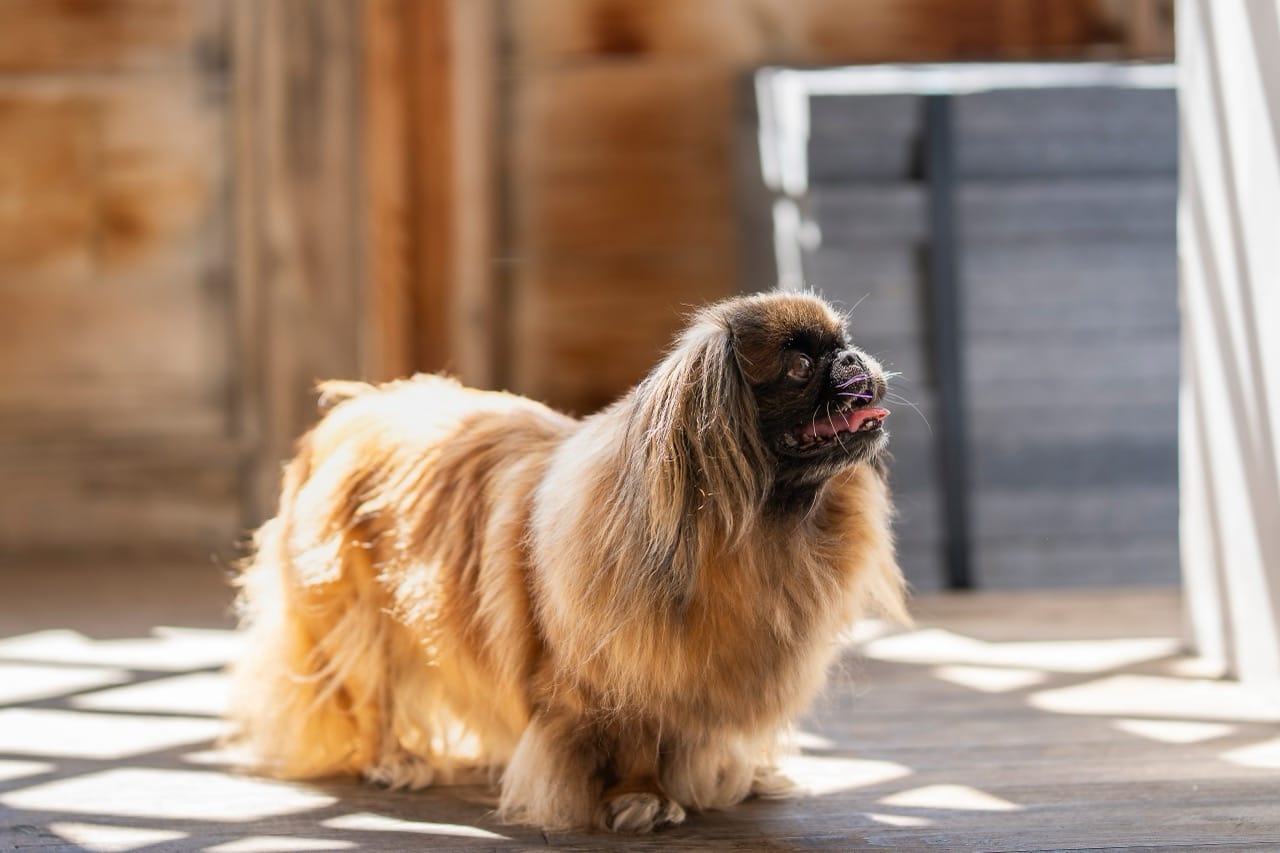
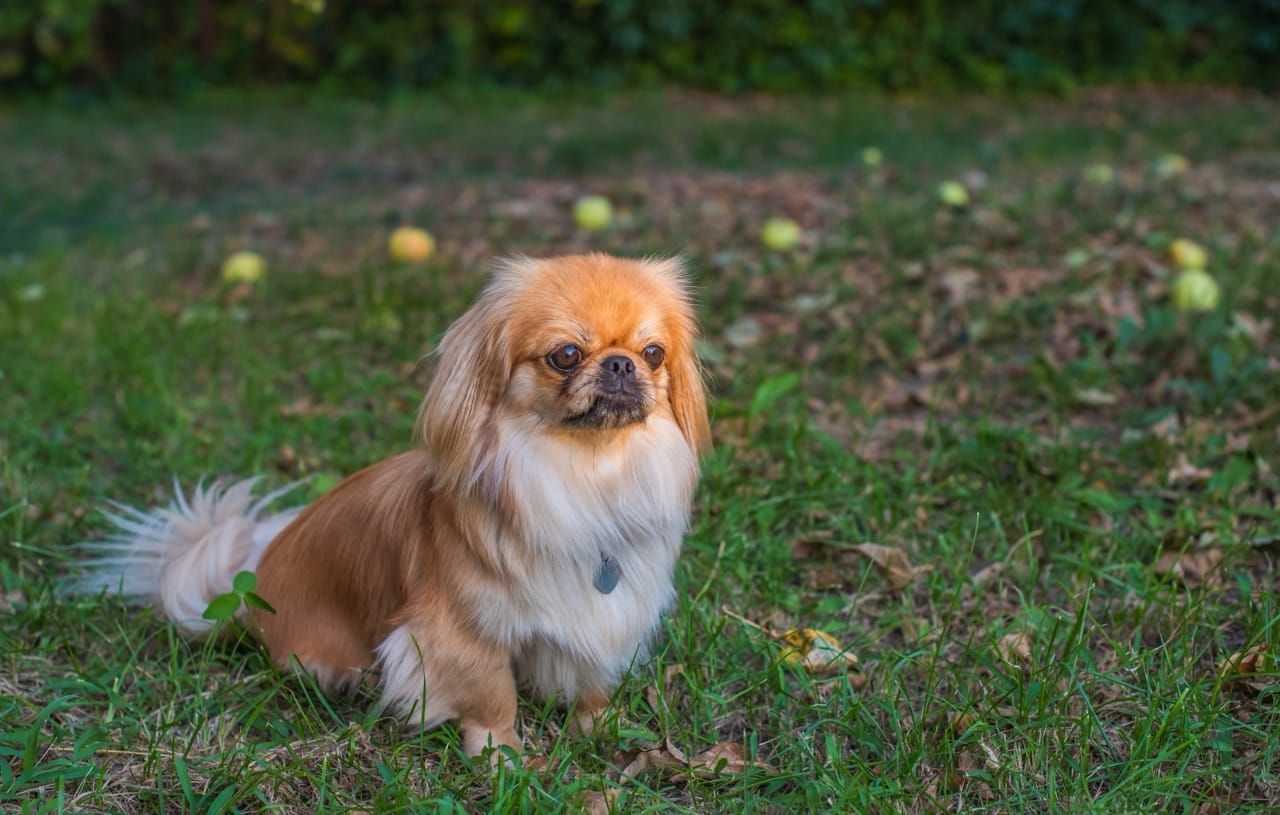
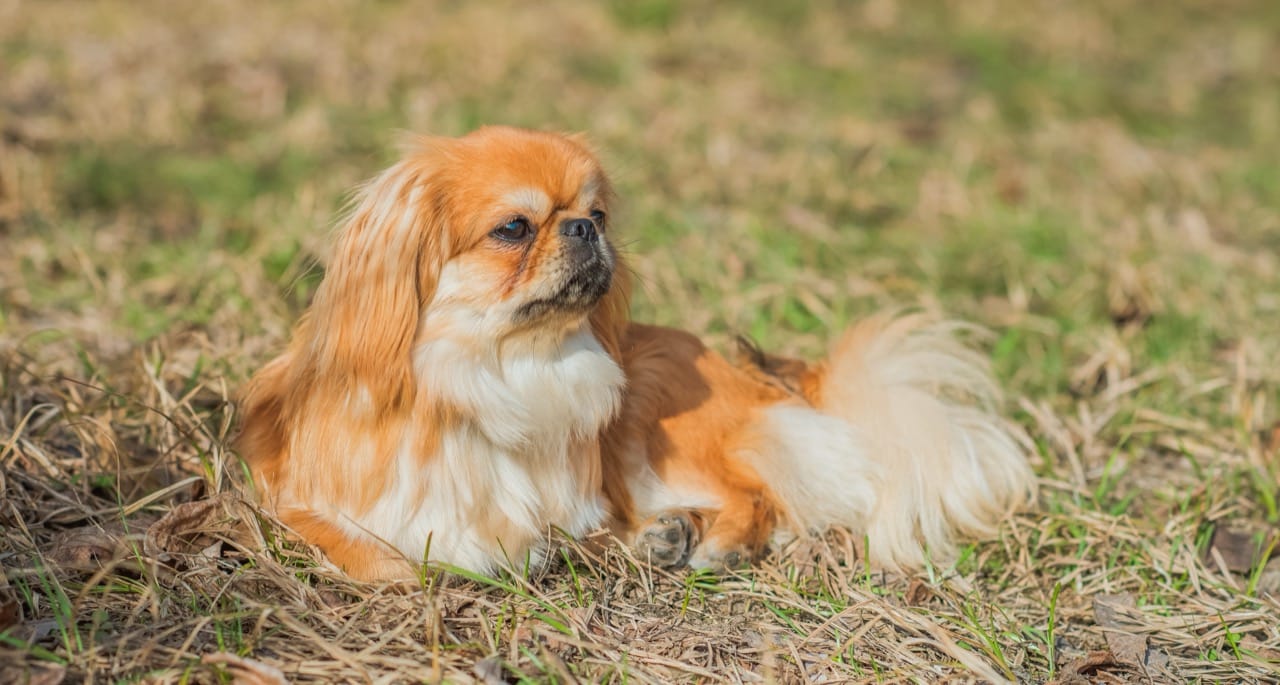
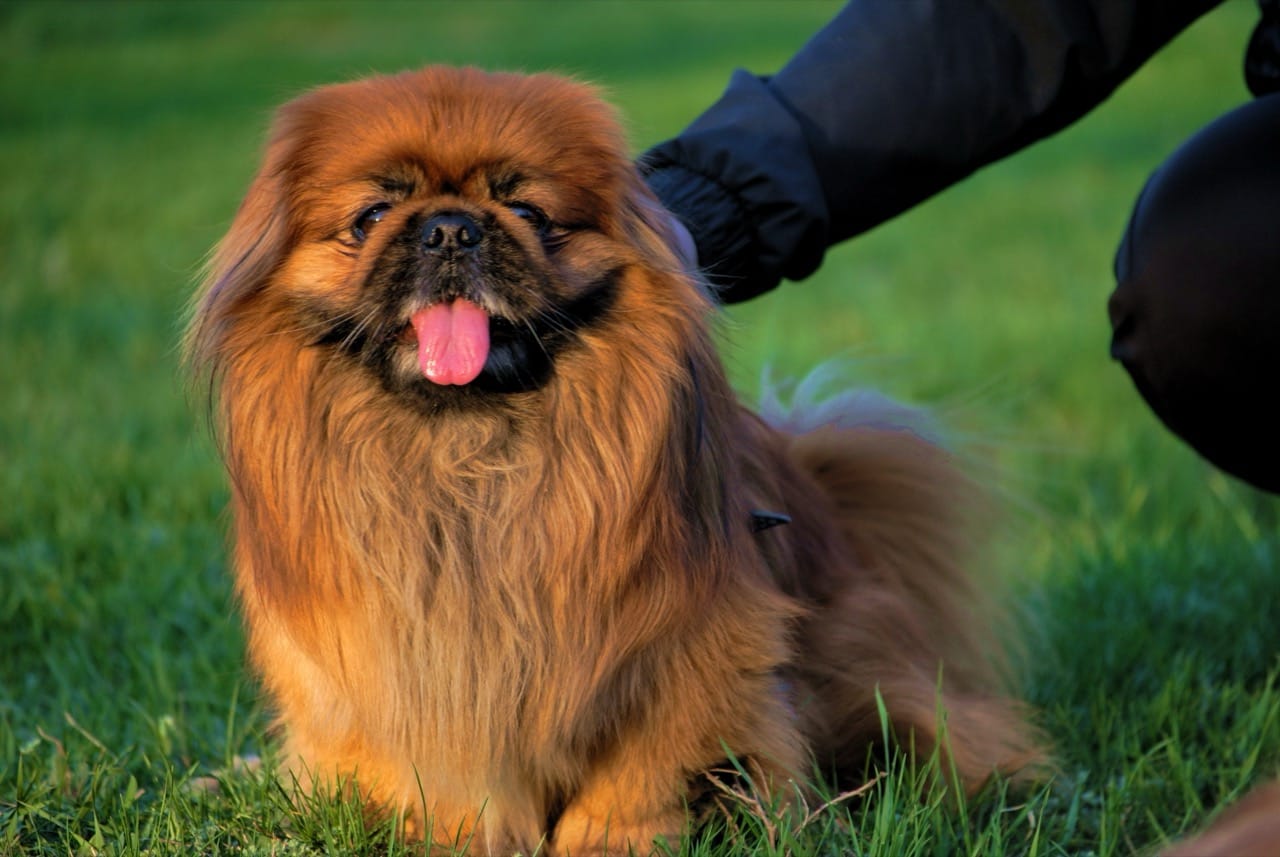
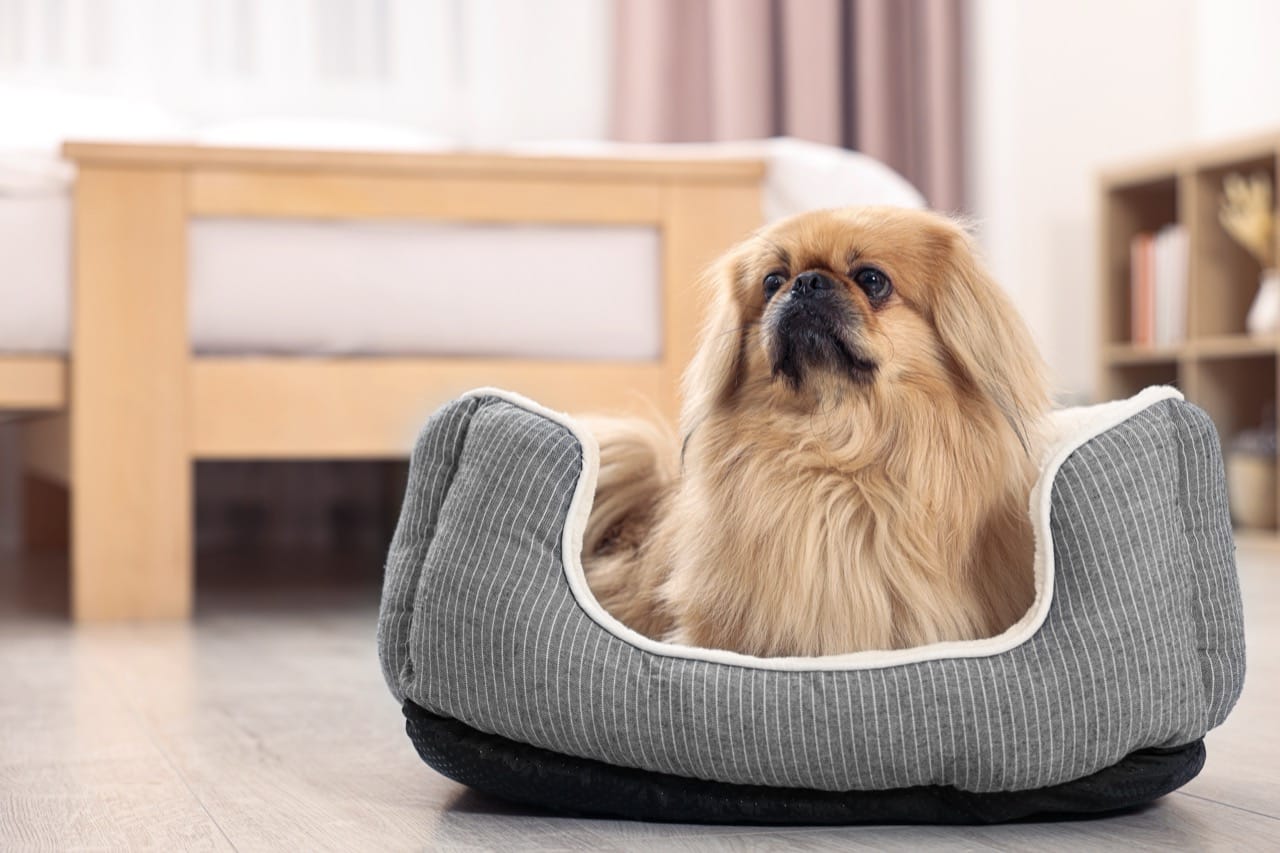
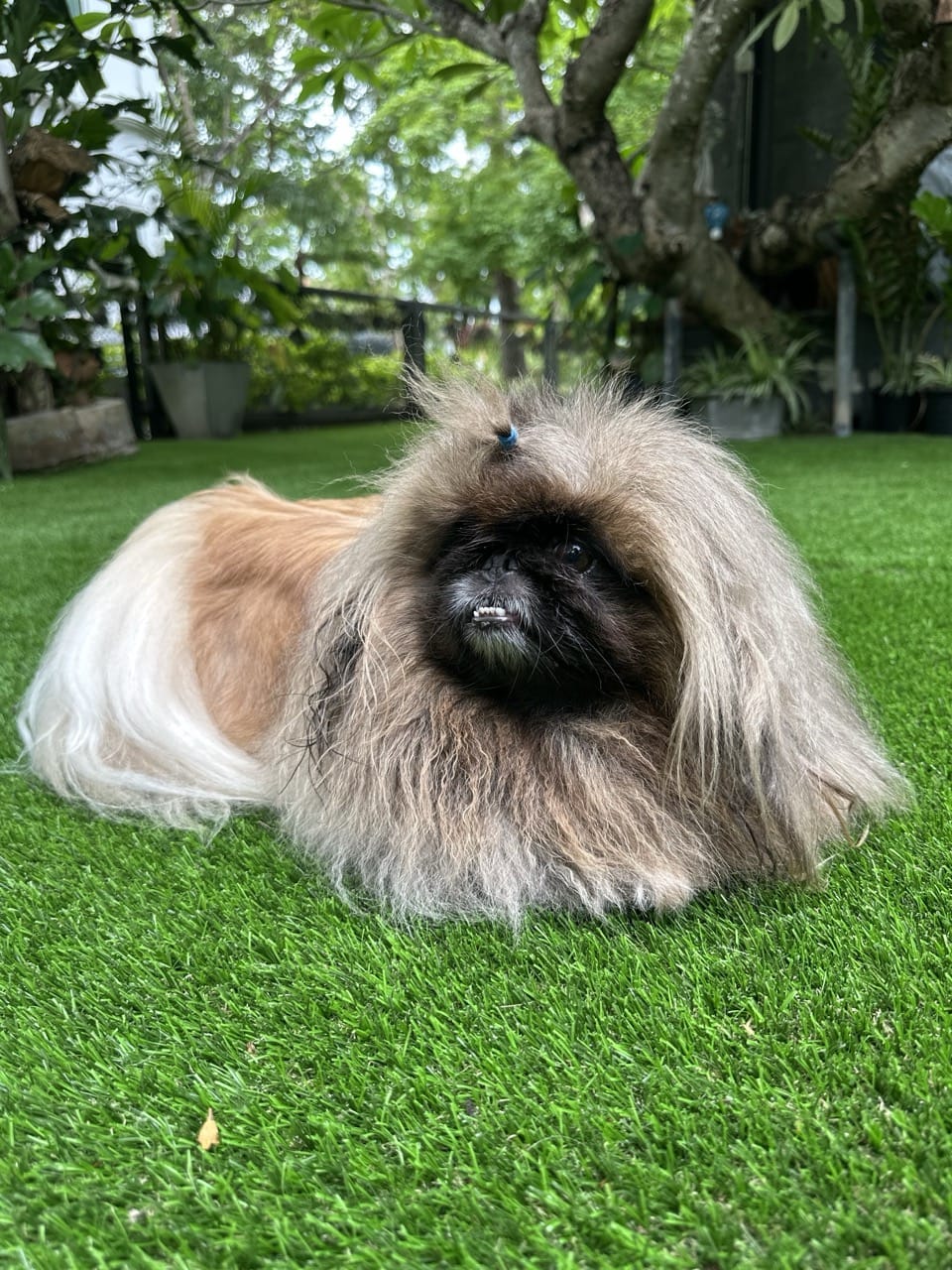
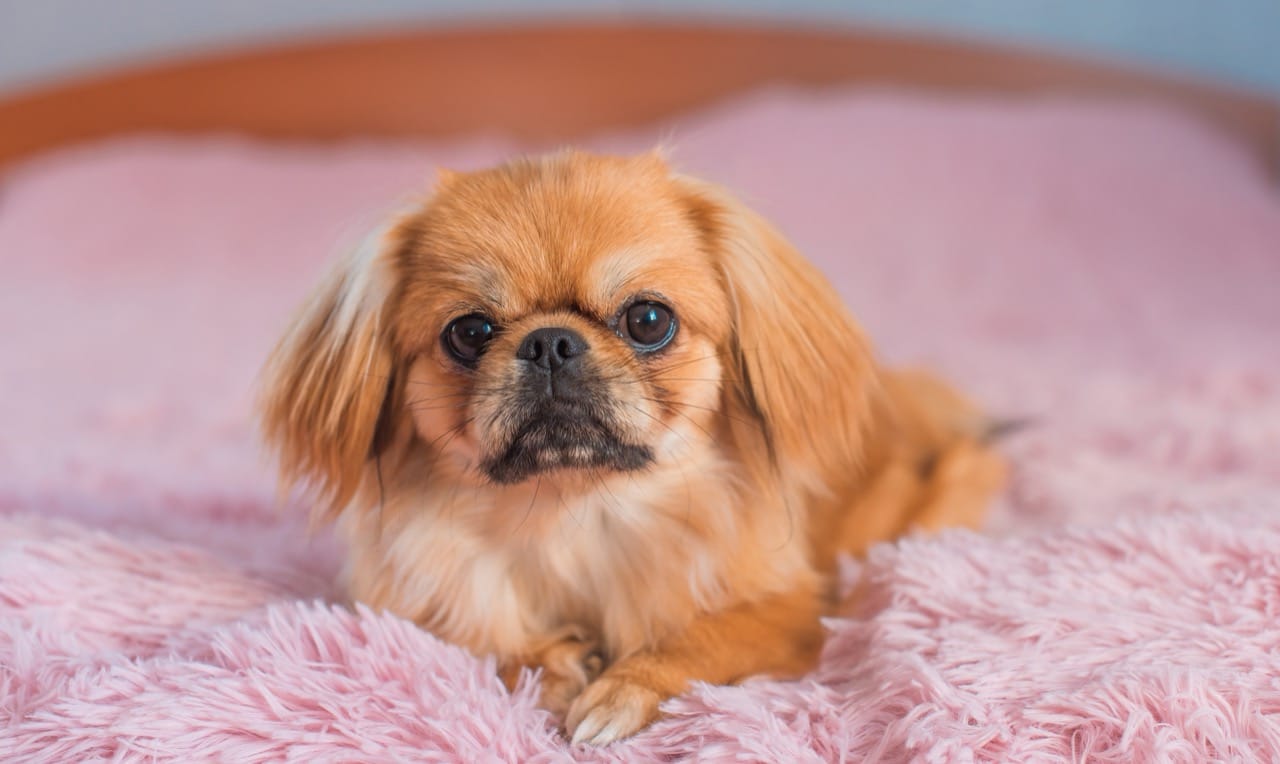
A Pekingese may be small enough to fit comfortably on a cushion, but living with one rarely feels like sharing your home with a background character. This is a breed with a strong sense of self, and that distinctive temperament shapes everything from daily routines to how they greet visitors. People sometimes assume a toy dog will be automatically eager to please and endlessly cuddly, but the Pekingese tends to do things on its own terms. That independent streak is part of the appeal, and also the reason new owners are often surprised.
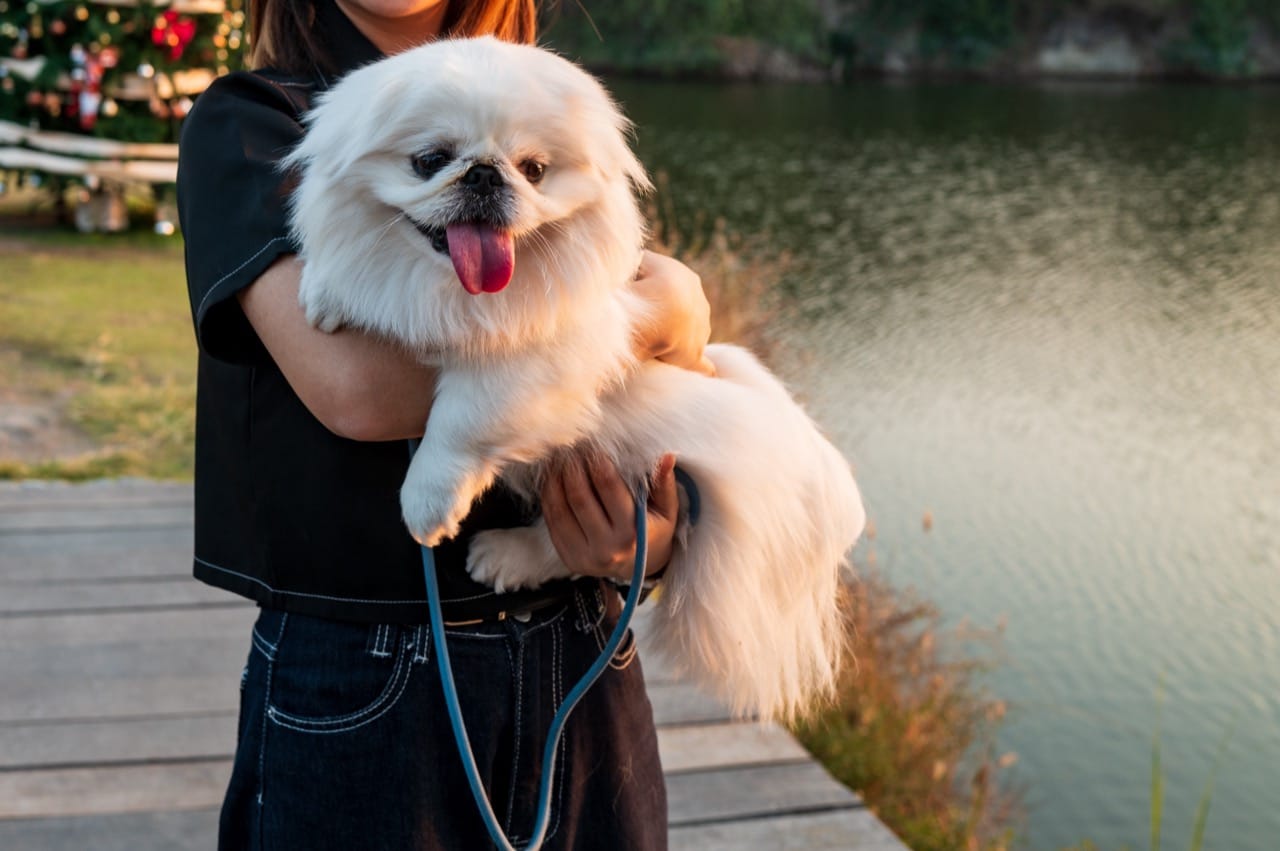
Pekingese are known for deep loyalty and a dignified, almost regal way of carrying themselves. Many bond intensely with one person, though they can be affectionate with a whole household once they decide everyone belongs. Their affection often looks like steady companionship rather than constant fussing. A Pekingese might choose to sit near you, follow you from room to room, or quietly supervise your day. When they want attention, they can be charmingly direct about it, but they are not always the type to tolerate endless handling or being passed around like a plush toy. Respecting their boundaries usually earns more trust, and trust is the currency that matters most with this breed.
Around strangers, the typical Pekingese attitude ranges from reserved to openly unimpressed. They are not usually the first dog to rush the door with a wagging tail for every visitor. Instead, many will watch carefully, assess the situation, and warm up only if they feel comfortable. This reserve is one reason they have a reputation for being good little watchdogs. They are alert and quick to announce something unusual, and they tend to take their job seriously. They may not be large, but they often act as if they are responsible for the household’s security. Teaching a calm response to the doorbell and rewarding quiet behavior can help keep their vigilance from turning into nonstop commentary.
Training a Pekingese can be a lesson in motivation. They are intelligent, but they are not famous for being people pleasers. If they see the point, they can learn quickly. If they do not, they may simply opt out. Short, patient sessions, consistent rules, and rewards that actually matter to the individual dog tend to work better than repetitive drilling. Harsh corrections often backfire with a breed that prides itself on independence. Think of them less as a dog that lives to follow orders and more as a companion that prefers negotiation.
In multi-pet homes, many Pekingese do well, especially when introduced thoughtfully. They can be surprisingly bold with other dogs and may not automatically defer just because they are smaller. That confidence is endearing, but it means owners should watch for pushy behavior or a tendency to guard favorite spots, toys, or attention. With cats, a calm Pekingese may coexist peacefully, particularly if both animals have safe spaces and the dog is taught polite manners. Like many breeds with strong opinions, they often do best when their routines are predictable and their personal space is respected.
At home, their personality can feel like a mix of devotion and stubborn comedy. They may pick a favorite chair, insist on certain household rituals, or act personally offended by changes in schedule. Yet their steadiness can be comforting. A Pekingese often enjoys quiet companionship, a secure lap when invited, and the feeling of being an important part of the household. For the right person, living with a Pekingese is less about owning a pet that adapts to every whim and more about sharing life with a tiny guardian who believes the home runs better with their supervision.