Famous Pekes in Fact and Legend









Quiz Complete!
Pekingese Legends in Fact and Film
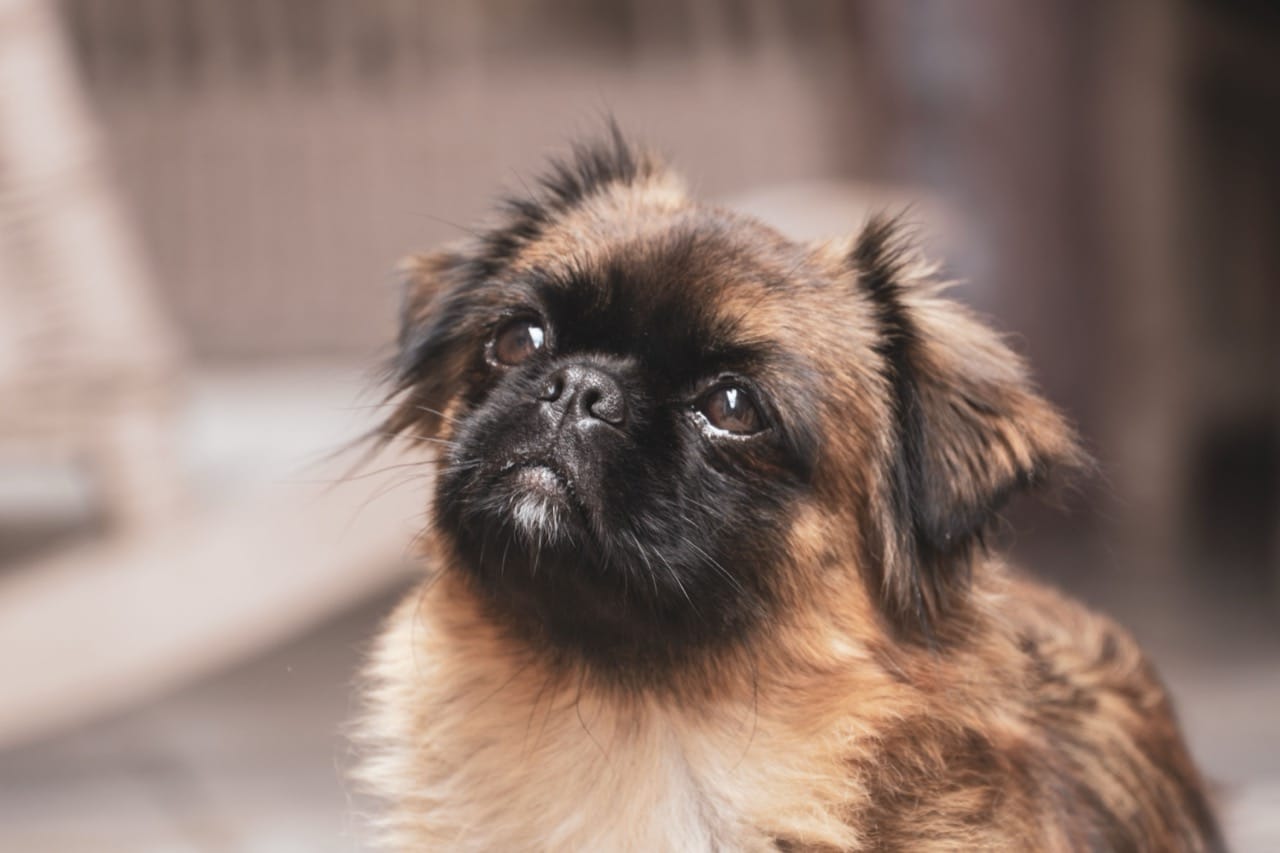
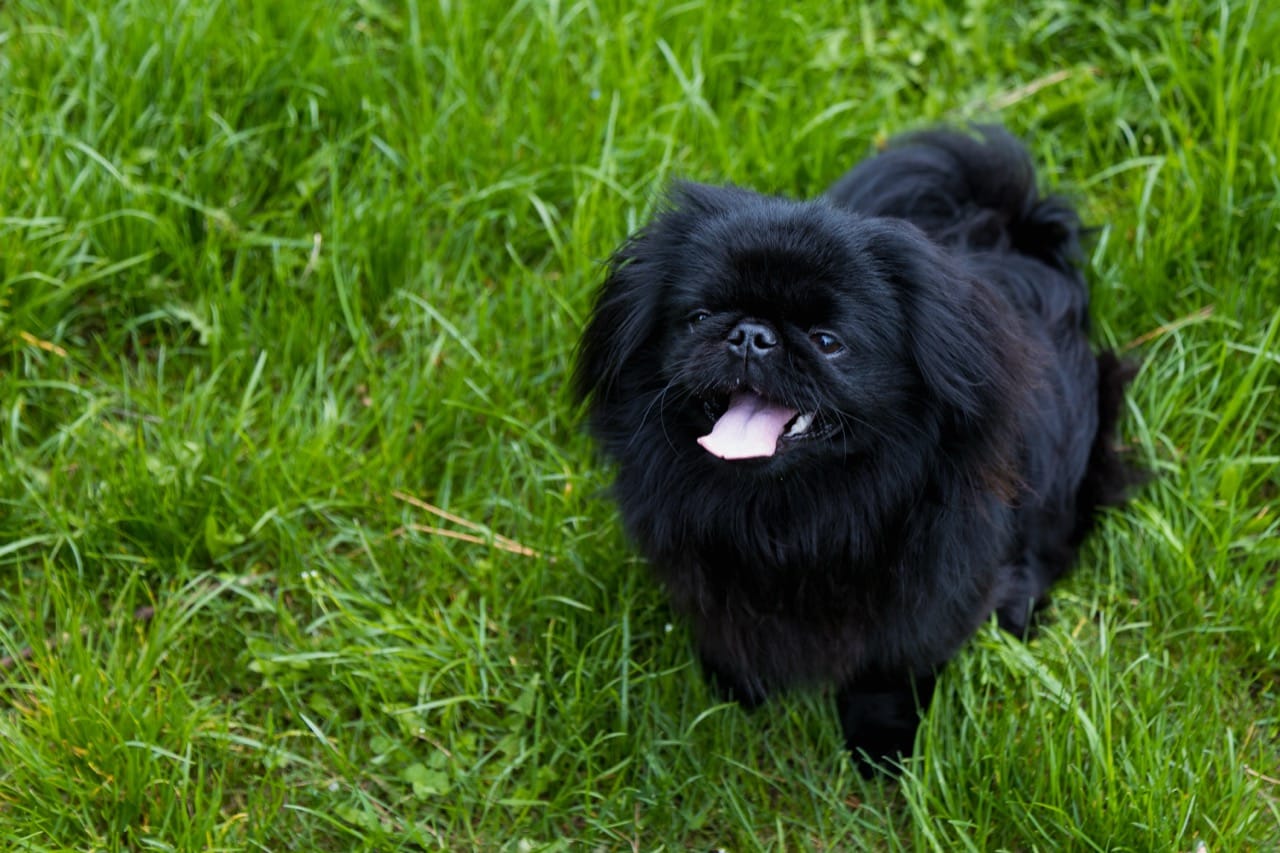
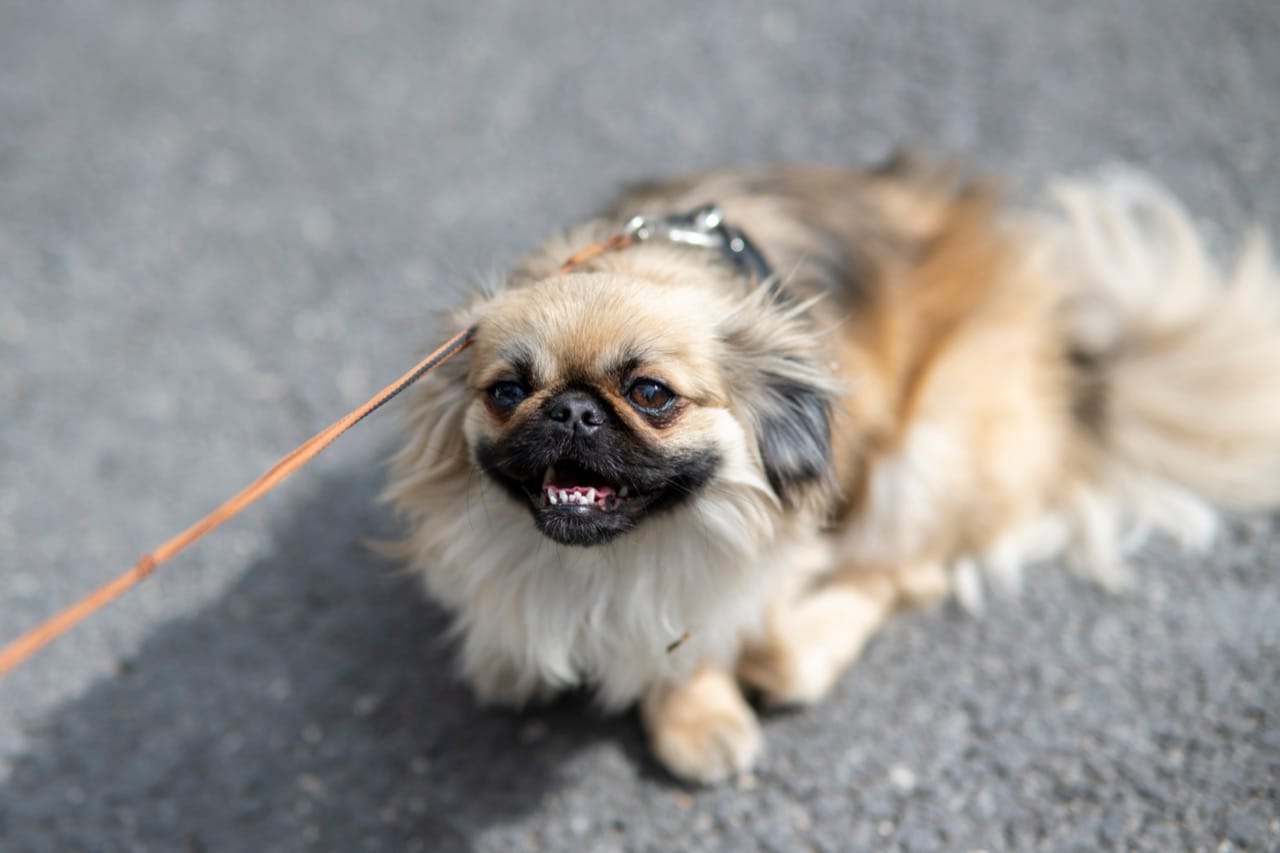
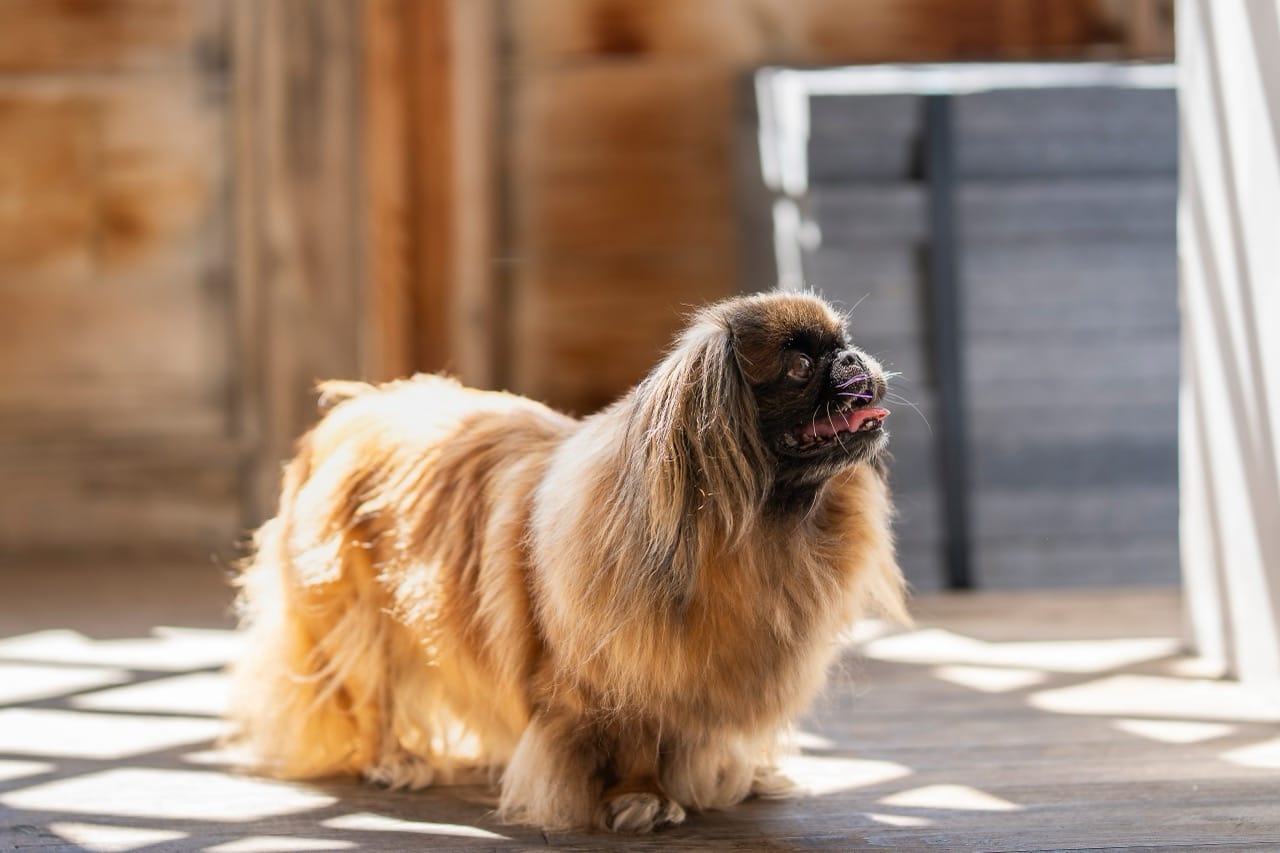
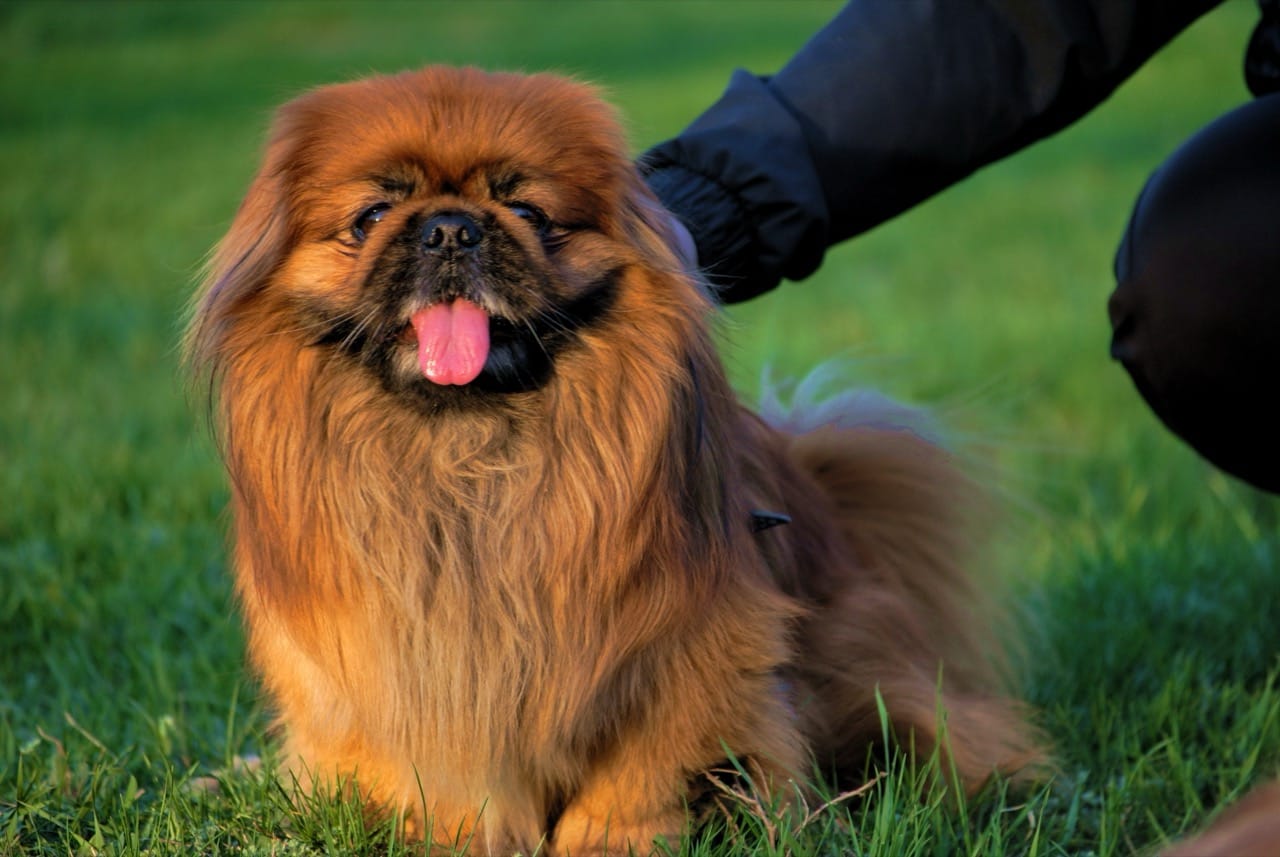
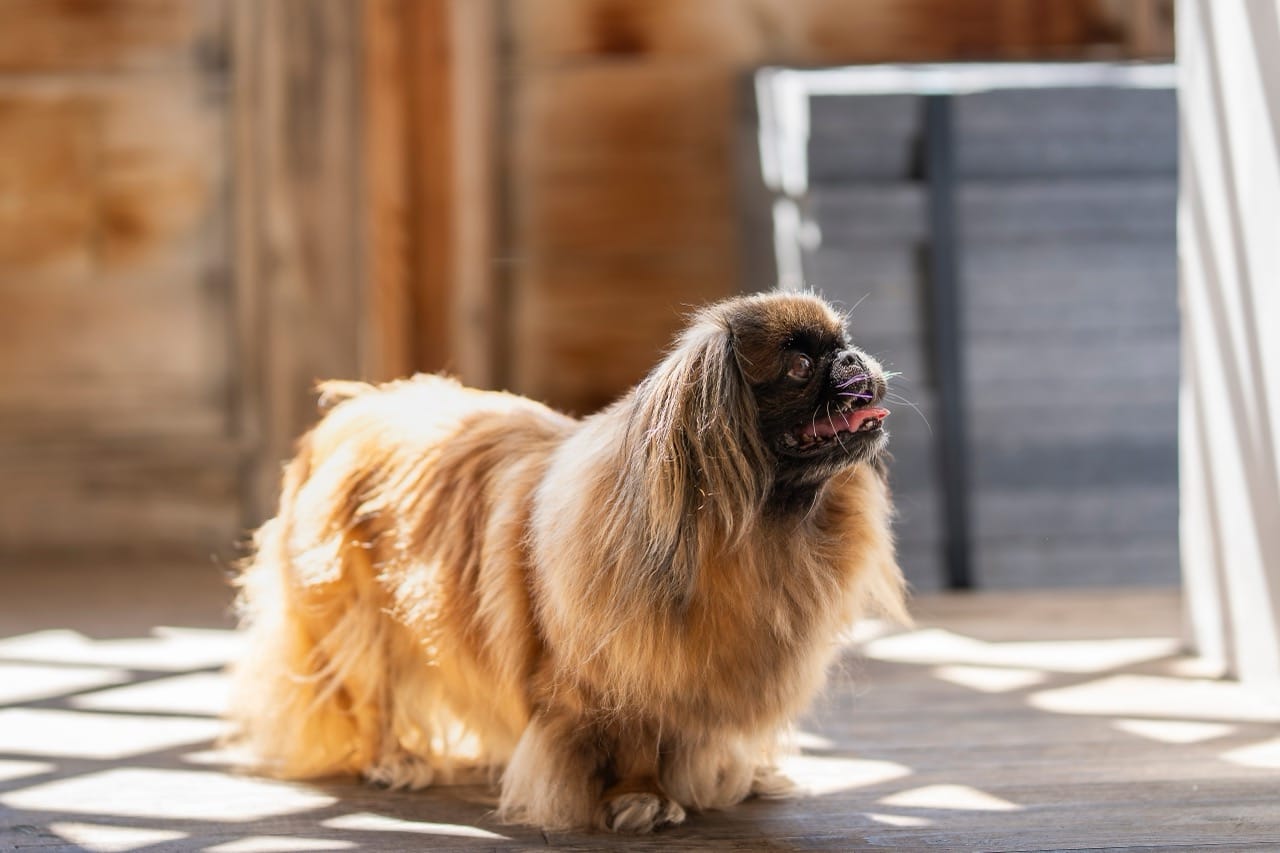
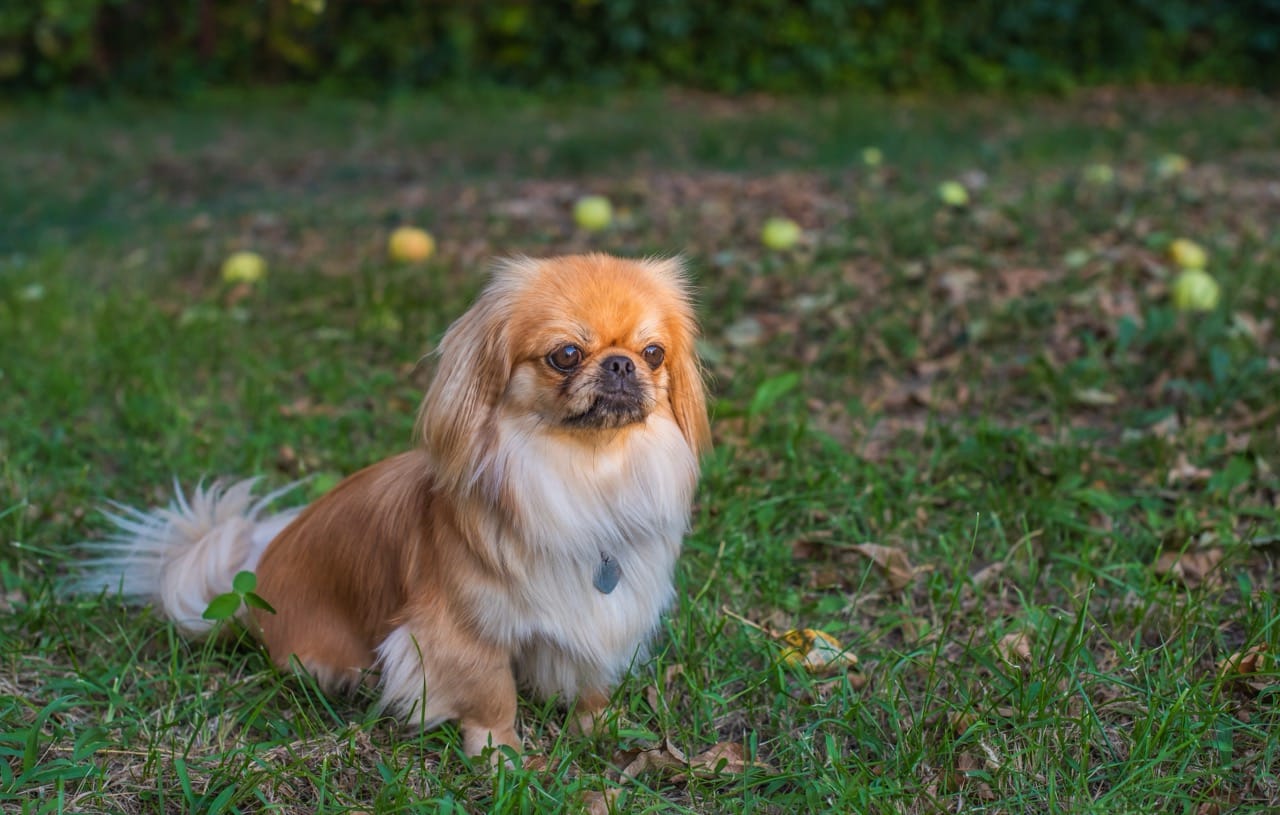
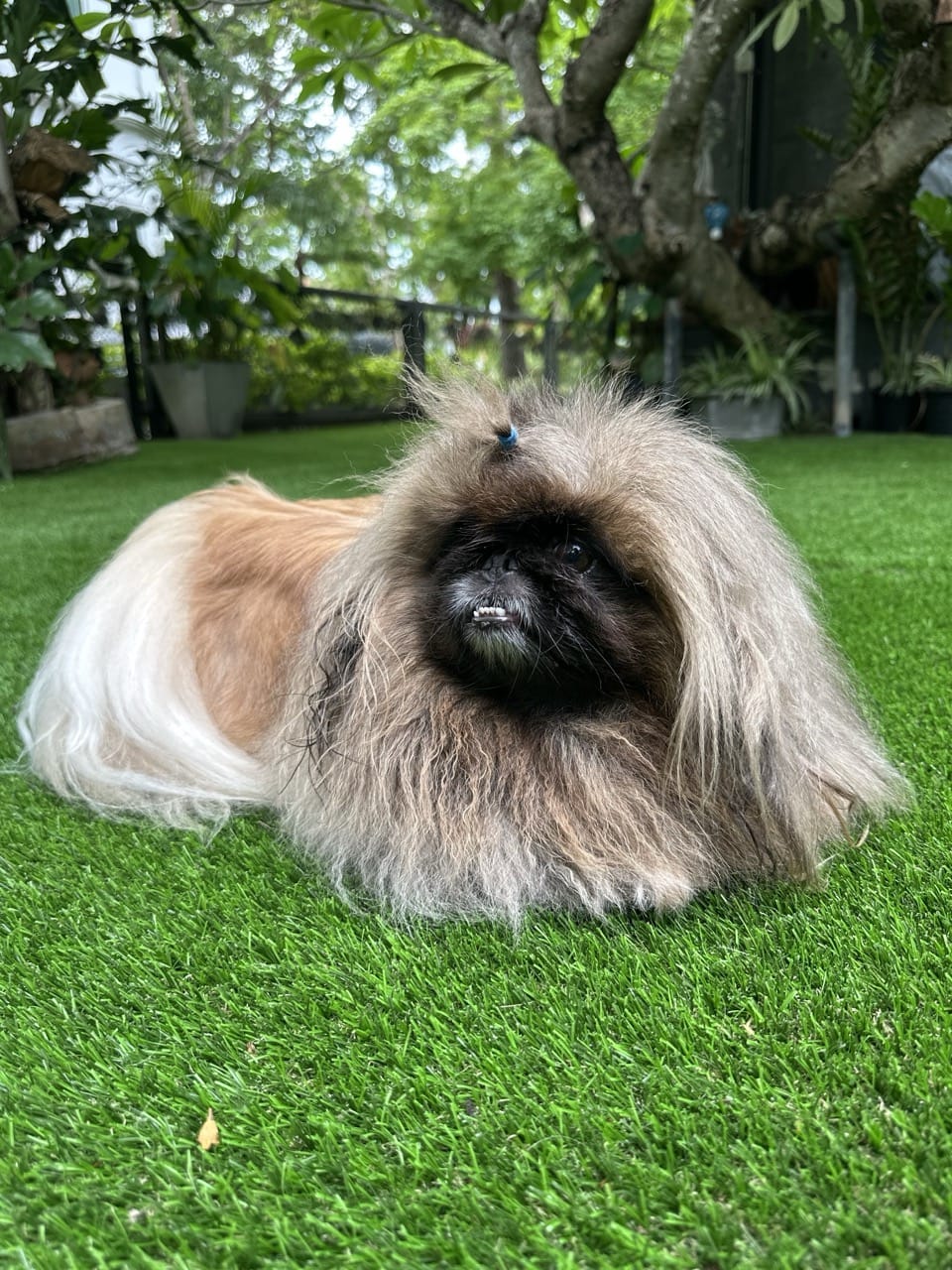
The Pekingese looks like a storybook creature: a compact body, a heavy mane, and a face that seems designed to stare down anything larger than itself. That dramatic silhouette is not an accident of modern fashion. For centuries the breed was closely tied to Chinese court life, and its image blended with older religious and artistic ideas about guardian lions. The result is a dog that arrived in the West already wrapped in legend, then went on to become a recognizable character in museums, books, and film.
One of the great turning points in Pekingese history happened in 1860, during the Second Opium War. British and French forces entered Beijing and the Old Summer Palace complex was looted and burned. In the aftermath, a small group of Pekingese dogs was taken from the imperial palace area and brought to Britain. These dogs mattered because they were not simply exotic souvenirs; they became foundational animals for early Western breeding and for the public idea of what an “imperial Chinese” dog looked like. The best known of them was a dog presented to Queen Victoria, named Looty. Looty’s name, uncomfortable to modern ears, is part of the historical record and reflects the context in which the dog was acquired. The Queen herself reportedly took little interest in Looty, but in Britain even a royal connection could turn a curiosity into a fashionable emblem.
Western fascination was amplified by the breed’s connection to the “lion dog” concept. In Chinese art and architecture, especially in Buddhist and imperial settings, guardian lions appear as powerful protectors. Lions are not native to China, so the lion became an imported symbol, interpreted through storytelling and stylized imagery. Small dogs with a mane-like ruff and a bold presence fit neatly into that visual tradition. When outsiders heard that a tiny palace dog was linked to lion imagery, it encouraged dramatic retellings: the Pekingese as a miniature guardian, a temple companion, or an animal reserved for emperors and empresses. Some tales are clearly folkloric, but the underlying association between the breed’s look and lion-like symbolism is real and visible in art objects, palace photographs, and later museum displays.
As the Pekingese gained a foothold in Europe and North America, it became a living artifact of “court China” in the Western imagination. Museums collected Chinese decorative arts featuring lion dogs, and popular books repeated the idea that these dogs were not merely pets but symbols of an entire world of etiquette and hierarchy. That reputation made the breed especially attractive to prominent owners. Empress Dowager Cixi herself gave a black Pekingese named Manchu to Alice Roosevelt in 1905, and publisher Henry Sleeper Harper carried his Pekingese, Sun Yat Sen, into a Titanic lifeboat in 1912. The dog’s name, borrowed from the Chinese revolutionary, shows how closely the breed was tied to the West’s image of China.
In film and television, Pekingese casting often works as visual shorthand. A Pekingese can instantly suggest pampered luxury, stubborn courage, or comic self-importance without a line of dialogue. The breed’s face is expressive in a way audiences read quickly: wide-set eyes, a flattened muzzle, and a deliberate, almost ceremonial gait. Directors use that silhouette to tell you something about a character’s home, habits, or social world. When a scene needs a dog that looks like it belongs on a velvet cushion, or one that can appear both cute and imperious, the Pekingese delivers. Tricki Woo, the pampered dog of James Herriot’s All Creatures Great and Small stories and their TV adaptations, is the classic example.
What makes Pekingese “legends” so sticky is that they sit at the intersection of documented events and powerful imagery. The 1860 palace episode is a fixed historical point; Looty is a named individual with a traceable story; lion-guardian symbolism is visible across centuries of art; and famous owners and screen appearances keep the breed in the public eye. The real story is already dramatic enough, and the Pekingese, with its lion-like mane and royal attitude, has been carrying it for generations.