Reading the Signals: Dog Body Language










Quiz Complete!
Reading the Signals: What Common Dog Behaviors Really Mean
Dogs share our homes and routines, yet much of what they do is a quiet language of posture, movement, and sound. Learning to read that language can make daily life smoother and safer, because many dog signals are subtle and context matters. A wagging tail, for example, is not a universal sign of happiness. Tail position and motion tell you more than wagging alone. A loose, mid height tail with broad, sweeping wags often goes with a relaxed body and friendly intent. A high, stiff tail with short, fast wags can signal arousal and tension, which might be excitement, frustration, or a warning depending on the rest of the dog. A low tail or tucked tail suggests insecurity or fear, especially if the dog is crouched, avoiding eye contact, or licking its lips.
Dogs often try to avoid conflict long before they resort to growling. Many of these calming or distance increasing signals are easy to miss: turning the head away, sniffing the ground suddenly, yawning when not tired, blinking slowly, or curving their body rather than approaching head on. People sometimes interpret these as stubbornness or guilt, but dogs do not show guilt the way humans do. The so called guilty look is usually a response to a person sounding upset, not a confession of wrongdoing. If you see these avoidance cues, giving the dog space and reducing pressure can prevent escalation.
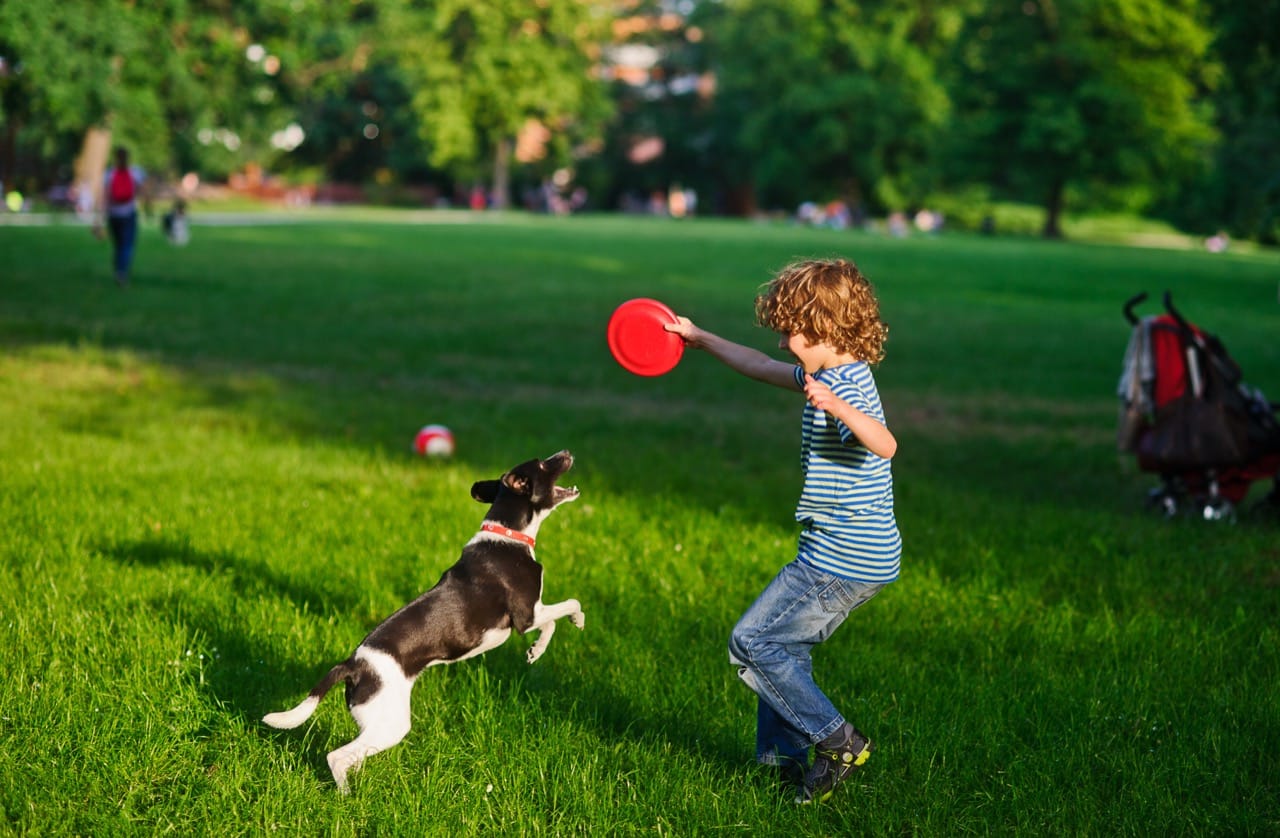
Play has its own vocabulary. The play bow, front end down with rear end up, is a clear invitation that says this is friendly. During play, dogs may bounce, take turns chasing, and use exaggerated movements that are less efficient than real fighting. Play can still get too intense, and a good sign of healthy play is frequent pauses or role reversals. When one dog repeatedly pins or overwhelms the other without breaks, or when bodies stiffen and faces look tight, it is time to interrupt and let them reset.
Those sudden bursts of energy known as zoomies are common, especially in young dogs. They often happen after a bath, during evening high energy periods, or when a dog is releasing pent up excitement. Zoomies are usually normal, but they are also a sign that a dog needs appropriate outlets like walks, training games, or safe running time. Providing a clear routine and enrichment can reduce frantic energy indoors.
The head tilt that charms so many people may have several causes. Dogs tilt their heads to adjust how they locate a sound, especially if it is novel or high pitched. Some researchers also suggest it can help dogs see around their muzzle to focus on a human face, and many dogs learn that head tilting earns attention. If a dog starts tilting frequently along with balance issues or unusual eye movements, it is worth checking with a veterinarian.
Barking is not just noise, it is communication shaped by breeding, learning, and environment. Alarm barking often comes with a forward stance and attention toward a trigger. Demand barking may occur when a dog has learned that noise gets a toy, food, or a door opened. Fear barking can be paired with backing up or lunging from a distance. Rather than trying to suppress barking alone, it helps to identify the function: teach an alternative behavior, manage the environment, and reward quiet moments.
Digging is another behavior with deep roots. Terriers were selected to dig after prey, northern breeds may dig cool pits to rest in, and many dogs dig simply because it is enriching and fun. Some dig at doors or fences due to stress or separation distress. Offering a designated digging area, increasing exercise, and reducing anxiety triggers can redirect the habit.
Across cultures, humans have long assigned meaning to dogs’ body language, sometimes accurately and sometimes not. Modern science backed observation emphasizes the whole dog: ears, eyes, mouth, posture, tail, and context. When you read signals as a complete picture, you can better tell the difference between a dog asking for space, inviting play, or coping with stress, and you can respond in ways that build trust.