Why Dogs Wag, Bark, and Zoom







Quiz Complete!
Why Dogs Wag, Bark, and Zoom: The Meaning Behind Everyday Canine Drama
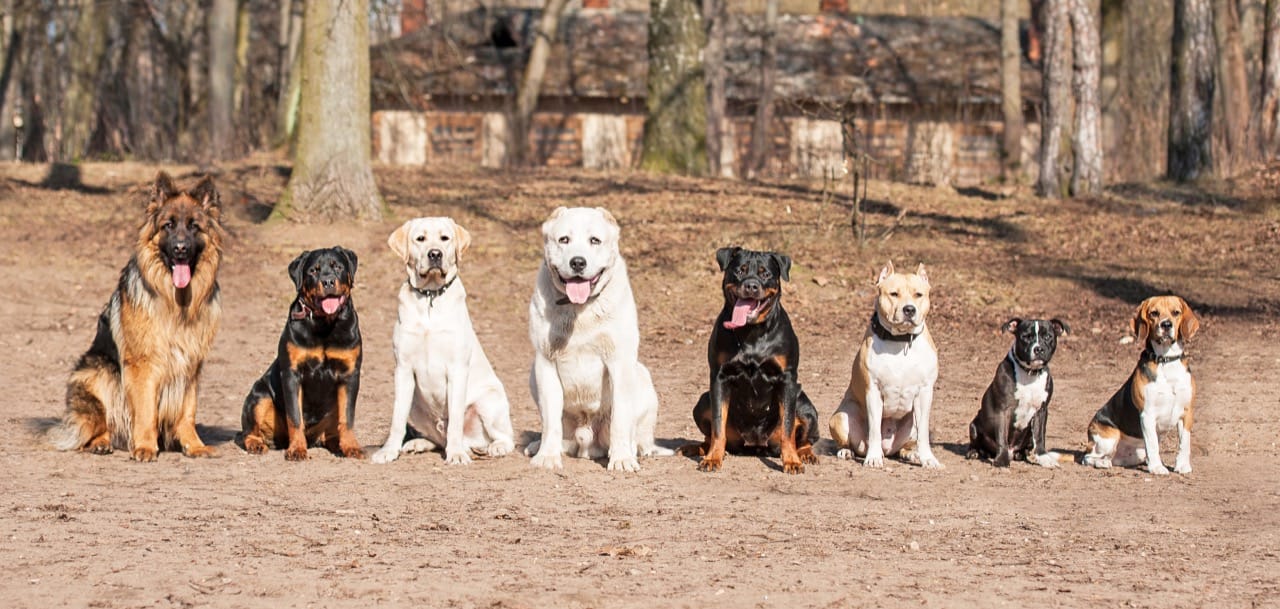
Dogs can turn ordinary moments into a performance: a whole-body wiggle at the door, a sudden sprint through the living room, or an urgent bark at a leaf that dared to move. While these behaviors can look random, most have practical roots in communication, instinct, and learning. Understanding what dogs are trying to say helps you respond in ways that support good behavior and reduce stress for both of you.
Tail wagging is one of the most misunderstood signals. A wag does not automatically mean a dog is friendly or happy. It usually means the dog is emotionally aroused, which could be excitement, nervousness, frustration, or even agitation. The rest of the body tells the real story. A loose, wiggly posture, soft face, and bouncy movement often indicate friendly excitement. A stiff body, hard stare, and tight, fast wag can signal tension. Many dogs wag more with their whole rear end when greeting trusted people, especially breeds with naturally expressive bodies. That full-body wag is a social gesture shaped by domestication: humans favored dogs that were readable and approachable, and dogs that communicated clearly were more likely to be welcomed.
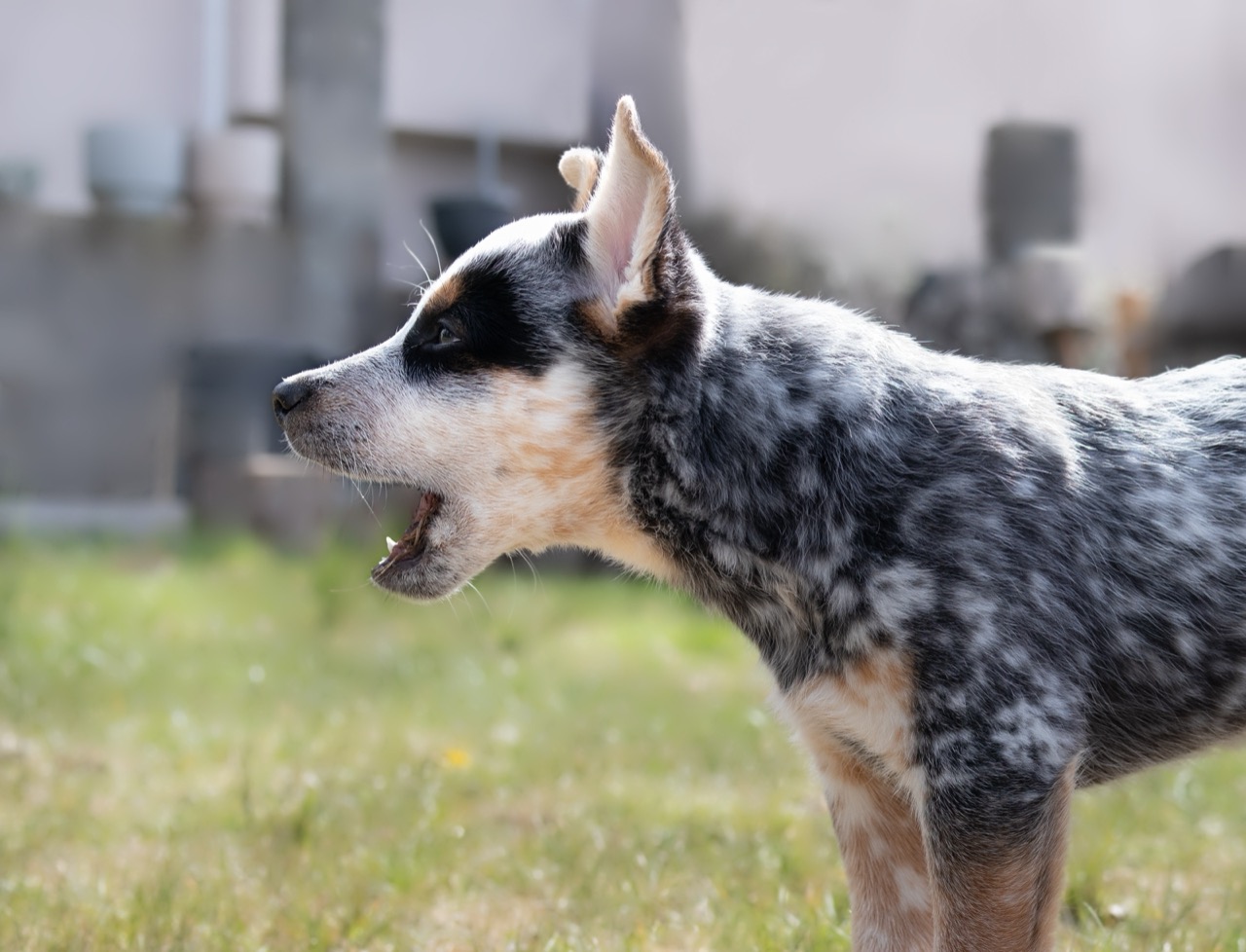
Barking is another behavior people often label as “bad,” but it is simply one of the ways dogs communicate. Compared with wolves, domestic dogs tend to bark more in everyday contexts, likely because barking works well with humans. It quickly grabs attention and can bring results: a door opens, a ball gets thrown, or a stranger backs away. Dogs bark for many reasons, including alerting, play, seeking attention, or responding to anxiety. Because barking is so effective, it is easily reinforced without you noticing. If a dog barks at the window and the mail carrier leaves, the dog may learn that barking made the person go away, even though the departure would have happened anyway.
Then there are the famous zoomies, known to behavior experts as frenetic random activity periods. These sudden bursts of sprinting, spinning, and darting often appear in young dogs, after baths, during play, or when a dog has pent-up energy. Zoomies are usually normal, a way to release excitement or stress. They can also show up when a dog is overstimulated, which is why calm breaks and predictable routines help. Providing safe space and appropriate exercise reduces the chances of a dog turning your hallway into a racetrack at the worst possible moment.
Digging is not a moral failing; it is a deeply rooted behavior. Dogs dig to cool down on hot days, to stash valued items, to hunt small animals by scent, or simply because digging feels rewarding. Some breeds were developed for work that involved digging or going to ground, so the urge can be especially strong. If digging becomes a problem, it often helps to add enrichment like sniffing games, training sessions, and designated digging areas rather than relying only on punishment.
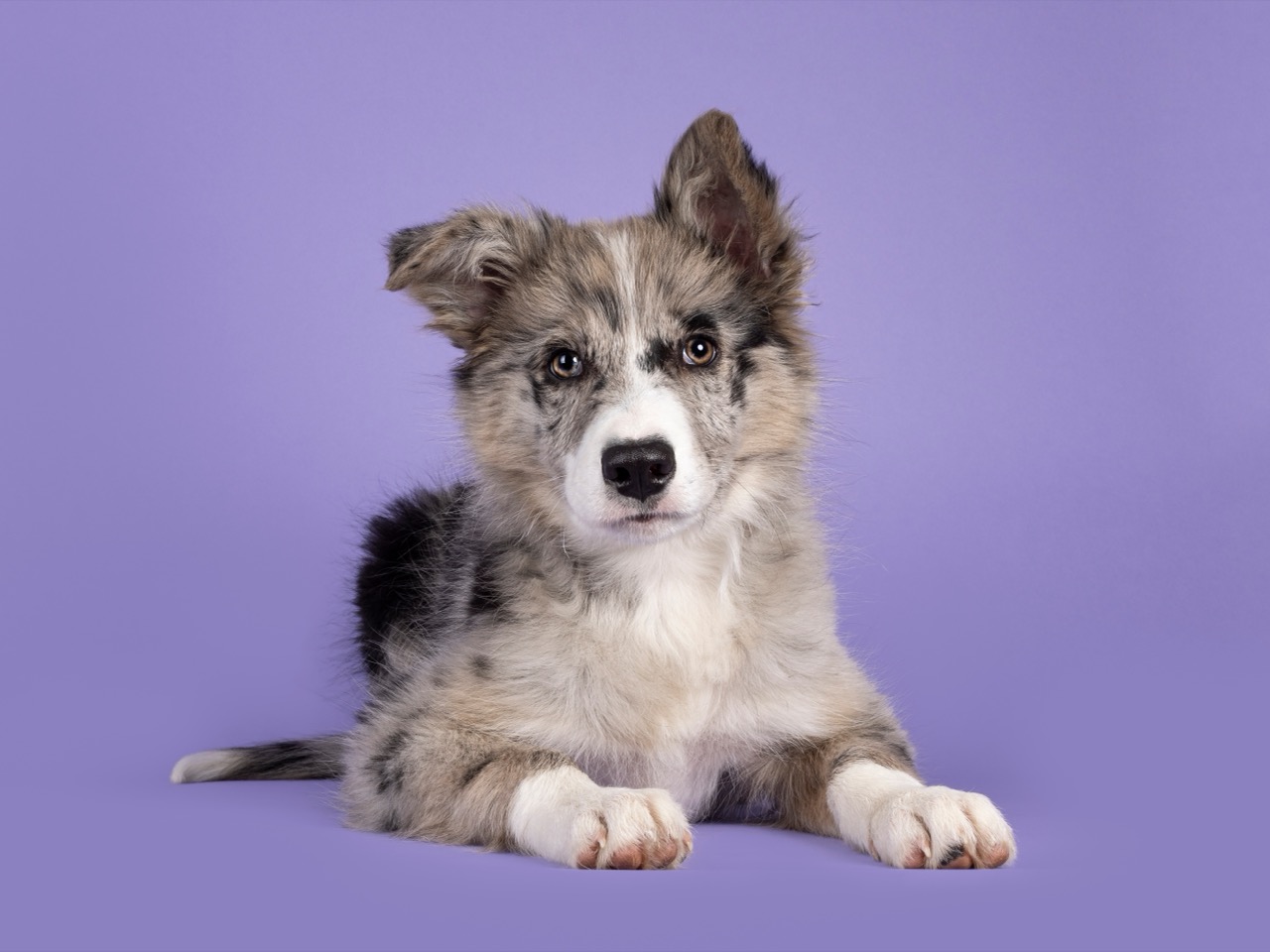
Head tilts charm humans, but they also serve a purpose. Dogs may tilt their heads to better locate a sound, especially a novel one, or to see around the shape of their muzzle. Many dogs learn that head tilts get attention, which can reinforce the behavior. It is a good example of how canine habits can be both functional and shaped by human reactions.
Play signals are a kind of social grammar. The classic play bow, front end down and rear end up, tells another dog that what comes next is meant as fun, even if it looks like chasing or wrestling. Dogs also use pauses, bouncy movements, and role reversals to keep play fair. These signals help prevent conflict by clarifying intent. Similarly, dogs use calming or distance-increasing signals such as turning the head away, licking lips, or sniffing the ground to avoid confrontation. Learning to notice these subtleties can help you step in before tension escalates.
Living with humans has shaped dogs into expert readers of our gestures, routines, and emotions. In return, humans have built expectations about what a “good dog” should do, rewarding quiet, polite behaviors and discouraging others that are normal for a canine body and brain. When you see wagging, barking, zooming, digging, or tilting, you are watching a blend of instinct and experience. The more you understand the message behind the motion, the easier it is to guide your dog toward behaviors that work in your shared world.