Everyday Dog Signals, Decoded







Quiz Complete!
Reading Dog Signals: What Everyday Behaviors Really Mean
Dogs are constantly communicating, even when they are not making a sound. Their bodies broadcast information through posture, movement, facial expression, and distance. Learning to read these signals can make daily life smoother, help prevent misunderstandings, and strengthen the bond between people and dogs.
Tail wagging is a classic example of a signal that is often oversimplified. A wag does not automatically mean a dog is happy. It usually indicates arousal, meaning the dog is emotionally activated, which can happen during play, excitement, frustration, or even conflict. The details matter. A loose, whole-body wag with relaxed muscles often appears in friendly contexts, while a stiff, high tail with fast, tight wags can suggest tension. Some research also suggests that wag direction can reflect emotional bias, but in everyday life the most reliable approach is to look at the entire dog: soft eyes, a relaxed mouth, and a wiggly body generally point to comfort, while a closed mouth, hard stare, and stillness point to caution.
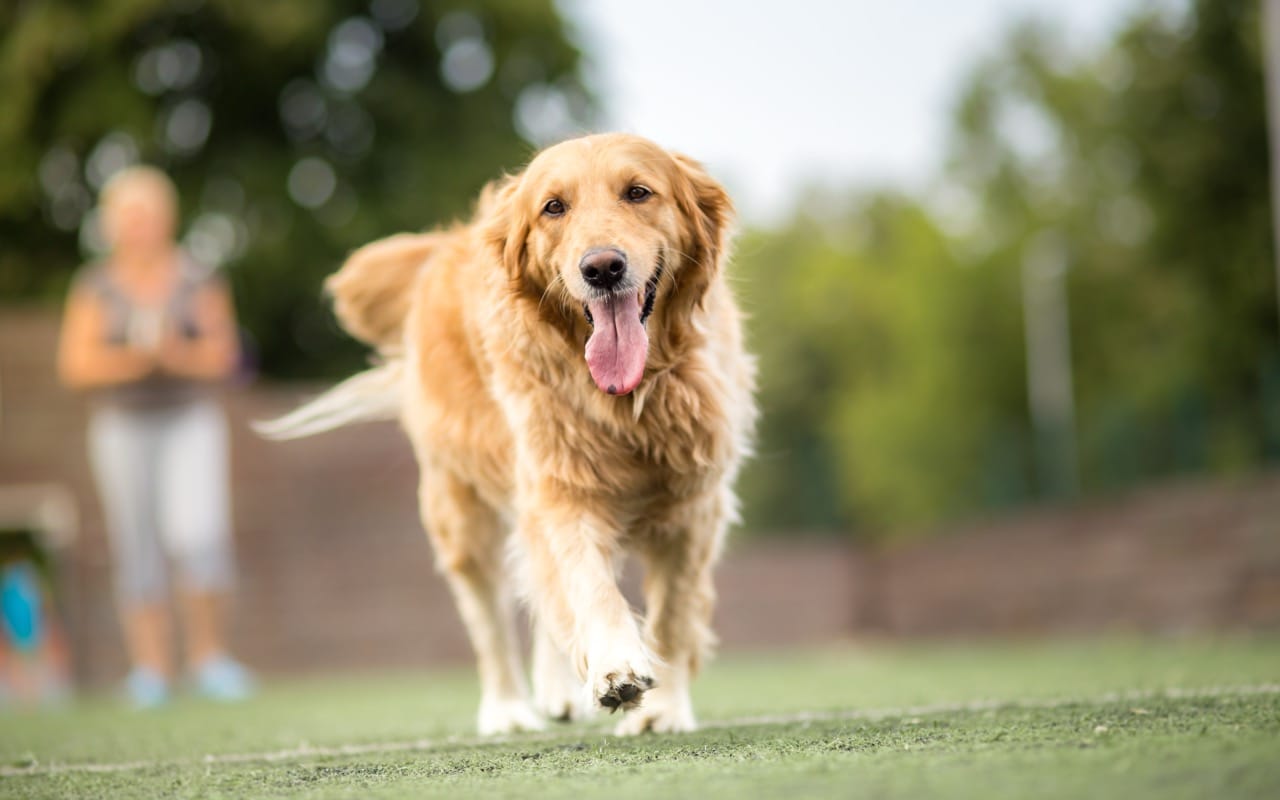
Those sudden bursts of sprinting and spinning called zoomies, or frenetic random activity periods, are another common behavior with practical roots. Zoomies often happen when excitement spikes, such as after a bath, during a play session, or when a dog has stored energy. They are especially common in young dogs, but adults can do them too. In most cases they are normal and harmless, though it helps to ensure the dog has traction and a safe space so they do not crash into furniture or slip on smooth floors.
Digging can look like mischief, but it can come from instinct and comfort as well as boredom. Some dogs dig to cool down on hot days by reaching cooler soil. Others dig to create a resting spot, reflecting the denning behavior of wild canids. Terriers and other breeds selected for hunting may dig more readily because the behavior was useful for their working role. Dogs may also dig when they are under-stimulated, seeking an outlet for energy. Providing legal digging options, like a sandbox area, and increasing enrichment through walks, sniffing time, and training can reduce unwanted holes in the yard.
The head tilt is one of the most endearing canine gestures, and it can have a practical purpose. Tilting may help a dog locate the source of a sound by changing how it reaches each ear. It may also help them see around the shape of their muzzle to better view a person’s face. Many dogs learn that humans respond warmly to head tilts, so the behavior can be reinforced over time. Like many dog signals, it can be both functional and socially meaningful.
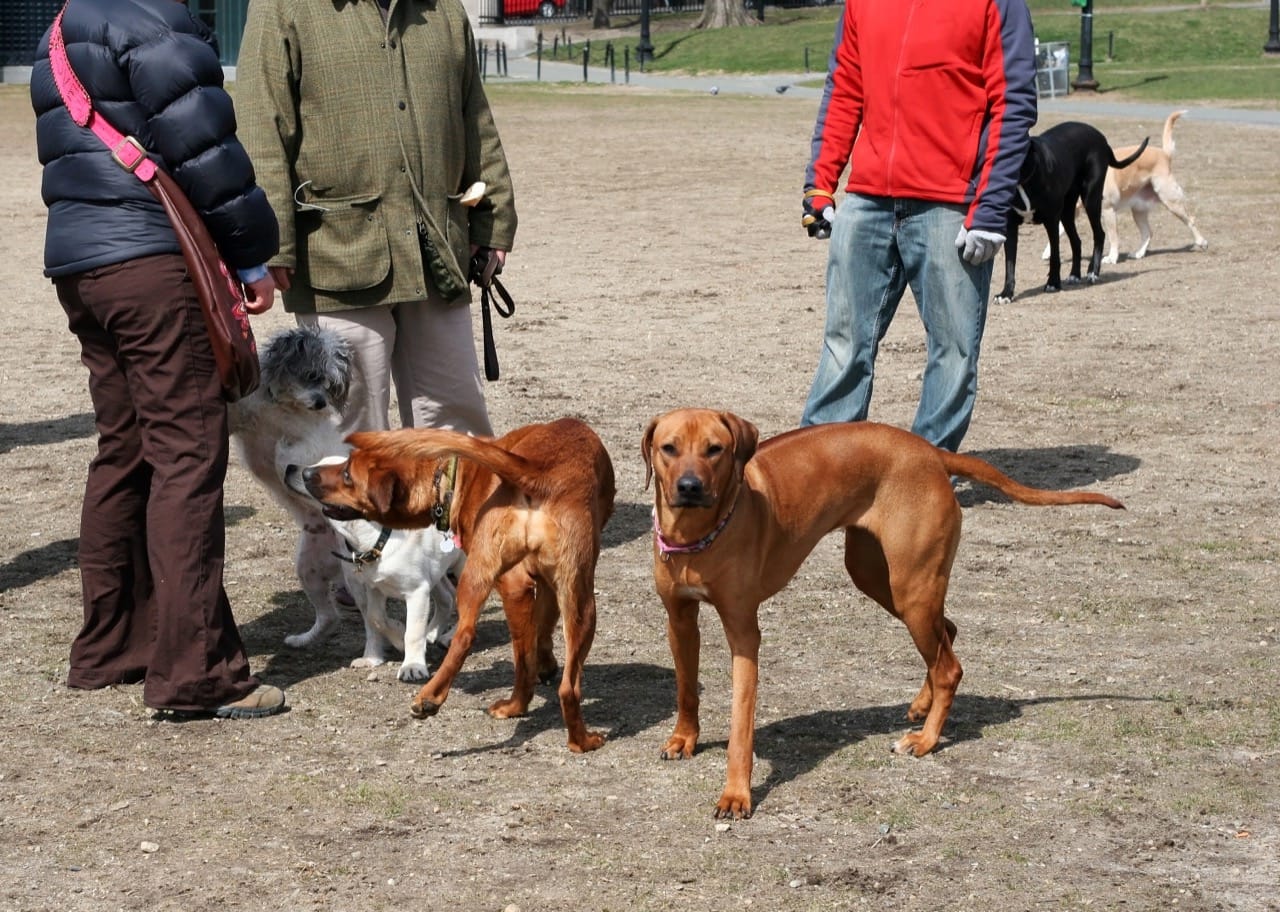
Play has its own language and rules. Dogs often use play bows, bouncy movements, and exaggerated, curved approaches to signal that their behavior is friendly. These signals help prevent play from being mistaken for aggression. Healthy play usually includes role reversals, brief pauses, and self-handicapping, such as a larger dog lowering their body or using gentler mouth pressure. When play escalates into stiff bodies, persistent pinning, or one dog repeatedly trying to disengage, it is a good idea to interrupt and give them a break.
Barking is not a single behavior with one meaning. Dogs bark to alert, to request attention, to express excitement, to complain, and sometimes out of anxiety. The context and the dog’s body language provide the clearest clues. An alert bark at the window often comes with forward posture and scanning, while a demand bark may happen when a dog has learned that barking makes a person deliver food, a toy, or eye contact. Addressing barking effectively usually means changing the situation: meet the dog’s needs for exercise and enrichment, prevent rehearsal of the behavior when possible, and teach an alternative such as going to a mat.
If there is one reliable rule, it is to read the whole dog. Ears, eyes, mouth, tail, and movement patterns work together. A dog that turns their head away, licks their lips, or yawns in a tense situation may be signaling discomfort rather than sleepiness or hunger. These subtle behaviors can be early warnings that the dog needs more space. By noticing them, you can respond before a dog feels forced to escalate.
Understanding dog signals is not about memorizing a single meaning for each gesture. It is about combining context with patterns in the dog’s body and behavior. With practice, everyday moments like greetings, playtime, walks, and quiet time at home become clearer conversations, and both humans and dogs benefit from the improved communication.