Decode Your Dog’s Weirdest Habits




Quiz Complete!
Decode Your Dog’s Weirdest Habits: What Those Quirks Really Mean
Many dog behaviors look obvious to humans, but dogs communicate with a different set of rules. A wagging tail is the classic example. Tail wagging often signals arousal, not automatically happiness. A loose, sweeping wag with a relaxed body usually points to friendly excitement, while a stiff, fast wag paired with a tense posture can mean the dog is on alert or uncertain. Even the height of the tail matters: a tail held high can suggest confidence or intensity, while a low tail may indicate worry. To read it correctly, look at the whole dog, not just the tail.
Those sudden bursts of energy called zoomies can also be misunderstood. Dogs may sprint in circles after a bath, during play, or at the end of a stressful moment. This is often a normal release of pent-up energy or emotion. It is not necessarily a sign of disobedience. If zoomies happen constantly indoors, it can be a clue the dog needs more daily exercise, sniffing time, or mental enrichment. In safe spaces, zoomies are usually harmless, but slippery floors and sharp corners can turn them into accidents.
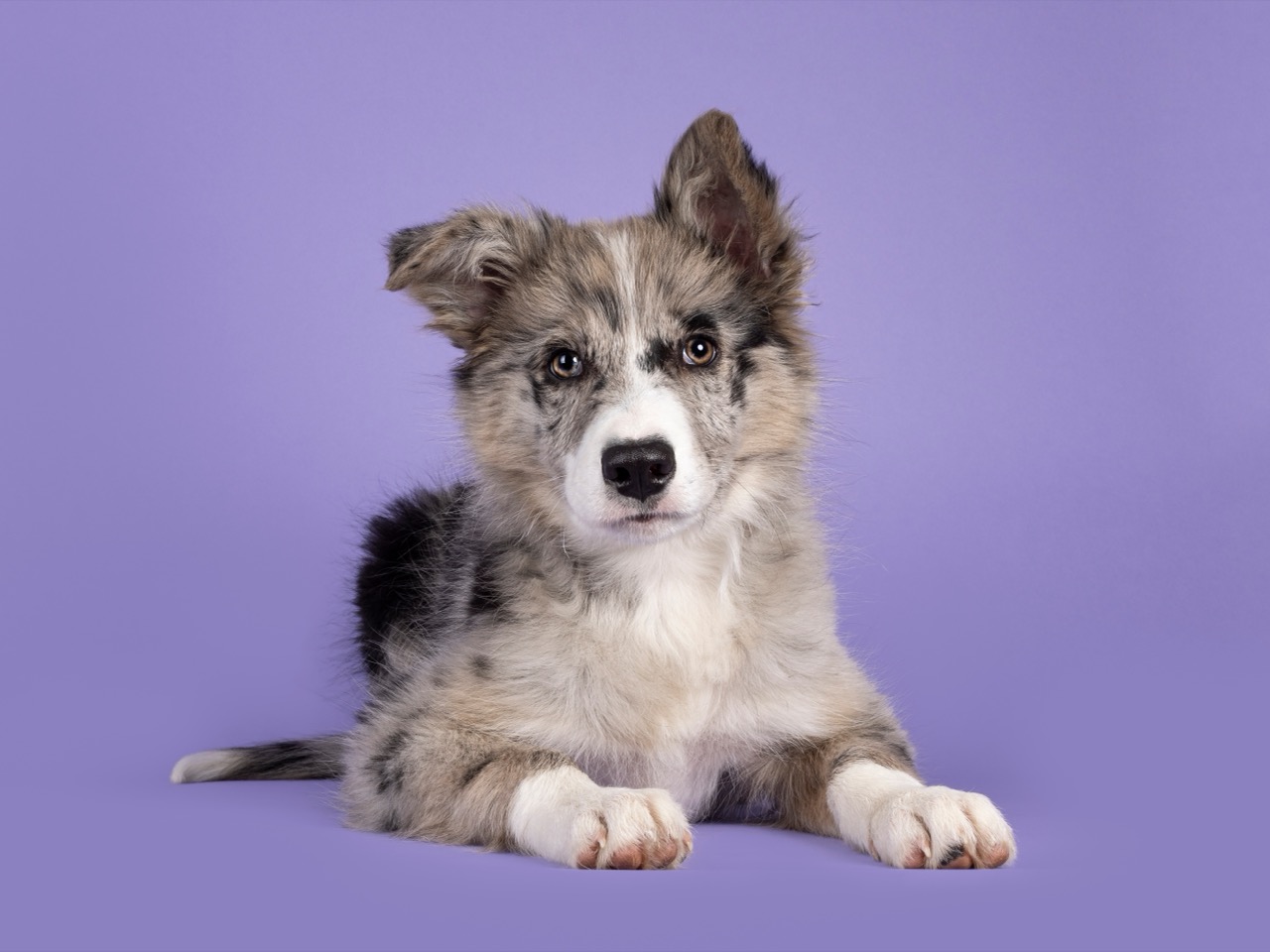
Head tilting is another habit people love, and while it can be a sign of confusion, it is often a listening strategy. Dogs shift their heads to better locate a sound or to adjust how their ears capture it. Some researchers also suggest head shape and muzzle length may influence how easily a dog can see a human face straight on, so a tilt could help them read your expression. If head tilting appears suddenly with balance issues or frequent ear scratching, it can also point to ear discomfort, and that is worth checking with a veterinarian.
Digging may look like mischief, but it is rooted in instinct and comfort-seeking. Some dogs dig to cool off on hot days by reaching cooler soil, or to create a cozy resting spot. Others dig because it is rewarding, like chasing small animals or uncovering interesting smells. Terriers may be especially motivated because they were developed for work that involved digging, and northern breeds often dig pits to rest in. If a dog digs at blankets before lying down, that can be a leftover nesting behavior. Managing digging often works better with redirection than punishment: provide a designated digging area, increase enrichment, and supervise time in tempting spots.
Barking that seems to come out of nowhere often has a trigger you have not noticed. Dogs bark to increase distance, to ask for attention, to alert, or because they have learned barking makes something happen, like a door opening or a person talking. The pitch and rhythm can vary by context, but the body language tells the clearer story. A dog barking with a forward lean and stiff body is different from a dog barking while bouncing and play-bowing. If barking increases suddenly, consider changes in the environment, hearing changes, or anxiety.
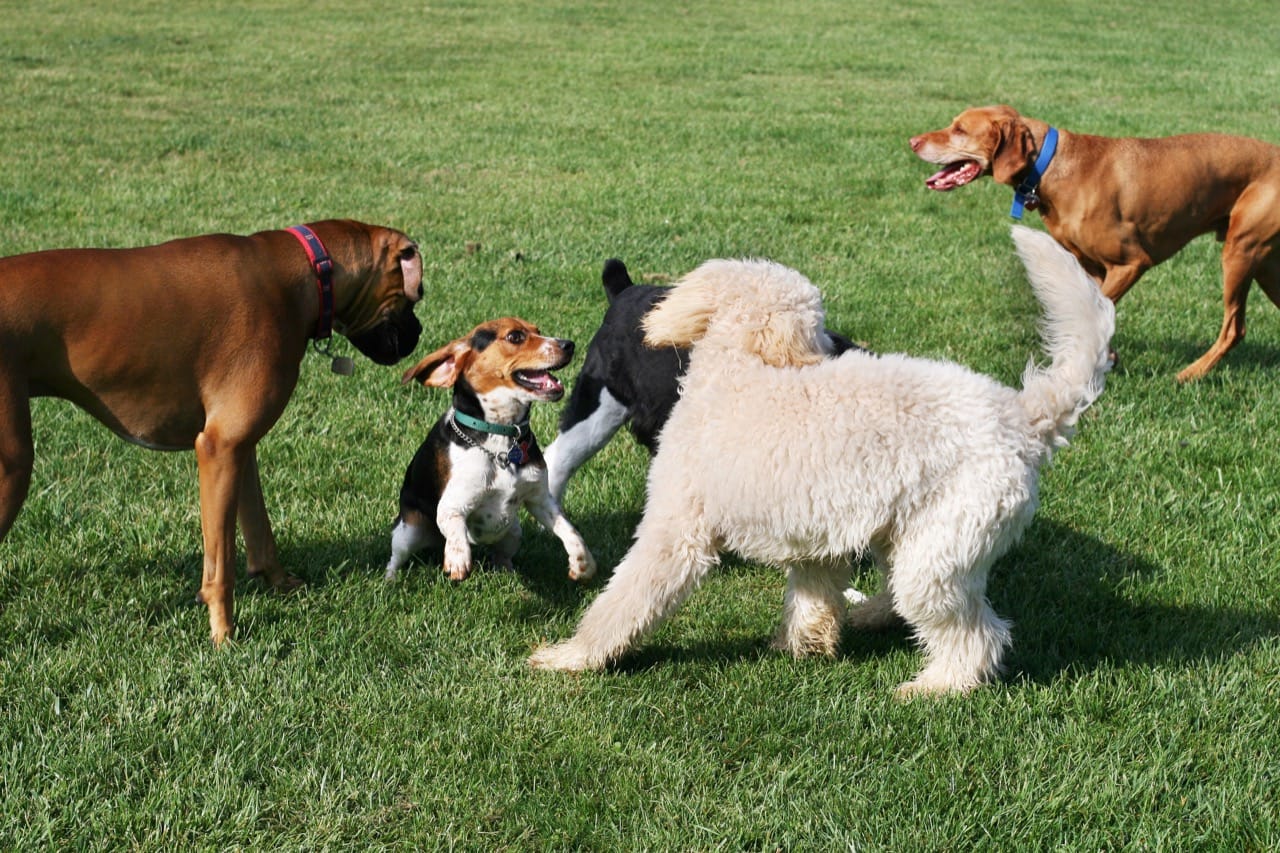
Play signals are especially easy to misread. A play bow, loose wiggly movement, and exaggerated bouncy steps are ways dogs say, This is a game. During healthy play, you often see role reversals, pauses, and self-handicapping, where the stronger dog holds back. Growling during play can be normal if the bodies stay loose and both dogs keep choosing to re-engage. By contrast, stiff postures, hard staring, and one dog repeatedly trying to leave are signs the interaction is no longer fun.
Finally, many habits are shaped by learning. If a dog jumps, paws, or whines and then gets attention, those behaviors can become stronger over time. Dogs repeat what works. The most helpful approach is to reward the behaviors you want, like sitting or calm eye contact, and to make sure your dog has enough outlets for natural needs like sniffing, chewing, and moving. When you start translating your dog’s quirks as communication, the behavior stops looking random and starts making sense as a conversation you can actually answer.