Everyday Dog Care Smarts Quiz



Quiz Complete!
Everyday Dog Care Smarts for a Safer, Happier Home
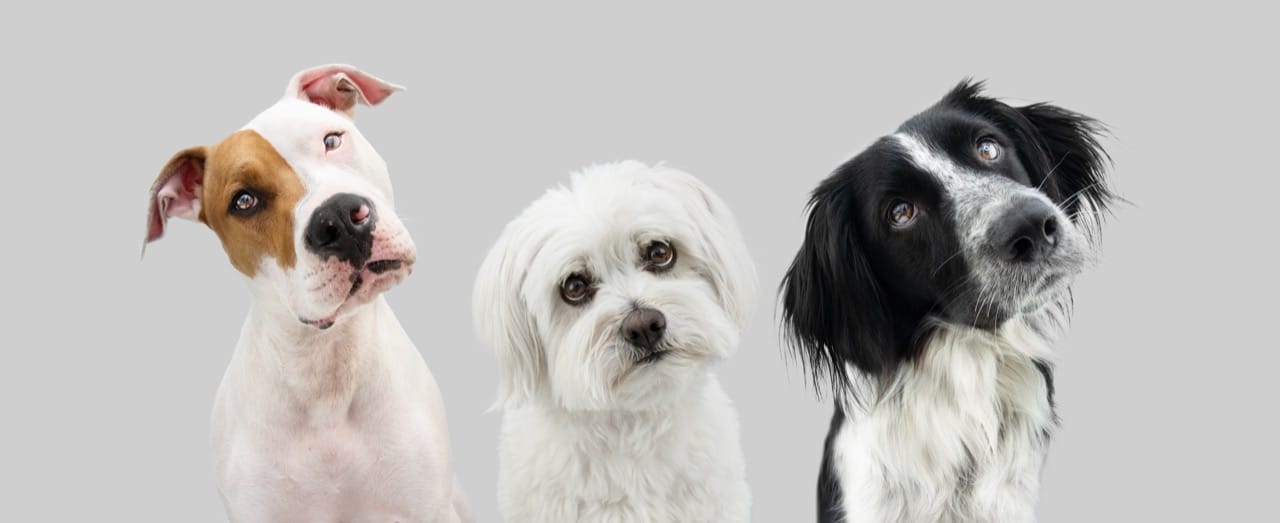
Dogs may be famous for their big personalities, but the real magic is the day to day care that keeps them healthy, comfortable, and easy to live with. A few practical habits, done consistently, prevent most common problems and make vet visits and grooming far less stressful.
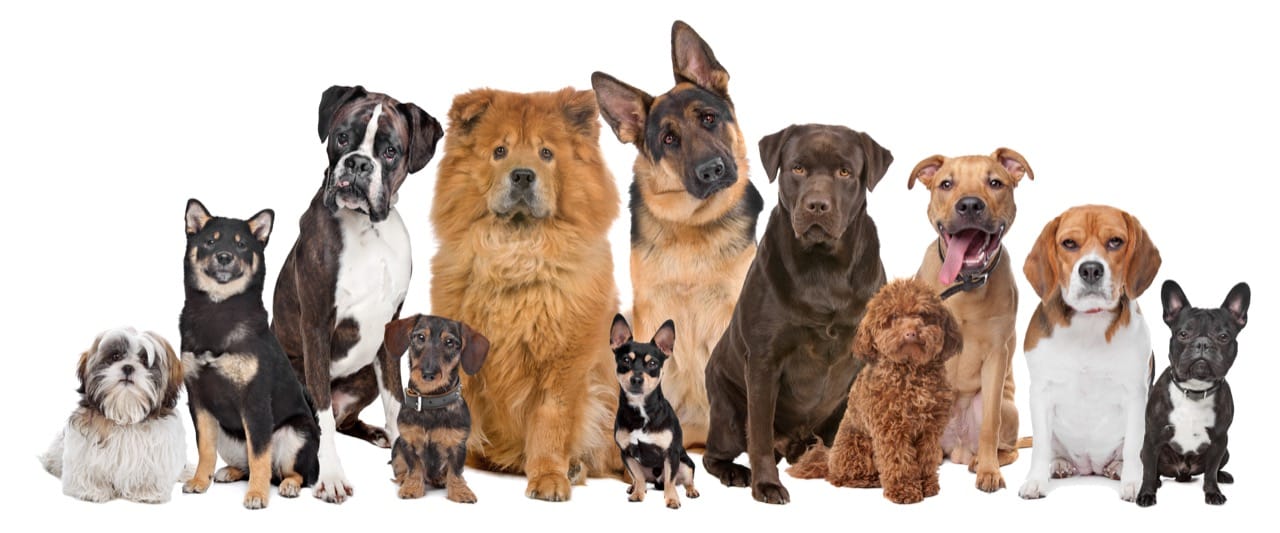
Grooming is not just about looking tidy. Brushing removes dirt and loose hair, helps distribute natural skin oils, and gives you a regular chance to spot ticks, bumps, or irritated skin. Coat type matters. Short coated dogs often need quick weekly brushing to cut down shedding, while double coated breeds benefit from more frequent brushing, especially during seasonal shedding. Curly or long coats can mat close to the skin, which pulls painfully and can trap moisture, so gentle, regular brushing is kinder than occasional marathon sessions. Bathing should be based on lifestyle and coat needs rather than a strict schedule. Too many baths or harsh shampoos can dry the skin, so choose a dog specific shampoo and rinse thoroughly.
Nail care is one of the most overlooked basics. Long nails can change a dog’s gait, strain joints, and crack or snag. A good rule is that nails should not loudly click on hard floors when the dog walks. Trim a little at a time and learn where the quick is, the blood supply inside the nail. In light nails it is often visible as a pink area; in dark nails, go slowly and stop when you see a darker, moist looking center. If trimming makes you nervous, a grinder can remove small amounts gradually, and many groomers or vet clinics can show you safe technique.
Ears and teeth deserve routine attention too. Some dogs, especially those with floppy ears or a history of allergies, are prone to ear infections. Ears should smell neutral and look clean, not red or gunky. Teeth brushing is one of the best ways to prevent dental disease, which can affect the heart and kidneys over time. Start with short, positive sessions and use toothpaste made for dogs.
Food safety is a place where myths can be dangerous. Chocolate, grapes and raisins, onions and garlic, and products sweetened with xylitol are genuinely risky and should be kept out of reach. Alcohol, cooked bones that can splinter, and very fatty leftovers can also cause serious problems. Some human foods are fine in small, plain portions, like cooked lean meats without seasoning, small bits of apple without seeds, or plain pumpkin. When in doubt, treat new foods as a question for your veterinarian, and remember that even safe foods can upset a sensitive stomach if given in large amounts.
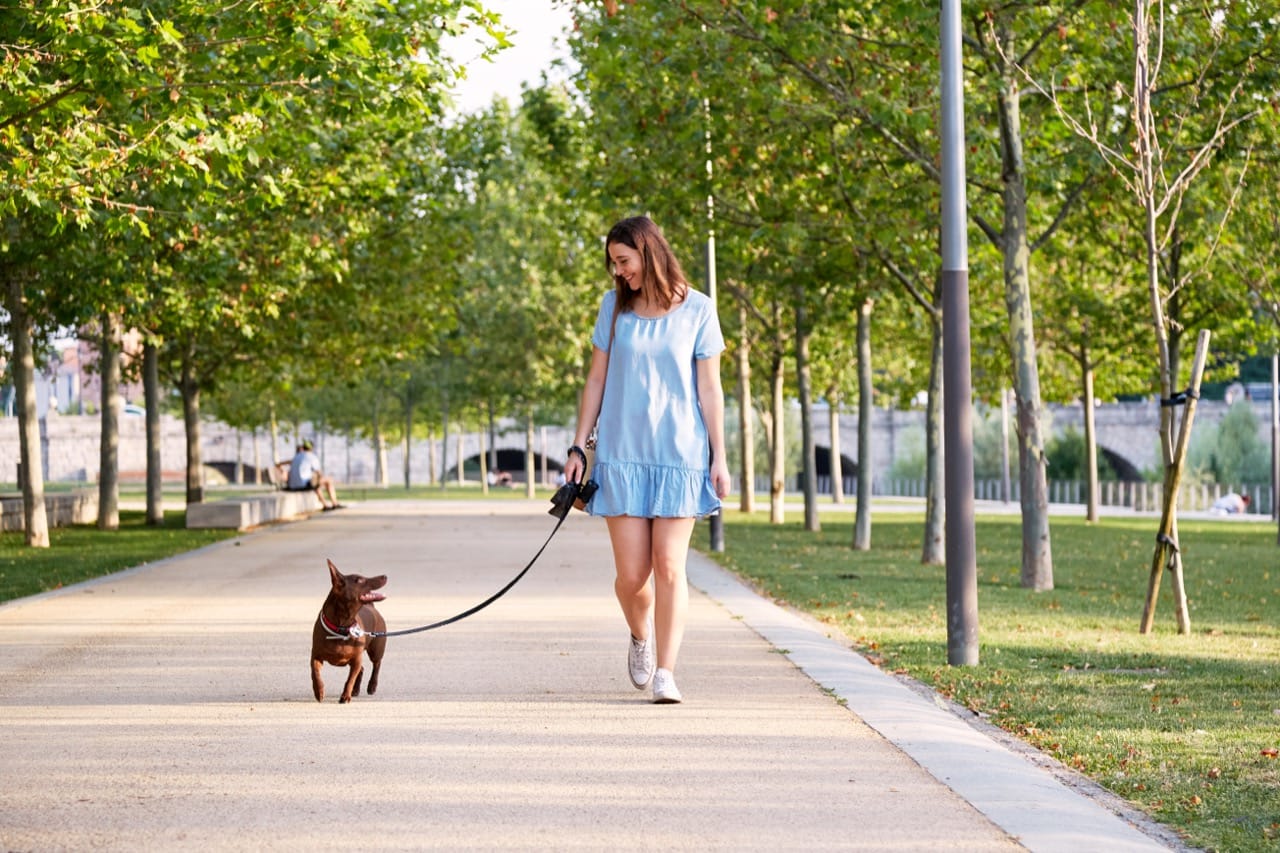
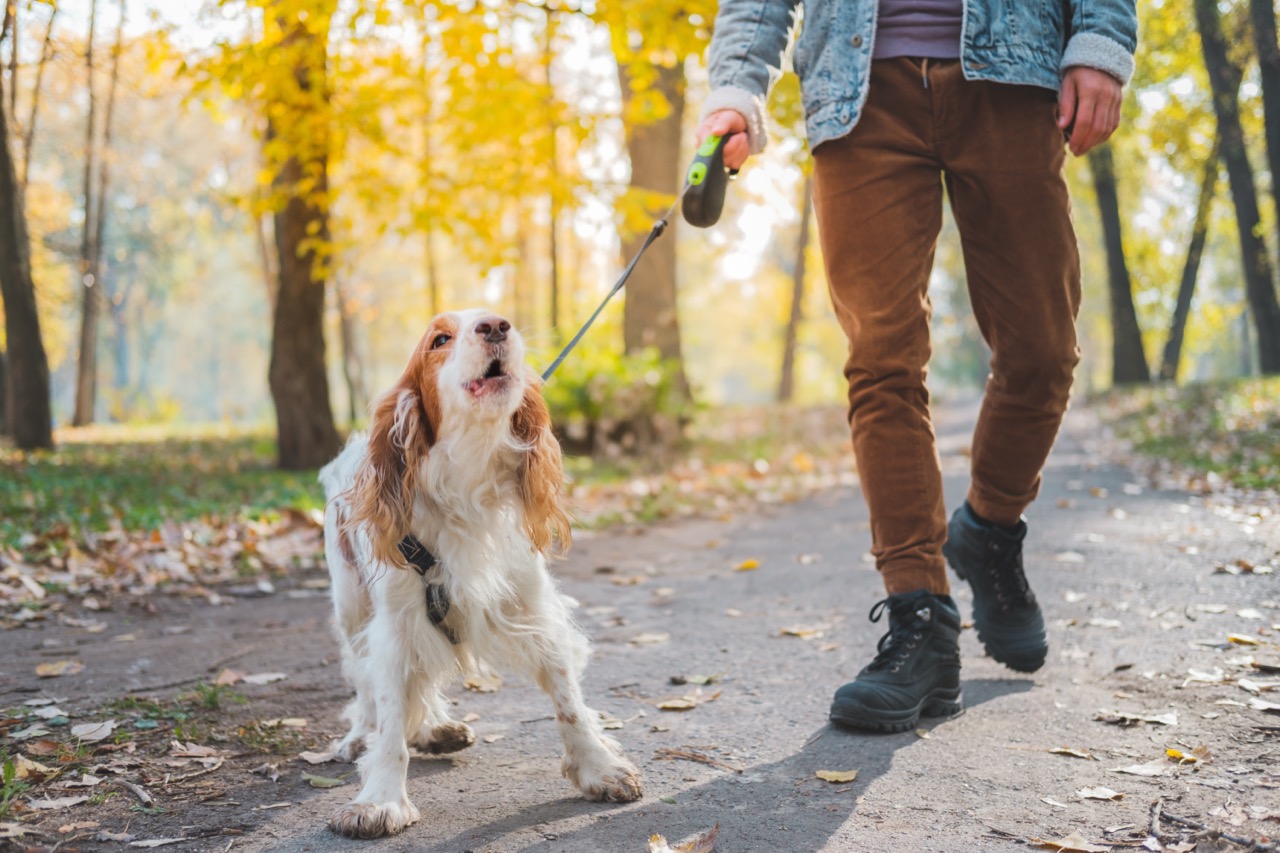
Exercise is essential, but it should match the dog’s age, fitness, and the weather. In heat, dogs cool mainly by panting, so overheating can happen quickly. Walk during cooler hours, bring water, and watch for heavy panting, drooling, weakness, or confusion. Hot pavement can burn paws; if you cannot hold your hand on the surface for several seconds, it is too hot for paw pads. In cold weather, salt and ice can irritate feet, so rinsing paws after walks and using pet safe deicers can help.
Good manners are part of care, not an optional extra. Consistent routines for meals, potty breaks, and calm greetings reduce stress and prevent problem behaviors. Reward the behaviors you want, like sitting to be leashed or waiting at doors, and manage the environment so the dog is set up to succeed. With a little planning and steady practice, everyday dog care becomes less like a chore and more like a reliable recipe for a healthier, happier companion.