The Science of Canine Careers




Quiz Complete!
Dogs at Work: The Science and Technology Behind Canine Careers
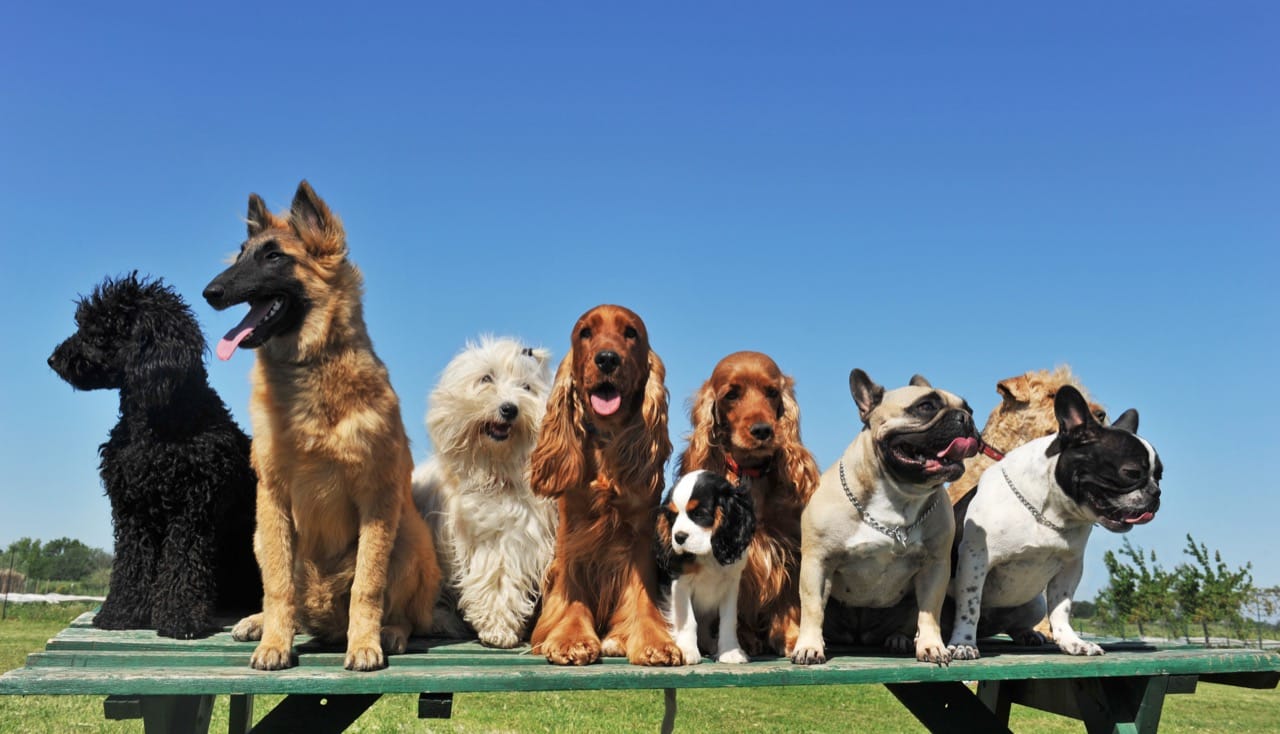
Working dogs are not simply pets with extra practice. They are carefully selected, trained, and supported by science and equipment designed to help them do specific jobs safely and reliably. Whether a dog is guiding a person across a busy street or helping locate a missing hiker, success depends on a blend of biology, behavior, and smart handling.
A major reason dogs excel in so many roles is their sense of smell. A dog’s nose contains far more scent receptors than a human’s, and the brain regions devoted to processing odor are proportionally larger. Dogs do not just smell “one thing” in the air; they sample constantly as they move, building a scent picture from tiny particles carried on wind currents, trapped in soil, or lingering on clothing. Detection dogs are trained to recognize a target odor and then perform a clear alert behavior, such as sitting, staring, or pawing, depending on the program. In many professional settings, trainers prefer passive alerts, like sitting, because they reduce the risk of disturbing hazardous materials.
Guide dogs show another side of canine skill: decision making under pressure. A guide dog is trained to follow cues from the handler while also practicing “intelligent disobedience,” meaning the dog must refuse a command if it would lead into danger, such as stepping into traffic. The harness is not just a handle; it is a communication tool. Subtle shifts in the handler’s grip and the dog’s movement create feedback that helps the team navigate curbs, stairs, and obstacles. Good guide work is as much about calm temperament and focus as it is about obedience.
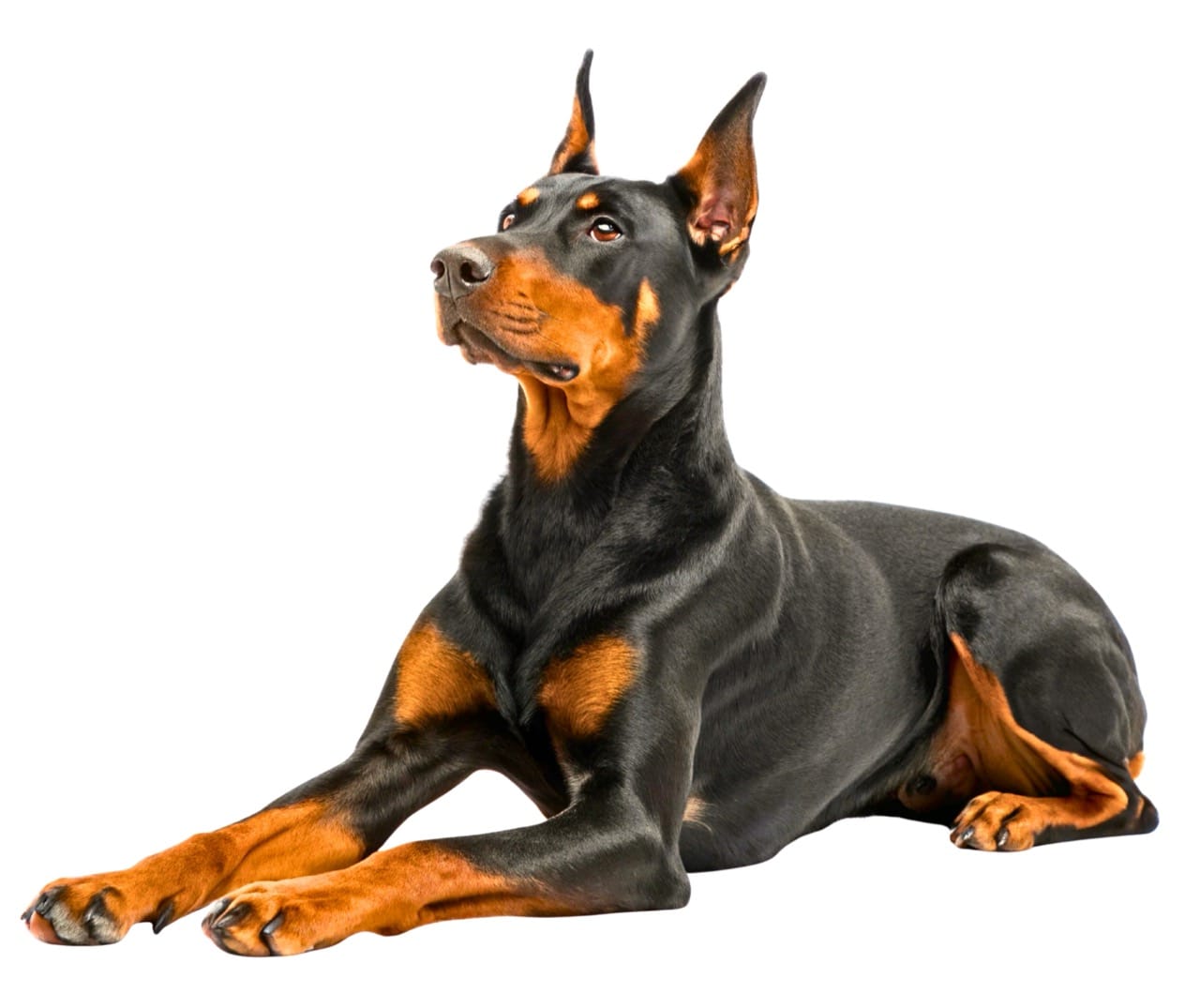
Police and military working dogs often perform patrol, tracking, and detection. Tracking commonly relies on human scent left on the ground and on disturbed vegetation, while air-scenting dogs search for odor carried on the breeze. The choice depends on terrain, weather, and the time elapsed. These dogs may wear protective vests, boots, or eye protection in environments with debris, heat, or sharp surfaces. Handlers also manage hydration, rest, and heat stress, because a dog’s cooling system depends heavily on panting and can be overwhelmed during intense work.
Search and rescue teams use similar scent principles but apply them to large areas and urgent timelines. Some dogs are trained to find any human scent, while others specialize in cadaver detection, which involves different odor profiles produced during decomposition. SAR training emphasizes reliability around distractions, confidence on unstable surfaces, and the ability to work at a distance while remaining responsive to the handler’s signals.
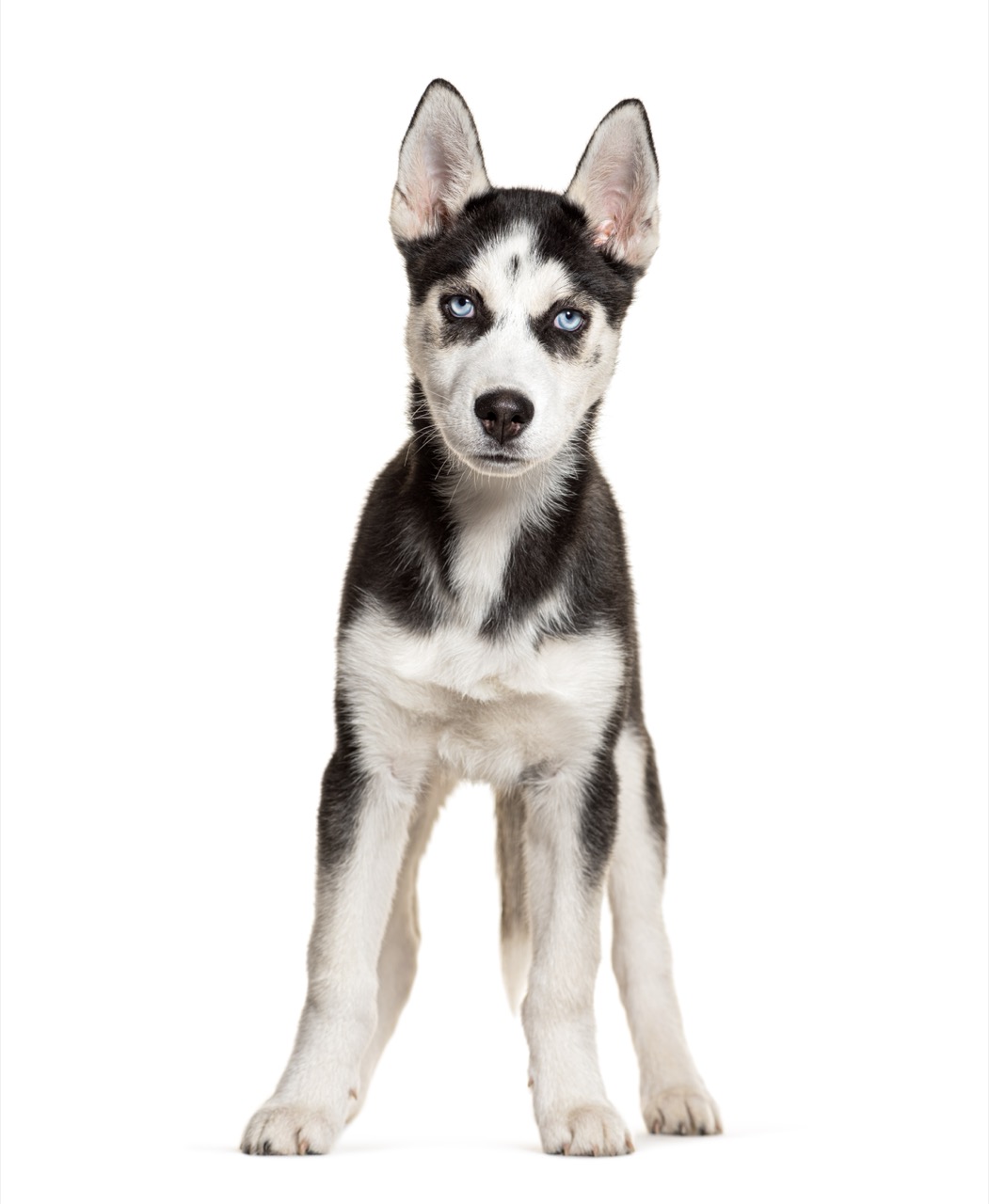
Herding and sled dogs highlight how humans have shaped canine behavior through selective breeding and training. Herding breeds often have strong instincts for gathering and controlling movement, which handlers channel using whistles, voice cues, and body position. Sled dogs are conditioned for endurance and teamwork, and their harness systems distribute pulling force to protect their bodies. Commands are standardized for clarity, and equipment is chosen to reduce friction and prevent injury in cold, abrasive conditions.
Therapy dogs and service dogs are sometimes confused, but their roles differ. Therapy dogs provide comfort in settings like hospitals or schools, usually working with a handler as part of a visiting program. Service dogs are trained to perform specific tasks for a person with a disability, such as retrieving items, opening doors, or interrupting harmful behaviors. Both require stable temperament and careful screening, but service work demands consistent task performance in many environments.
Modern training increasingly relies on evidence-based methods, especially positive reinforcement, where desired behaviors are rewarded to build strong, low-stress learning. Clear criteria, repetition, and gradual exposure to real-world conditions help dogs perform reliably. Technology supports these teams too, from GPS tracking collars used in wilderness searches to improved materials for harnesses and vests. The result is a partnership where biology and training meet practical tools, allowing dogs to do meaningful work that saves time, reduces risk, and in many cases saves lives.