Dogs With Jobs Quiz





Quiz Complete!
Dogs With Jobs: How Working Dogs Train, Think, and Serve
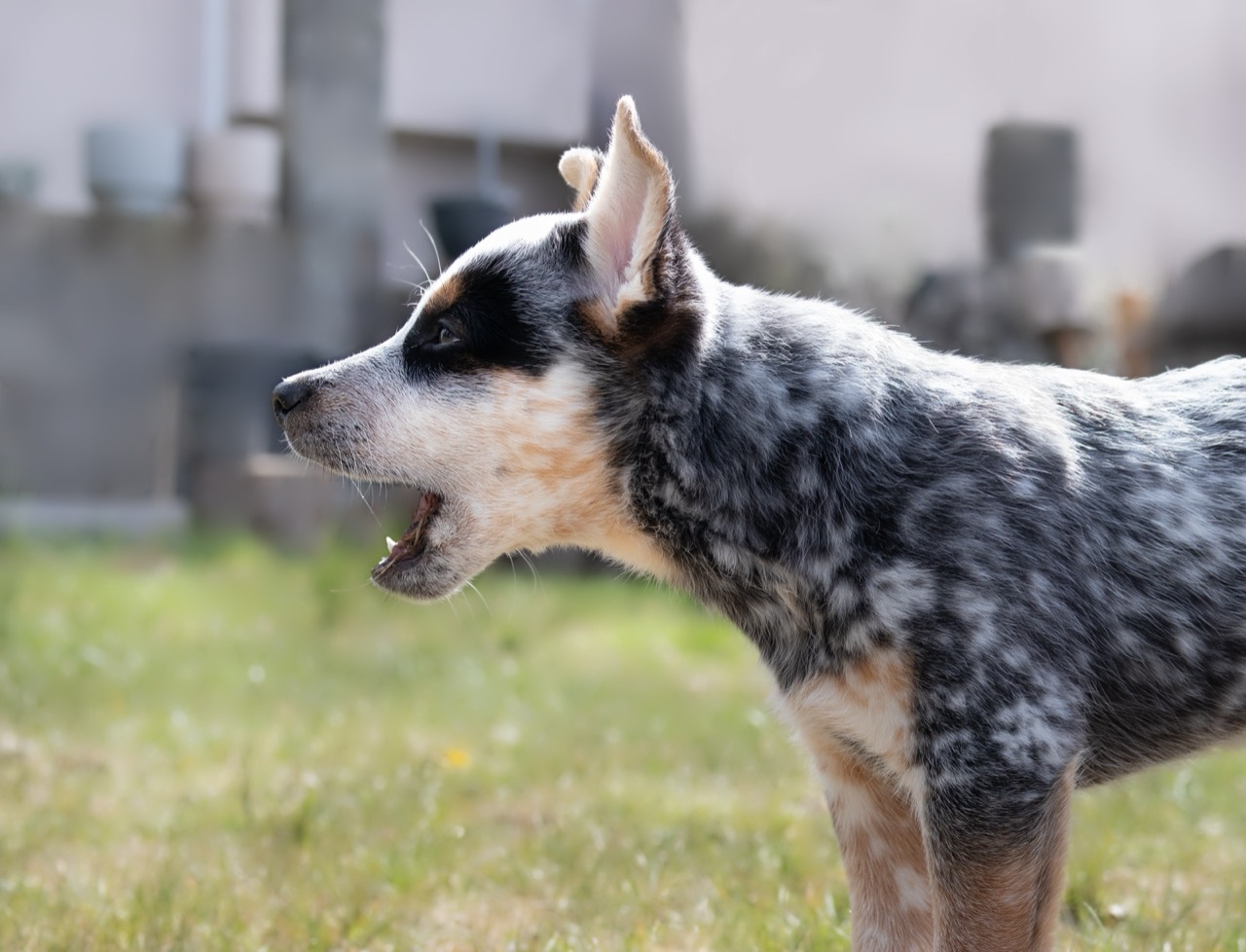
Many dogs do far more than keep people company. Working dogs are trained partners with specific duties, and their success depends on careful breeding, structured training, and a strong relationship with a handler. While different jobs call for different skills, most working dogs share a few basics: confidence in new environments, motivation to work for rewards, and the ability to focus despite noise, crowds, or unfamiliar smells.
Guide dogs for people who are blind or have low vision are a classic example of task-based assistance. They learn to stop at curbs, avoid obstacles at head and shoulder height, and navigate around hazards while maintaining a steady pace. One of their most impressive skills is called intelligent disobedience, meaning the dog is trained to refuse a command if following it would be unsafe, such as stepping into traffic. These dogs are typically trained over many months and must be calm in public spaces like buses, offices, and busy sidewalks.
Police K9s and military working dogs operate in high-pressure settings. Their roles can include tracking suspects, finding hidden people, locating evidence, and detecting odors such as explosives or narcotics. Patrol work often relies on control and obedience under stress, while detection work depends on a dog’s nose and a clear alert behavior. Alerts vary by agency and training style but commonly include a passive indication, such as sitting or staring at the source, which is especially useful around explosives because it avoids scratching or biting.
Scent detection is built on the science of canine olfaction. Dogs have many more scent receptors than humans and a brain specialized for processing odor. Training often uses positive reinforcement: the dog learns that finding a target odor predicts a favorite toy or treat. Handlers then “proof” the behavior by practicing in new locations, adding distractions, and increasing difficulty, such as placing odor higher, deeper, or among other strong smells.
Search and rescue dogs apply these skills to find missing people after disasters or in wilderness areas. Some specialize in air-scenting, moving through an area and following human scent carried on the wind, while others do tracking, keeping their nose close to the ground and following a specific scent trail. SAR teams train not only the dog but also the handler, who must read body language, manage search patterns, and work safely around hazards.
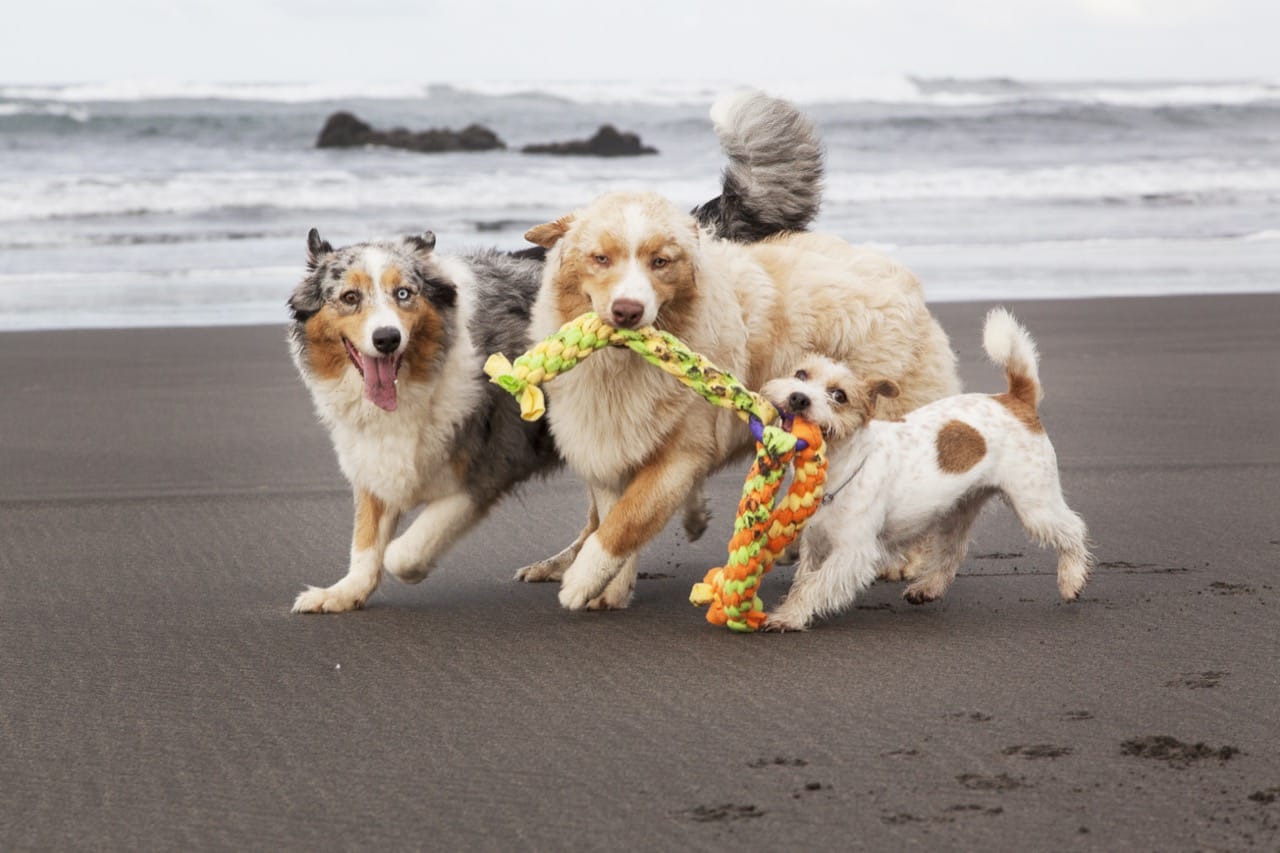
Herding dogs show another kind of canine intelligence: controlled movement and pressure. Breeds developed for herding learn to gather, drive, and hold livestock using eye contact, body position, and quick changes in direction. A well-trained herding dog can respond to whistles or verbal cues over long distances, helping farmers manage animals efficiently while minimizing stress on the herd.
Sled dogs are endurance athletes with a job that depends on teamwork. They are trained to pull in harness, follow trail commands, and maintain pace in harsh conditions. Common commands include directions like gee for right and haw for left. Conditioning, paw care, and hydration are essential, and mushers pay close attention to each dog’s health and willingness to run.
Therapy dogs are often confused with emotional support animals, but the roles are different. Therapy dogs are trained and evaluated to work with many people in settings like hospitals, schools, and nursing homes, providing comfort through calm, friendly interaction. Emotional support animals, by contrast, support an individual and do not require the same standardized training for public visitation work. Service dogs, including guide dogs, perform trained tasks that mitigate a person’s disability, which is a distinct category from therapy work.
Across all these roles, the best working dogs are not just skilled; they are steady, motivated, and well matched to their tasks. Their jobs may look different, but the goal is the same: to use canine abilities, especially scent, movement, and social connection, to help people in practical, measurable ways every day.