Working Dogs Mythbuster Quiz






Quiz Complete!
Working Dogs Mythbuster: What These Professionals Really Do
Working dogs are often treated like movie characters: fearless, instantly obedient, and always ready for action. Real working dogs are more impressive than the myths, because their success depends on calm focus, careful training, and clear rules about when they work and when they rest. They are not simply pets with a vest, and they are not machines. They are skilled partners in jobs that range from guiding a person through traffic to finding a missing hiker in the dark.
One of the most misunderstood roles is the guide dog. People sometimes assume a guide dog is trained to follow every command without question. In reality, one of the most important skills is something trainers call intelligent disobedience. If a handler tells the dog to move forward but a car is coming or a drop off is ahead, the safest choice is to refuse. That is not stubbornness. It is the entire point of the job: the dog is trained to weigh the cue against immediate danger and choose safety.
Police and military dogs come with their own myths. Many people think every police K9 is trained to bite, but departments use dogs for different specialties. Some are patrol dogs that may be trained for controlled apprehension, while others are detection dogs focused on finding drugs, explosives, firearms, or cash. Even for dogs trained to bite, the work is highly structured. The dog is not meant to be a free roaming weapon. Handlers train obedience, recall, targeting, and release, and agencies have policies about deployment. A dog barking on leash is not automatically aggressive; it can be an alert behavior, frustration, or simply high arousal in a stimulating environment.
Detection dogs are often described as having a magical nose, but their real talent is a mix of biology and training. Dogs can detect tiny odor traces, yet they still need clear odor pictures, consistent reward systems, and careful handling to prevent accidental cueing by humans. A good detection dog indicates a find in a trained way, such as sitting, staring, or pawing at a source. The dog is not identifying guilt or intent, only the presence of odor.
Search and rescue dogs are sometimes imagined as lone heroes racing through the wilderness. In practice, they work as part of a coordinated team with maps, radio communication, and strategy. Some dogs are trained for air scent, ranging to pick up human odor carried by wind. Others track on the ground, following a specific scent trail. Their gear can look similar, but the job is different, and handlers choose methods based on terrain, weather, and the kind of search.
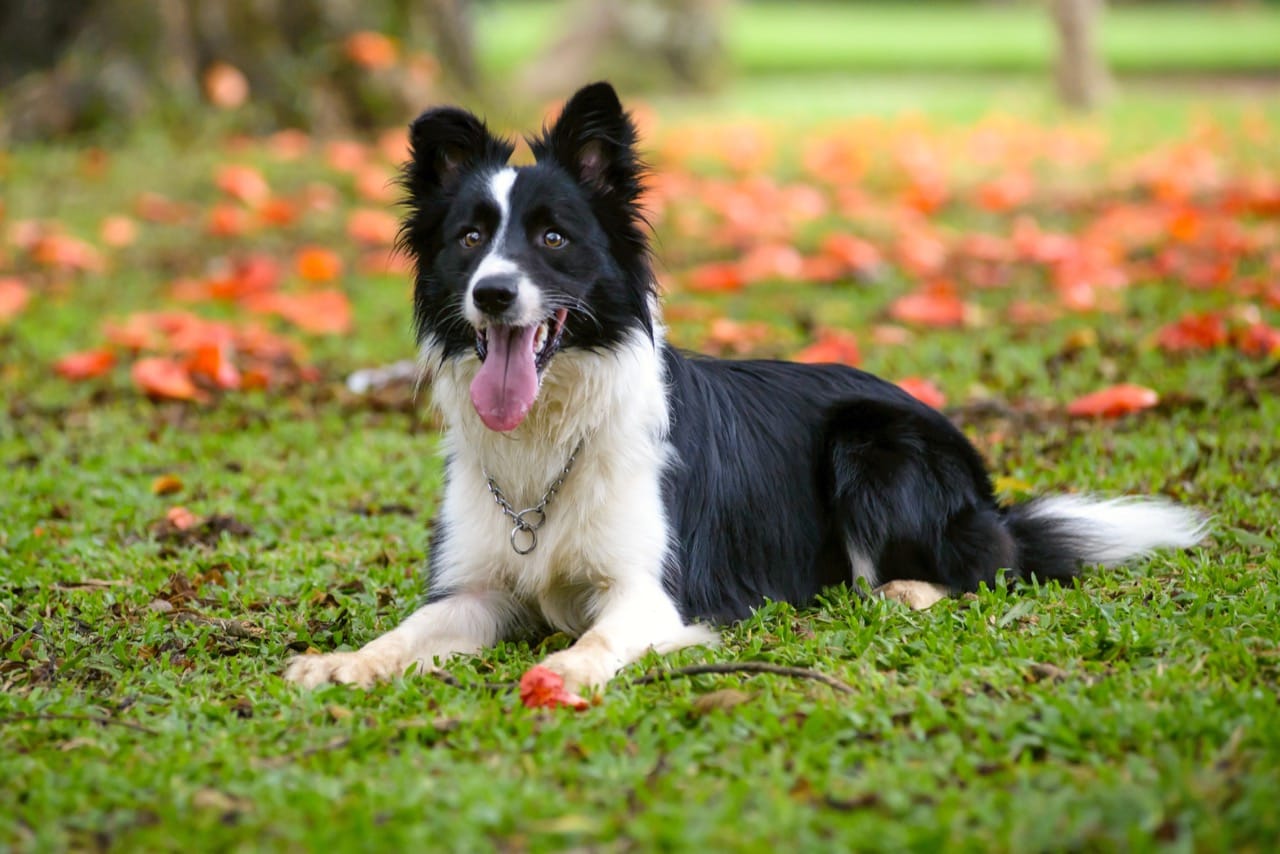
Herding and sled dogs show how working behavior can look intense while still being controlled. A herding dog is not simply chasing animals; it is reading movement, applying pressure, and responding to whistles or verbal cues with precision. Sled teams are not just about speed. They require pacing, teamwork, and a lead dog that understands directional commands and keeps composure when conditions change.
Therapy dogs add another layer of confusion because people mix them up with service dogs. Therapy dogs provide comfort in settings like hospitals or schools, usually with a handler, and their access depends on permission from the facility. Service dogs are trained to perform tasks that mitigate a disability and may have broader public access rights under applicable laws, but even then, they are expected to be under control and house trained. A vest or patch is not proof of training, and the most reliable sign of a working dog is behavior: steady focus, calm movement, and a handler who manages the dog responsibly.
Across all these roles, the biggest myth is that working dogs are born perfect. Many are carefully selected for temperament, but training is what turns potential into reliability. The next time you see a working dog, the most helpful thing you can do is give space, avoid distractions, and appreciate the quiet professionalism behind the job.