Dog Health and Grooming Facts Quiz









Quiz Complete!
Dog Health and Grooming Facts: What’s True, What’s Misunderstood, and What Actually Helps

Dog care advice can sound absolute, especially online, but the most useful guidance is usually simple, evidence based, and tailored to the individual dog. Many everyday debates come down to one key idea: dogs vary by age, breed, coat type, health status, and temperament, so a practice that is great for one dog may be risky or unnecessary for another.
Food questions cause some of the loudest arguments, and for good reason. A dog’s digestive system is not the same as a human’s, and some common foods are genuinely dangerous. Chocolate, grapes and raisins, onions and garlic, and products sweetened with xylitol can cause serious illness. Alcohol and cooked bones are also high risk, with bones posing choking and intestinal injury hazards. On the other hand, many plain foods can be safe in small amounts, such as cooked lean meats, plain rice, or small pieces of apple without seeds. When in doubt, the safest habit is to keep treats boring and limited, and to ask a veterinarian before offering new foods, especially if your dog has pancreatitis risk, allergies, or a sensitive stomach.
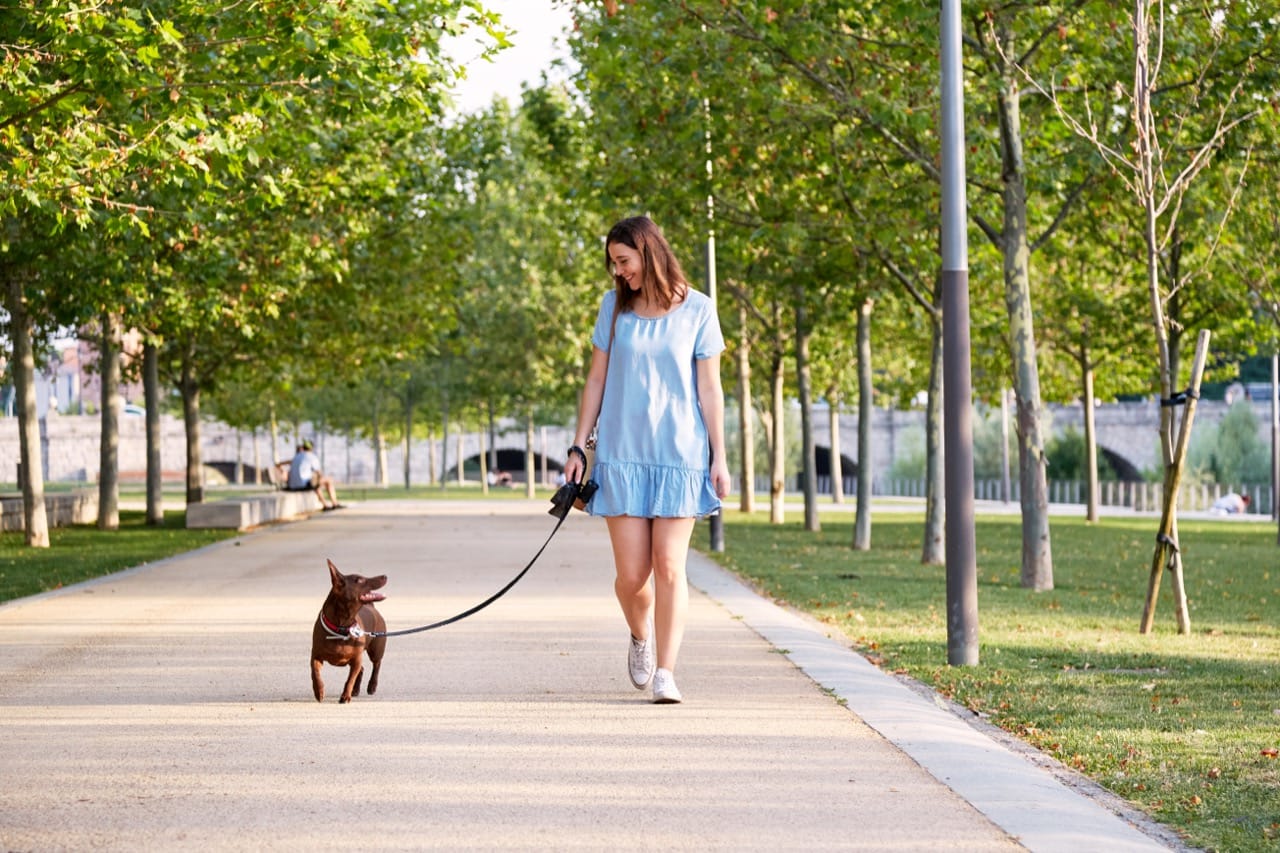
Exercise is another area where confident claims often ignore nuance. Most dogs benefit from daily activity that includes both movement and mental stimulation, but “more” is not always better. Puppies and adolescent dogs can overdo high impact exercise, while senior dogs may need shorter, more frequent walks. Brachycephalic breeds and dogs with heart or airway problems can overheat quickly. Heat safety matters for every dog: avoid intense activity in hot, humid weather, provide water, and watch for heavy panting, weakness, or confusion. Mental exercise counts too. Sniffing walks, basic training, food puzzles, and gentle games can tire a dog out without stressing joints.
Grooming myths often center on shaving. Many double coated breeds have a coat designed to insulate in both cold and heat by trapping air. Shaving them can interfere with coat regrowth, increase sunburn risk, and may not cool them the way people expect. That does not mean shaving is never appropriate. Some dogs need medical clipping for skin issues, mat removal, or surgery prep. The best approach is to match grooming to coat type and comfort: regular brushing to remove loose undercoat, bathing as needed with dog appropriate shampoo, and professional advice for complex coats.
Nail trimming is a routine task that can become a household standoff. Overgrown nails can change posture and contribute to discomfort, especially on hard floors. The goal is not cosmetic; it is healthy movement. Many dogs fear the process because of past pain or restraint, so gradual desensitization and rewards help. If you are unsure about the quick, use small trims more often, consider a grinder, and ask a groomer or veterinary staff to demonstrate.
Crates also spark debate, but used correctly they are simply a management and safety tool. A crate should be sized so the dog can stand, turn, and lie down comfortably, and it should never be used for punishment. Some dogs relax in a crate; others prefer a pen or baby gated room. The real measure is welfare: access to water when appropriate, regular breaks, training that builds positive associations, and time out of confinement for exercise and social contact.
Finally, the best dog care habit is noticing what is normal for your dog. Changes in appetite, energy, drinking, itching, ear odor, breath, stool quality, or coat condition are often early clues that something is off. Grooming and daily routines are not just chores; they are built in health checks. When advice sounds dramatic or one size fits all, return to the basics: safety, consistency, and guidance grounded in veterinary knowledge.