Ring and Field Dog Sport Trivia



Quiz Complete!
Ring and Field Dog Sport Trivia: How Dogs Compete Across Rings, Courses, and Water
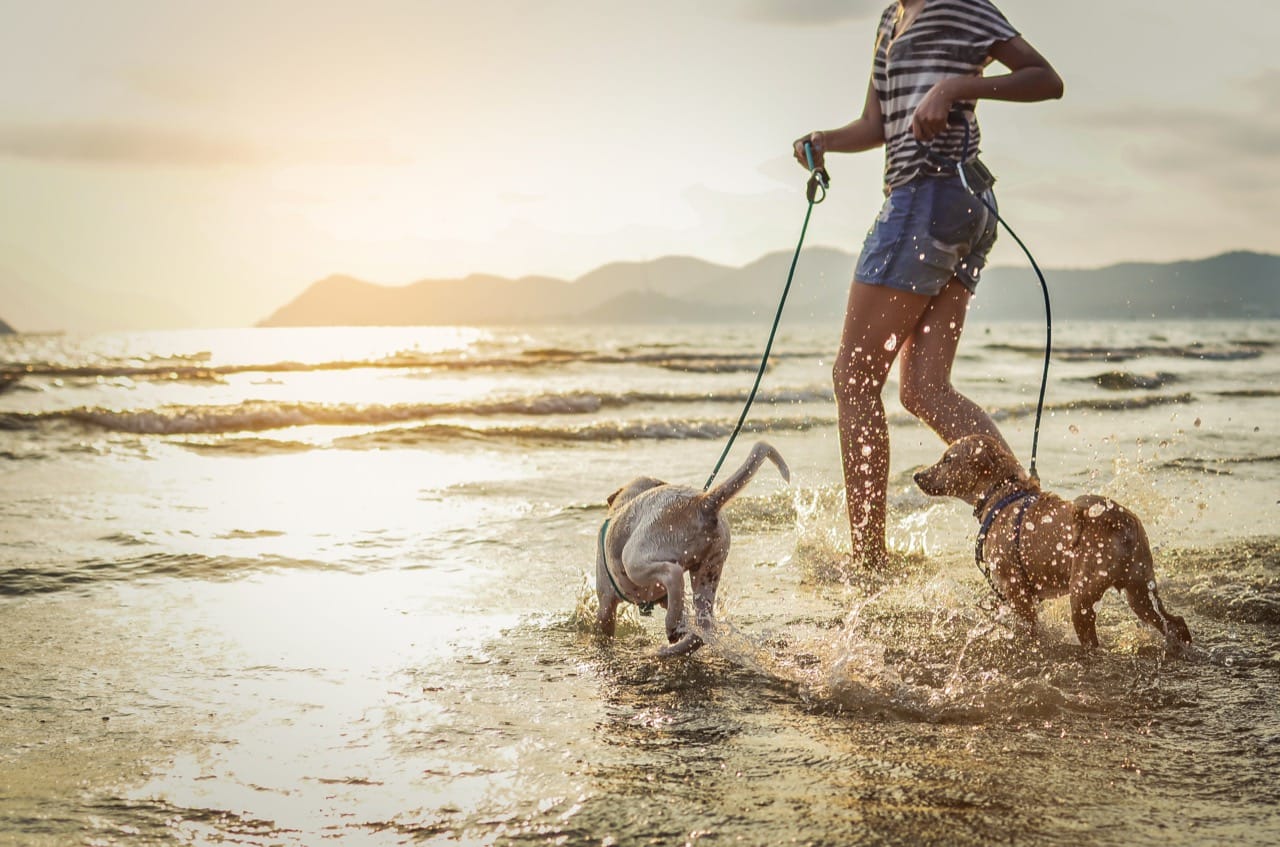
Dog sports and shows can look wildly different from one event to the next, but they share a simple idea: give dogs a clear job and let training, teamwork, and natural ability shine. Some competitions feel like a polished stage performance, while others resemble a muddy obstacle course or a sprint relay. Knowing what each sport asks of the dog makes it easier to appreciate why fans get so invested.
In the show ring, the goal is not to prove who is the best pet or the most obedient dog, but which dog most closely matches its breed standard. Conformation shows judge structure, movement, and overall type, with handlers presenting dogs at a trot and standing them for examination. Two of the most recognizable events are the Westminster Kennel Club Dog Show in the United States and Crufts in the United Kingdom. Westminster is known for its long history and its Best in Show finale, while Crufts is famous for its massive scale and its blend of activities, including conformation and performance events. Both are closely tied to major kennel organizations, and they help shape public understanding of breeds, for better or worse, by putting breed characteristics front and center.
Performance sports shift attention from appearance to what the dog can do. Agility is often the crowd favorite because it is easy to understand at a glance: a dog runs a timed course of jumps, tunnels, weave poles, and contact obstacles while the handler directs from alongside. The rules emphasize speed and accuracy, so a fast dog can still lose with wrong-course errors or missed contacts. Flyball is another spectator-friendly sport, built like a relay race. Teams of four dogs race over hurdles to a spring-loaded box, grab a ball, and return so the next dog can go. It is loud, fast, and surprisingly strategic, since teams choose dog order to keep races close and minimize passing problems.
Dock diving focuses on a single explosive moment. Dogs sprint down a dock and launch into water, aiming for maximum distance or height depending on the class. It highlights confidence, drive, and athleticism, and it is popular because many dogs that love retrieving take to it quickly. Herding trials and tests, by contrast, connect directly to working traditions. Dogs are asked to move livestock through gates, around obstacles, or into pens under handler direction. These events showcase instinct as much as training, and different breeds may work in different styles, such as close, controlled movement or wide outruns.
Endurance competitions add another dimension. The Iditarod, often called the Last Great Race, is a long-distance sled dog race in Alaska that traces routes shaped by northern travel and survival needs. Modern sled dog racing involves careful planning for rest, nutrition, paw care, and weather, with mushers managing a team rather than a single dog. While it is not a dog show, it is part of the same broader world of organized canine competition, with rules, checkpoints, and a strong culture built around working partnership.
Across all these events, organizations matter because they set standards, titles, and safety rules. Some groups focus on purebred traditions, others welcome mixed-breed competitors, and many sports have multiple sanctioning bodies. What stays consistent is the appeal: dogs are given a challenge that fits their instincts, and people learn to communicate clearly under pressure. Whether you prefer the crisp formality of a conformation ring or the splash of a dock launch, the most rewarding way to watch is to notice the details: the handler timing a turn, the dog reading a cue, and the shared excitement when a plan comes together.