Paws and Prizes: Dog Sport Origins






Quiz Complete!
Paws and Prizes: Where Dog Sports and Shows Came From, and How They Work Today
Modern dog sports can look wildly different from one another, from a polished show ring to a muddy field trial, but most began as practical tests of a dog’s original job. Over time, clubs standardized rules, created titles, and turned everyday skills into organized competition where handlers and dogs learn to work as a team under pressure.
Dog shows are among the most recognizable events, especially the Westminster Kennel Club Dog Show in the United States and Crufts in the United Kingdom. Both grew out of the late 1800s, when kennel clubs formed to keep breed records and promote consistent breed standards. The key idea behind conformation showing is often misunderstood: dogs are not judged against one another directly, but against a written breed standard meant to describe an ideal example of that breed. At a typical show, dogs first compete within their breed, then winners advance to a group level based on function, such as Sporting or Herding, and finally to Best in Show. That top award does not mean the dog is the best pet or the most obedient; it means the dog best matches its breed blueprint on that day.
While conformation celebrates form, herding trials celebrate function. Herding competitions reflect the work that shepherds and stockmen relied on for centuries, but formalized trials are more recent, shaped by breed clubs and national kennel organizations. Dogs may be asked to move sheep, cattle, or ducks through gates, around obstacles, and into pens. Scoring typically rewards calm control, correct positioning, and responsiveness to the handler, rather than speed alone. Different styles exist because real-world herding differs by region, terrain, and livestock, which is why you might see a wide outrun and gather in one venue and tighter, farm-style maneuvers in another.
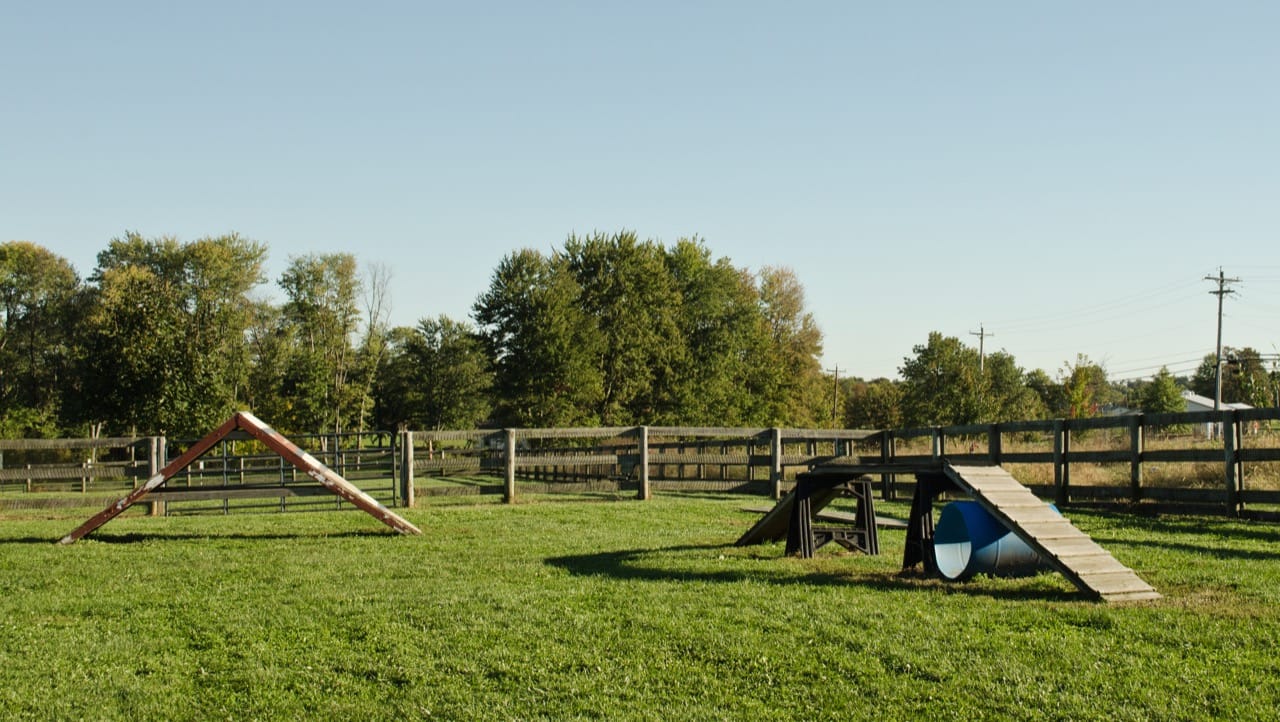
Agility looks like pure play, yet its origin is famously linked to entertainment. The sport took off after a demonstration at Crufts in 1978, inspired by show jumping for horses. What began as a crowd-pleasing display quickly became a codified sport with timed courses of jumps, tunnels, weave poles, and contact obstacles like the A-frame. Today, agility is governed by multiple organizations worldwide, and rules vary slightly, but the essentials are consistent: teams try to complete a course in the correct order with minimal faults, balancing speed with accuracy and safety.
Flyball grew from a different impulse: head-to-head racing that is easy to understand. Developed in North America in the late 20th century, flyball features teams of dogs running relay-style over hurdles to trigger a spring-loaded box that releases a tennis ball. The dog catches the ball and races back so the next teammate can go. The structure emphasizes teamwork and consistency; clean passes and reliable box turns matter as much as raw speed.
Dock diving is a newer crowd favorite, built around a simple idea: celebrate a dog’s love of leaping into water. Dogs sprint down a dock and jump into a pool, with events usually measuring either distance or height. Because the concept is straightforward and spectators can instantly see the result, dock diving has grown quickly at fairs, expos, and sports venues.
Not all canine competitions happen in arenas. Sled dog racing developed from transportation and mail delivery in snowy regions, then evolved into organized sport. The Iditarod Trail Sled Dog Race, first run in 1973, memorializes Alaska’s trail history and the role dog teams played in remote travel. It is a long-distance endurance event with checkpoints, required rest periods, veterinary oversight, and rules designed to protect dogs and ensure fair competition.
Across these events, a common thread persists: people have taken working partnerships and built structured games around them. Whether the goal is a perfect stack in the show ring, a clean weave pole entry, a controlled gather of sheep, or a safe, powerful leap off a dock, the best performances still look like what they are at heart: communication between two species that learned to cooperate.