Practical Paws: Dog Care Trivia



Quiz Complete!
Paws and Practical Dog Care: Everyday Habits That Keep Dogs Healthy
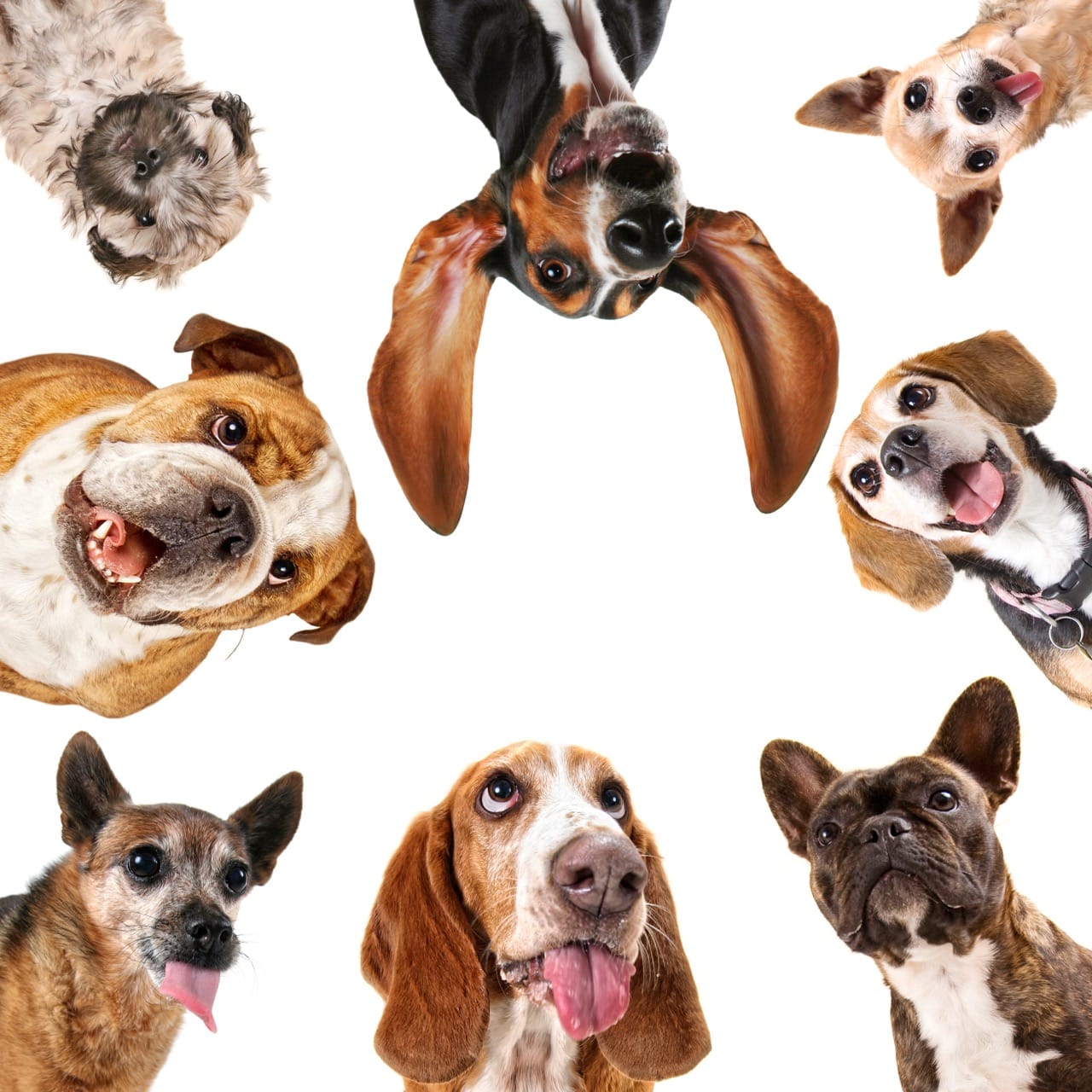
Dogs can be wonderfully quirky, but their health usually comes down to a handful of everyday routines done consistently and safely. Good care starts with understanding what your dog is wearing: their coat. A short, smooth coat may look low maintenance, yet it still benefits from regular brushing to lift dead hair and spread natural oils that keep skin comfortable. Double coated breeds, with a soft insulating undercoat beneath longer guard hairs, need more frequent brushing, especially during seasonal shedding, to prevent mats and to reduce the amount of loose fur that traps moisture against the skin. Shaving a double coat is rarely helpful and can even interfere with temperature regulation and sun protection; careful brushing and targeted trimming are usually better options. Curly or continuously growing coats often mat easily and may require daily combing and professional grooming to avoid tight tangles that pull on skin.
Brushing is not just cosmetic. It is a chance to check for lumps, ticks, sore spots, and changes in skin that might signal allergies or infection. The right tool matters: a slicker brush can help with tangles, a metal comb can confirm you have worked through to the skin, and a rubber curry can be gentle for short coats. Go slowly and keep sessions short so your dog learns that grooming is predictable and safe. Treats, calm praise, and frequent breaks turn a wrestling match into cooperation.
Bathing is another area where “more” is not always better. Most dogs do not need frequent baths unless they are dirty, smelly, or have a medical reason. Overbathing can strip oils and leave skin dry and itchy. Use a dog specific shampoo, rinse thoroughly, and avoid getting water into the ear canal. A bath is also a good time to check ears and paws. Many ear problems begin with moisture and debris; cleaning should be gentle and limited to what you can see, using a veterinarian recommended ear cleaner rather than cotton swabs.
Nail trims are a practical skill that pays off. Nails that grow too long change how a dog’s foot hits the ground, which can strain joints over time and cause painful splits. If you hear nails clicking on hard floors, they are probably overdue. The sensitive quick inside the nail can be hard to see, especially in dark nails, so trimming a little at a time is safer. Some owners prefer nail grinders because they remove small amounts gradually. If you accidentally nick the quick, styptic powder or cornstarch can help stop bleeding, but frequent tiny trims help the quick recede over time.
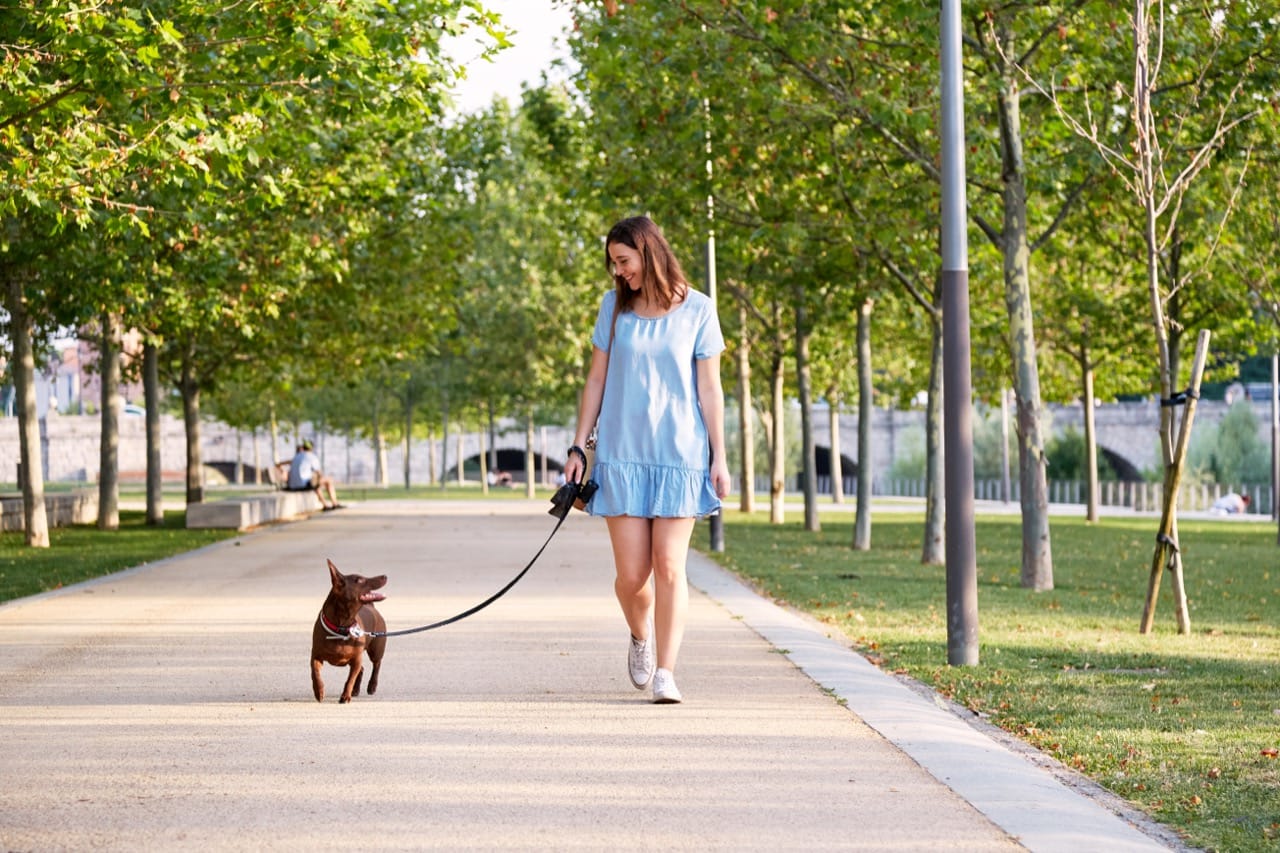
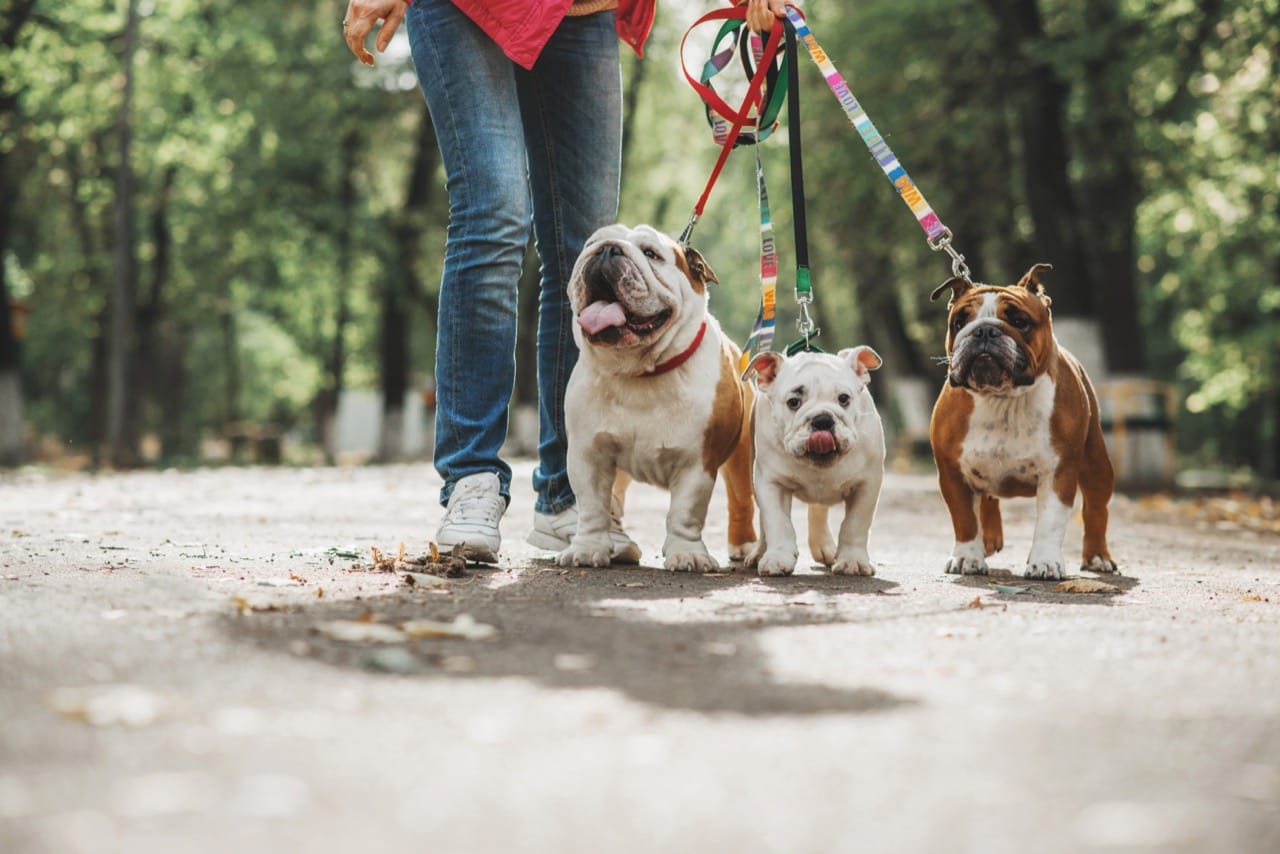
Exercise needs vary widely, but most dogs need both physical activity and mental work. A brisk walk may be enough for some, while others need running, structured play, or training games to stay settled at home. Sniffing is real enrichment; letting a dog explore scents on a leash walk can be more satisfying than speed walking the same route. Puppies and seniors may need shorter, gentler sessions. Heat and humidity increase risk of overheating, so exercise should be adjusted by weather, coat type, and individual fitness.
Food is where good intentions can go wrong. Many common foods are safe in small amounts, such as plain cooked chicken, carrots, green beans, or small pieces of apple without seeds. But several kitchen staples should never be shared. Grapes and raisins can cause kidney failure, onions and garlic can damage red blood cells, chocolate contains stimulants that are toxic to dogs, and xylitol, a sweetener found in some sugar free products, can trigger dangerous drops in blood sugar. Cooked bones can splinter and cause internal injury, and fatty scraps can lead to pancreatitis. When in doubt, keep treats simple, portioned, and balanced with your dog’s regular diet.
The best dog care is mostly quiet and routine: brushing before mats form, trimming nails before they hurt, choosing safe foods, and building habits that keep your dog comfortable in the real world. Those small details add up to a healthier coat, happier movement, and fewer preventable vet visits.