Smart Dog Care Basics Quiz







Quiz Complete!
Smart Dog Care Basics: Everyday Choices That Keep Dogs Healthy
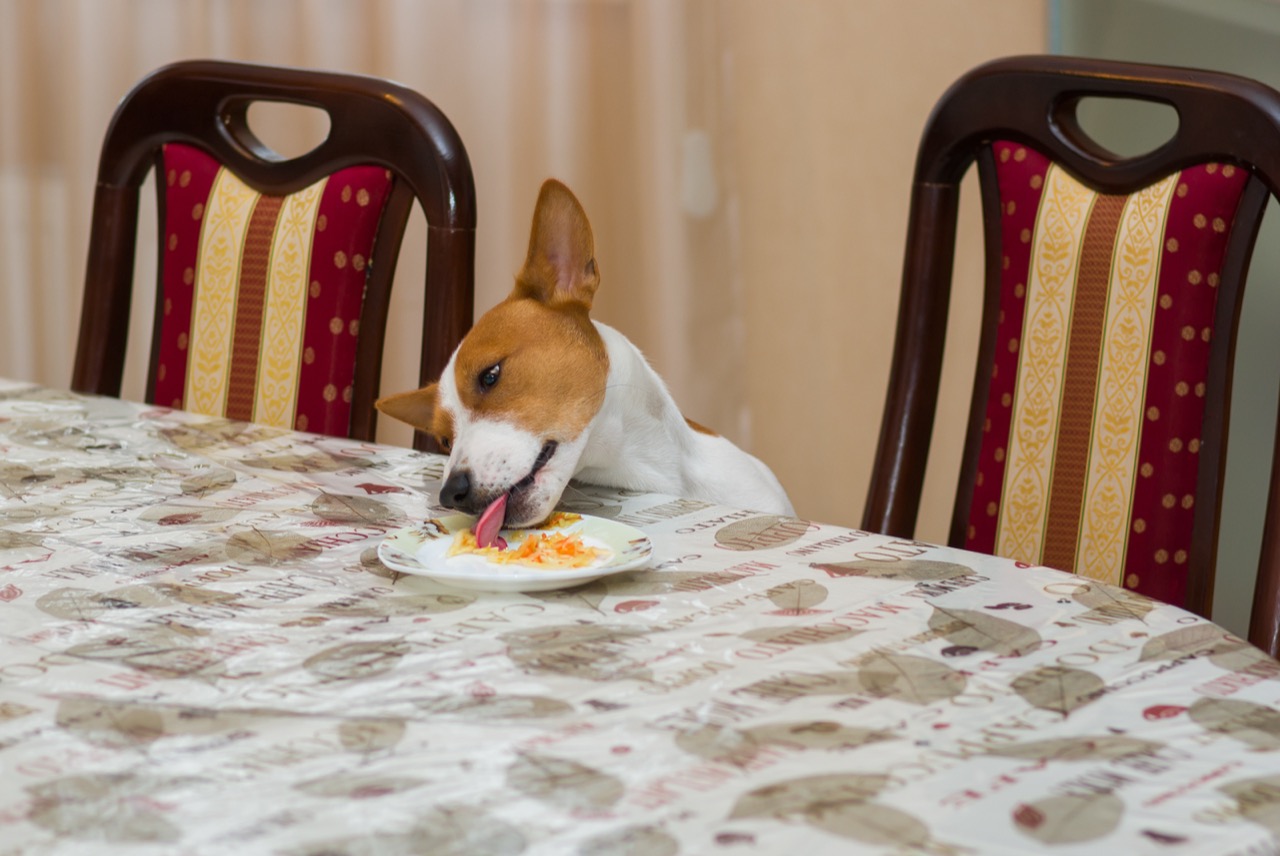
Good dog care is mostly a collection of small, reliable habits repeated every day. The most important place to start is the bowl. Dogs thrive on a complete and balanced diet made for their life stage, size, and health needs. Commercial foods that meet recognized nutritional standards are designed to provide the right mix of protein, fat, vitamins, and minerals. Table scraps can quietly unbalance that plan, and some common foods are genuinely dangerous. Chocolate, grapes and raisins, onions and garlic, alcohol, and foods sweetened with xylitol can cause serious illness. Cooked bones are another frequent mistake because they can splinter and injure the mouth or digestive tract. Fresh water should always be available, and sudden diet changes should be gradual to avoid stomach upset.
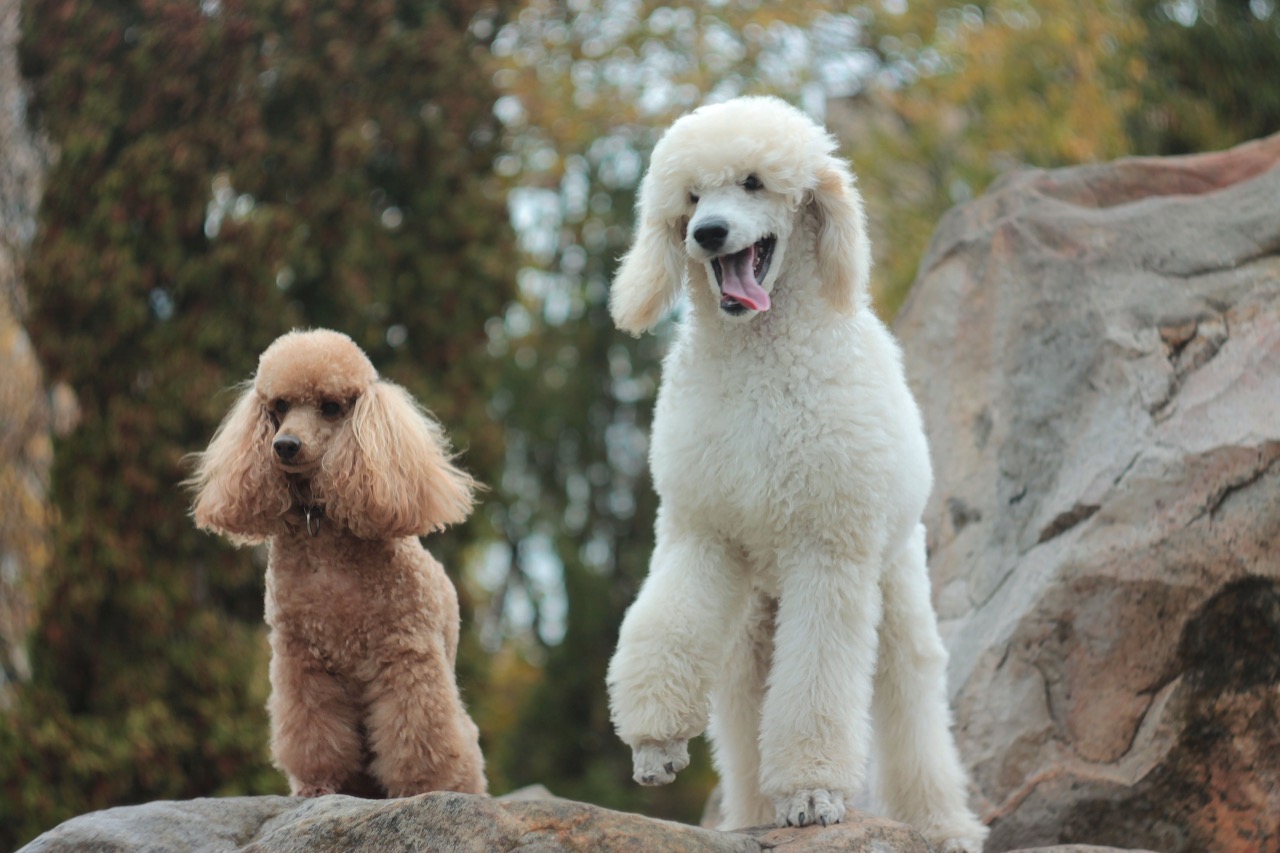
Grooming is not just about looking tidy. Different coats have different jobs and different maintenance needs. Short-coated dogs may only need occasional brushing to remove loose hair and distribute skin oils, while double-coated breeds benefit from regular brushing to prevent matting and reduce heavy shedding. Curly or long-coated dogs often need more frequent brushing and professional trimming to avoid painful tangles that trap moisture and debris. Bathing should be done as needed with dog-specific shampoo, since human products can irritate canine skin. A “clean” smell is less important than healthy skin and a coat free of mats.
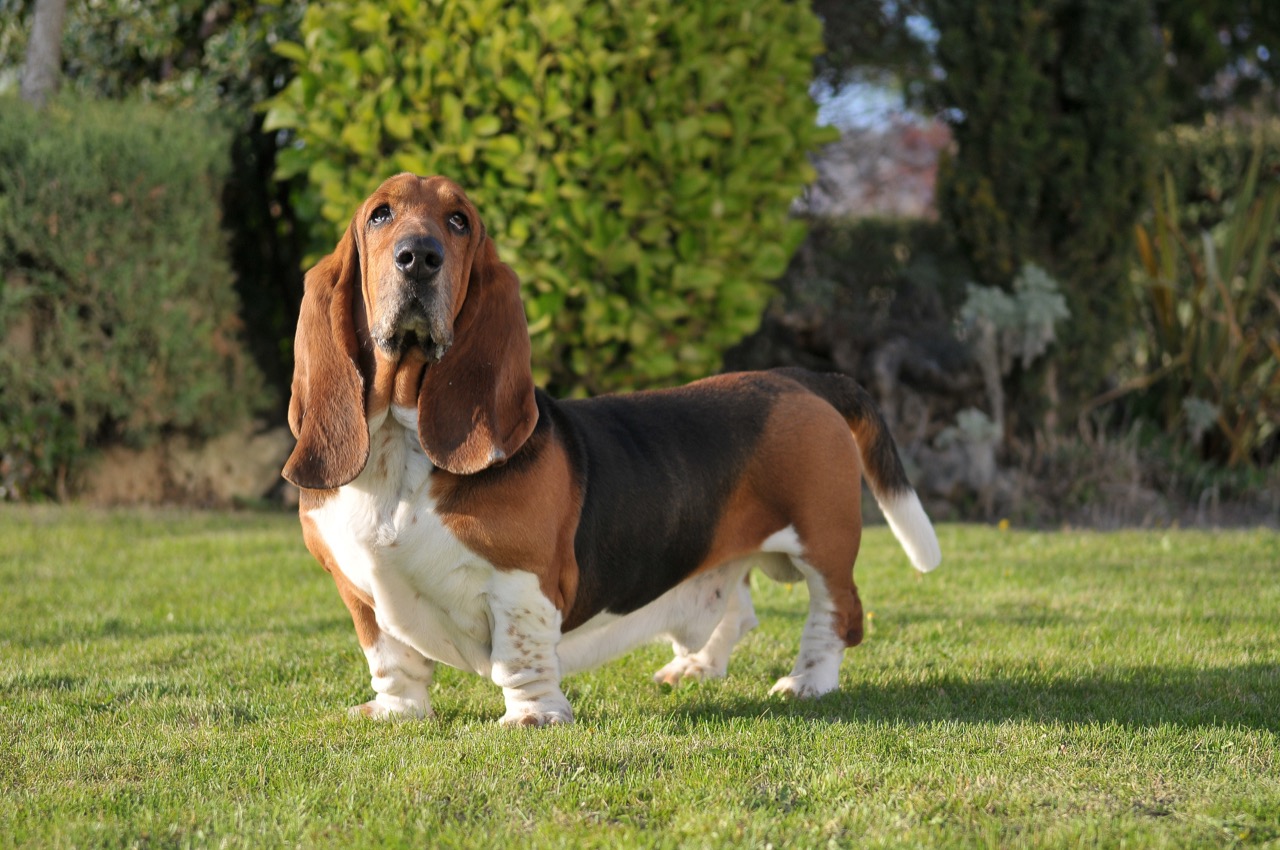
The less glamorous details matter most over a dog’s lifetime. Nails that grow too long can change a dog’s gait and cause discomfort or joint strain. Many dogs need nail trims every few weeks, though the schedule varies with activity and surface type. Ears should be checked regularly, especially in dogs with floppy ears or those who swim, because warm, moist environments can encourage infections. You do not need to clean deeply or aggressively; a gentle wipe and a quick look for redness, odor, or discharge is usually enough to spot early trouble. Teeth are another overlooked area. Plaque can harden into tartar quickly, leading to gum disease and pain. Regular tooth brushing with dog-safe toothpaste is the gold standard, and dental chews or toys can help, but they do not replace brushing.
Exercise is more than burning energy. Dogs need movement for muscle tone, weight control, and emotional balance, but safety matters. Hot pavement can burn paw pads, and dogs can overheat faster than many people realize, especially brachycephalic breeds, seniors, and overweight dogs. In warm weather, aim for cooler parts of the day and offer frequent water breaks. In cold weather, watch for shivering, lifting paws, or reluctance to move, and consider protective gear for short-coated dogs. Just as important as physical exercise is mental enrichment. Sniffing, puzzle feeders, training sessions, and safe exploration work a dog’s brain and can reduce nuisance behaviors that come from boredom.
Home habits shape behavior and well-being. Dogs tend to relax when their days follow a predictable rhythm of meals, potty breaks, rest, and interaction. A calm routine also helps with housetraining and reduces anxiety. Chewing is normal, especially for puppies, so it is kinder to provide appropriate chew items than to punish the behavior. Choose chews that match your dog’s size and chewing style, avoid items that can splinter or break teeth, and supervise when trying something new. Household hazards are often ordinary: medications, cleaning products, certain plants, small objects that can be swallowed, and even unsecured trash. Prevention is usually simple, like using lidded bins, storing toxins out of reach, and keeping cords and tiny items off the floor.
The best dog care is practical and observant. When you know what is normal for your dog, you notice changes sooner: a new limp, bad breath, itchy skin, or a shift in appetite. Pair those observations with steady basics, and you build a safer, kinder life for the dog who depends on you.