Puppy Development and Training Science Quiz







Quiz Complete!
The First Year of a Puppy: What Science Says About Growing Up and Learning Well

Puppies are born astonishingly unprepared for the world, and that is exactly why their first year follows a fairly predictable timetable. In the earliest days, newborn puppies cannot regulate their body temperature well. They depend on their mother, littermates, and a warm environment to stay safe. Chilling is more than uncomfortable; it can slow digestion and weaken a puppy quickly. This is one reason responsible breeders and shelters pay so much attention to warmth, clean bedding, and frequent feeding in the first weeks.
A puppy’s senses also come online in stages. For roughly the first two weeks, vision and hearing are limited because the eyes and ear canals are still developing. Eyes typically open around the second week, and hearing follows soon after as the ear canals open. Even then, puppies do not instantly see and hear like adults. Their brains are still learning to interpret sights and sounds, which is why gentle, gradual exposure matters more than dramatic “socialization stunts.”
Teething is another milestone that is often misunderstood. Puppies start with baby teeth that erupt in the first weeks of life, and later those baby teeth are replaced by adult teeth. The active chewing phase many owners notice is not a puppy being “bad,” but a normal developmental need combined with curiosity and energy. Chewing helps relieve gum discomfort and explores the environment. The practical response is management, not punishment: provide safe chew options, keep tempting items out of reach, and redirect calmly. When adult teeth are coming in, some puppies may have tender mouths, so training that involves grabbing or tugging can be less comfortable; it is a good time to emphasize gentle games and reward-based lessons.
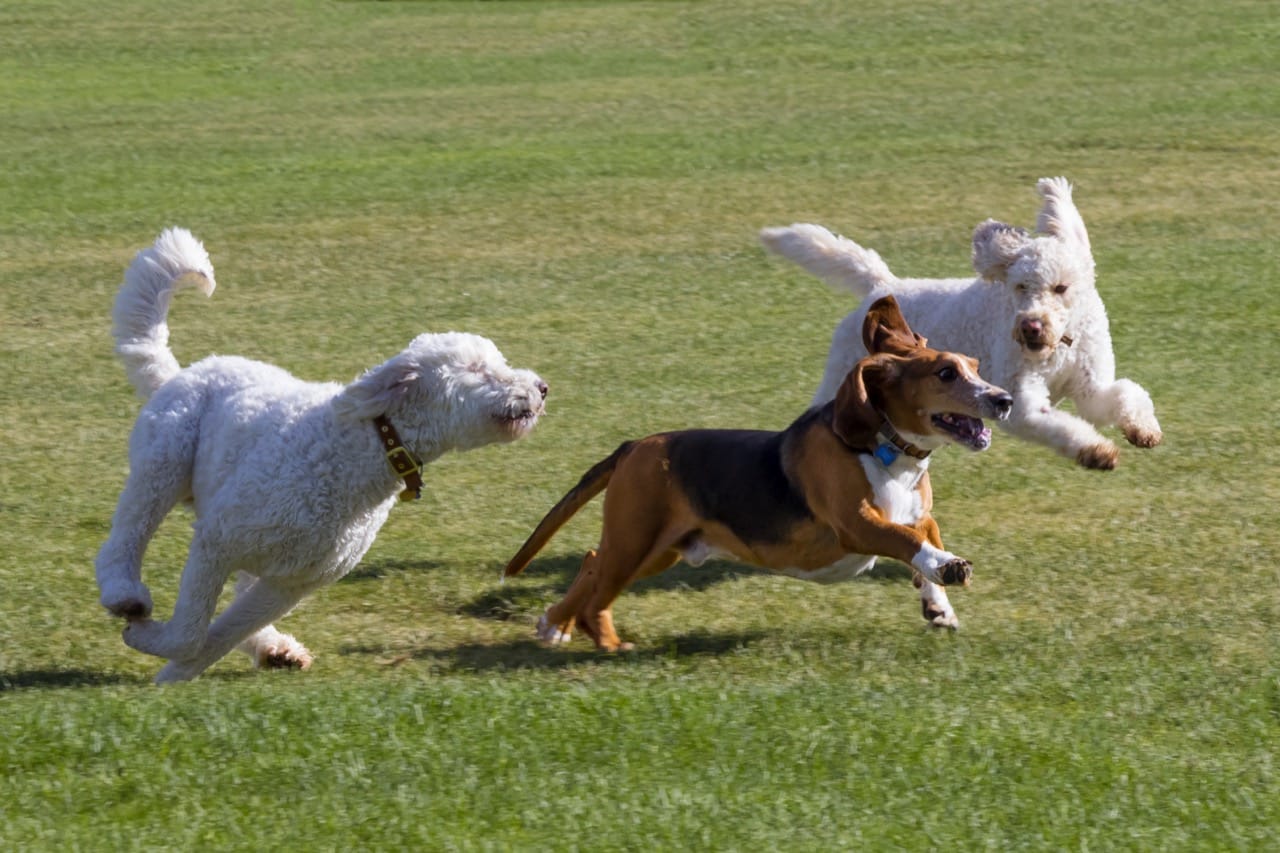
The most powerful concept in early puppyhood is that social experiences shape the adult dog. Socialization is not just meeting lots of dogs. It is carefully learning that everyday life is safe: different people, surfaces, sounds, handling, vehicles, grooming tools, and calm, friendly dogs. The goal is positive or at least neutral experiences, not overwhelming exposure. A single frightening event can leave a strong impression, so it helps to watch body language and keep sessions short. Pair new experiences with treats, play, and distance when needed. Well-run puppy classes can be especially valuable because they combine controlled dog-dog interaction with training skills, all in a supervised setting.
House-training works best when it is treated as a biology-and-habits project rather than a battle of wills. Puppies have small bladders and limited control at first, so they need frequent opportunities to go outside, especially after sleeping, eating, drinking, and play. Rewarding the puppy immediately after they finish outside is more effective than scolding after an indoor accident. If an accident happens, it is information that supervision or timing needs adjustment. Cleaning with an enzymatic cleaner helps remove odors that might invite repeat accidents.
Crate training is often recommended because it uses a dog’s natural preference to keep a sleeping area clean, and it prevents unsafe roaming when no one can supervise. The crate should feel like a safe bedroom, not a penalty box. Short, positive sessions with treats and a chew toy help the puppy relax inside. The crate must be appropriately sized so the puppy can stand, turn, and lie down comfortably, while not being so large that one end becomes a toilet. Long crate times are not ideal for young puppies; they need breaks for elimination, movement, and social contact.
Preventive veterinary care in puppyhood usually means a combination of vaccines, parasite prevention, and regular health checks. Puppies are more vulnerable to infectious disease and intestinal parasites, so veterinarians set schedules for core vaccines based on age and local risk. They also discuss deworming, flea and tick control, heartworm prevention where relevant, nutrition, and microchipping. Just as important, early vet visits help puppies learn that handling and exams are normal, which pays off for life.
By adolescence, puppies often look grown up while their brains are still under construction. Consistent routines, reward-based training, and thoughtful social experiences during the first year build the foundation for a confident, healthy adult dog.