Puppy First-Year Skills and Milestones
Quiz Complete!
Puppy First-Year Skills and Milestones: What Changes When, and Why It Matters
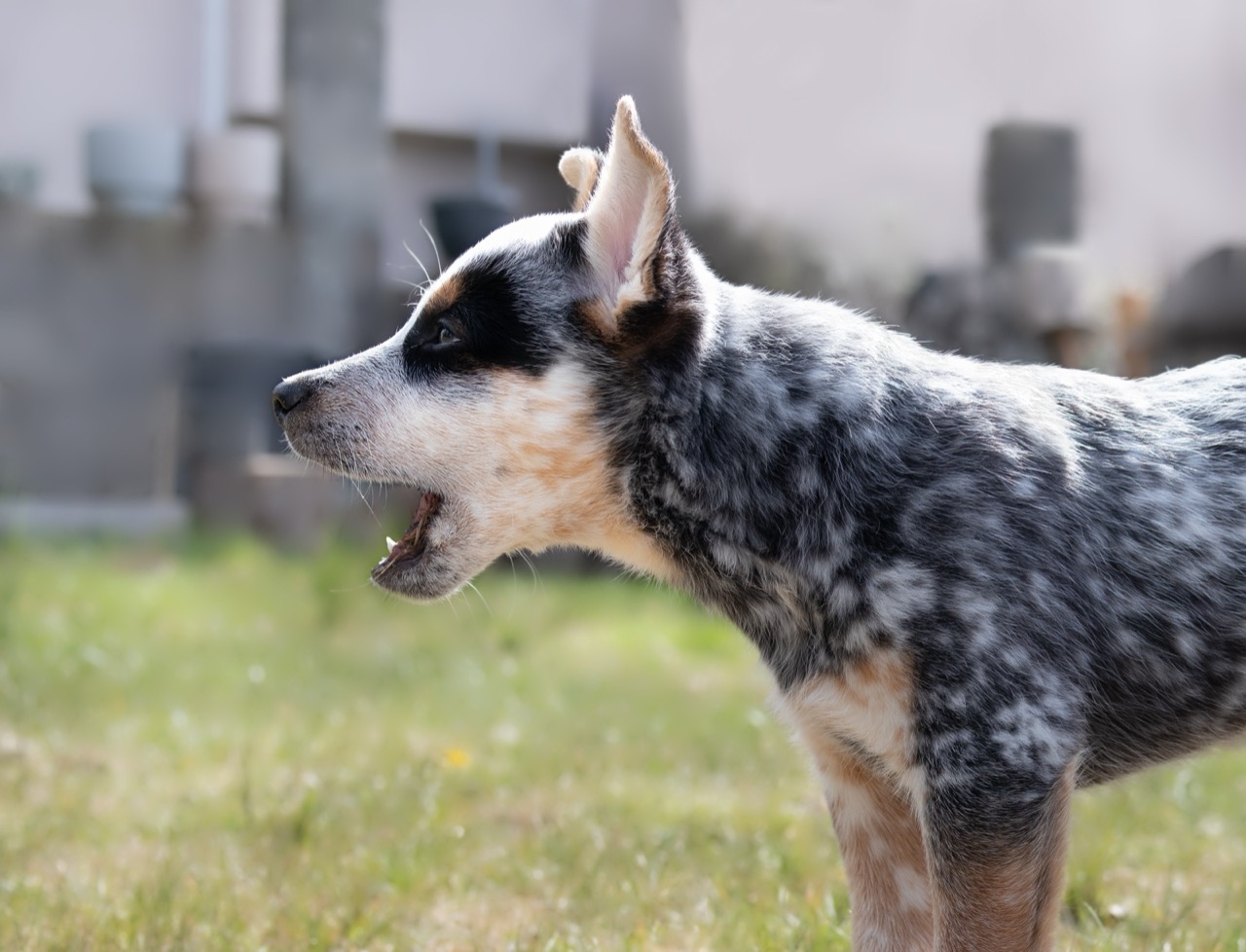
A puppy’s first year is a sprint of development, and many everyday behavior questions make more sense once you know what puppies can actually do at each stage. Newborn puppies arrive remarkably unprepared for the world. They cannot see or hear, and they regulate body temperature poorly, which is why warmth and steady nursing are so critical. Their early life is dominated by sleeping, feeding, and growing, guided by simple reflexes that help them find milk and stay close to littermates. For the first couple of weeks, a puppy’s world is mostly smell, touch, and the comfort of contact.
Senses begin to switch on in a predictable order. Eyes and ears open during the early weeks, and once vision and hearing come online, puppies start reacting to movement and sound, not just scent and warmth. This is also when their brains become more ready for learning about what is safe and normal. Many people think socialization means letting a puppy meet lots of dogs, but the real goal is broader: calmly building positive experiences with many kinds of people, places, surfaces, sounds, handling, and everyday situations. A puppy who only meets dogs can still grow up worried about men with hats, noisy traffic, elevators, grooming, or being touched around the paws.
Socialization is not the same as flooding, which is overwhelming a puppy with too much too fast. Good socialization is controlled and pleasant. It might look like short trips to watch the world from a distance, pairing new sights and sounds with treats, or gentle handling that teaches the puppy that human hands predict safety. Early handling is especially important because it sets the stage for lifelong care. Brief, calm sessions of touching ears, lifting lips, checking paws, and brushing can help prevent future struggles at the vet or groomer. The key is to keep it easy, stop before the puppy is stressed, and reward relaxation.
Teething is another major milestone that shapes daily life. Puppies first have baby teeth, and later those are replaced by adult teeth. During teething, chewing increases because sore gums drive the urge to bite and gnaw. This is normal, but it needs management. Provide appropriate chew items, rotate toys to keep them interesting, and prevent access to unsafe objects. Just as important is bite inhibition, the skill of controlling jaw pressure. Puppies explore the world with their mouths, and they learn to soften their bite through feedback. If a puppy’s teeth hit skin, calmly end the interaction for a moment and redirect to a toy. Over time, the puppy learns that gentle play continues while hard biting makes fun stop.
House training is less about punishment and more about setting the puppy up to succeed. Young puppies have limited bladder and bowel control, so frequent trips outside, especially after waking, eating, drinking, and play, are essential. Supervision matters because every indoor accident is a missed chance to reinforce the right habit. Rewarding the puppy immediately after they finish outside helps them connect the behavior with the outcome. Crates and small puppy-proofed areas can be useful because most puppies prefer not to soil where they sleep, but confinement should be paired with regular bathroom breaks and positive experiences.
Throughout the first year, confidence and self-control grow in small steps. Puppies benefit from predictable routines, gentle exposure to novelty, and training that uses rewards rather than fear. Short sessions that teach simple cues like come, sit, leave it, and settle are not just party tricks; they build communication and safety. The best milestone to aim for is not a perfect puppy, but a young dog who feels secure, can recover from surprises, and has learned that humans are consistent guides in a big, interesting world.