Puppy Growth Basics Quiz



Quiz Complete!
Puppy Growth Basics: What Changes Fast and What Really Helps
A puppy’s first year is a rapid series of changes that can feel like you are raising a different dog every few weeks. Knowing what is normal helps you respond with patience and good timing instead of guessing. Puppies are born unable to see or hear well, and they rely heavily on touch, warmth, and smell to find their mother and littermates. Their eyes and ear canals open over the first couple of weeks, and their world expands quickly after that. Even before they are fully coordinated, puppies can learn simple associations, which is why gentle handling and calm routines early on can shape how they feel about people.
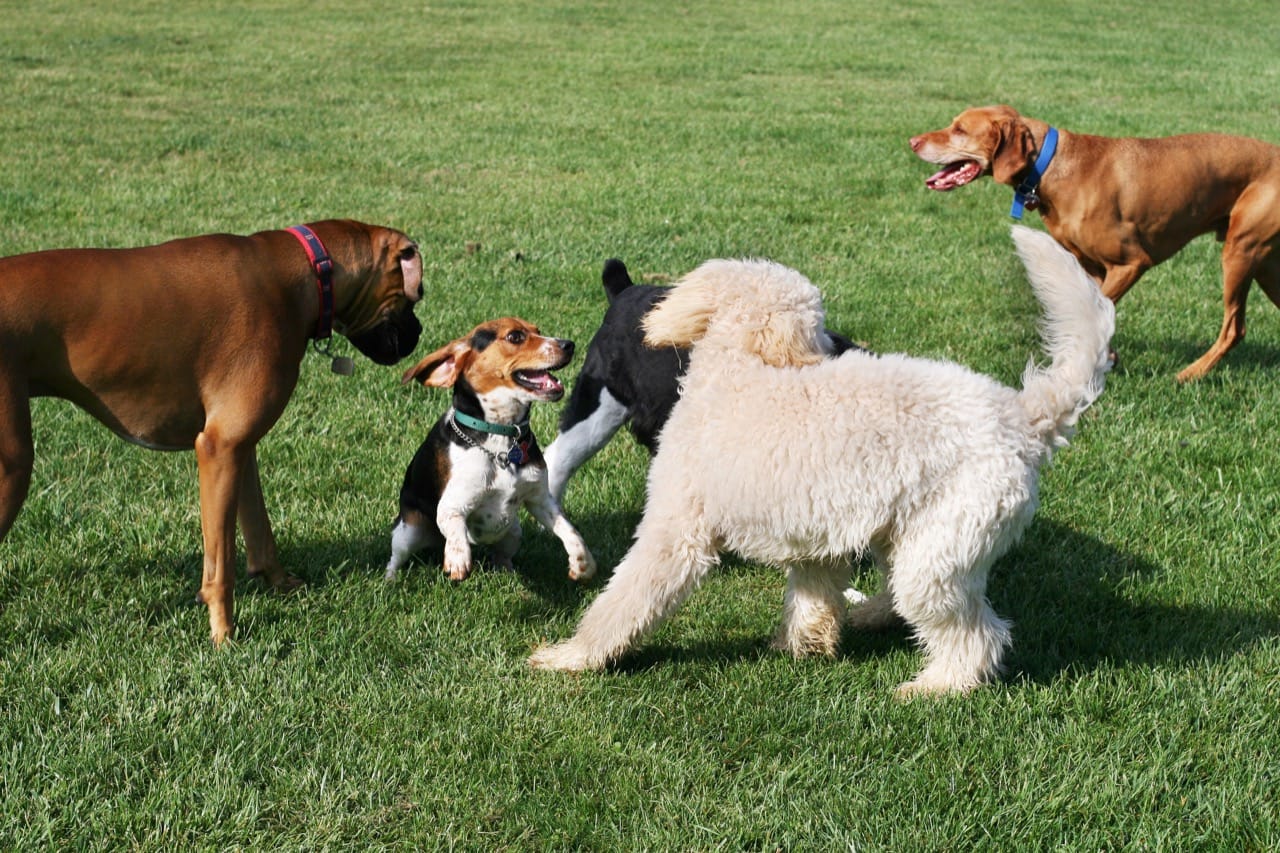
One of the most important concepts for new owners is the critical socialization window. This does not mean letting your puppy meet every dog in the neighborhood as soon as possible. It means carefully and safely exposing them to the sights, sounds, surfaces, people, and situations they are likely to encounter later, while their brain is especially ready to accept new experiences as normal. This window is strongest in the first few months of life and tends to narrow as puppies approach adolescence. Good socialization is about quality, not quantity: brief, positive experiences paired with treats, play, and distance when needed. A puppy that can watch a skateboard roll by while feeling safe is learning just as much as a puppy that greets a stranger. Because vaccination schedules vary, many veterinarians recommend balancing disease prevention with behavior prevention by choosing lower risk environments, avoiding unknown dogs, and using clean, controlled settings such as a friend’s healthy adult dog, puppy classes with vaccination requirements, or carrying your puppy in busy areas.
Teething is another reality that surprises people. Puppies start losing baby teeth around a few months of age, and chewing helps relieve discomfort while adult teeth come in. Biting is also a normal puppy behavior because puppies explore with their mouths and practice social skills through play. Littermates teach each other bite inhibition when a bite is too hard and play stops. Humans can teach the same lesson by consistently redirecting to appropriate chew toys, keeping play calm, and ending interaction briefly if teeth touch skin. Punishment and rough handling tend to increase arousal or fear, which can make biting worse. Management matters as much as training: plenty of chew options, naps to prevent overtired meltdowns, and puppy proofing to keep tempting items out of reach.
House training is less about a puppy being stubborn and more about biology and consistency. Young puppies have small bladders and limited control, especially when excited, waking up, or after eating and drinking. Frequent outdoor trips, supervision indoors, and rewarding the right behavior are the basics that work. A crate or small pen can help because most puppies avoid soiling where they sleep, but it must be sized and used humanely, with regular breaks. Accidents are information, not a reason to scold. If you catch it in the moment, calmly interrupt and take the puppy outside. If you find it later, clean thoroughly with an enzymatic cleaner and adjust your schedule.
As puppies grow, they go through fear periods when they may suddenly act wary of things they previously ignored. The best response is to avoid forcing them closer, stay cheerful, and let them investigate at their own pace while you pair the situation with something good. Throughout the first year, you will get the most reliable results from simple, repeatable habits: consistent cues, predictable routines, and rewarding behaviors you want to see again. When you understand what a puppy can sense, why they bite, and how early experiences shape confidence, you can guide that fast growing brain toward a calmer, healthier adult dog.