Hidden Facts About History’s Famous Dogs





Quiz Complete!
Hidden Facts About History’s Famous Dogs
Famous dogs often get remembered as simple symbols: the loyal companion who waited, the hero who saved lives, the brave animal who went where humans could not. The real stories are richer, shaped by specific people, places, and institutions that helped turn a dog into a lasting legend.
Balto and Togo are inseparable from the 1925 diphtheria emergency in Nome, Alaska, when antitoxin was rushed by relay teams of sled dogs across brutal winter terrain. A detail that gets missed is how many mushers and teams were involved; it was a coordinated relay rather than a single epic dash by one dog. Togo, led by Leonhard Seppala, ran one of the longest and most dangerous legs, including a risky crossing of Norton Sound. Balto, led by Gunnar Kaasen, finished the final stretch into Nome and became the public face of the mission because the last arrival makes the headlines. The fame followed the finish line: Balto was celebrated in newspapers and later honored with a statue in New York’s Central Park. Togo, whose contribution was enormous but less photogenic to distant reporters, gained broader recognition much later, helped by historians and museums that preserved the record of the relay.
In Tokyo, Hachiko became a global shorthand for loyalty, but his story is tied to a specific commuter routine and a particular station. Hachiko belonged to Professor Hidesaburo Ueno, who worked at the University of Tokyo. After Ueno died suddenly in 1925, Hachiko continued to appear near Shibuya Station, where he had once greeted his owner. Public attention grew over time, and the famous statue outside Shibuya is not just a monument to the dog but to how a city chose to remember him. The original statue was melted down during World War II, and the replacement unveiled afterward reflects how memory can be interrupted and rebuilt.
Laika, the Soviet space dog, is often described as a pioneer who paved the way for human spaceflight, but the behind the scenes reality is complicated. She was a Moscow stray selected for Sputnik 2 in 1957, chosen partly because street dogs were thought to be hardy in harsh conditions. The mission was launched quickly to meet political timelines, and there was never a plan to bring her back. For years, the exact circumstances of her death were unclear in public statements. Later disclosures from program participants indicated she likely died from overheating and stress not long after launch, a sobering reminder that the space race mixed scientific ambition with real ethical costs.
Sergeant Stubby shows how an ordinary animal could become a morale symbol in modern war. He was a stray adopted by American soldiers training for World War I and ended up in France with the 102nd Infantry Regiment. Stories credit him with alerting troops to gas attacks and even helping capture an enemy soldier, but what is most striking is how quickly the military and the press embraced him as a mascot. His medals and uniform became part of the legend, and his preserved remains and artifacts helped anchor the story in verifiable history. Stubby also illustrates how wartime narratives elevate certain figures to represent courage and companionship.
Greyfriars Bobby, associated with Edinburgh, is remembered for guarding a grave for years. The popular tale centers on unwavering devotion, but the historical record is a mix of documentation and later embellishment. The tradition connects Bobby to Greyfriars Kirkyard and to a night watchman named John Gray. Whether every detail unfolded exactly as later retellings claim, the story persisted because local institutions and tourism reinforced it. A statue and continued interest in the kirkyard show how place based memory can keep a dog’s legend alive for generations.
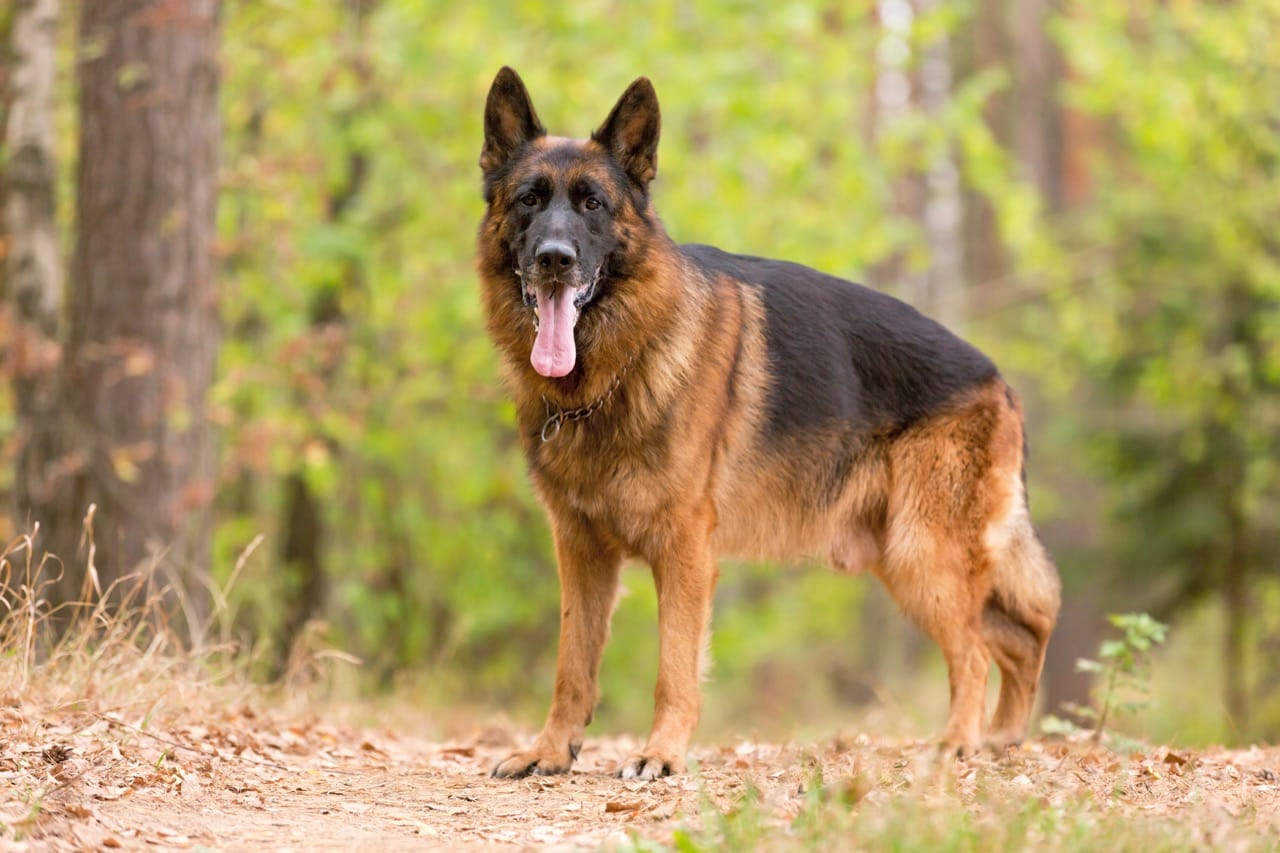
Rin Tin Tin demonstrates a different kind of fame: celebrity shaped by film and marketing. He was a German Shepherd rescued from a World War I battlefield by American soldier Lee Duncan, who brought him to the United States. Rin Tin Tin became a silent film star and later a cultural brand, credited with helping stabilize Warner Bros in its early years through his box office appeal. The public often assumes a single dog made all the movies, but the name also became a lineage and an enterprise, with trainers and successor dogs maintaining the image. His stardom reminds us that animal fame can be carefully produced, not only earned through a single dramatic act.
Taken together, these dogs show how legends form at the intersection of real events and human storytelling. Their handlers, the newspapers of the day, wartime institutions, city landmarks, and museums all shaped what the world remembers. The hidden facts are not just trivia; they reveal how history is preserved, simplified, and sometimes corrected over time.