Famous Dogs Who Changed History



Quiz Complete!
Famous Dogs Who Changed History
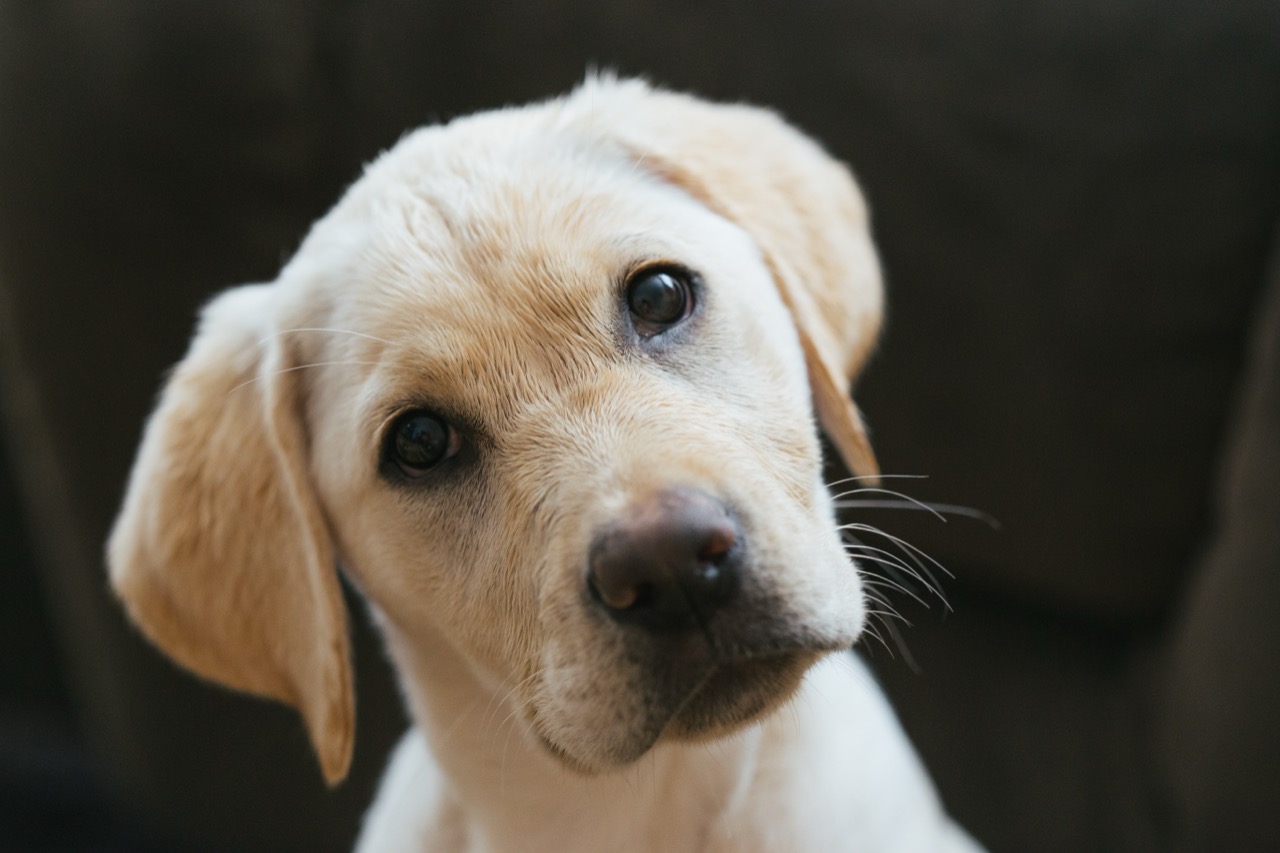
History is full of human names, but a few dogs have left such clear footprints that their stories are still told with dates, places, and witnesses. Some became symbols of loyalty, others served in war or science, and a few helped connect distant communities through their work.
In the winter of 1925, the remote town of Nome, Alaska faced a diphtheria outbreak while sea ice and storms cut it off from regular transport. The solution was a relay of sled dog teams carrying antitoxin across hundreds of miles. Two dogs became central to the best documented parts of that effort. Togo, led by musher Leonhard Seppala, ran the longest and most dangerous stretch, including a risky crossing of unstable ice. Balto, led by musher Gunnar Kaasen, ran the final leg into Nome, arriving with the serum and becoming the public face of the relay in newspapers and later popular culture. Together, their stories show how a team effort can be remembered through a few standout names, and how geography and timing shape fame.
Across the world in Tokyo, a dog named Hachiko became famous not for a single dramatic event but for an unwavering routine. Hachiko belonged to Professor Hidesaburo Ueno and regularly met him at Shibuya Station. After Ueno died in 1925, Hachiko continued returning to the station day after day for years, drawing attention from commuters and the press. His story is rooted in a specific place and habit, and it turned a busy transit hub into a site of remembrance. The statue at Shibuya is not just a tribute to a dog but a marker of how public spaces can collect meaning through repeated, visible acts.
In 1957, the Soviet space program sent a small stray dog from Moscow into orbit. Laika rode aboard Sputnik 2, becoming the first living creature to orbit Earth. The mission was a technological milestone and also a turning point in public debate about animals in research. Laika did not return to Earth, and the details of her fate became clearer over time as more information was released. Her story remains tied to the early space race, when speed and prestige often outpaced ethical discussion, and it still influences how people talk about scientific progress and responsibility.
During World War I, a mixed-breed dog later known as Sergeant Stubby became part of the American Expeditionary Forces. He is closely associated with the 102nd Infantry Regiment and the Western Front in France. Stubby was known for alerting soldiers to gas attacks and for his role as a morale booster in the trenches. His fame grew because his presence was widely reported and remembered by the soldiers who served with him, making him one of the most documented canine figures of that war.
In Edinburgh, Greyfriars Bobby is remembered for his association with a graveyard and the enduring bond people saw in him. The story centers on Greyfriars Kirkyard and the public attention that followed the dog’s long presence there after his owner’s death. Whether every detail has been polished by retelling, the core facts are anchored in a real place and a real civic memory, reinforced by monuments and local records.
Finally, Rin Tin Tin shows how a dog can change culture rather than a battlefield or a lab. Rescued as a puppy by American soldier Lee Duncan in France during World War I, Rin Tin Tin was brought to the United States and became a major film star in the 1920s. His performances helped define the heroic screen dog and boosted the popularity of German Shepherds. His career also reflects the rise of Hollywood as a global storyteller, where an animal actor could become an international name.
Taken together, these seven dogs reveal different kinds of historical impact: practical service in extreme conditions, loyalty that reshapes a city’s memory, participation in scientific milestones, companionship amid war, and stardom that influences popular culture. Their stories endure because they are tied to verifiable people, places, and moments, proving that history is sometimes best understood through the lives that ran alongside us.