Iconic Dogs of Modern History











Quiz Complete!
Iconic Dogs of Modern History: True Stories Behind the Legends
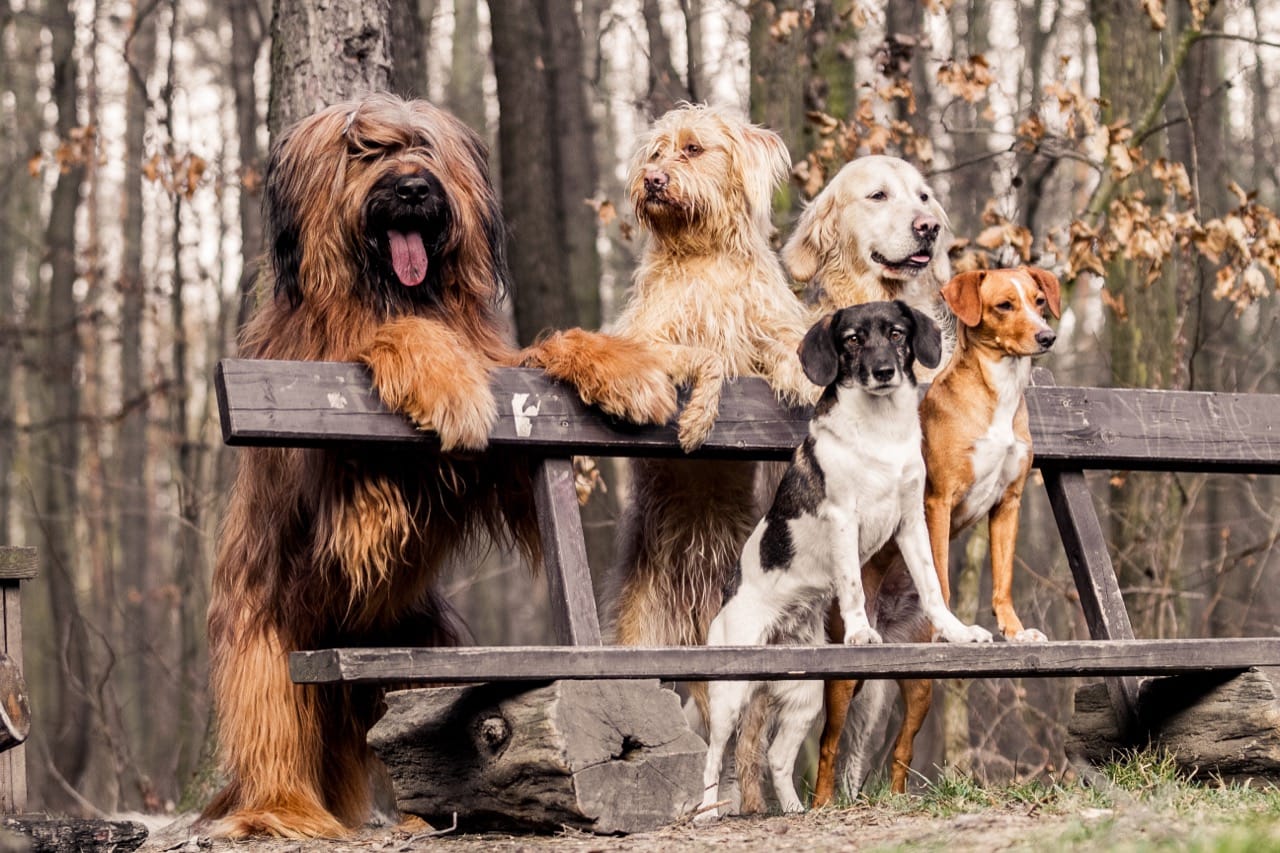
A handful of dogs have become lasting historical symbols, not because they were fictional heroes, but because their real lives intersected with human drama on a scale that people could not forget. Their stories have been retold in books, films, museums, and memorials, and the details that endure are often tied to specific places, people, and documented events.
In the winter of 1925, the remote town of Nome, Alaska faced a diphtheria outbreak with limited antitoxin on hand. A relay of dog sled teams carried serum across hundreds of miles in brutal conditions, an episode remembered as the serum run to Nome. Two names became especially famous: Balto and Togo. Balto, a Siberian Husky, was the lead dog of the final team into Nome, driven by musher Gunnar Kaasen. Because the last leg made for dramatic headlines and photographs, Balto became the public face of the relay and was later honored with a statue in New York City’s Central Park. Togo, another Siberian Husky, led a longer and more difficult portion of the journey with musher Leonhard Seppala, covering a major share of the distance including dangerous stretches of ice. Historians of the relay often emphasize that the achievement was collective, involving many mushers and teams, with Balto and Togo representing different but equally memorable parts of the same life saving effort.
In Tokyo, Hachiko became an emblem of loyalty rooted in a very specific routine. An Akita owned by professor Hidesaburo Ueno, Hachiko accompanied him to Shibuya Station and returned to greet him. After Ueno died in 1925, Hachiko continued to appear at the station for years, a behavior witnessed by commuters and reported in Japanese newspapers. The dog became a national symbol of devotion, and the best known tribute is the statue near Shibuya Station, a meeting point for locals and visitors alike. The story has been adapted many times, but its core is anchored by records of where Hachiko lived and the public nature of his daily vigil.
Another dog became famous not for companionship on Earth but for a role in the early Space Age. Laika, a stray dog from Moscow, was launched by the Soviet Union aboard Sputnik 2 in 1957. She was the first living creature to orbit Earth, and her flight remains a powerful reminder of the era when space exploration advanced faster than the ethical frameworks surrounding it. Laika’s mission was not designed for return, and later accounts acknowledged that she died during the mission. Museums, documentaries, and memorials have since treated Laika as both a scientific milestone and a symbol of the costs of experimentation.
During World War I, Sergeant Stubby demonstrated how a single animal could become part of military folklore with a basis in documented service. Stubby was a stray dog adopted by soldiers of the 102nd Infantry Regiment, 26th Yankee Division. He served on the Western Front, where he was credited with alerting troops to gas attacks, locating wounded soldiers, and boosting morale. His story circulated in newspapers and later commemorations, and he is often described as one of the most decorated war dogs of the period, reflecting both his actions and the way units embraced him as one of their own.
In Edinburgh, Greyfriars Bobby is linked to the city’s churchyard and a long standing tale of devotion. The dog is associated with Greyfriars Kirkyard, where legend holds that he stayed near the grave of his owner for years. The story became part of local identity, inspiring books and films and drawing visitors to the site. While some details have been debated over time, the cultural impact is unmistakable: Bobby remains one of Scotland’s best known canine legends, tied to a real place that people can still visit.
Rin Tin Tin shows how a dog’s life could bridge wartime rescue and entertainment history. He was found as a puppy in France during World War I by American serviceman Lee Duncan and brought to the United States. Trained for film work, Rin Tin Tin became a major star of silent cinema and helped elevate the profile of German Shepherds worldwide. Unlike purely fictional animal characters, Rin Tin Tin’s fame can be traced through studio records, film credits, and the broader rise of Hollywood’s animal performers.
Together, these seven dogs illustrate different paths to historical memory: heroism in extreme weather, steadfast routine in a busy city, participation in scientific ambition, companionship in war, a legend rooted in a graveyard, and stardom built through training and film. Knowing where they lived, who guided them, and how their reputations spread helps separate verified history from embellishment, and makes their stories even more compelling.