Canine Cues: How Well Can You Read a Dog?

Quiz Complete!
Canine Cues: How to Read What Your Dog Is Saying

Dogs may not speak our language, but they communicate constantly through posture, movement, and sound. Learning to read those signals takes practice: the big gestures are easy to spot, yet the small details tell you what a dog really means. A wagging tail, for example, is not a universal sign of happiness. Tail wags can signal excitement, uncertainty, or even agitation, and the rest of the body matters. A loose, wiggly dog with relaxed muscles is very different from a stiff dog wagging only the tip of the tail. Pay attention to tail height too. A tail held high can indicate confidence or arousal, while a tail tucked under the body often reflects fear, stress, or appeasement.
Barking is another commonly misunderstood cue. Dogs bark for many reasons, including alerting to something unusual, asking for attention, expressing frustration, or joining in play. Some dogs are naturally more vocal because of breed tendencies and individual temperament. Rather than assuming barking is “bad,” it helps to ask what the dog is trying to achieve and whether the environment is overwhelming. Growling, similarly, is often a warning signal that a dog needs space. Punishing a growl can remove that warning without removing the discomfort behind it.
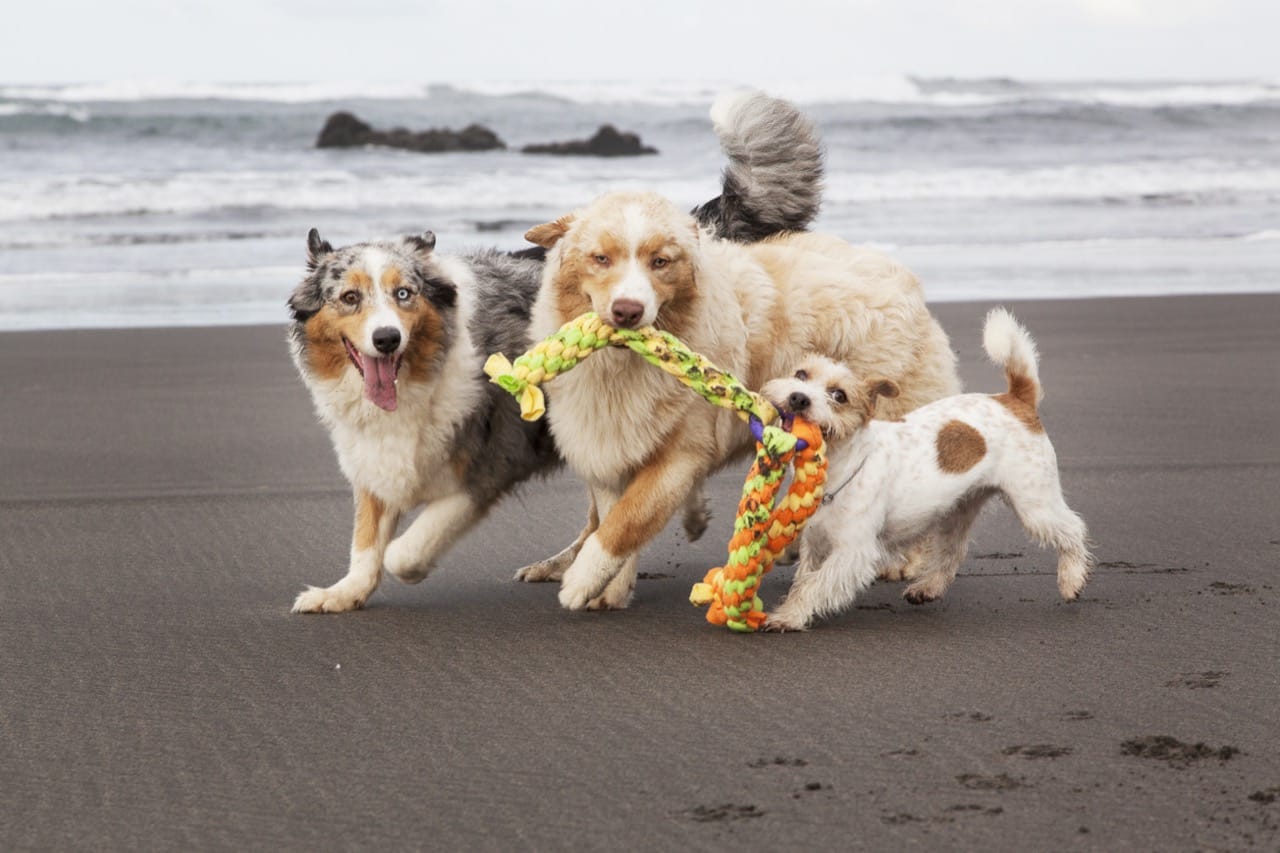
One of the clearest friendly signals is the play bow, when a dog lowers the front end with the rear end up. It often means “what follows is play,” even if the dog then pounces or chases. During play, dogs use self handicapping, such as pulling bites or taking turns being chased, to keep the game fair. If play escalates, look for frequent pauses, loose movements, and role reversals as signs that both dogs are still comfortable.
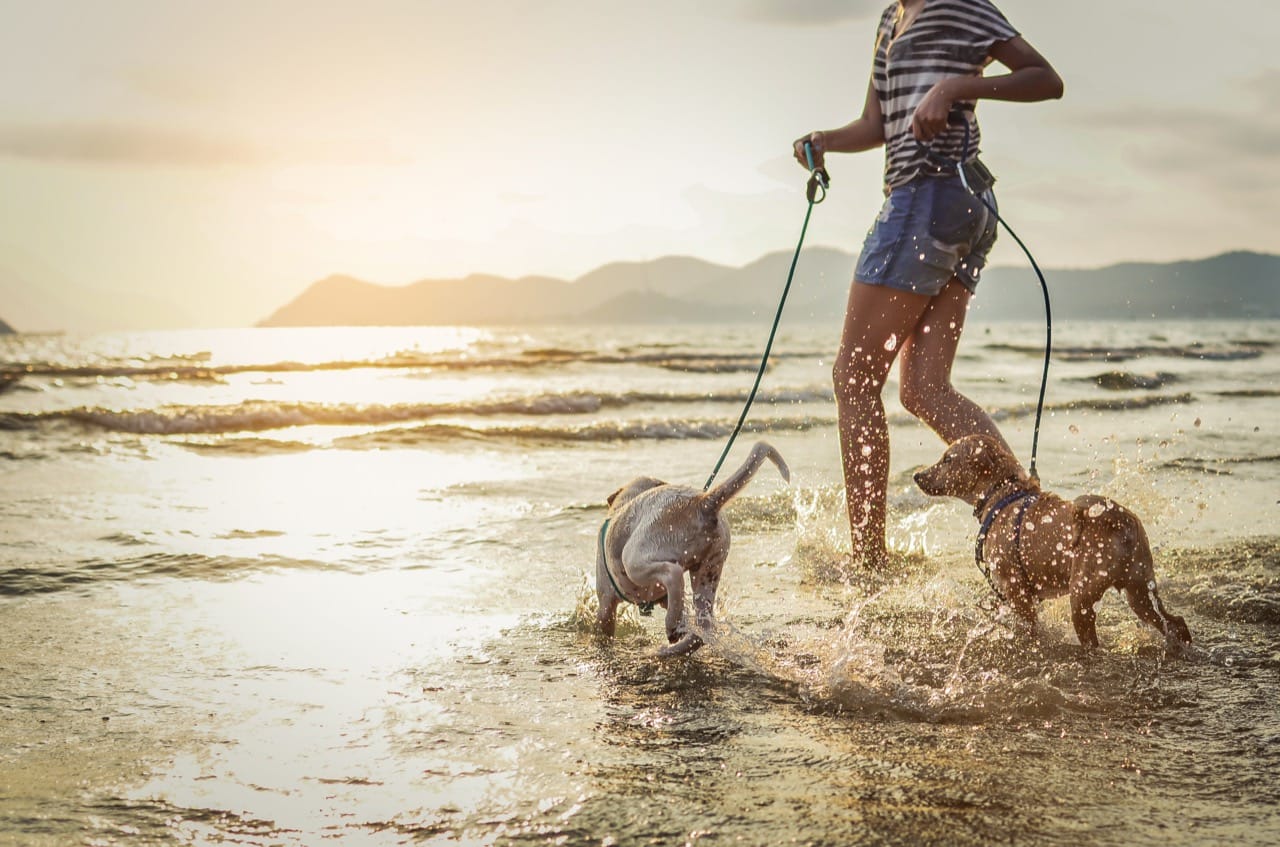
Then there are the zoomies, those sudden bursts of sprinting and spinning known as frenetic random activity periods. Zoomies are common after baths, during high excitement, or when a dog has stored energy to burn. They are usually normal, but it is wise to ensure the space is safe and traction is good, since fast turns can lead to slips.
Digging has practical roots too. Dogs may dig to cool down on hot days by reaching cooler soil, to bury valuables, to hunt small animals by scent, or simply because the behavior is rewarding. Providing appropriate outlets, like a designated digging area or more enrichment, can reduce unwanted craters in the yard.
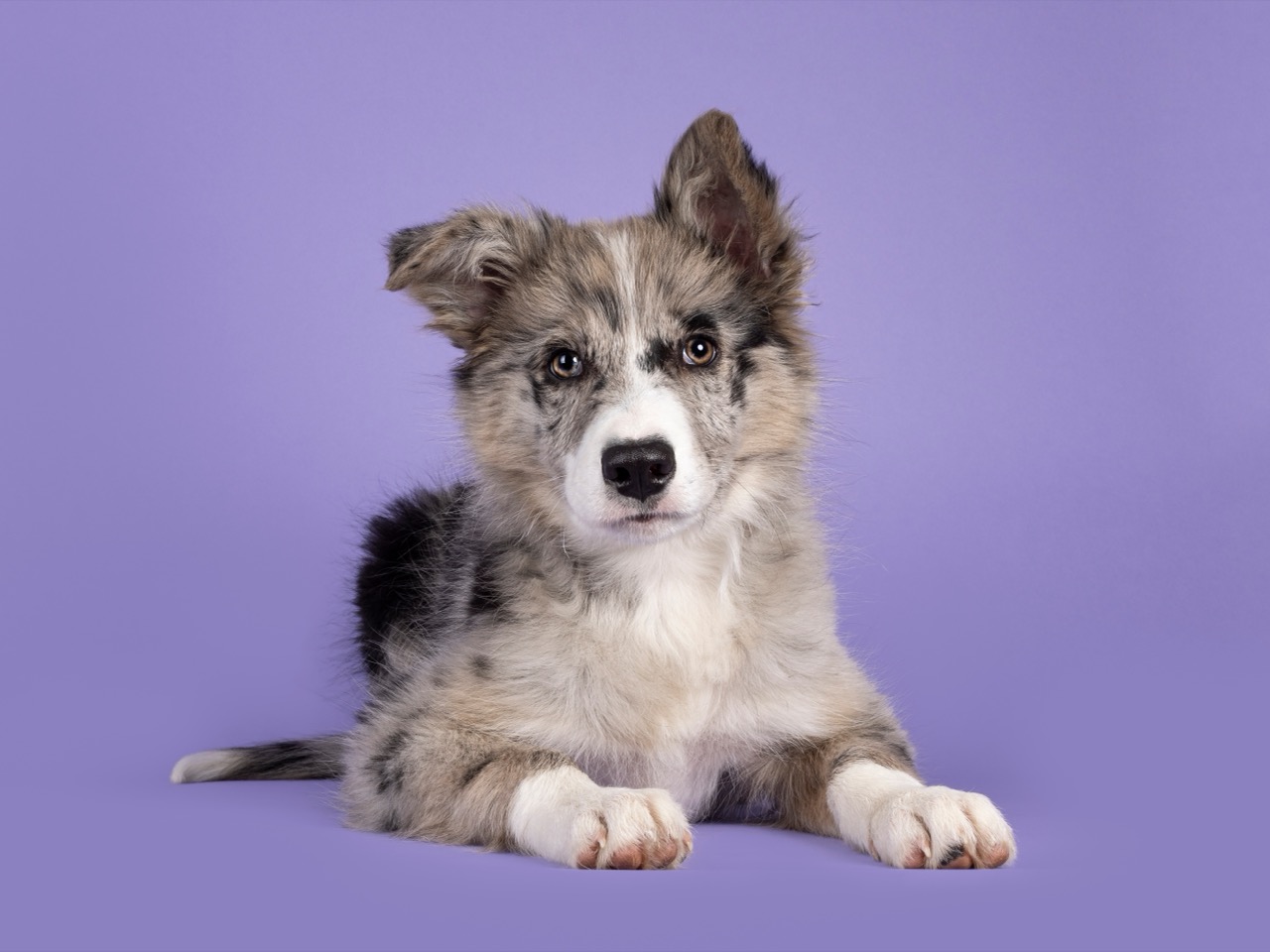
The head tilt is irresistible, and it may be linked to focused listening or visual processing. When a dog tilts its head, it may be adjusting its ears to localize a sound or getting a better view of your face, especially if the muzzle blocks part of the sightline. Dogs are also masters of watching us, and many learn that a head tilt earns attention.
Sniffing is the dog’s version of sightseeing. A dog’s nose contains far more scent receptors than ours, and the brain devotes large areas to processing odor. Sniffing provides information about who passed by, how long ago, and even emotional states. Letting a dog sniff on walks is not wasted time; it is meaningful mental exercise.
Some cues are easy to miss. “Whale eye,” when the whites of a dog’s eyes show, is often linked to anxiety or feeling pressured. The so-called guilty look is more likely a response to a scolding owner than a confession. Even those irresistible puppy dog eyes depend on an eyebrow muscle that wolves largely lack. Dog lovers do best when they look beyond one obvious sign and read the whole scene: body posture, context, and the dog’s individual habits.