Airedale Terrier: Riverbank to Battlefield
Quiz Complete!
Airedale Terrier Working Roots: How Function Shaped Britain’s Versatile Terrier
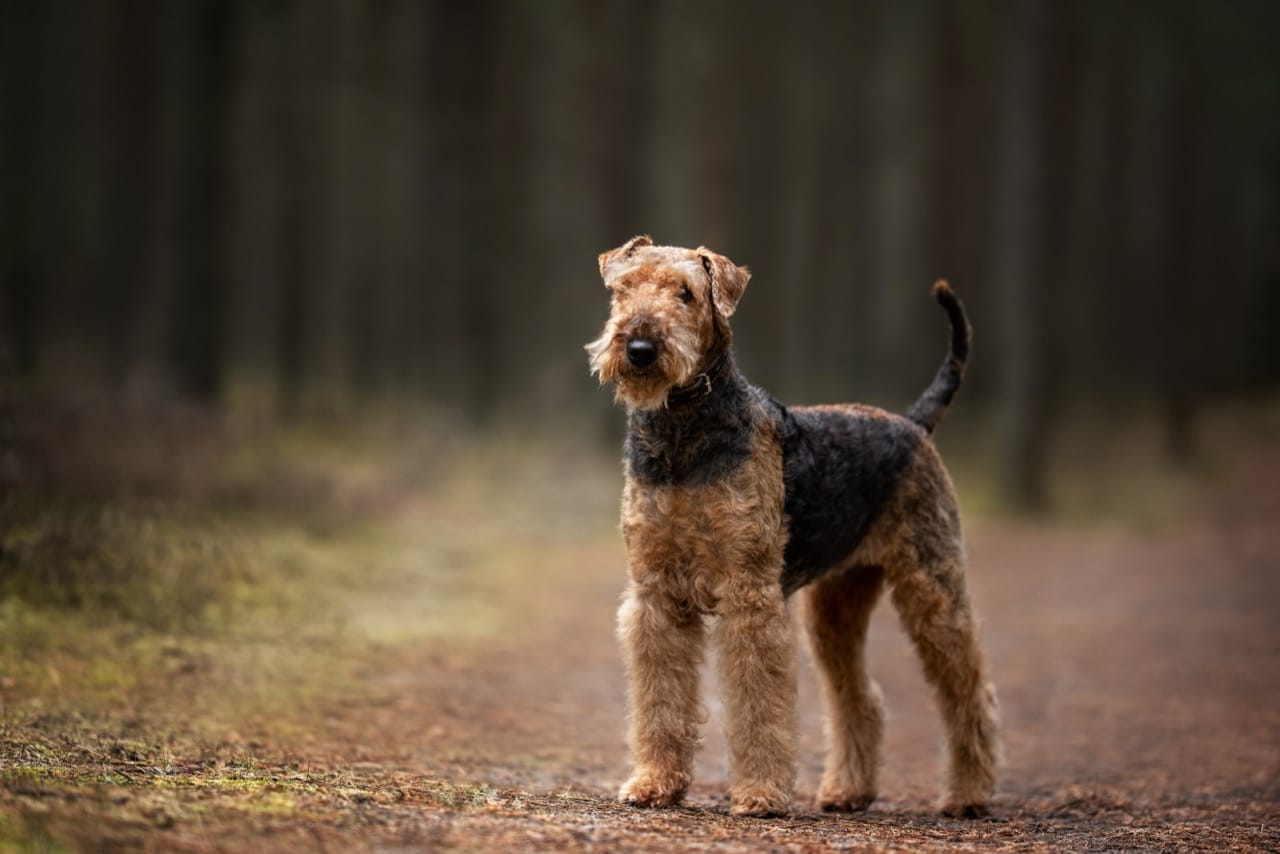
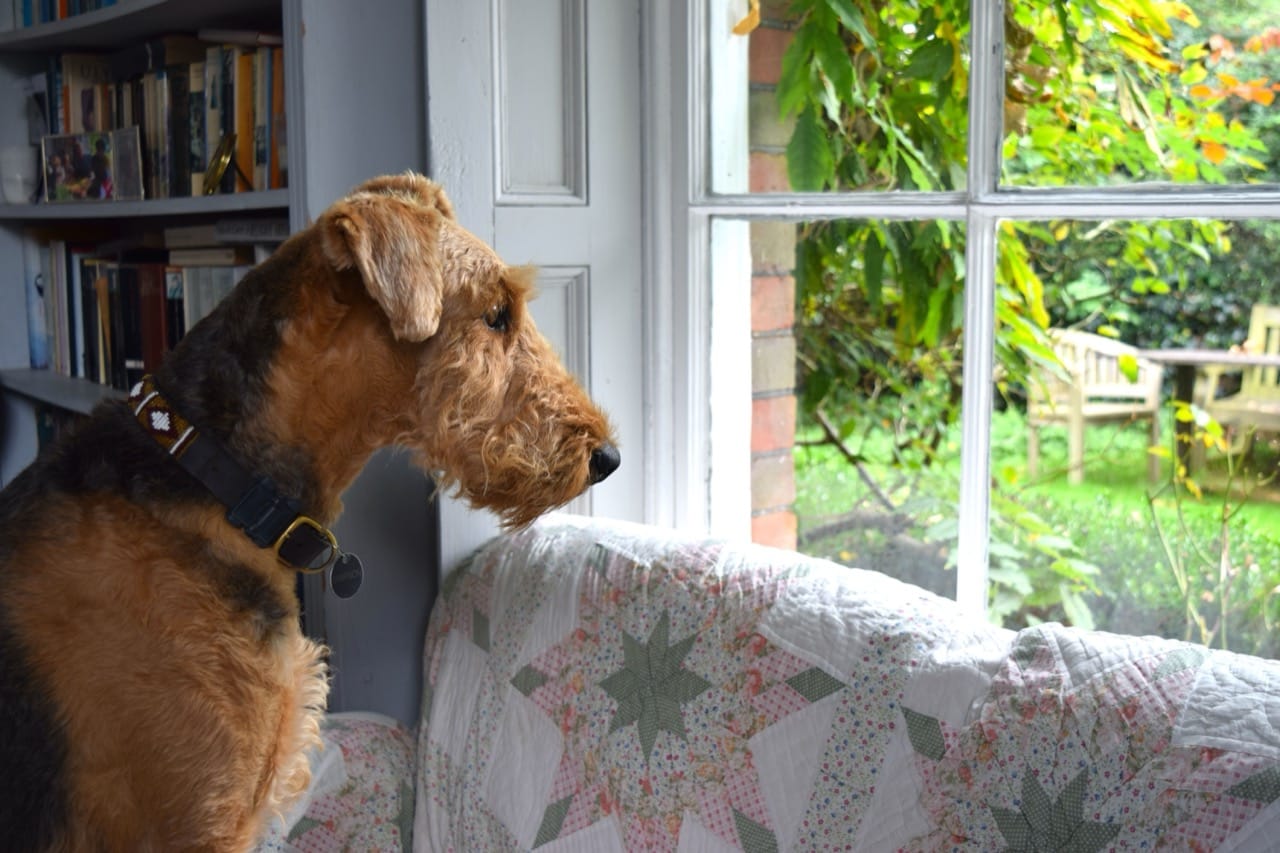
The Airedale Terrier was shaped by work in the rugged landscape of Britain’s Aire Valley in Yorkshire, and many of its most recognizable traits make the most sense when you picture a dog expected to spend long days outdoors doing difficult jobs. Often called the largest of the terriers, the Airedale was developed from local working types, including the now-extinct Old English Black and Tan Terrier, with influence from otterhound-type dogs to strengthen its ability in and around water. The result was a tough, adaptable hunter and general-purpose farm dog that could move between tasks rather than specialize in only one.
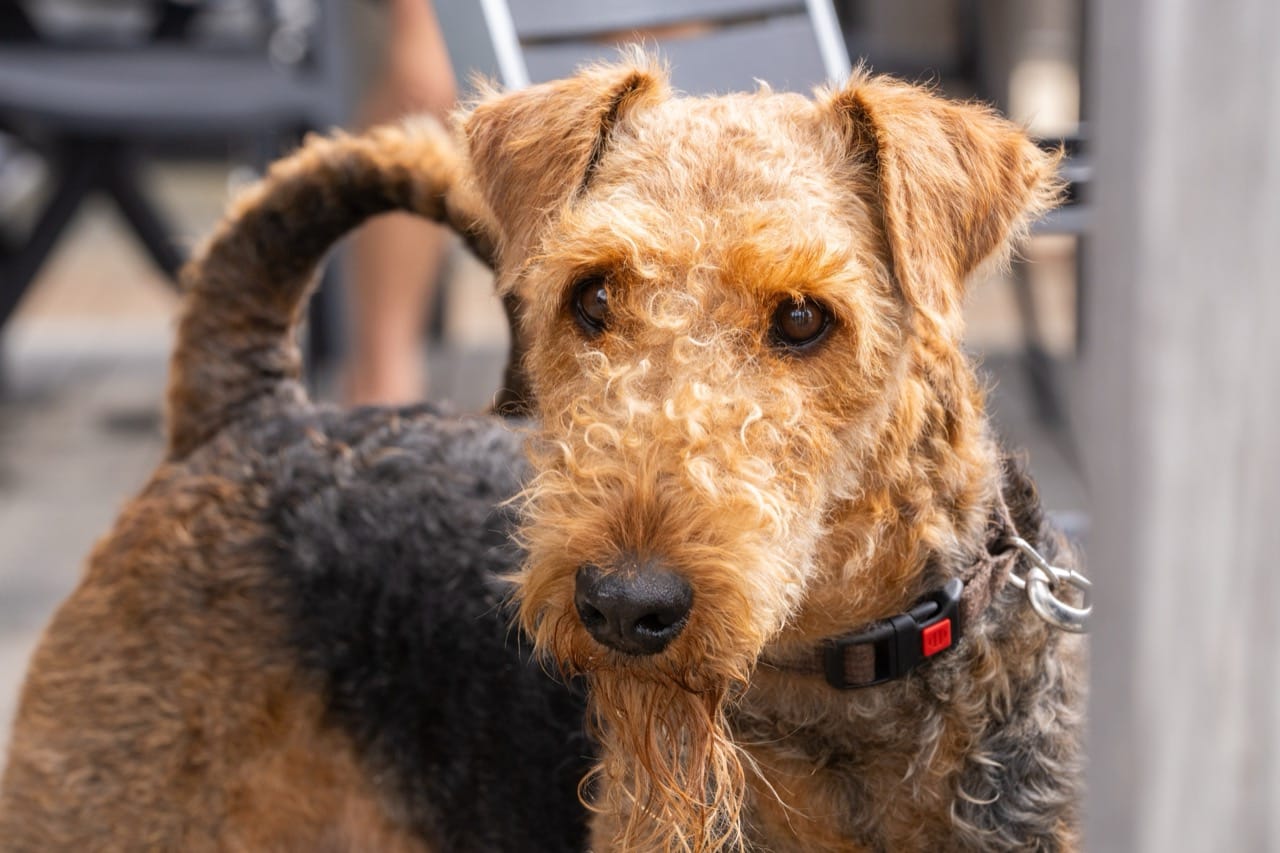
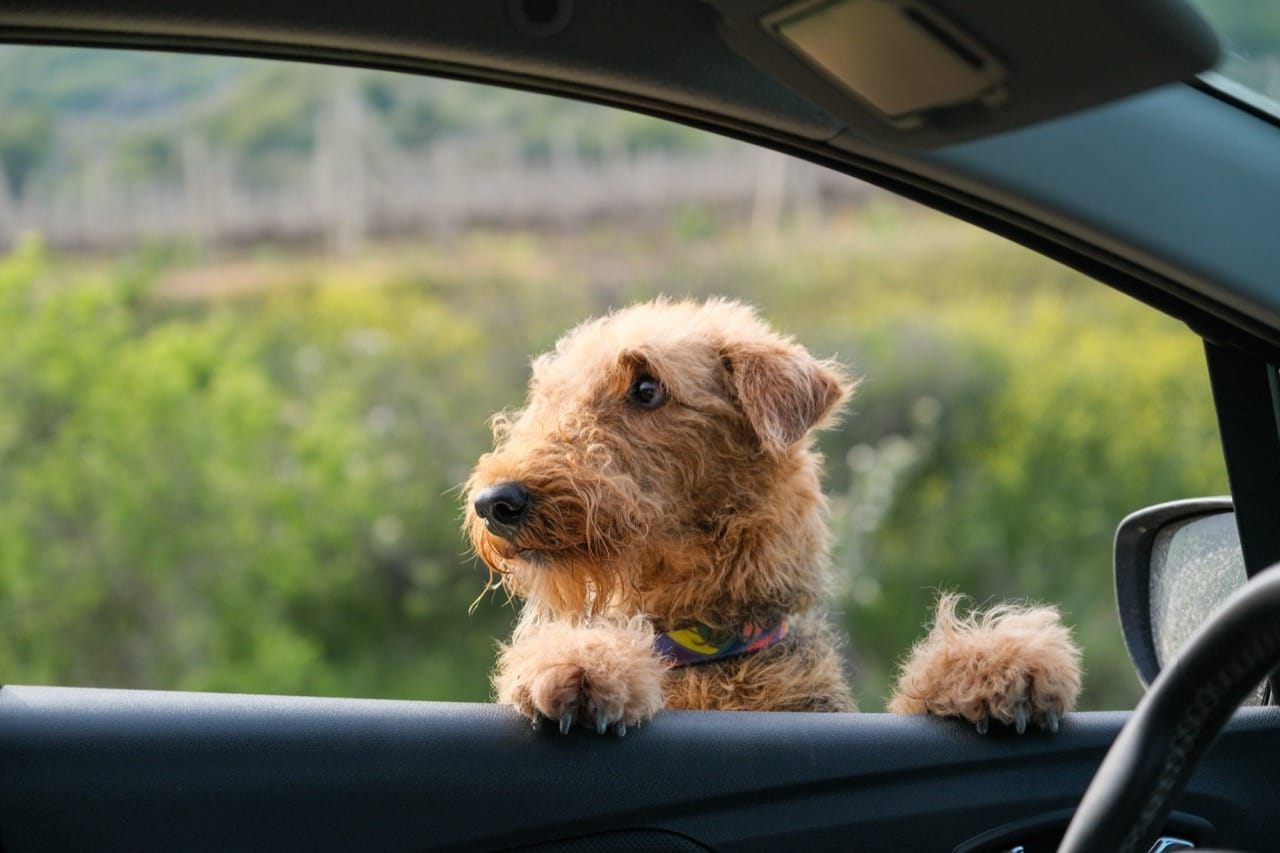
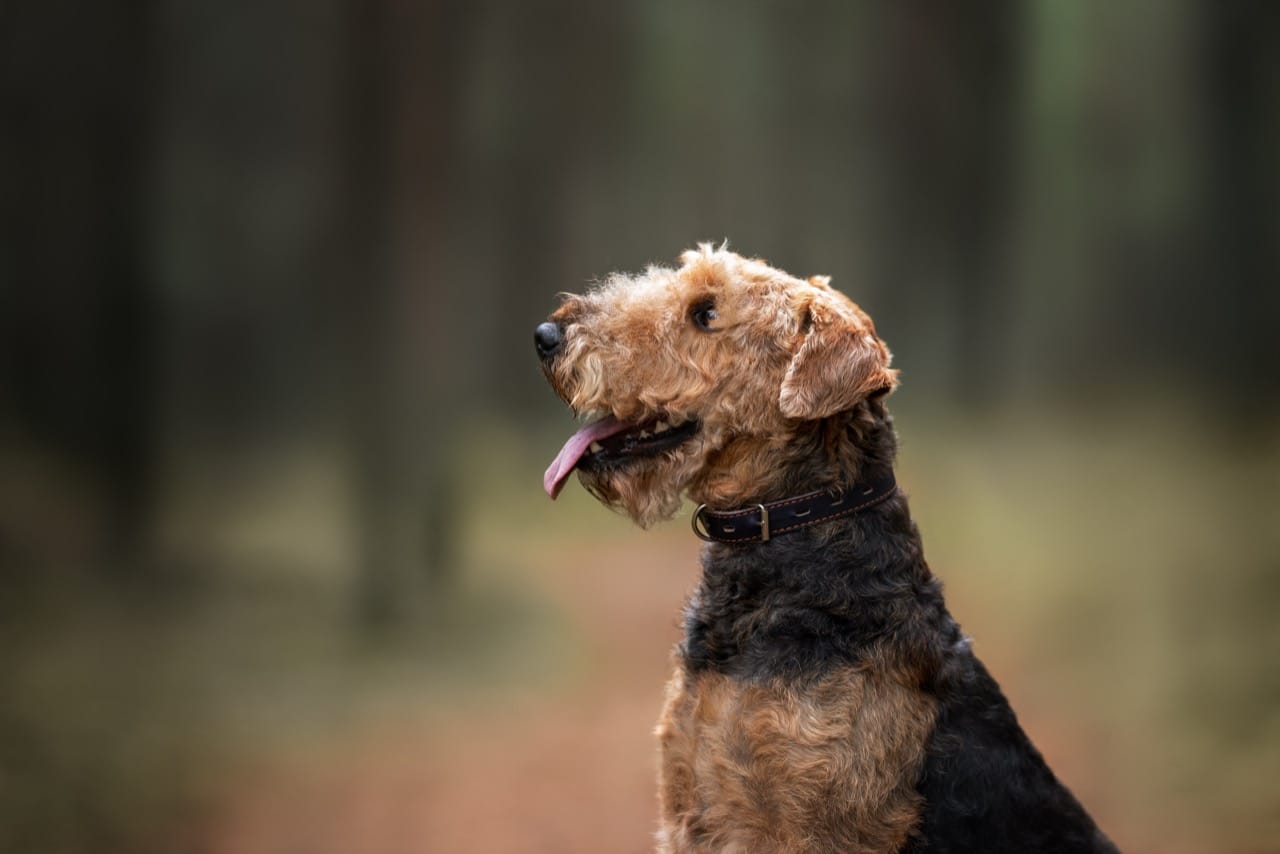
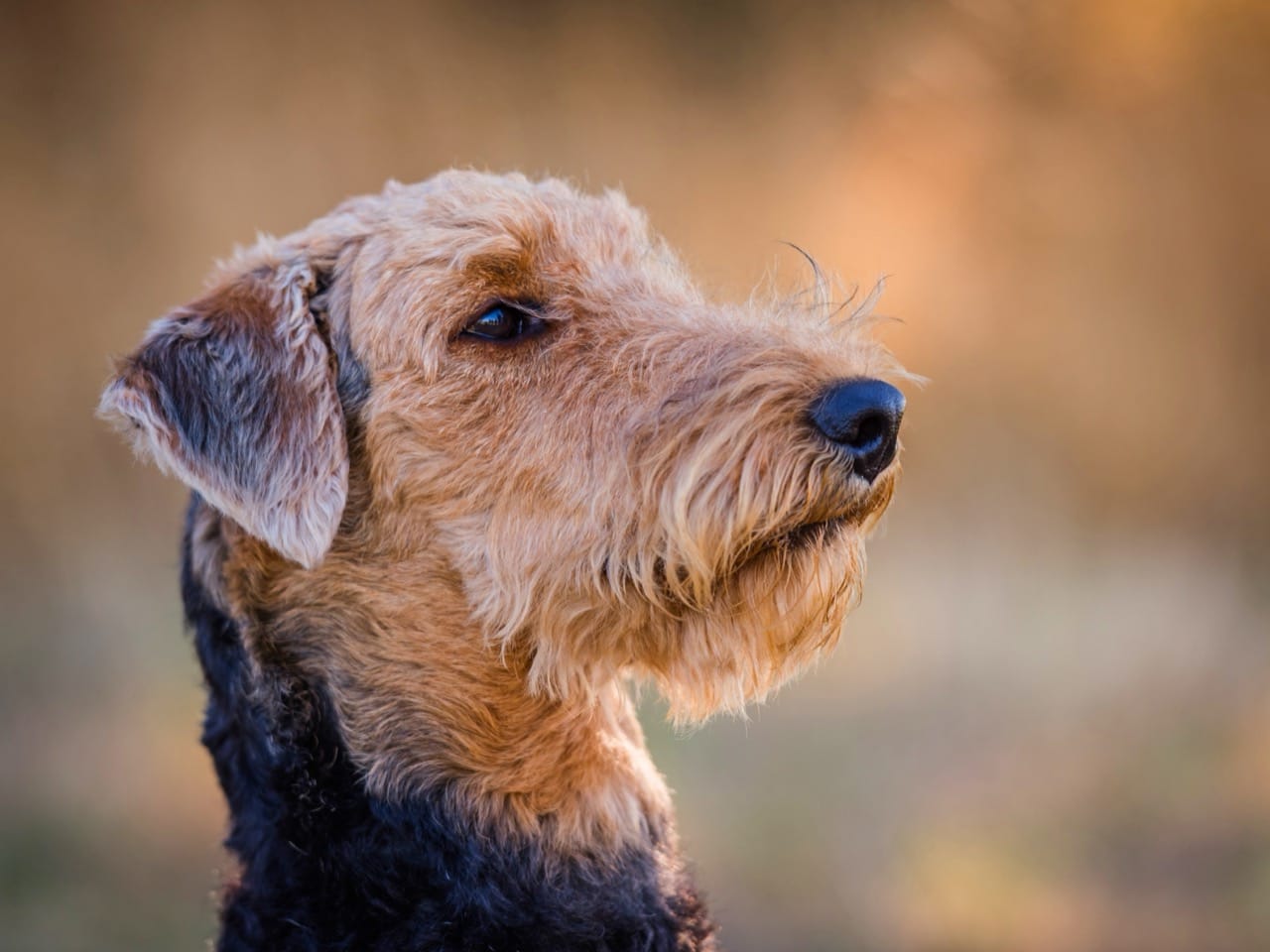
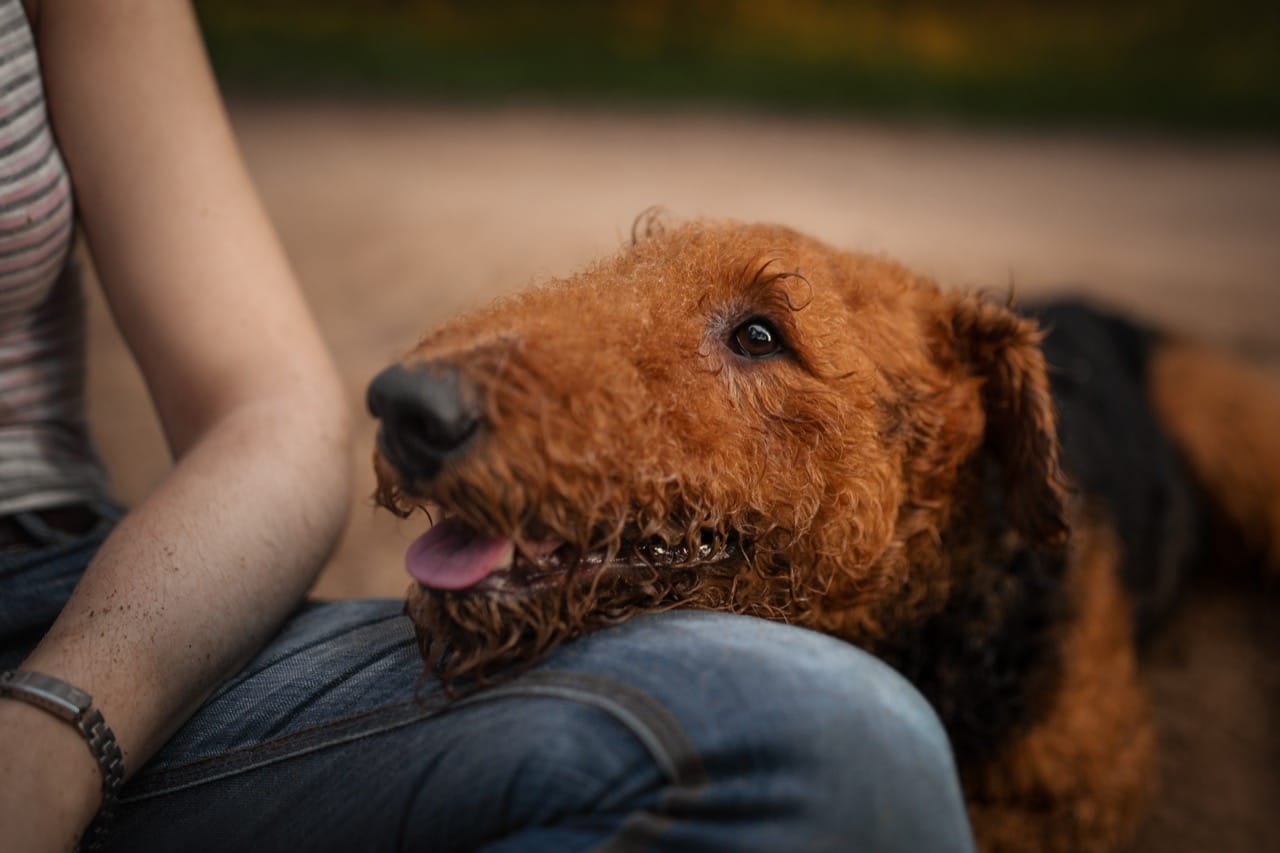
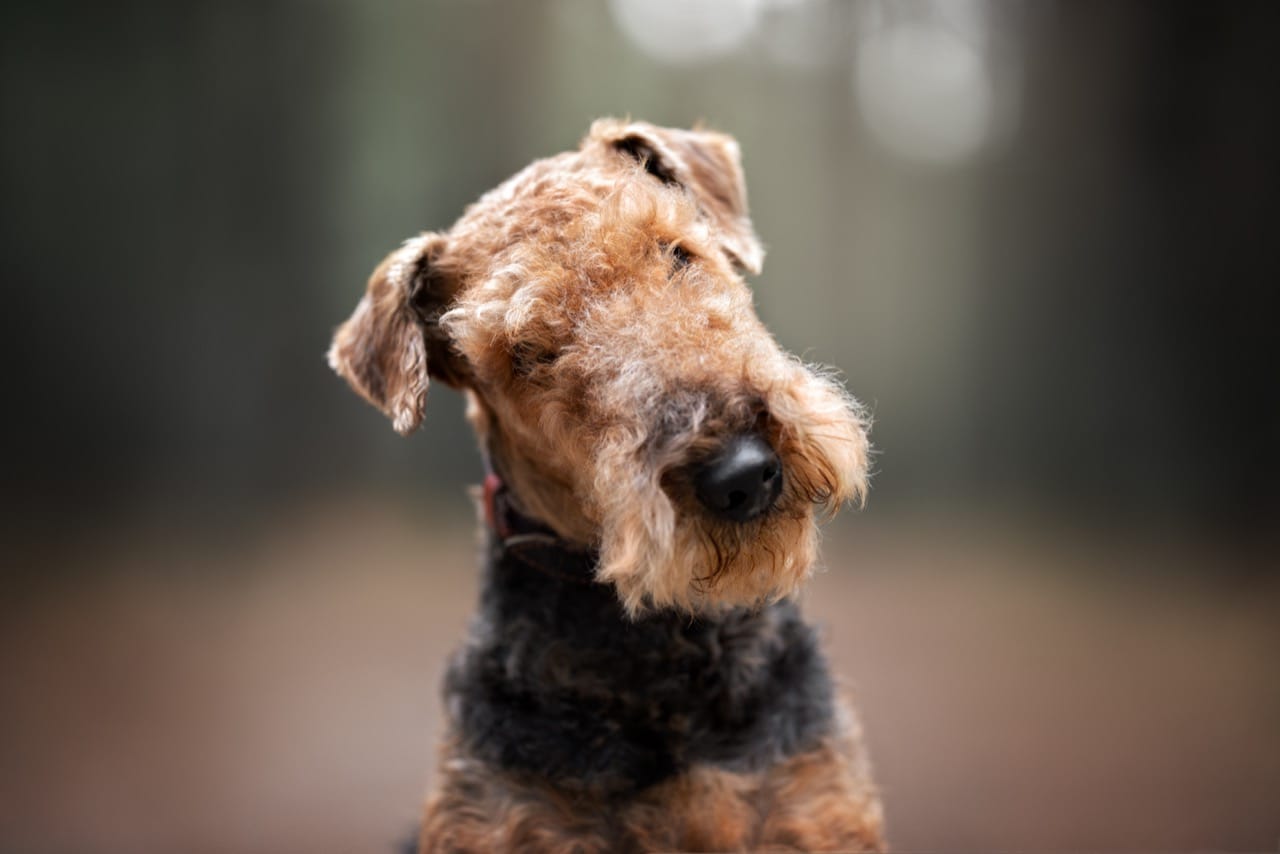
One of the breed’s signature features, the dense, wiry coat, is not just a style choice. A harsh outer coat helps shed water and resists snagging on brush, while the softer undercoat provides insulation. In the damp, chilly conditions of northern England, a dog that could push through reeds and brambles, then plunge into cold water, needed protection from both weather and rough cover. The coat’s texture also offered a degree of defense against bites and scratches when the dog was working close to quarry.
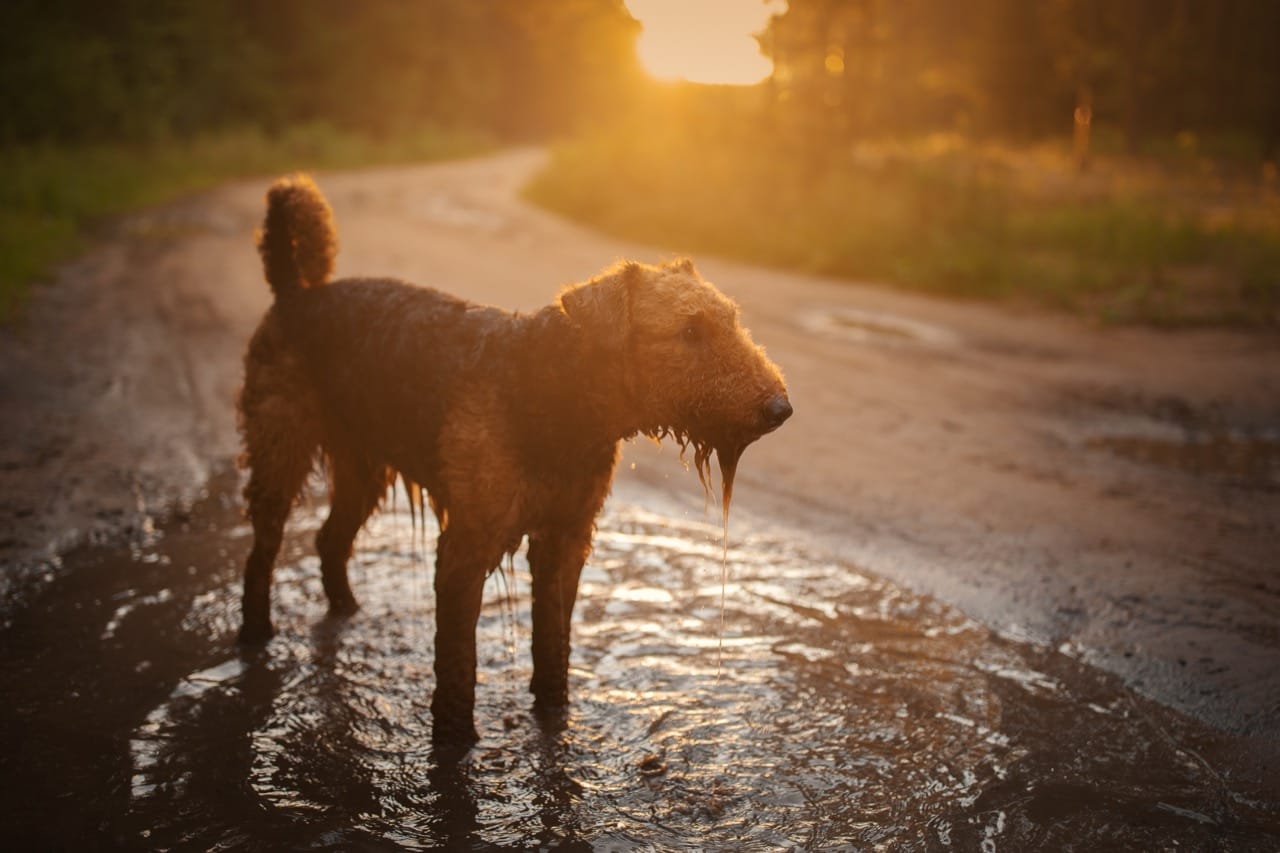
Water work was a major part of the Airedale’s early reputation. Along rivers and canals, these dogs were used to hunt animals like otters and rats, often requiring a combination of scenting, swimming, and persistence. Airedales were expected to enter water confidently, track movement along banks, and keep going even when the job was messy, cold, or physically demanding. That background helps explain why many Airedales are bold about exploring and why they can be surprisingly comfortable in wet conditions compared with many other terriers.
The breed’s strong prey drive also has practical roots. Vermin control was not a hobby; it protected food stores and livelihoods. Airedales were valued for noticing quick movement, reacting fast, and staying determined when an animal tried to escape into burrows, hedges, or water. That instinct can still show up today as intense interest in squirrels, rabbits, or anything that darts away. Historically, that drive was paired with enough size and strength to handle larger quarry as well, making the Airedale more versatile than smaller terriers.
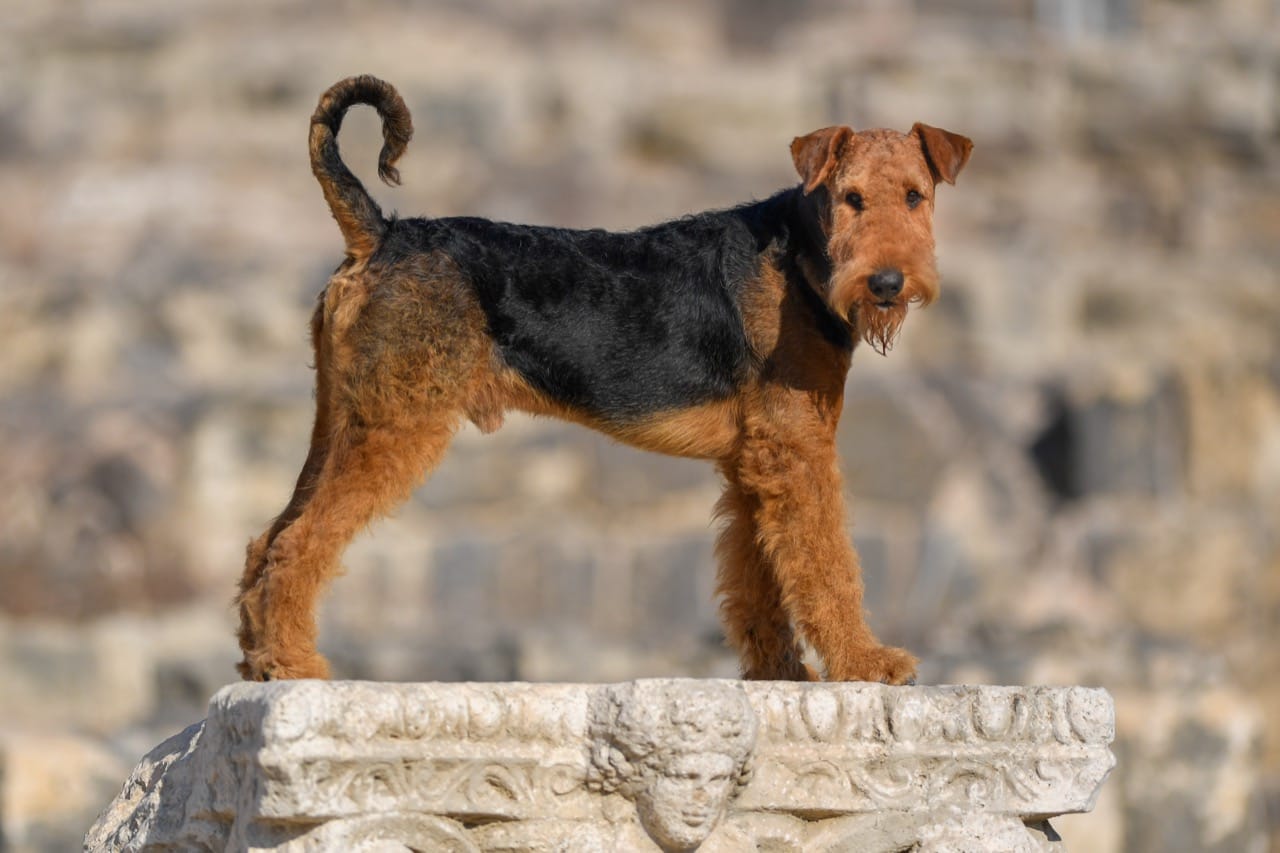
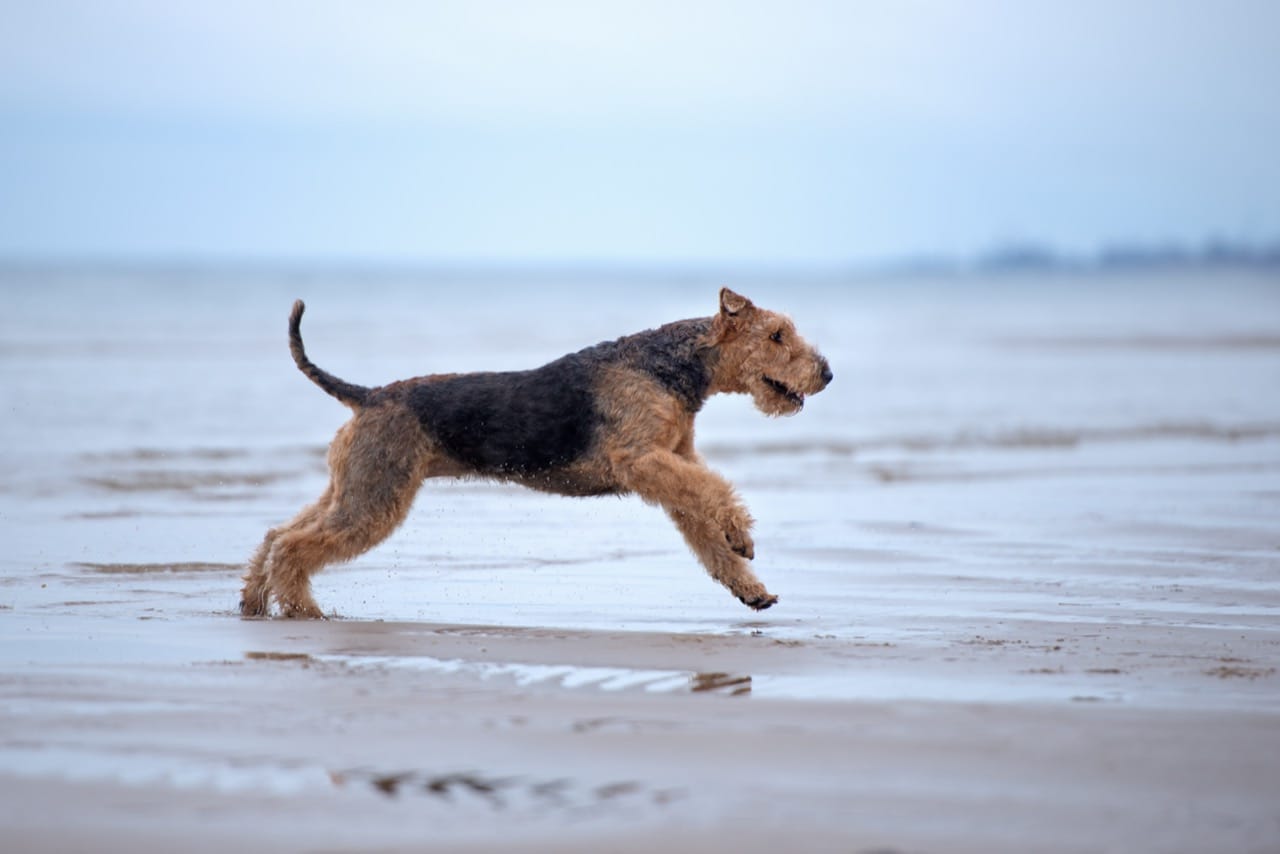
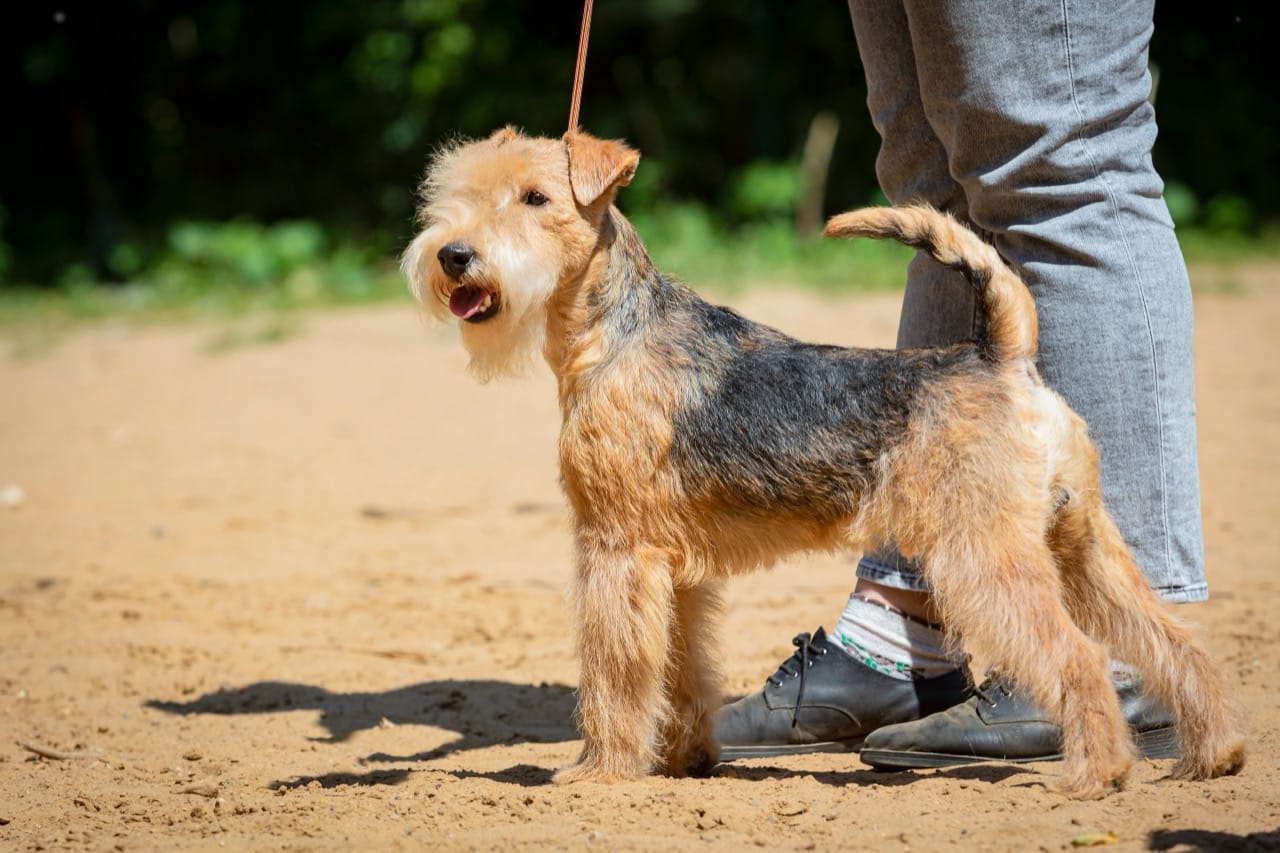
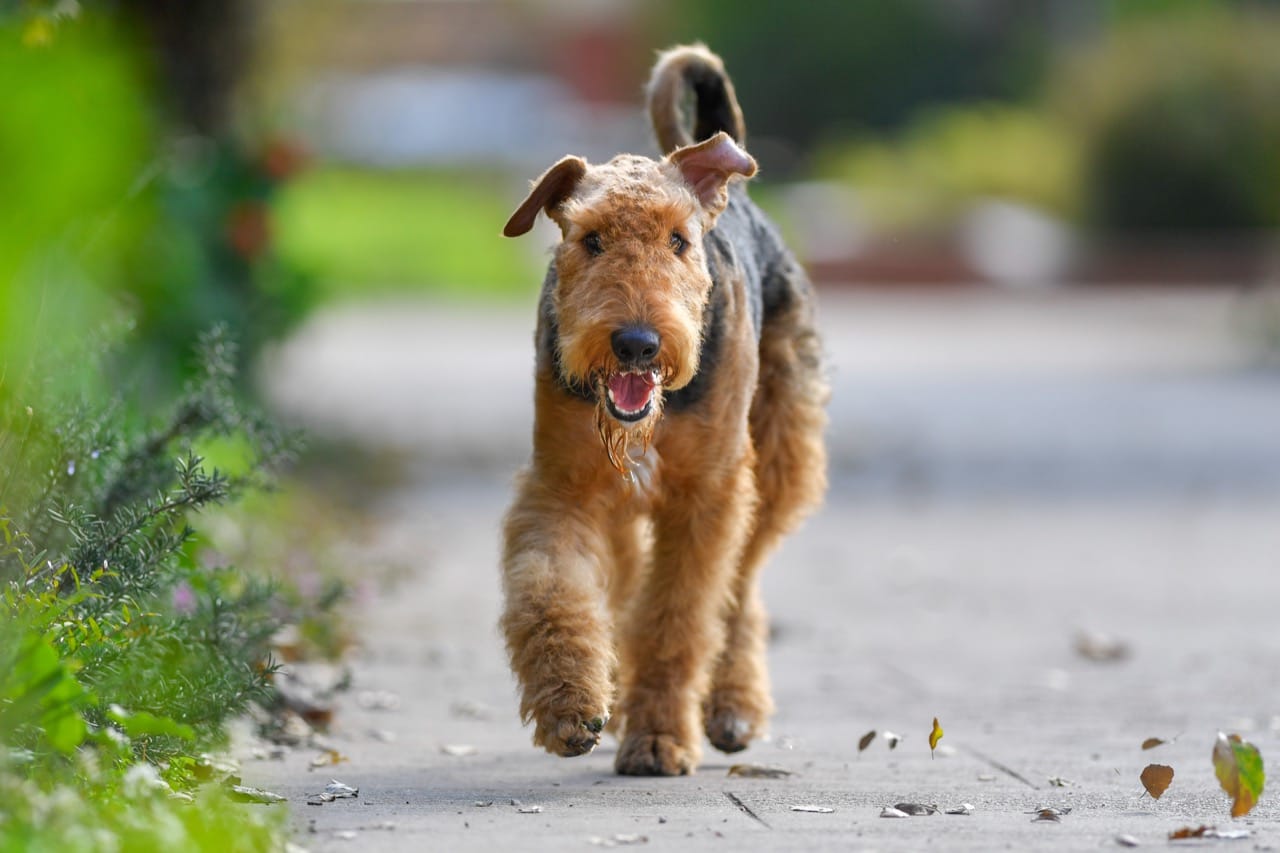
Athletic build mattered because the work demanded endurance, not just bursts of speed. Airedales have long legs for a terrier, a deep chest for lung capacity, and a balanced frame that supports trotting over distance. They were expected to cover ground with people, patrol property, and keep functioning after hours outside. This stamina, combined with a keen mind, made them useful in roles beyond hunting. In the late nineteenth and early twentieth centuries, Airedales were employed as messenger and guard dogs, including wartime service where their toughness and trainability were prized.
Just as important as the body is the mindset. Terriers were bred to make decisions in tight situations, sometimes out of sight of their handlers. That independent streak can look like stubbornness, but it is better understood as problem-solving confidence. An Airedale that hesitated or waited for instructions might fail at a task that required initiative. When people describe the breed as bold, clever, and occasionally opinionated, they are describing traits that once kept the dog effective in real working conditions.
Understanding these working roots makes the Airedale Terrier easier to appreciate. The coat, drive, and energy are not random quirks; they are the legacy of a dog built for cold water, rough terrain, and demanding days, with a terrier brain that expects a job to do.