The GSP: Athlete, Teammate, Shadow






Quiz Complete!
Living With a German Shorthaired Pointer: Real Life Traits, Needs, and Surprises
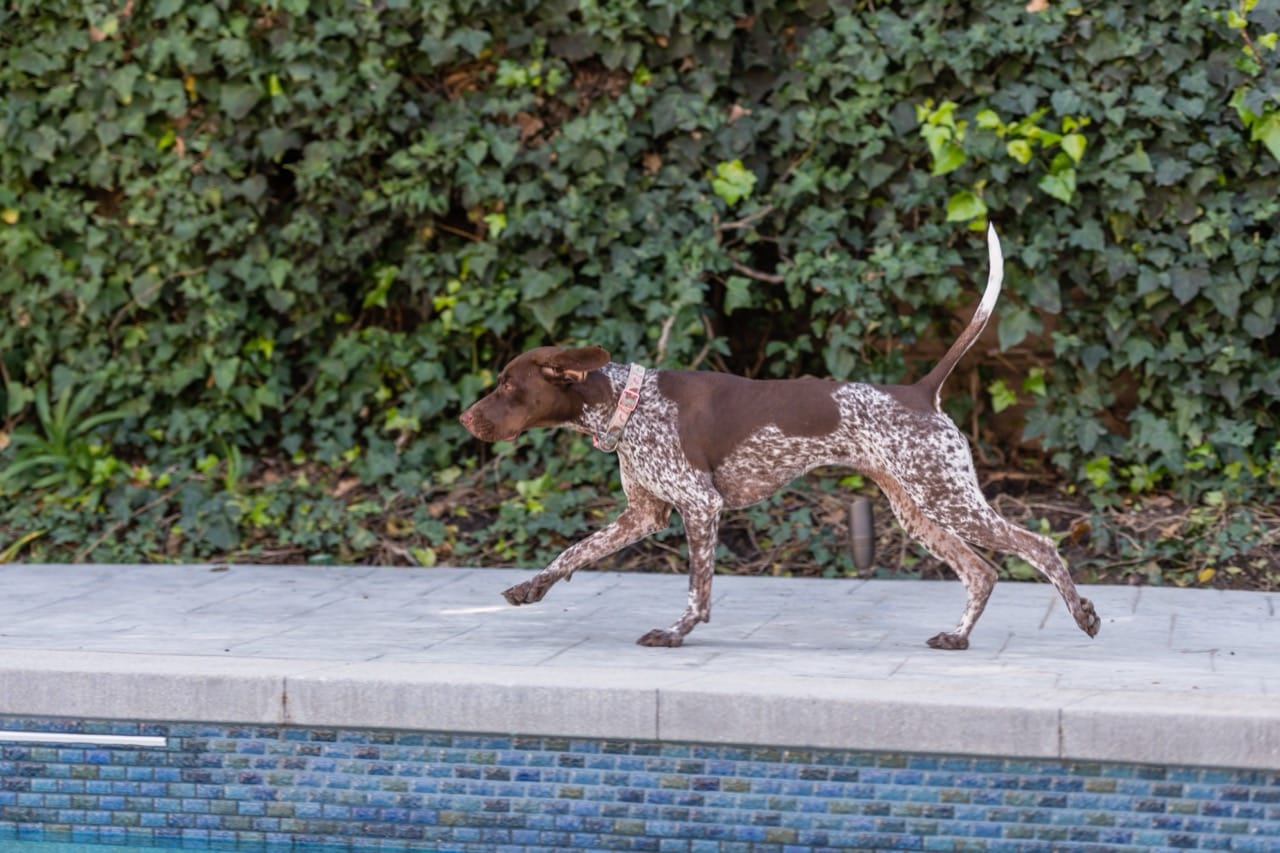
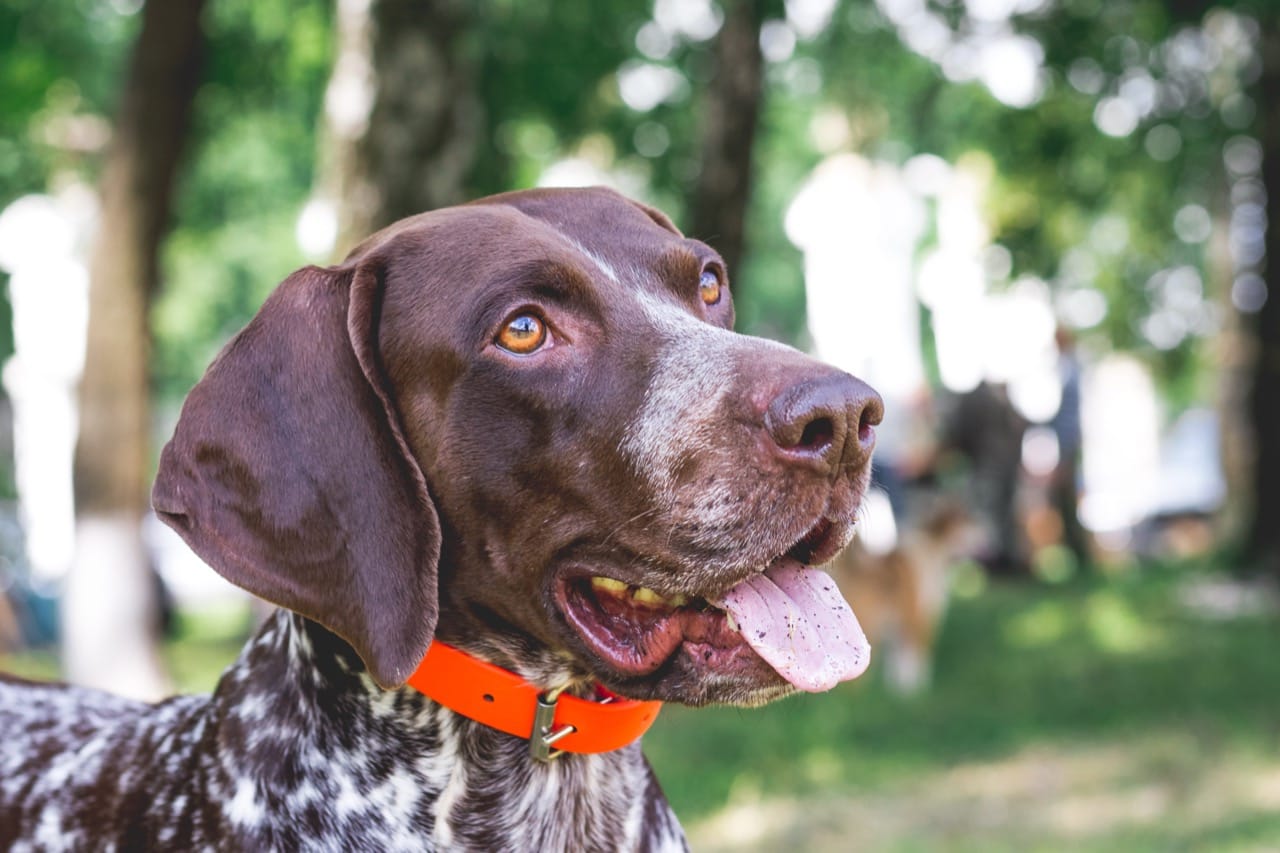
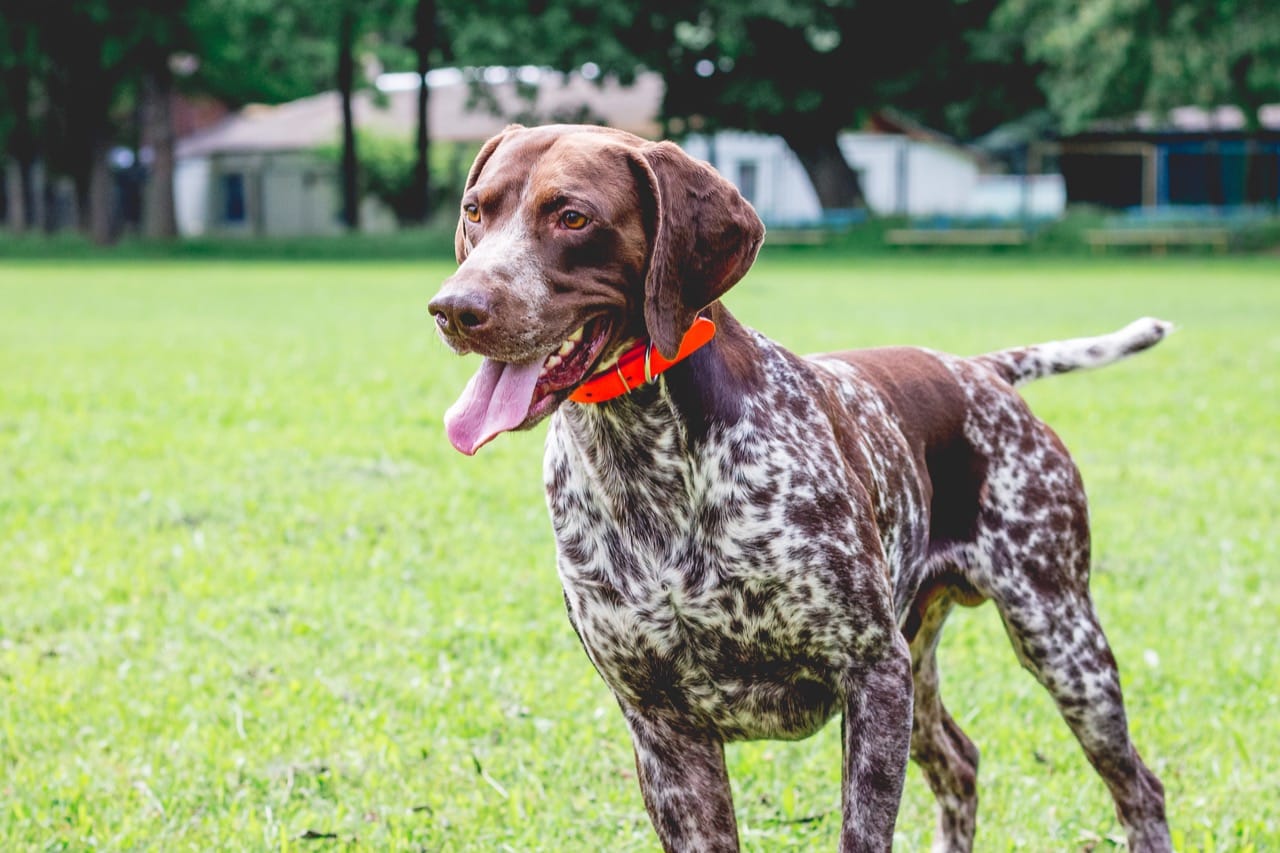
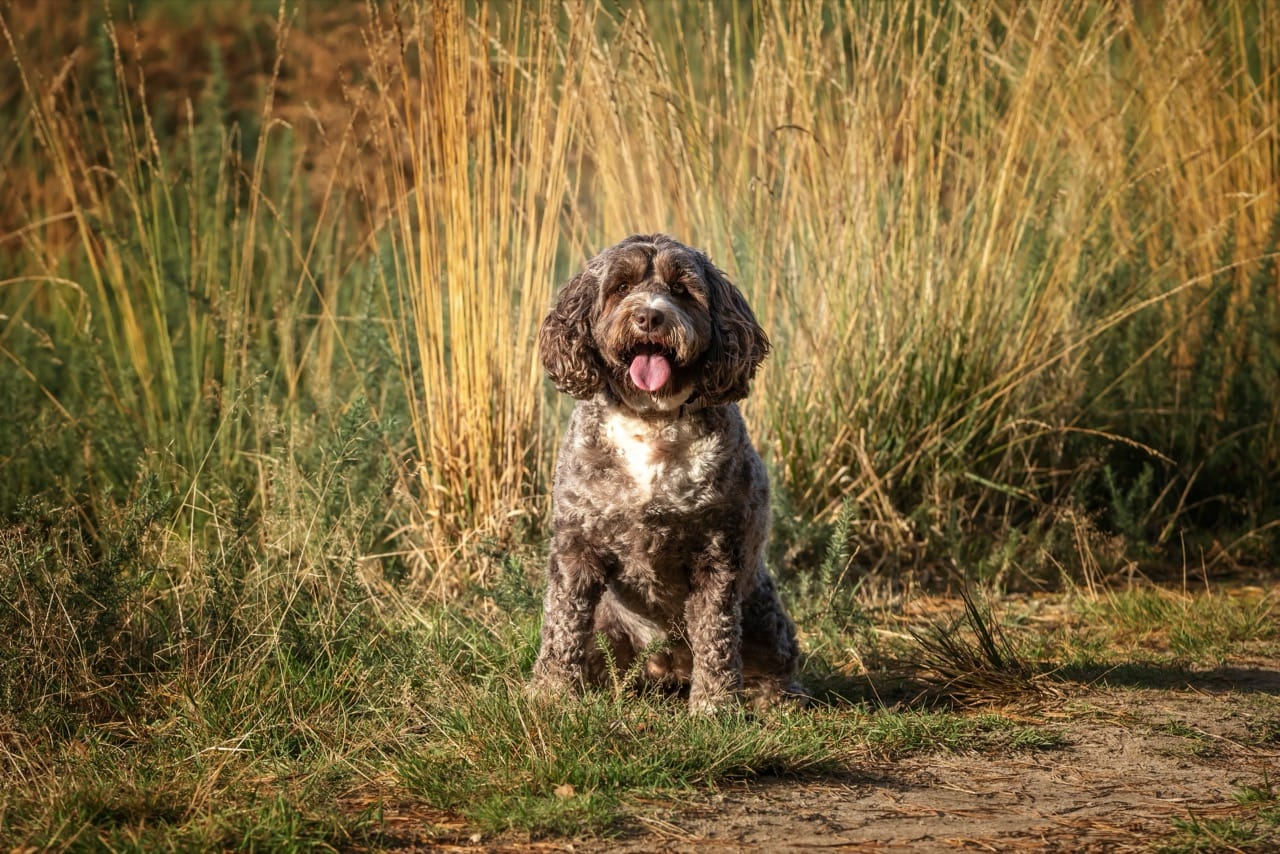
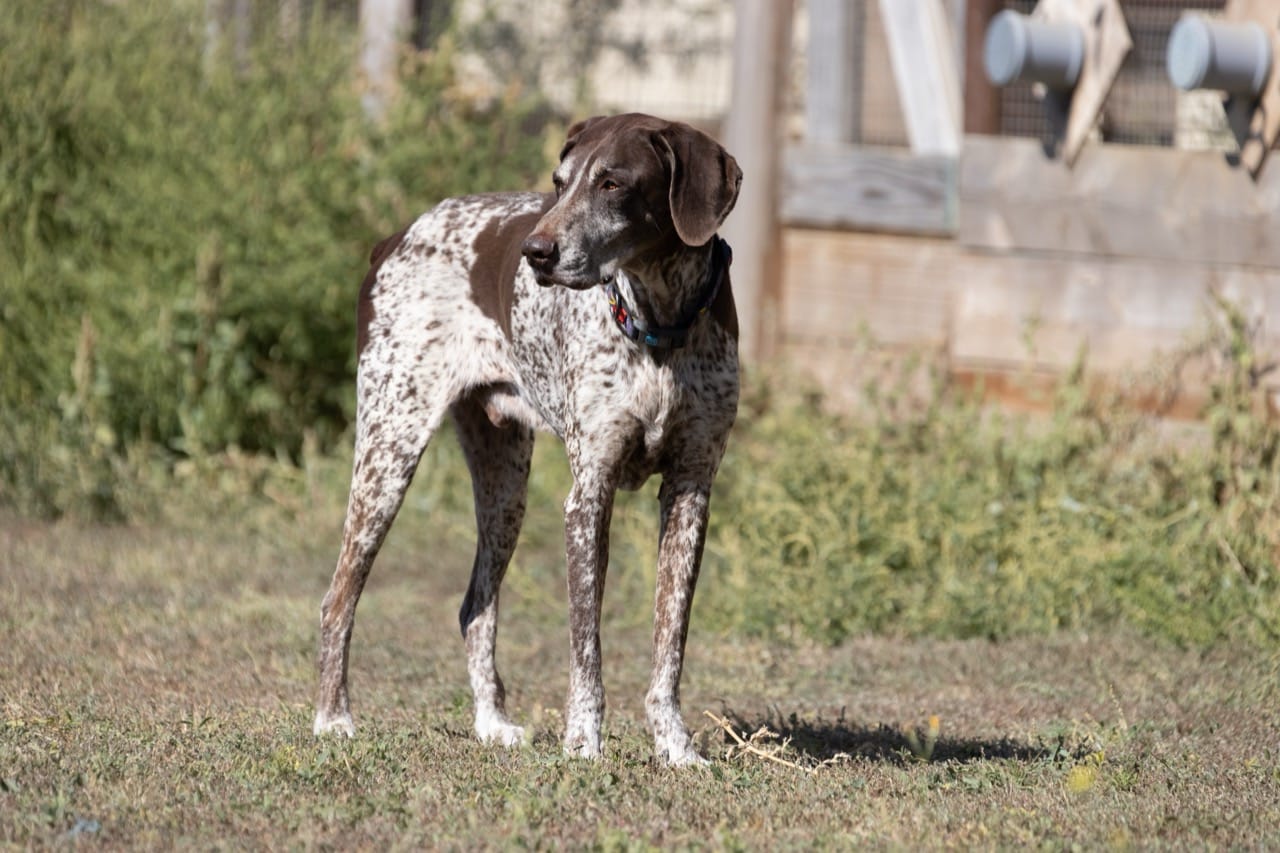
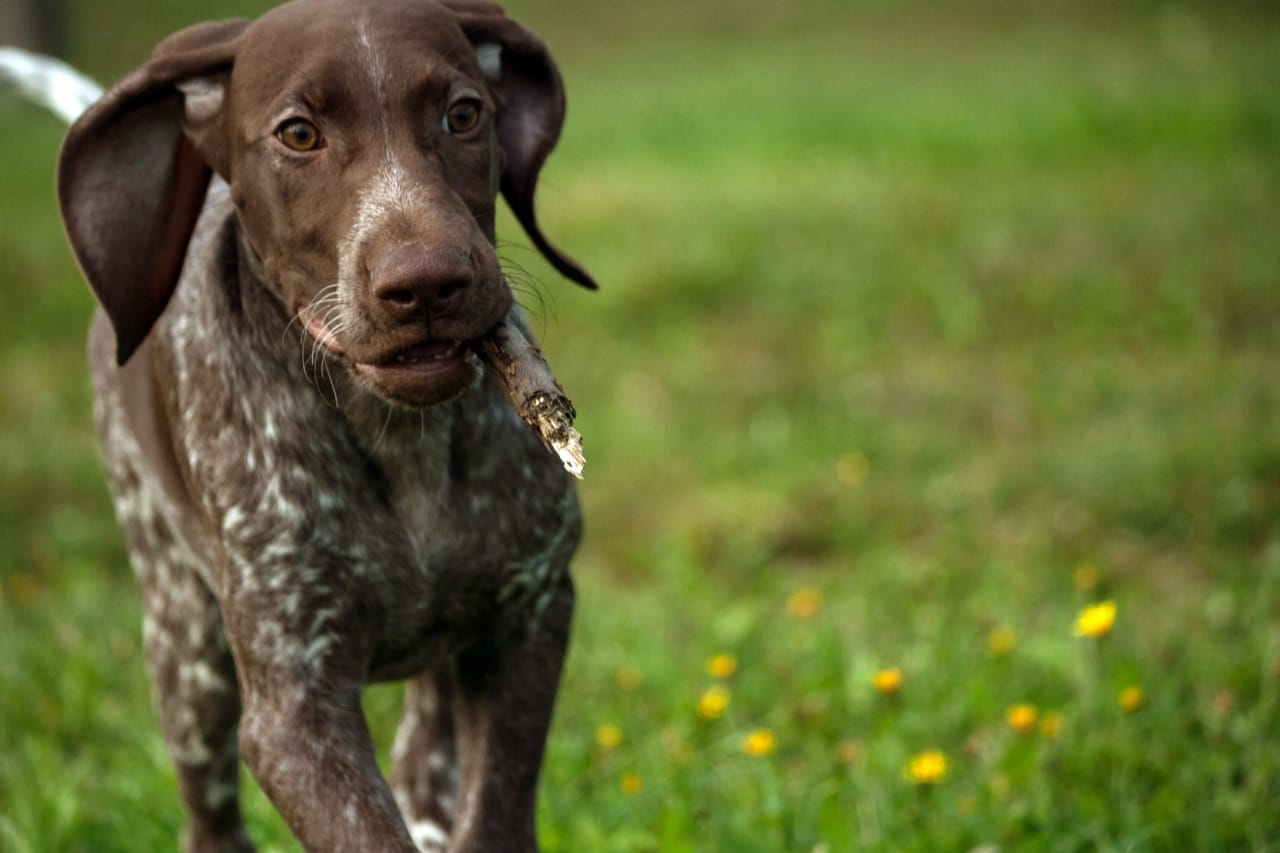
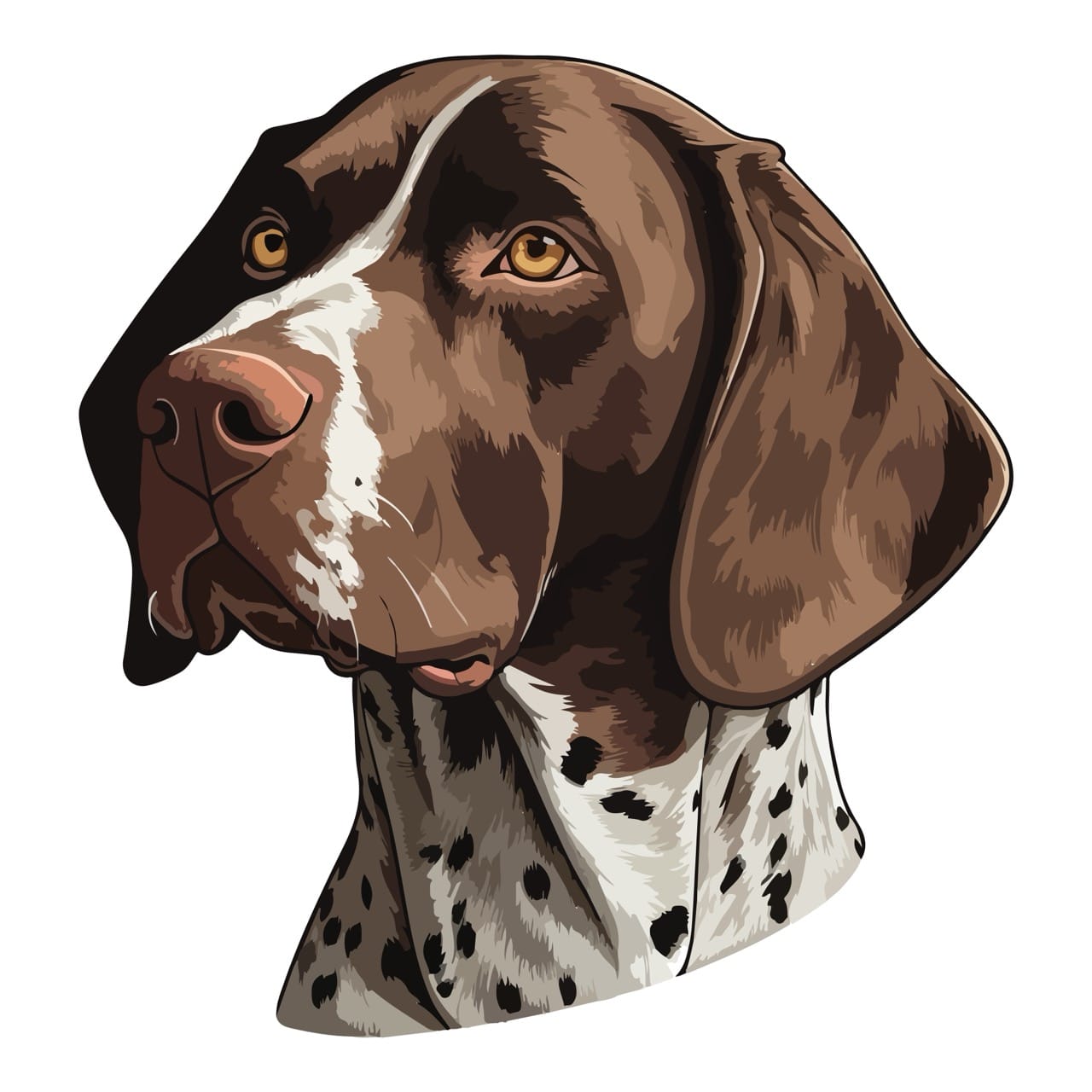
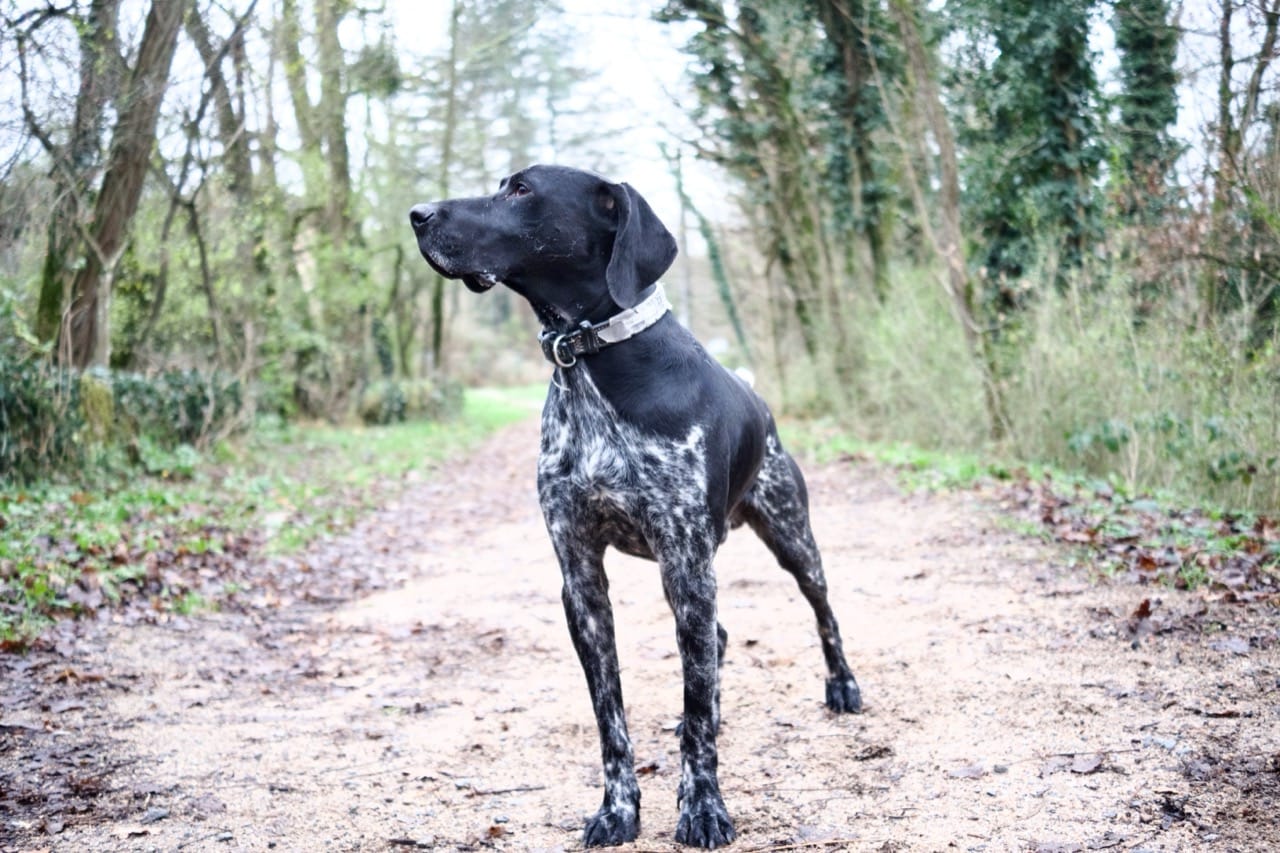
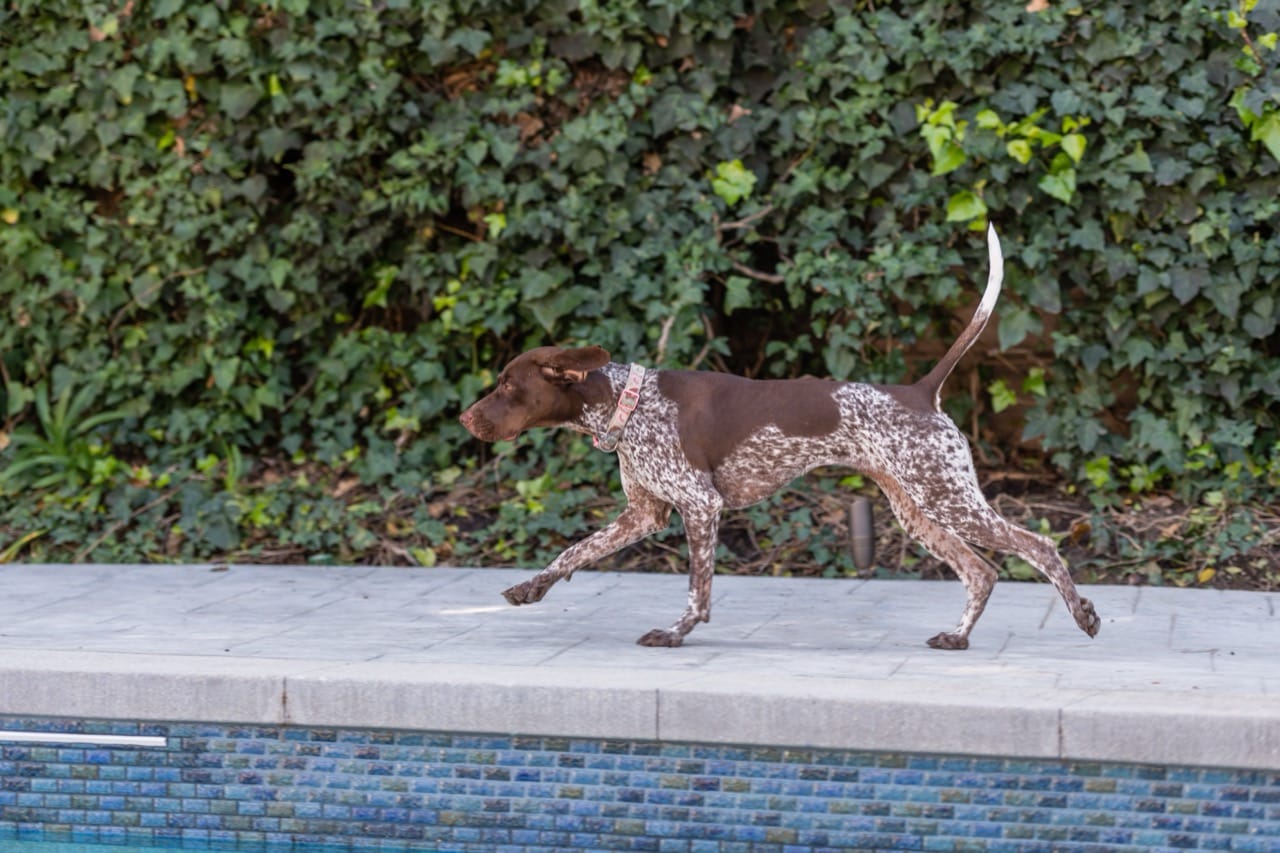
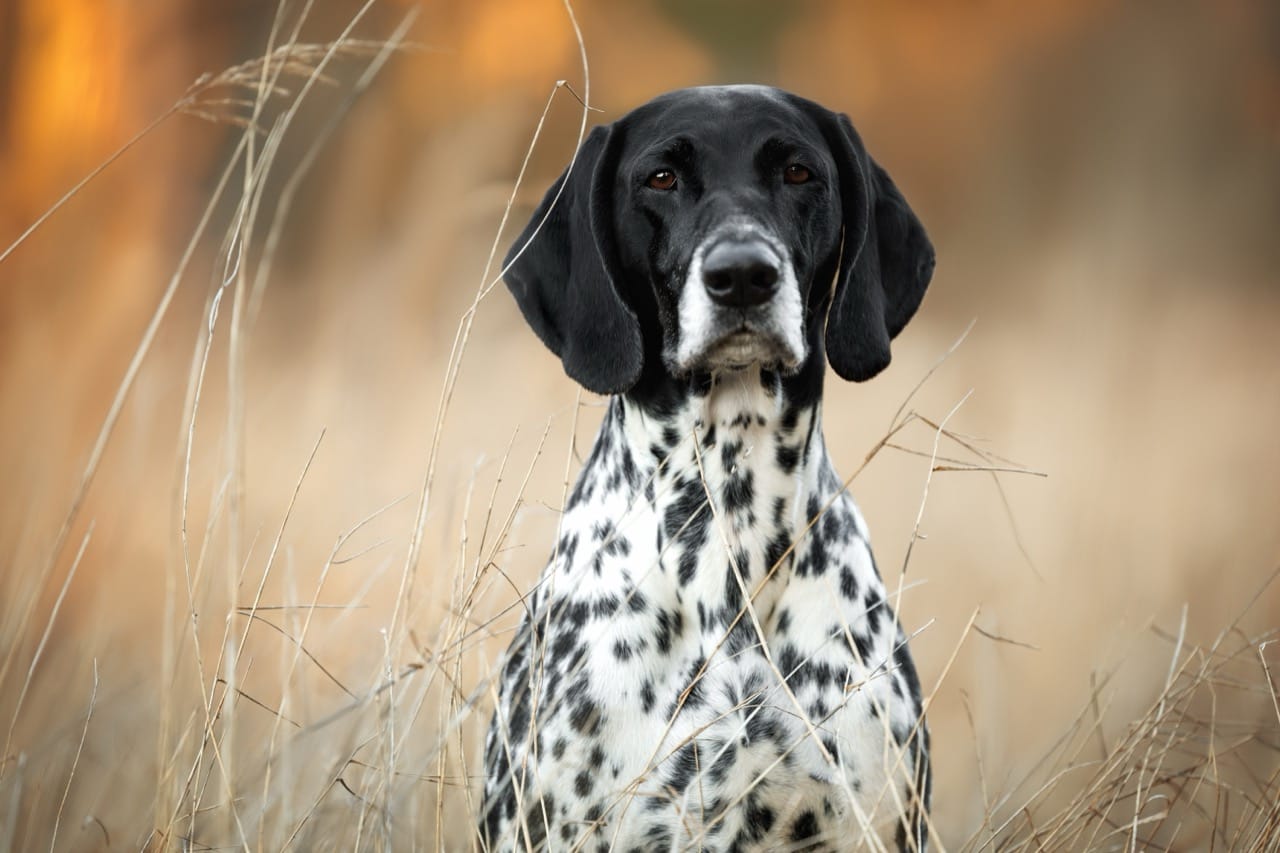
The German Shorthaired Pointer, often called a GSP, has a reputation that is mostly deserved: this is a dog built for motion, problem solving, and partnership. Originally developed as an all purpose hunting dog, the breed was designed to do more than run fast. A good GSP can search, point, track, retrieve, and keep working for hours without losing focus. That versatility is exactly what many people love about them, and it is also what catches unprepared owners off guard. In day to day life, a German Shorthaired Pointer tends to behave like a highly fit athlete who assumes you are on the same training plan.
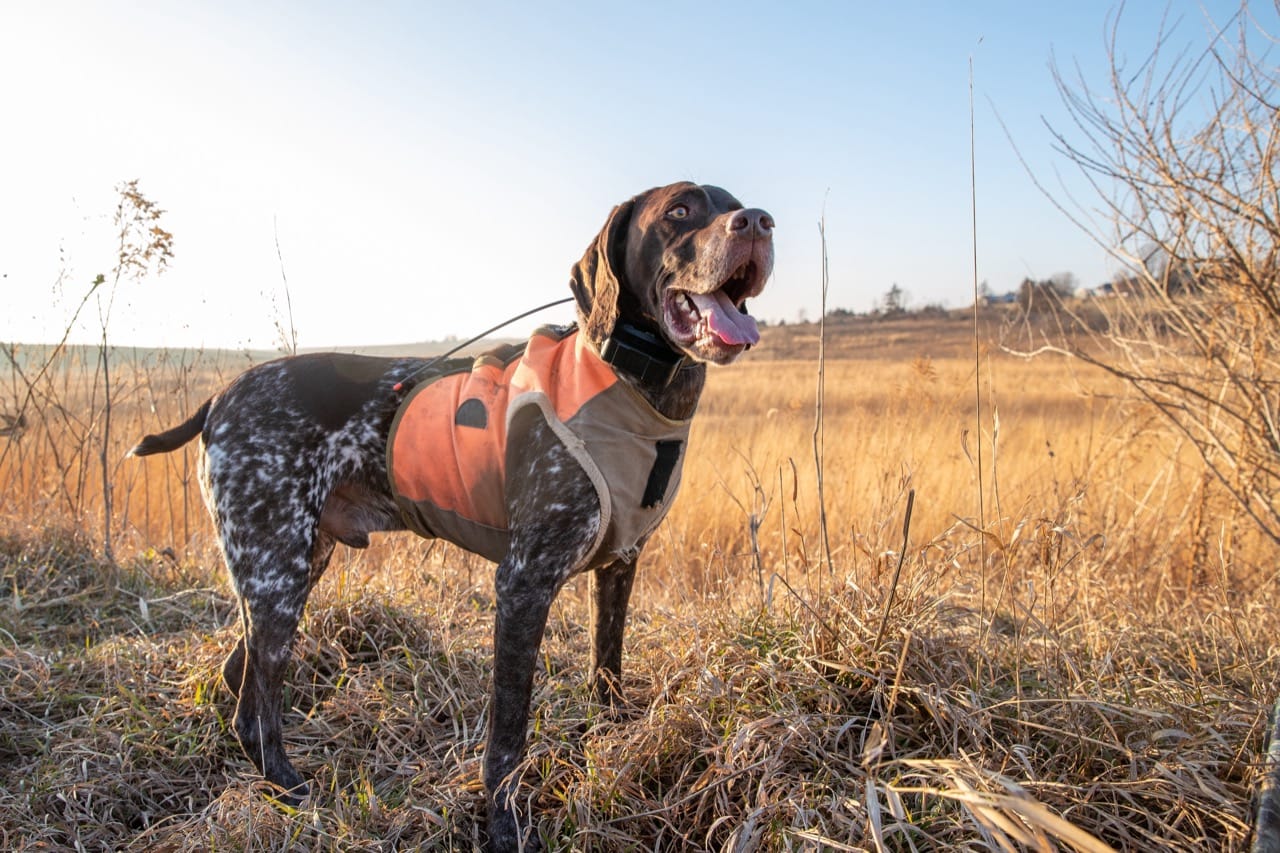
The biggest difference maker in a GSP household is meeting the dog’s need for purposeful activity. A quick stroll around the block rarely touches their energy reserves. Many thrive with a mix of running, hiking, structured games, and training sessions that make them think. They are often at their best when they have a job, even if that job is not hunting. Scent work, field style training, agility, dock diving, canicross, and long retrieves can all satisfy the same instincts. Mental work matters as much as physical work. A short, focused training session that challenges impulse control can tire a GSP more effectively than unstructured backyard time.
Because they were bred to work closely with people, many German Shorthaired Pointers are intensely people oriented. This is the shadow dog stereotype: they may follow you from room to room and prefer to be near you rather than alone in the yard. That closeness can be wonderful, but it also means they can struggle with too much isolation. Boredom and separation stress often show up as chewing, digging, barking, or creative home redesign. Crate training, gradual alone time practice, and giving them appropriate outlets before you leave can prevent a lot of frustration for both dog and human.
Their prey drive is real, and it is one of the most important practical facts to understand. Many GSPs are hardwired to notice birds, squirrels, rabbits, and sometimes cats. Off leash reliability is possible for some individuals, but it is not something to assume. A solid recall takes time and consistent reinforcement, and even well trained dogs can make impulsive choices when a fast moving animal appears. Secure fencing, long line training, and thoughtful leash habits are often the safest route, especially in areas with wildlife.
Coat care is one of the easier parts of the breed. The short coat sheds but usually does not mat, and a quick weekly brush can keep it under control. The tradeoff is that those short hairs can be surprisingly sharp and like to weave into fabric. Many owners learn that a vacuum and lint roller are part of the GSP starter kit. Basic grooming also includes nail trimming, ear checks, and dental care, particularly because active dogs can still develop ear irritation or broken teeth if they love hard chewing.
Training is where the breed shines, provided the approach matches the dog. German Shorthaired Pointers tend to learn quickly and respond best to clear, consistent guidance and rewards they value. Harsh methods often backfire by creating avoidance or frantic behavior. These dogs are sensitive and driven at the same time, so the sweet spot is confident structure with plenty of outlets for their intensity. Early socialization and impulse control work can help prevent common issues like jumping, counter surfing, and leash pulling, all of which can be magnified by their strength and enthusiasm.
Health wise, they are generally robust, but active lifestyles come with risks. They can pick up cuts, foxtails, or sore pads after long runs, so quick post activity checks are smart. Like many medium to large athletic breeds, they may be prone to hip problems, bloat risk, and certain eye issues, so responsible breeding and regular veterinary care matter. Feeding routines that avoid intense exercise right around meals can be a sensible precaution.
Living with a German Shorthaired Pointer often feels like sharing your home with a teammate who wants to be involved in everything. When their needs are met, they are affectionate, funny, and impressively capable. When their needs are ignored, they can become a whirlwind with legs. The real trivia of the breed is not obscure facts, but the everyday realities: they are versatile by design, happiest with a mission, and most likely to choose you as their favorite place to be.