The GSP, Germany’s Do-It-All Gun Dog
Quiz Complete!
How Landscape Shaped the German Shorthaired Pointer
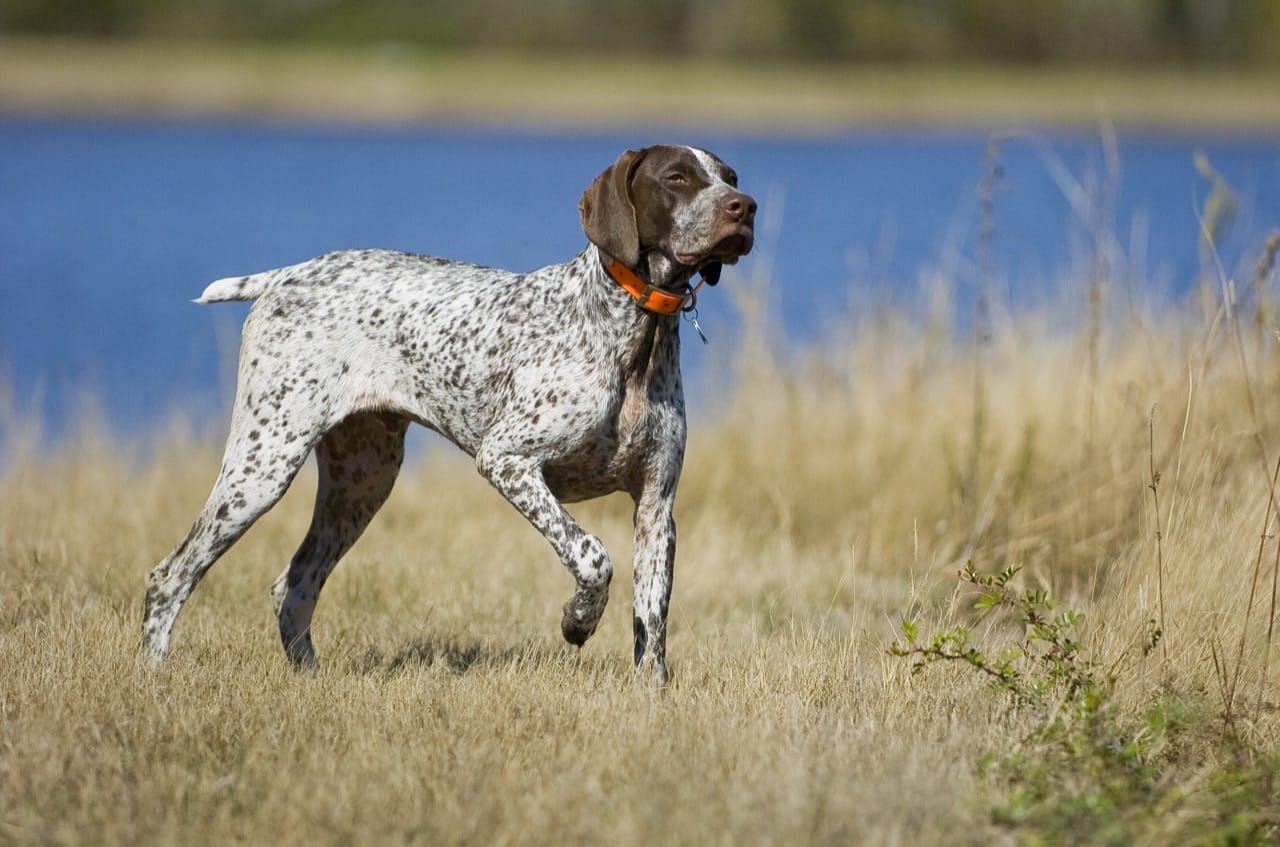
The German Shorthaired Pointer was designed with a map in mind. In nineteenth century Germany, hunters wanted one dog that could work across mixed country instead of keeping separate specialists for birds, furred game, tracking, and retrieving. Farms, hedgerows, forests, and marshy edges could all appear in the same day’s hunt, so the ideal dog needed to move efficiently, think independently, and switch tasks without losing drive. That demand for versatility is the key to understanding why the breed looks and behaves the way it does.
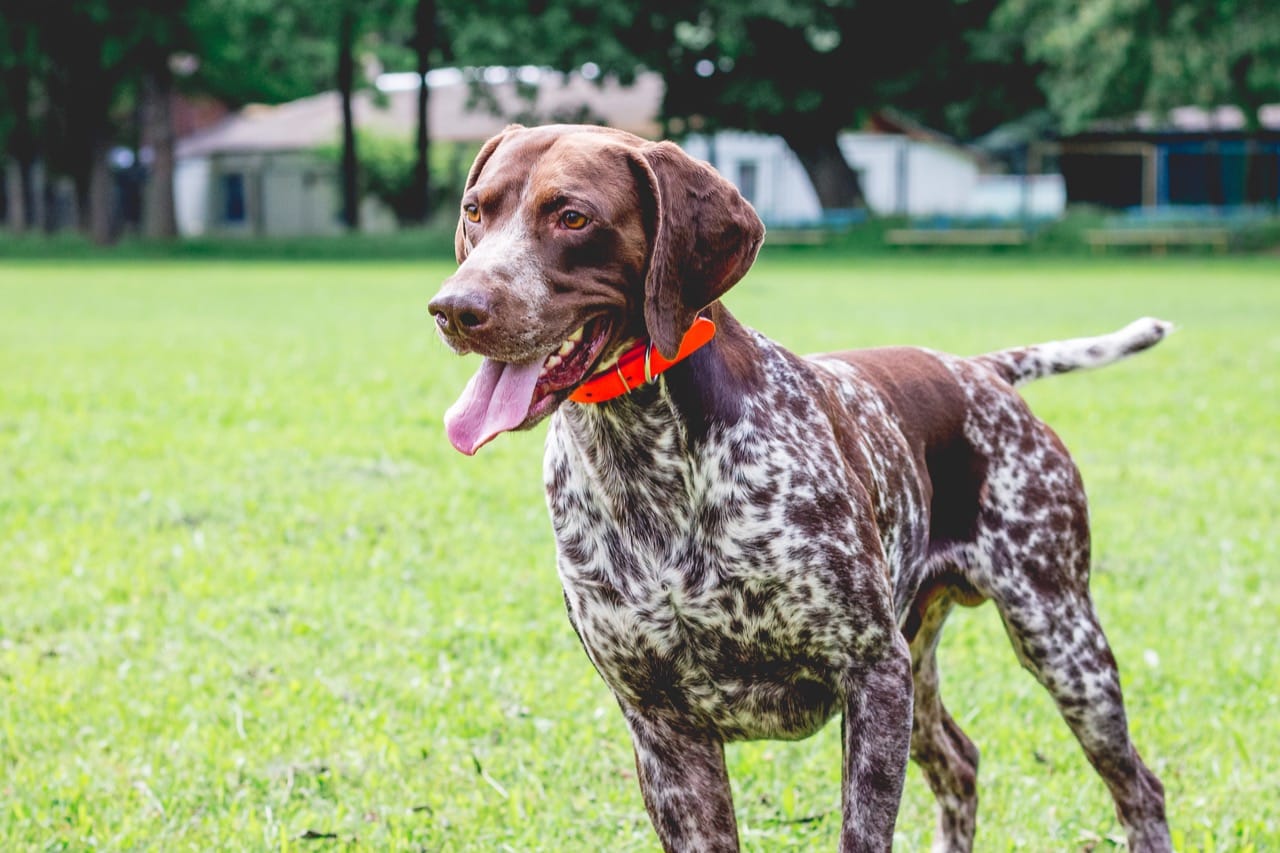
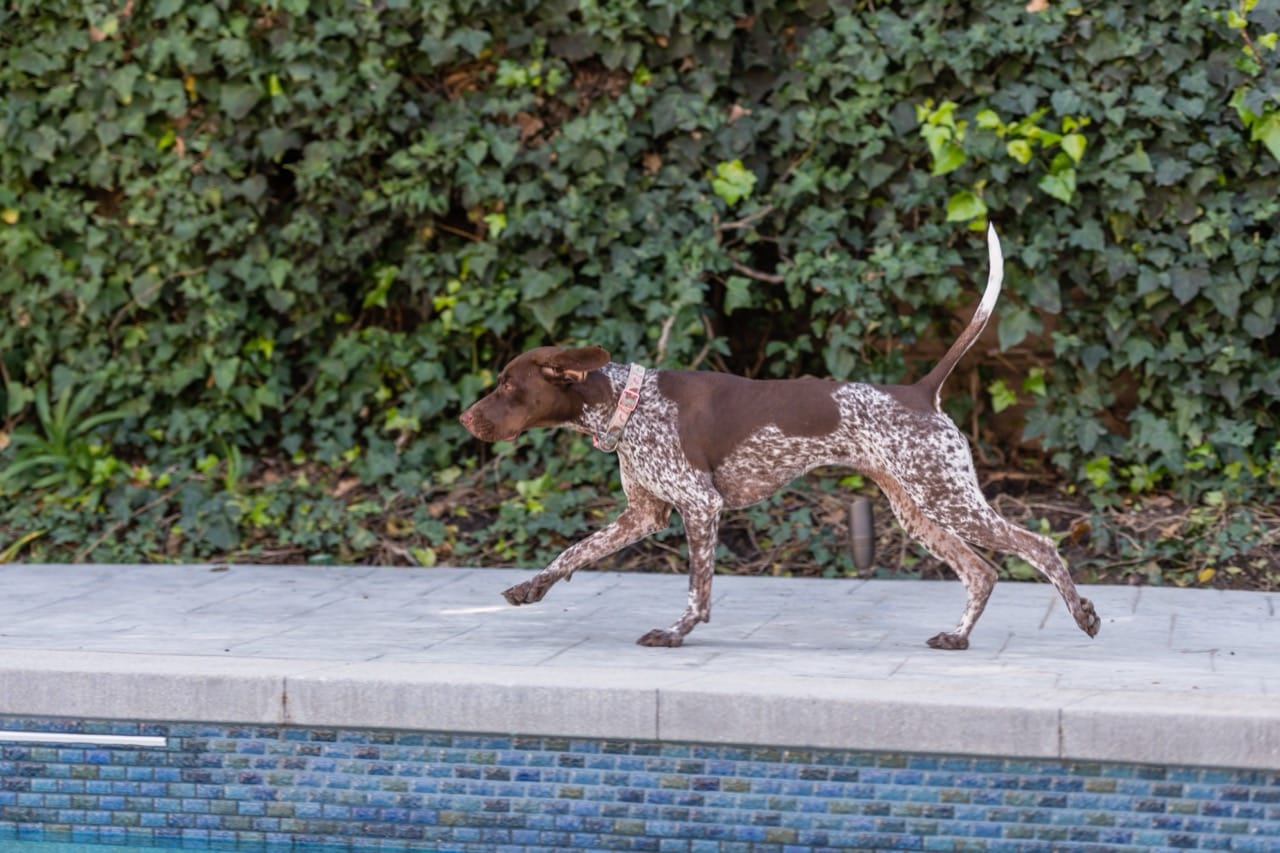
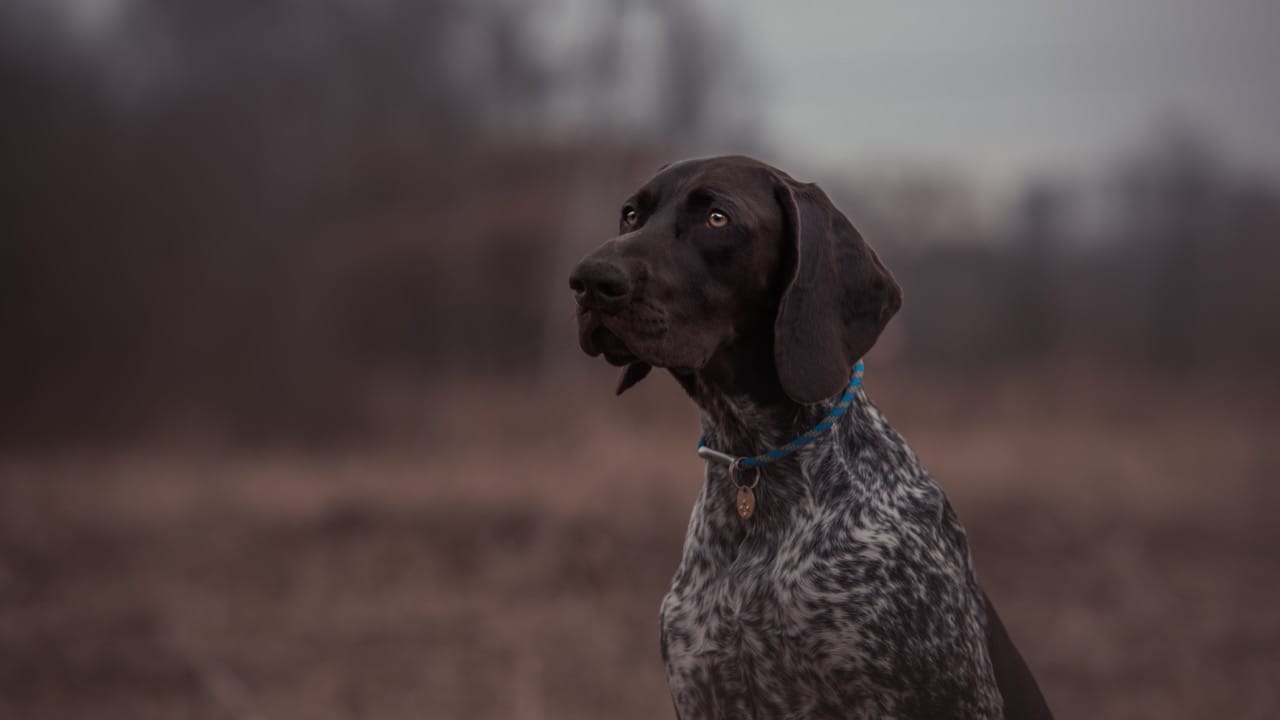
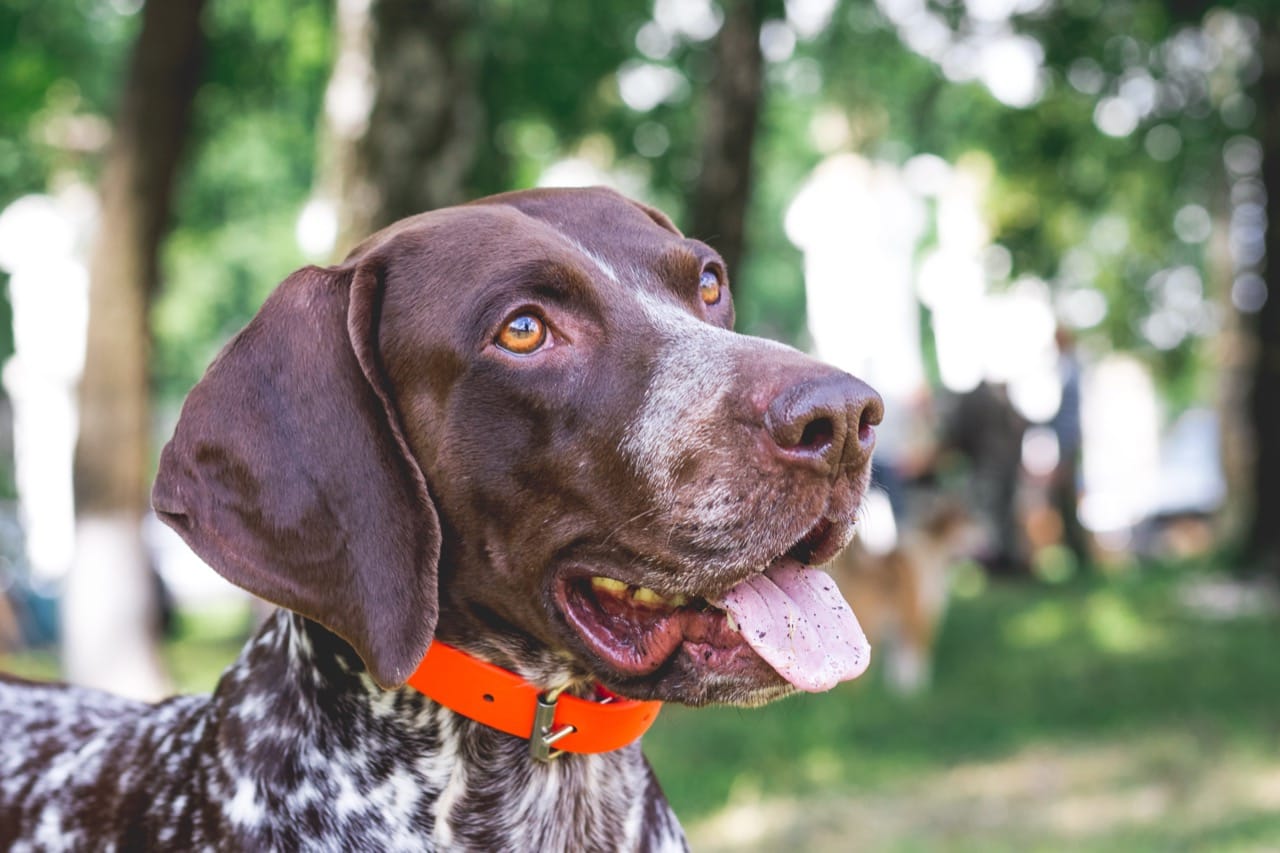
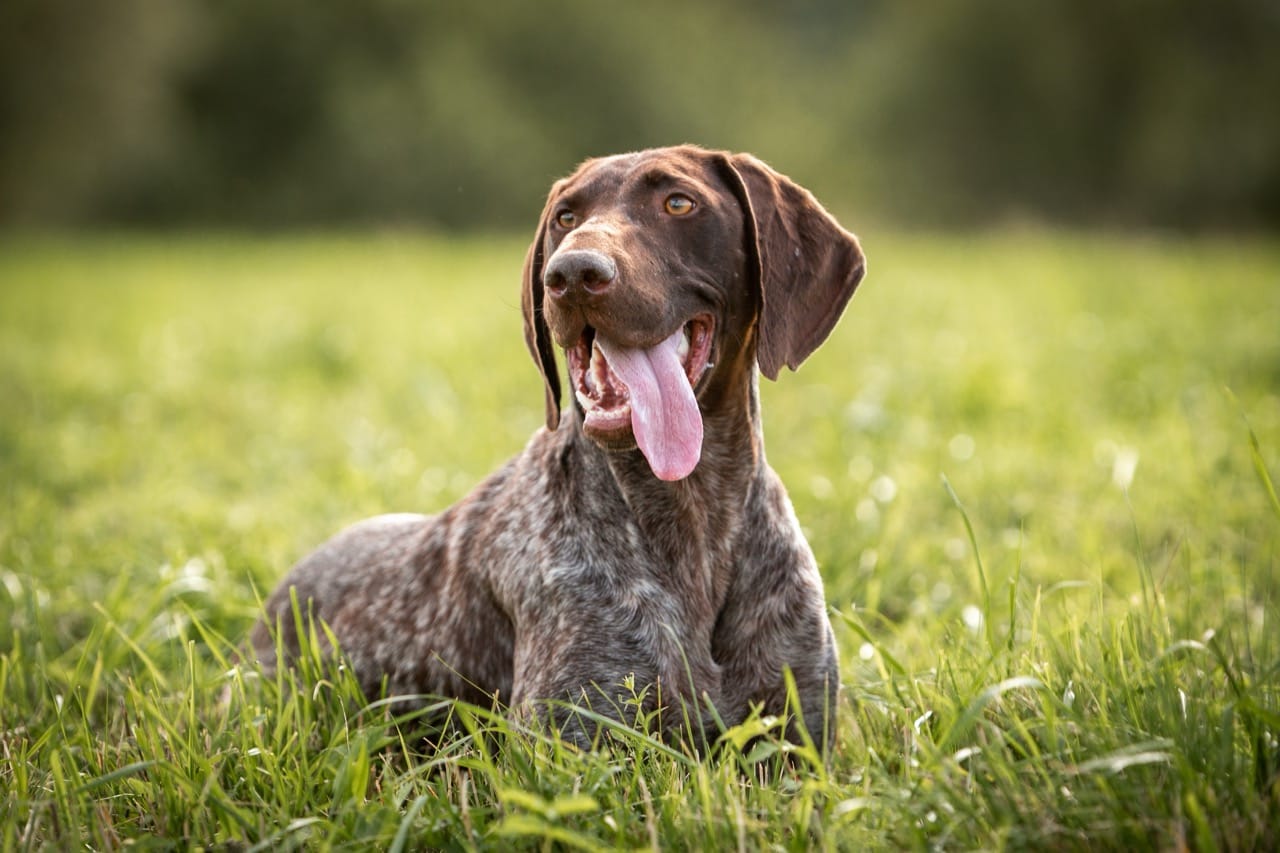
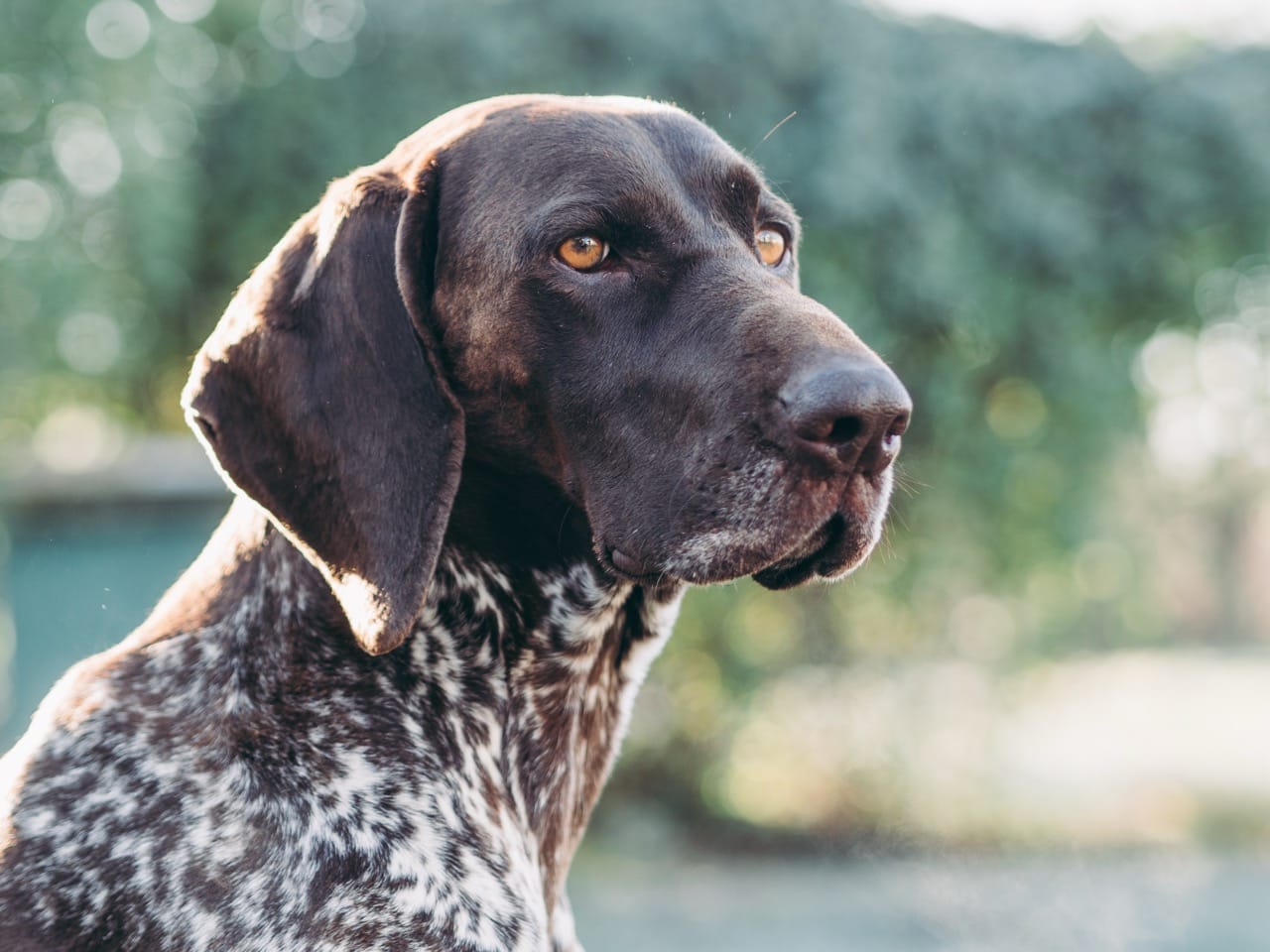
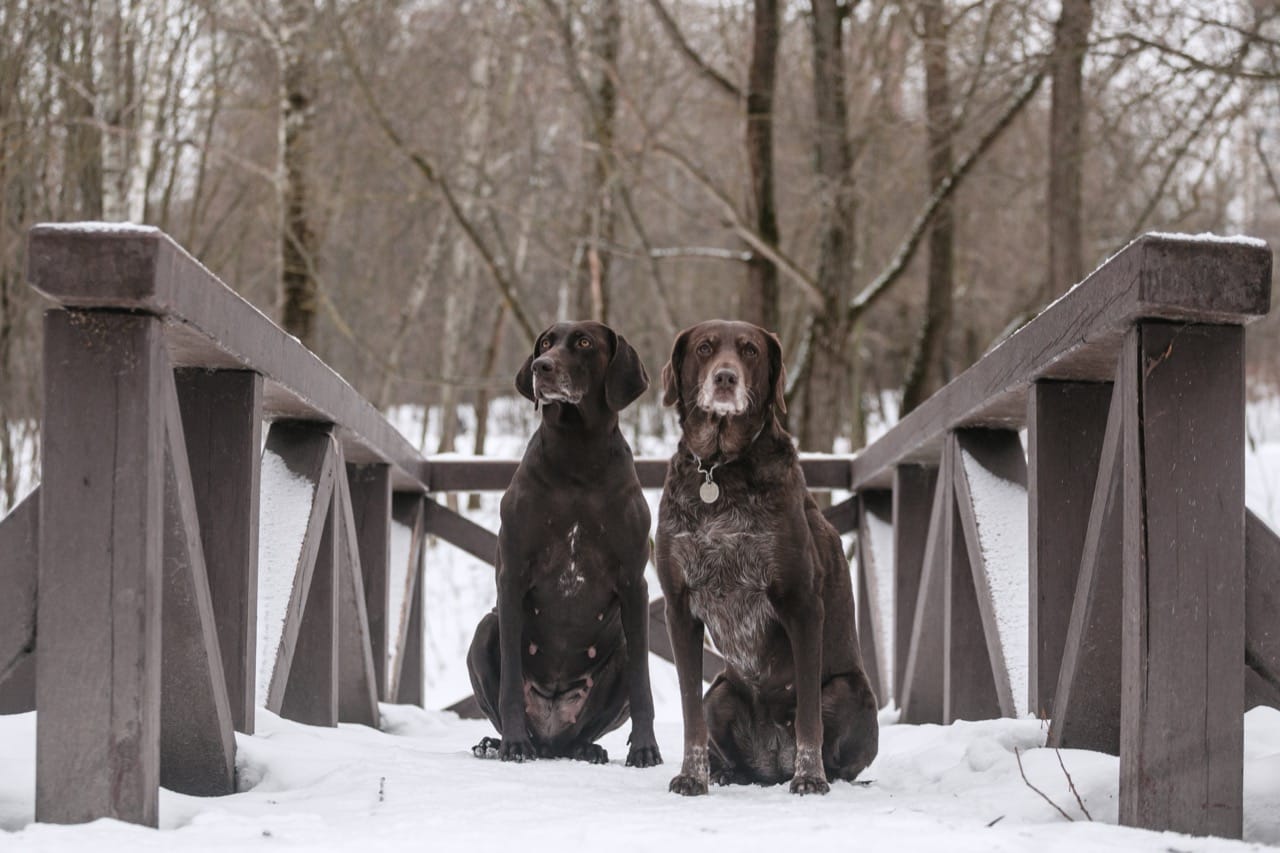
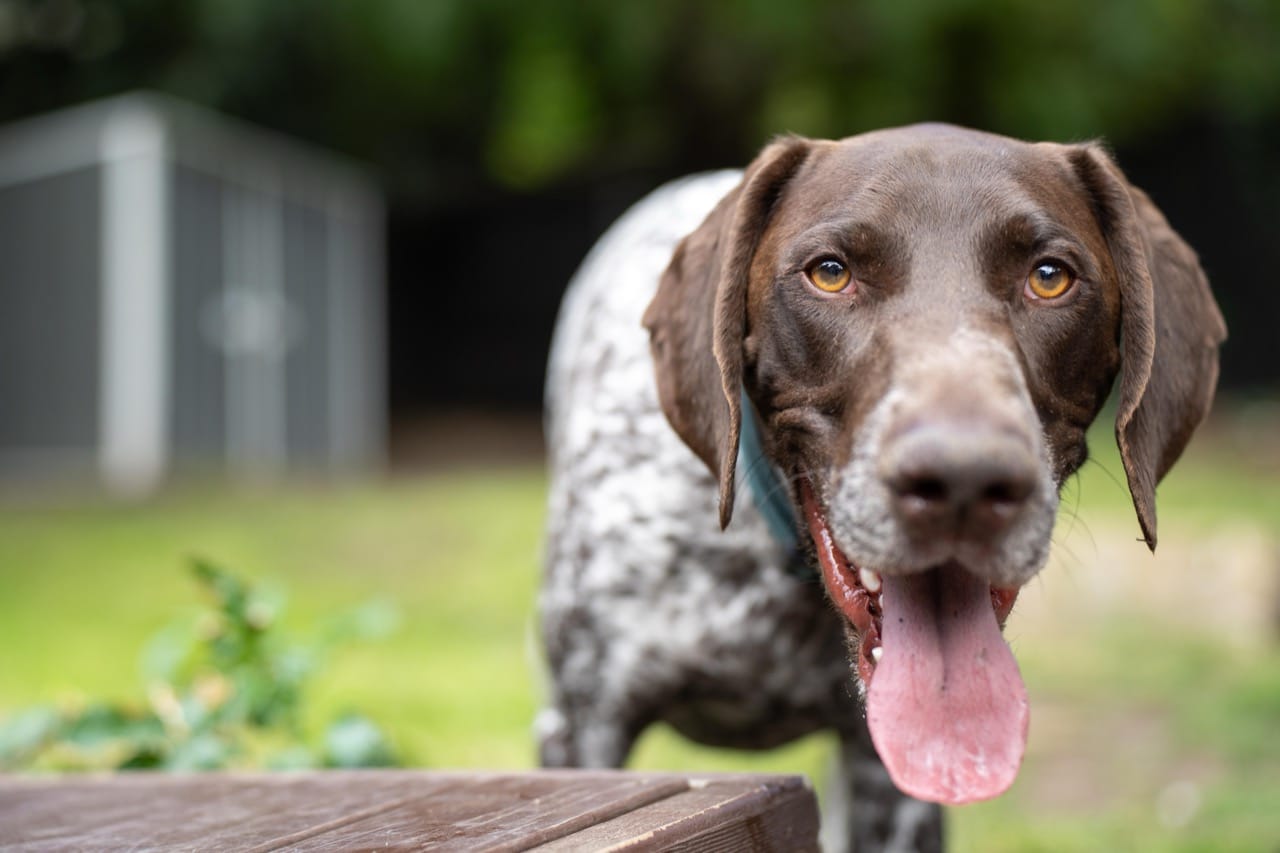
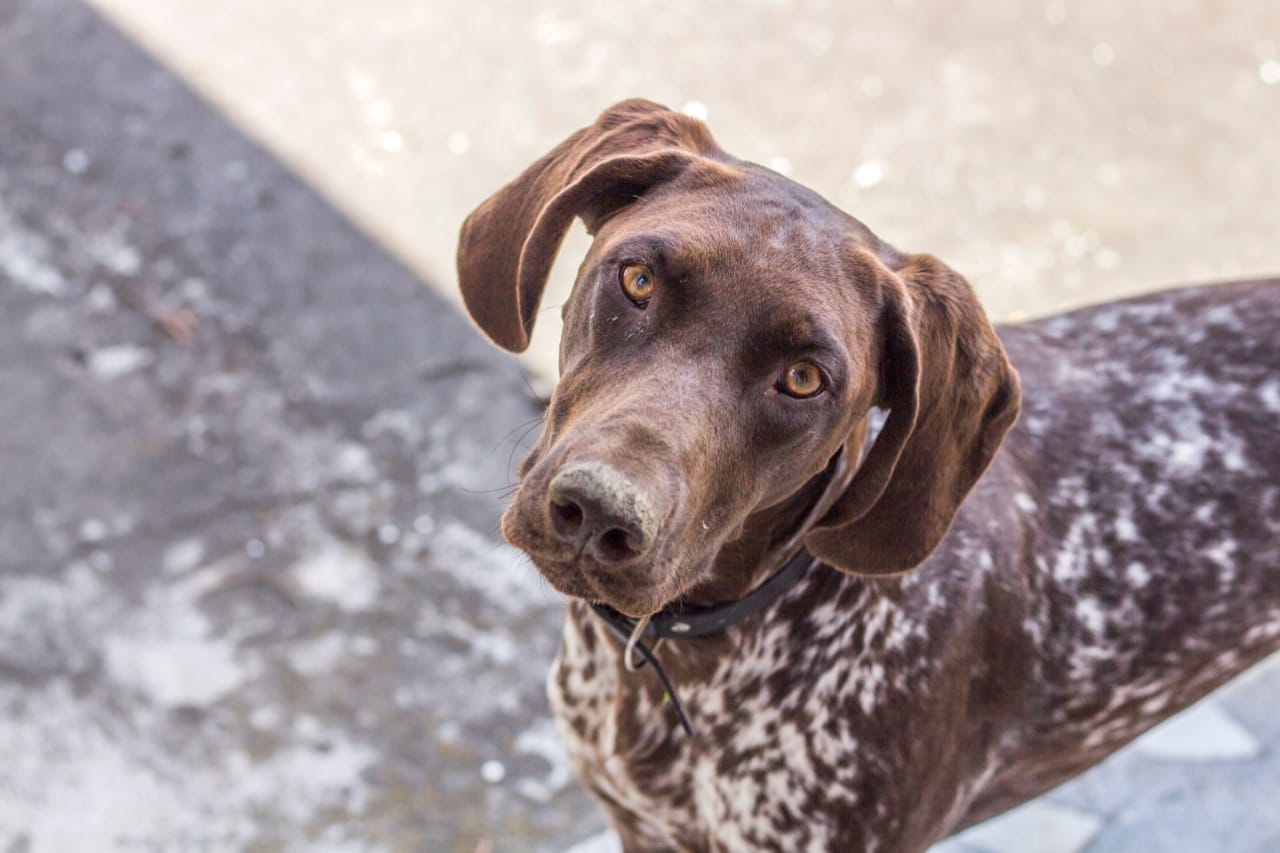
Start with the coat. A short, dense coat is not just a style choice; it is a practical compromise for damp cover and variable weather. Long feathering can collect burrs, ice, and mud, slowing a dog and chilling it when wet. A close coat sheds water and dries faster after pushing through wet grass or a reed bed. It also reduces the amount of debris that clings to the dog when it works in thorny brush or stubble fields. At the same time, the coat is dense enough to offer a measure of insulation and protection from minor scrapes, which matters when a dog spends hours moving through rough vegetation.
Feet and legs tell the same story. A field dog needs strong, tight feet to handle long distances over uneven ground, from plowed soil to forest floor to gravel tracks. Compact, well-arched toes act like shock absorbers and help prevent splits and injuries. The breed’s overall build aims for endurance rather than sheer bulk: enough muscle to power across open ground, but not so heavy that it overheats or tires quickly. In practical terms, this means a dog that can quarter a field at a steady pace, then push into thicker cover, then swim a short retrieve, all without falling apart halfway through the day.
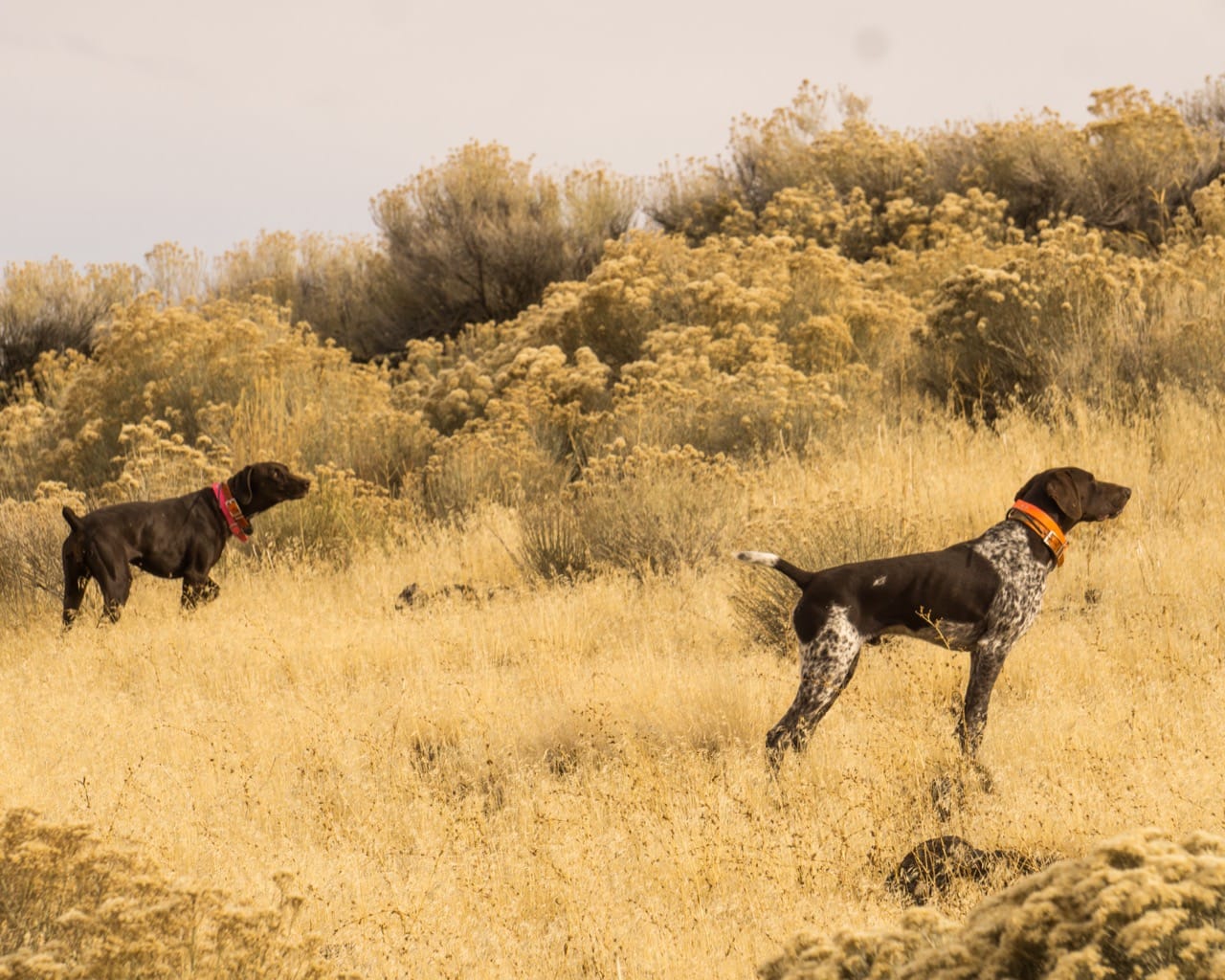
The famous point is another landscape-driven tool. When a dog hunts birds in cover, scent does not behave like a neat arrow pointing at the target. Wind, humidity, temperature, and vegetation all bend and pool odor. A dog with a sensitive nose and the instinct to freeze on scent gives the hunter time to approach and prepare for a flush. That motionless point is not only dramatic; it is efficient. It prevents the dog from blundering in too early, which could send birds out of range, and it lets the dog use air scenting to pinpoint where the strongest scent cone is drifting.
Versatility is where the German Shorthaired Pointer differs from a single-purpose specialist. A dog bred only to point might not naturally retrieve, and a dedicated retriever may not have the same instinct to lock up on scent before the flush. The GSP was developed to do both, plus track wounded game. Tracking requires a different use of the nose, often with the head lower, following ground scent and disturbance. That ability matters in real hunting, where recovering game is an ethical responsibility and where terrain can quickly hide a downed bird or a running animal.
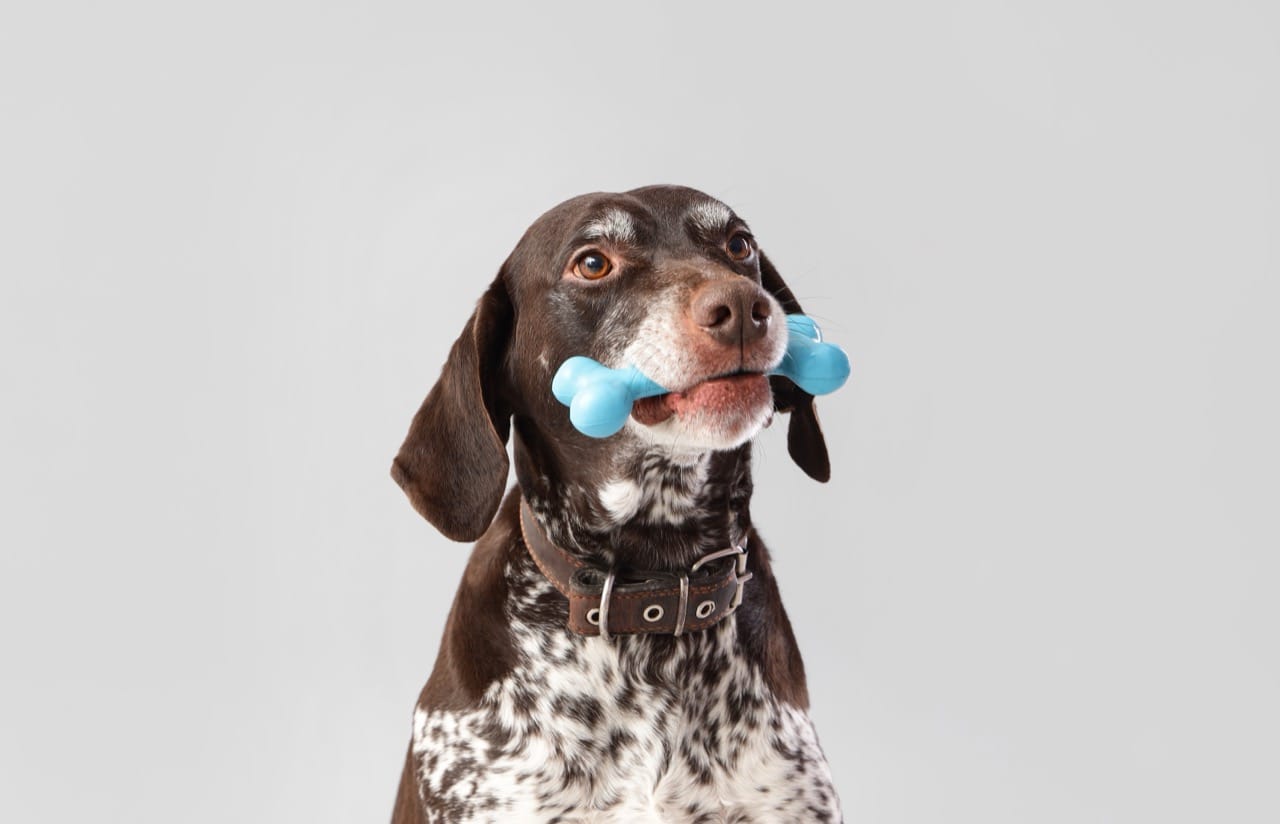
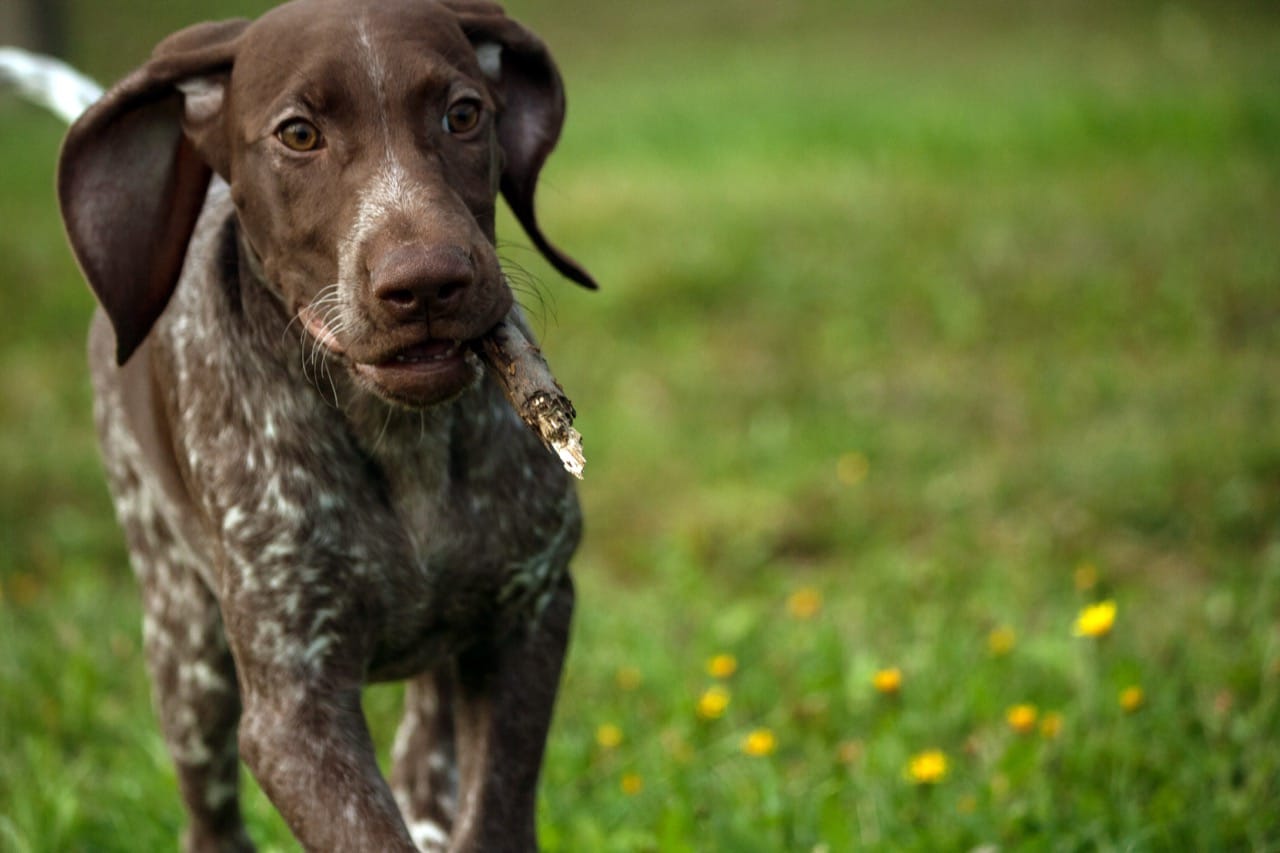
Water work adds another layer of design. A dog that can enter cold water, swim with purpose, and deliver game to hand needs confidence, coordination, and a body that moves well in water. The short coat dries quickly afterward, and the athletic frame supports strong swimming without excessive drag. Many individuals also show a strong desire to carry objects, which turns retrieving from a trained behavior into something the dog finds inherently rewarding.
All of these traits depend on the brain as much as the body. A dog built for big, varied spaces must make decisions at a distance, keep hunting even when it cannot see the handler, and remain responsive enough to take direction when needed. That blend of independence and cooperation is why training matters so much for the breed. The German Shorthaired Pointer’s fieldcraft is a partnership: the dog reads wind and cover, the handler reads the dog, and the landscape shapes every moment of the hunt.