Shih Tzu Care: Beyond the Topknot





Quiz Complete!
Living Well With a Shih Tzu: Practical Companion Care
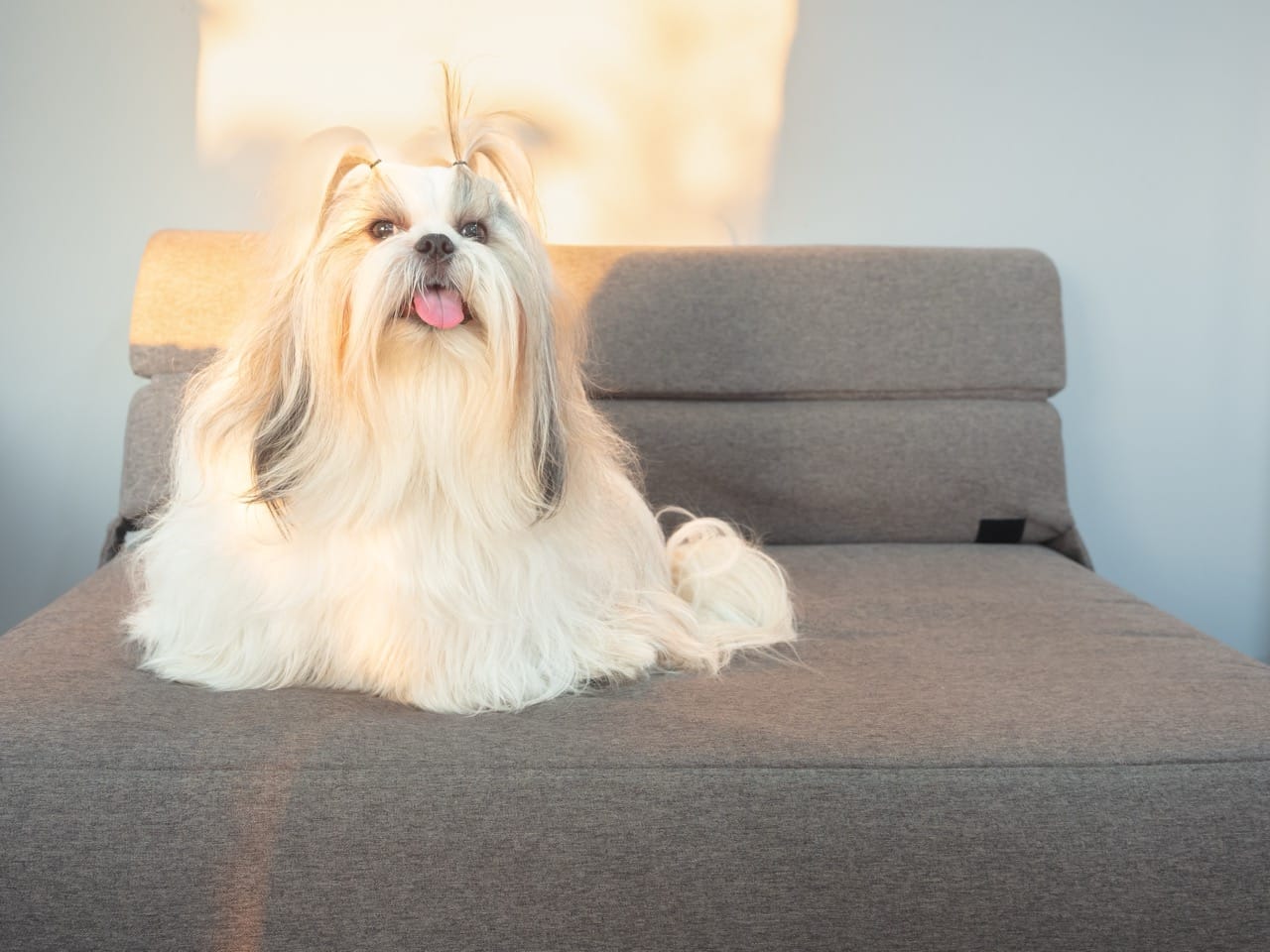
Shih Tzus look like little lap dogs, but they are also sturdy, curious companions with a strong preference for being near their people. The breed was developed to live closely with humans, and many Shih Tzus act like tiny shadows, following family members from room to room and settling wherever the action is. This closeness is charming, but it also means they can become upset when left alone for long stretches. Building calm independence is a useful life skill: short, low drama departures, safe chew toys, and rewarding quiet behavior can help prevent clinginess from turning into separation anxiety.
Temperament tends to be friendly, alert, and sometimes a bit stubborn. They usually respond best to training that feels like a game rather than a drill. Harsh corrections can make a Shih Tzu shut down or dig in their heels, while short sessions with tiny treats, praise, and clear routines often work well. Because their small bladders and love of comfort can complicate house training, consistency matters. Frequent outdoor trips, especially after eating, waking, and playing, plus calm rewards for success, usually beat punishment for accidents. Many owners also find that crate training or a small playpen helps establish predictable habits.
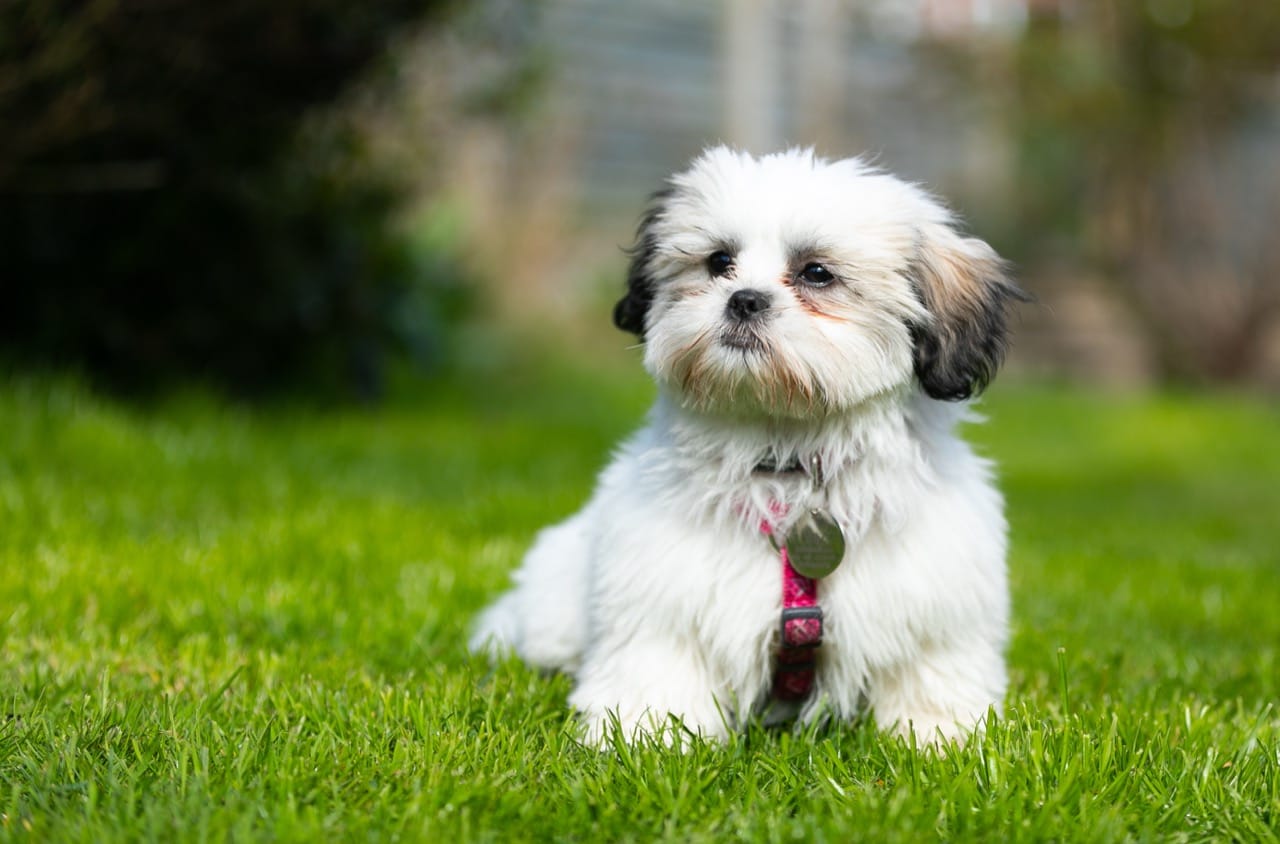
Exercise needs are moderate, but their brachycephalic anatomy changes the safety rules. The short muzzle can make it harder to cool down efficiently, so overheating is a real risk, especially in warm or humid weather. A couple of gentle walks and indoor play are often enough, and it is wise to avoid strenuous activity during the hottest part of the day. Watch for noisy breathing, slowing down, or reluctance to move, and treat those as signs to rest and cool off. A harness is typically safer than a collar because it reduces pressure on the neck and airway.
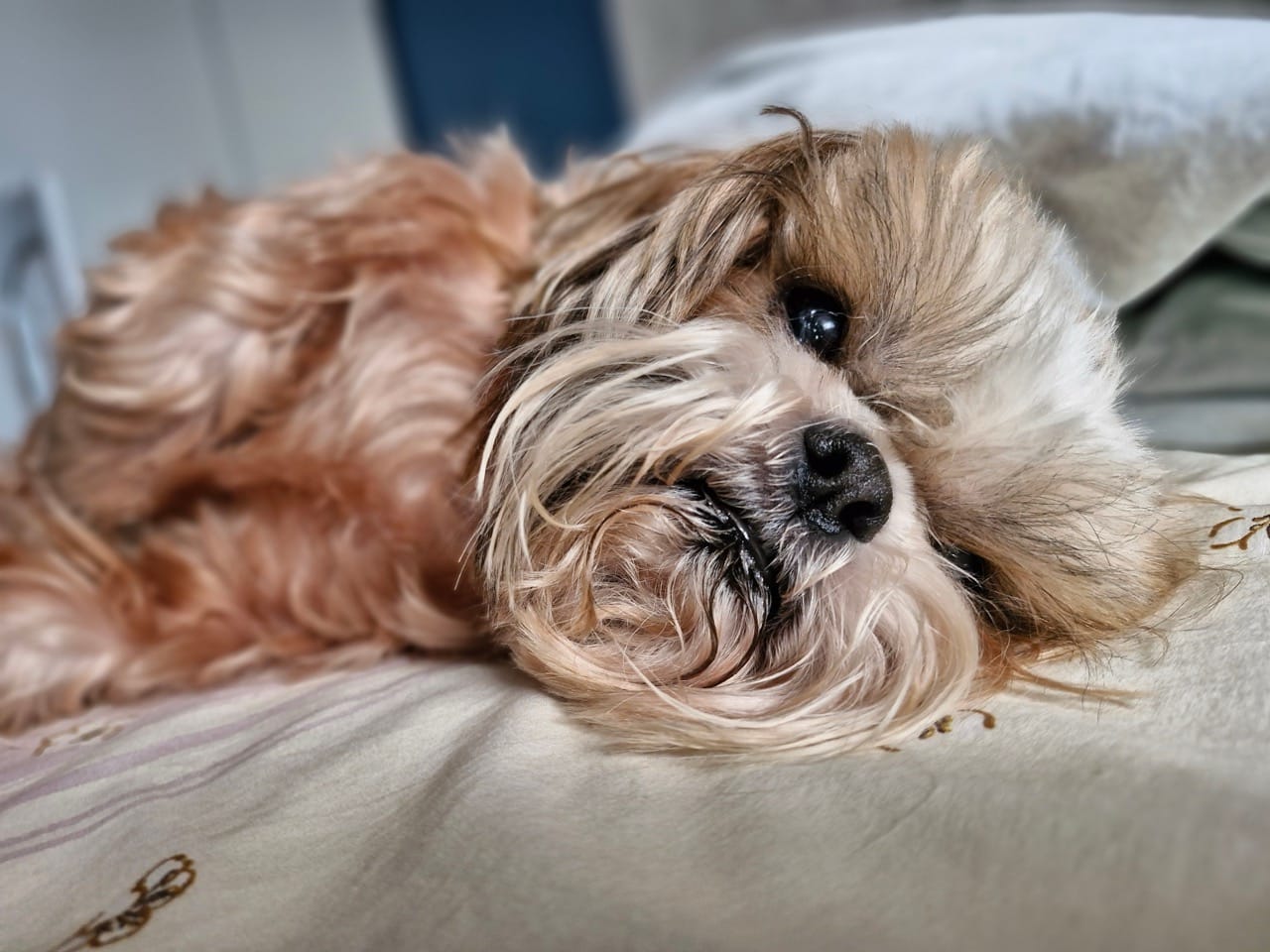
That adorable face comes with responsibilities. Shih Tzus have large, exposed eyes that can be prone to irritation or injury from dust, rough play, or hair poking into the eyes. Many owners do a quick daily eye check, wiping away discharge with a soft, damp cloth and keeping facial hair neatly trimmed or tied up. Sudden squinting, excessive tearing, redness, or a cloudy look are reasons to contact a veterinarian promptly, since eye problems can worsen quickly.
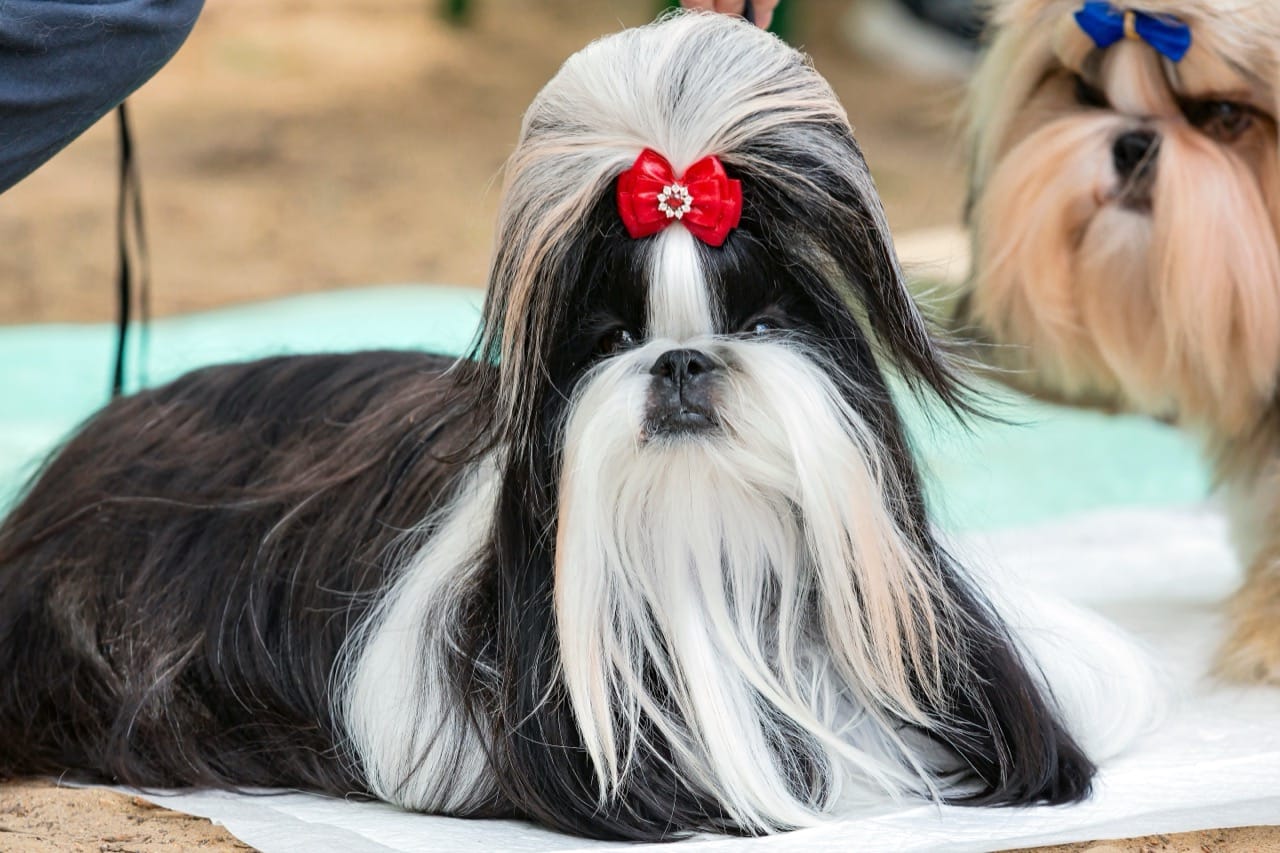
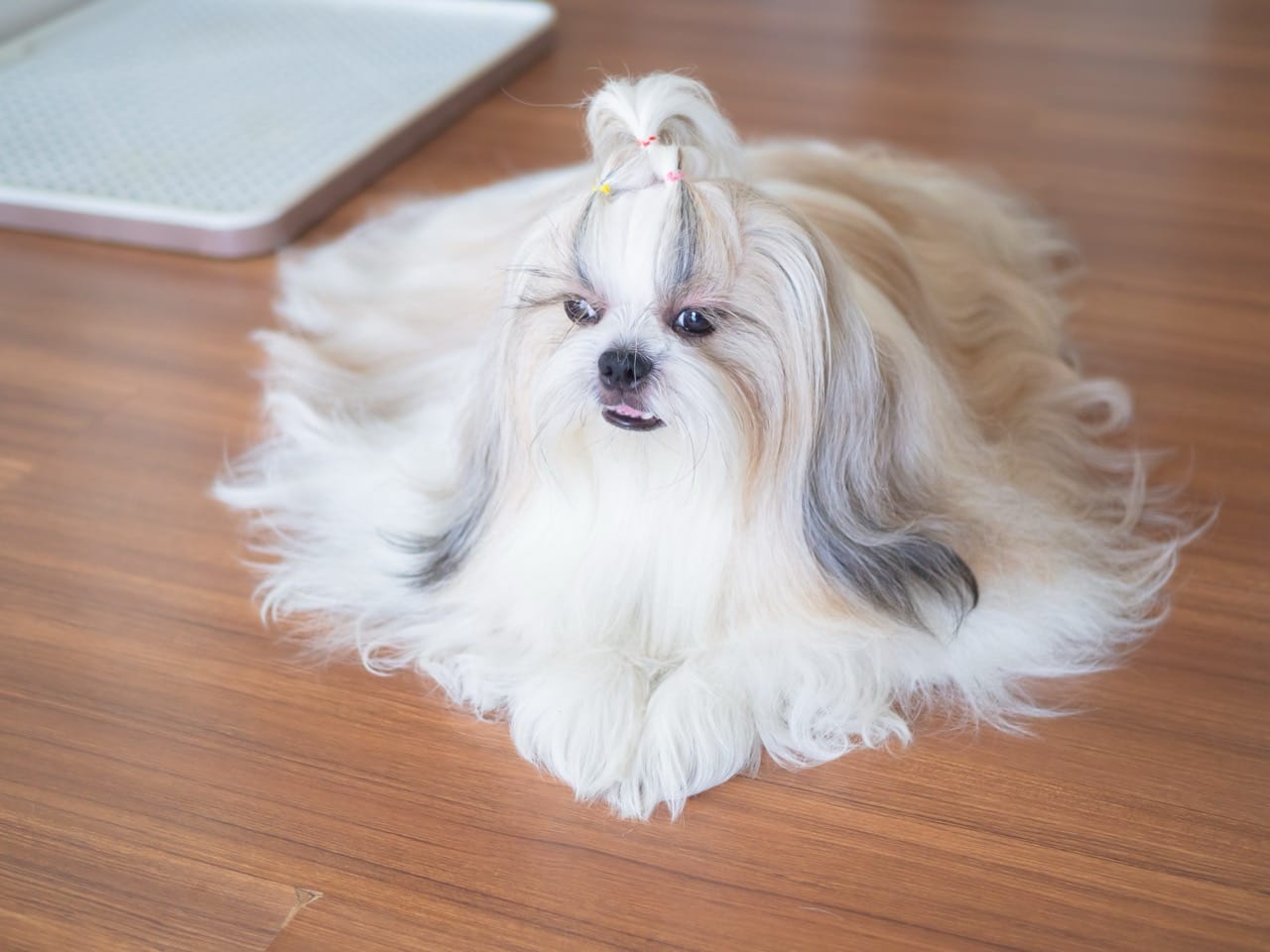
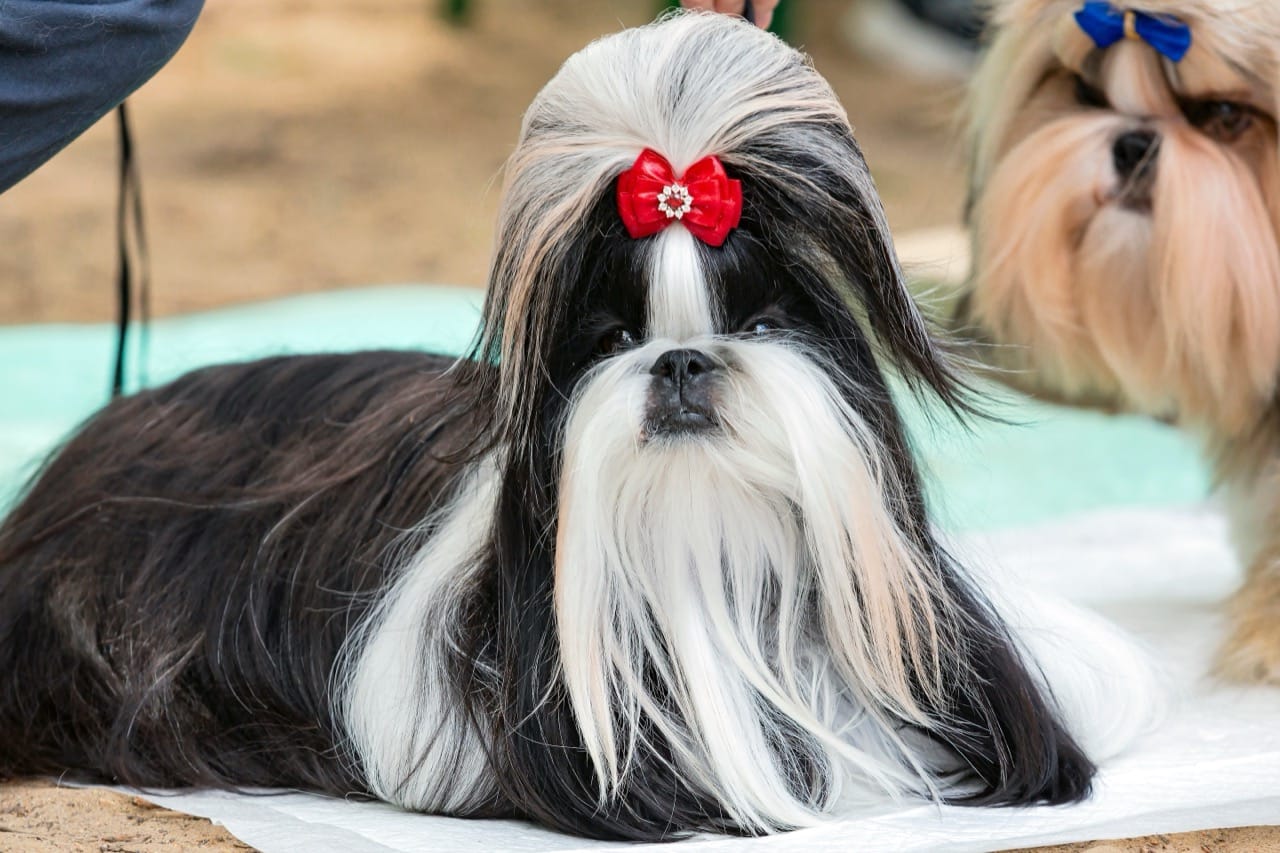
Their famous coat is less about shedding and more about maintenance. A long coat can mat easily, and mats are not just cosmetic; they can pull at the skin and trap moisture. Regular brushing down to the skin, not just over the top, helps prevent tangles. Many families choose a shorter puppy cut for practicality, but even short coats need routine brushing. Bathing on a schedule, followed by thorough drying, helps keep the skin healthy. Ears should be checked for odor or redness, nails trimmed before they click on the floor, and teeth brushed regularly, since small breeds are prone to dental disease.
Everyday comfort also means thinking about their size. Jumping off furniture can strain joints, so pet stairs or ramps can be a smart addition. Because Shih Tzus are social, they often thrive with gentle play, puzzle toys, and training tricks that let them show off. When their grooming, eye care, and heat safety needs are met, they repay it with a big personality in a compact body and the kind of companionship they were literally bred to provide.