The Shih Tzu’s Palace Years
Quiz Complete!
From Imperial Lapdog to Modern Shadow: How Palace Life Shaped the Shih Tzu
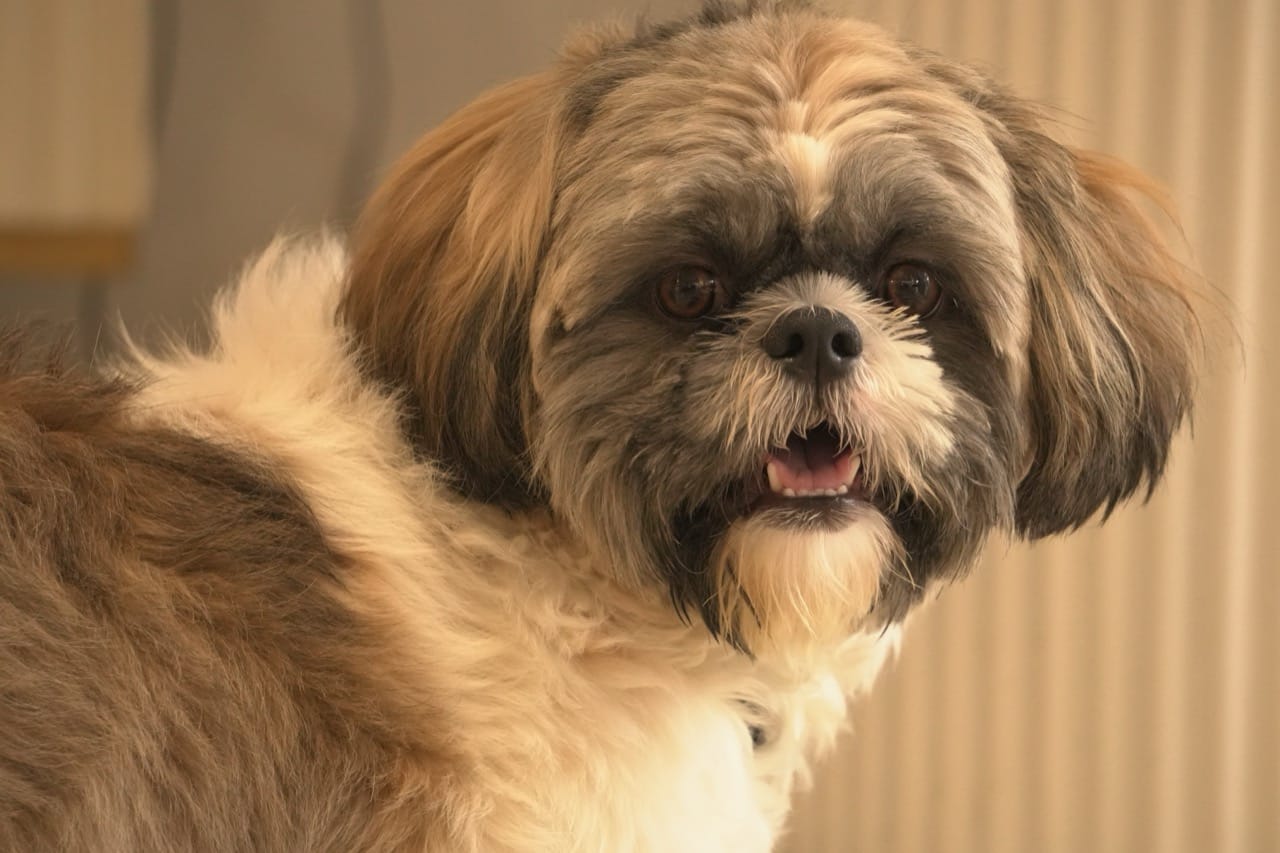
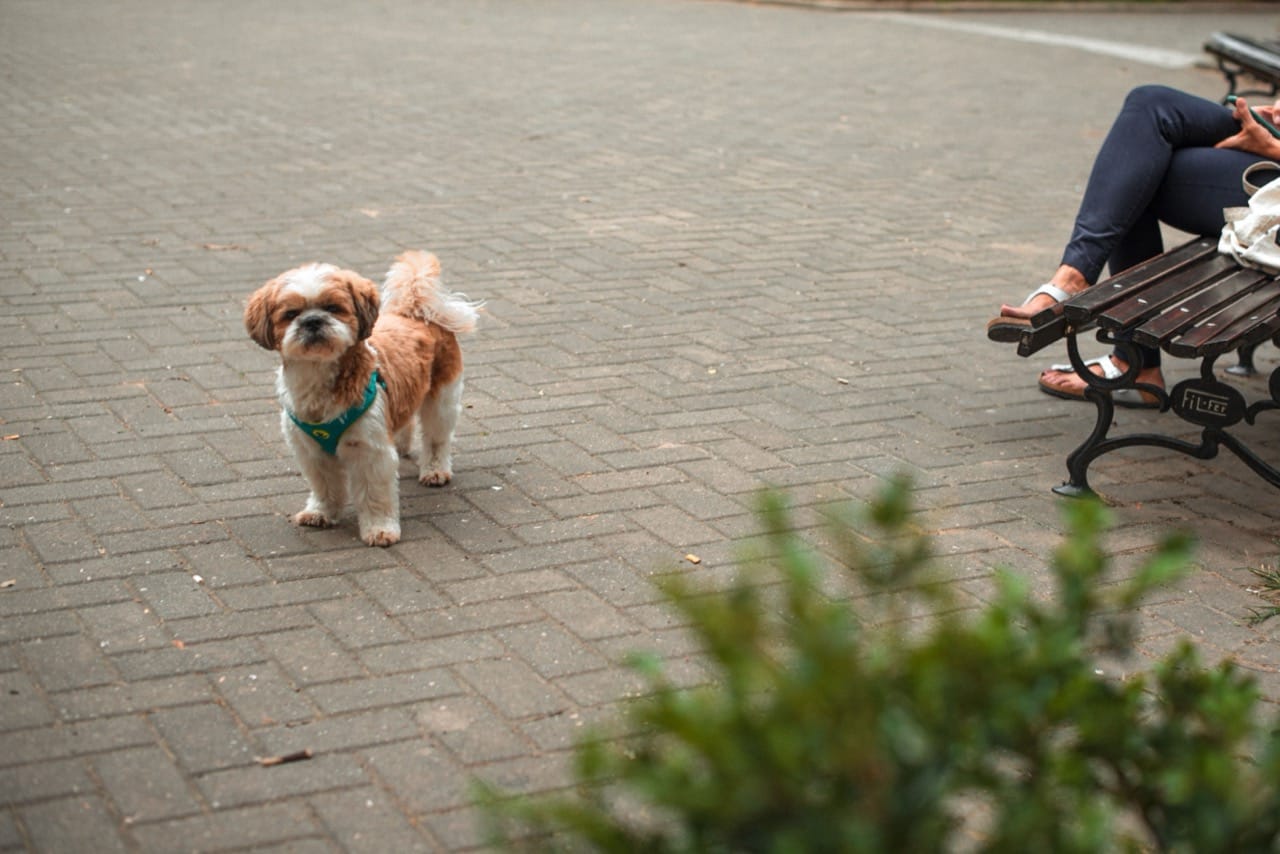
The Shih Tzu looks like it was designed for comfort and companionship, and in many ways it was. Long before it became a popular family pet around the world, this small dog was closely associated with the Chinese imperial court, where its main job was not herding, hunting, or guarding fields, but keeping people company. That single purpose left lasting marks on the breed’s appearance and behavior, and it helps explain why so many Shih Tzus seem happiest when they are near their favorite humans.
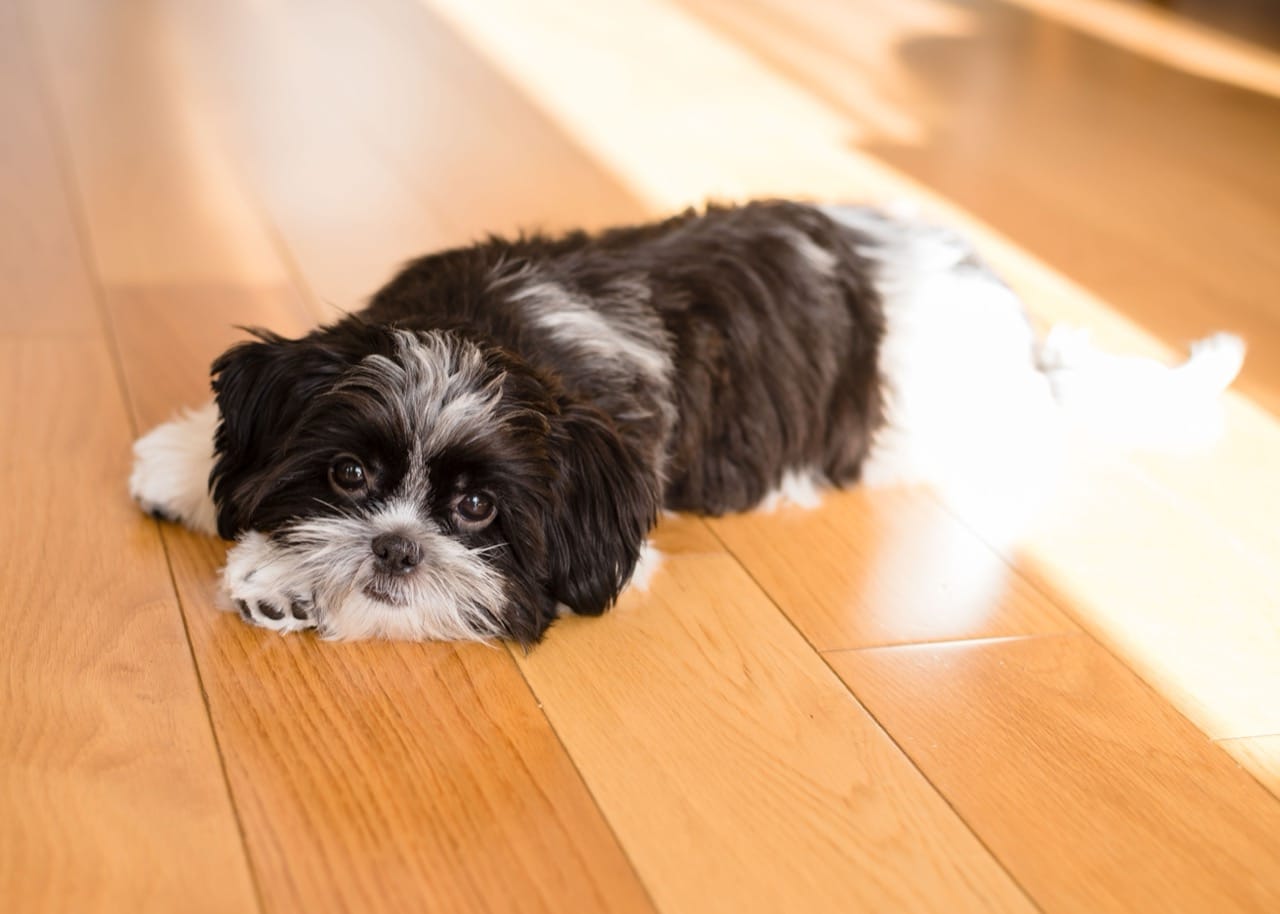
The breed is generally traced to small dogs from Tibet that were sent to the Chinese court as tribute. Historical accounts and art from imperial China describe small companion dogs living inside palaces, treasured as living ornaments and warm lap companions. The Shih Tzu is often linked with dogs kept during the Ming and Qing dynasties, with especially strong associations to court life in Beijing. These dogs were not selected for speed or endurance over rough terrain. Instead, they were bred to be appealing, manageable indoors, and pleasant to handle. When a dog’s world is made of polished floors, cushions, sleeves, and laps, the traits that thrive are different from those needed on a farm.
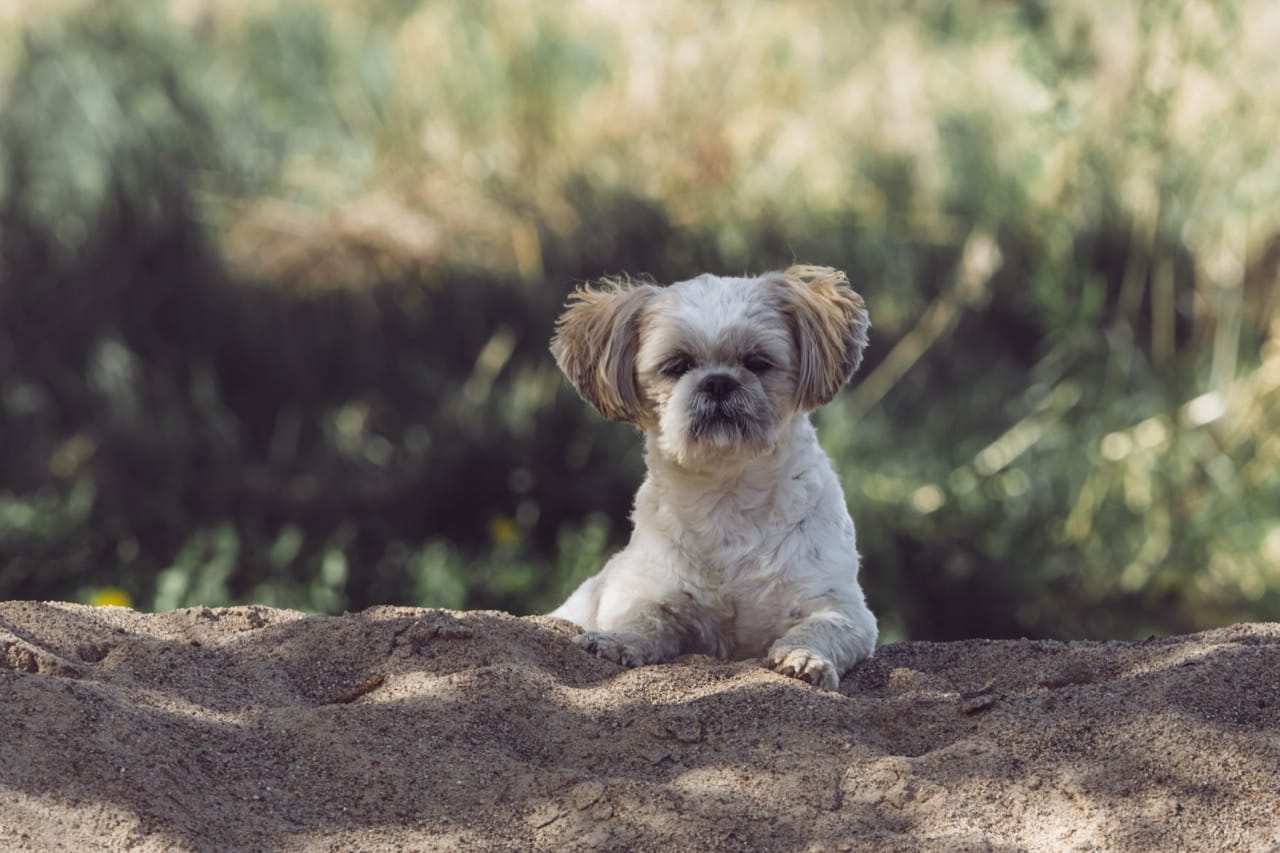
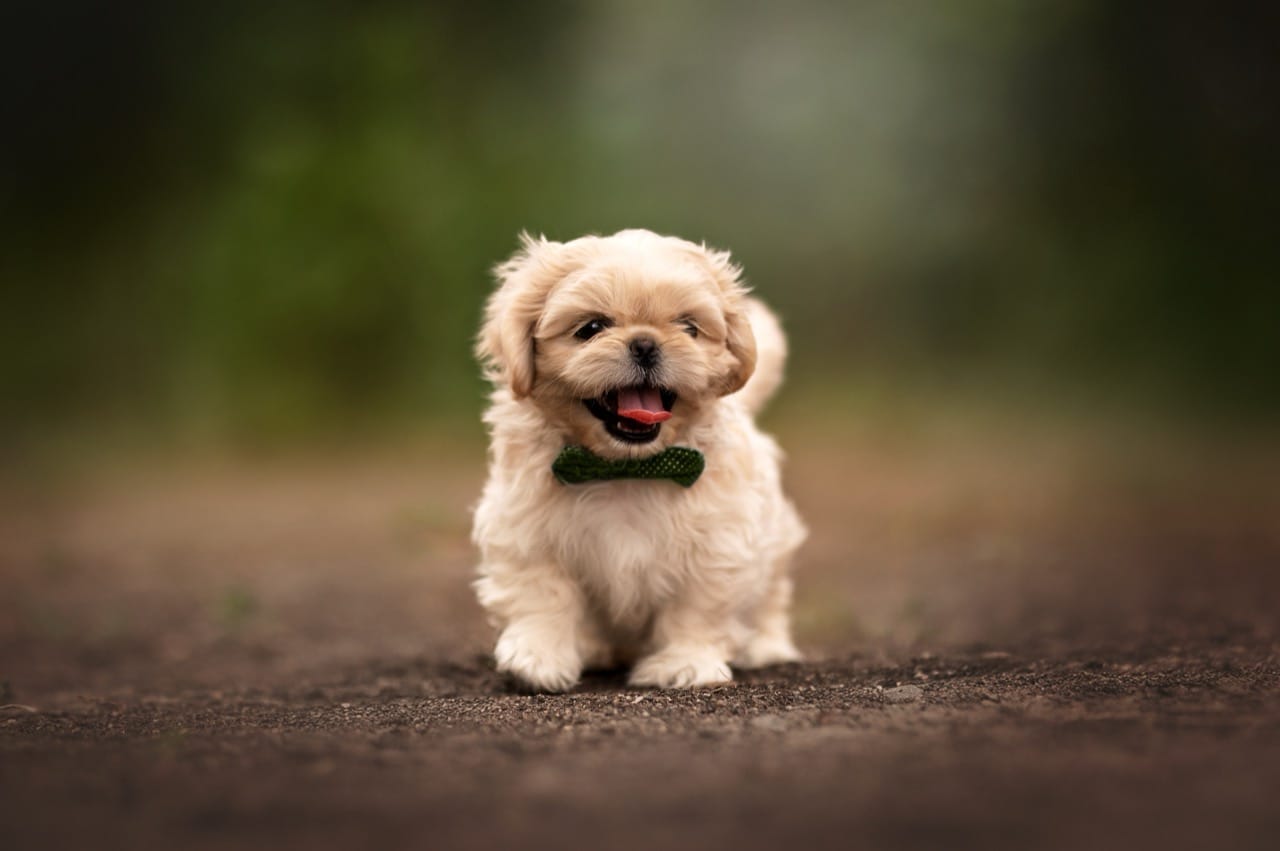
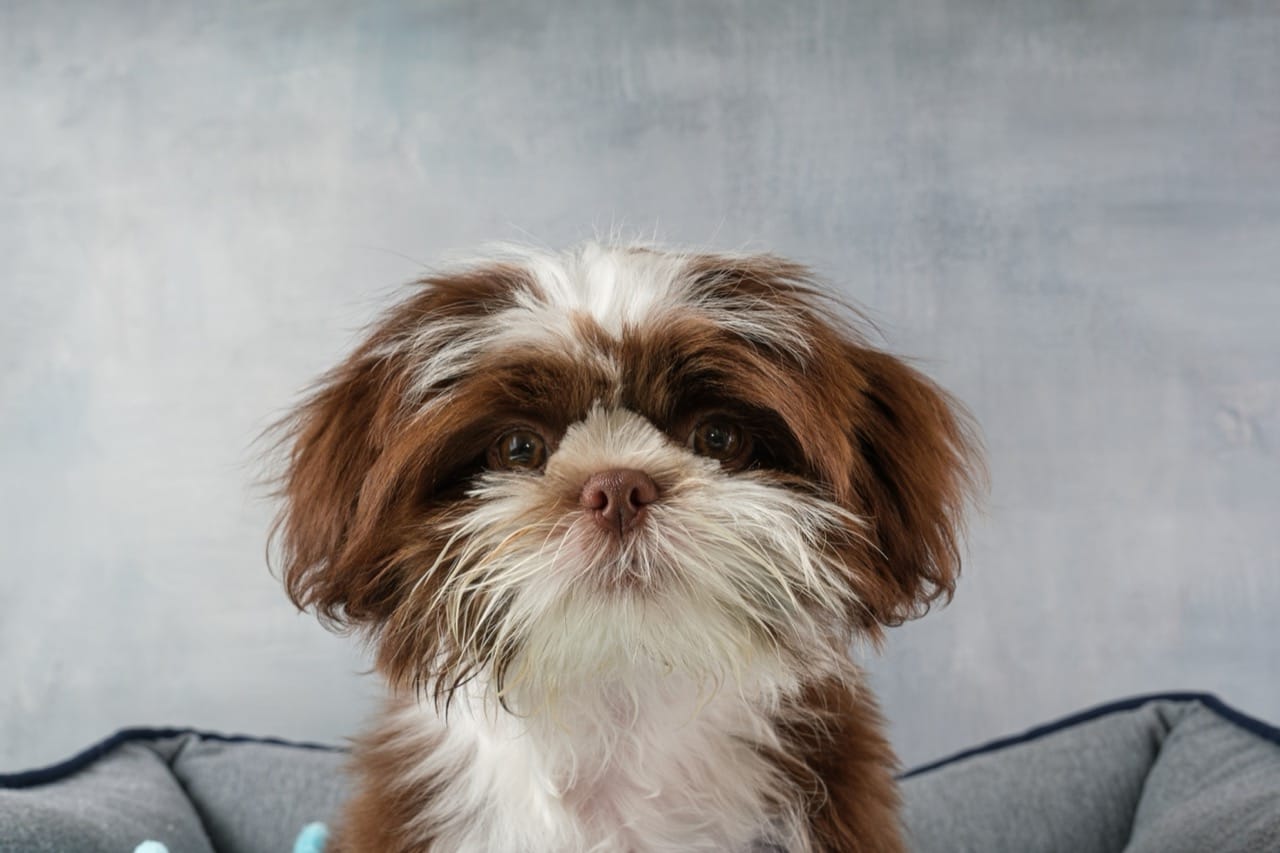
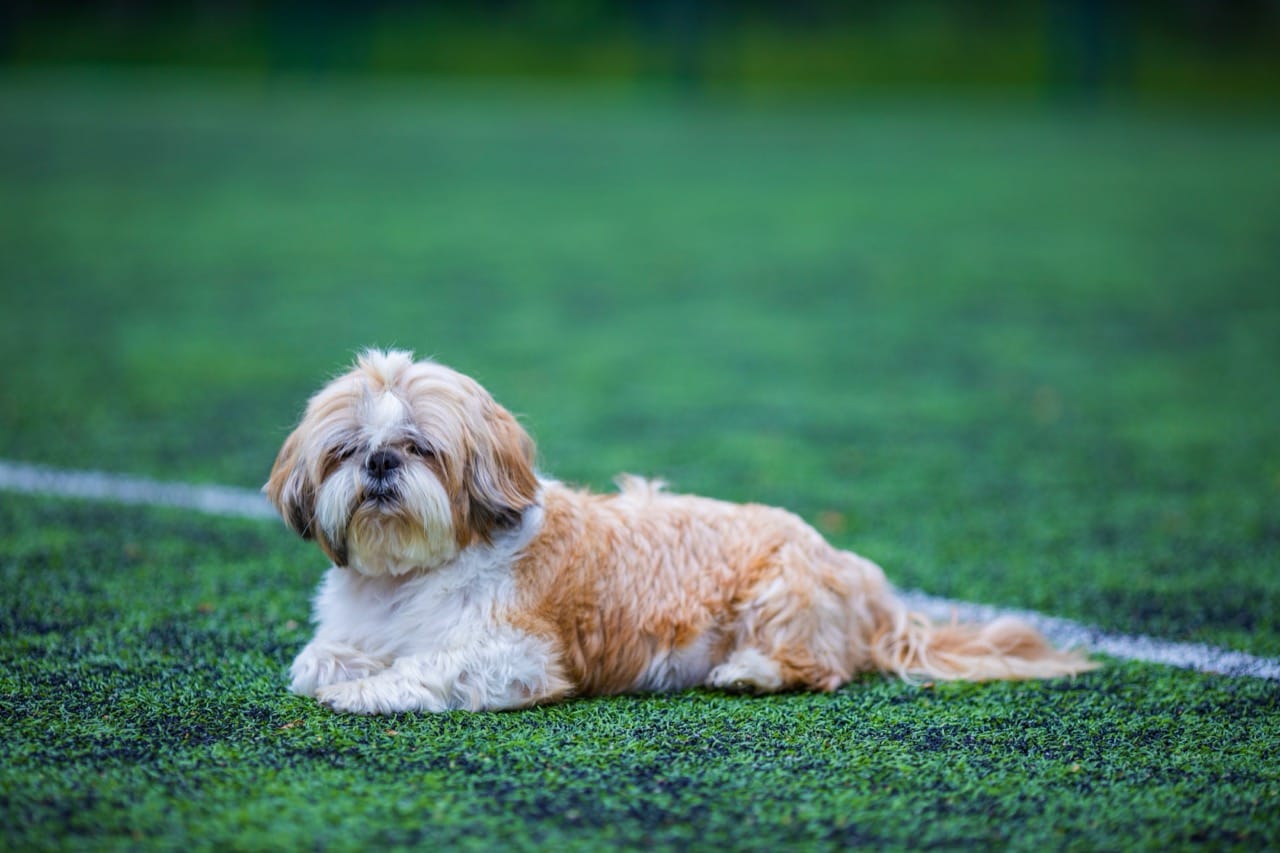
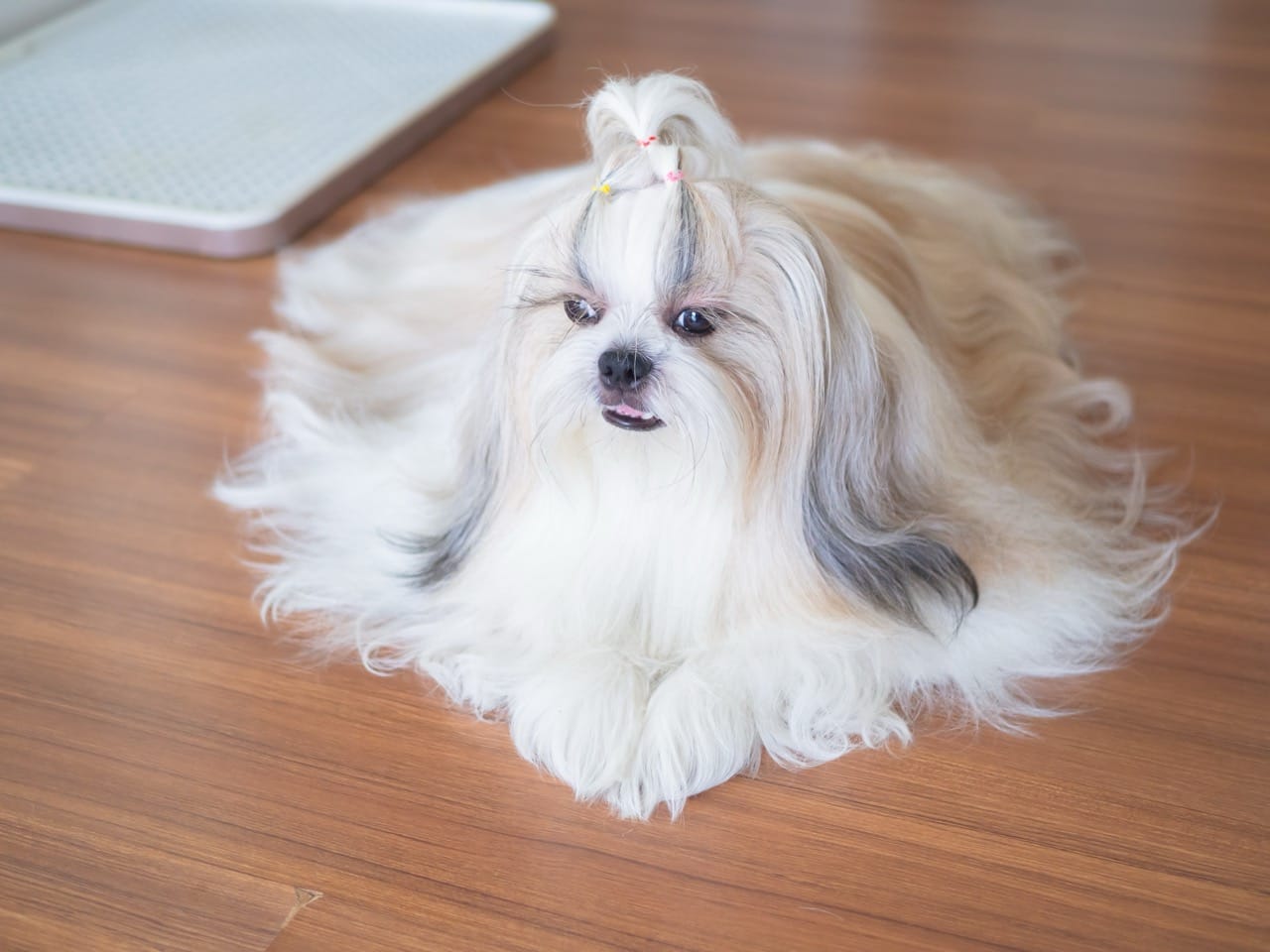
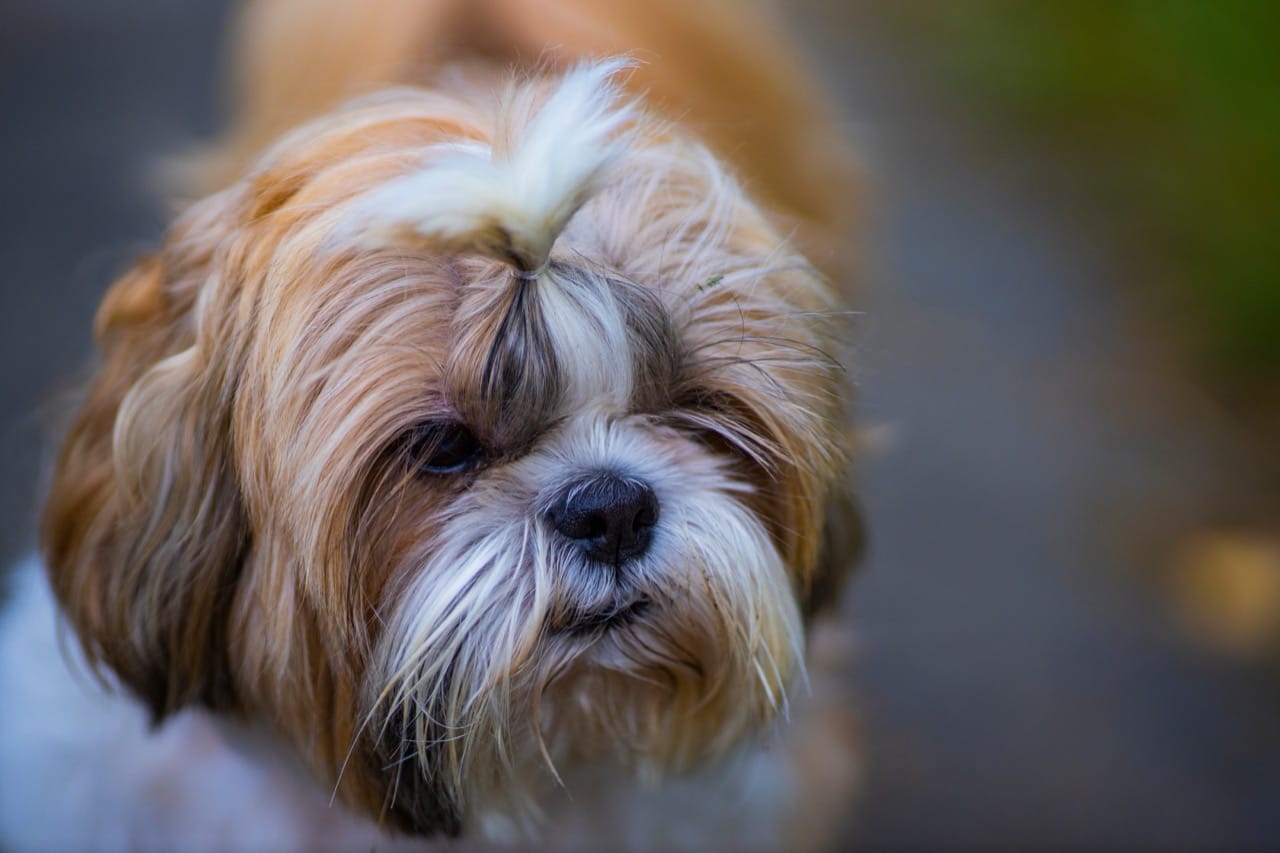
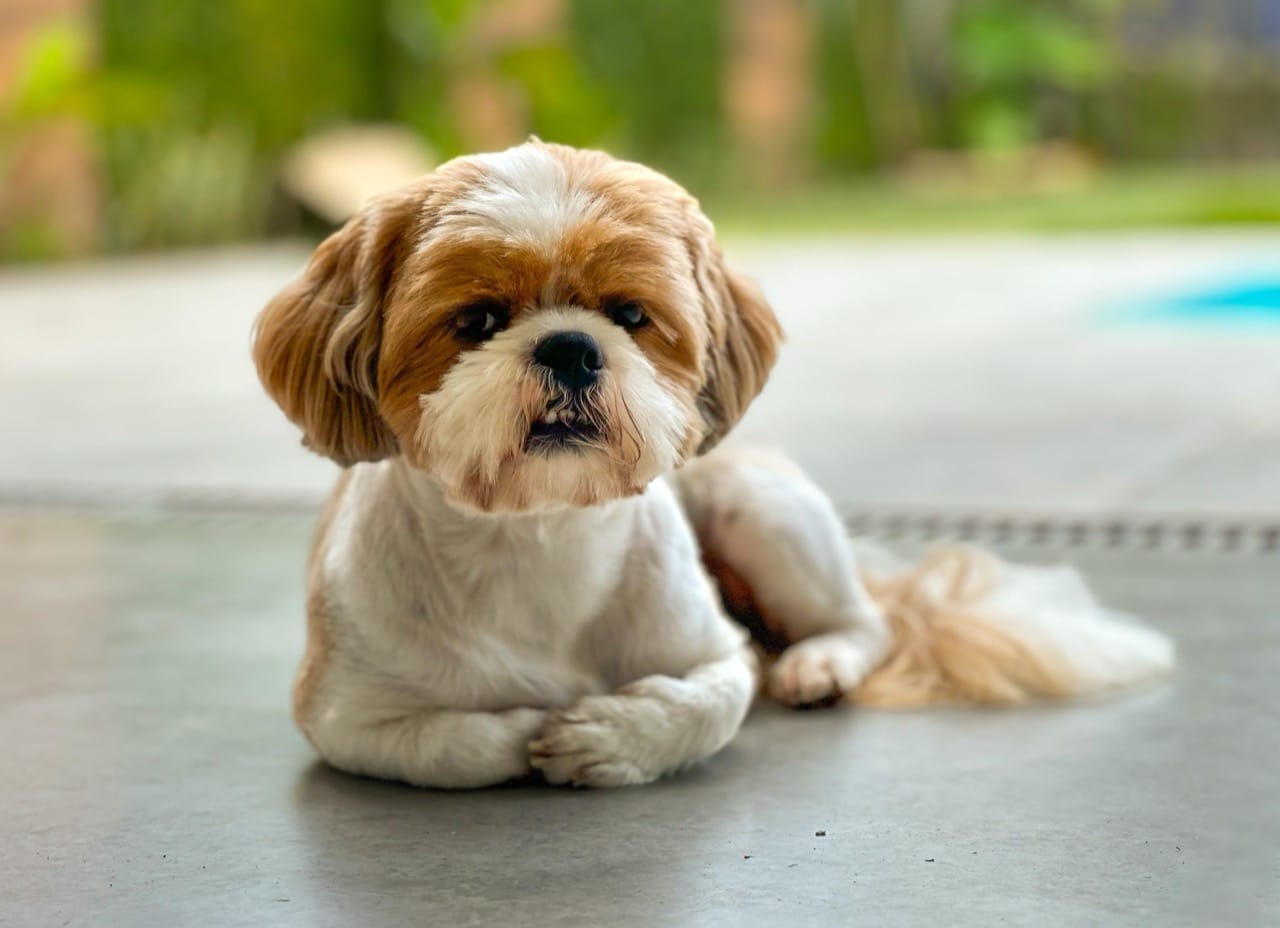
The Shih Tzu’s face is one of its most recognizable features. The short muzzle and large, forward-facing eyes are part of a baby-like set of traits that many humans instinctively find endearing. In a palace setting, dogs that looked charming and drew affection would have been favored and kept close. The result is a breed with an expressive face that reads well to people. That said, the same features that make the Shih Tzu cute can also make it sensitive to heat and strenuous exercise. A shortened muzzle can reduce efficiency in cooling, which is why many Shih Tzus do best with moderate activity and careful management in warm weather.
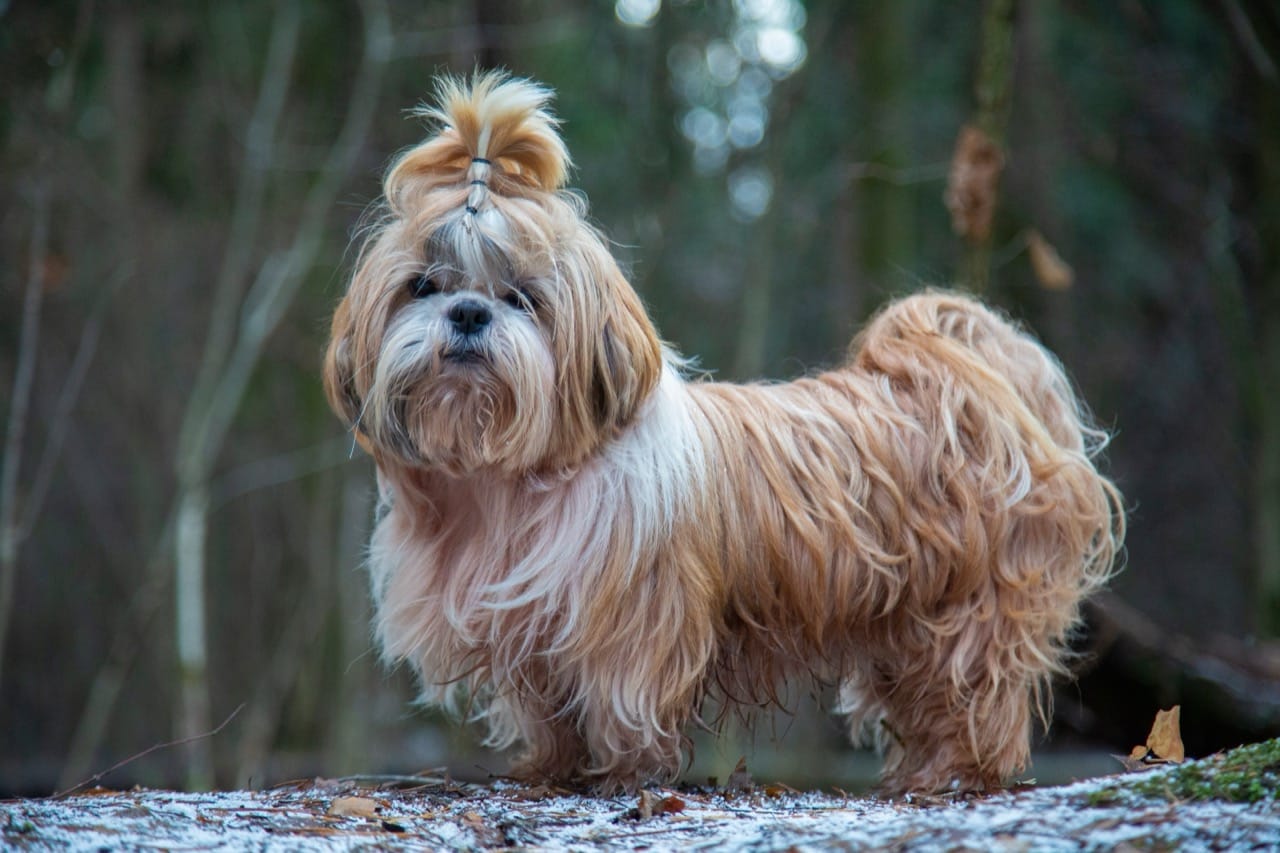
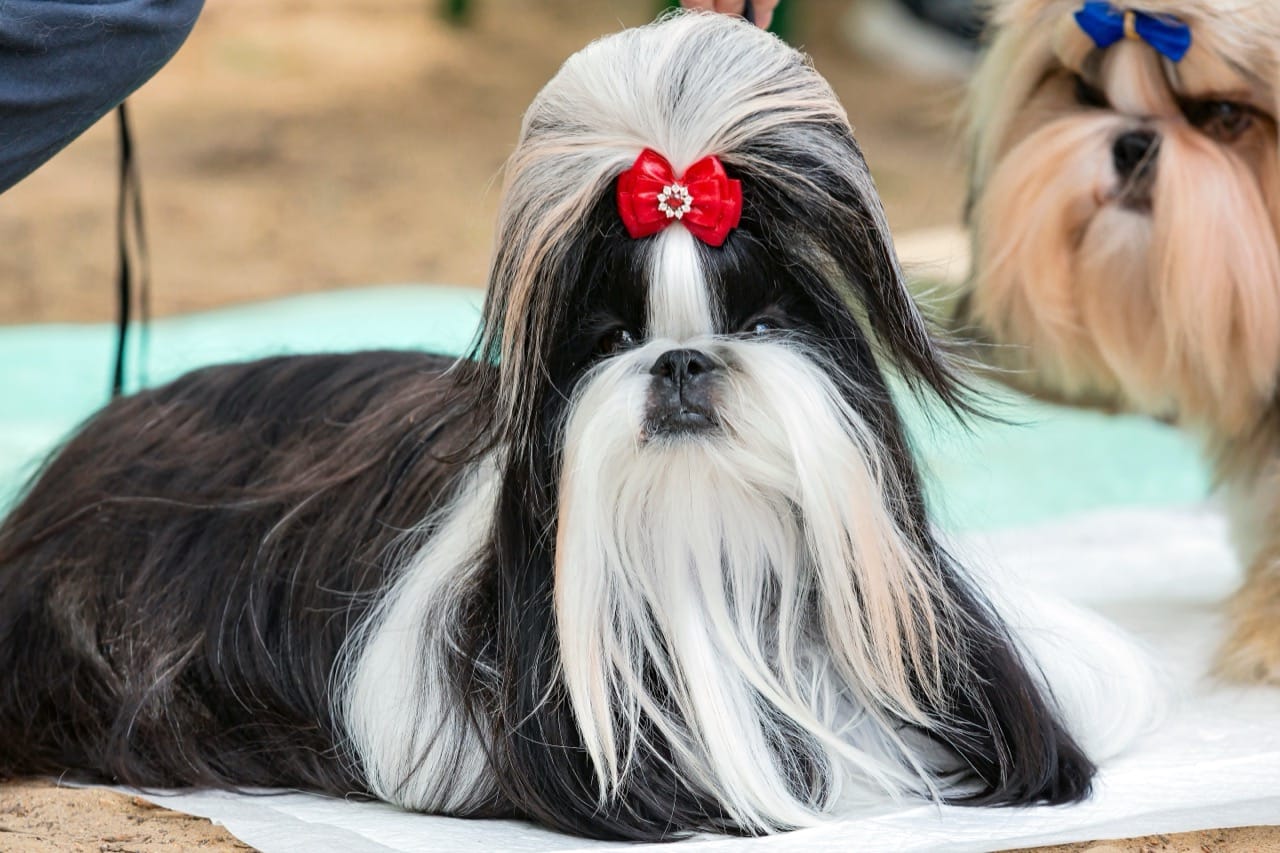
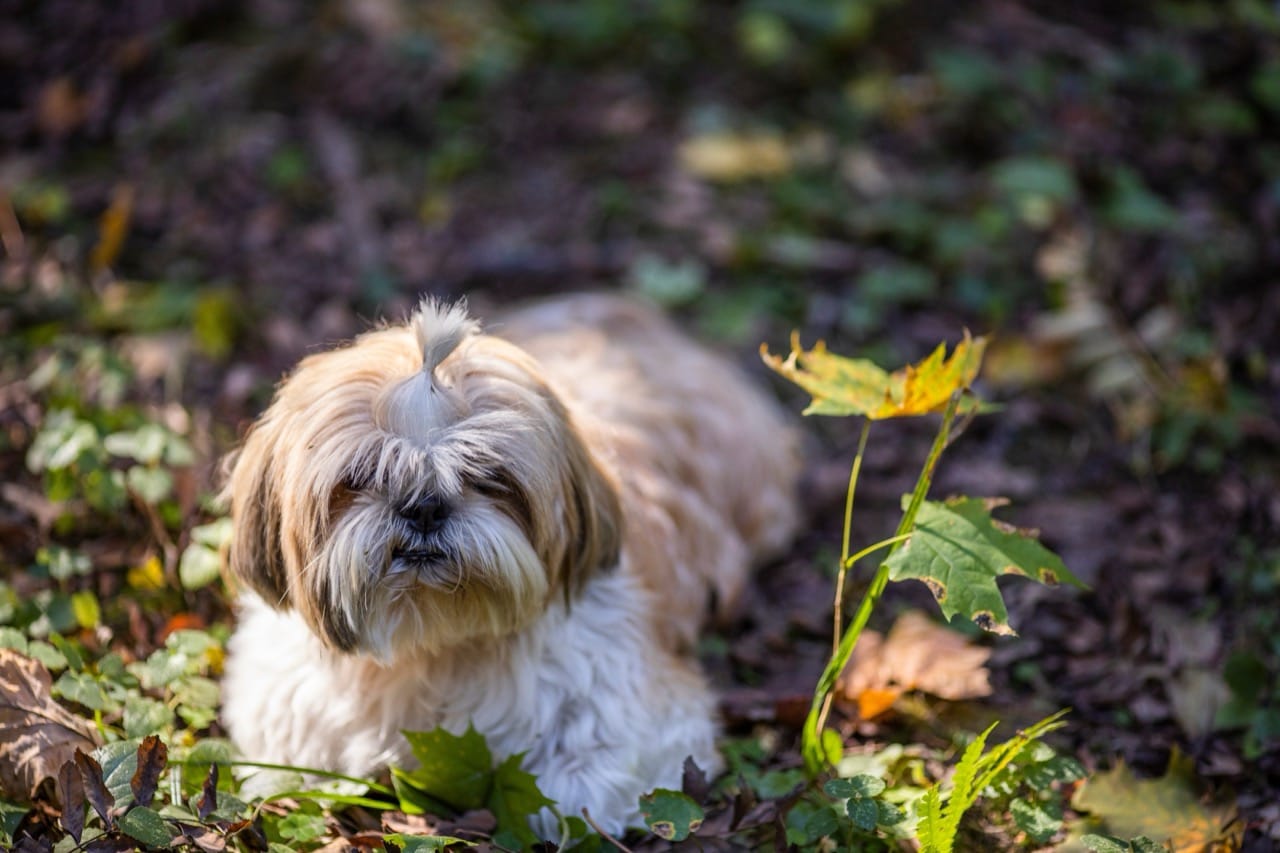
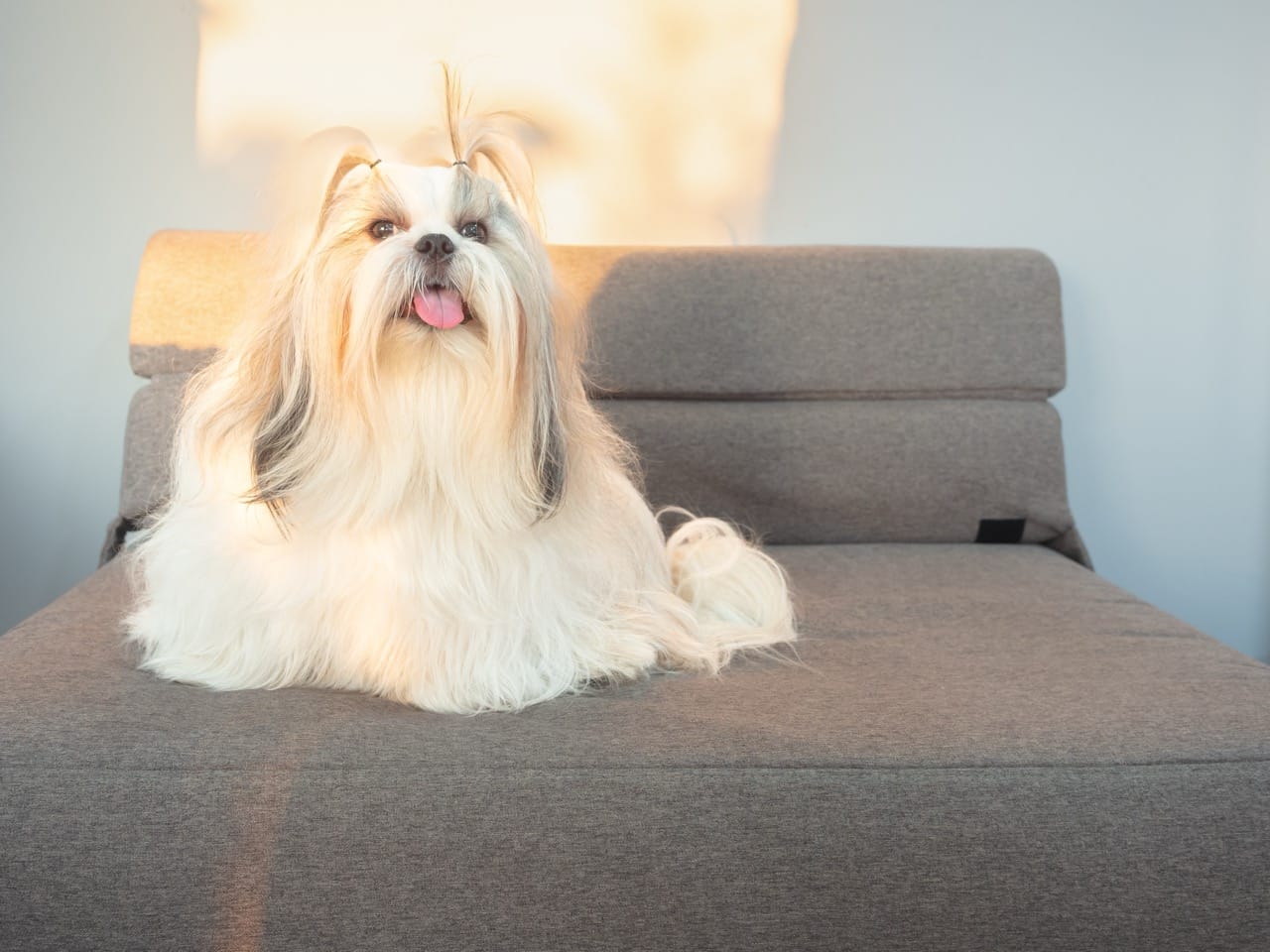
Coat is another clue to the breed’s original lifestyle. A long, flowing coat is not ideal for brambles, mud, or chasing game, but it suits a dog that spends most of its time indoors and is regularly groomed. In the palace, grooming was part of the routine, and the coat functioned as much as decoration as insulation. Today, that legacy shows up in the breed’s need for brushing, detangling, and eye and face cleaning, especially because facial hair can irritate the eyes if not maintained.
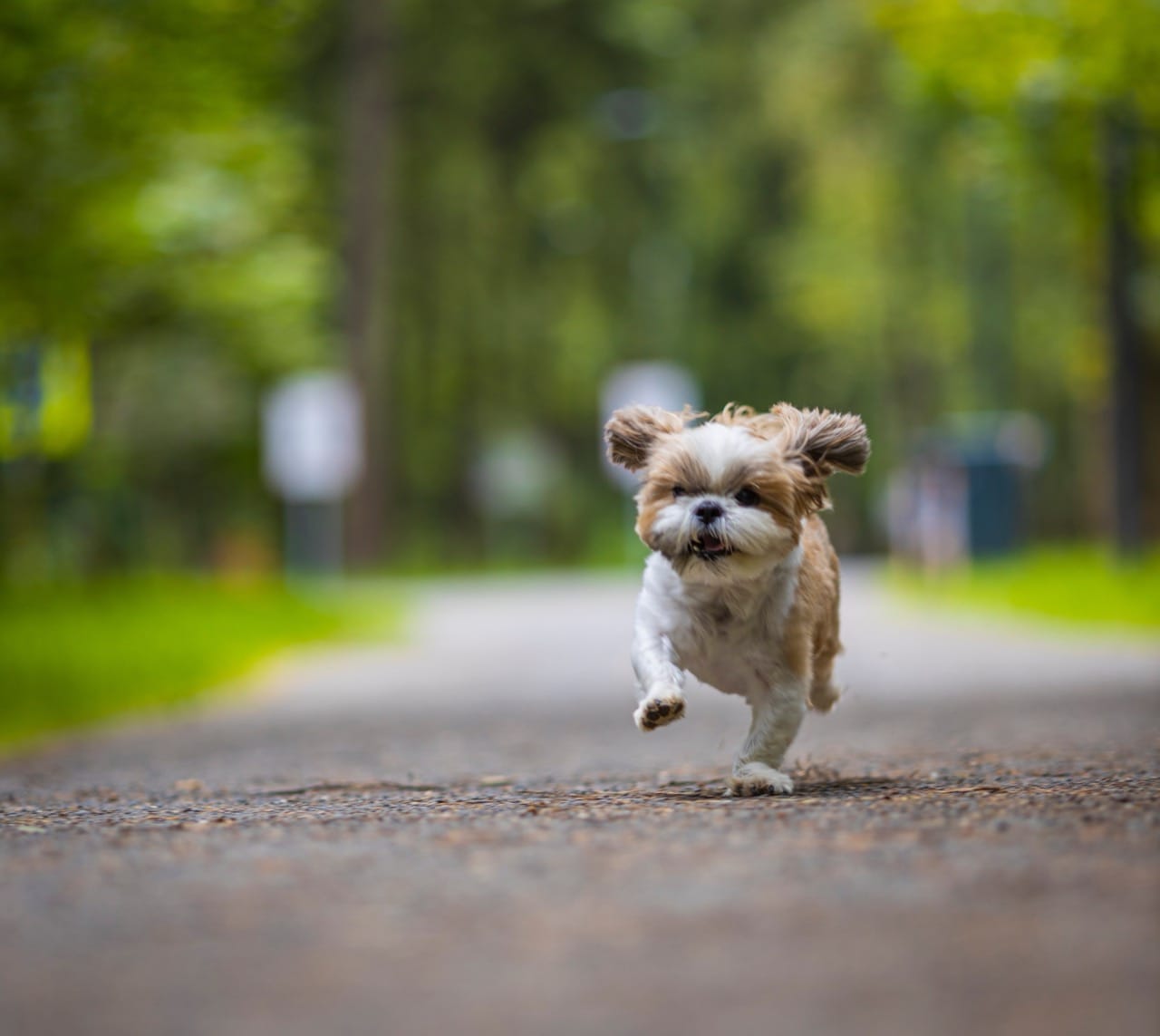
Even the way a Shih Tzu moves fits the companion-first story. The AKC standard asks for smooth, flowing, effortless movement at the dog’s own natural speed, a stride suited to following people from room to room rather than covering miles. Many are surprisingly sturdy for their size, but they are not typically driven to roam far from home base. Their instincts lean toward staying near the social center of the household, which in palace terms meant staying close to the people who mattered.
Temperament may be the clearest inheritance. Shih Tzus are often described as affectionate, people-oriented, and socially aware. Centuries of selection for dogs that tolerated handling, enjoyed human attention, and adapted to indoor routines created a breed that is comfortable being a constant companion. This is why many Shih Tzus will happily shadow their person, settle nearby for a nap, and greet visitors with curiosity and charm. They can still be stubborn, because a dog bred to be doted on does not always feel compelled to obey instantly, but they are usually motivated by praise, gentle consistency, and rewards.
Understanding the Shih Tzu as a palace companion also explains common everyday behaviors. They often prefer soft resting spots, predictable schedules, and being included in whatever their humans are doing. They may not thrive if left alone for long periods, not because they are weak, but because their role was never independence. The Shih Tzu’s history is a reminder that form follows function, and in this case the function was simple: be close, be comforting, and be delightful to live with.