Living Smart With a Boxer







Quiz Complete!
Living Smart With a Boxer: Big Heart, Busy Body
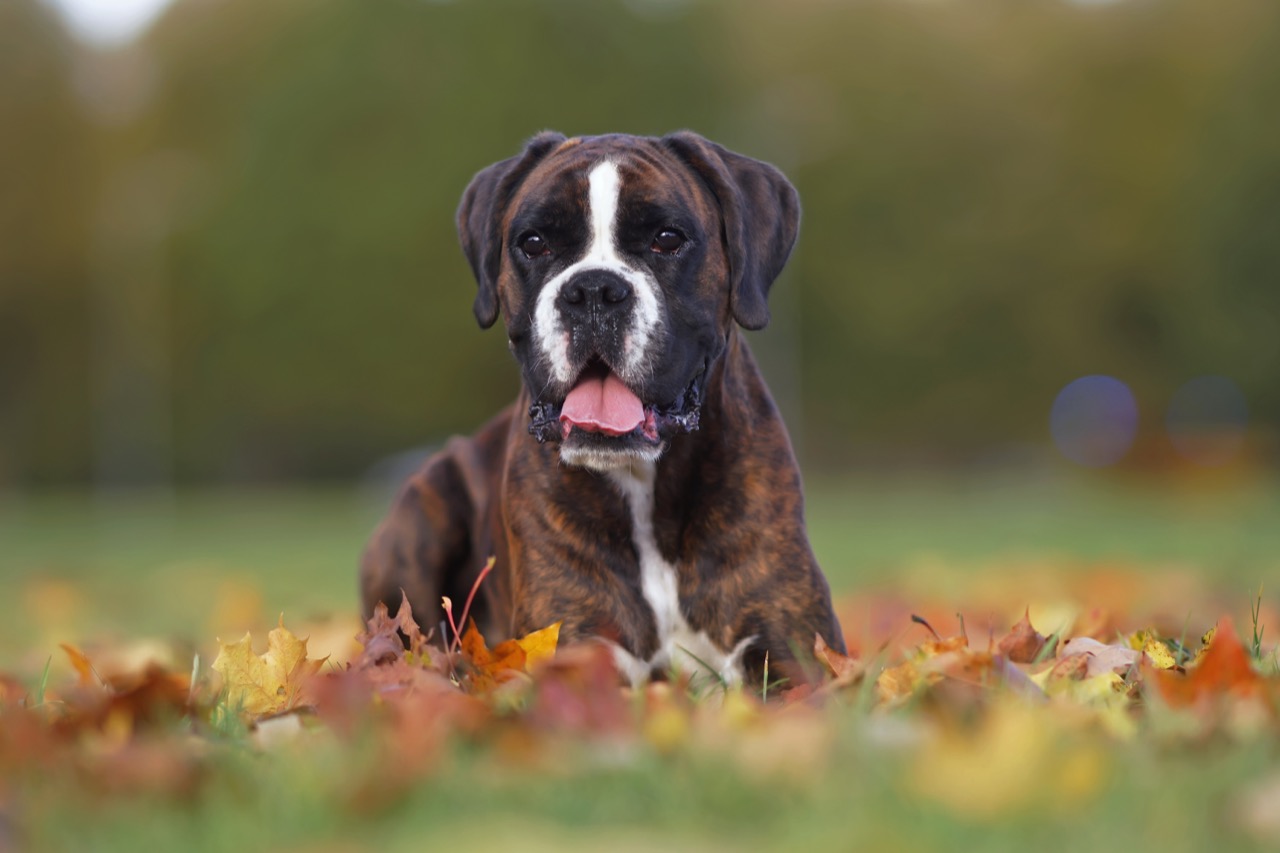
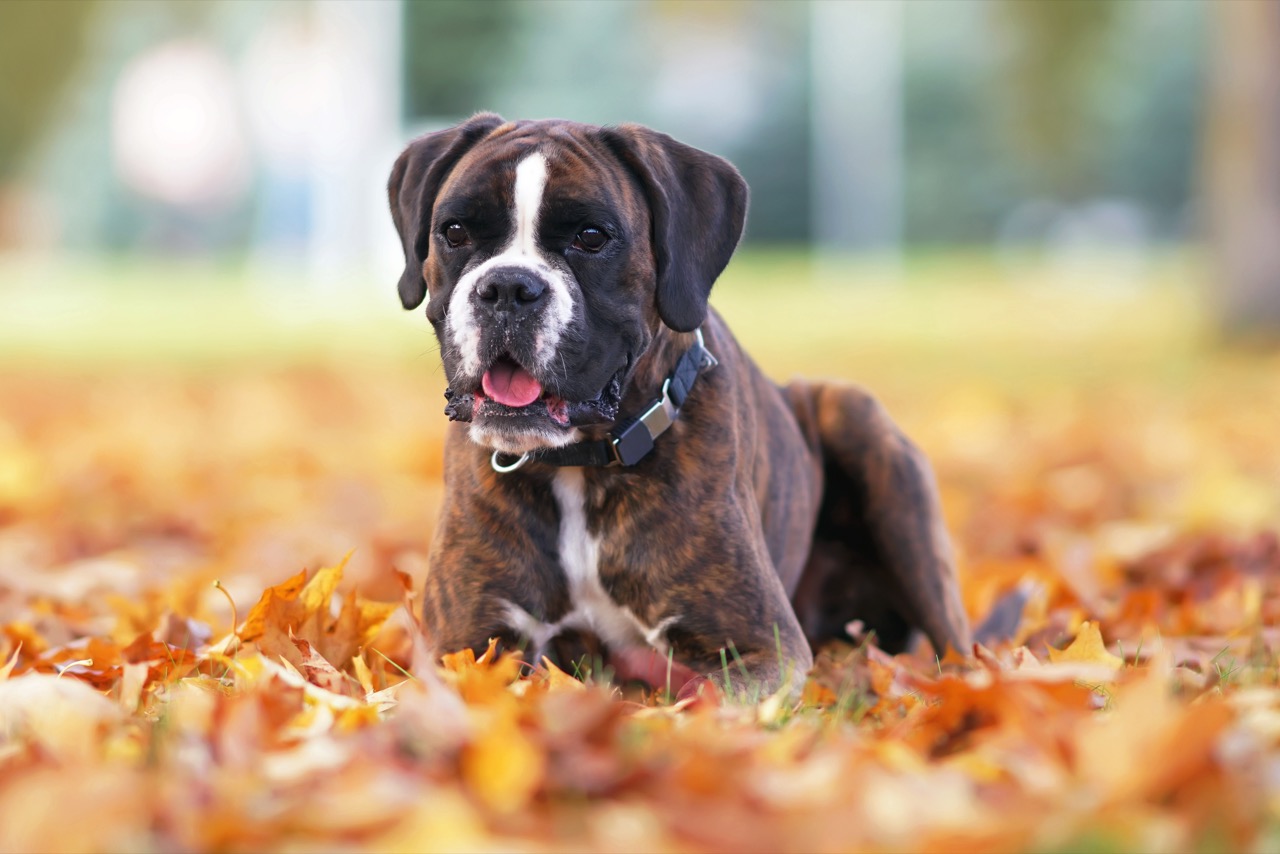
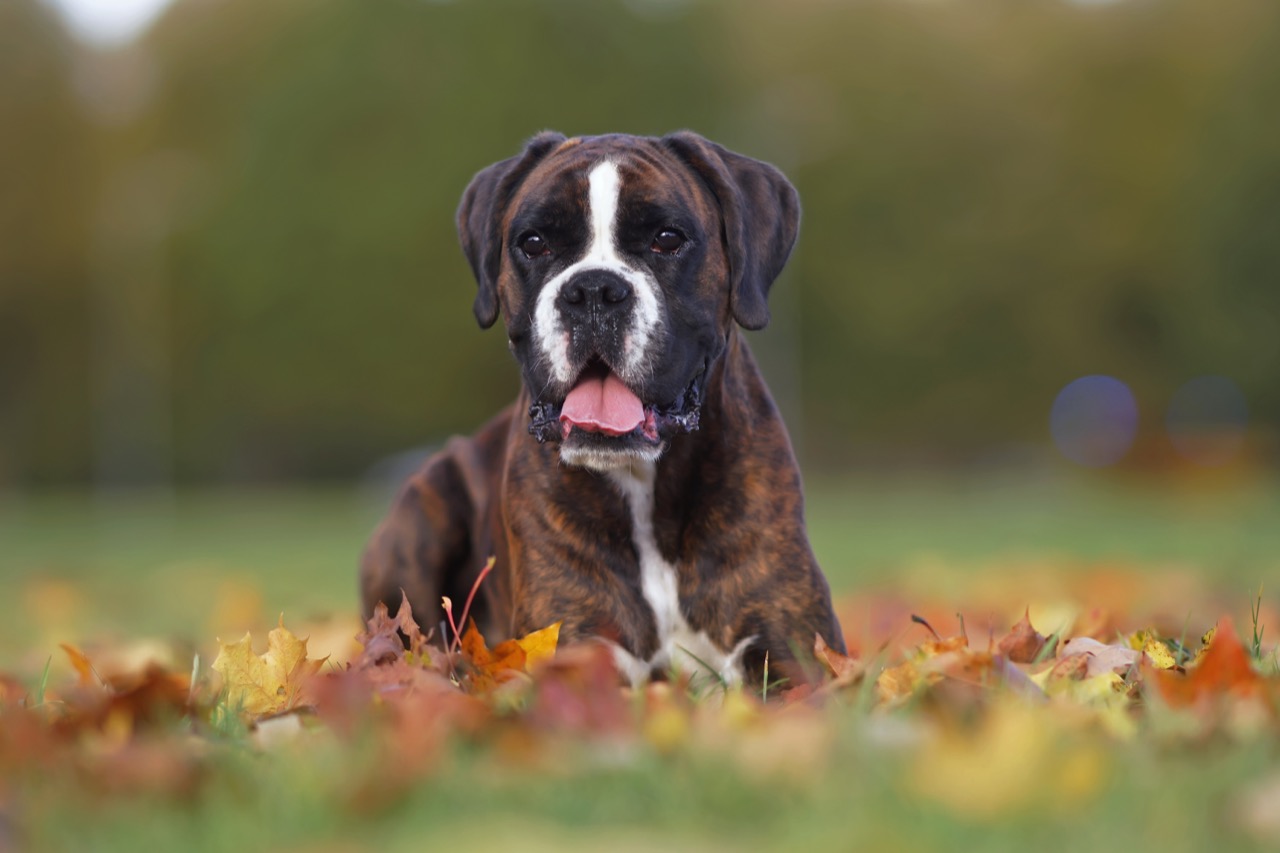
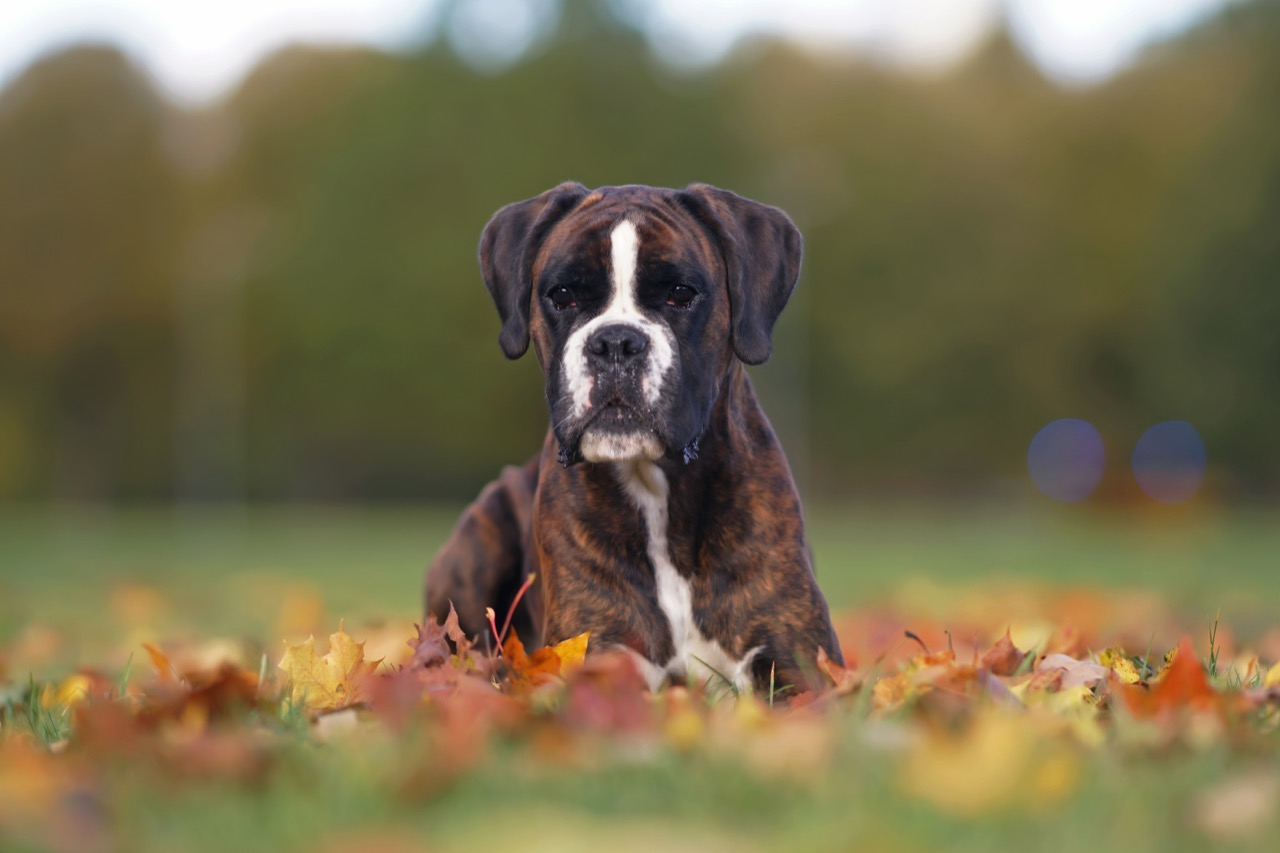
Living with a Boxer is like sharing your home with a cheerful athlete who also happens to be a devoted best friend. The breed is famous for an expressive face and a playful, people-centered personality. Many Boxers prefer to be wherever you are, and they often show affection with the classic “Boxer lean,” pressing their sturdy body against your legs as if they are trying to become part of your personal space. It is endearing, and so is the “kidney bean” dance, when an excited Boxer curls into a semicircle and spins. Both hint at a key truth: Boxers thrive on attention and do best in homes where they are treated as family, not as backyard dogs.
That friendliness can make them wonderful companions, yet it comes with real-world training needs. Boxers are bright, energetic, and sometimes impulsive, especially when young. They tend to learn quickly, but they are not robots; they respond best to upbeat, consistent training that feels like a game. Food rewards, toys, and enthusiastic praise usually work better than harsh corrections. Because they are powerful and springy, basic manners are not optional. Teaching polite greetings, loose-leash walking, and a reliable recall can prevent accidental knockdowns when your dog launches into a happy hello. Early socialization helps too, since Boxers often assume everyone wants to be their friend and may rush in with too much enthusiasm.
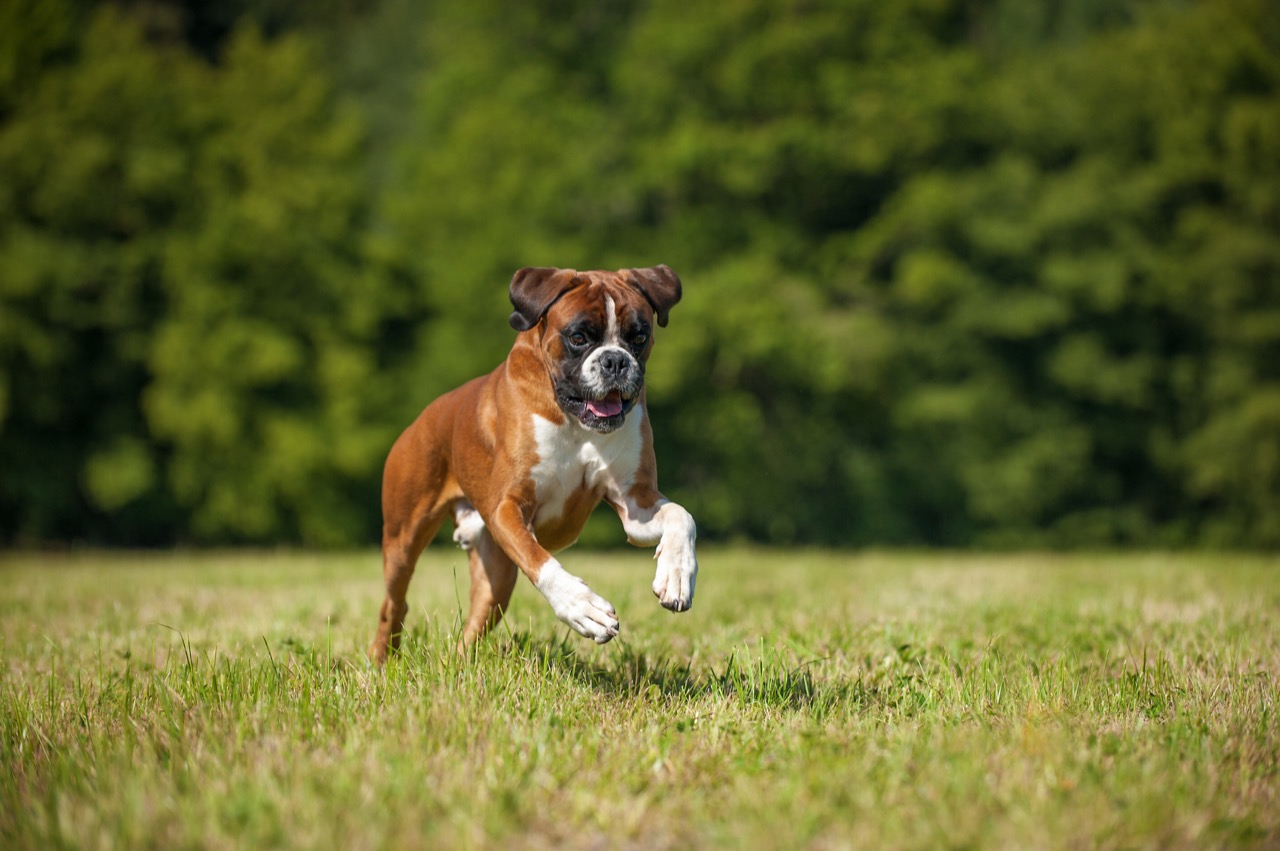
Exercise is where many first-time owners get surprised. A Boxer’s athletic build is not just for looks. Daily activity is essential for both physical health and good behavior. Without enough outlets, that bouncy energy can turn into destructive chewing, frantic zoomies indoors, or constant pestering. A mix works best: brisk walks, training sessions that make the brain work, and play that includes rules, like fetch with a sit before the throw. Many Boxers enjoy dog sports such as agility or obedience, but even simple routines like a morning walk and an evening training-and-play session can keep them balanced.
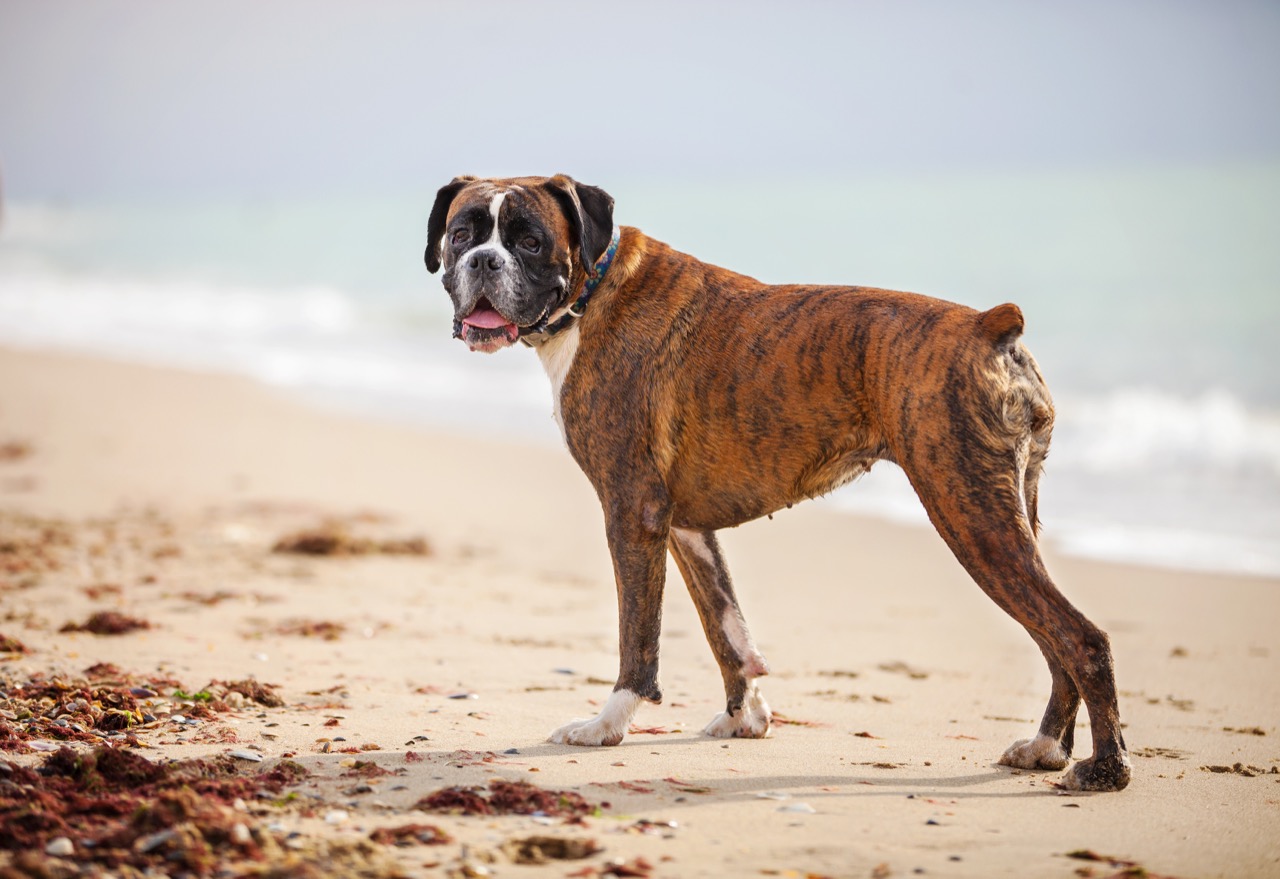
Warm weather requires special caution. Boxers have short coats and many have shorter muzzles than average, which can make cooling less efficient. Heat stress can happen faster than people expect, especially during humid days or intense play. Smart living means choosing cooler hours for exercise, providing shade and water, and watching for heavy panting, drooling, weakness, or confusion. If the pavement feels hot to your hand, it can be uncomfortable for paws as well. In summer, a Boxer’s favorite activity might need to become a calmer sniff-walk instead of a full-speed chase game.
Their coat is short, but it is not maintenance-free. Boxers shed more than their sleek appearance suggests, and the fine hairs can weave into fabric. Regular brushing with a rubber curry or grooming mitt helps reduce loose hair and also gives you a chance to check skin, ears, and nails. Because Boxers are so people-focused, many enjoy grooming time when it is gentle and paired with praise.
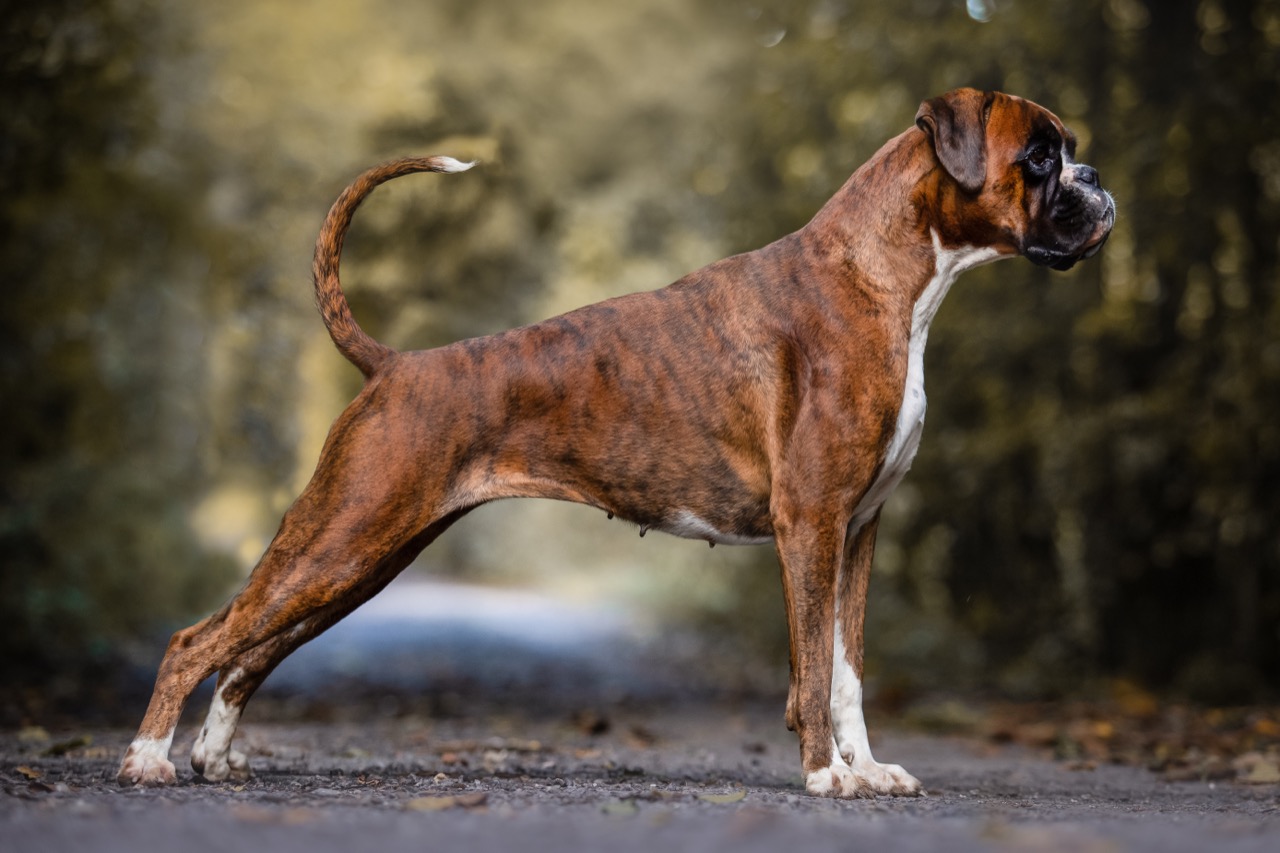
Culturally, the Boxer’s silhouette is instantly recognizable: square build, deep chest, and an alert, animated stance that can switch from dignified to clownish in a heartbeat. That mix of strength and goofiness is why they have remained popular as companions. Living smart with a Boxer means embracing the joy while planning for the practical side: consistent training, daily exercise, careful heat management, and lots of close-to-you time. If you meet those needs, you get a loyal shadow with a sense of humor and a heart that seems bigger than their already-muscular body.