From Bull Biter to Boxer
Quiz Complete!
Boxer Breed Timeline and the Working Logic Behind the Look
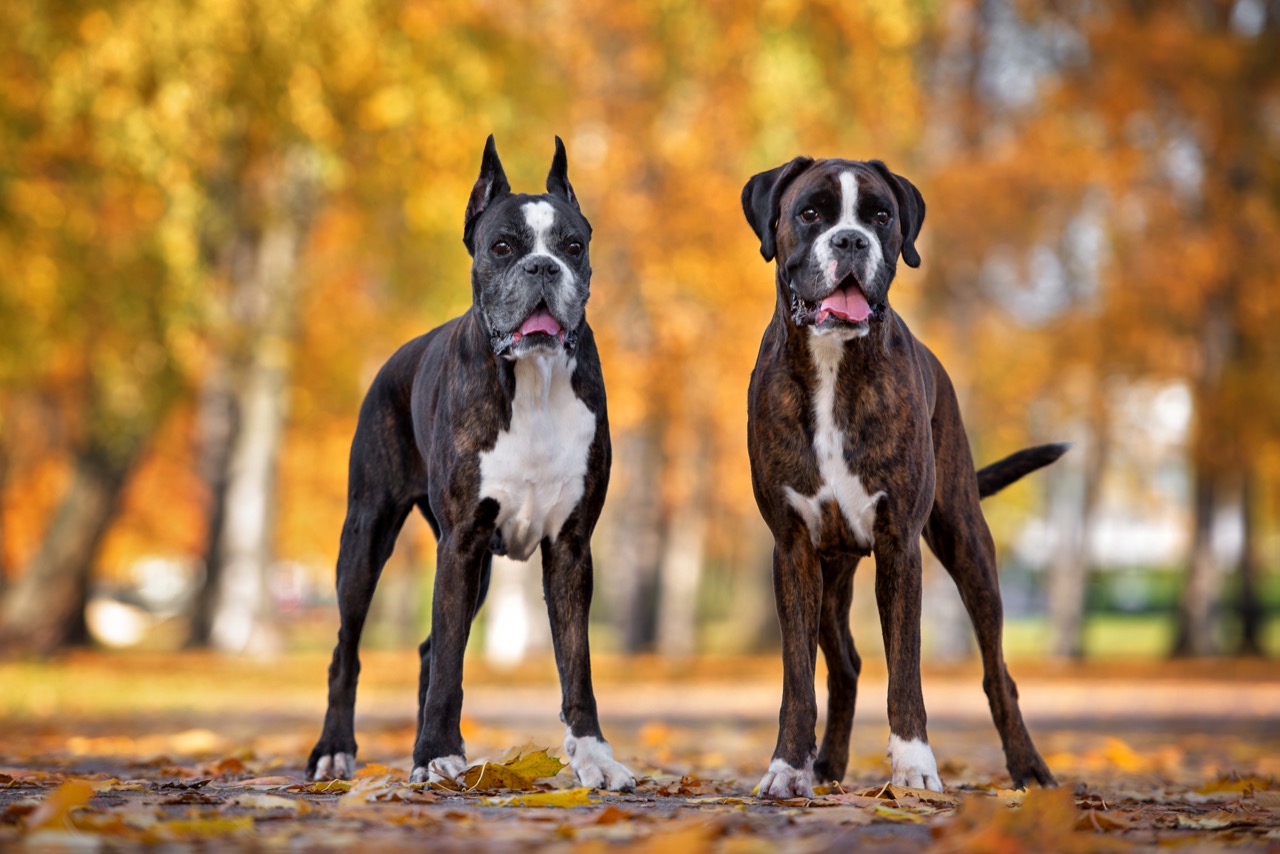
The Boxer’s cheerful, people-focused personality can make it easy to forget that this is a purpose-built working dog shaped by very practical jobs. The breed developed in Germany in the late 1800s from earlier hunting and catch dogs, especially the Bullenbeisser, a now-extinct type used to seize and hold large game such as boar and deer. Those dogs needed the courage to engage dangerous animals, the strength to keep a hold, and the athleticism to move quickly over uneven ground. When hunting practices changed and big-game catching became less common, breeders crossed these dogs with English Bulldogs and began refining the type into a versatile companion that could still work closely with humans.
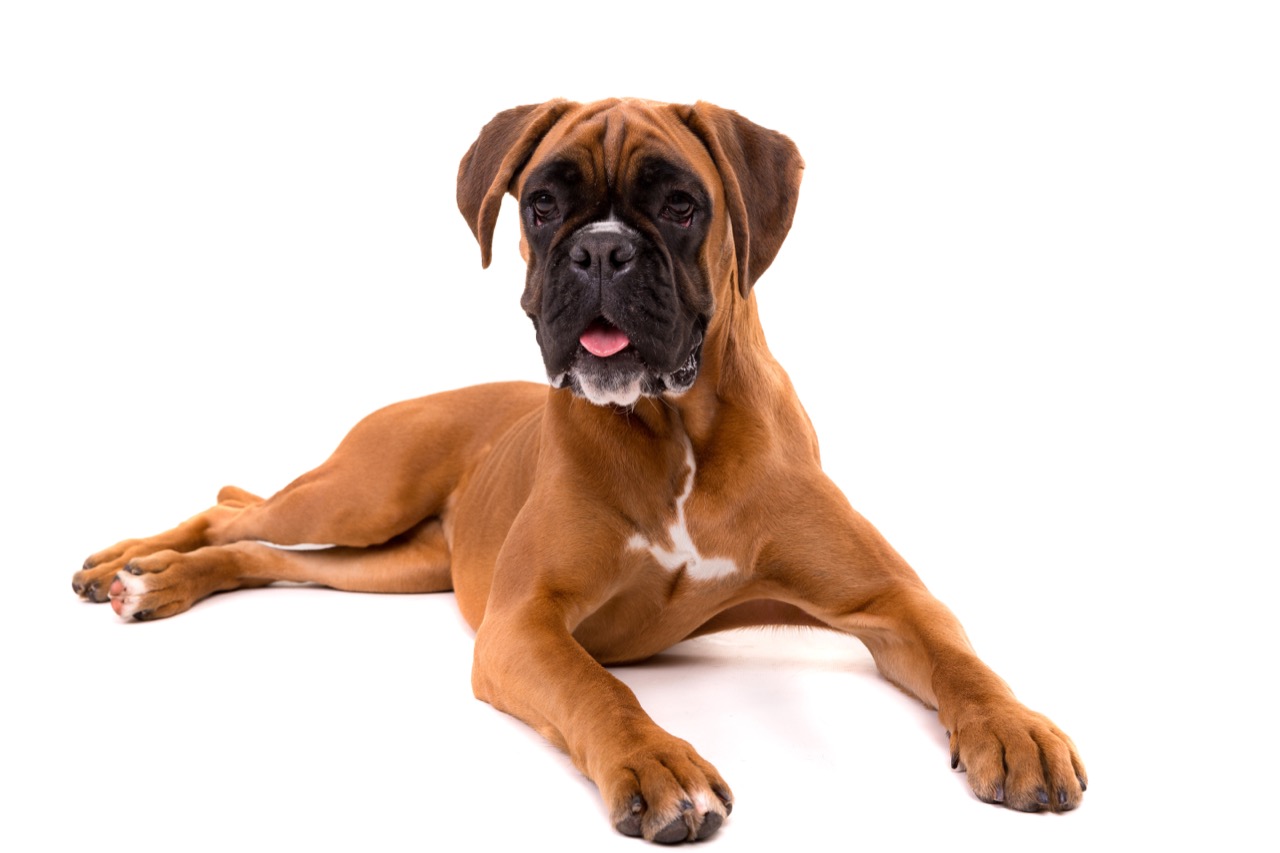
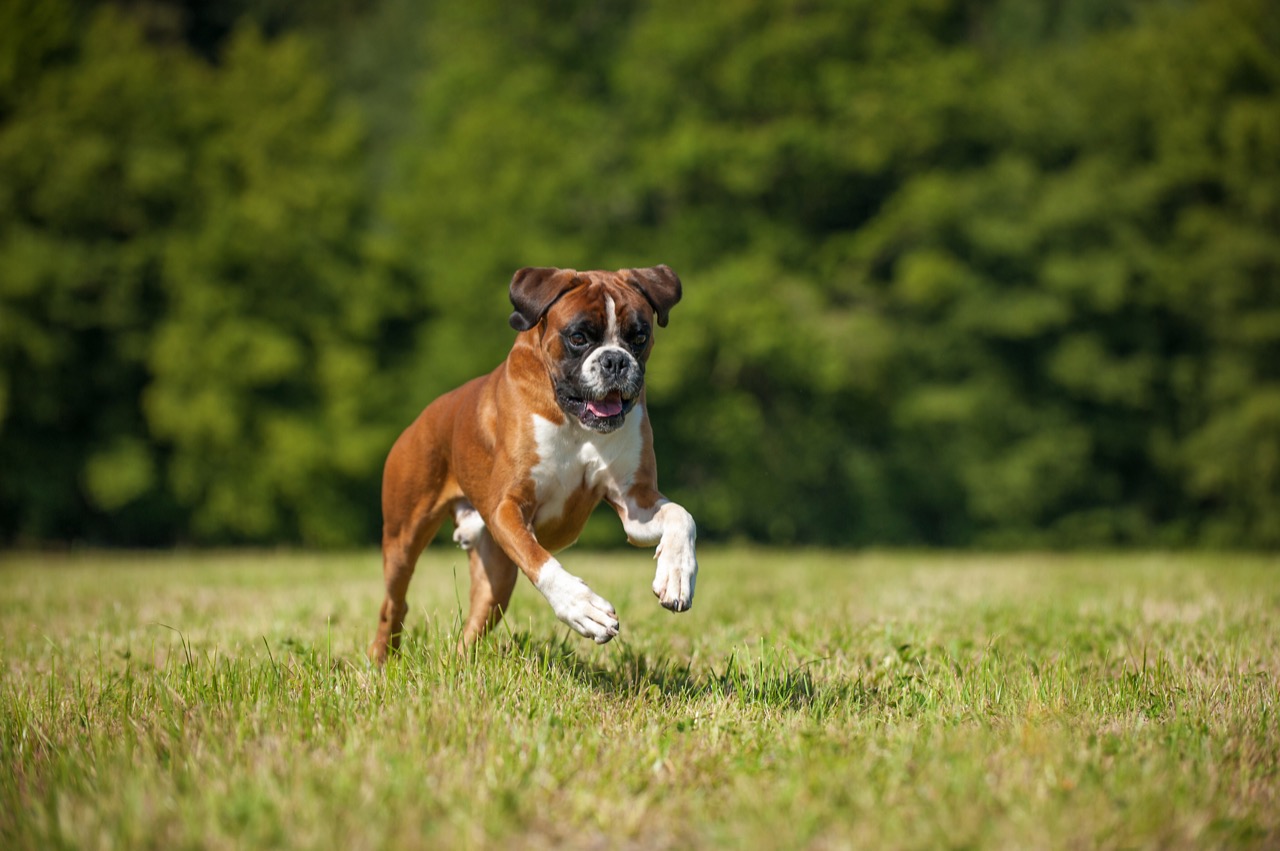
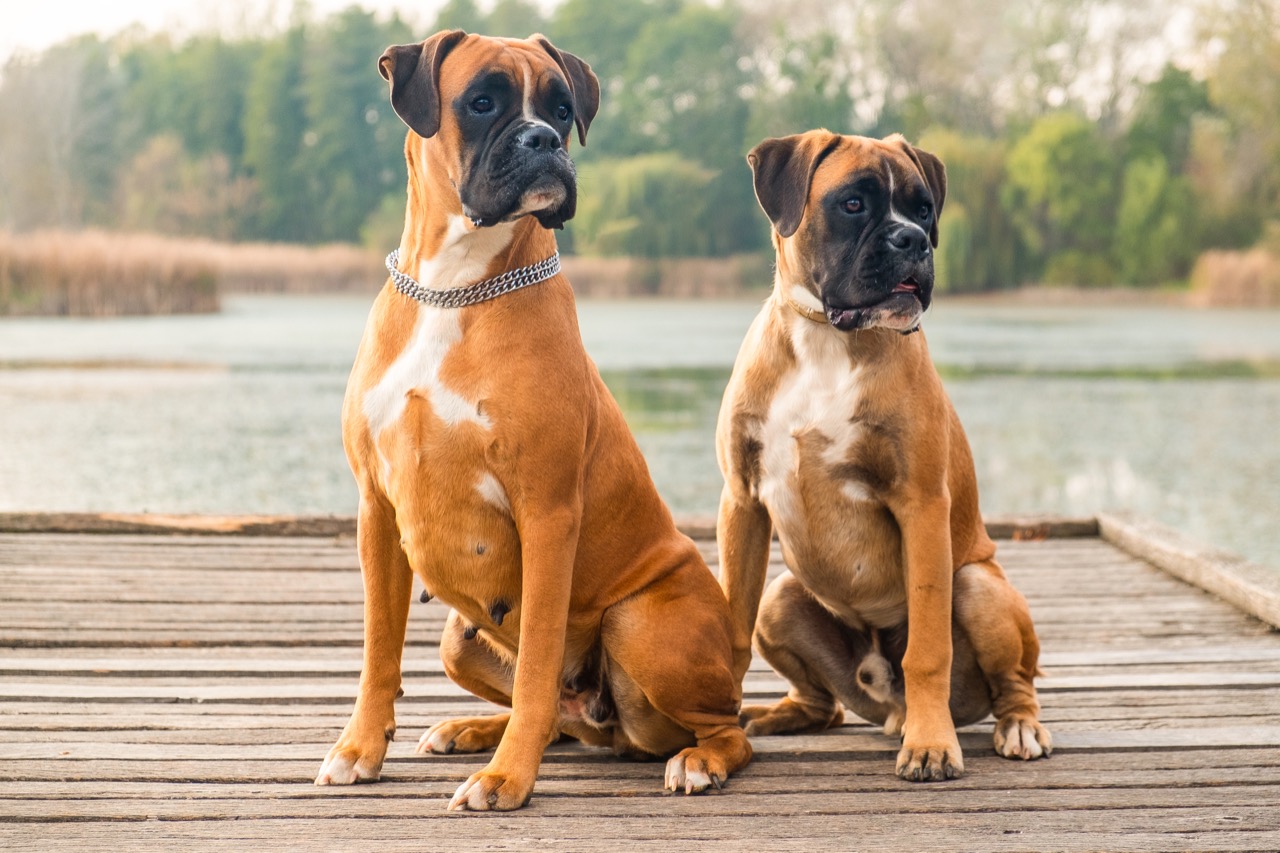
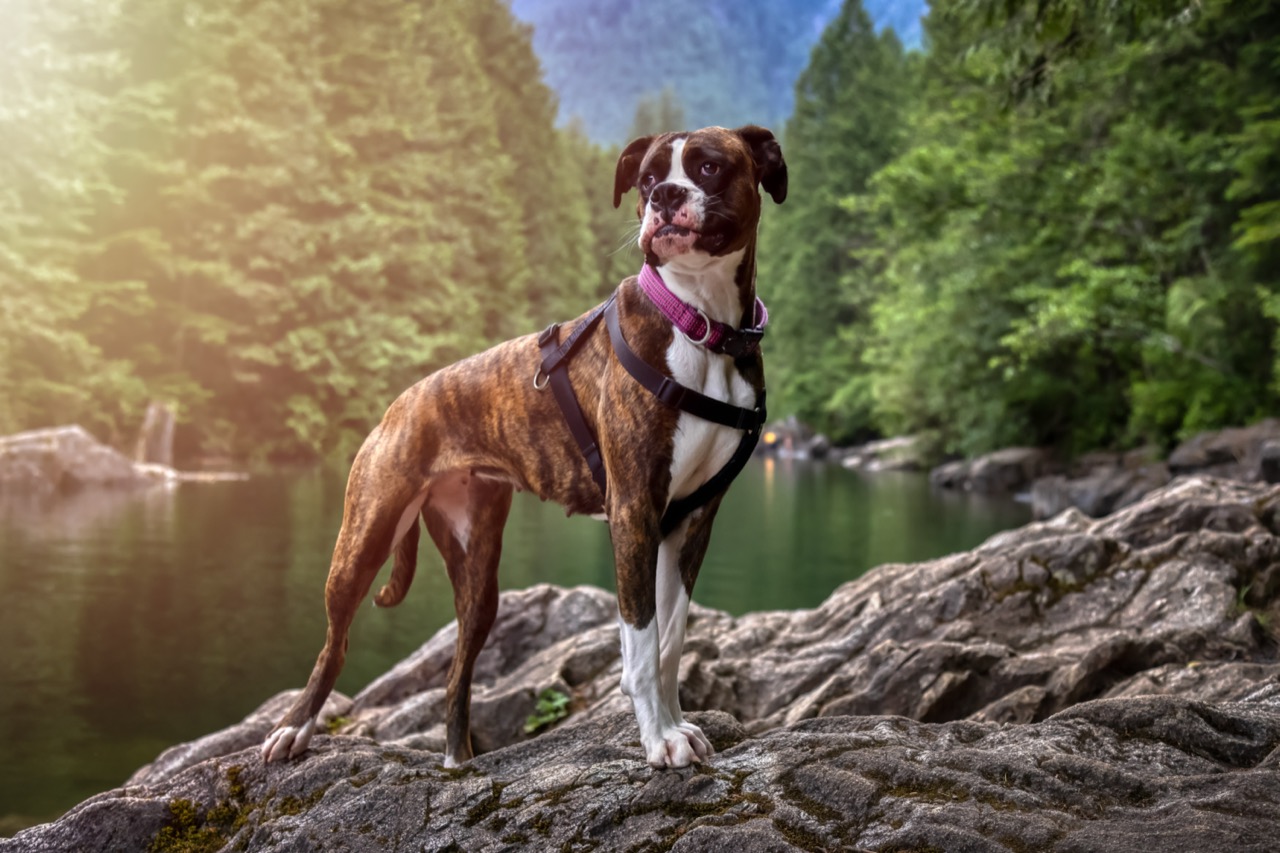
A key turning point came as German dog breeding shifted toward formal clubs and written standards. In 1895, a Boxer club formed in Munich and fanciers began selecting for a more consistent look and steadier temperament, aiming for a dog that could be trusted in everyday life while retaining the boldness required for protection work. The Boxer’s trademark square build is part of that working logic. A compact, balanced body with a deep chest supports endurance and quick changes of direction. The springy, efficient movement often associated with the breed is not just style; it reflects a structure designed to accelerate, pivot, and keep going.
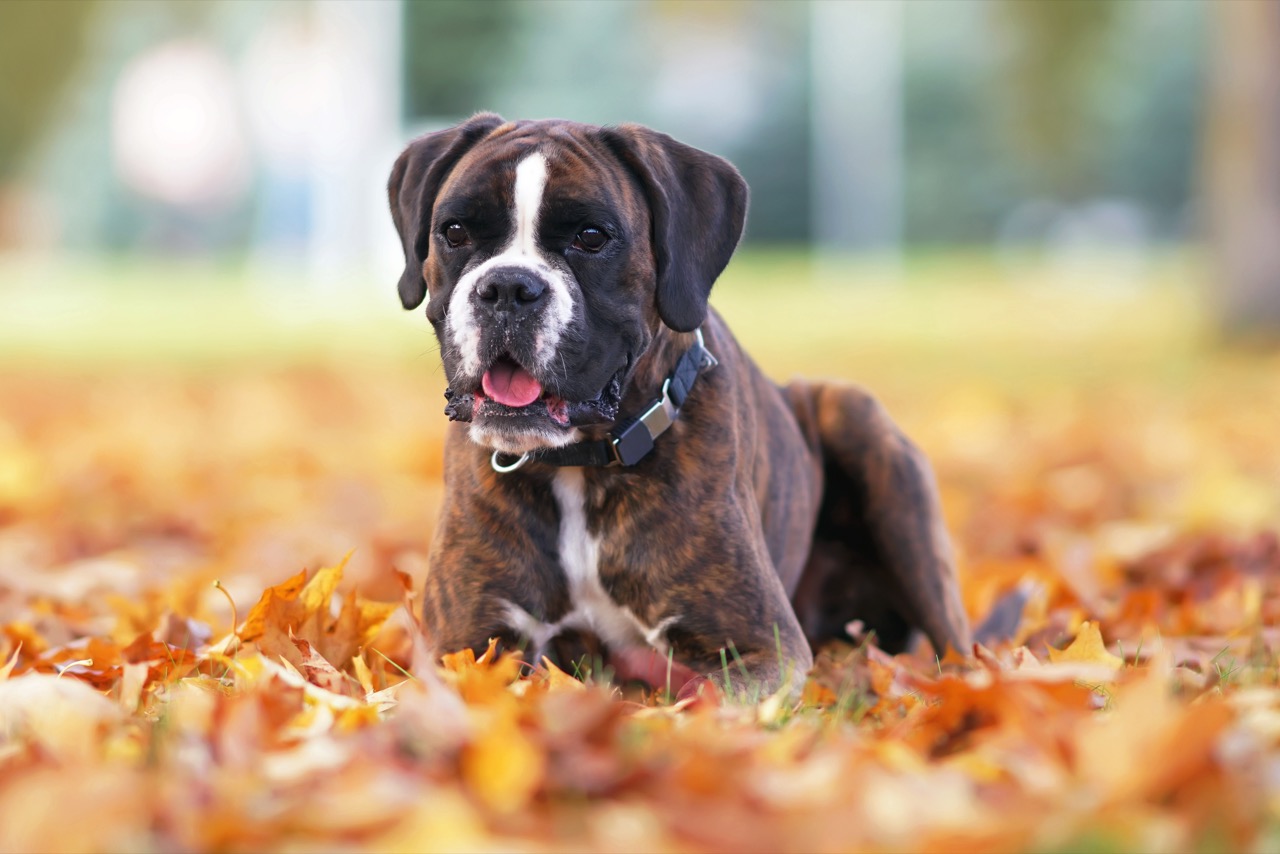
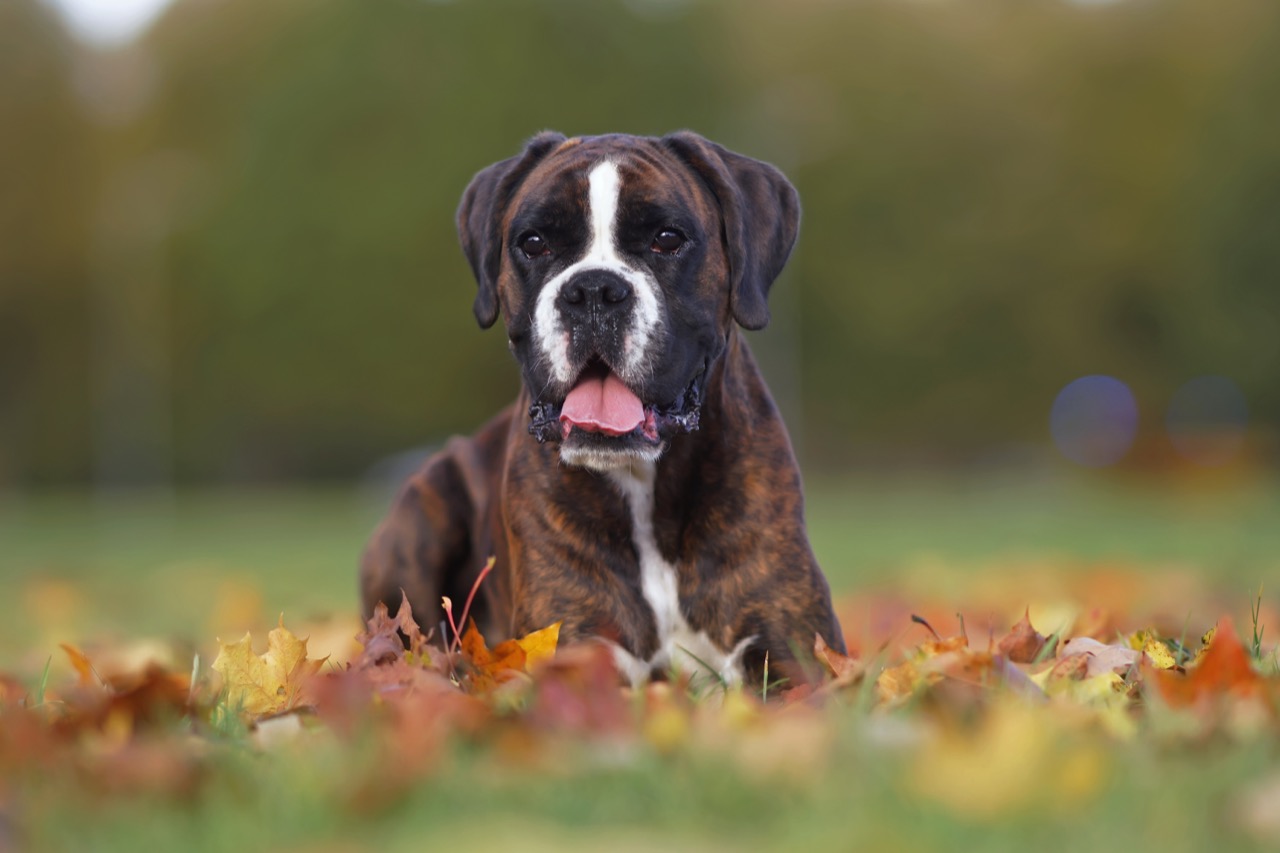
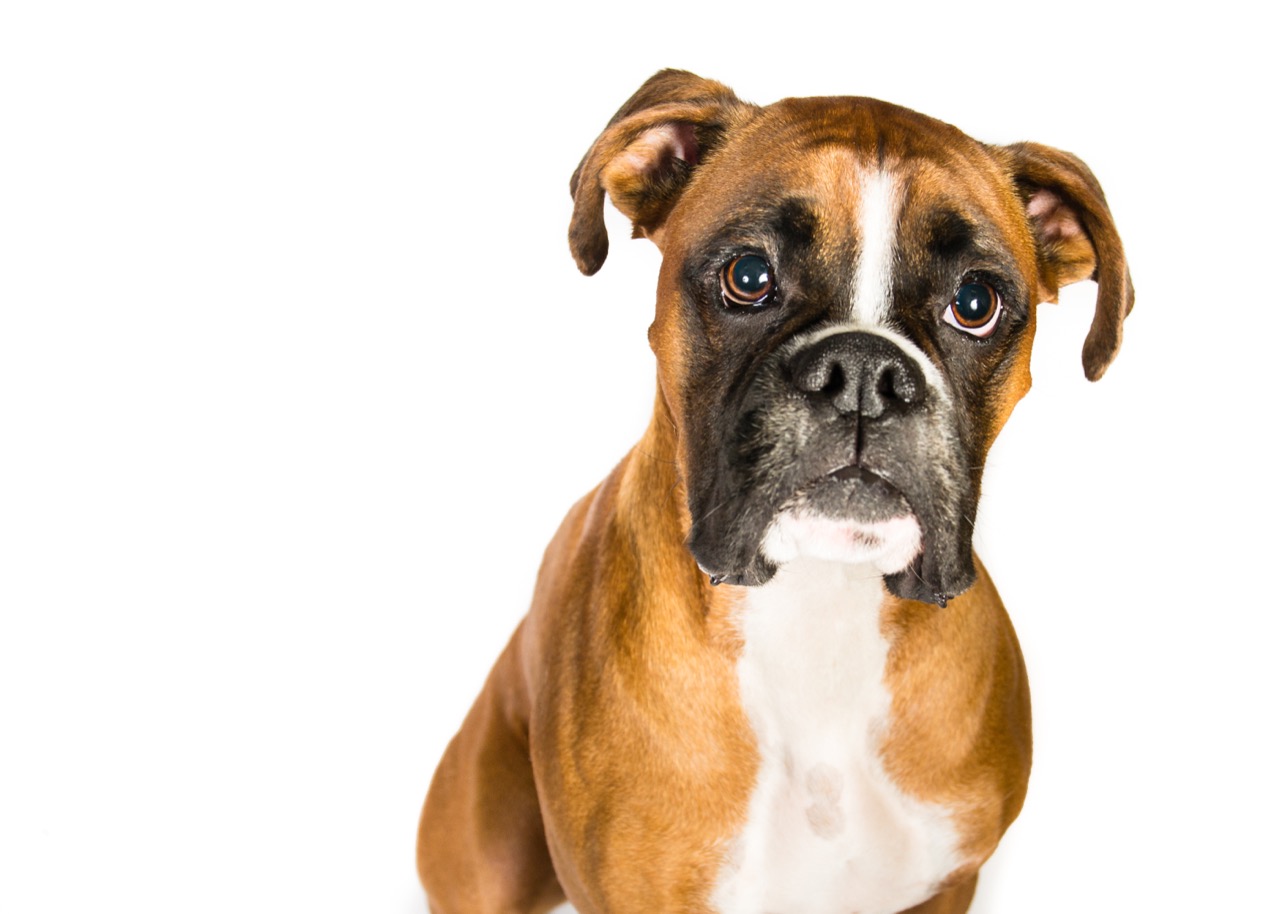
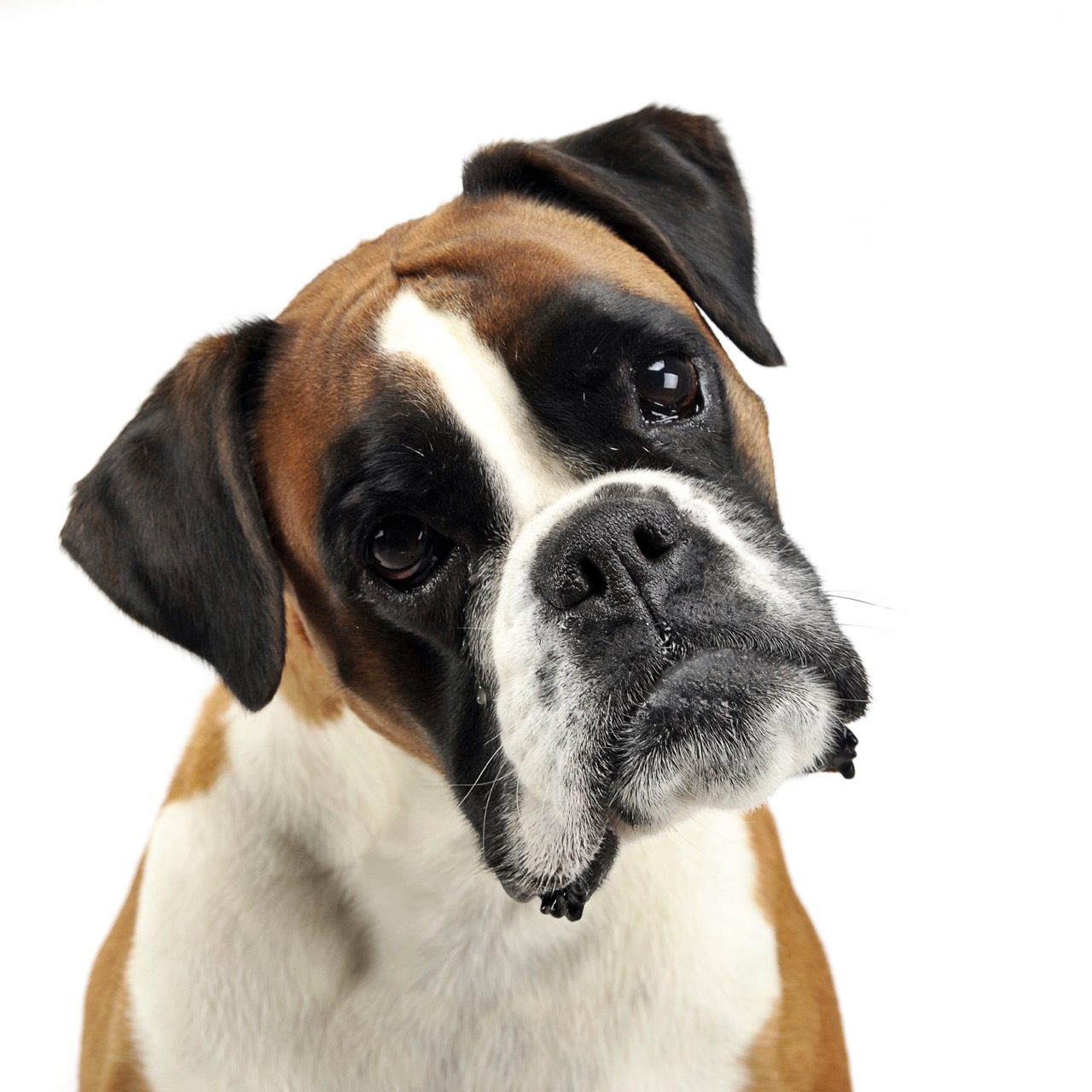
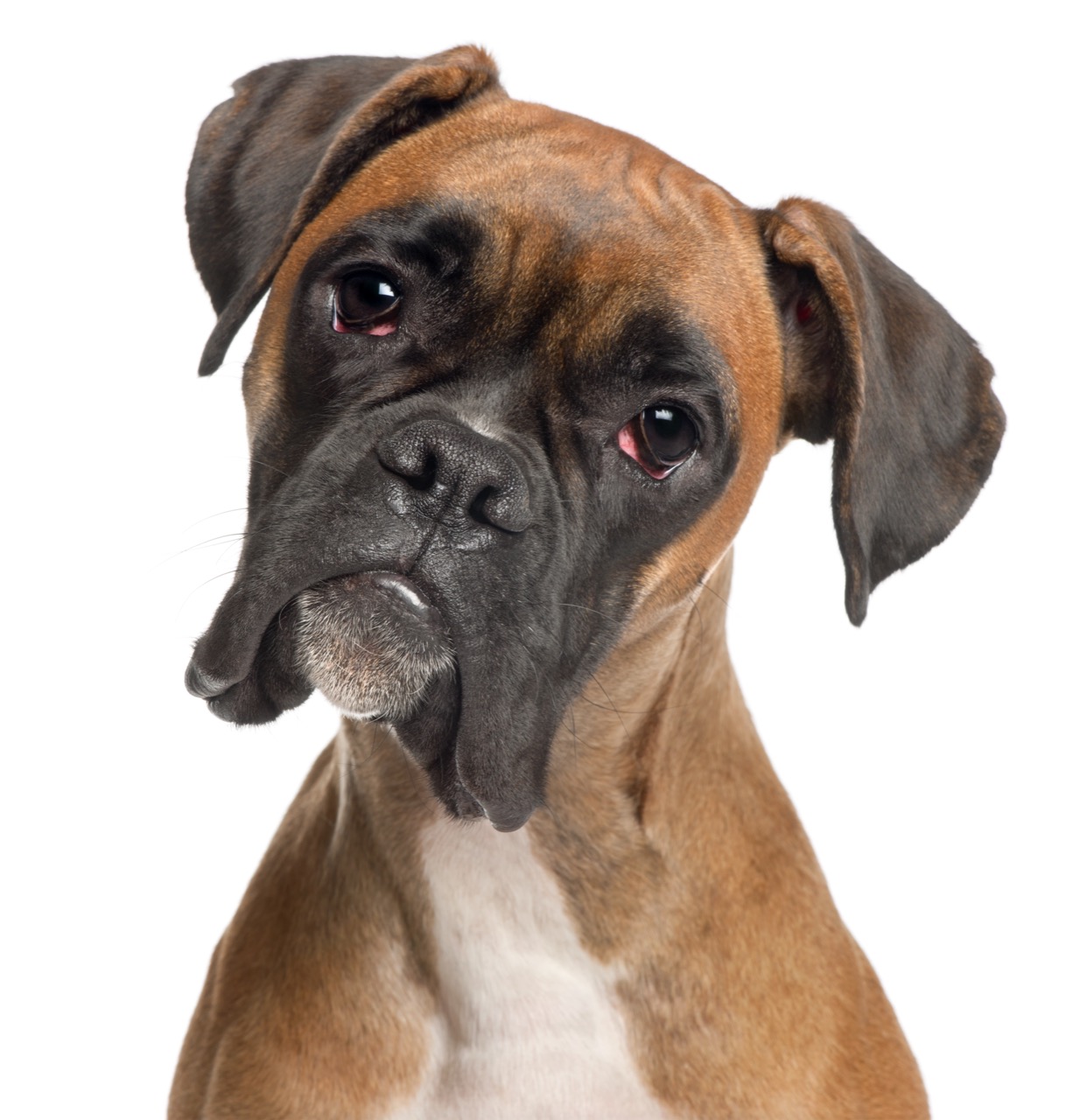
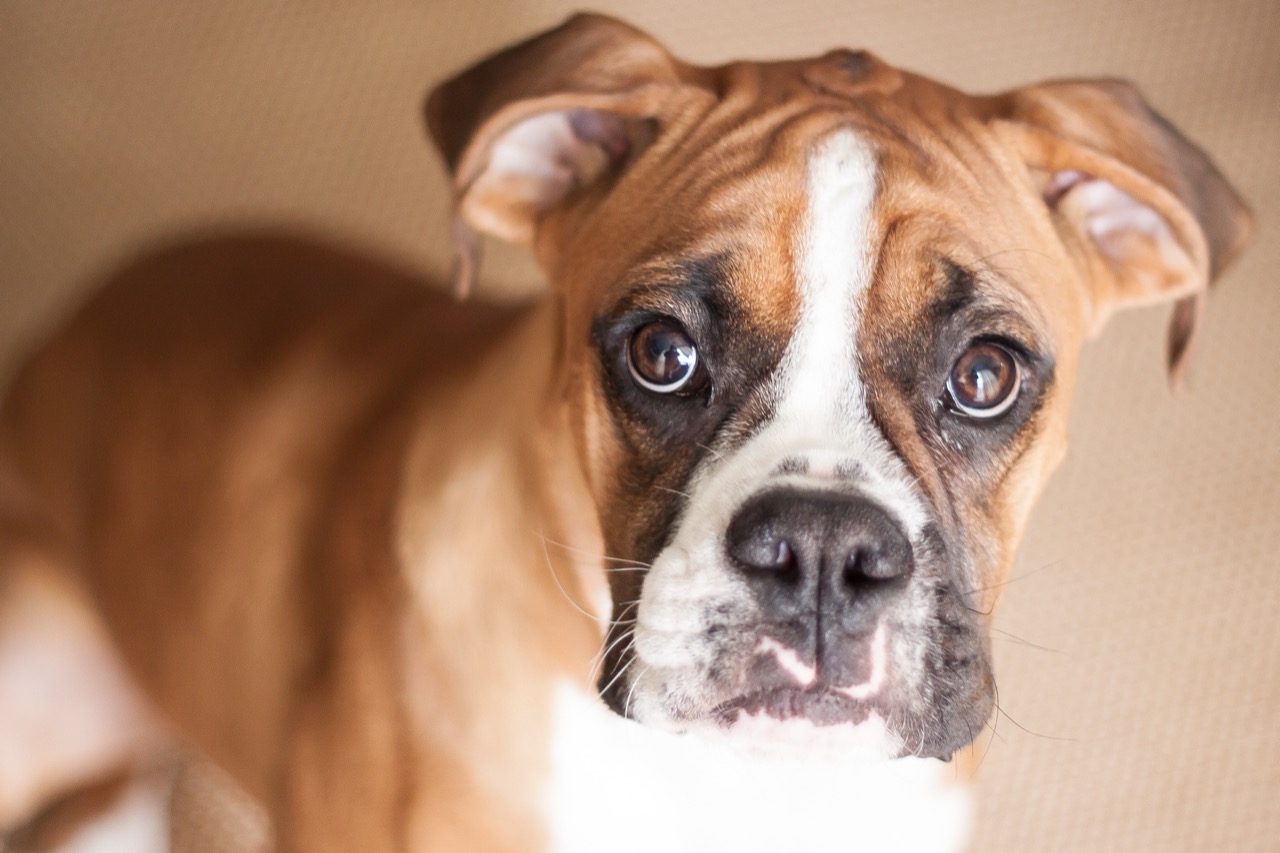
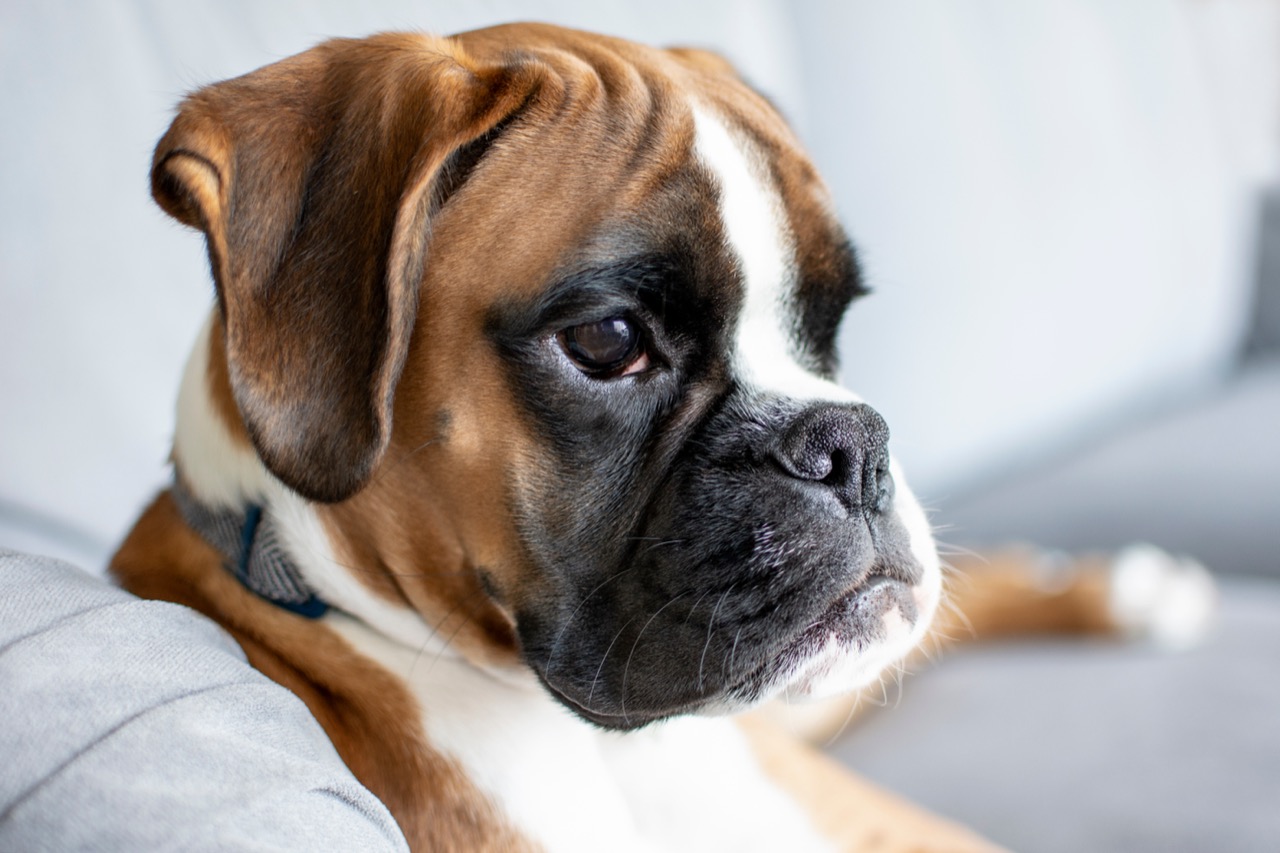
The head tells an even clearer story of function. The shortened muzzle and strong underjaw were historically valued because they helped a dog maintain a grip while still being able to breathe. In gripping work, a dog that cannot draw air efficiently tires quickly and becomes unsafe. The Boxer’s broad skull, powerful jaw muscles, and wide mouth were selected to hold and control, not to kill, buying time for the hunter or handler. Even the facial wrinkles, now seen as expressive charm, are said in popular tradition to have channeled blood away from the eyes in catch dogs, though that story is hard to document and modern Boxers are far removed from that harsh context.
As the breed became standardized around the turn of the 20th century, the Boxer was increasingly directed into roles that matched a changing society. Germany valued dogs that could guard property, accompany handlers, and respond reliably to training. Those needs reinforced traits that many owners recognize today: alertness without constant suspicion, a willingness to engage with people, and a strong desire to work as a team. This is why the Boxer often thrives when given a clear job, whether that is structured obedience, agility, tracking games, or simply consistent household routines.
The two World Wars accelerated the use of working dogs across Europe, and Boxers were among the breeds employed for duties such as messenger work, guarding, and general service tasks. These roles rewarded nerves of steel, handler focus, and the ability to learn quickly under pressure. After the wars, as Boxers spread internationally, breed clubs and registries helped preserve a recognizable type, but the best examples still reflected the original blueprint: athletic, stable, and responsive.
Understanding this timeline also explains common Boxer behavior. The breed’s enthusiasm and physicality are not random; they come from generations of selection for energy, confidence, and close cooperation with humans. Their sensitivity to training and strong social bond can be traced to the same working roots that demanded a dog read its handler and stay engaged. The Boxer’s history is a reminder that form follows function, and that the qualities people love today were built on real jobs, real selection, and a clear purpose.