Curls, Clips and Poodle Care












Quiz Complete!
Practical Home Care Essentials for Living With a Poodle

Poodles are often described as elegant and clever, but the day to day reality of living with one is more about routine than glamour. Their reputation for intelligence is well earned, and it shows up in how quickly they learn household rules, how easily they pick up patterns, and how strongly they watch their people for cues. That same sensitivity means training methods matter. Harsh corrections can backfire by creating worry or avoidance, while calm consistency and rewards tend to produce fast, reliable learning. A Poodle that understands what earns attention, treats, play, or access to the outdoors will usually try hard to repeat it. Because they are so people focused, they can also learn bad habits quickly if those habits get rewarded, even accidentally. Jumping up, demand barking, or stealing items can become a game if the household reacts in an exciting way. Clear boundaries and teaching an alternative behavior, like sitting for greetings or bringing a toy instead of grabbing socks, usually works better than repeated scolding.
Exercise for a Poodle is not just about burning energy. Many Poodles become restless when their brains are bored, even if they get a decent walk. Short training sessions, food puzzles, scent games, and learning new cues can be as tiring as a longer outing. Their history as water retrieving dogs helps explain why many enjoy fetching, swimming, and carrying items, and why they often thrive when given a job. A bored Poodle may invent work, such as patrolling windows, trailing family members from room to room, or finding creative ways to get attention. Providing structured activities, rotating toys, and teaching games with rules can prevent those habits from becoming annoying routines.
Early socialization is especially important for a breed that notices details and reads human emotion so closely. Socialization does not mean forcing greetings with every dog or person. It means creating positive, low pressure experiences with different people, surfaces, sounds, grooming tools, and environments while the dog is young, and continuing gentle exposure throughout adulthood. A Poodle that is not accustomed to handling may resist brushing, nail trimming, or veterinary exams, which can turn basic care into a struggle. Pairing touch with treats, practicing short sessions, and stopping before the dog is overwhelmed builds cooperation over time.
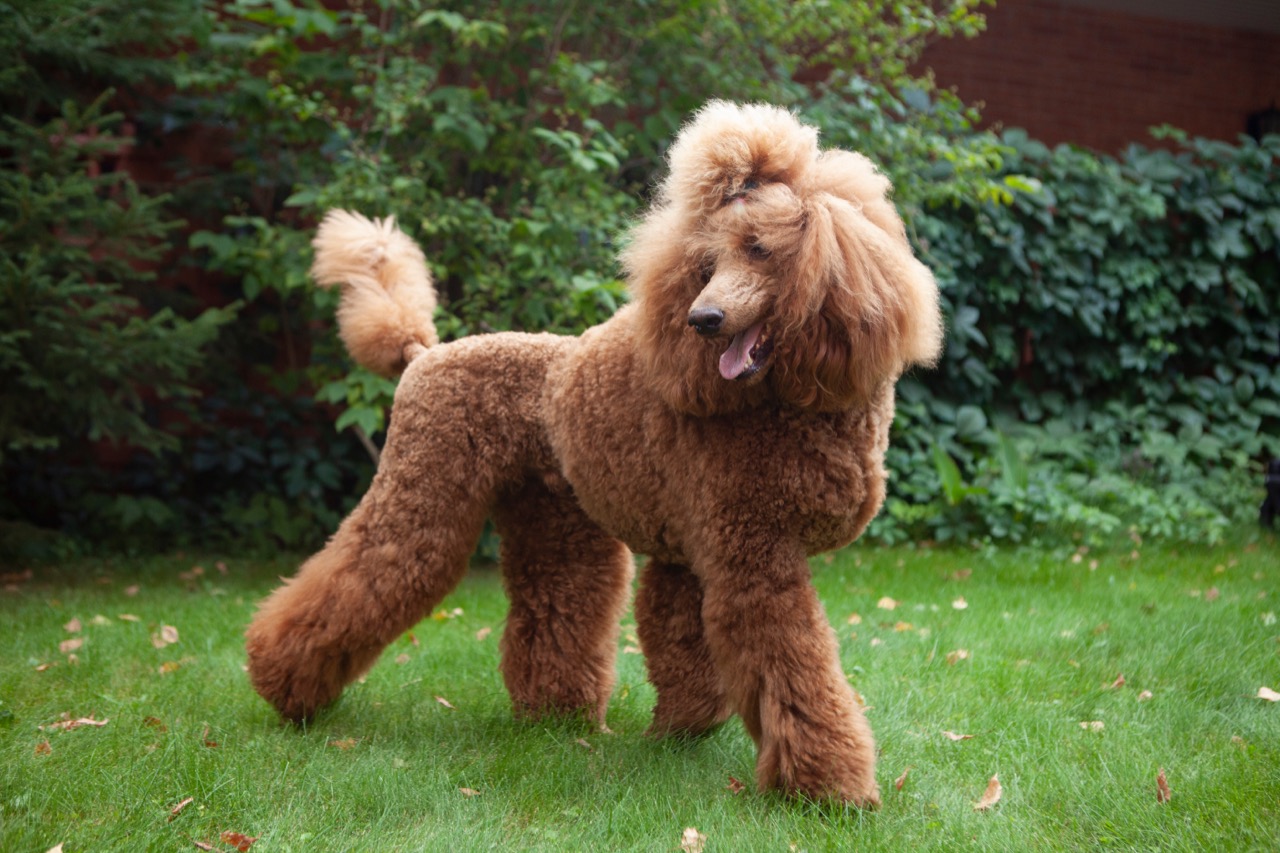
Coat care is where many first time owners are surprised. Poodles have a continuously growing, curly coat that tends to hold shed hair instead of dropping it freely. This can reduce the amount of hair you see around the house, but it does not mean the dog is maintenance free or automatically allergy friendly for everyone. Dander and saliva still exist, and individual allergies vary. What is certain is that a Poodle coat can mat tightly if it is not brushed and combed to the skin. Mats are not just cosmetic. They can pull painfully, trap moisture, hide skin irritation, and make movement uncomfortable. Regular brushing with the right tools, followed by combing to check that you reached the skin, helps prevent mats from forming in friction areas like behind the ears, under the collar, in the armpits, and around the tail.
Professional grooming or confident home clipping is usually part of Poodle life. Keeping the coat shorter can make maintenance easier, but short clips still require routine brushing because mats can form close to the skin. Clean ears, trimmed nails, and dental care also matter. Poodles can be prone to ear issues because hair and moisture can collect in the ear area, so keeping ears clean and dry and watching for redness or odor is important. Many owners find that making grooming a calm, rewarded habit from puppyhood is the difference between a dog that tolerates care and one that fights it.
A well cared for Poodle is typically a joyful companion: eager to learn, responsive to family routines, and happiest when included. When owners match training to a sensitive mind, provide both mental and physical outlets, and treat grooming as health care rather than fashion, Poodle living becomes less about maintaining a fancy look and more about building a comfortable, cooperative life together.