Sweaters or Sunscreen? Crested Care
Quiz Complete!
Living With a Chinese Crested: Practical Care, Comfort, and Training

The Chinese Crested may look like a tiny eccentric supermodel, but day-to-day life with one is less about spectacle and more about smart routines. This breed is best understood as a small companion dog with a strong preference for people, a need for comfort, and grooming requirements that depend heavily on which coat type you have.
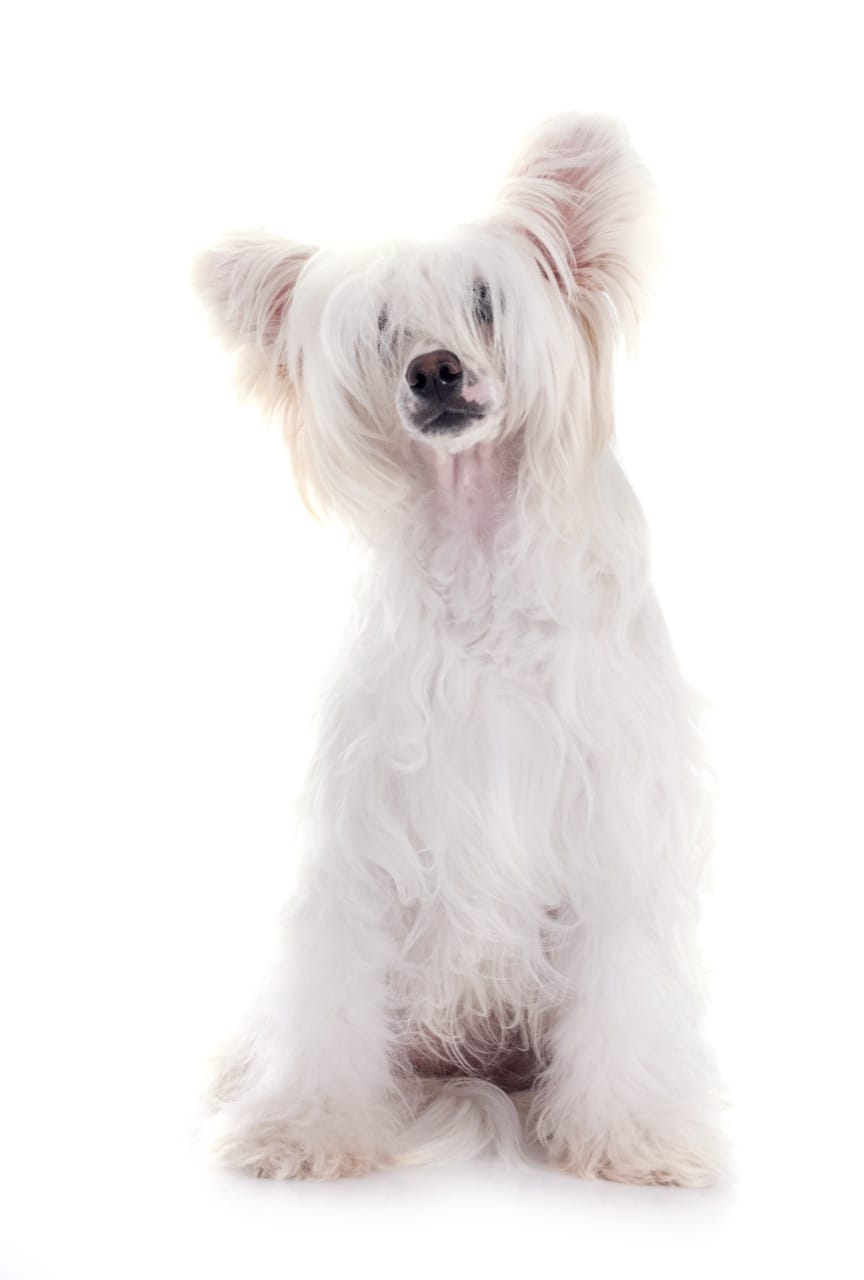
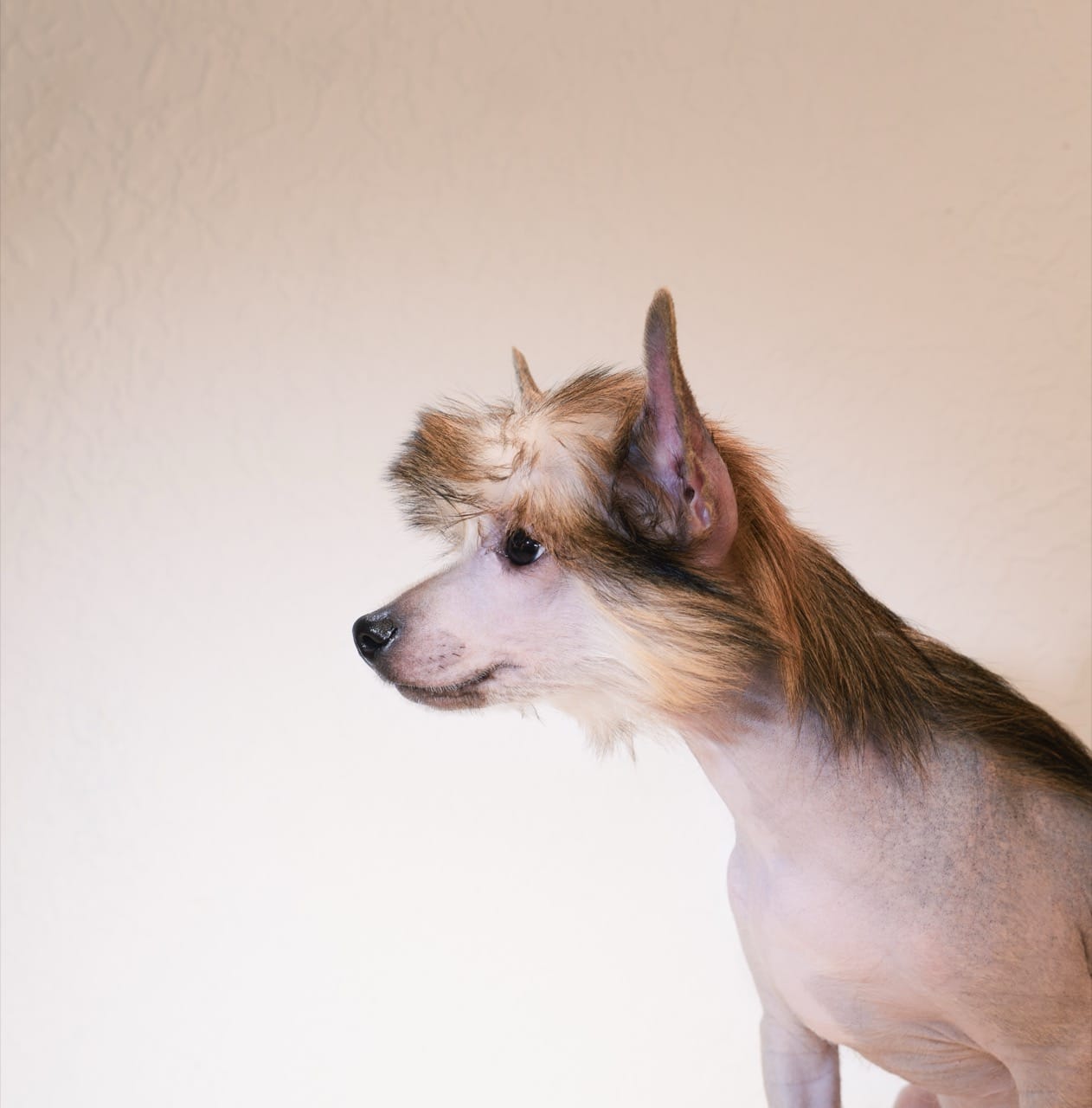
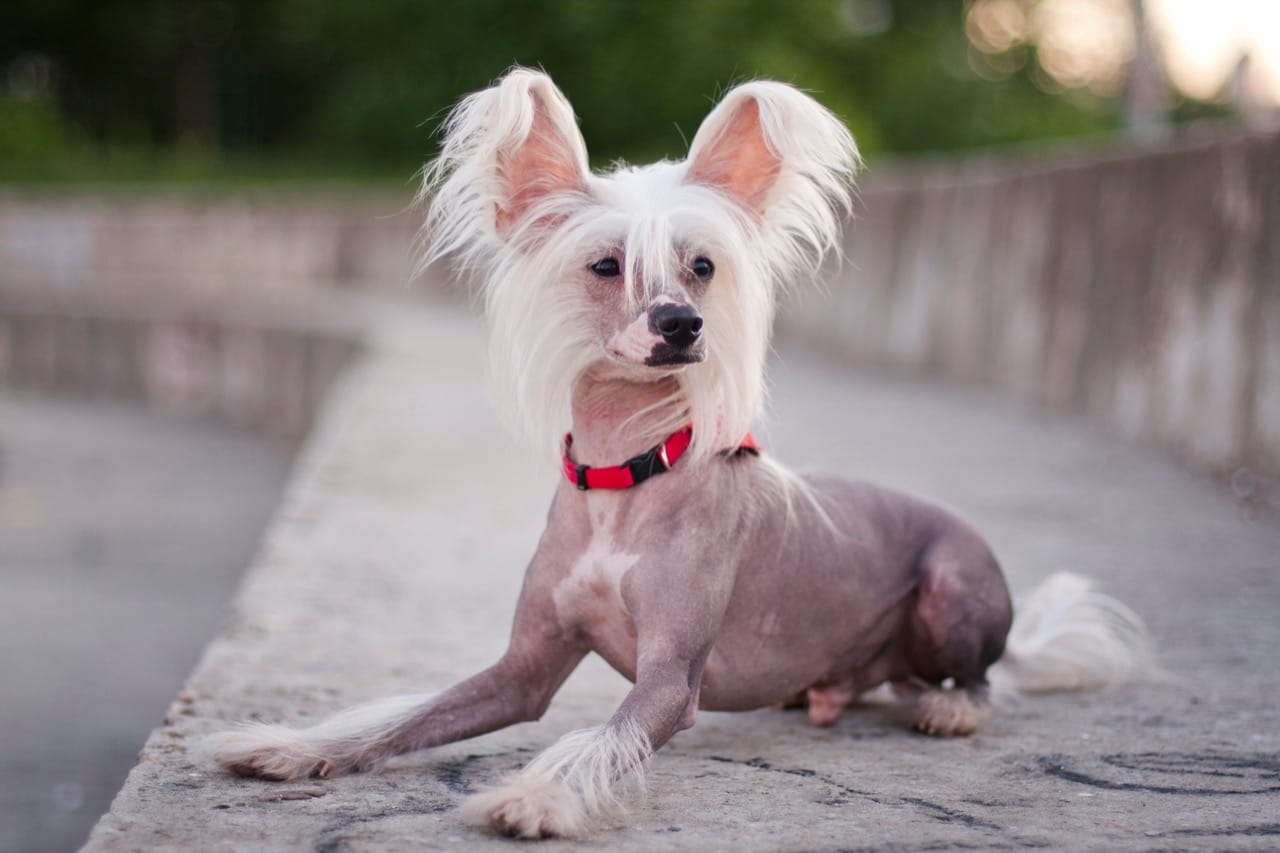
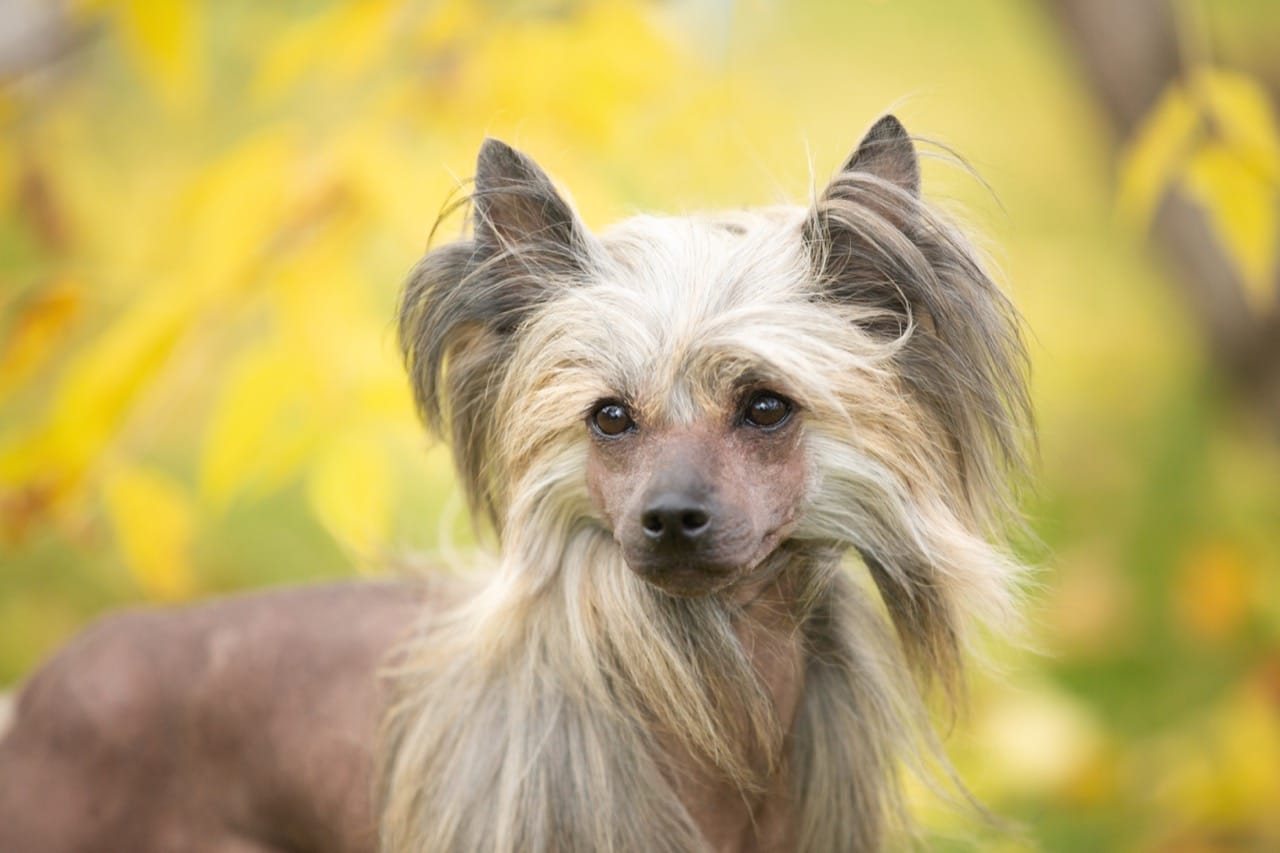
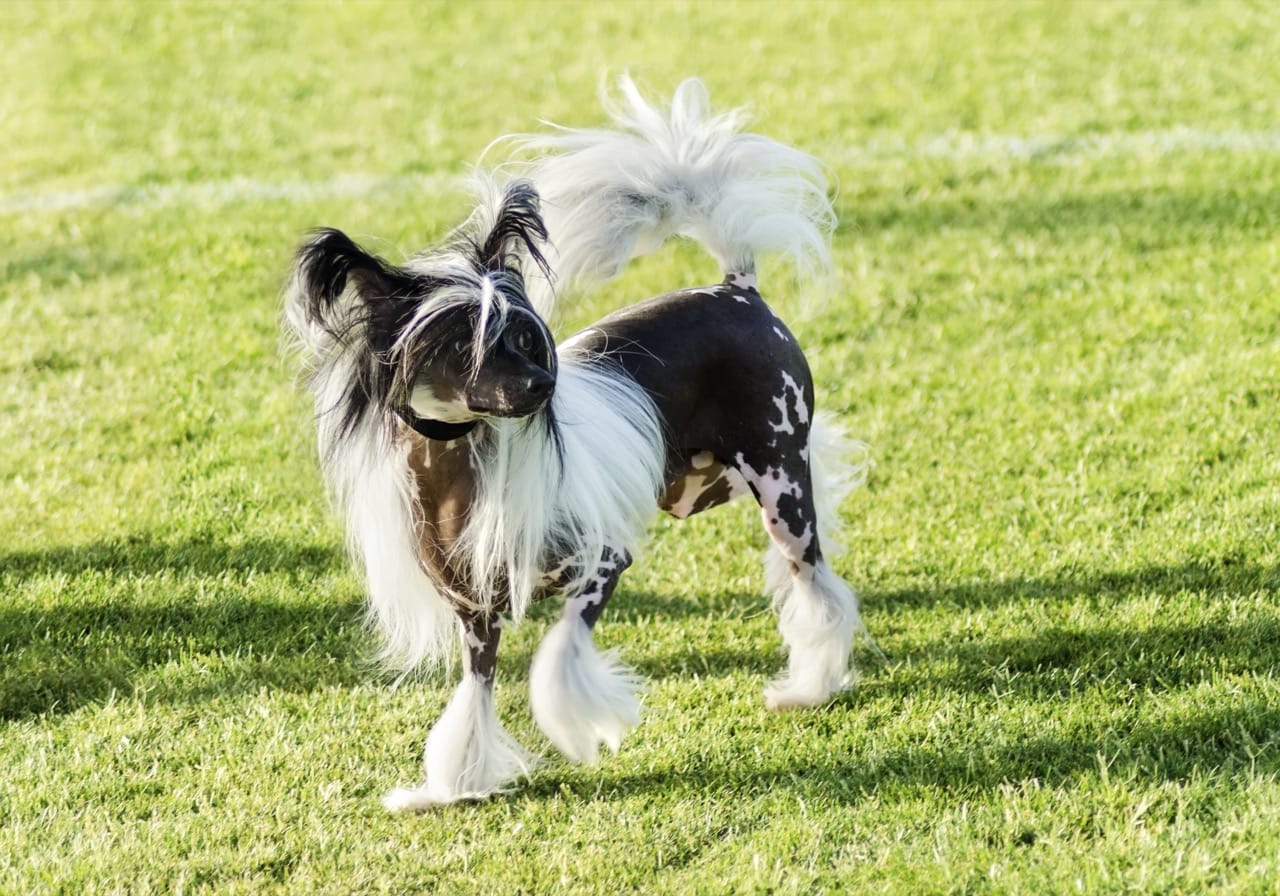
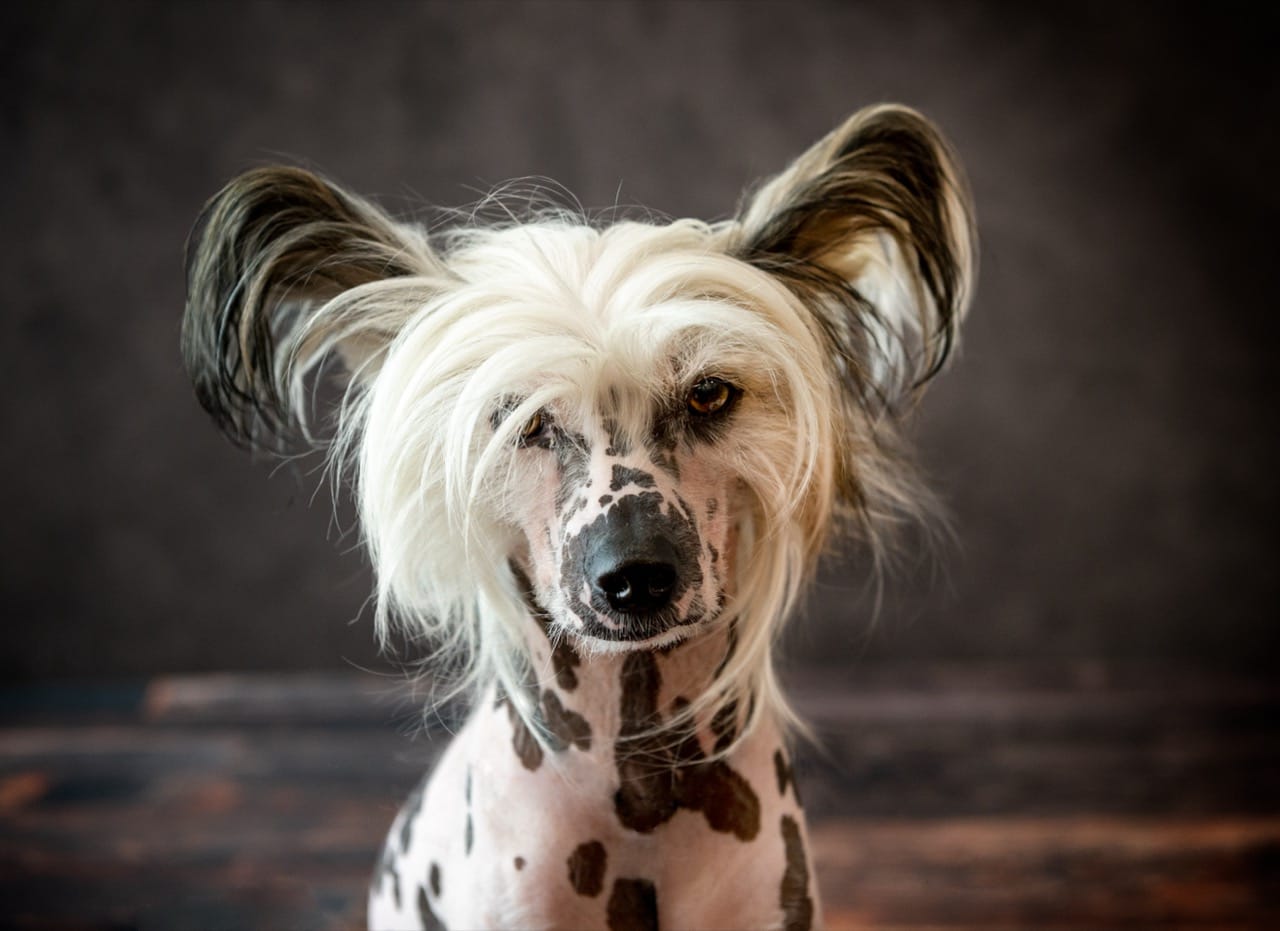
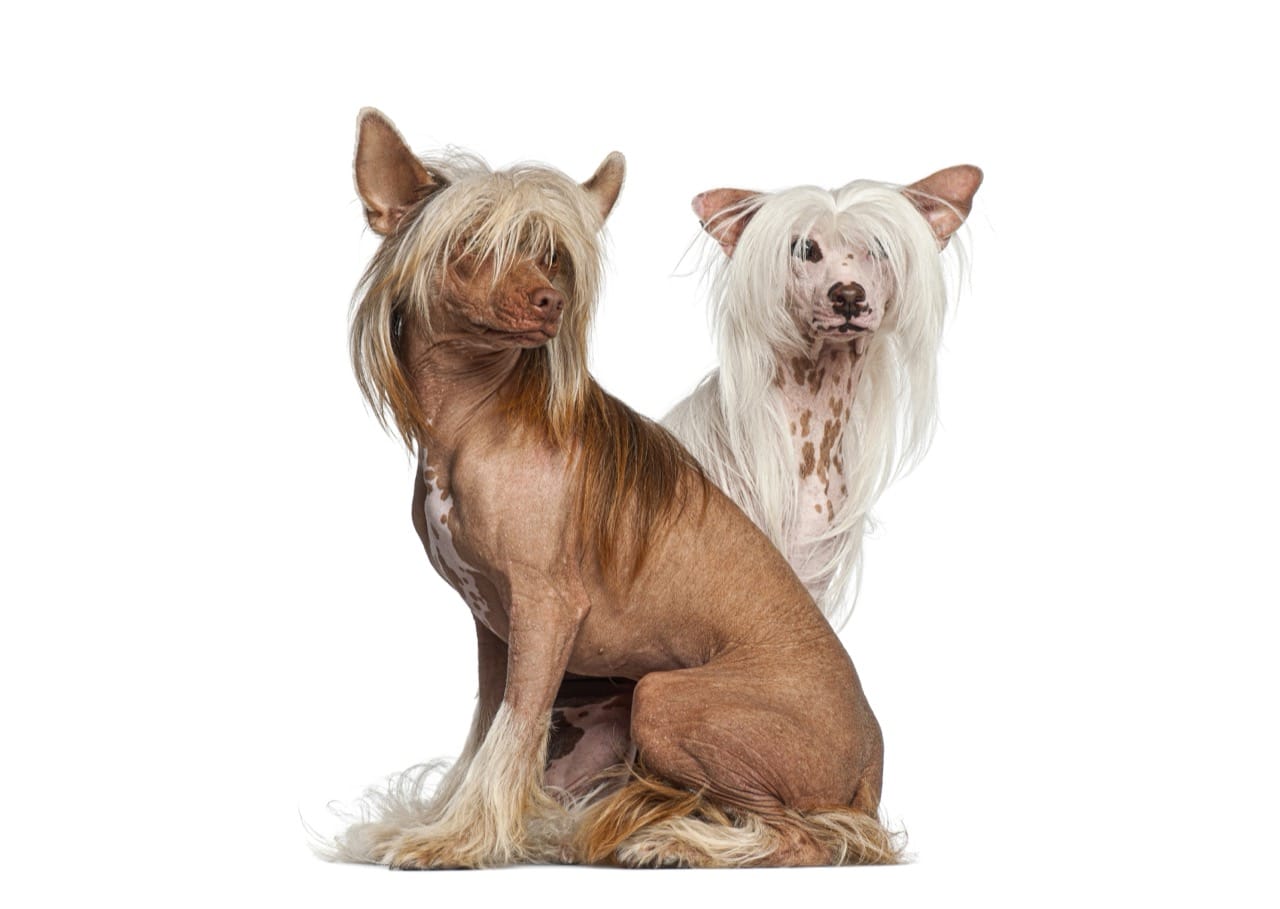
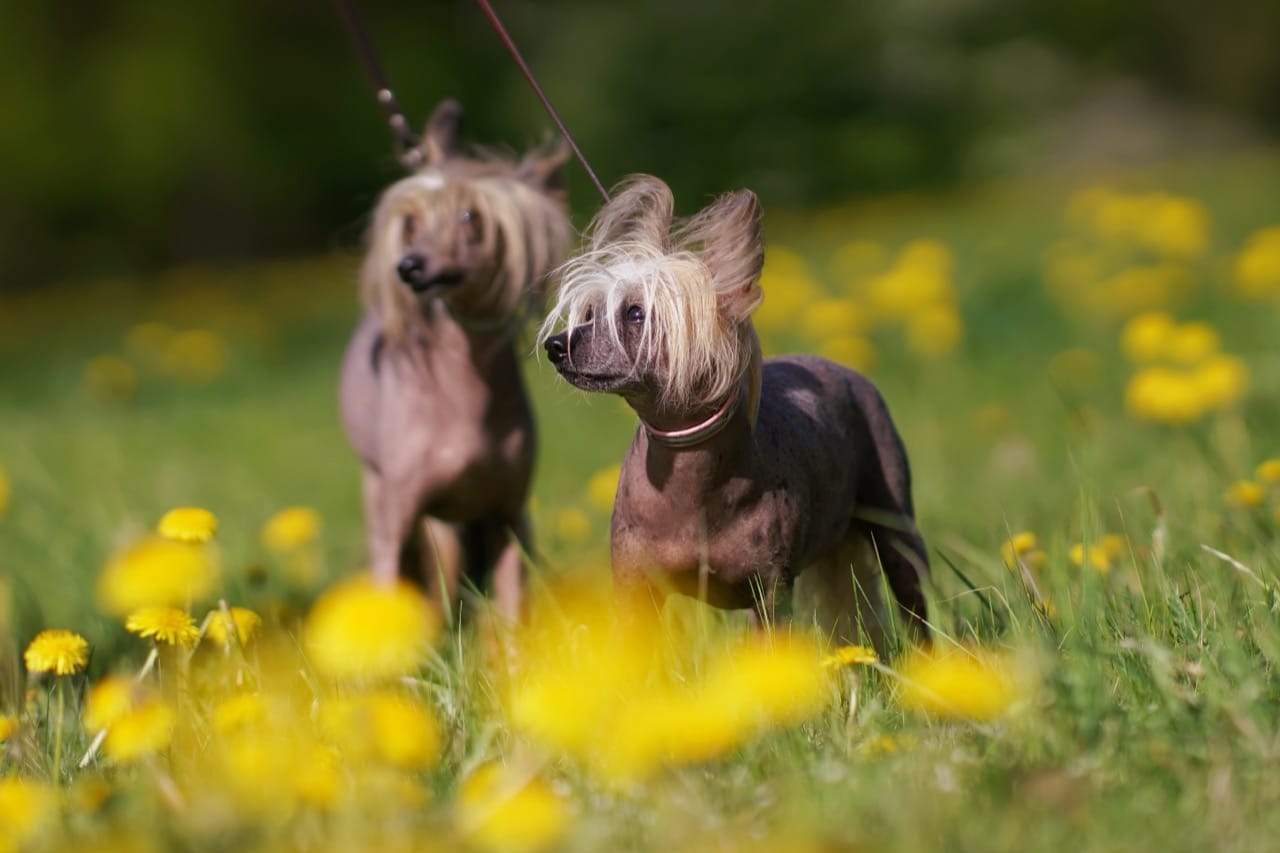
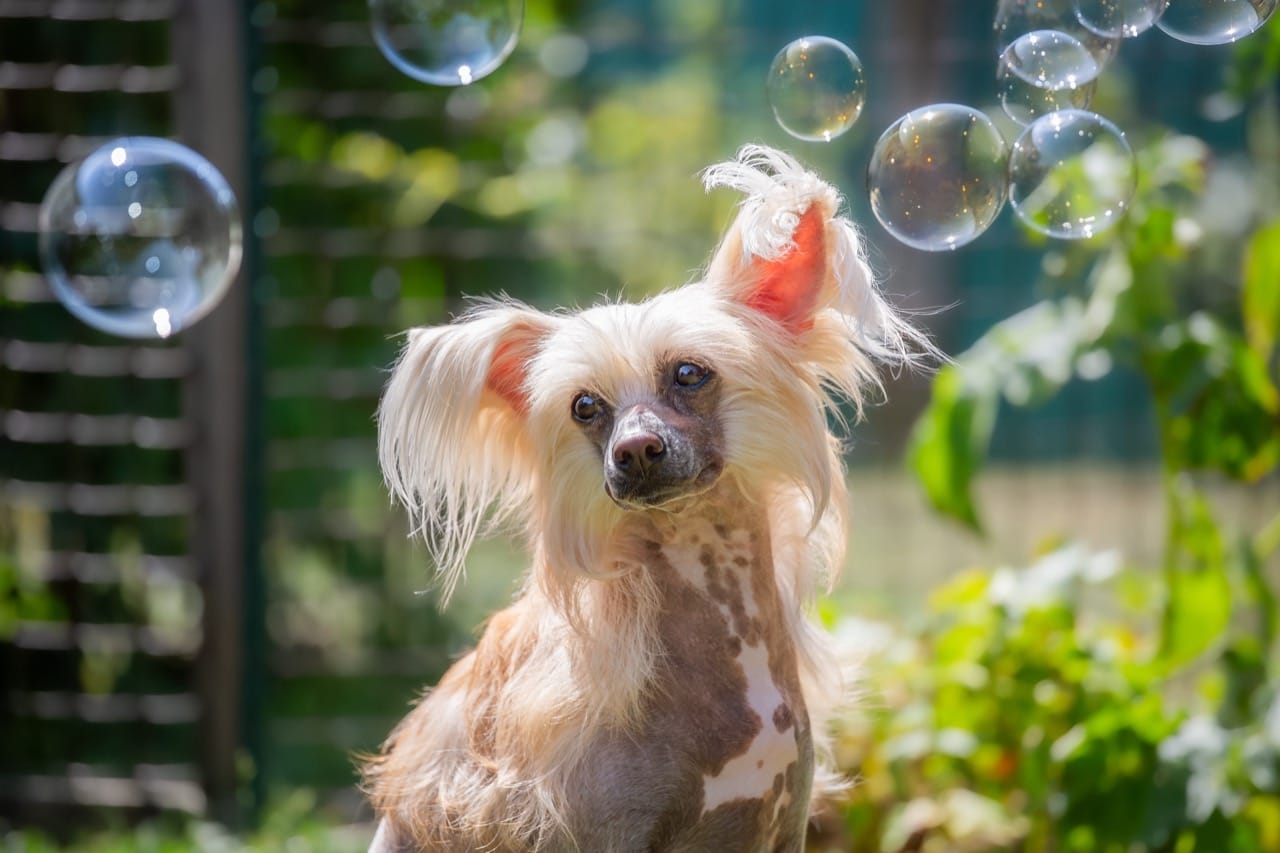
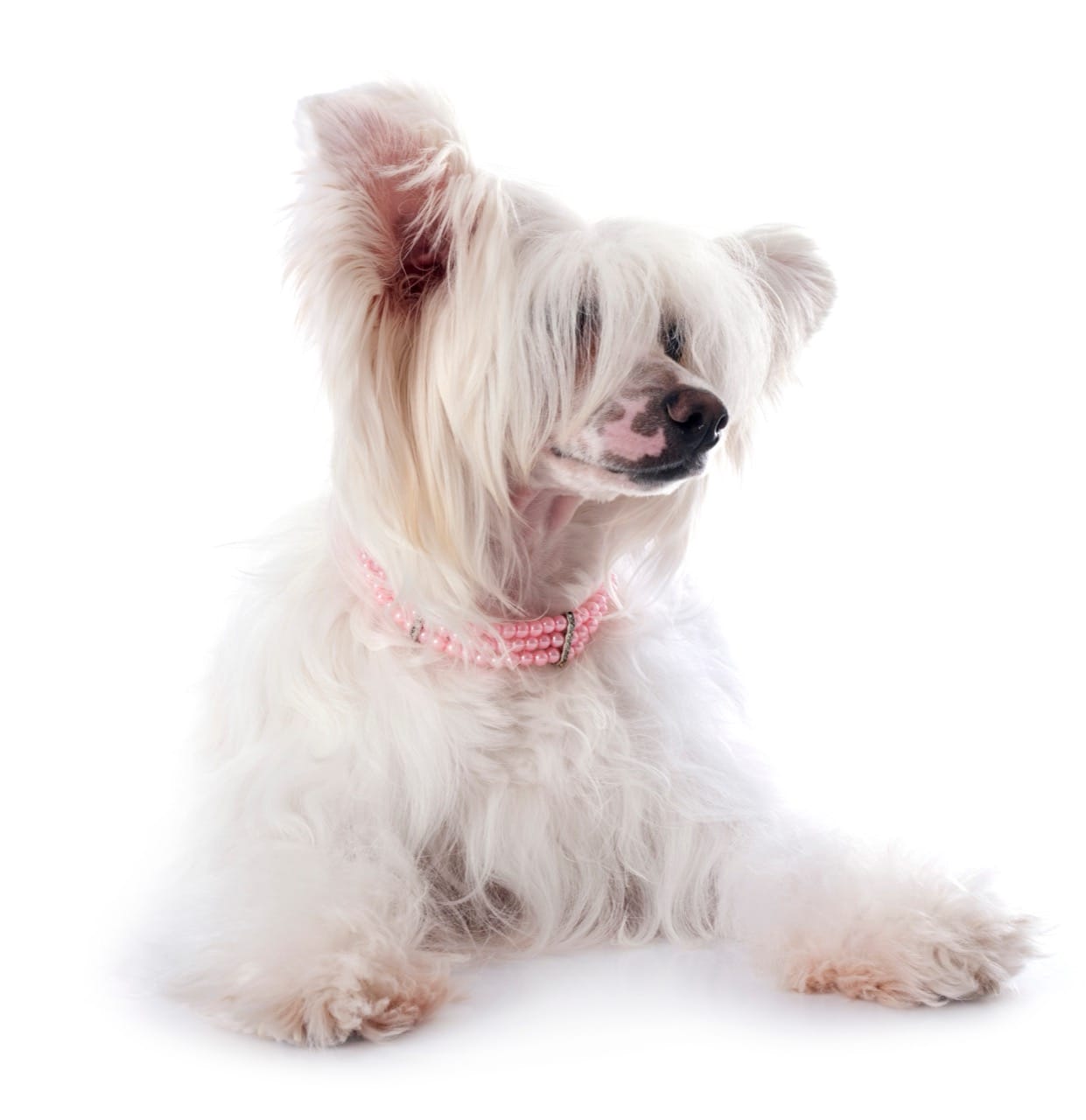
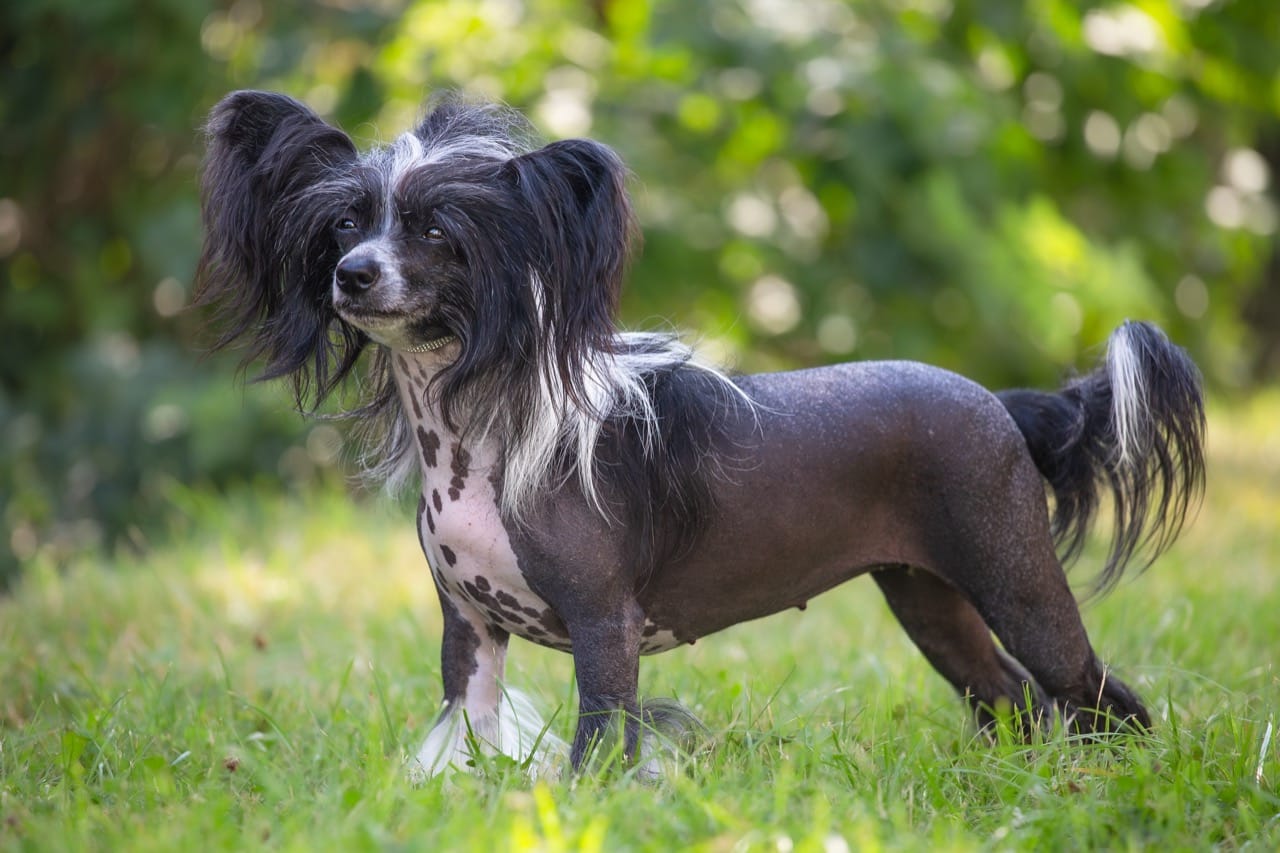
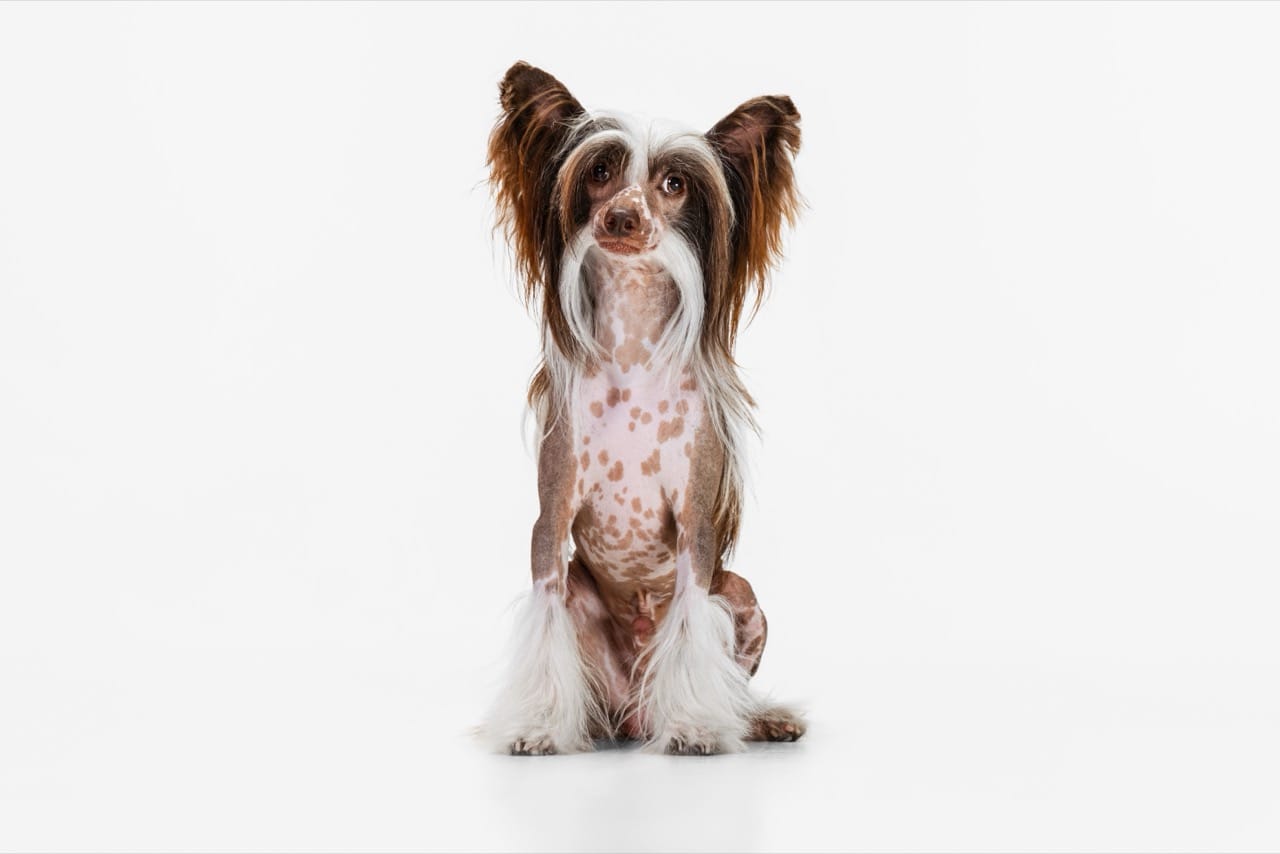
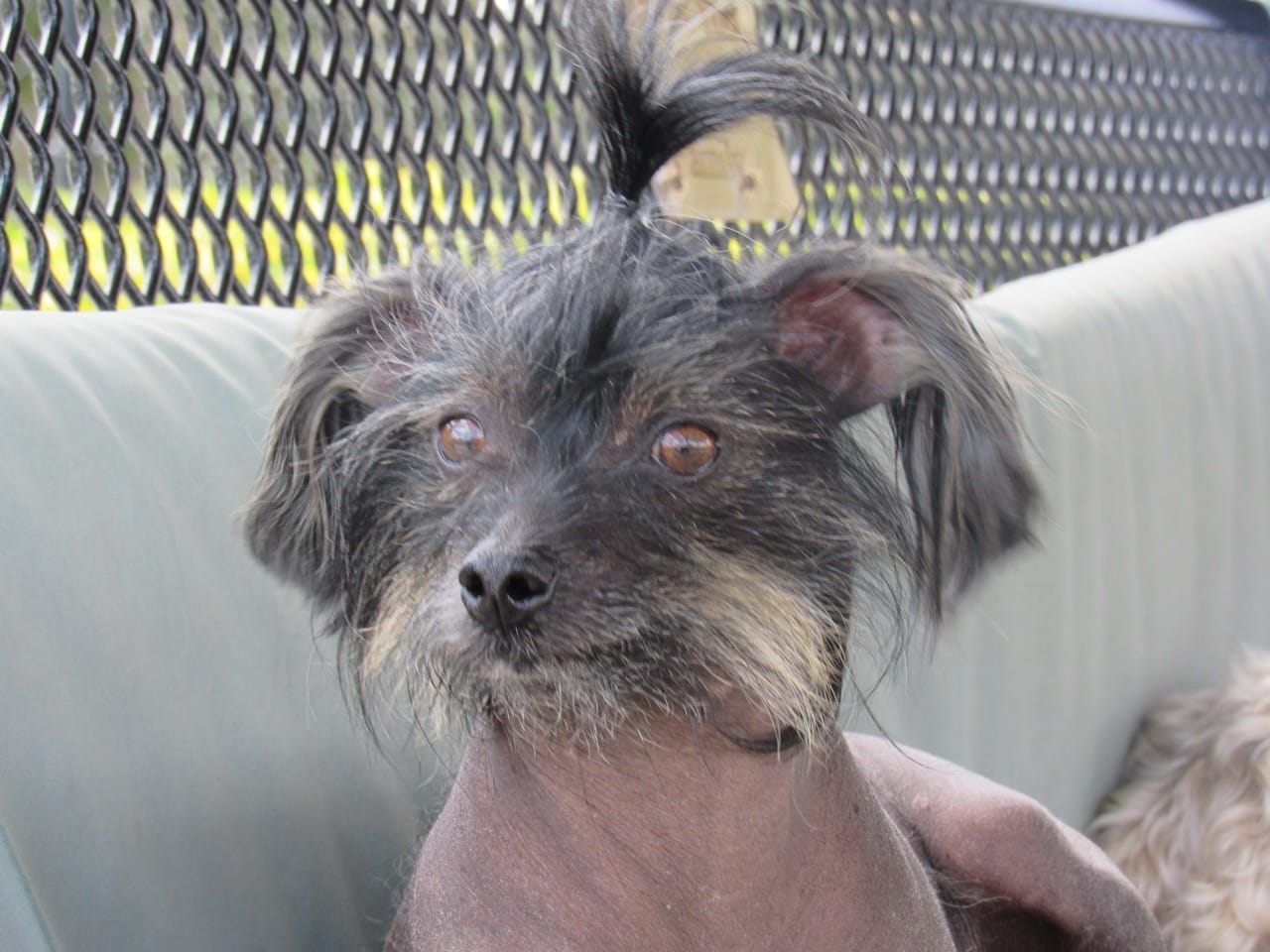
Chinese Cresteds come in two varieties: Hairless and Powderpuff. Hairless dogs typically have soft hair on the head, feet, and tail, with much of the body appearing bare. Powderpuffs have a full, fine double coat that looks airy and smooth when cared for properly. Both varieties can appear in the same litter, which surprises many first-time owners who assume the breed is always hairless.
The biggest misconception is that hairless means low maintenance. In reality, hairless skin needs regular care to stay healthy. Think of it like caring for sensitive human skin. Many Cresteds do best with gentle bathing to remove oils and dirt, followed by a light, non-irritating moisturizer if the skin tends to dry out. Some individuals are prone to clogged pores, blackheads, or acne-like bumps, especially during adolescence, so keeping bedding clean and avoiding harsh products matters. Sun protection is also practical, not optional. A hairless dog can sunburn, particularly on pale skin, so shade, timing outdoor activity away from peak sun, and pet-safe sunscreen on exposed areas can help. In cooler weather, many need sweaters or coats, because they lose heat faster than coated breeds.
Powderpuffs trade skin worries for coat work. Their coat can mat if neglected, especially behind the ears, in the armpits, and around the collar area. Regular brushing and gentle detangling are key, along with routine baths and thorough drying. Owners who stay consistent often find grooming manageable, while those who postpone it may face painful mats and the need for a full shave-down. Either way, nails, teeth, and ears should not be overlooked. Small breeds commonly develop dental disease, and Chinese Cresteds are no exception, so tooth brushing and regular veterinary dental care can make a major difference.
Temperament is where the breed really shines. Chinese Cresteds are famously people-focused and often bond closely with their family. This also means they can struggle if left alone for long stretches. Many do best in homes where someone is around often, or where the dog has been gradually taught that alone time is safe. Crate training and calm departures can help, but the approach should be gentle and patient.
Training is usually most successful with positive reinforcement. Cresteds tend to be sensitive, and harsh corrections can make them shut down or become anxious. Short, upbeat sessions that reward desired behavior work well, especially when paired with clear routines. House training can take persistence, partly because small dogs have smaller bladders and may dislike going outside in cold or wet weather. Consistent schedules, easy access to an appropriate potty spot, and praise for success are practical tools.
Exercise needs are moderate. Many Cresteds enjoy brisk walks, indoor play, and short bursts of zooming around the house. They are not typically endurance athletes, but they do need daily activity and mental stimulation to stay content. Because comfort is a theme with this breed, owners often adjust exercise to temperature, using coats in winter and limiting sun exposure in summer.
If you want a dog that is affectionate, funny, and deeply attached to its people, the Chinese Crested can be a rewarding choice. The practical reality is that you are signing up for either skincare plus wardrobe planning, or steady coat maintenance, along with gentle training and a lifestyle that keeps your dog close. For many owners, that is exactly the appeal.