Living Large With a Tiny Pom
Quiz Complete!
Everyday Pomeranian Home Habits: Training, Grooming, and Living Well With a Tiny Big Dog

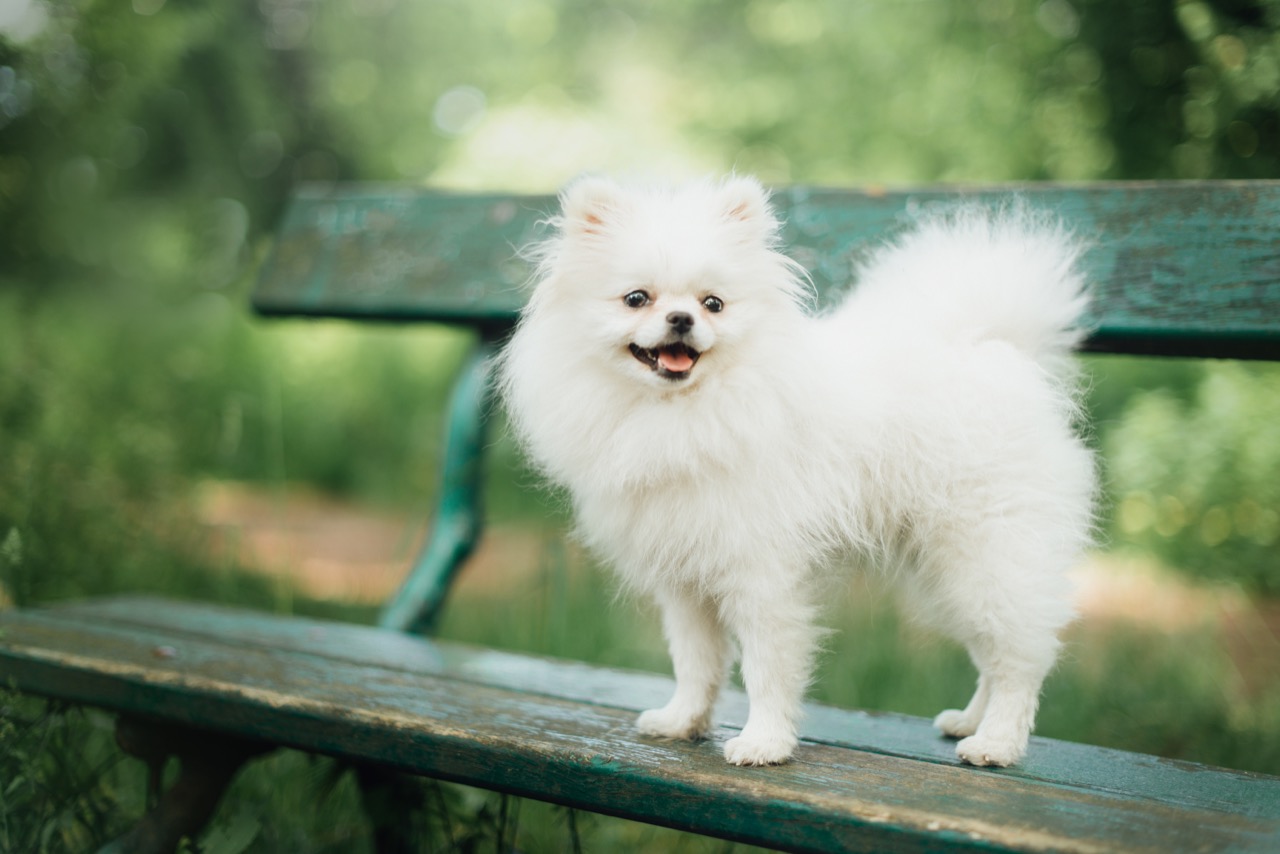
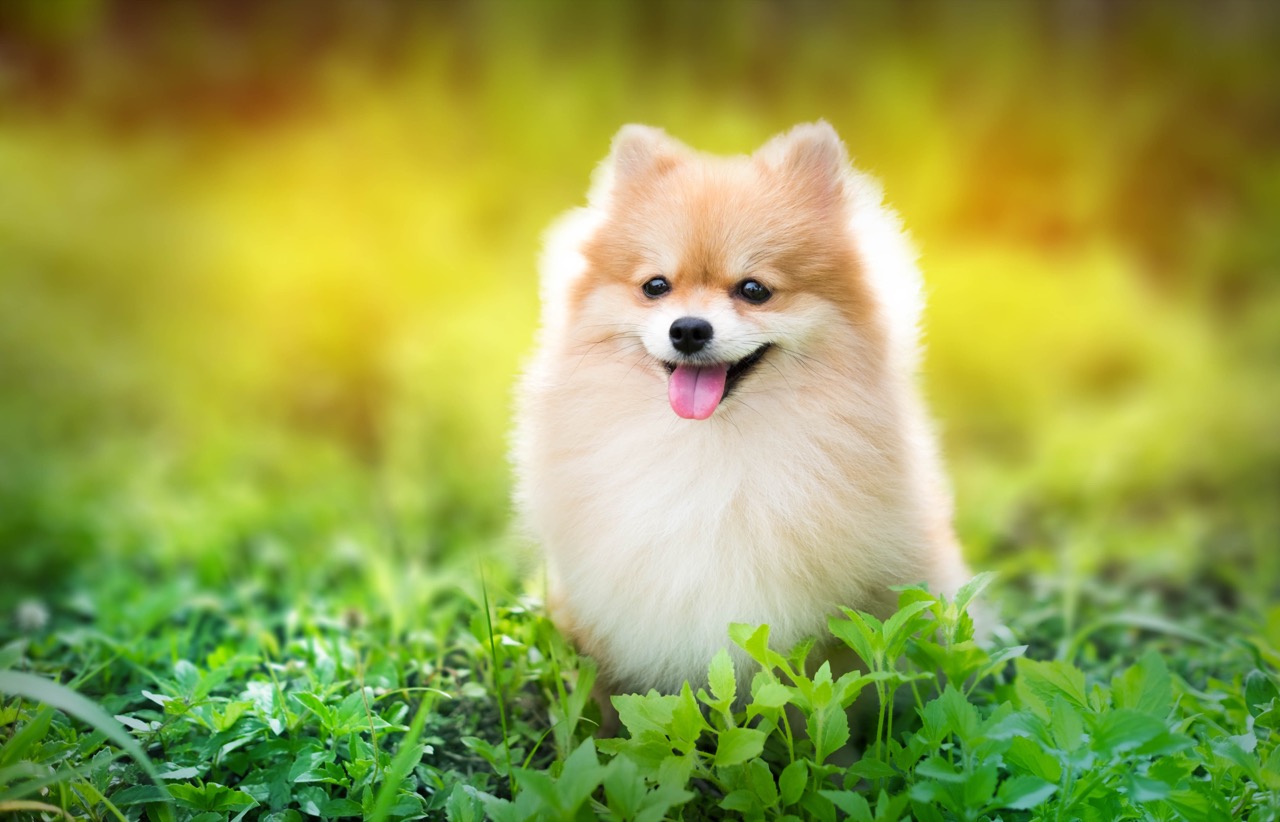
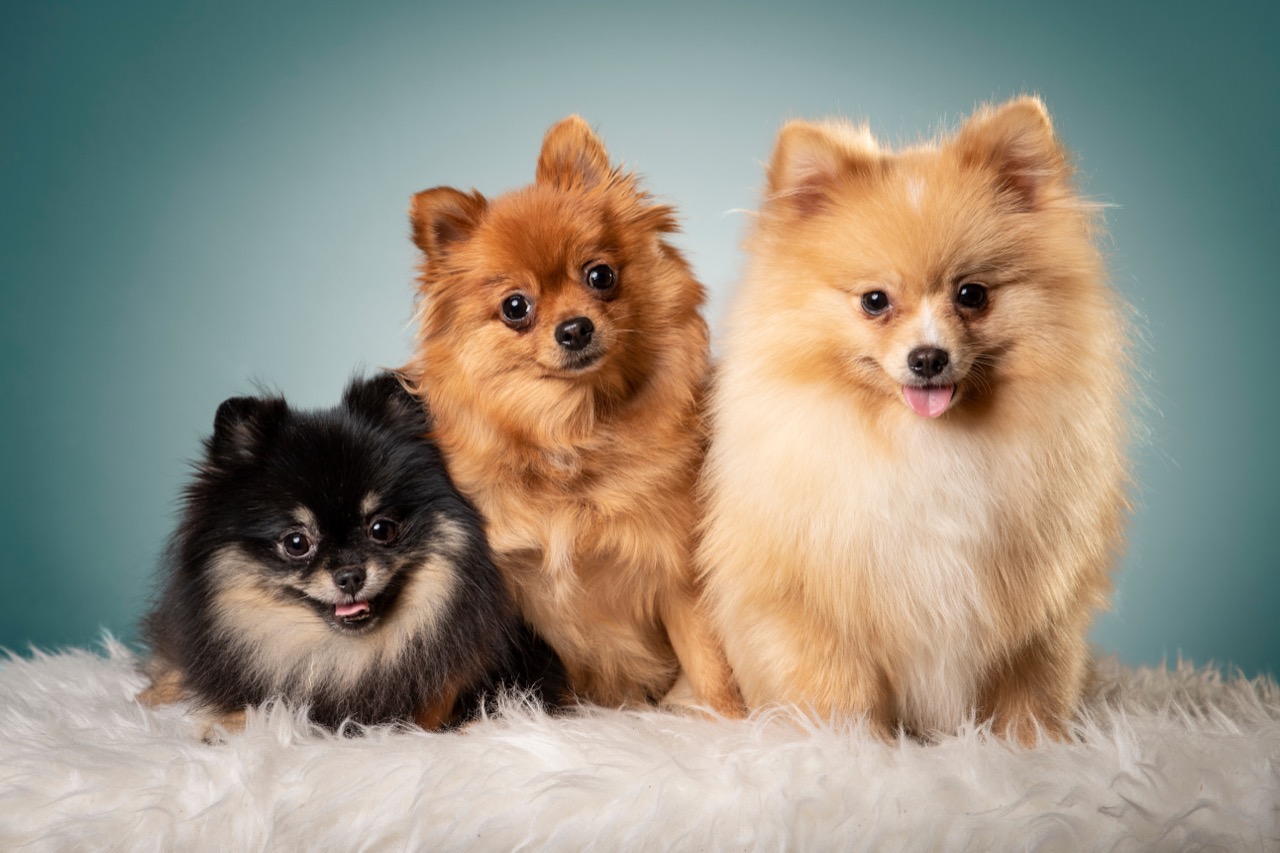
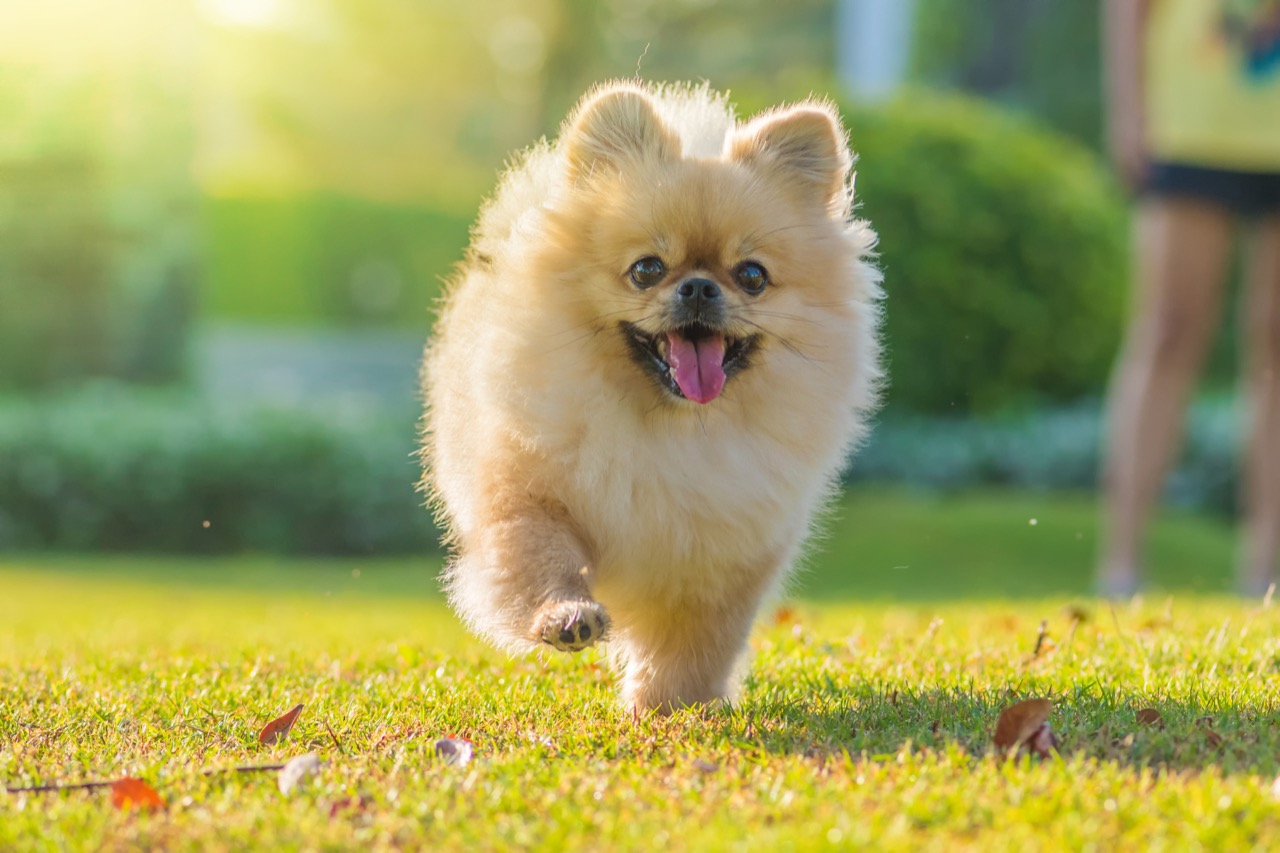
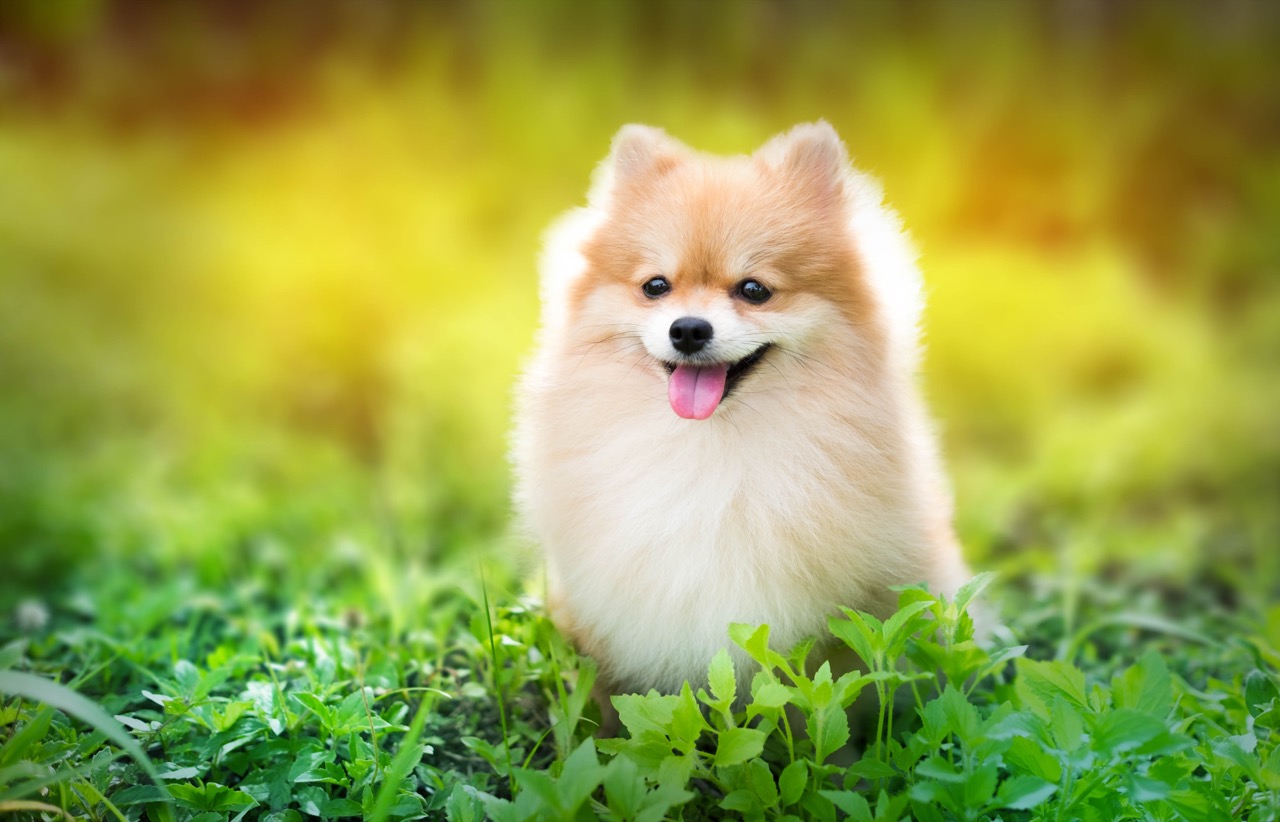
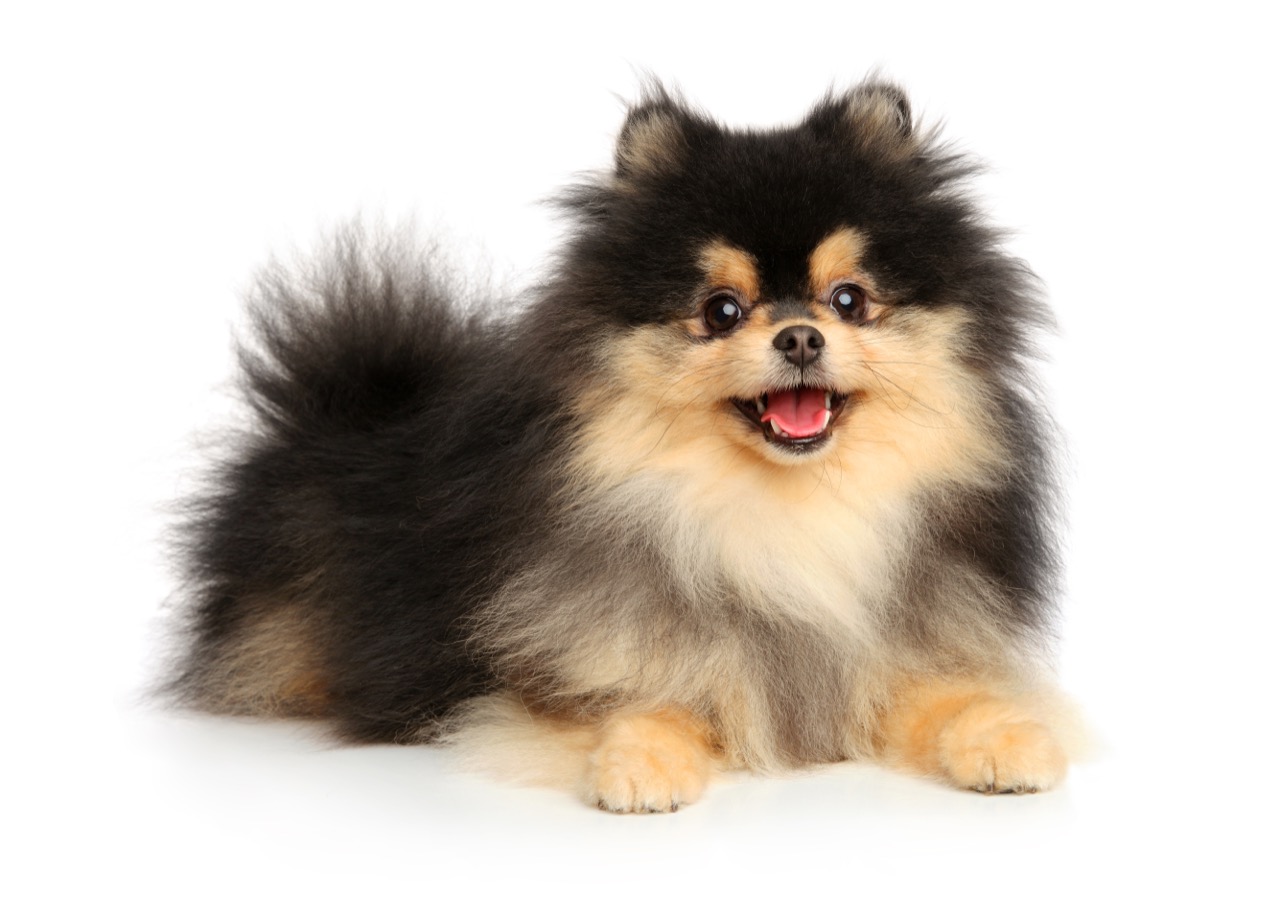
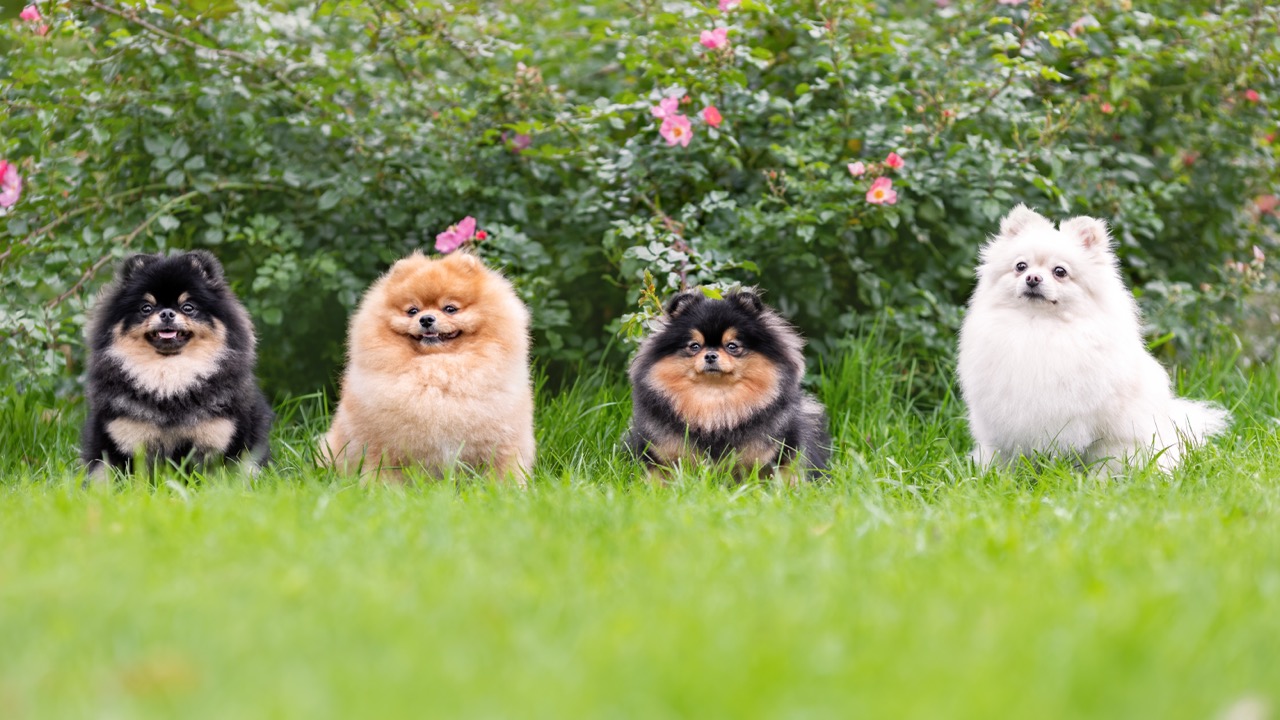
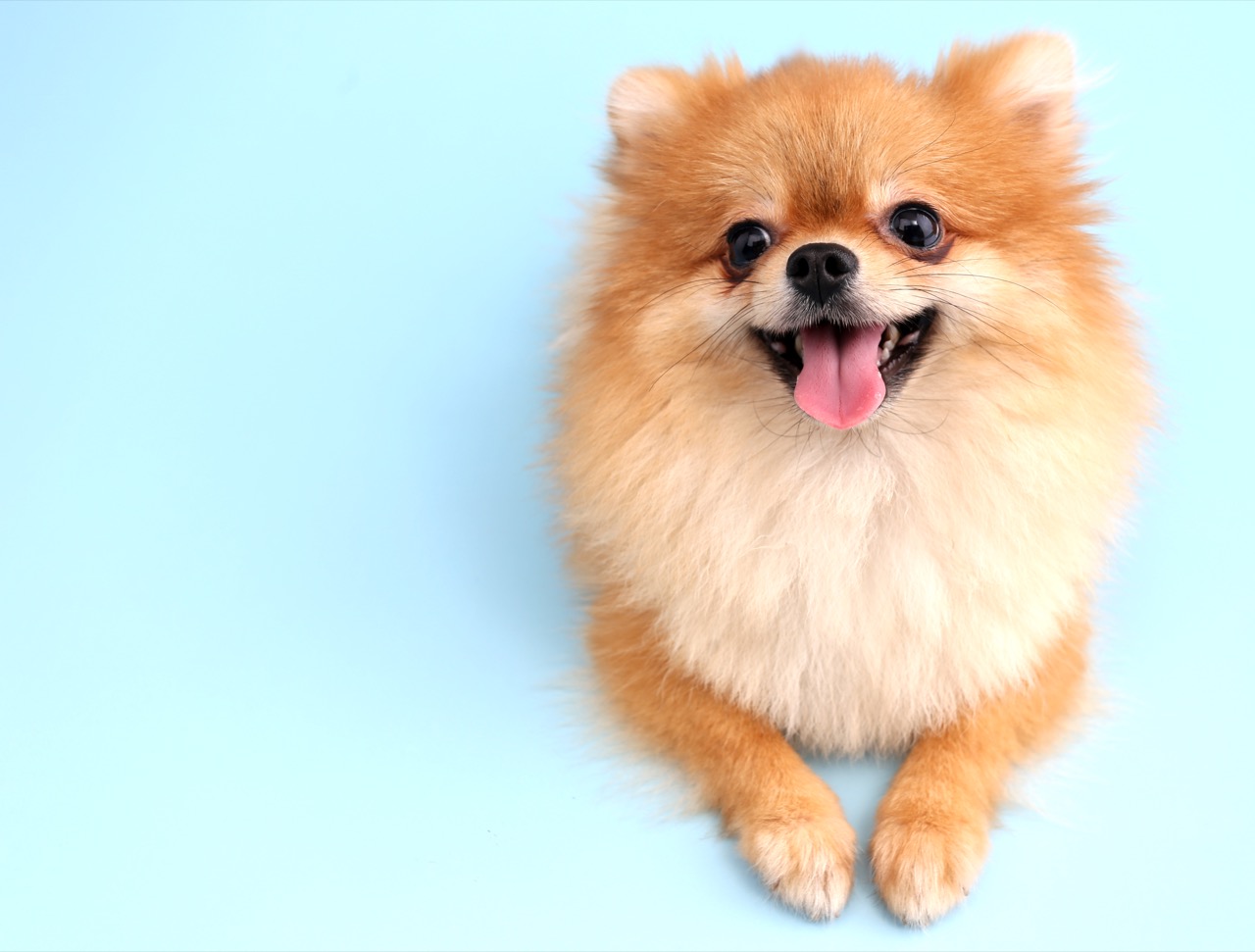
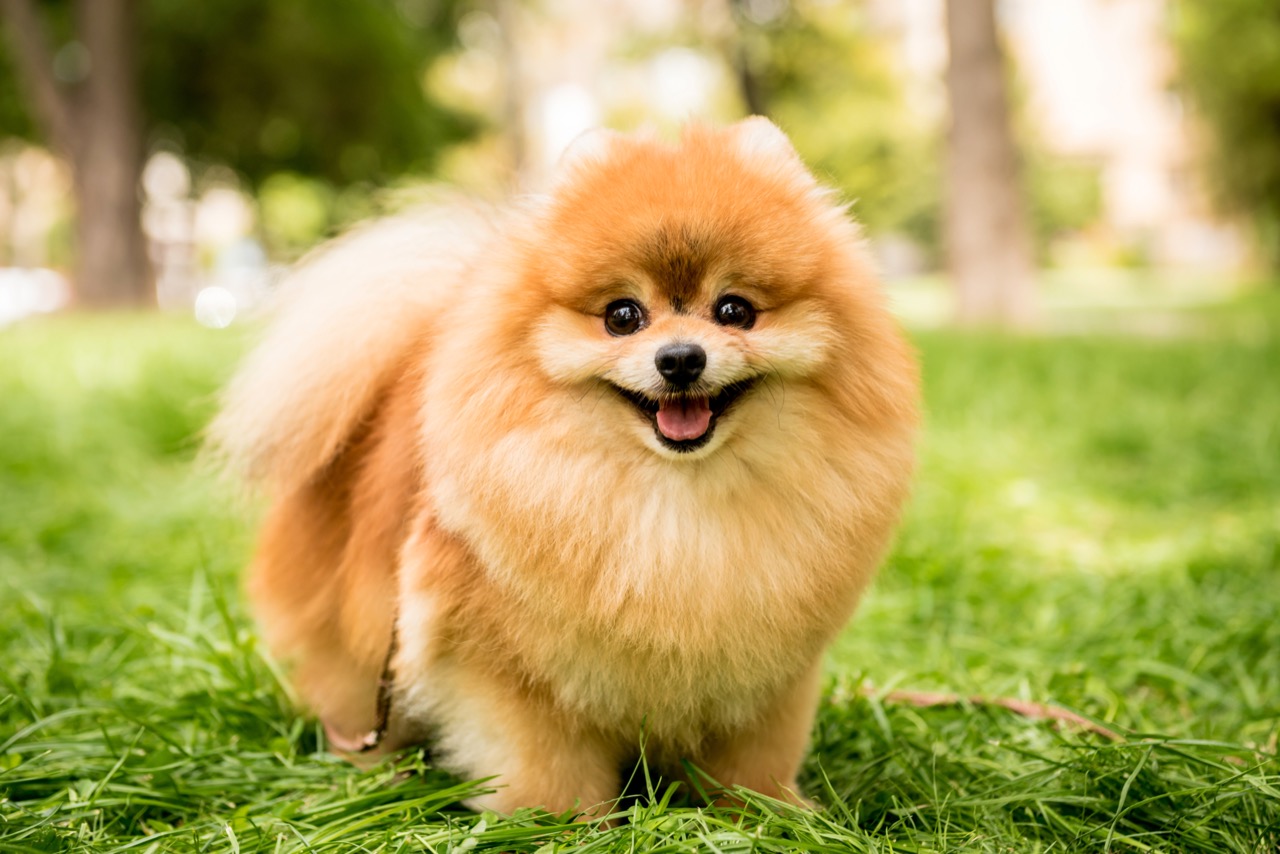
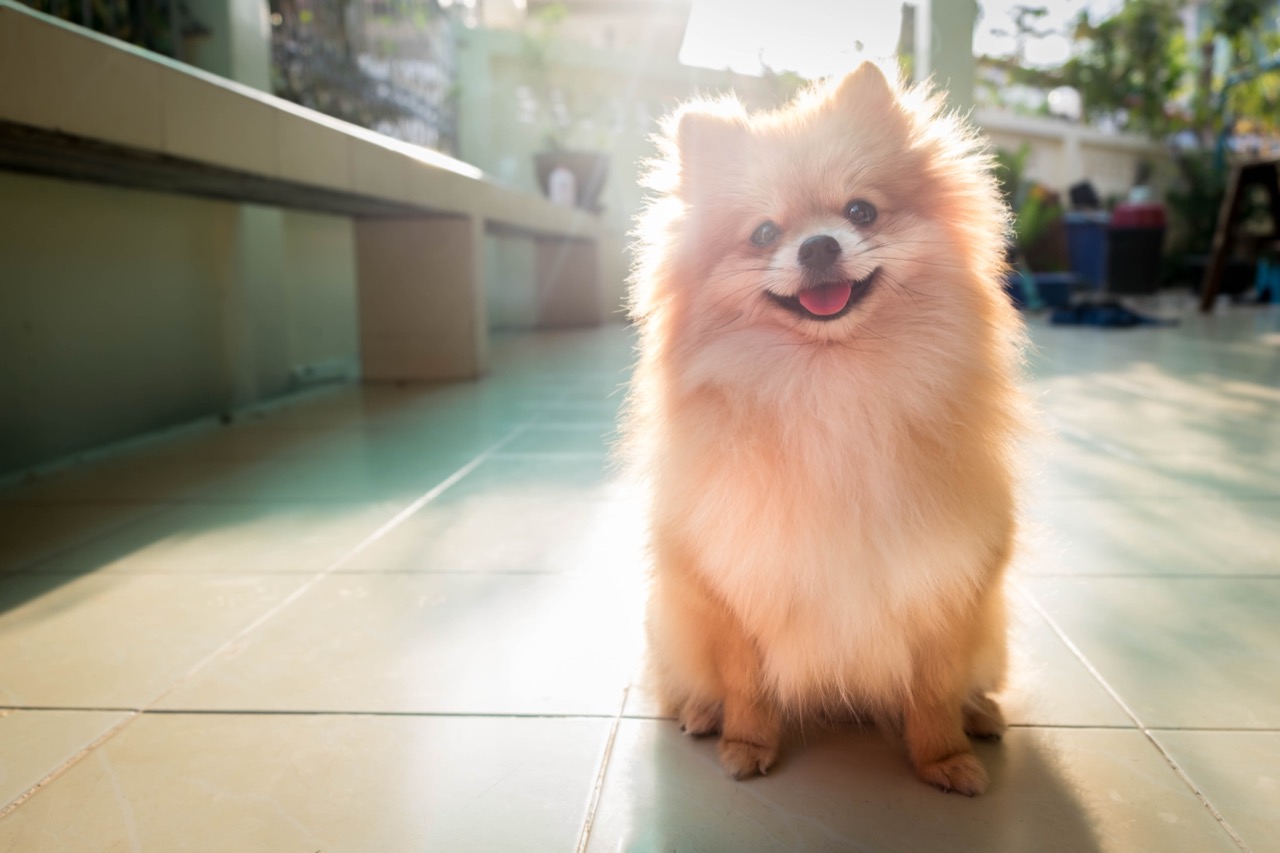
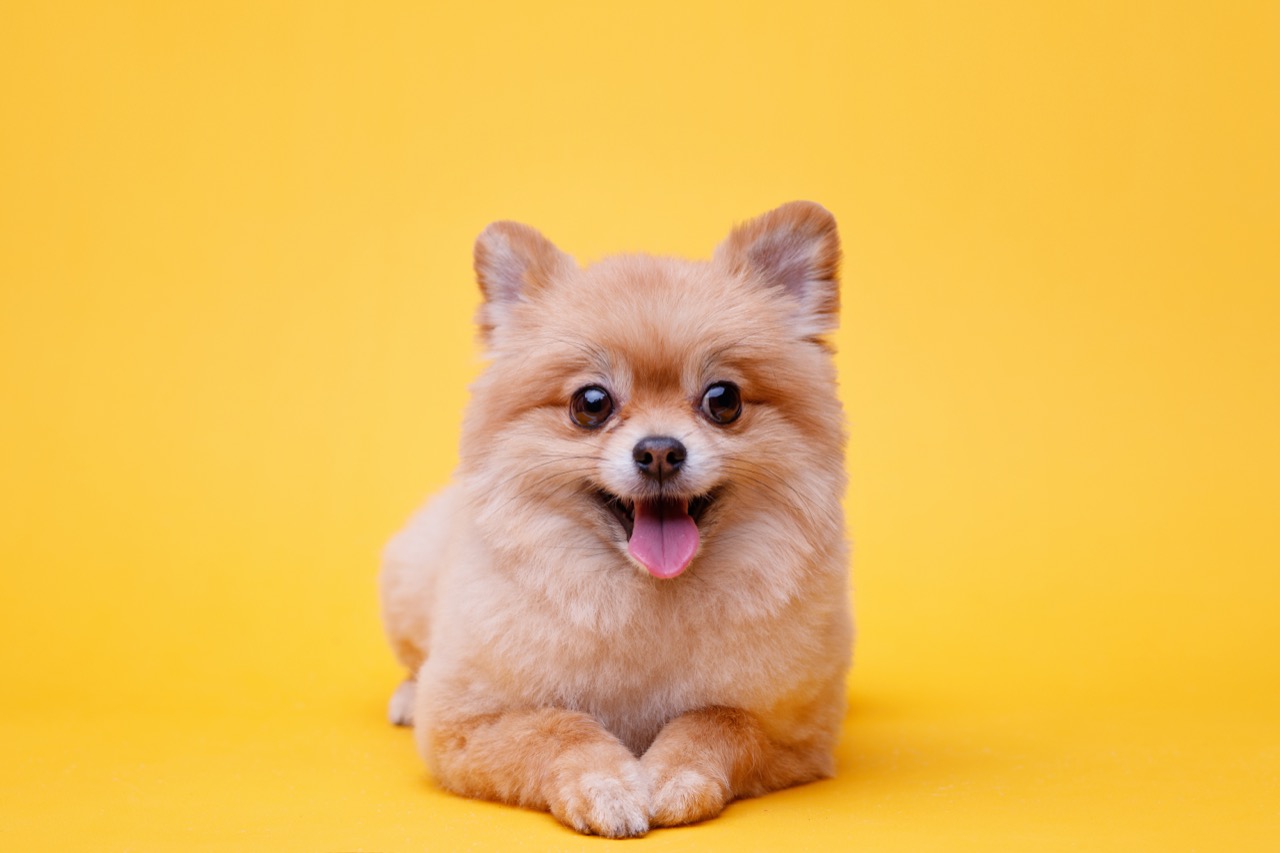
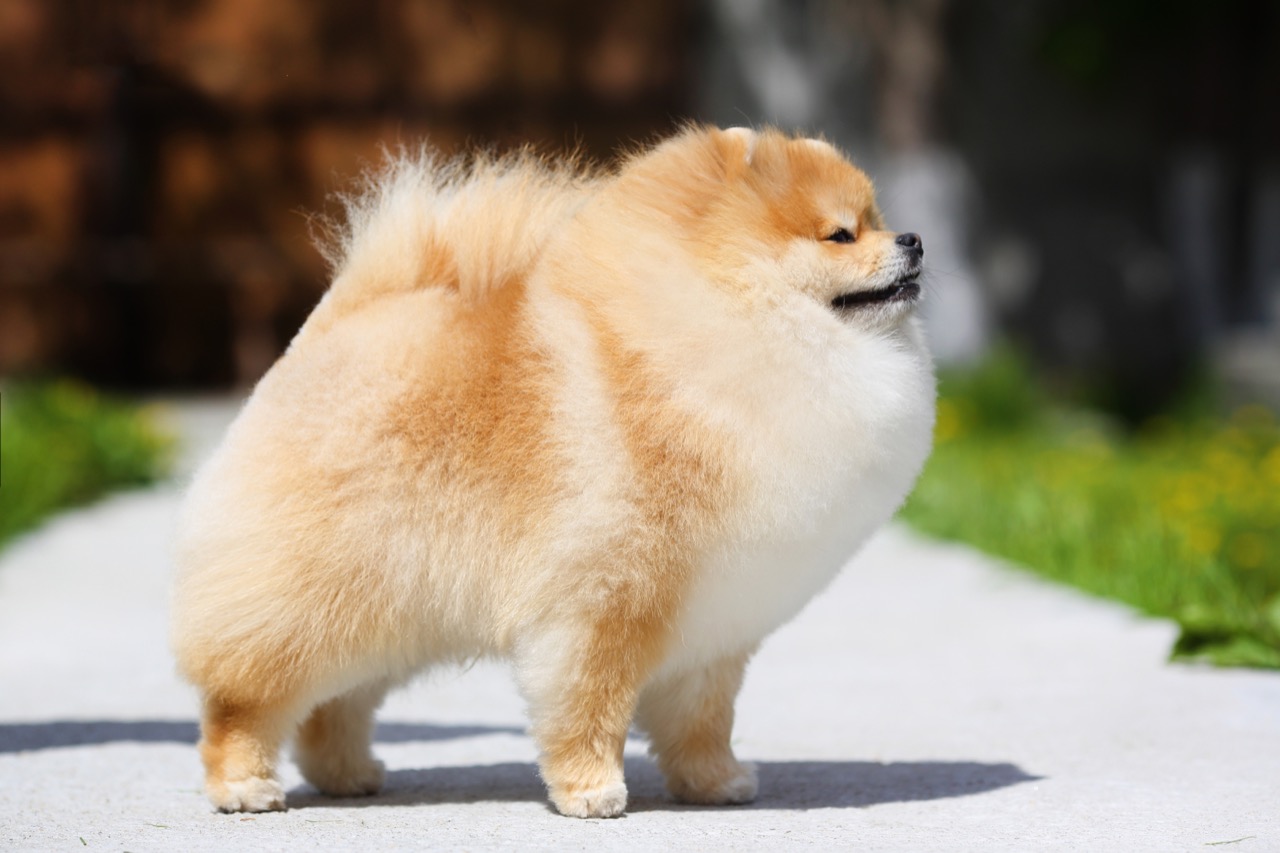
A Pomeranian may be small enough to ride on one arm, but living with one is less like owning a plush toy and more like sharing your home with a confident little athlete in a fancy coat. Their famous fluff comes from a true double coat: a soft, dense undercoat that insulates and a longer outer coat that sheds dirt and moisture. That coat is beautiful, but it is also a daily-life responsibility. Regular brushing helps prevent mats, especially behind the ears, under the collar area, and around the hindquarters where friction is common. Many owners do best with a schedule of a few thorough brush sessions each week, plus extra attention during seasonal shedding. Many puppies also pass through a scruffy stage nicknamed the puppy uglies as the soft puppy coat gives way to the adult coat. Skipping brushing can lead to tight tangles that pull the skin and may require professional grooming. On the other hand, shaving the coat very short is usually not ideal because the coat helps regulate temperature and protect the skin. A tidy trim of feet and hygiene areas is often a safer, more practical approach. Hair loss with darkened skin deserves a veterinary visit, since the breed is prone to alopecia X, sometimes called black skin disease.
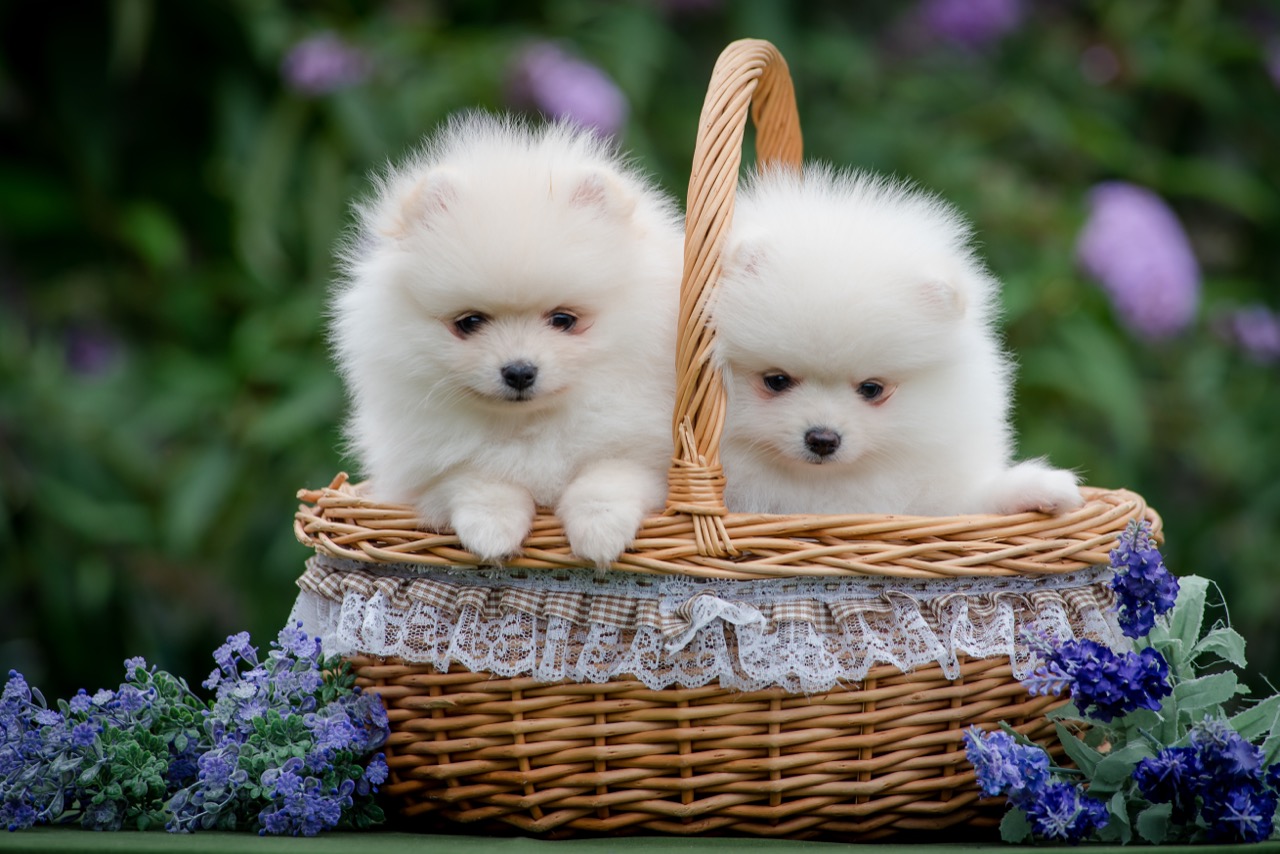
House training is another place where Pomeranians can surprise people. Their small bladders mean they need frequent chances to go out, especially as puppies. Consistency matters more than punishment, because a tiny dog can have an accident quickly if a routine slips. Many households succeed by pairing a predictable schedule with close supervision indoors and generous rewards for outdoor potty trips. In cold or stormy weather, some owners use an indoor potty option, but it still requires training and clear rules so the dog understands where it is acceptable. If a Pom seems stubborn, it is often simply confused or not given enough opportunities.
Socialization is not optional with this breed if you want a calm companion. Pomeranians are typically bold and curious, which can look like bravery, but without early positive exposure they may respond to unfamiliar people, dogs, or noises with alarm barking or defensive behavior. Carefully planned experiences help them learn that visitors, delivery sounds, grooming tools, and handling are normal parts of life. The key is to keep encounters gentle and controlled, especially around larger dogs. A Pom that repeatedly gets overwhelmed can become reactive, while a Pom that learns good manners early often carries that confidence for life.
Barking is part of the package for many Pomeranians. They are alert and quick to announce changes in their environment. You cannot train away their awareness, but you can teach an off switch. Reward quiet moments, provide a simple cue such as quiet, and avoid accidentally reinforcing barking by immediately picking them up or giving attention every time they sound the alarm. Sometimes barking is fueled by boredom, so short training games, food puzzles, and sniffy walks can make a noticeable difference.
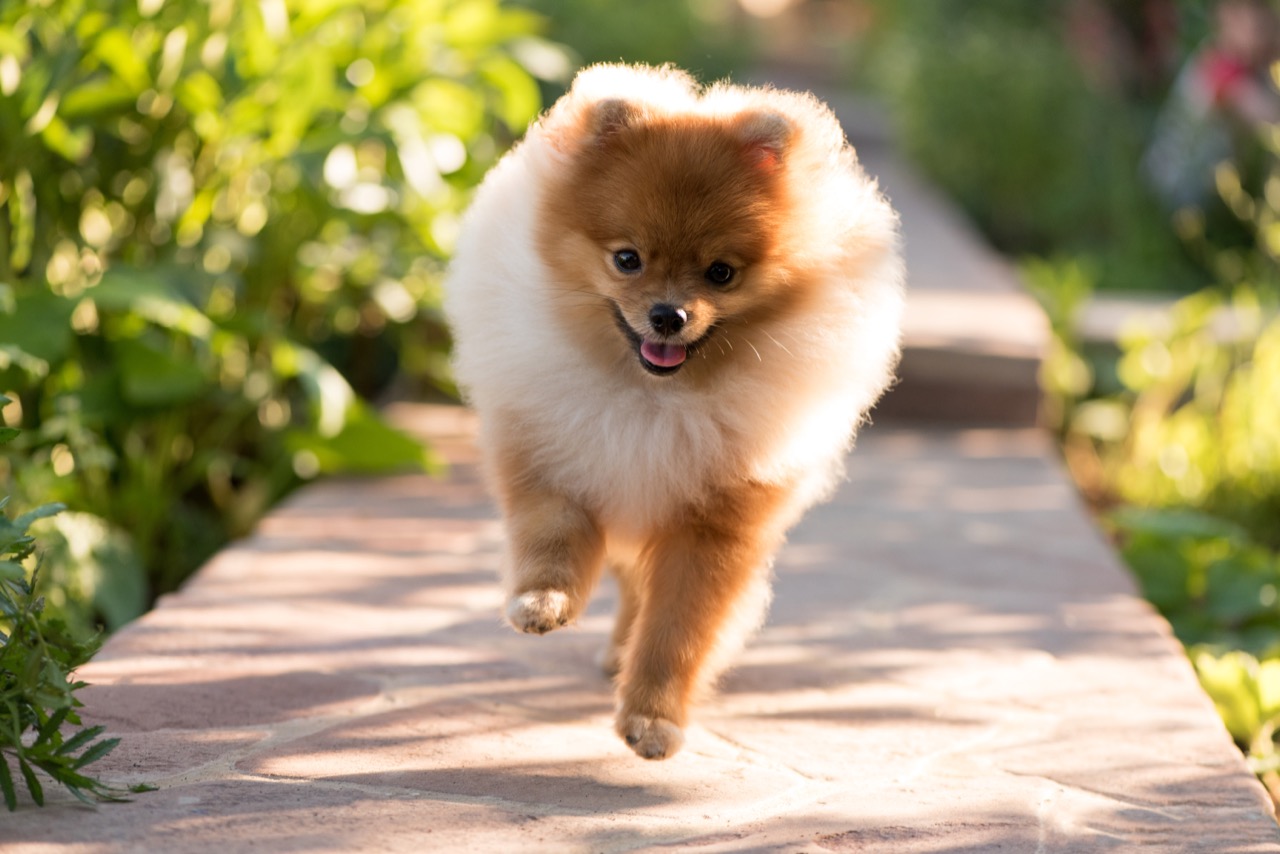
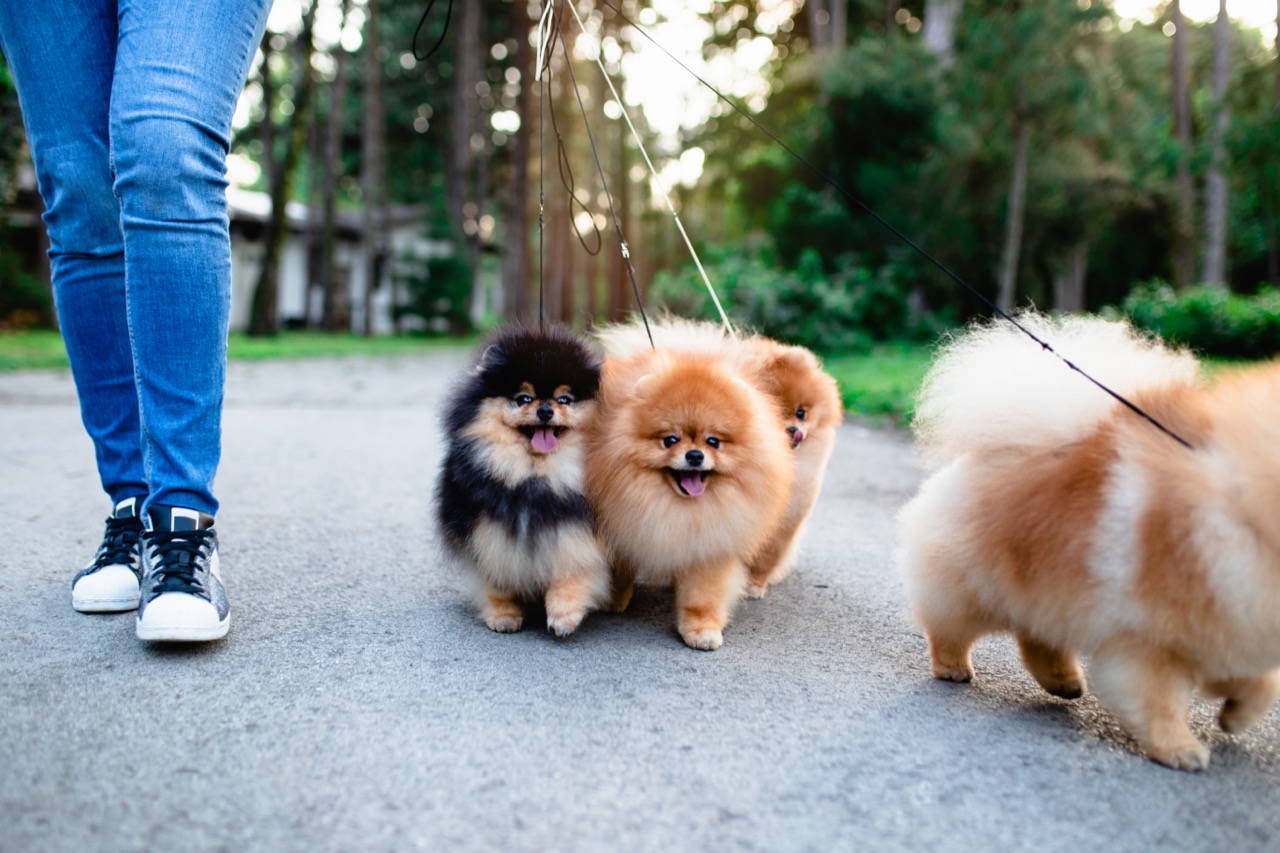
Exercise needs are moderate, but they still need daily activity. A couple of brisk walks and some indoor play can be enough for many adult Poms, but their minds need work too. Short training sessions help with leash manners, polite greetings, and impulse control. Because they are small, it is easy to underestimate how much practice they need to walk without pulling or to ignore distractions.
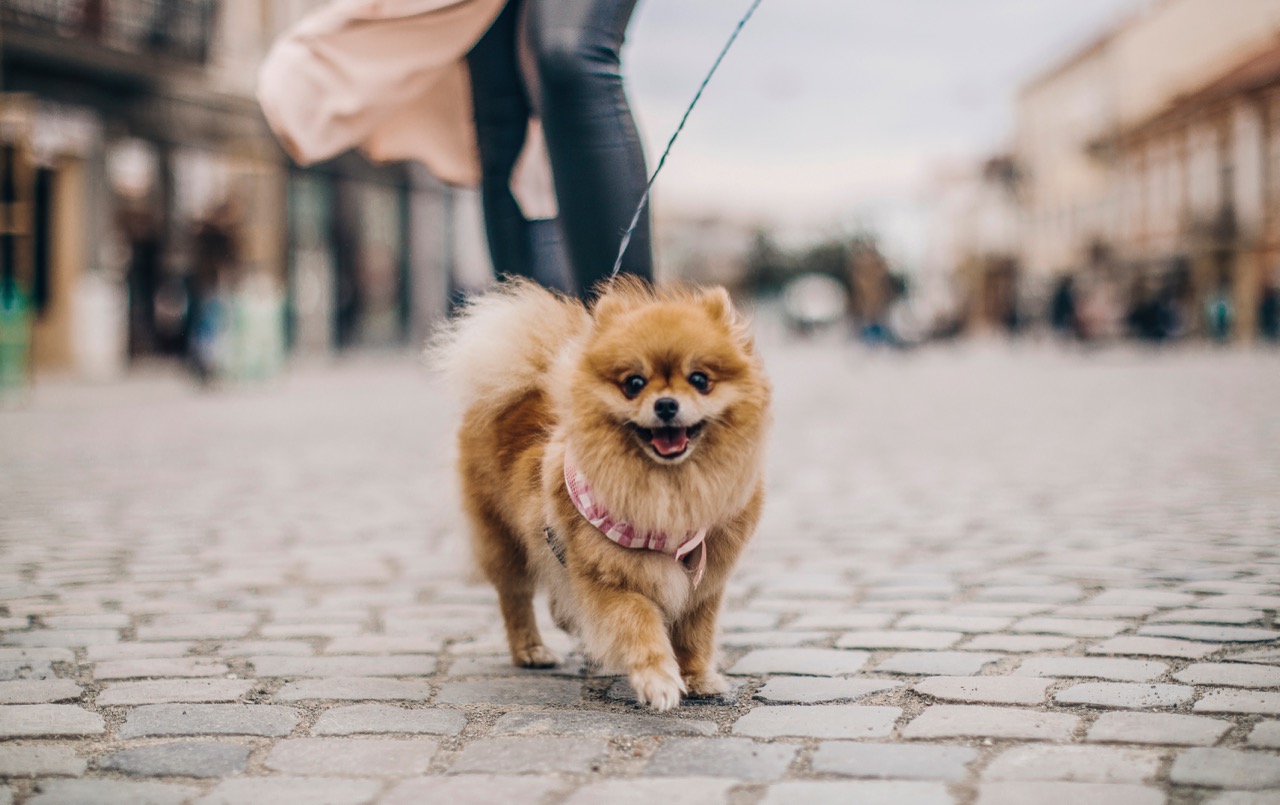
Handling and safety are where responsible routines really matter. Pomeranians are fragile compared with bigger breeds, and falls from furniture or being stepped on can cause serious injury. Teach kids to sit on the floor when holding the dog, and supervise all interactions. Use a harness rather than relying on a collar for walks, since Pomeranians are prone to tracheal collapse, a weakening of the windpipe. In multi-pet homes, manage play with larger dogs and prevent chasing games that could end in accidental harm.
When you match their big personality with thoughtful grooming, training, and safe household habits, a Pomeranian becomes what they look like at first glance: a delightful little companion who fits comfortably into everyday life, not by luck, but by good choices.