When Pomeranians Were Big Dogs




Quiz Complete!
Pomeranian Spitz Roots and the Tiny Dog with a Big Alarm System
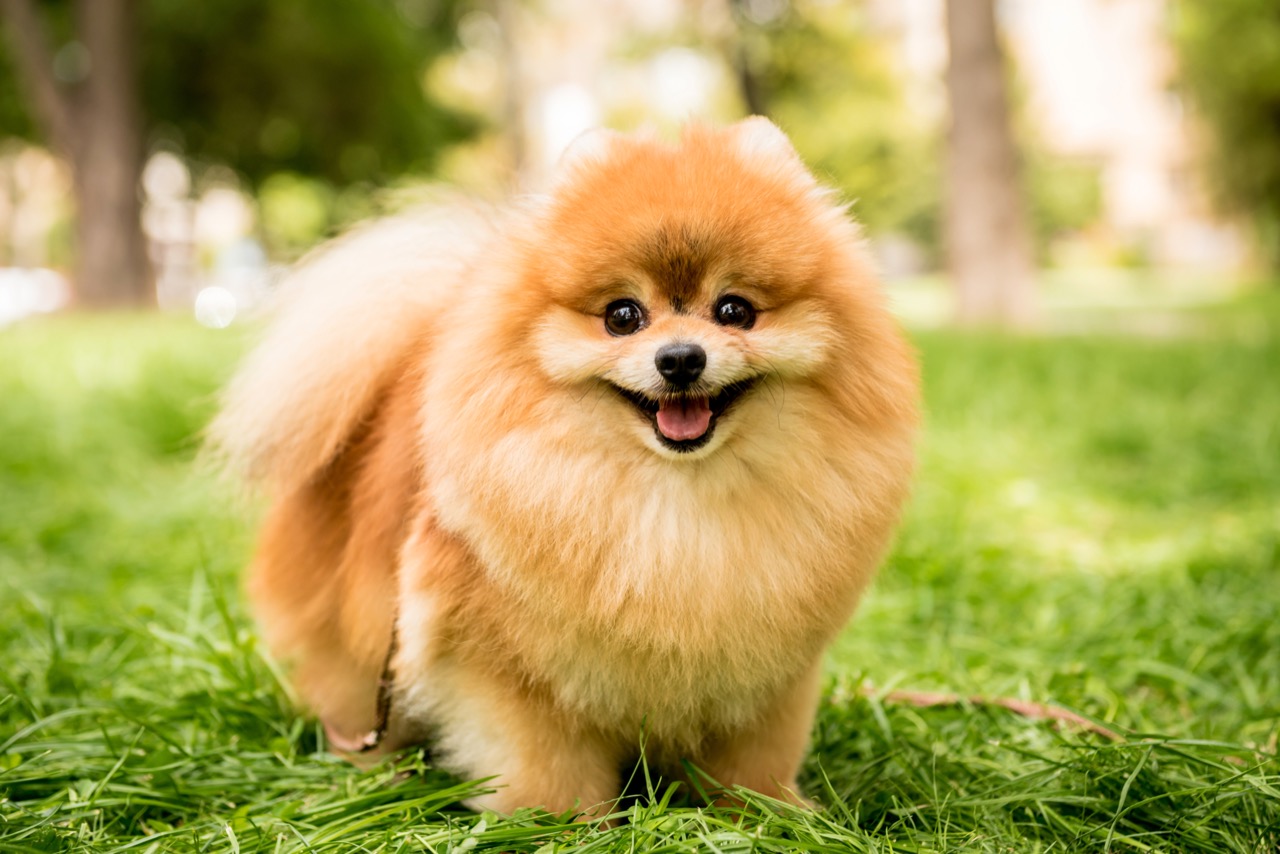
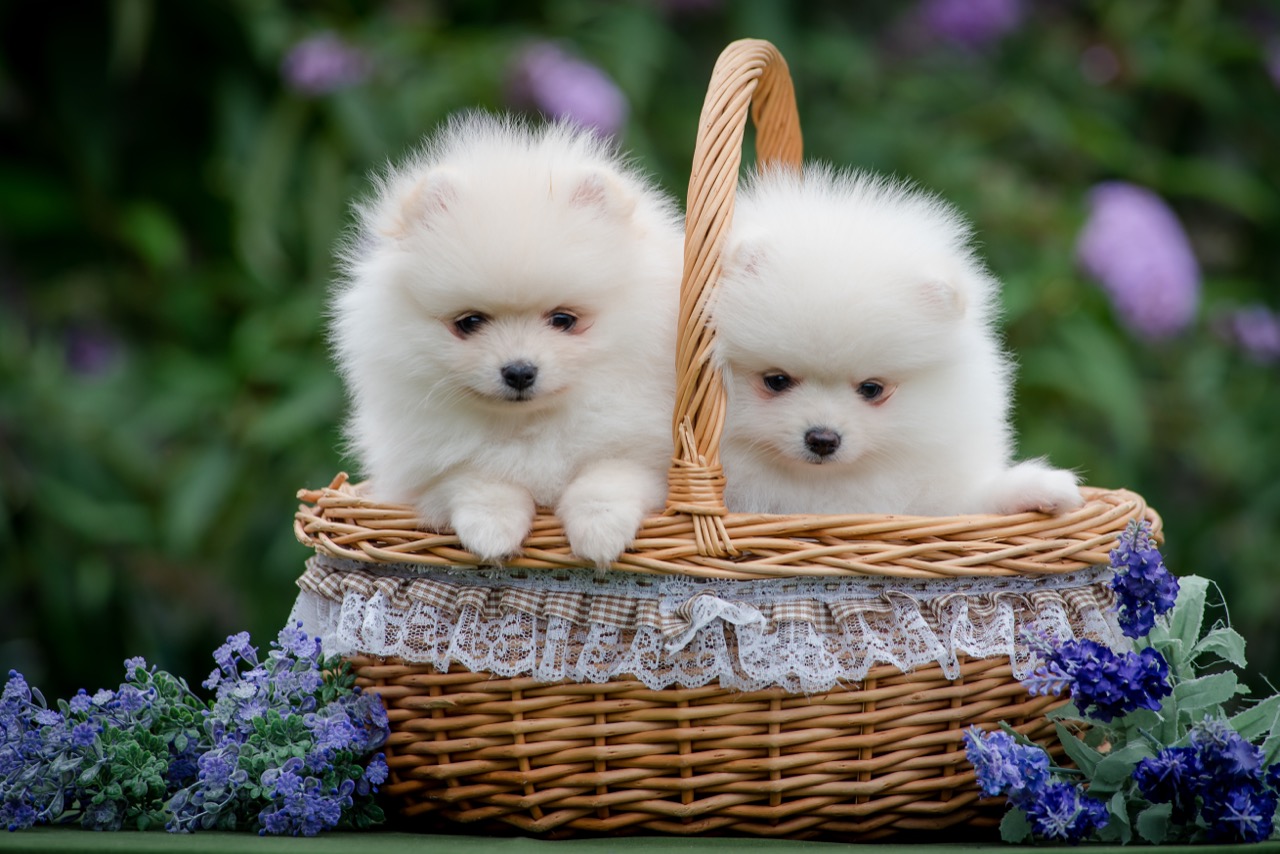
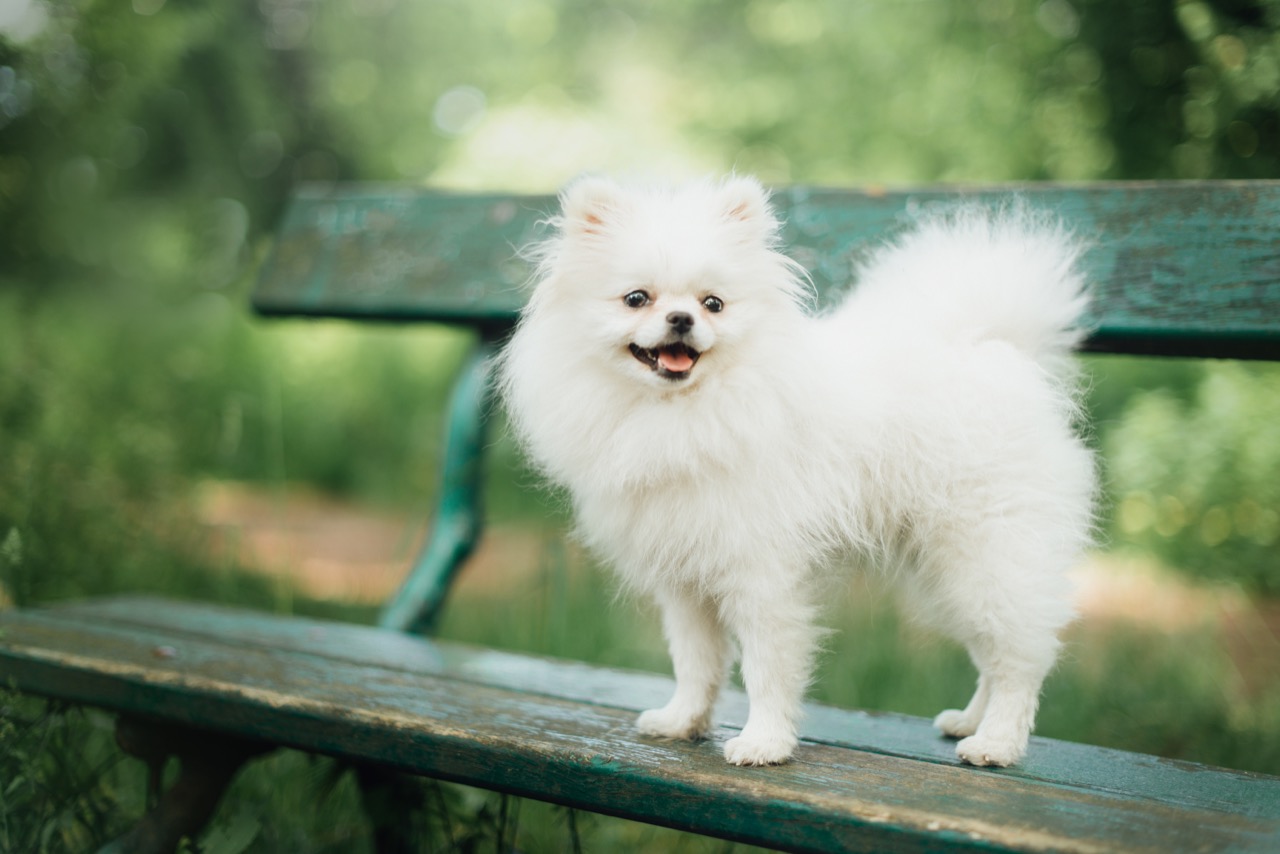
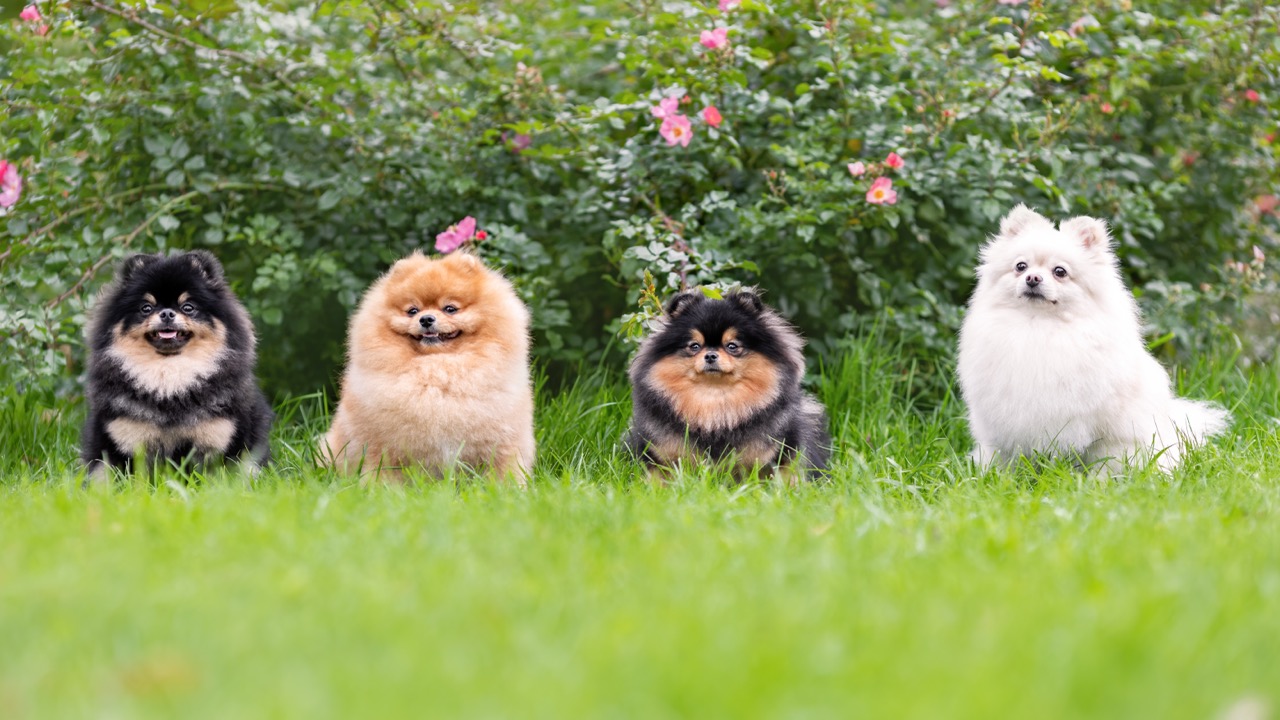
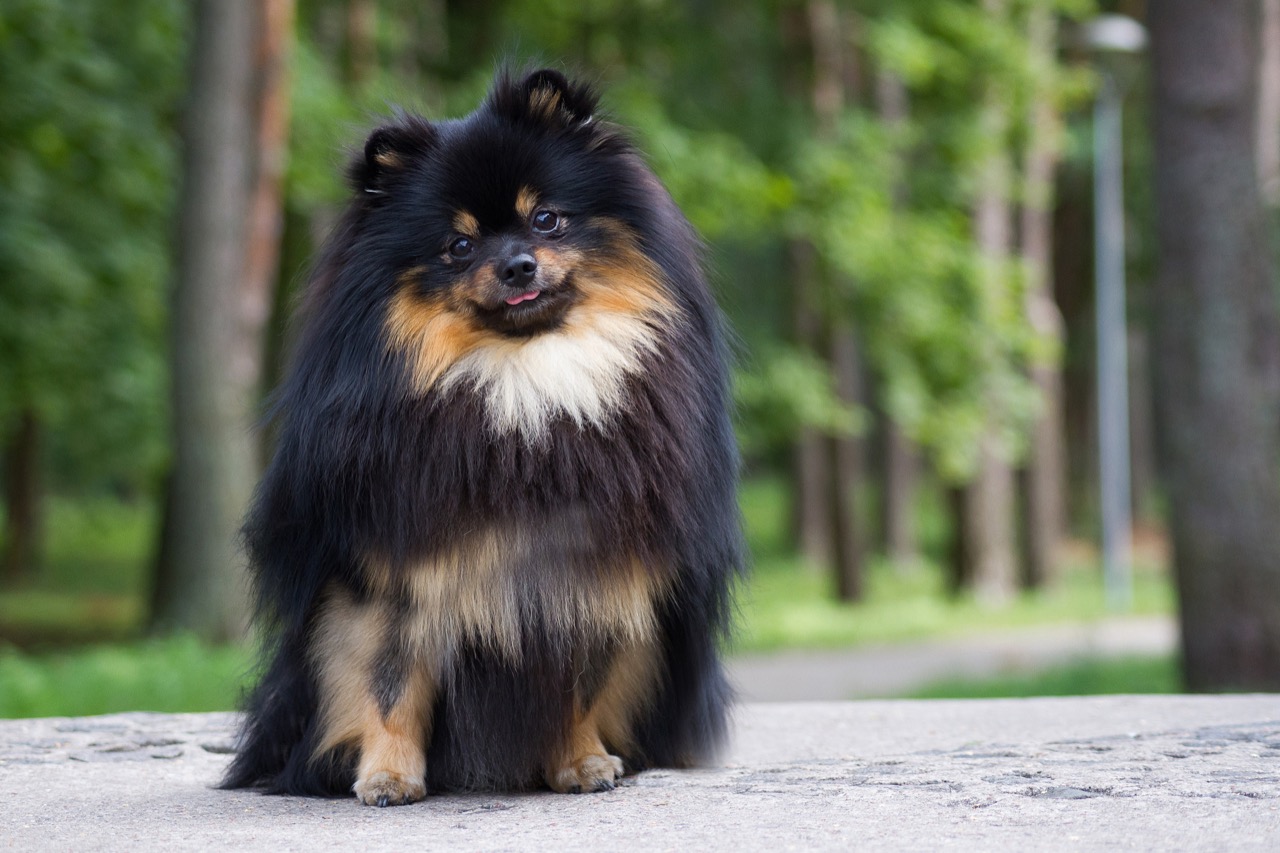
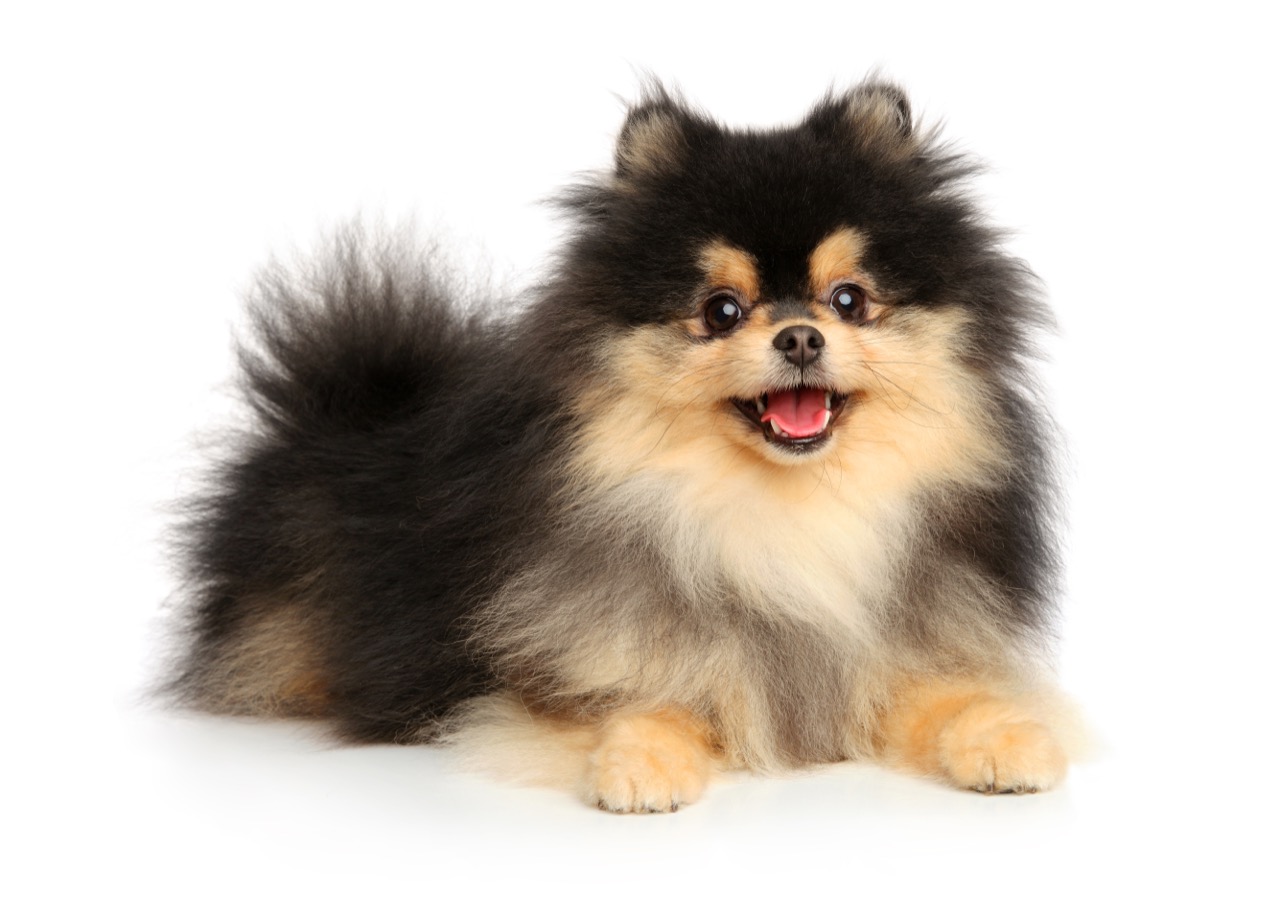
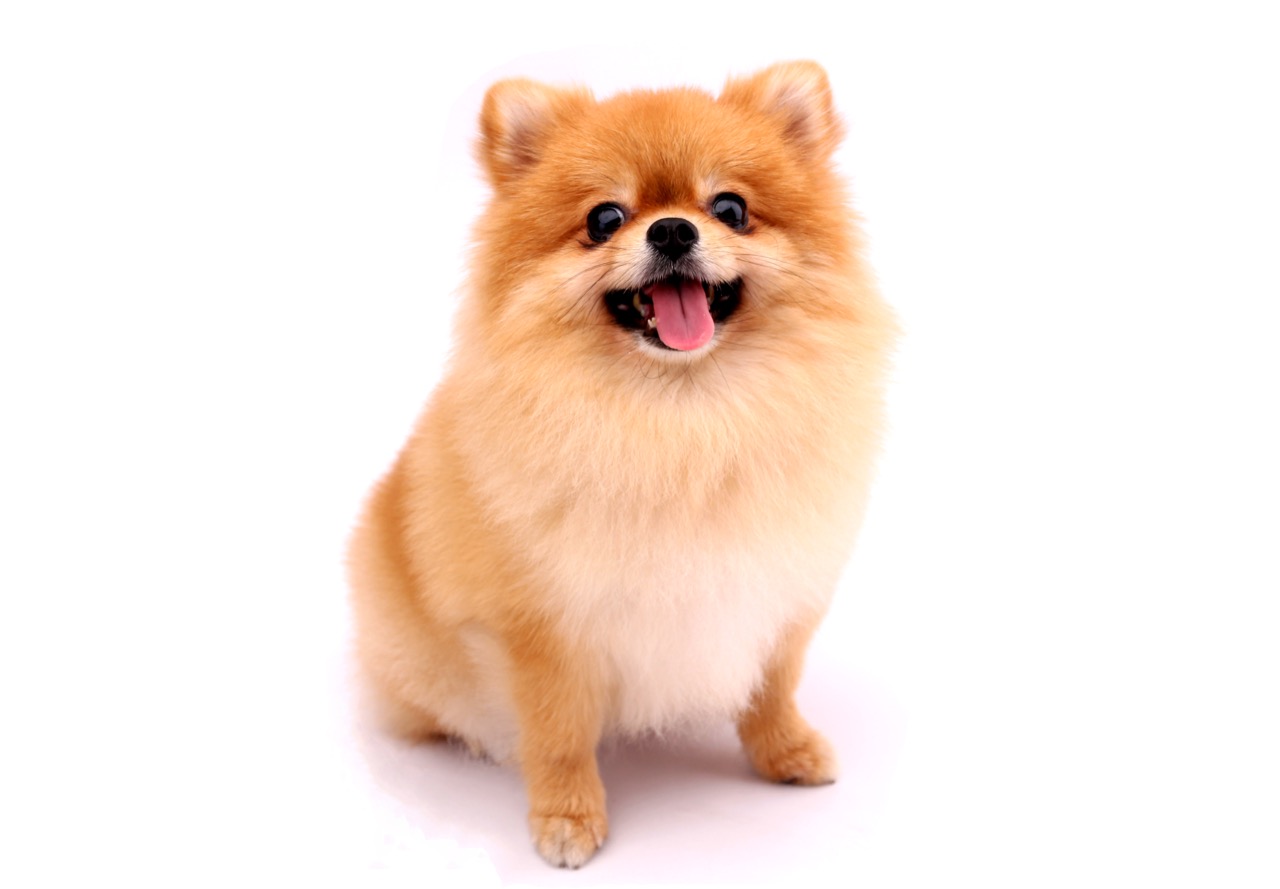
The Pomeranian may look like a toy-sized fluff ball, but its story begins with working spitz dogs built for harsh climates and practical jobs. Pomeranians belong to the spitz family, a group recognized by shared features that developed in northern regions: a thick double coat, a wedge-shaped head, small upright ears, and often a tail that curls over the back. These traits were not designed for decoration. They helped dogs conserve heat, shed snow, and stay alert and mobile in cold, windy weather.
The breed takes its name from Pomerania, a historical region along the southern Baltic Sea (areas of modern-day Germany and Poland). Dogs from this region were part of a broader population of German spitz-type dogs that came in a range of sizes. Earlier Pomeranian-type dogs were larger than today’s typical Pom and were more closely aligned with utility roles. Queen Charlotte brought Pomeranians to England, and Queen Victoria later kept a large kennel of them at Windsor, which helped make the breed fashionable. Spitz dogs across northern Europe were commonly used as watchdogs, herders, and general farm helpers. They were expected to notice change quickly, react fast, and make noise when something seemed off. That job description still explains a lot about the modern Pomeranian’s behavior.
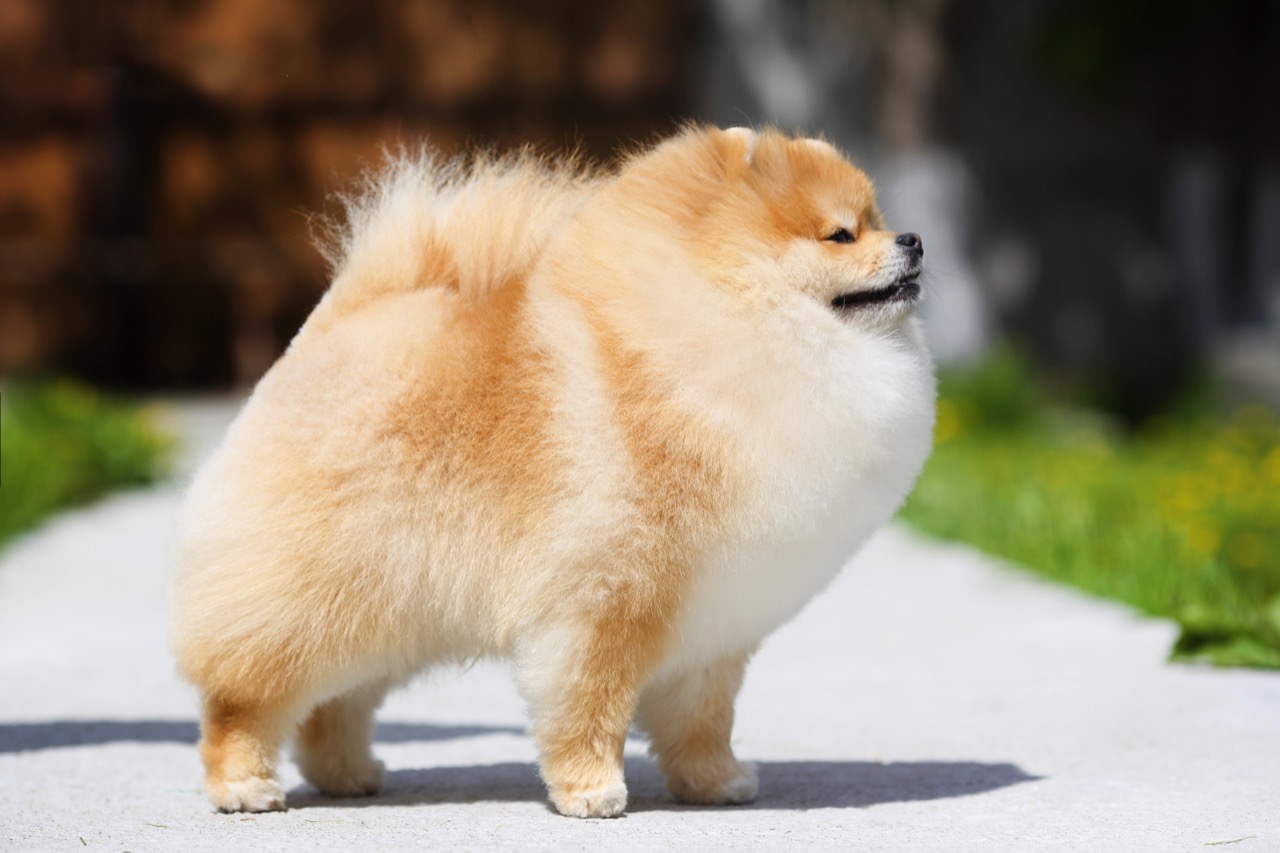
A cold-weather coat is one of the clearest links to that past. The Pomeranian’s double coat has a soft, dense undercoat for insulation and a longer outer coat that helps repel moisture and protect against wind. Even as the breed became smaller and more companion-focused, that coat remained. It is one reason Pomeranians can be surprisingly hardy in cool temperatures, though their small size means they still need sensible protection from extreme cold and wet conditions.
That spitz heritage also helps explain the Pomeranian’s boldness. Many spitz breeds were valued for independence and quick decision-making. A farm dog could not always wait for instructions before reacting to a stranger, a strange animal, or an unusual sound. In a modern home, that same confidence can look like a tiny dog that acts in charge of the entire household. Pomeranians often carry themselves with a self-assured, forward posture, and they may approach new situations with curiosity rather than caution.
The famous barking is not random noise so much as an inherited alarm system. Watchdogs do not need to fight intruders; they need to detect and announce. A small dog that barks sharply can still be effective by alerting people and discouraging someone who wants to stay unnoticed. Pomeranians tend to be sensitive to environmental changes, including footsteps in a hallway, a car door outside, or a person approaching the home. Their upright ears and attentive expression are part of a body built to monitor surroundings. When you pair that awareness with a quick vocal response, you get a dog that can sound the alarm at impressive speed.
Understanding the working roots can also help with everyday training. Because many spitz dogs were bred to think for themselves, Pomeranians may respond best to short, upbeat sessions with clear rewards rather than heavy-handed repetition. Teaching a quiet cue, rewarding calm behavior, and managing triggers like windows facing busy sidewalks can reduce nuisance barking without punishing the dog for doing what it was designed to do. Socialization matters too. A dog that is naturally alert benefits from early, positive exposure to visitors, handling, and routine household noises so the default response becomes curiosity instead of constant warning.
The Pomeranian’s tiny size can make its watchdog instincts seem funny, but the motivation is serious: protect the space, report the unexpected, and stay ready. When you connect the fluffy coat, bright eyes, quick feet, and big voice to spitz history and farmyard function, the modern Pomeranian makes more sense. It is not a large dog trapped in a small body, but a small dog carrying a well-tested set of tools from a working past.