Life With a Velcro Doberman









Quiz Complete!
Doberman Pinscher Reality Check: What Living With One Is Really Like
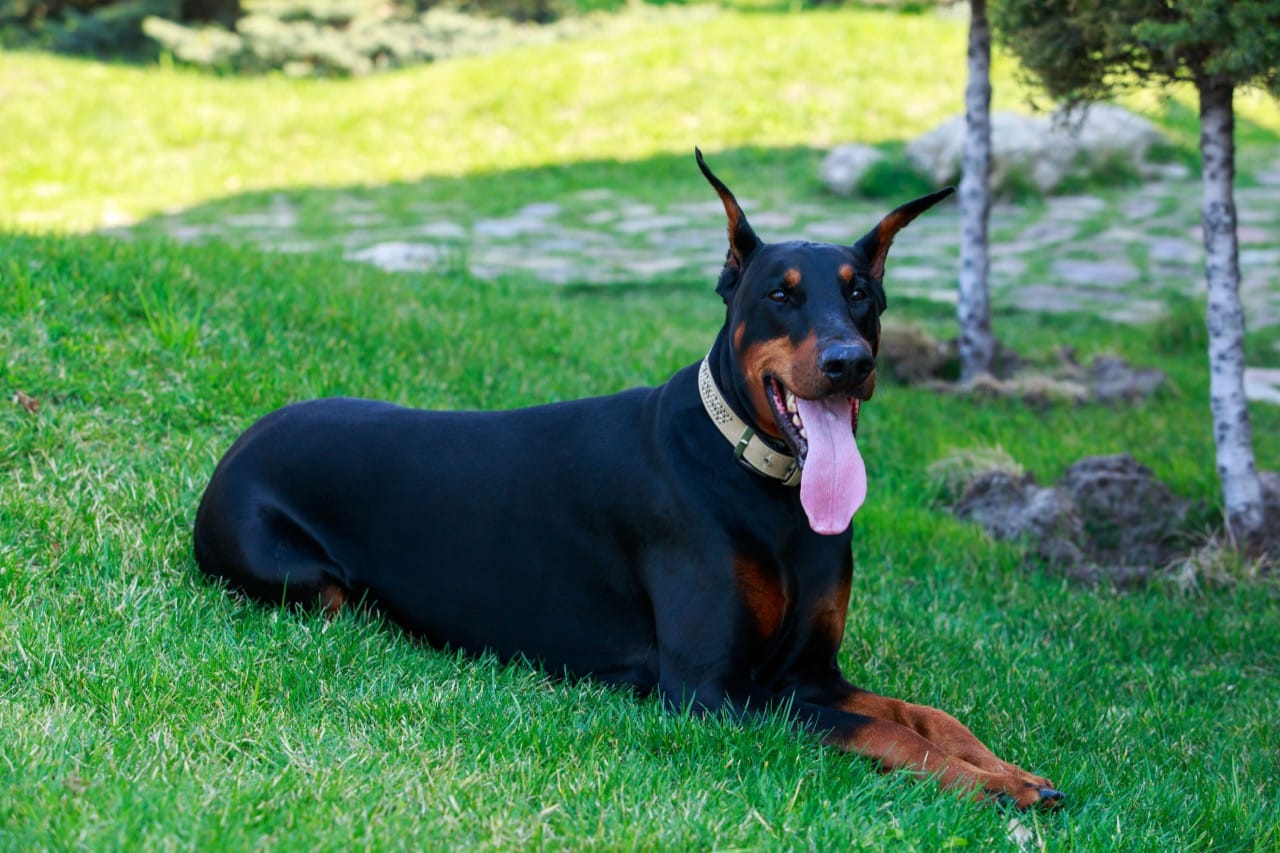
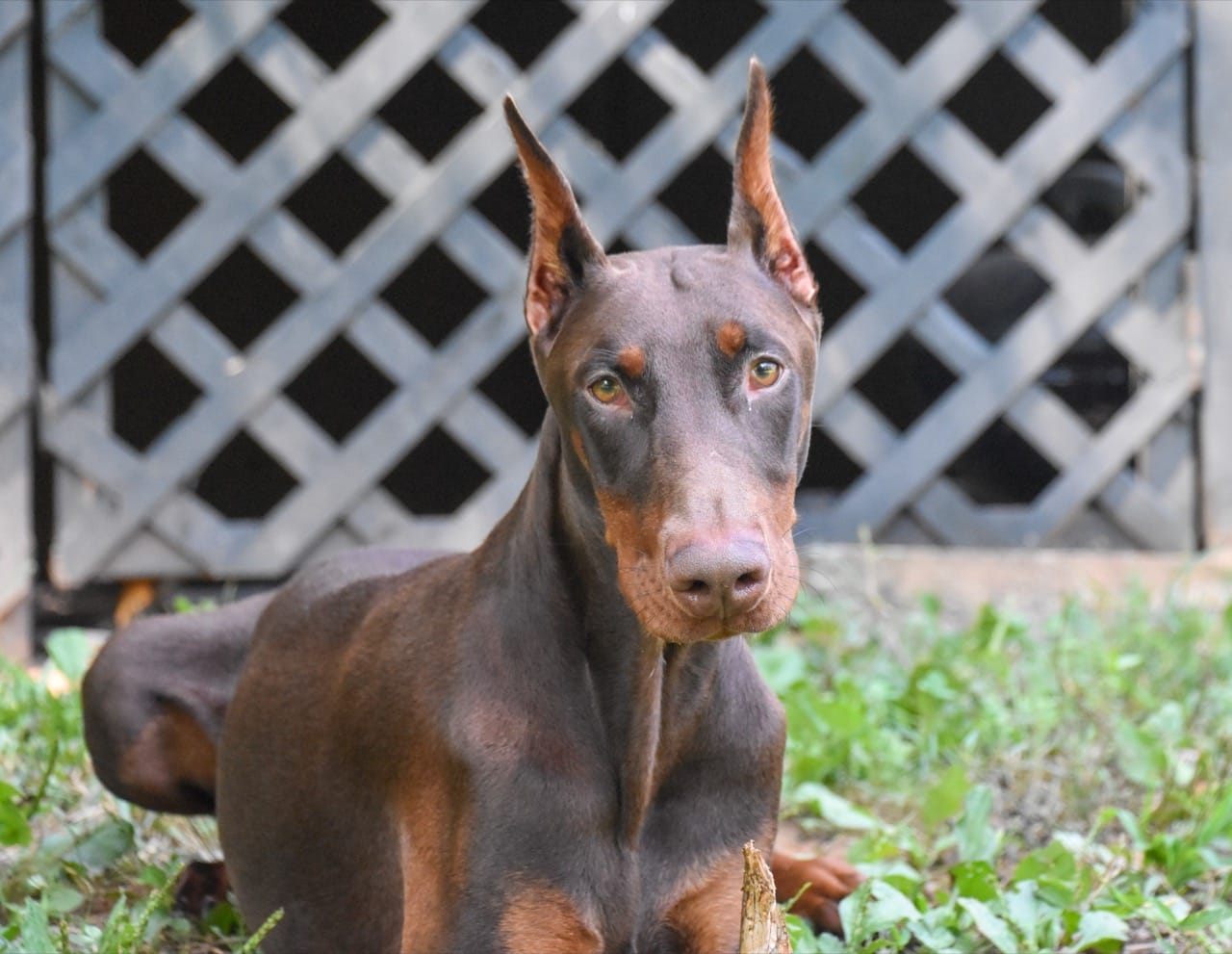
Doberman Pinschers come with a strong image, but the everyday reality is less about drama and more about structure. They were developed as working dogs with an emphasis on responsiveness, speed, and a close partnership with their handler. That history shows up in the home: many Dobermans are intensely people oriented and prefer to be near their family rather than left to entertain themselves. This is why the idea that they are happiest living outdoors or spending most of the day alone is so misleading. A Doberman that is isolated is more likely to become anxious, noisy, destructive, or simply miserable.
Training tends to go well when it is consistent, fair, and built on clear feedback. They are often quick learners, but “smart” does not mean “automatic.” They can also be sensitive to harsh handling, chaotic routines, or training that relies on intimidation. Many do best with short, frequent sessions, rewards they care about, and practical skills that fit daily life: polite greetings, loose leash walking, settling on a mat, and a reliable recall. Recall is especially important because a fast, athletic dog can cover ground quickly. The common myth is that a Doberman will always come back because it is loyal. Loyalty helps, but it does not replace training, proofing around distractions, and using safe management like long lines in unfenced areas.
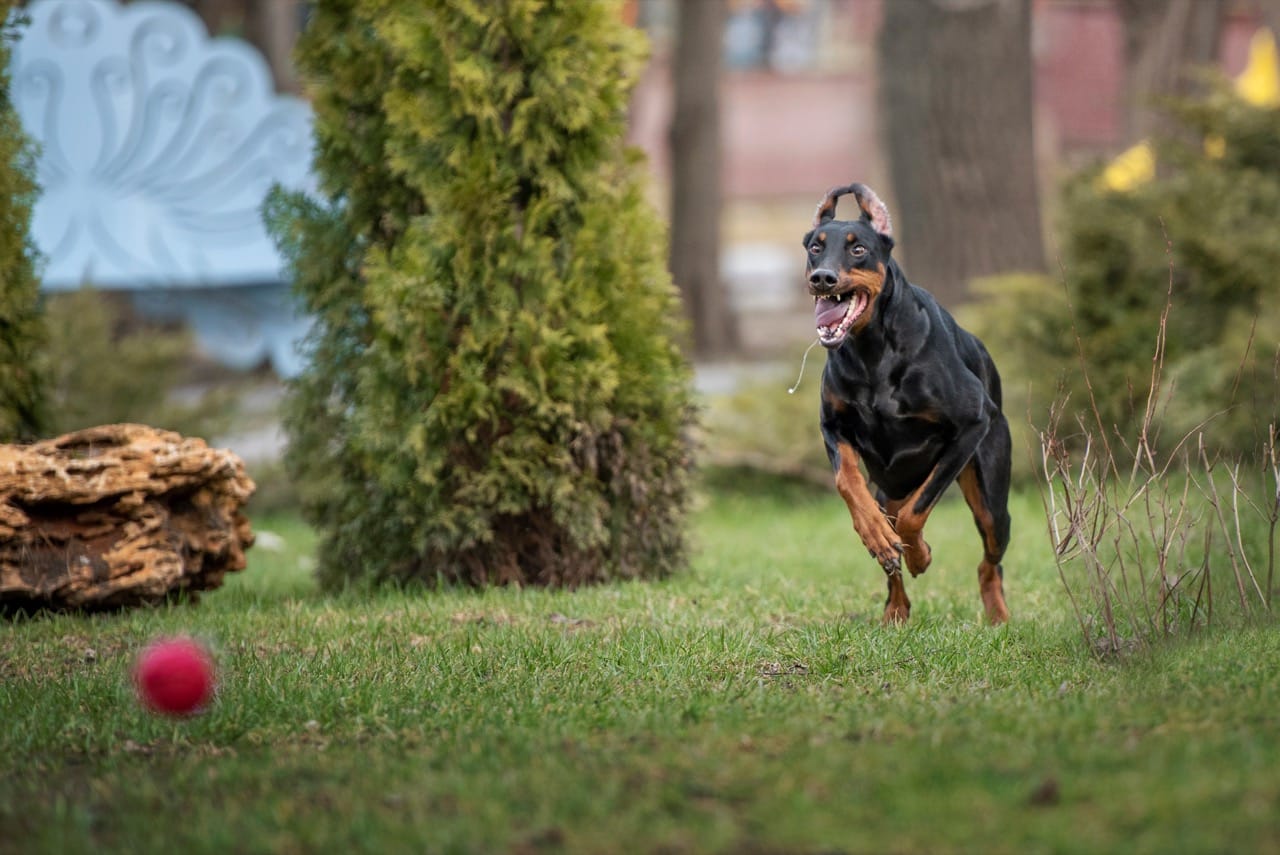
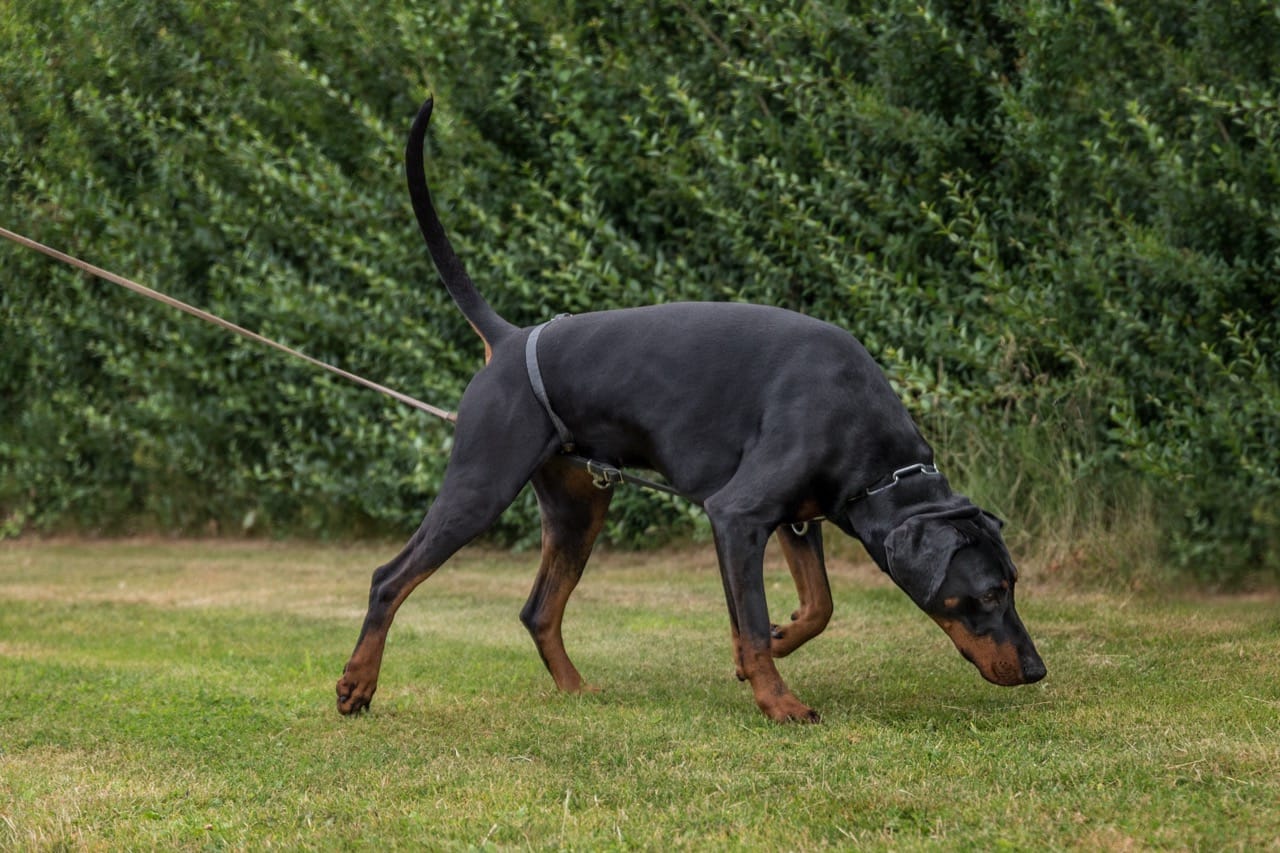
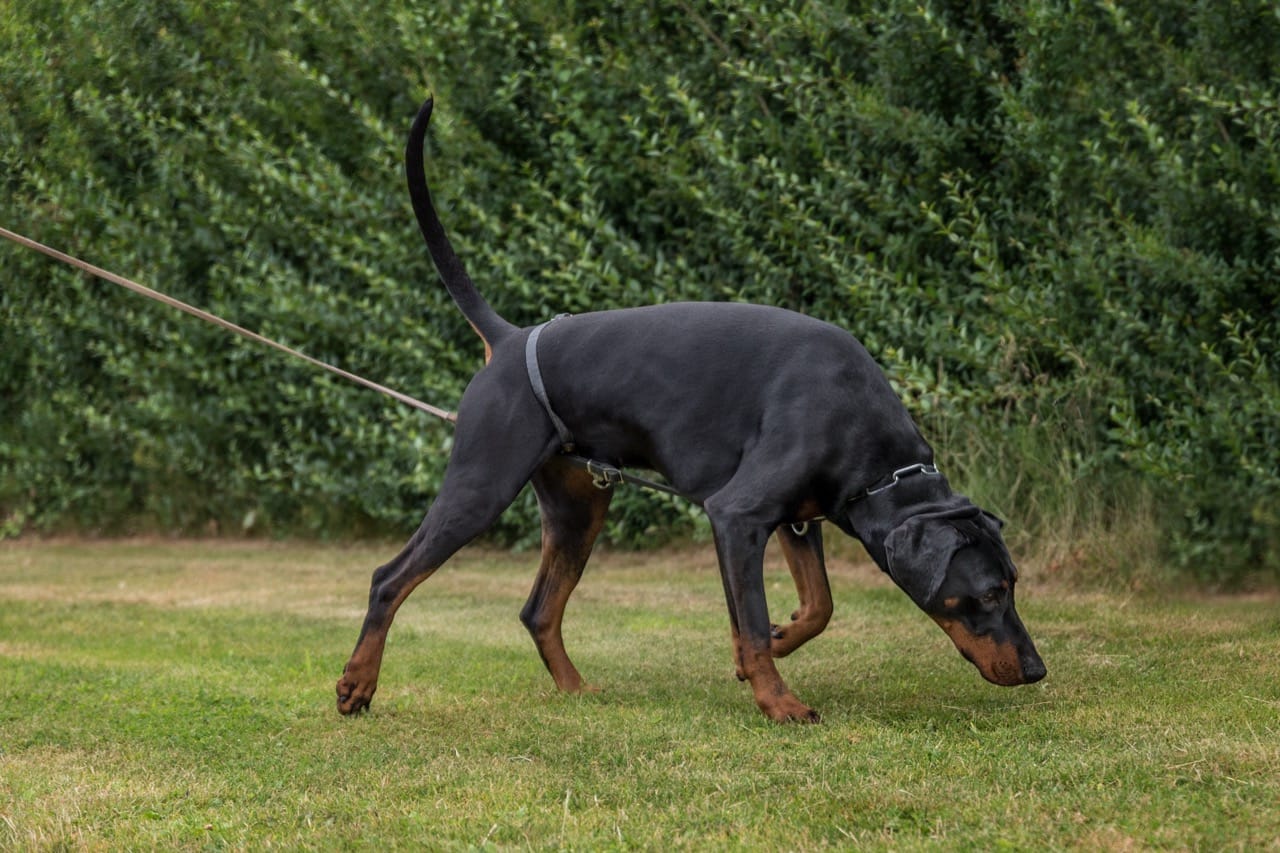
Exercise is another area where popular claims can trip people up. Dobermans usually need more than a casual stroll around the block, but they do not need nonstop running all day either. What they do need is a mix of physical activity and mental work. A brisk walk plus training games, scent work, structured play, or puzzle feeding often creates a calmer dog than endless fetch. Boredom is a real issue; without outlets, many Dobermans will invent their own hobbies, such as chewing furniture, digging, or patrolling the yard and reacting to every sound.
Socialization is not just meeting lots of people. It is learning to feel safe and neutral around the world. A well socialized Doberman is not the one that greets everyone with excitement, but the one that can calmly pass strangers, tolerate handling, and recover quickly from surprises. Early, thoughtful exposure matters, but it should continue into adolescence, when many Dobermans become more watchful. Because they are naturally alert, owners should actively teach what is normal and what is not, rewarding calm behavior and preventing rehearsals of lunging or barking at the window.
Their short coat leads to another common misconception: that they are low maintenance in every way. Grooming is simpler than with long coated breeds, but Dobermans still shed. The hairs are short and can weave into fabric, so regular brushing and routine bathing help. Nail trimming, ear care, dental hygiene, and checking skin for irritation are part of responsible care, not optional extras.
Weather comfort is a practical reality. With a short coat and little insulation, many Dobermans get cold easily, especially in wind or wet conditions. In winter, a coat may be necessary for longer outings, and in summer they can overheat during intense exercise. Planning walks for cooler times of day, providing shade and water, and avoiding hot pavement are basic safety steps.
Finally, living with a Doberman means thinking ahead. Secure fencing, supervised introductions with other animals, and teaching impulse control are sensible choices, not signs that a dog is “bad.” Their combination of strength, speed, and devotion can be wonderful when guided, and challenging when ignored. The most accurate statements about Dobermans are usually the most specific: they thrive with training, companionship, and purposeful activity, and they struggle when their needs are treated like internet myths instead of daily responsibilities.