The Tax Collector’s Doberman
Quiz Complete!
Doberman Pinscher: Form Built for Function in Personal Protection
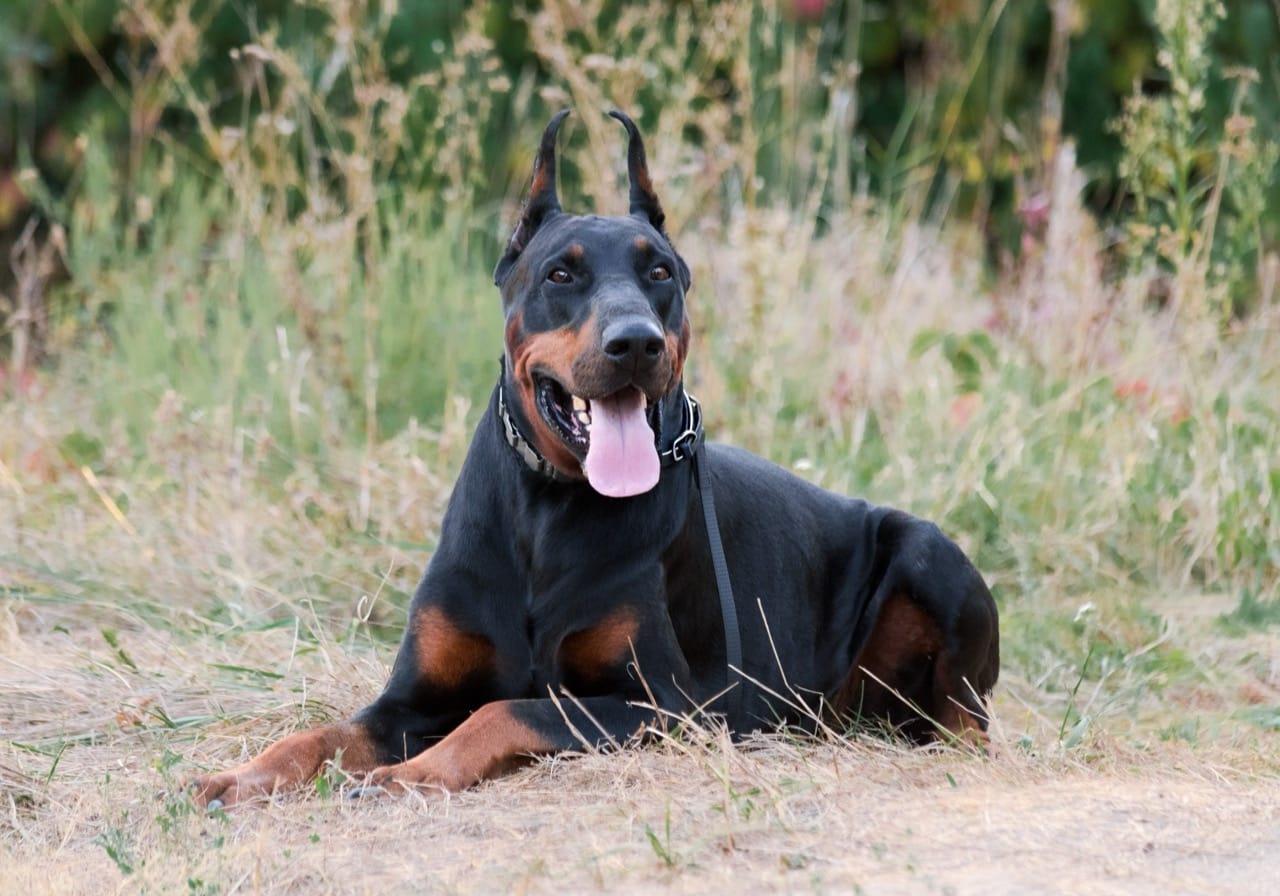
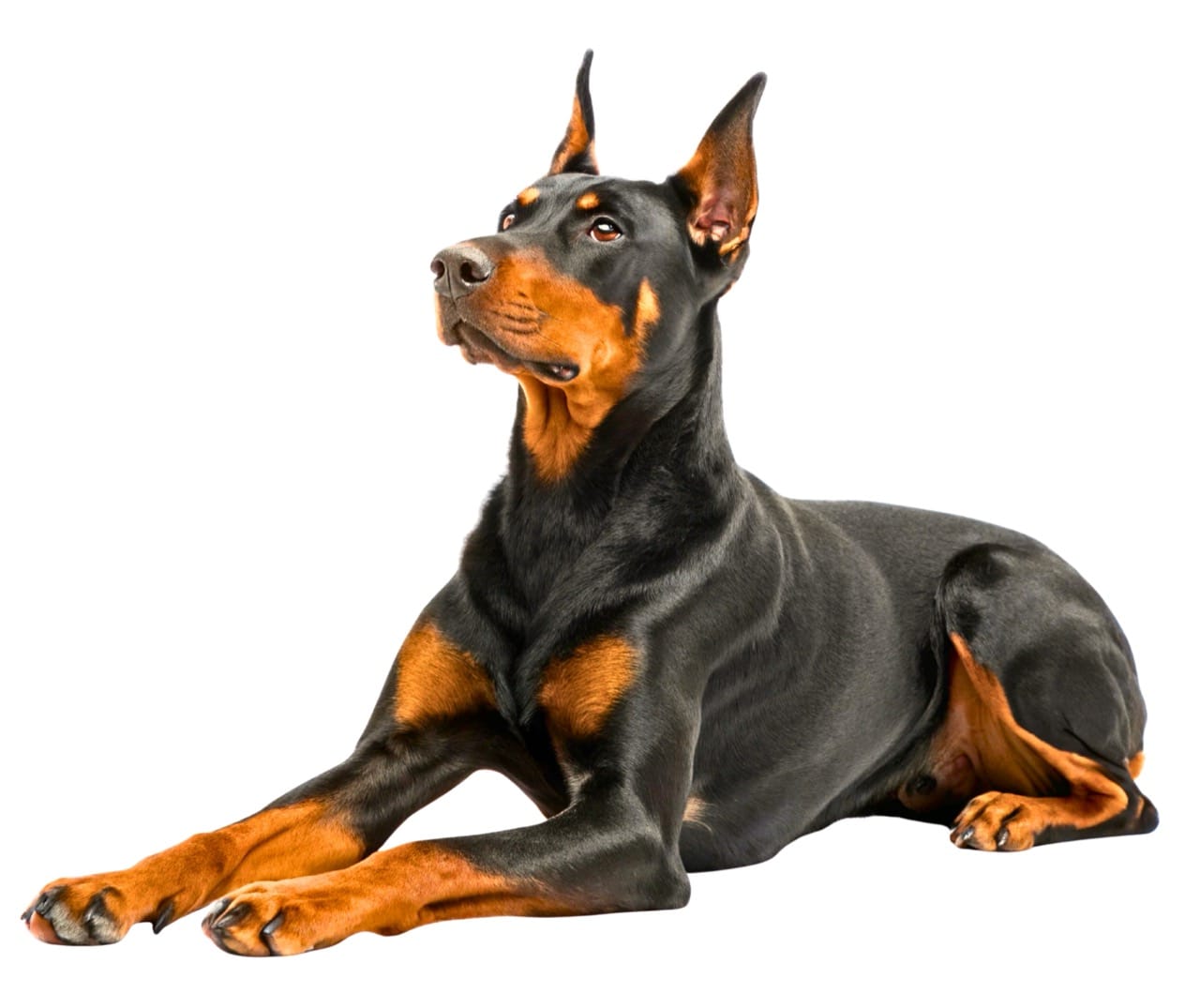
The Doberman Pinscher is one of the clearest examples of a dog shaped by a specific job. Rather than evolving slowly from farm work or hunting traditions, the breed was deliberately developed in late 19th century Germany to serve as a personal protection dog that could stay close to one person, move quickly through busy streets, and respond instantly if trouble appeared. That original purpose is why the Doberman often seems as if it is always on duty: attentive, physically ready, and deeply tuned in to its handler.
The breed is closely associated with Karl Friedrich Louis Dobermann, a German tax collector and municipal worker who wanted a reliable companion for protection during his rounds. The important point is not romantic mystery but practical need. A person handling money and traveling through unpredictable areas would benefit from a dog that was intimidating enough to deter threats, athletic enough to keep up all day, and stable enough to be trusted in public. From the beginning, the Doberman was meant to be a working partner, not a decorative status symbol.
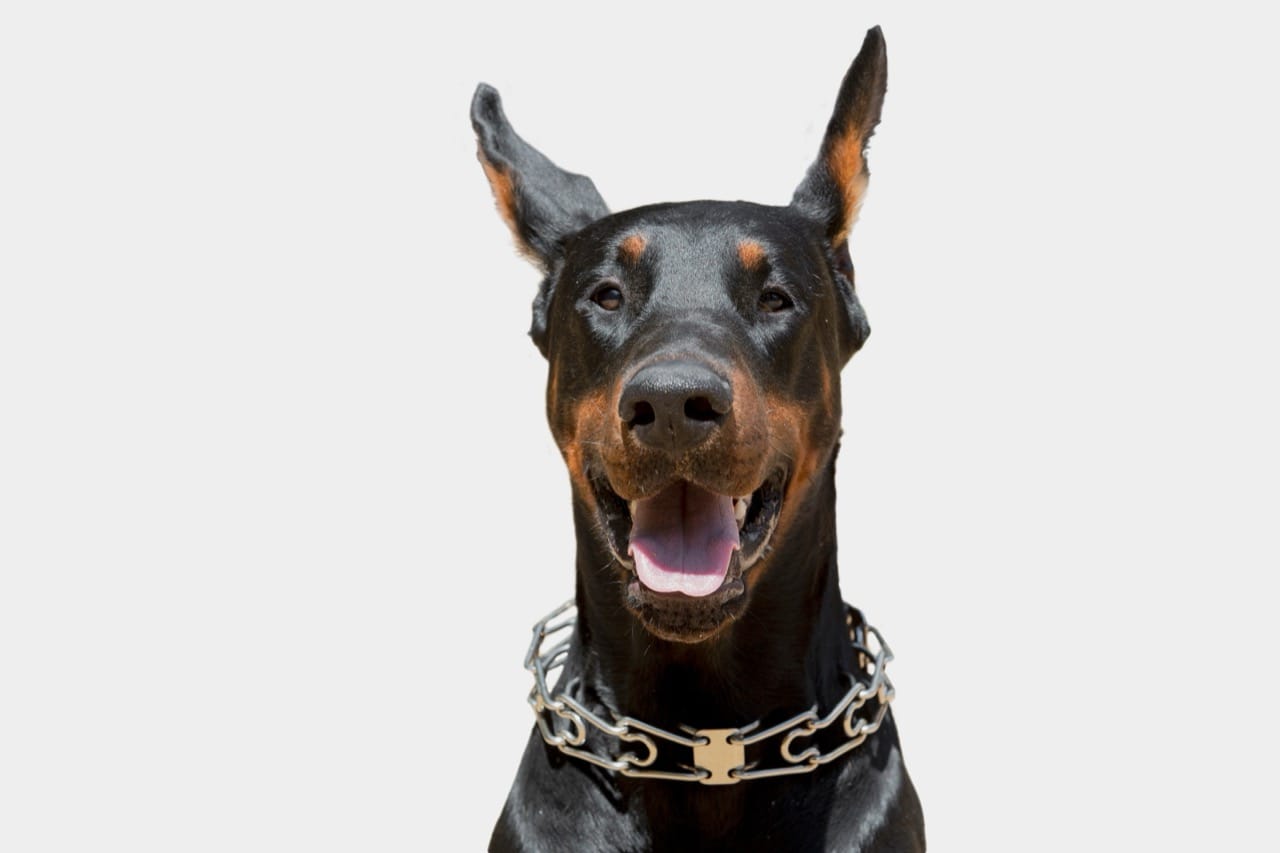
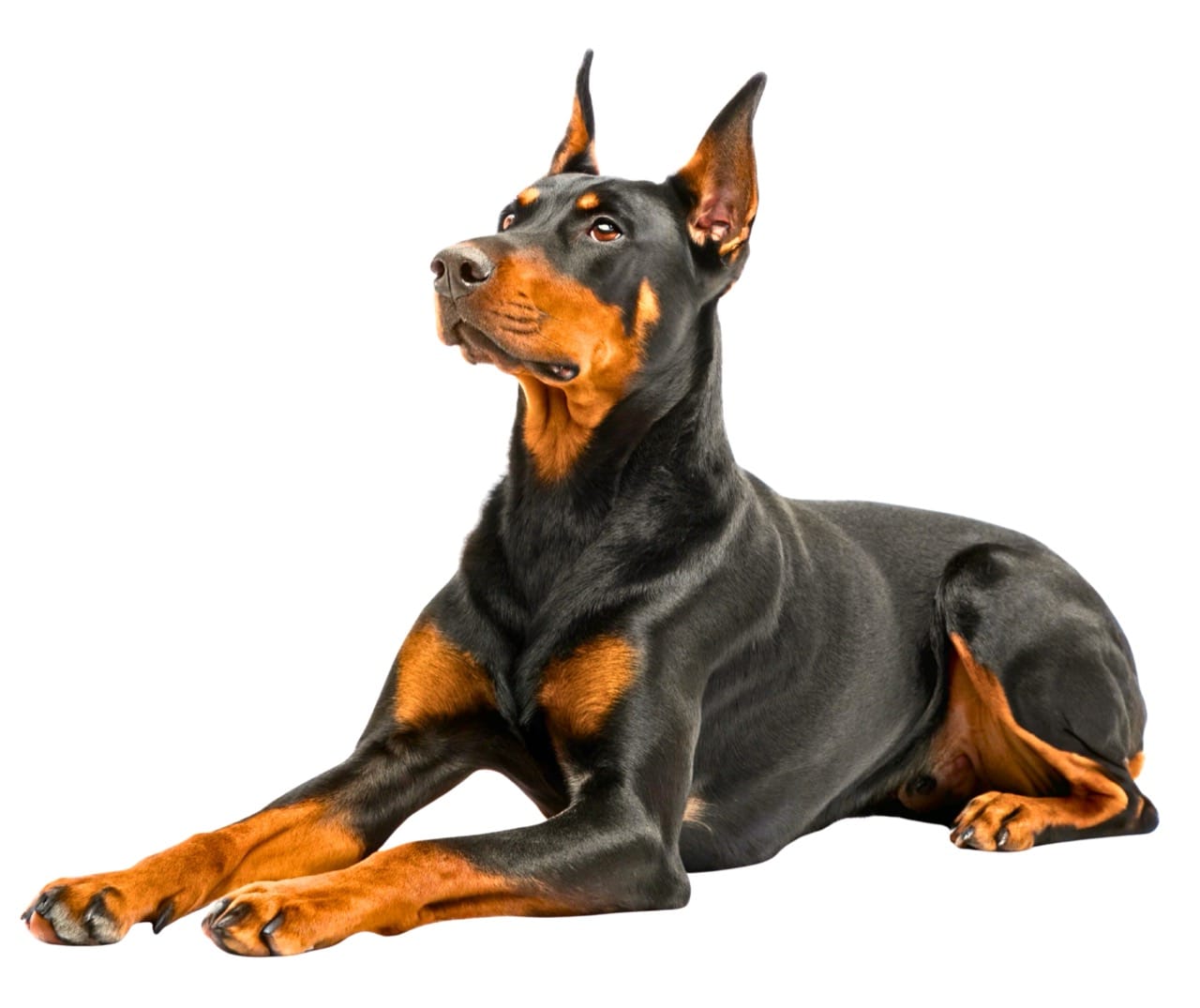
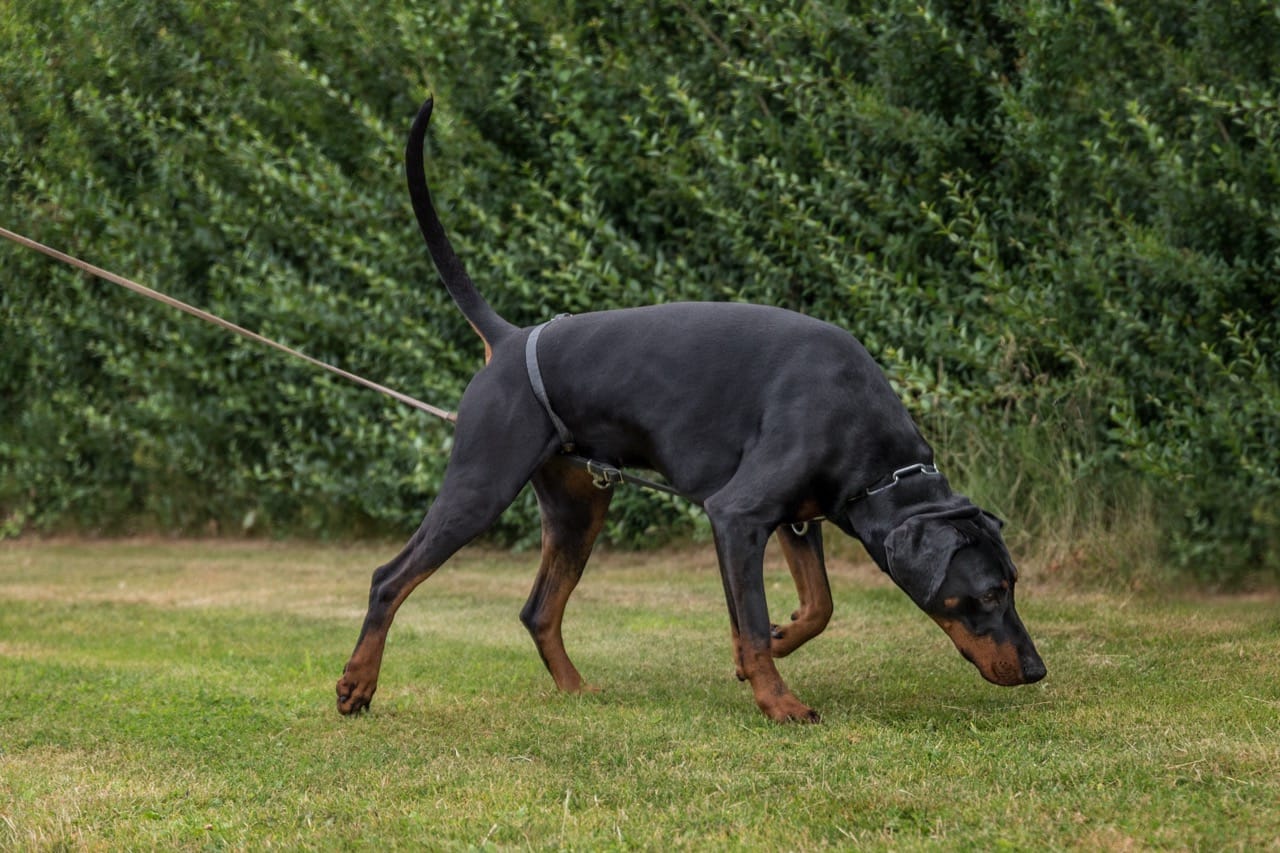
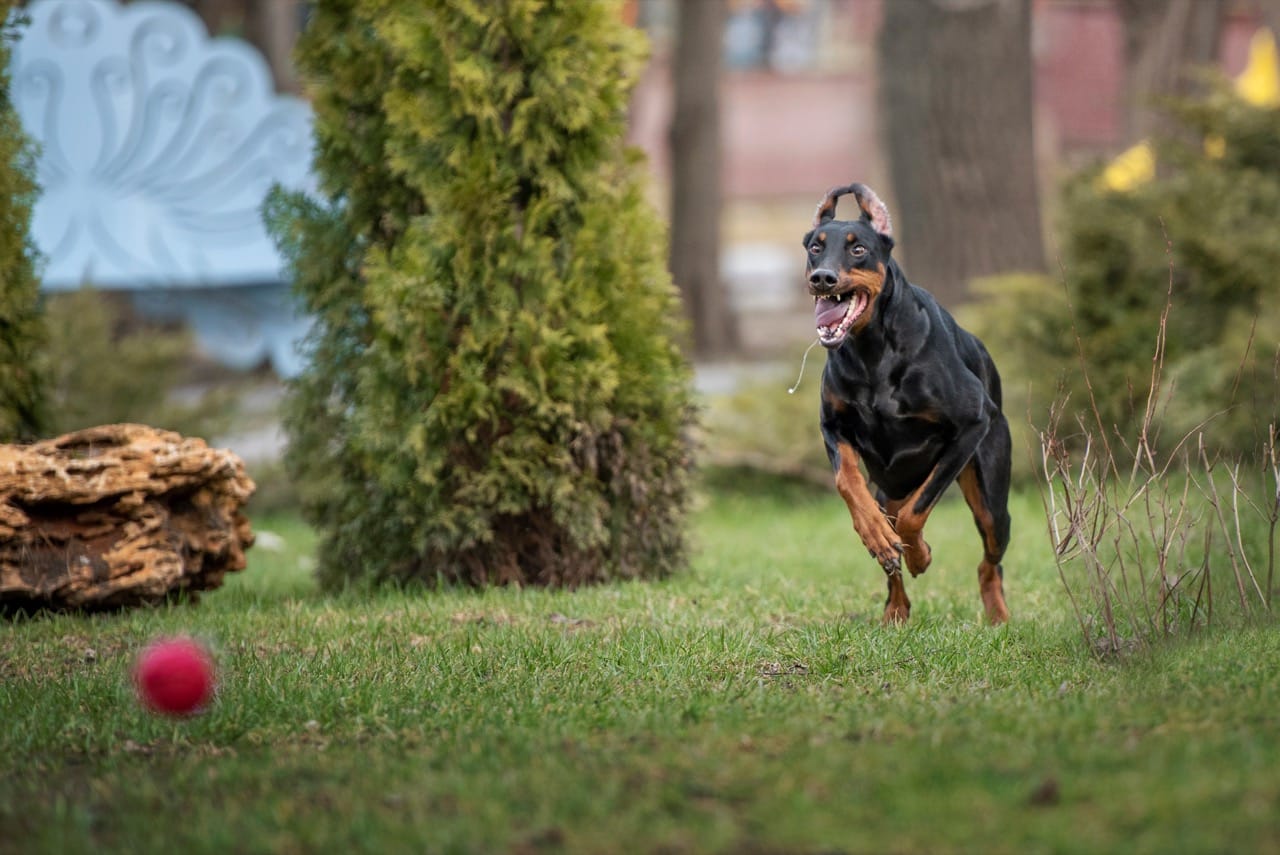
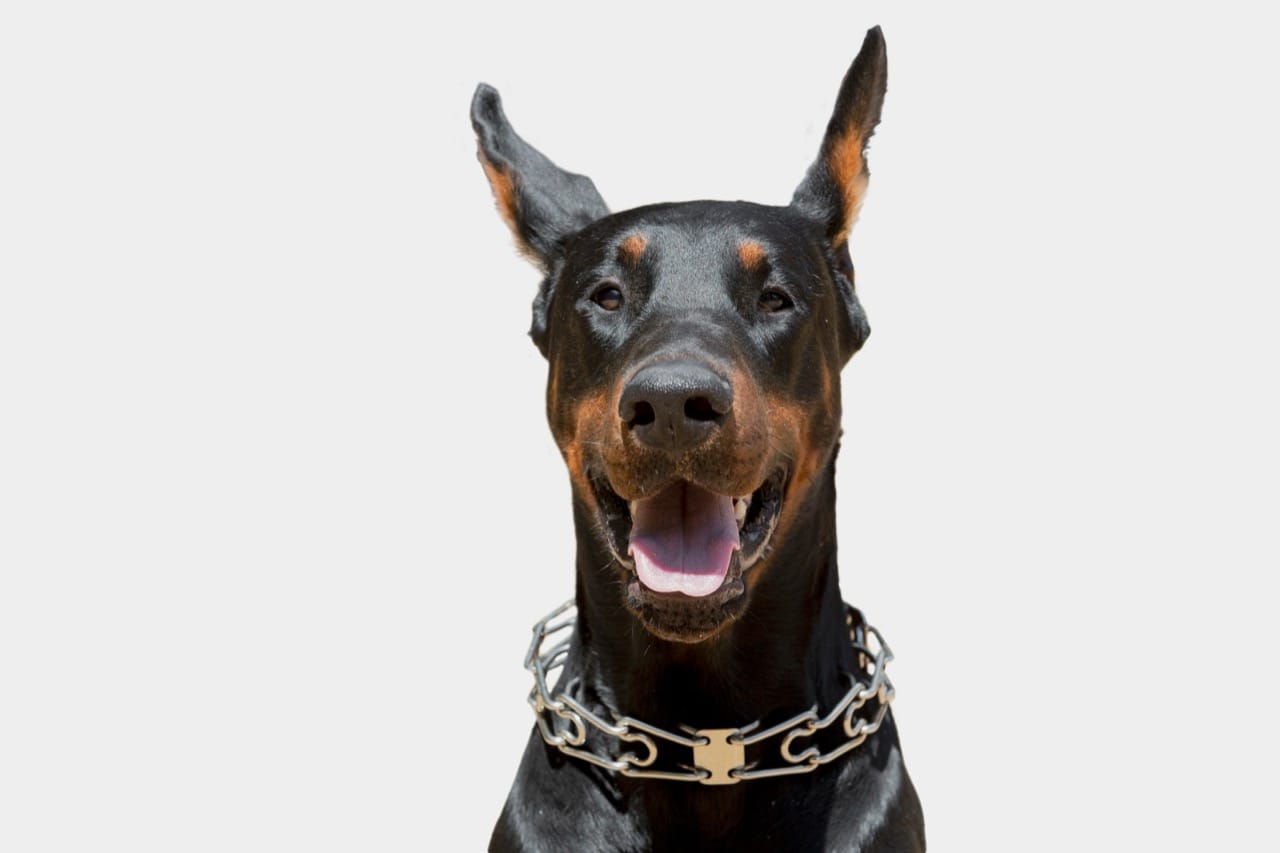
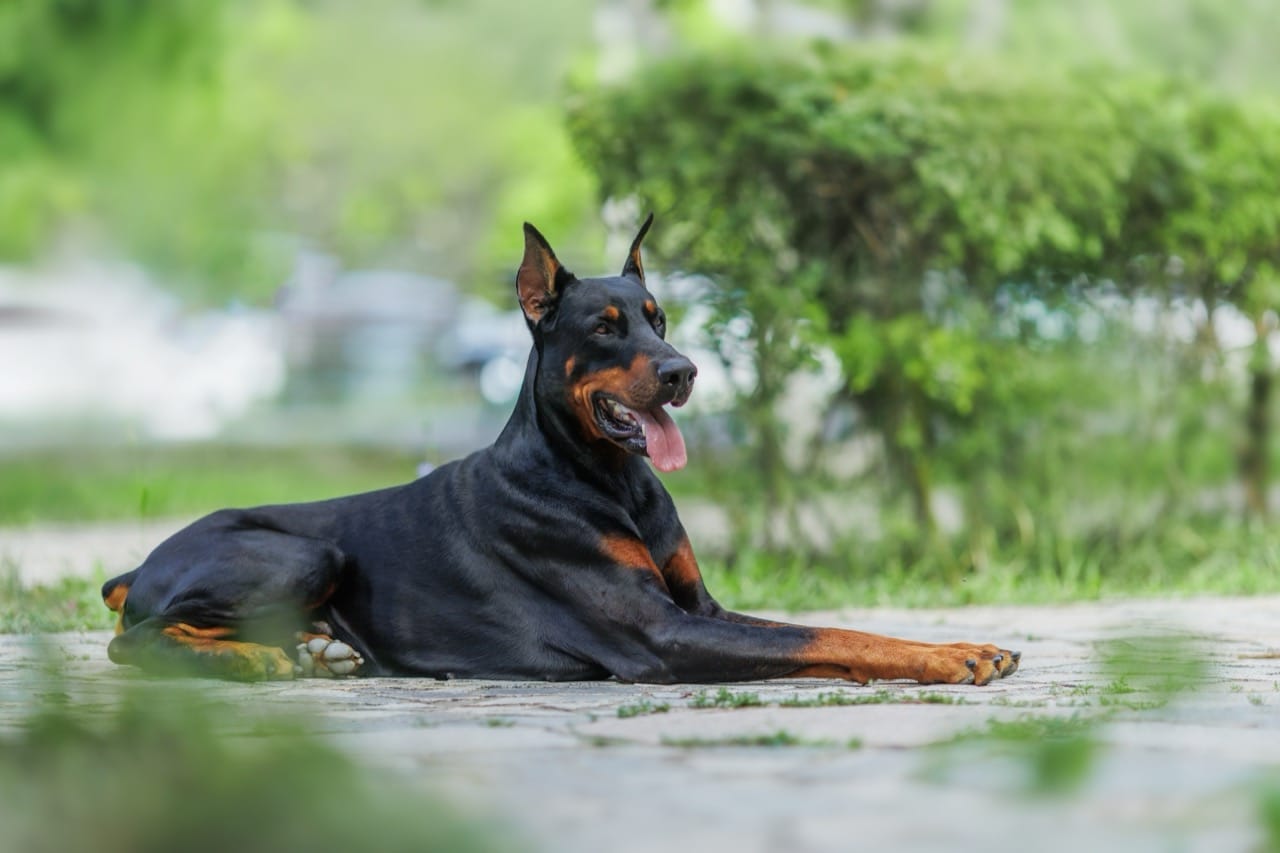
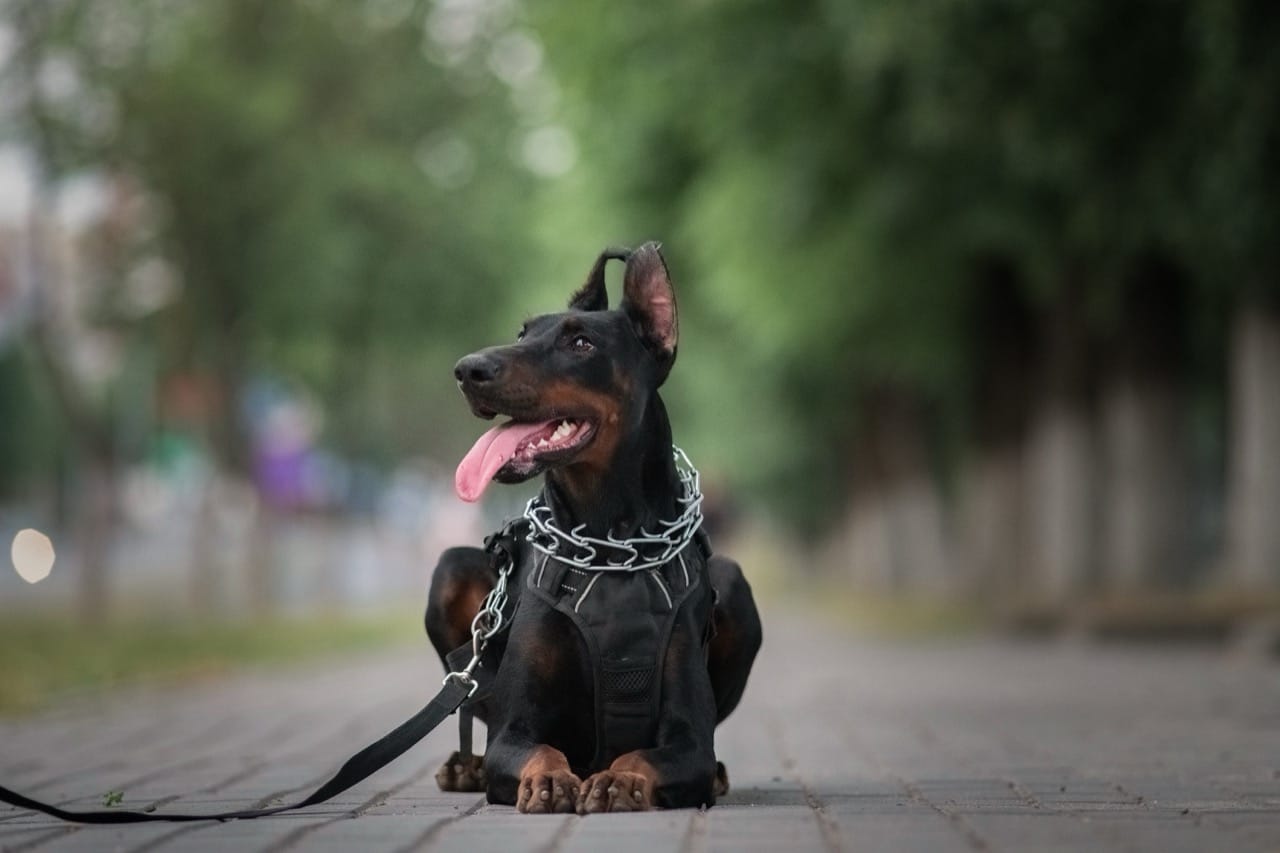
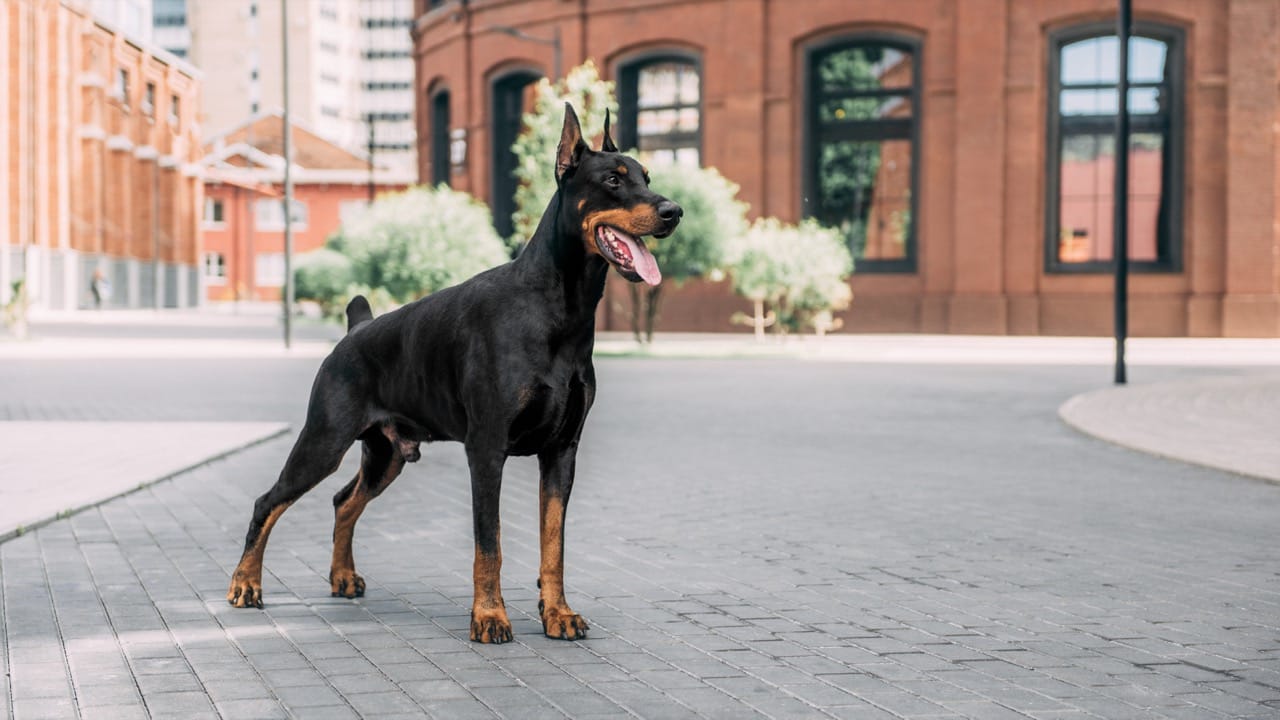
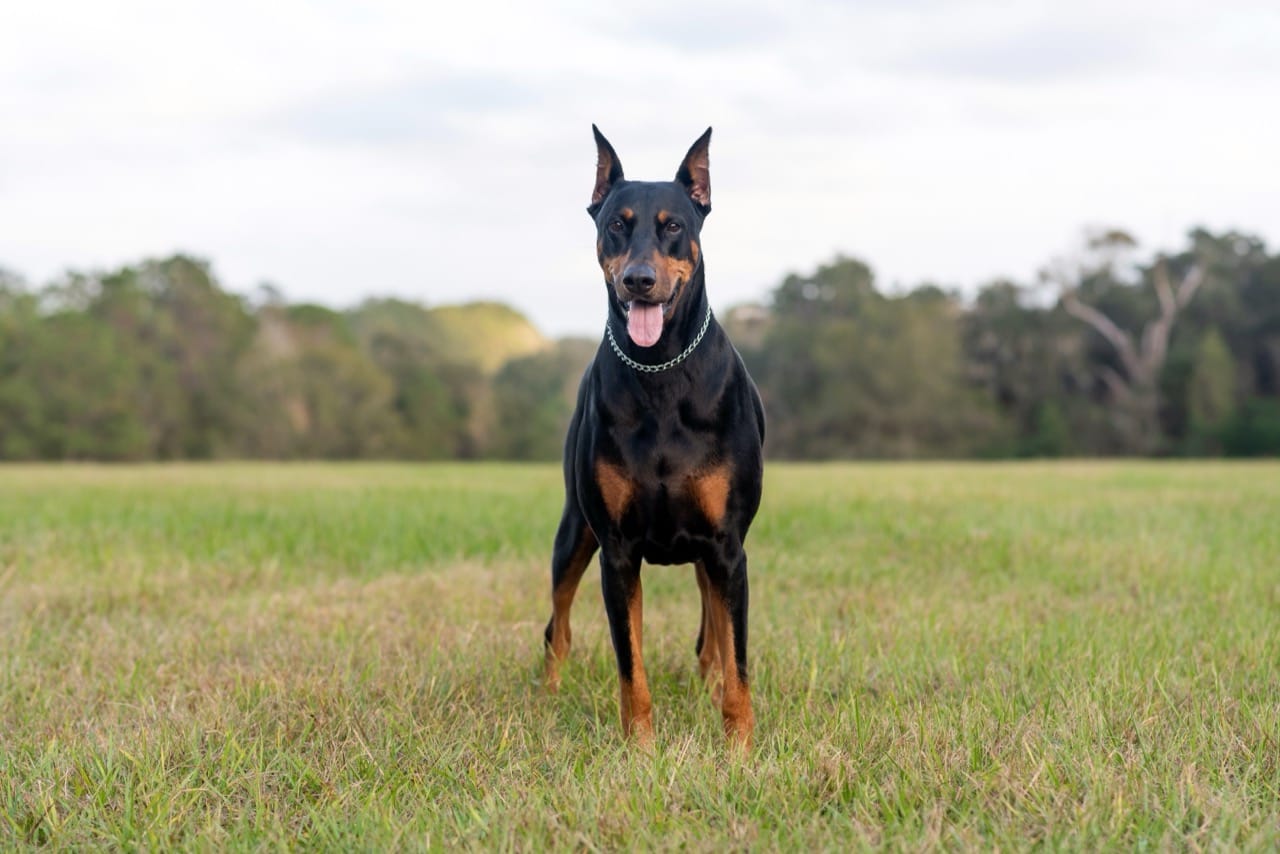
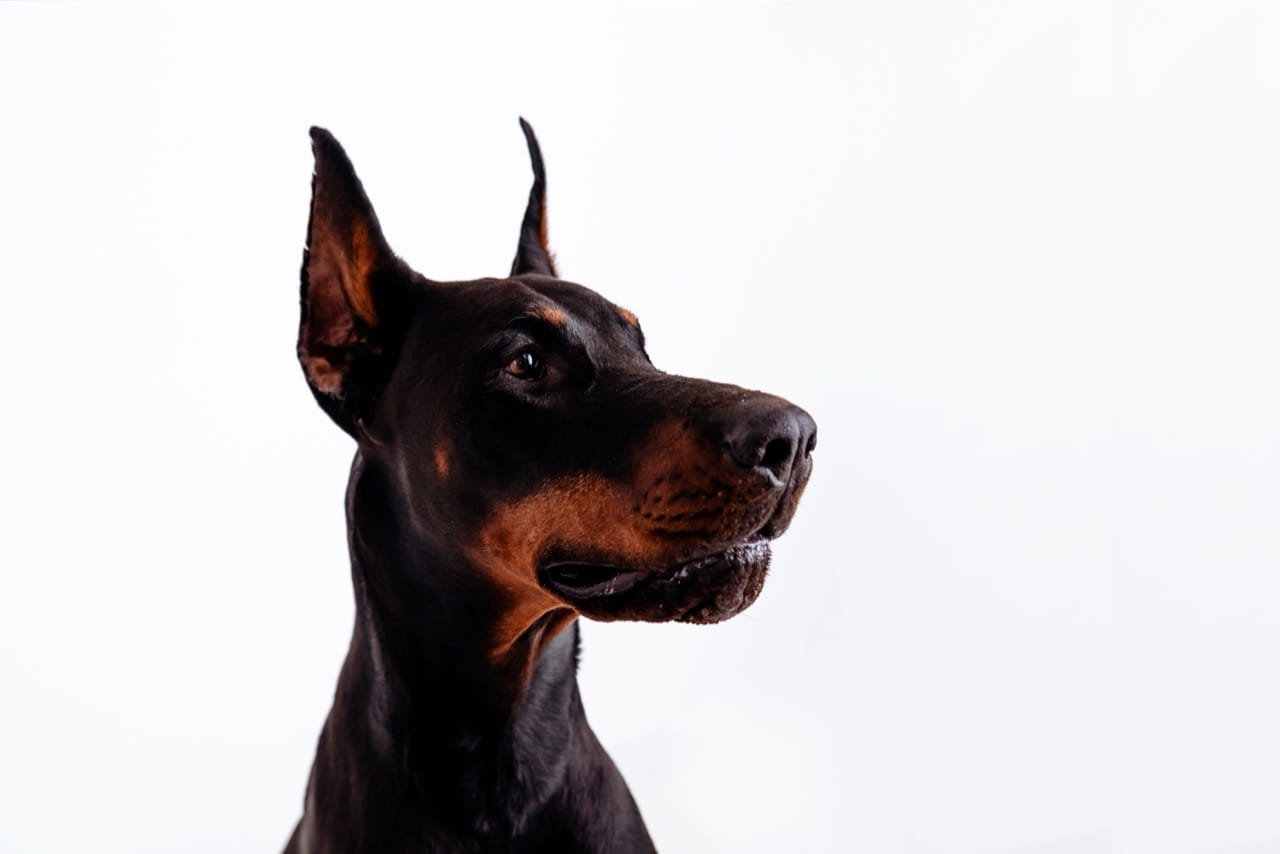
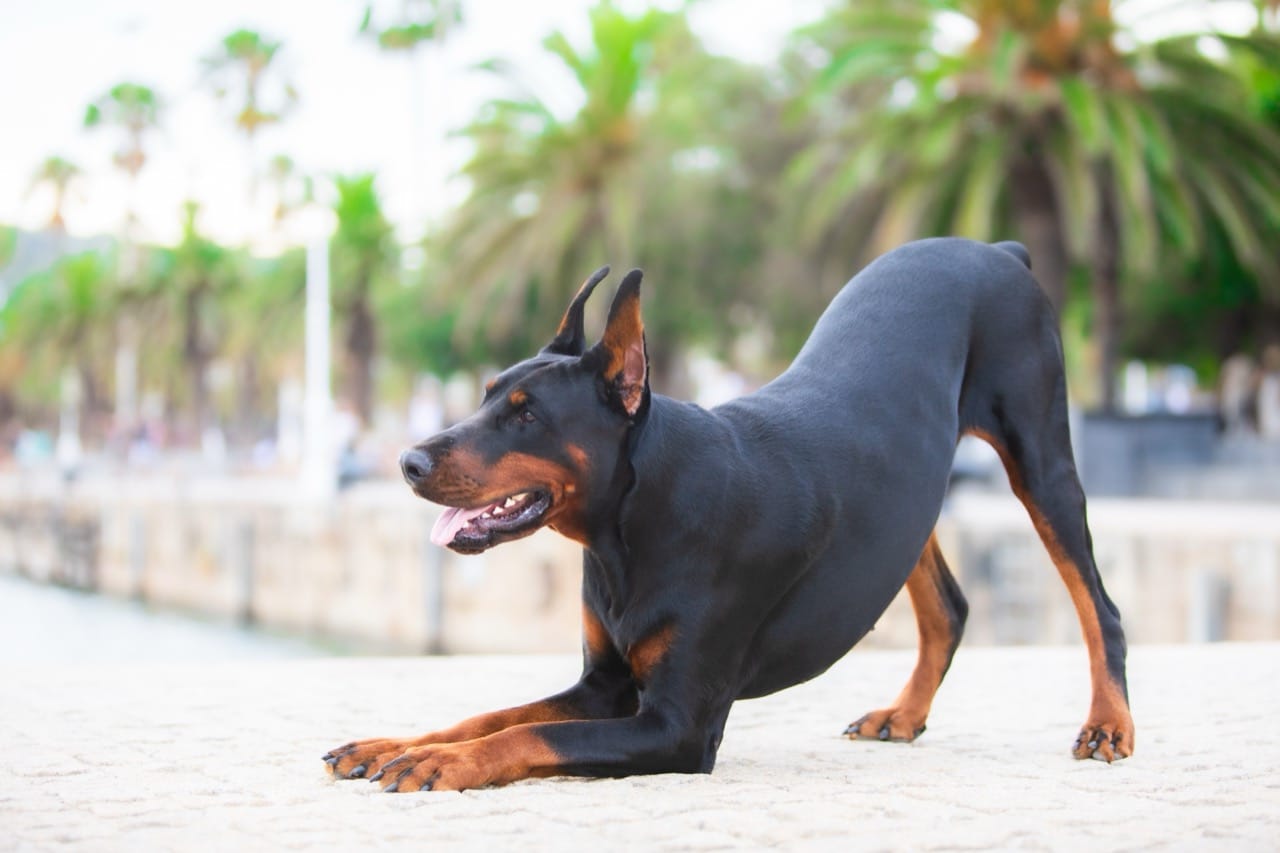
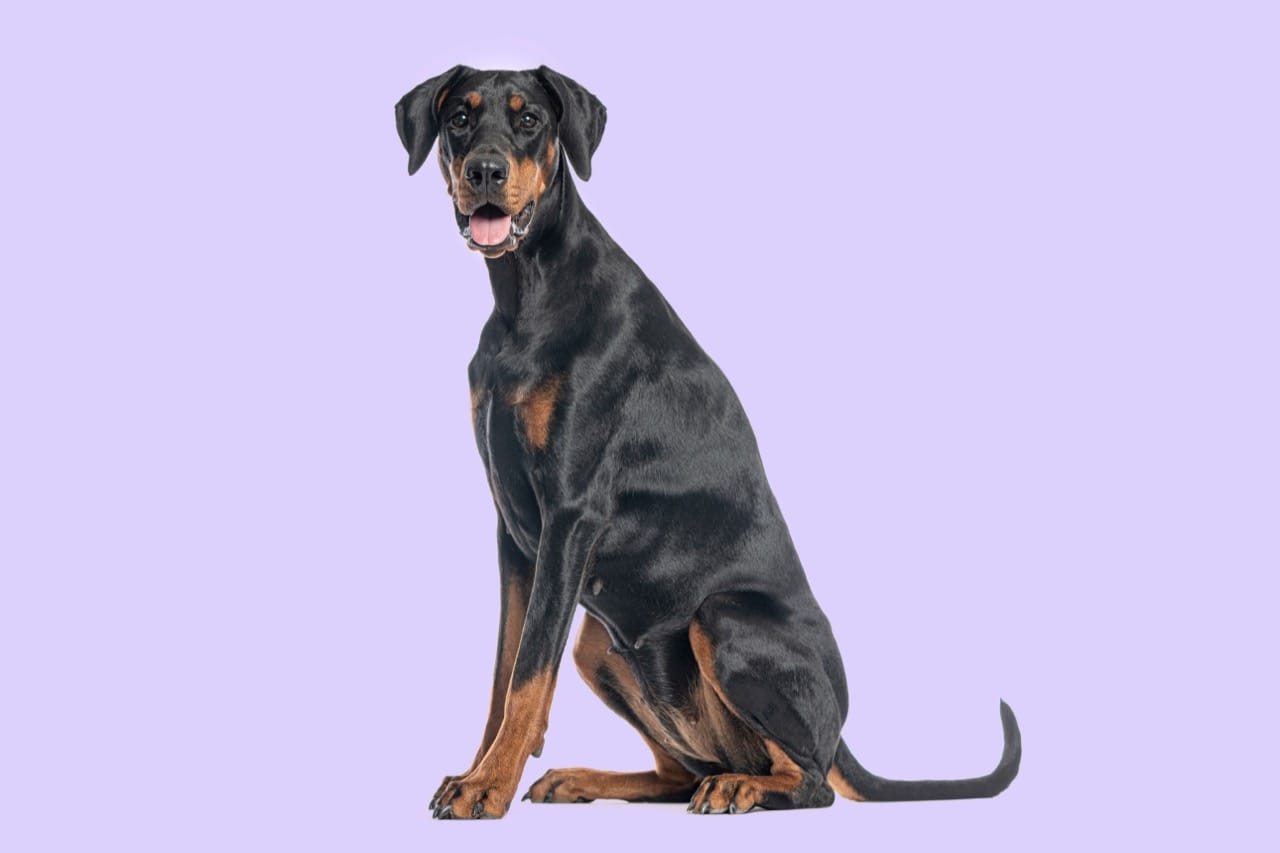
That assignment helps explain the Doberman’s signature outline. The body is lean and muscular rather than bulky, built for speed and agile movement instead of wrestling strength. A deep chest supports stamina, while a relatively tight, efficient frame supports quick acceleration and tight turns. The overall impression is readiness: a dog that can go from stillness to full action in a moment. Even the short, close coat fits the job. It is low maintenance, dries quickly, and does not pick up as much debris, which matters for a dog expected to move through varied environments while staying comfortable and responsive.
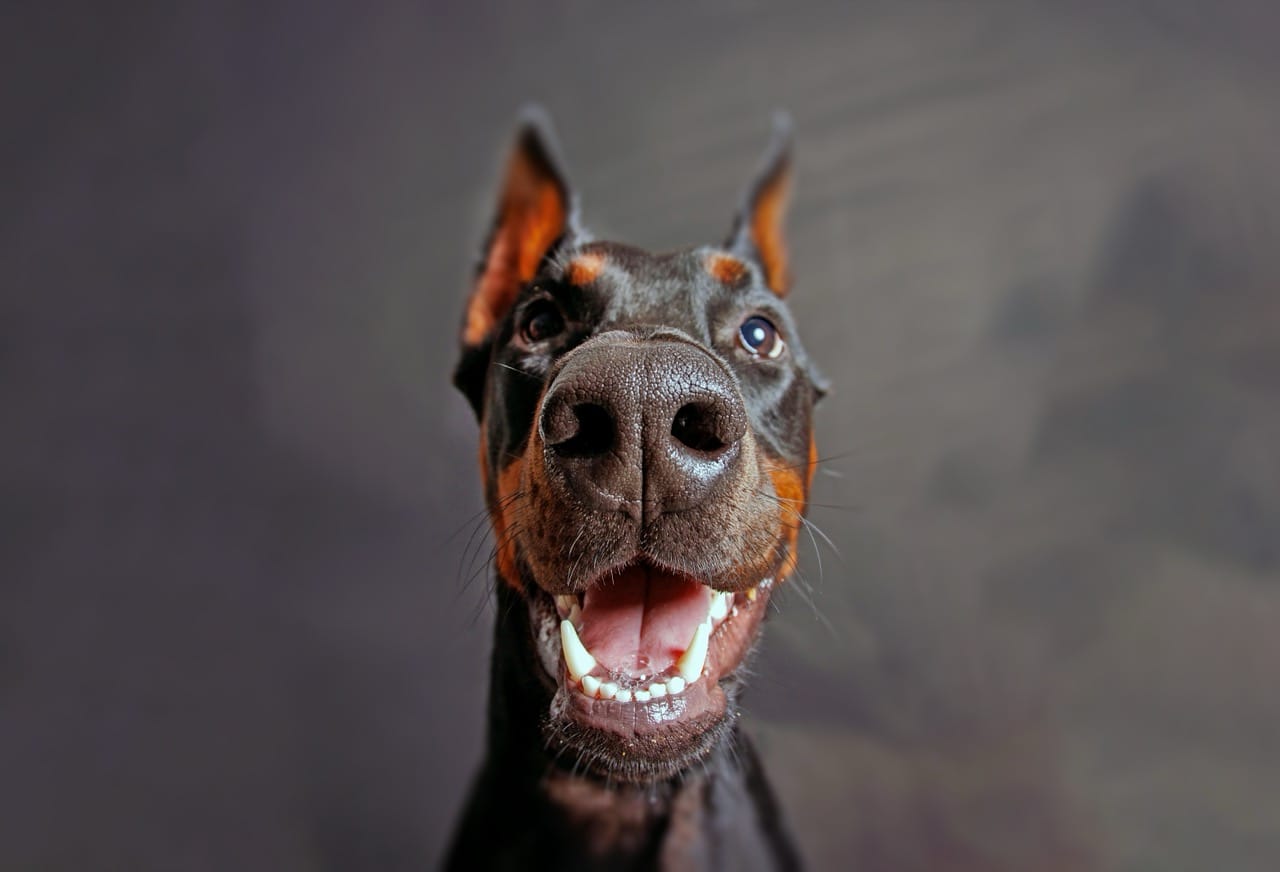
Temperament is where purpose shows most clearly. A good Doberman is alert without being frantic, confident without being reckless, and social enough to function in everyday life while remaining strongly protective of its person. The breed’s well known intensity is not meant to be constant aggression. It is more like a focused awareness, as if the dog is always collecting information. That trait is useful for personal protection because the dog must notice small changes in body language, unusual movements, or a stranger’s approach before a handler does.
The Doberman’s close bonding style also makes sense when you remember the job description. A protection dog is not supposed to make independent decisions all day like a livestock guardian might. It is supposed to work in cooperation with a handler, often at close range. Many Dobermans naturally prefer to stay near their people, track them from room to room, and position themselves where they can see entrances and activity. This is not just clinginess; it is a working habit shaped by generations of selecting dogs that paid attention and responded quickly.
Because the breed was designed to react fast, training and socialization matter more than with many casual companion breeds. Quick reactions are valuable only when paired with clear guidance and self control. A well trained Doberman learns to discriminate between normal life and true threat, to settle when asked, and to hold a steady nerve in busy places. Without that structure, the same sensitivity that makes the breed brilliant at protection work can turn into over vigilance or anxiety.
Modern Dobermans still carry the blueprint of their original role, even when they live as family companions. They tend to thrive with purposeful activity, predictable leadership, and a job of some kind, whether that is obedience, sport work, running with a handler, or simply being an engaged partner in daily routines. When you connect the Doberman’s athletic body, sharp attention, and intense loyalty to the practical needs of a personal protection dog, the breed’s famous presence stops being a mystery and starts looking like good design.