Snorts, Wrinkles and English Bulldogs







Quiz Complete!
Everyday Life With an English Bulldog: Care, Comfort, and Common Sense

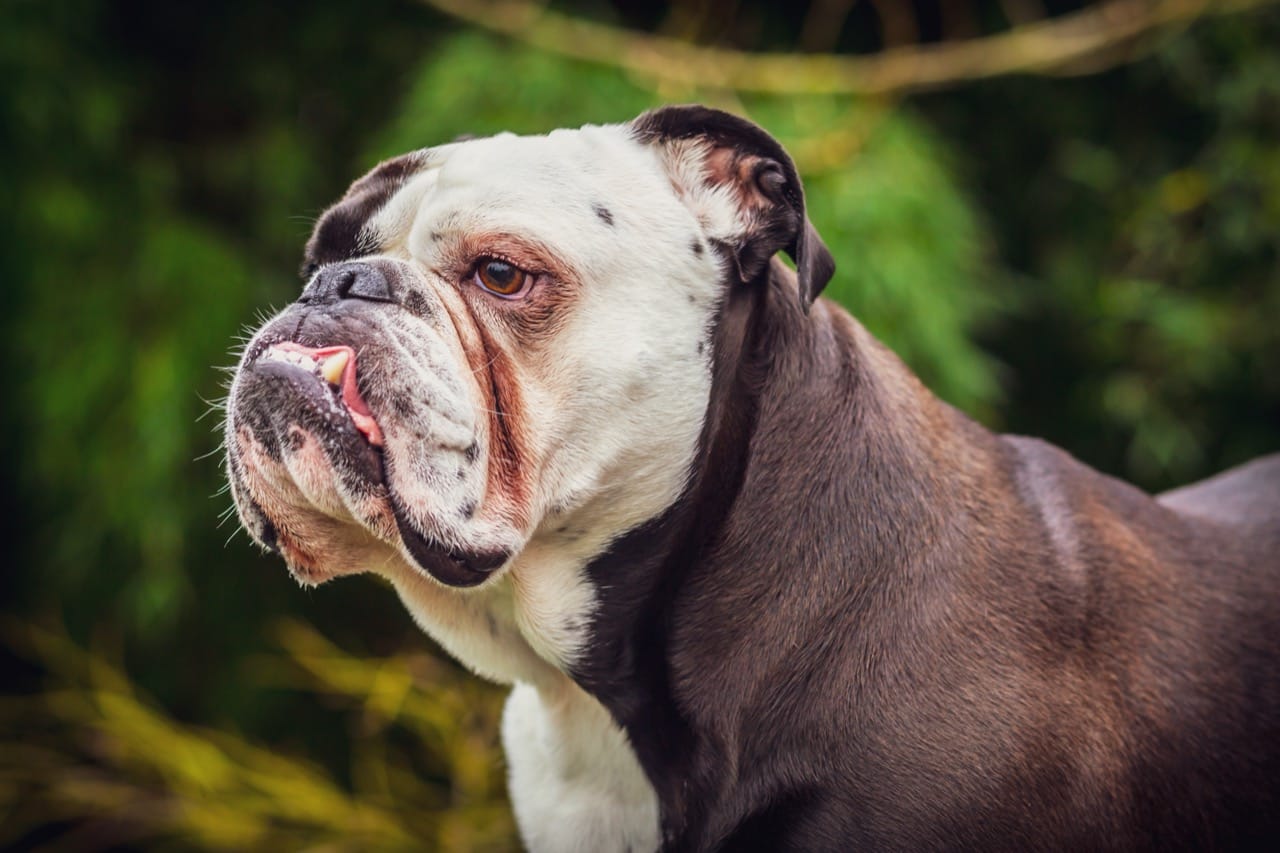
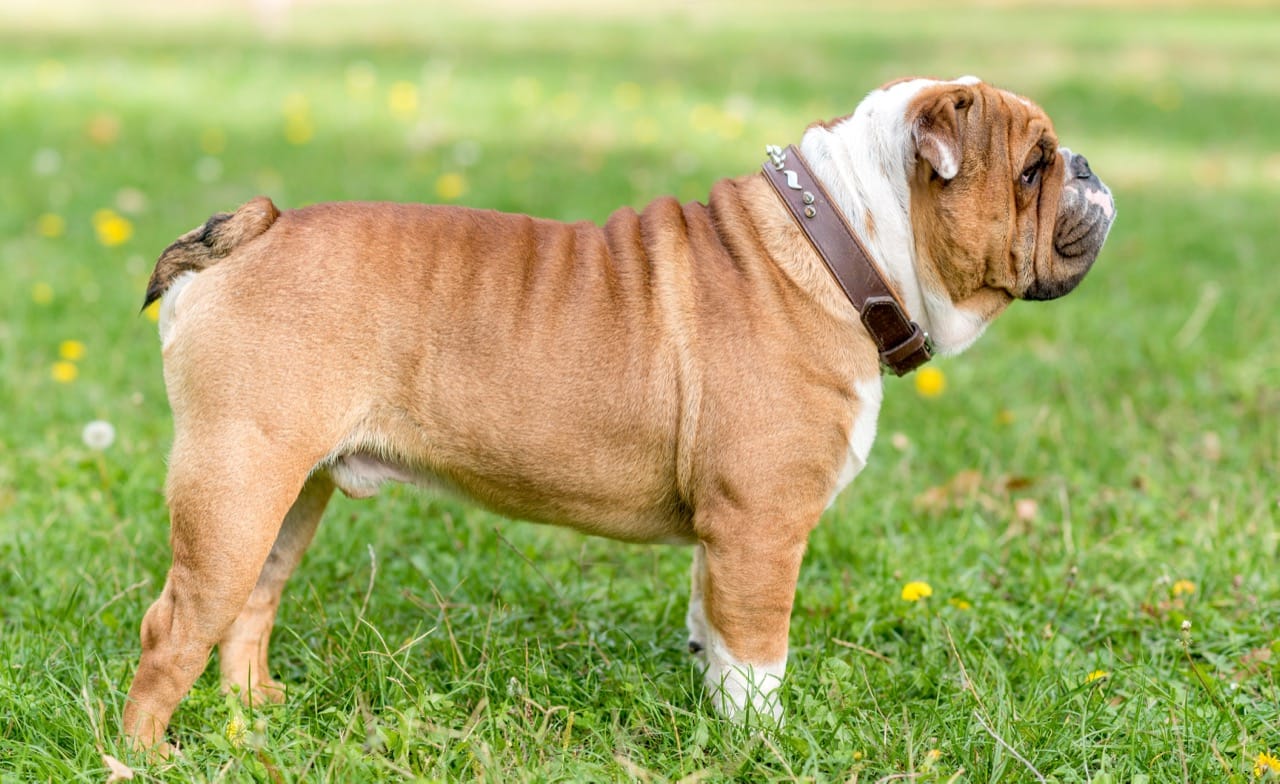
The English Bulldog’s unmistakable face and sturdy build hint at a dramatic past. Centuries ago, Bulldogs were bred for bull baiting, a brutal sport that rewarded tenacity and a powerful front end. When that practice was outlawed, the breed’s future depended on a shift in purpose. Over time, selective breeding emphasized a calmer temperament suited to companionship. The modern English Bulldog is typically affectionate, people focused, and happiest near the center of family life, whether that is on a couch, under a desk, or following you from room to room.
That closeness is part of what makes Bulldogs charming, but it also shapes how you should train and live with them. Many Bulldogs respond best to patient, consistent training that uses rewards and clear routines. Harsh corrections can backfire, especially with a dog that may already be stubborn or easily discouraged. Short sessions work well, and motivation matters. Some Bulldogs will work enthusiastically for treats, while others prefer praise, a toy, or simply being allowed to stay close. Early socialization is important, not because Bulldogs are typically sharp or high strung, but because confidence around people, dogs, and everyday noises makes life easier for everyone.
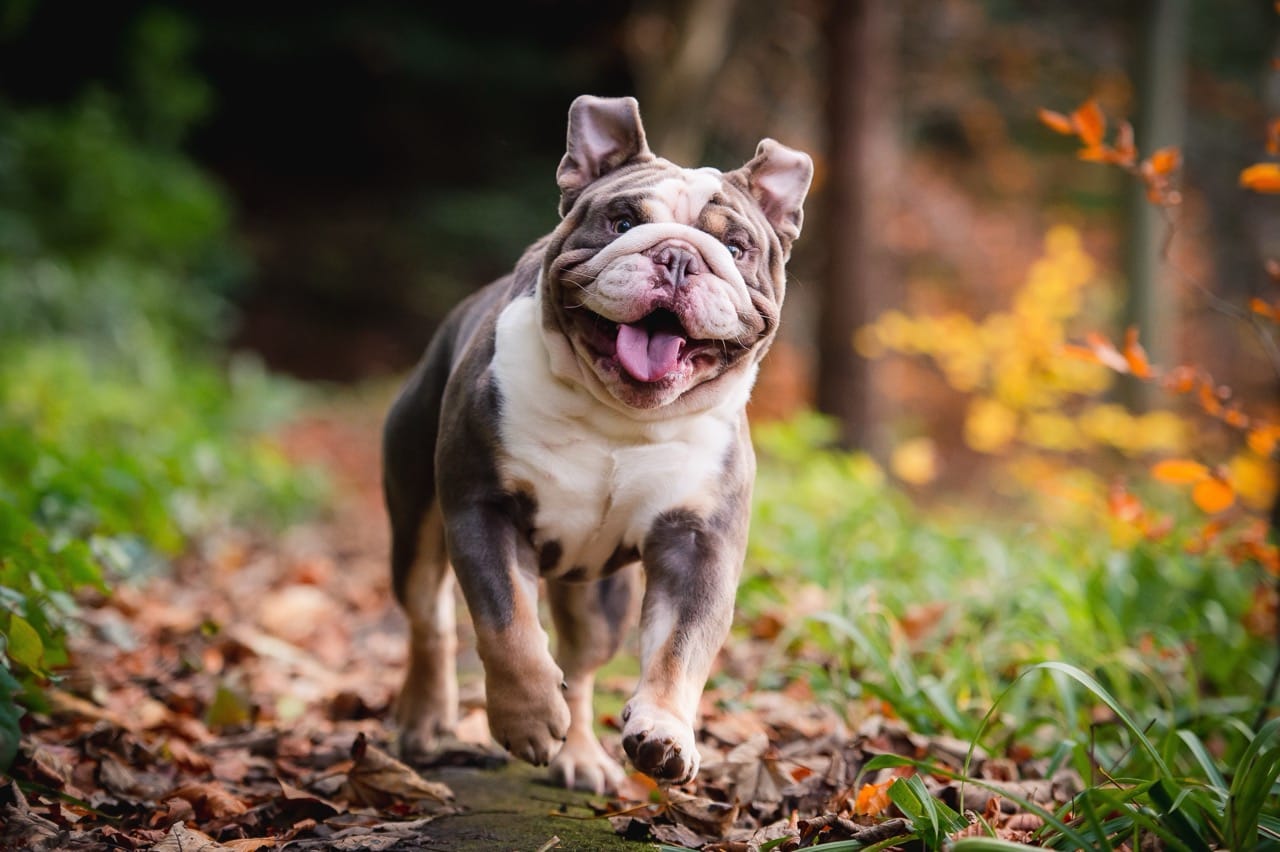
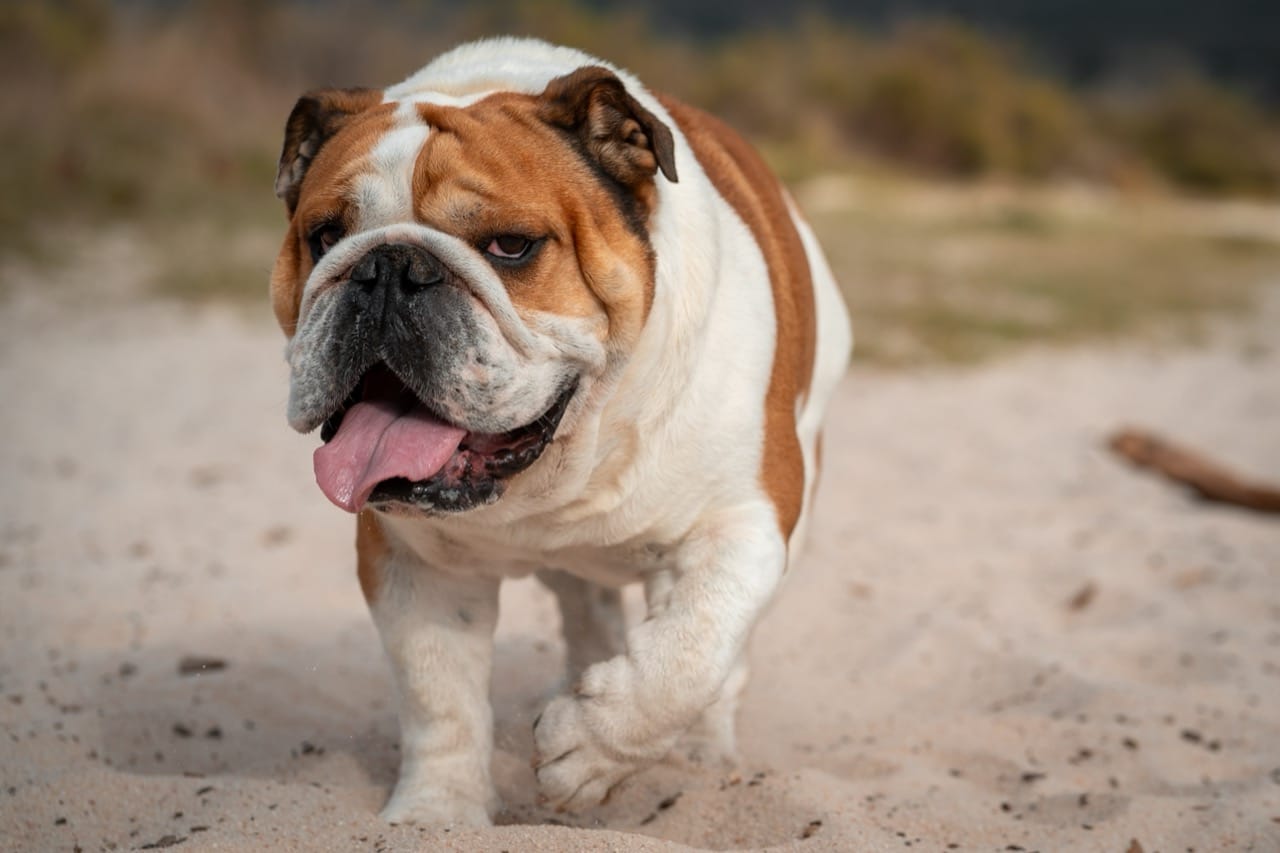
Daily care with an English Bulldog is less about long hikes and more about smart management. Exercise is still necessary for muscle tone, joint support, and mental health, but it should be moderate and adapted to the individual dog. Many Bulldogs do best with multiple short walks and gentle play rather than intense running. Watch breathing and recovery time. If your dog is struggling, slowing down, or sounding unusually noisy, it is a cue to stop and cool off. Because Bulldogs are prone to overheating, warm and humid weather can be genuinely dangerous. Plan walks for cooler parts of the day, provide shade and water, and never assume a Bulldog can safely keep up with athletic breeds. Heat safety is not a preference; it is a core part of responsible ownership.
Breathing is a major consideration even indoors. The breed’s short muzzle can contribute to noisy respiration, snoring, and reduced tolerance for exertion. Some Bulldogs live comfortably with mild symptoms, while others may need veterinary support to improve airflow. Owners should learn what is normal for their dog and what signals trouble, such as labored breathing, blue or pale gums, fainting, or sudden collapse. Those are emergencies.
Grooming is often simpler than people expect, but certain tasks are non negotiable. Skin folds can trap moisture and debris, which may lead to irritation or infection. Gentle cleaning and thorough drying of facial wrinkles helps prevent odor and soreness. The tail area deserves special attention, especially if the tail is tightly set or forms a pocket where moisture can collect. Regular checks, careful cleaning, and keeping the area dry can save your dog from painful skin problems. Coat care is usually easy with routine brushing, but nails, ears, and teeth still require regular maintenance.
Living with an English Bulldog also means thinking ahead about comfort and safety. Many Bulldogs do not swim well due to their build, so supervised water time and proper flotation are wise. A well fitting harness can be kinder than a collar for dogs with breathing sensitivity. Most of all, Bulldogs thrive on steady companionship. Their story is not just about a famous face; it is about a breed reshaped into a loyal housemate that asks for your attention, your patience, and a little daily practical care in return.