Sharing a Couch With a Basset Hound


Quiz Complete!
Living with a Basset Hound: Real Life Trivia Turned Useful Know How
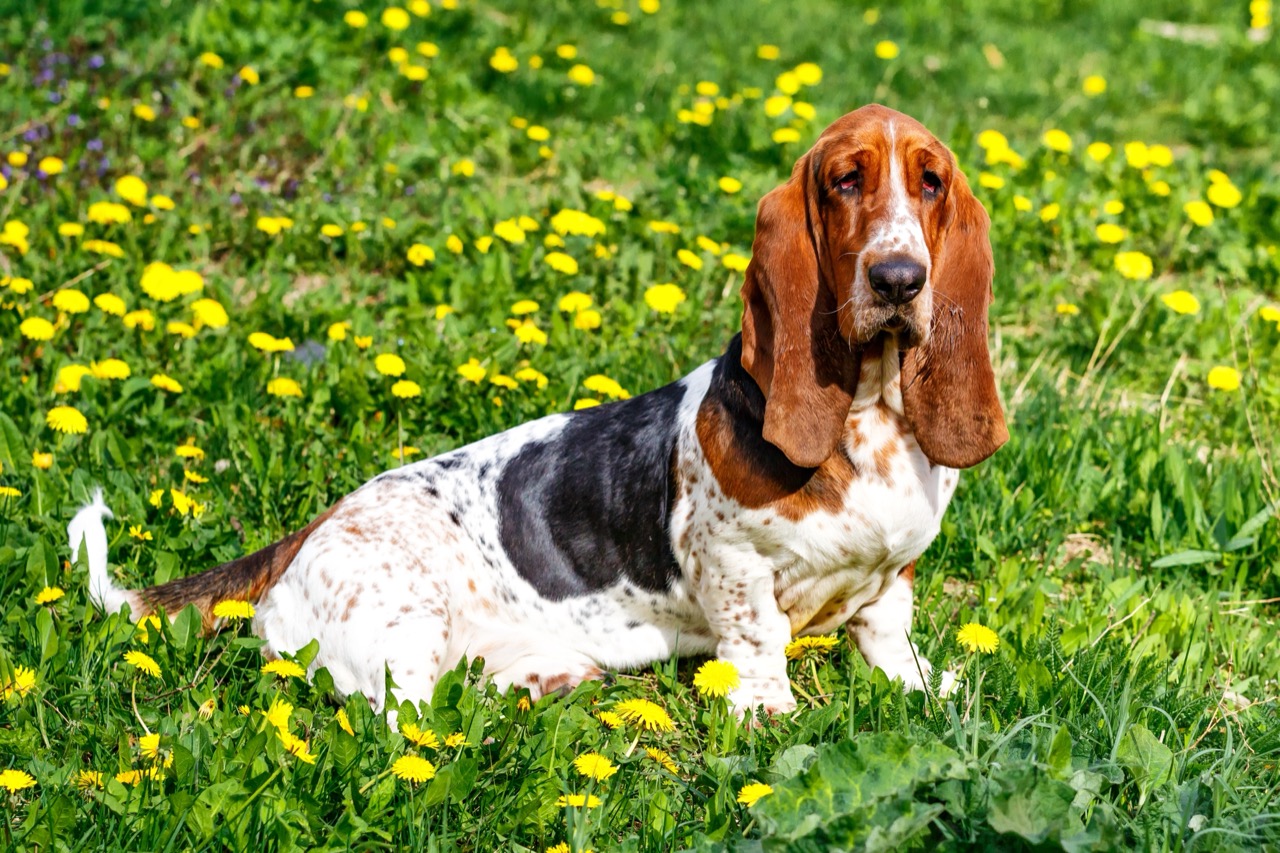
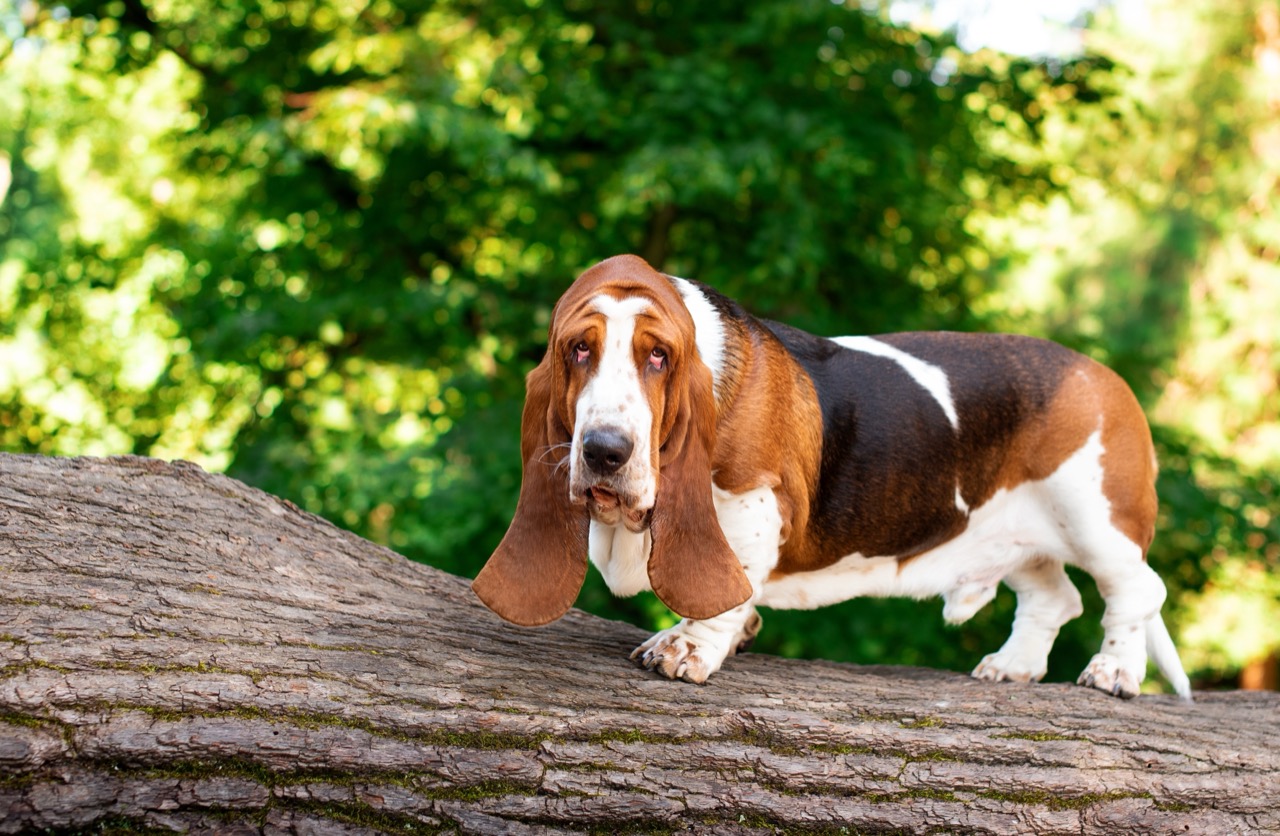
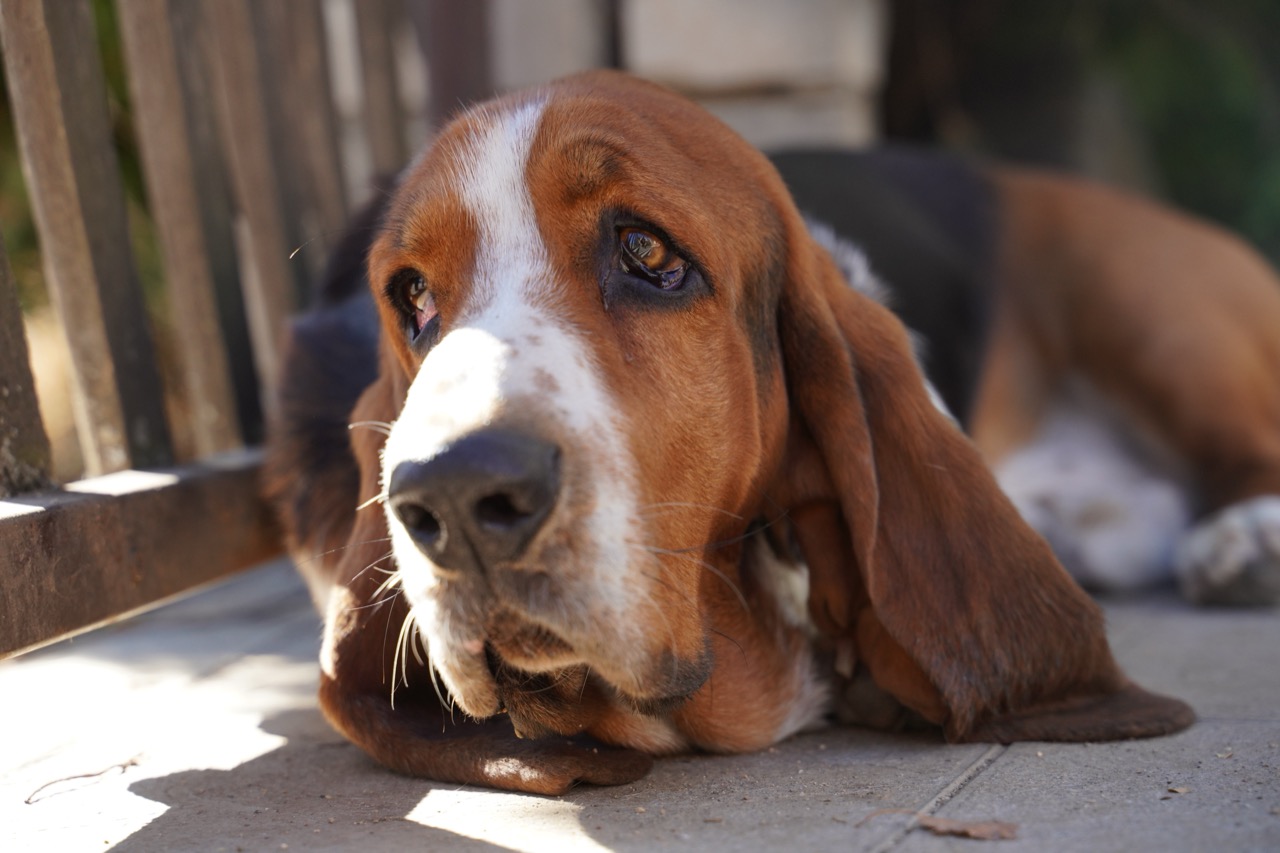
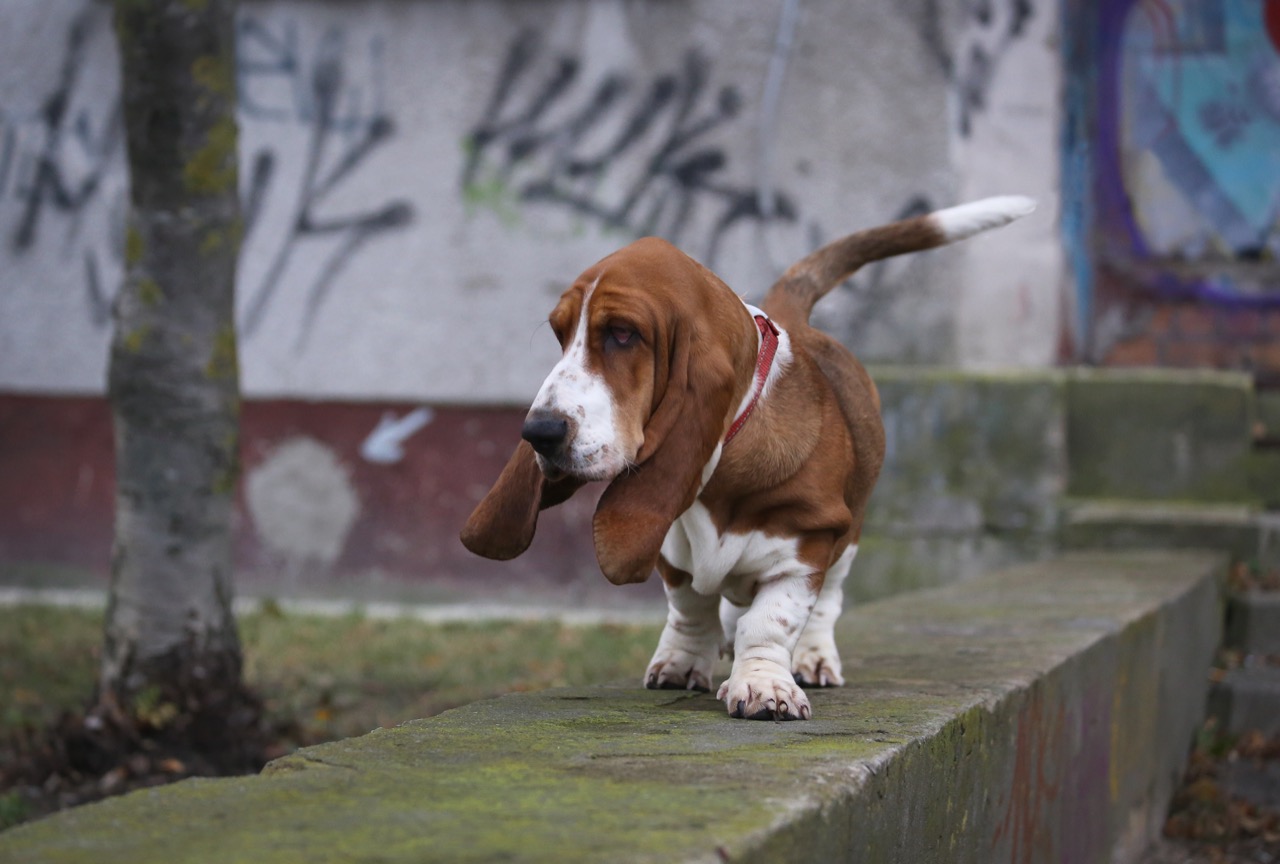
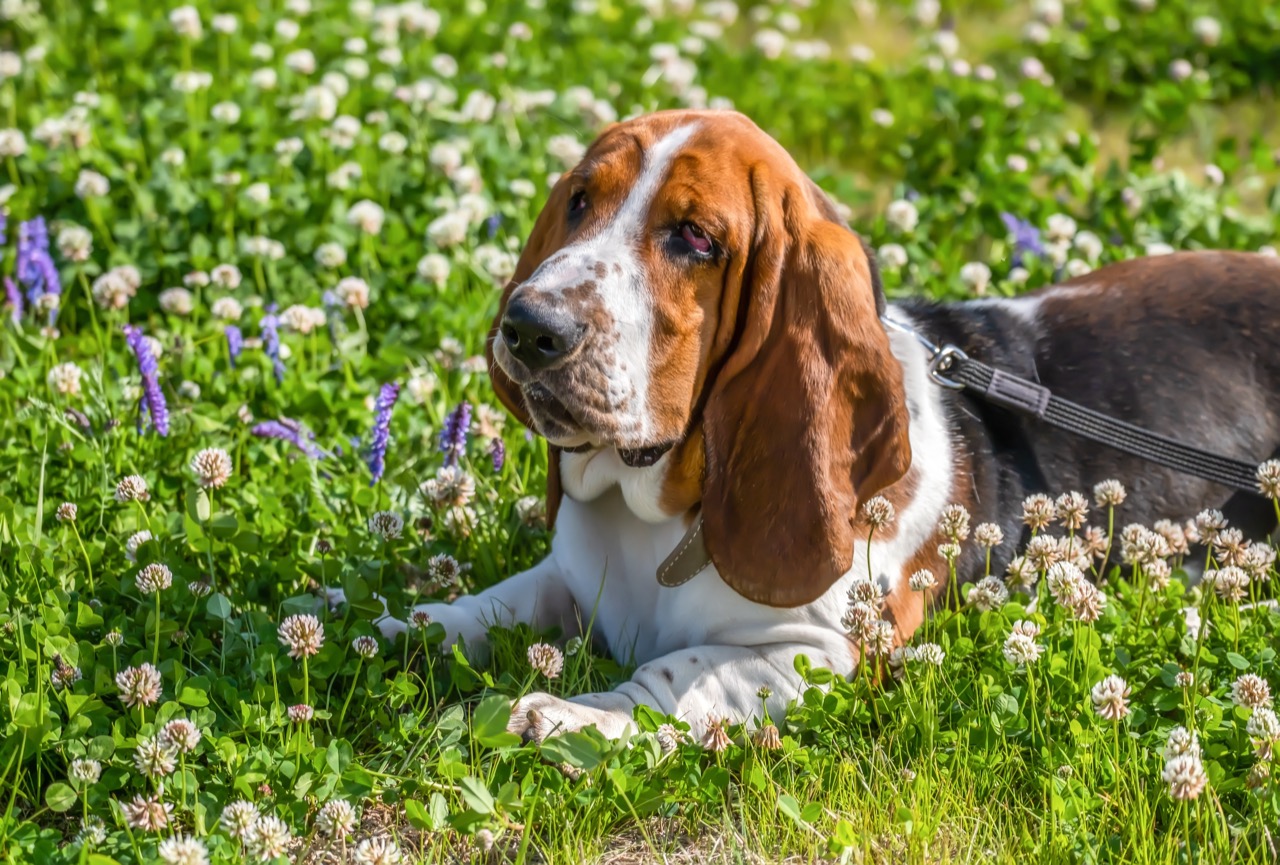
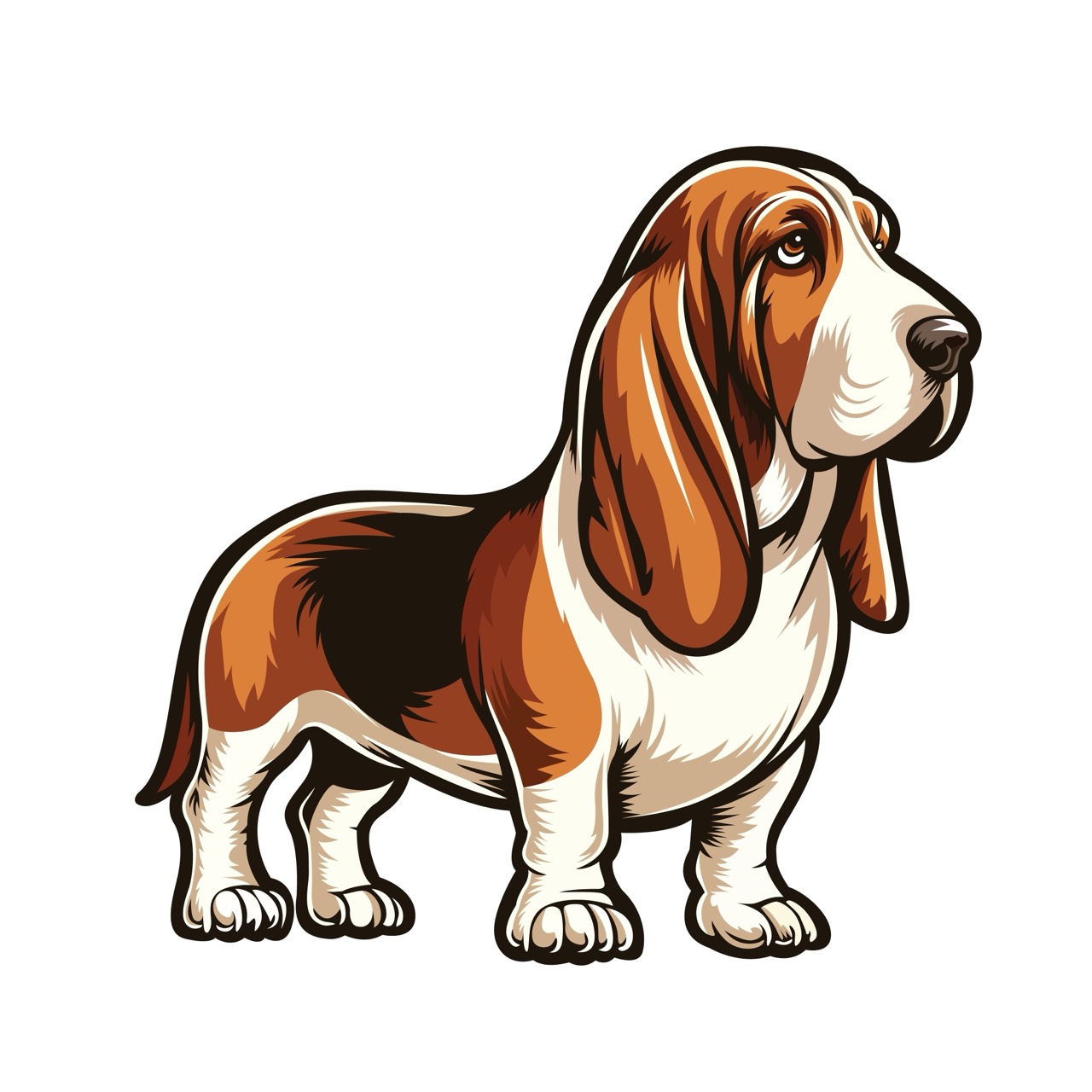
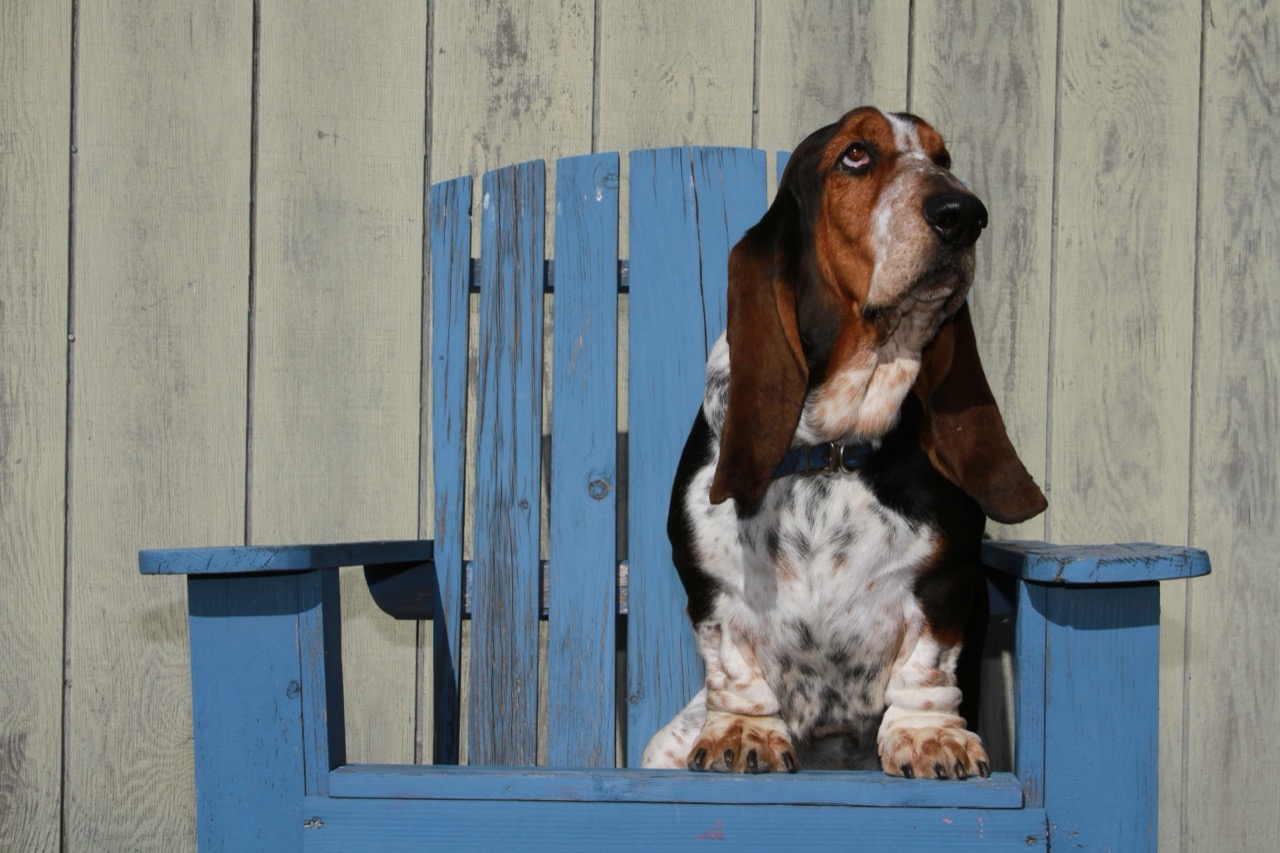
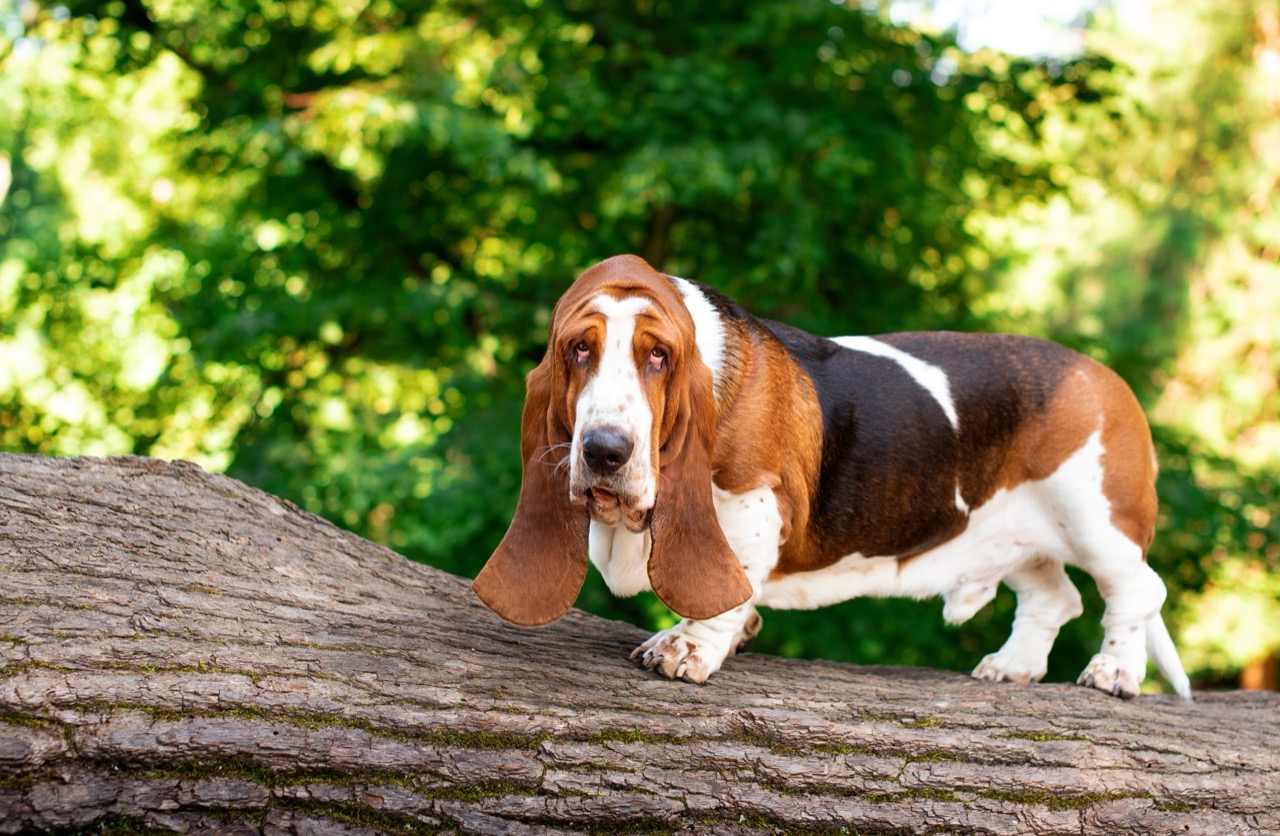
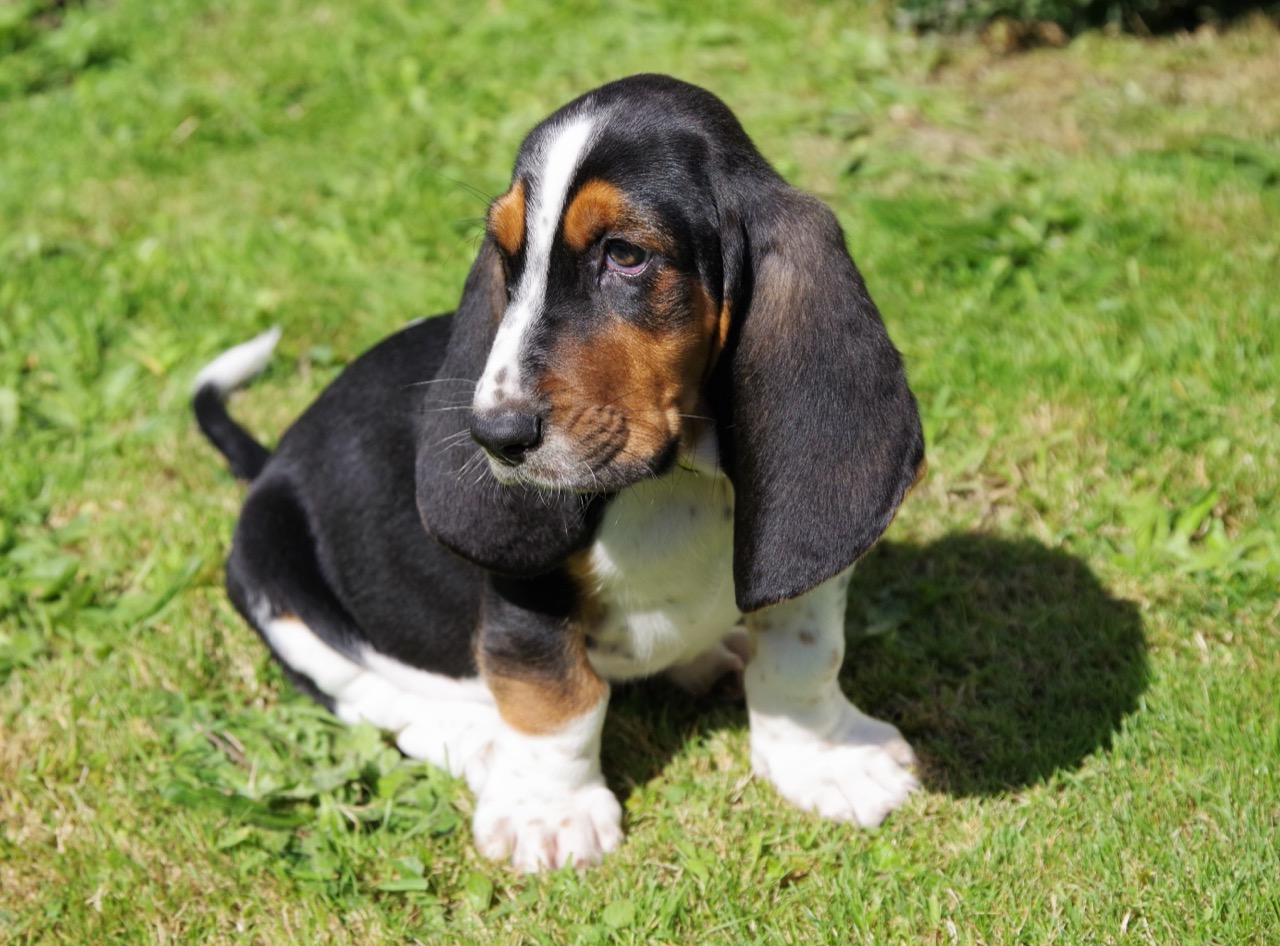
The Basset Hound is famous for its long ears, soulful expression, and nose that seems to switch on the moment the front door opens. That nose is not just a cute trait, it is the center of how many Bassets experience the world. Originally developed as a scent hound, a Basset is built to follow odors steadily and with determination. In a home setting, this often translates into a dog that can appear relaxed one minute and suddenly become laser focused on a smell the next. Understanding that instinct helps owners avoid frustration and set up routines that match the breed.
Training a Basset Hound is often described as a lesson in patience, but it is really a lesson in motivation. Many Bassets respond best to calm, consistent practice and rewards that matter to them, often food, praise, or the chance to sniff. Because scent is so rewarding, outdoor training can be harder than indoor training at first. Short sessions, clear cues, and repeating the same expectations help a lot. If a Basset seems stubborn, it may simply be deciding that the scent on the ground is more interesting than the cue you just gave. Rather than escalating, it usually works better to increase the value of your reward, reduce distractions, and practice in easier environments before expecting perfect manners on a busy sidewalk.
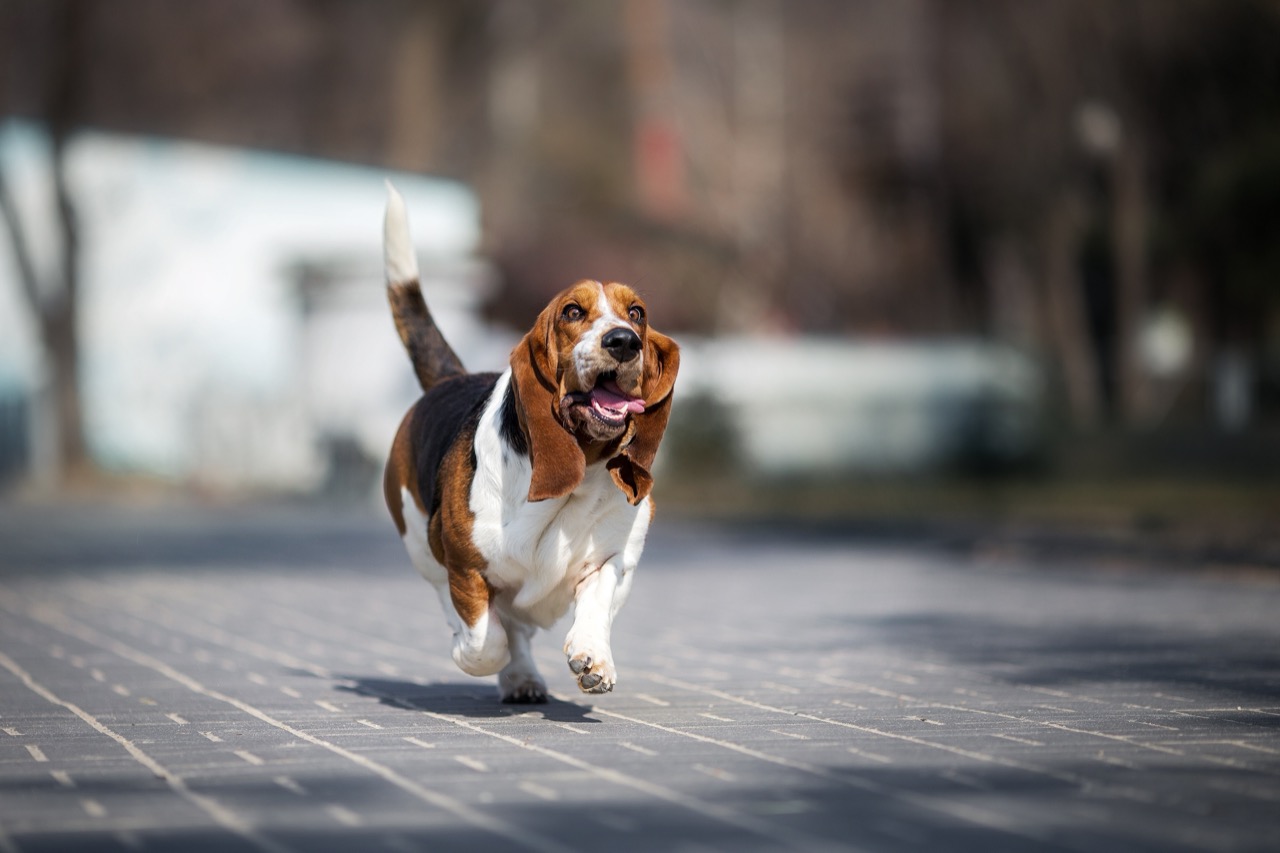
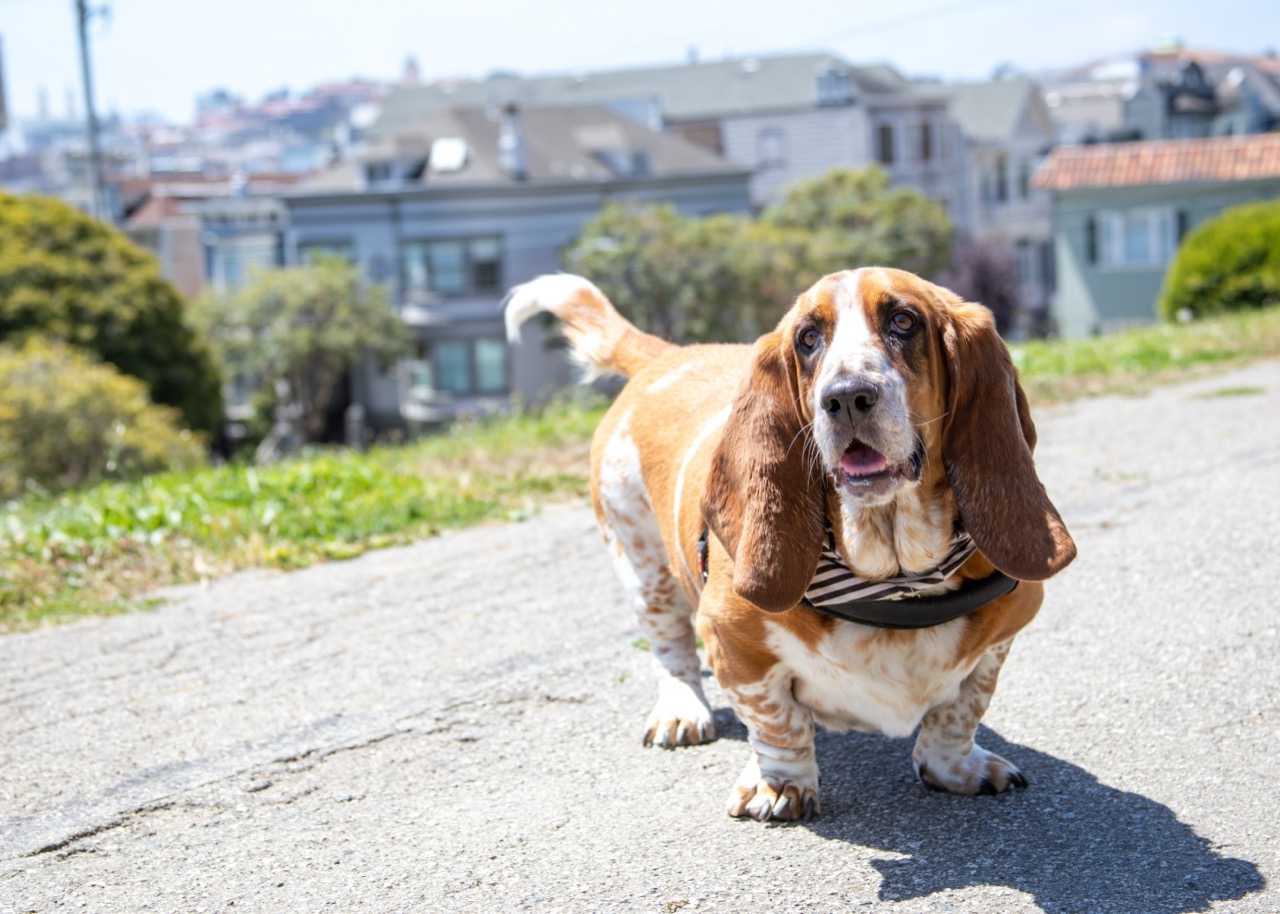
Leash walking is a classic everyday challenge. A Basset is low to the ground and designed to track, so pulling toward a smell can happen even in well trained dogs. A sturdy harness can help reduce strain on the neck, and teaching a loose leash walk often goes hand in hand with giving planned sniff breaks. When the dog learns that staying with you leads to chances to investigate, walks become more cooperative. It also helps to remember that a Basset is not built for speed. They tend to be steady walkers rather than jogging partners, and they can overheat in warm weather, especially if overweight.
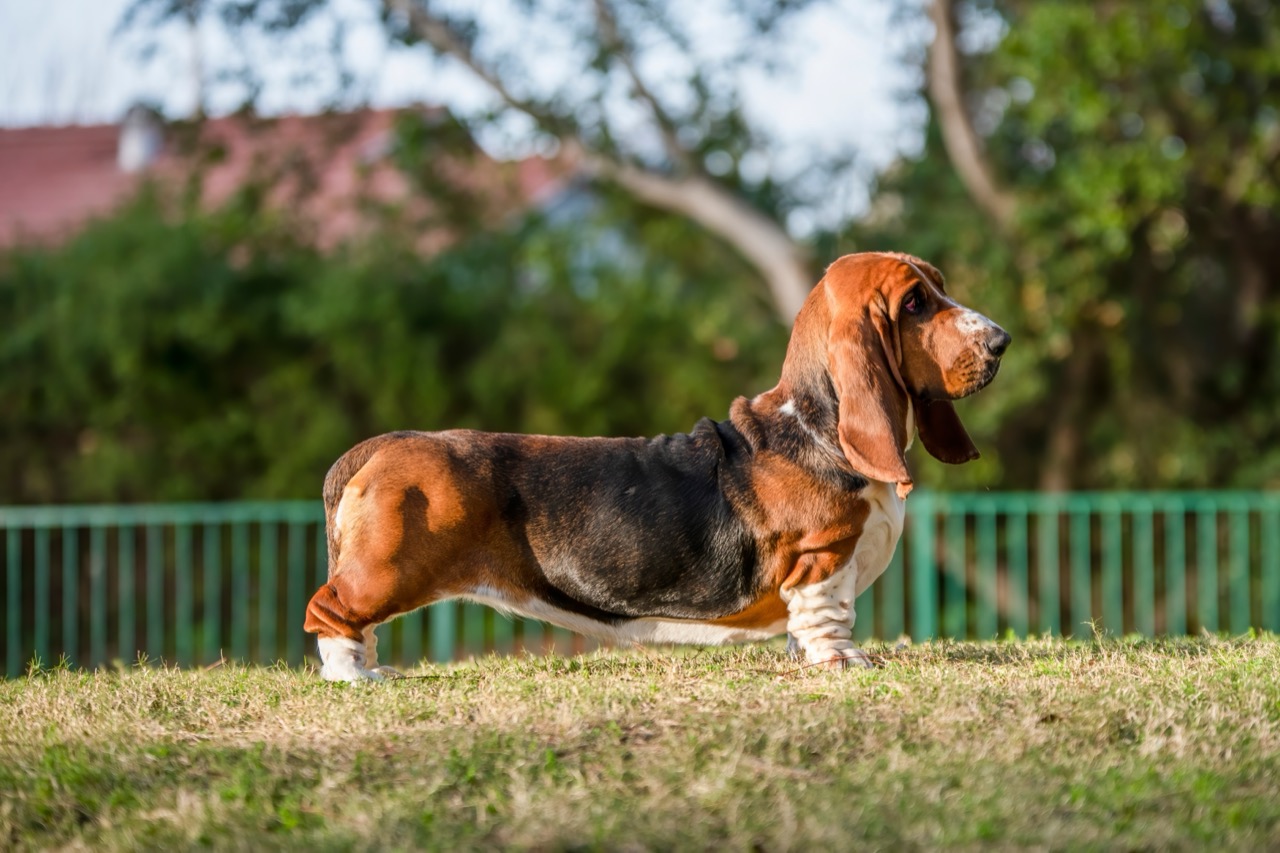
That long, heavy body comes with practical care needs. Weight management is one of the most important parts of keeping a Basset comfortable. Extra pounds add stress to joints and the spine, and the breed can be prone to orthopedic issues. Measuring meals, limiting high calorie treats, and using part of the daily food allowance for training can make a big difference. Regular, moderate exercise and mental enrichment, like scent games at home, are usually better than intense workouts.
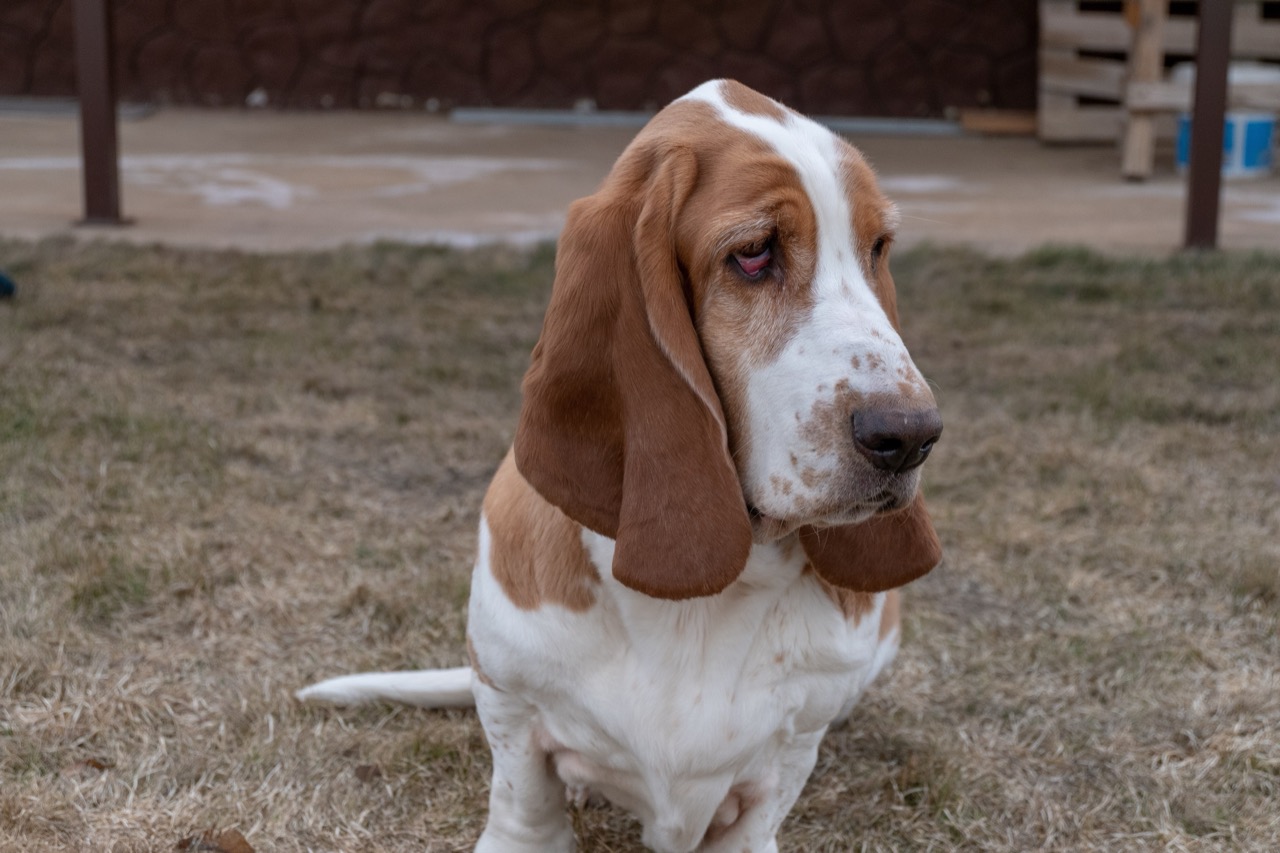
Grooming is simpler than many people expect, but it is not zero effort. Bassets have a short coat that sheds, so brushing a couple of times a week helps manage hair and keeps the skin healthier. Their ears deserve special attention. Long, low hanging ears reduce airflow and can trap moisture and debris, which can contribute to ear infections. Many owners get into the habit of checking ears routinely and cleaning them as advised by a veterinarian. Nails also matter more than people realize. Because Bassets are low to the ground, overgrown nails can change how they stand and walk.
Life with a Basset Hound is often described as companionable and a little comedic. They can be affectionate couch buddies, but they are also independent thinkers with a strong interest in smells. When owners lean into that reality with consistent training, sensible health routines, and humor about the occasional nose led detour, the breed’s calm charm and loyal personality really shine.