Nose to the Ground: Basset Hound Origins

Quiz Complete!
Basset Hound Origins and Instincts: Built Low to Follow a High-Value Scent
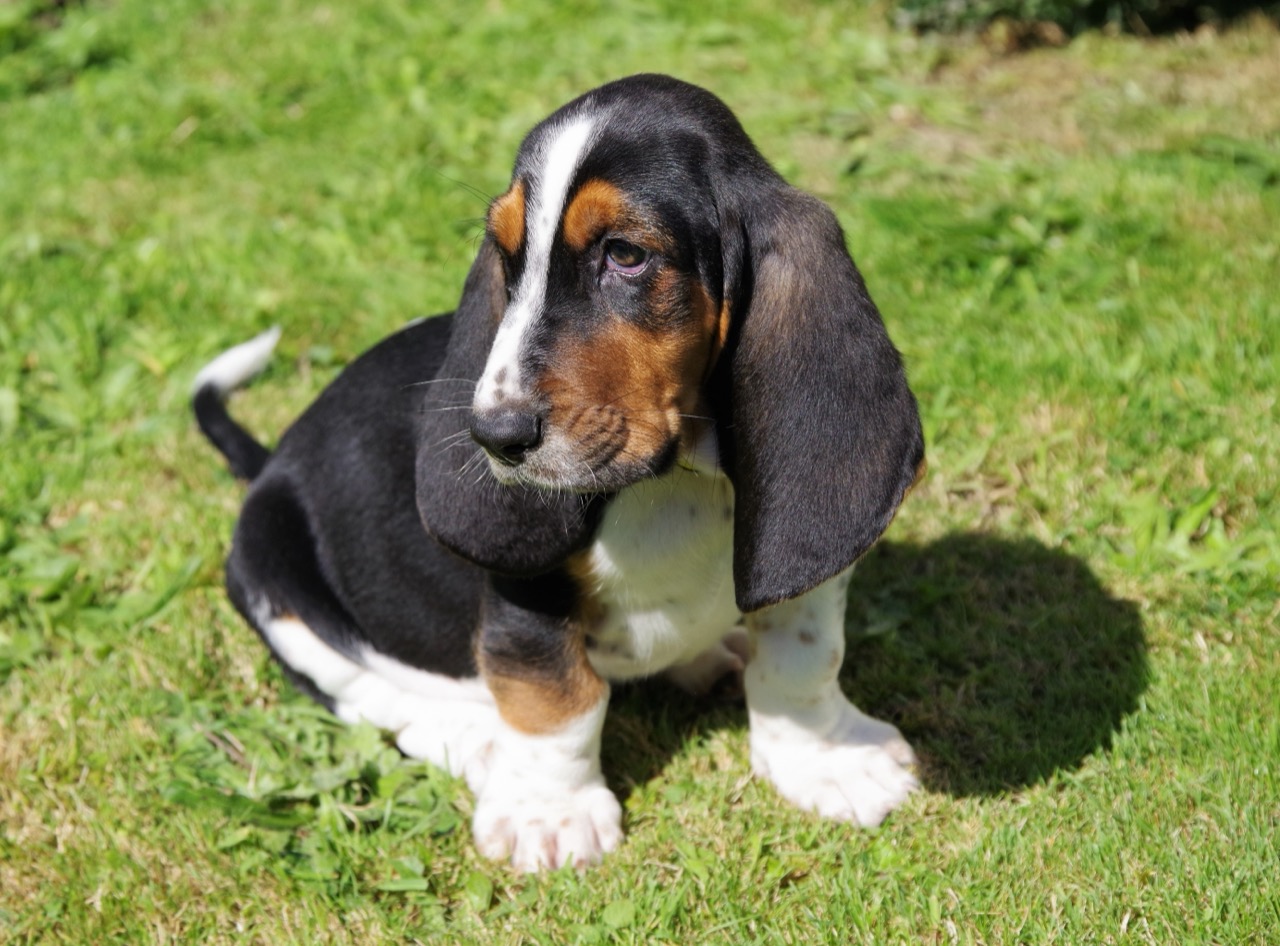
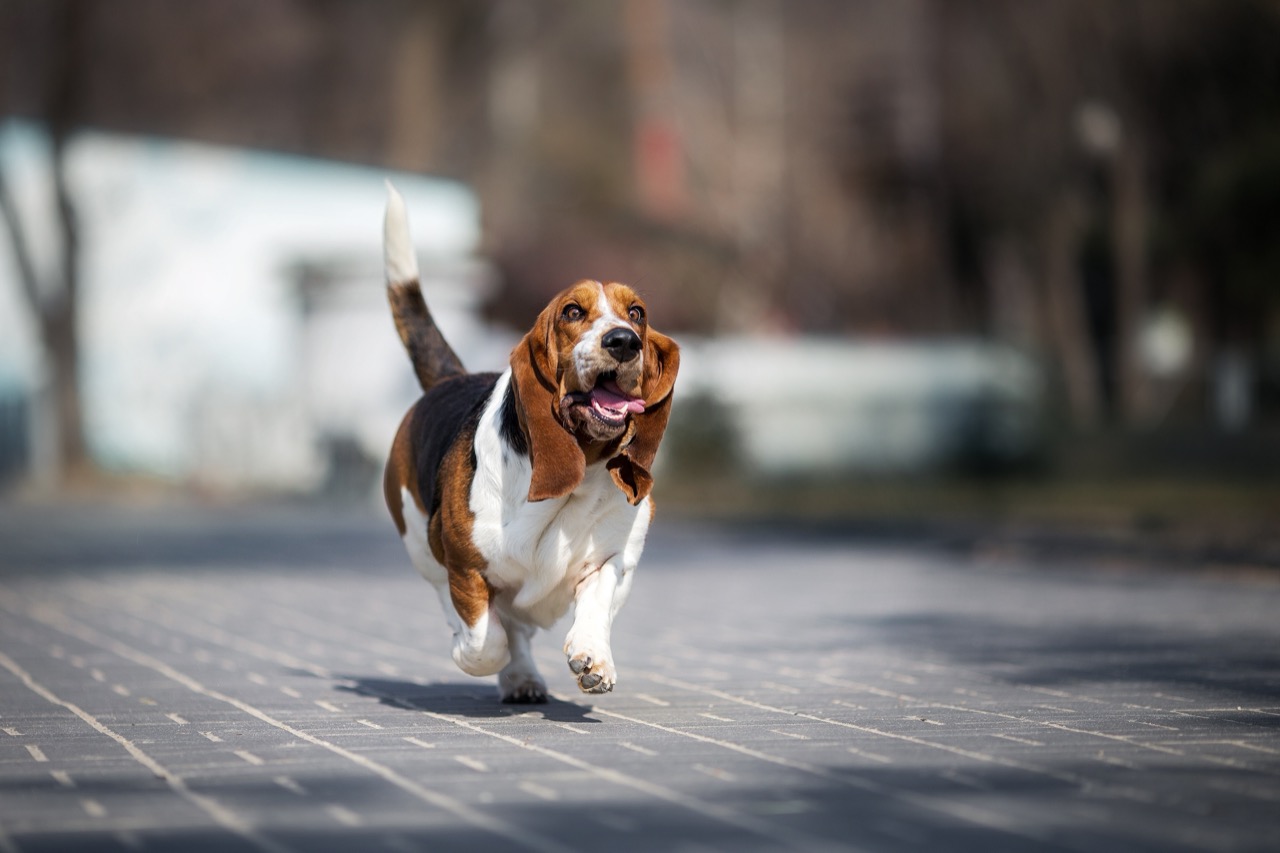
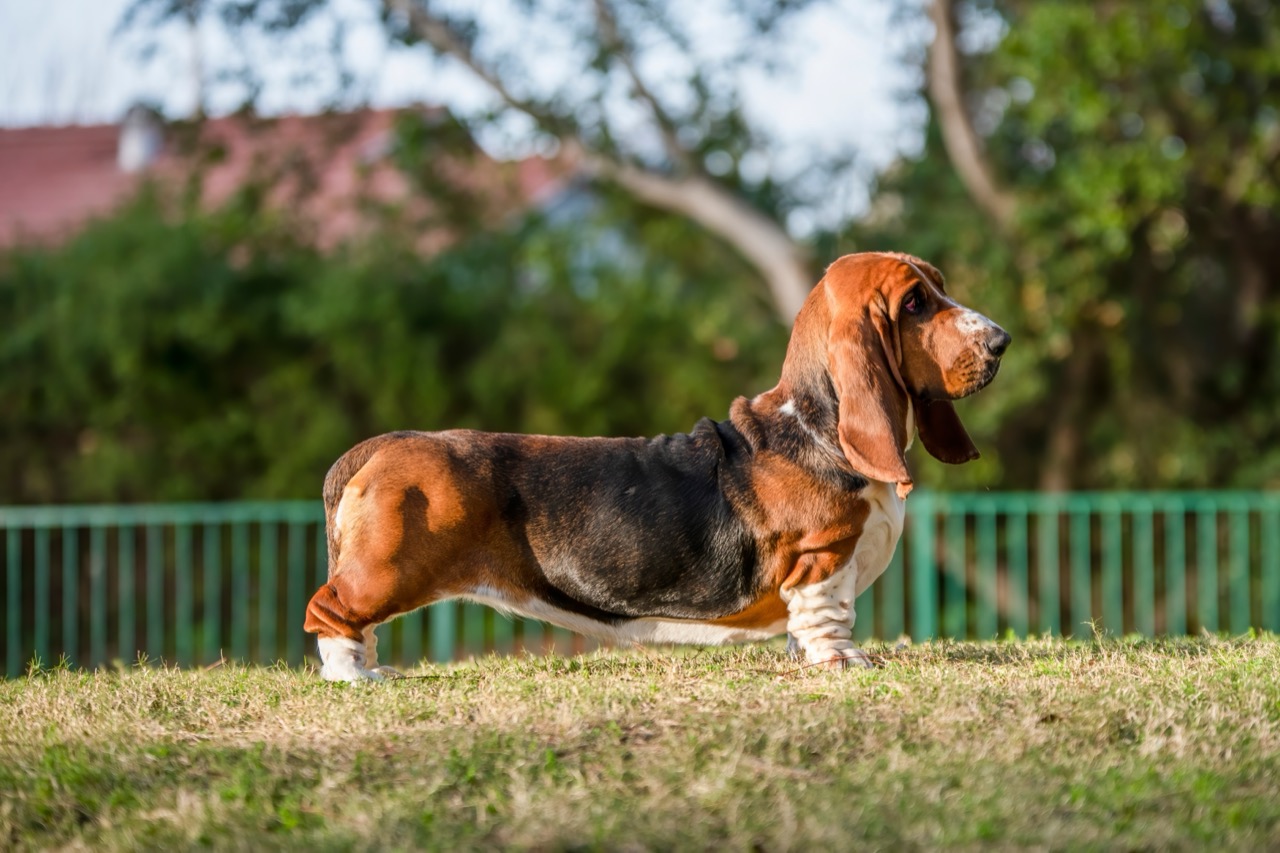
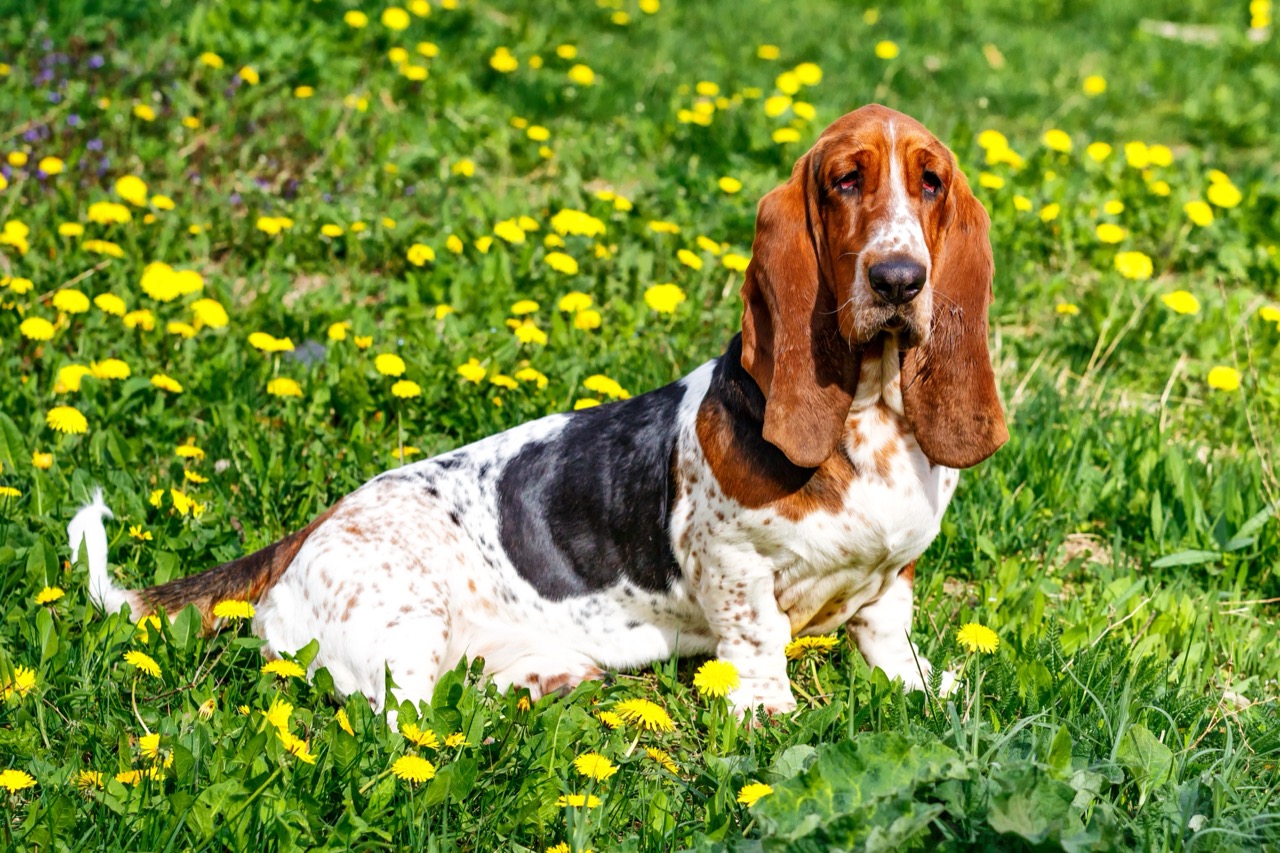
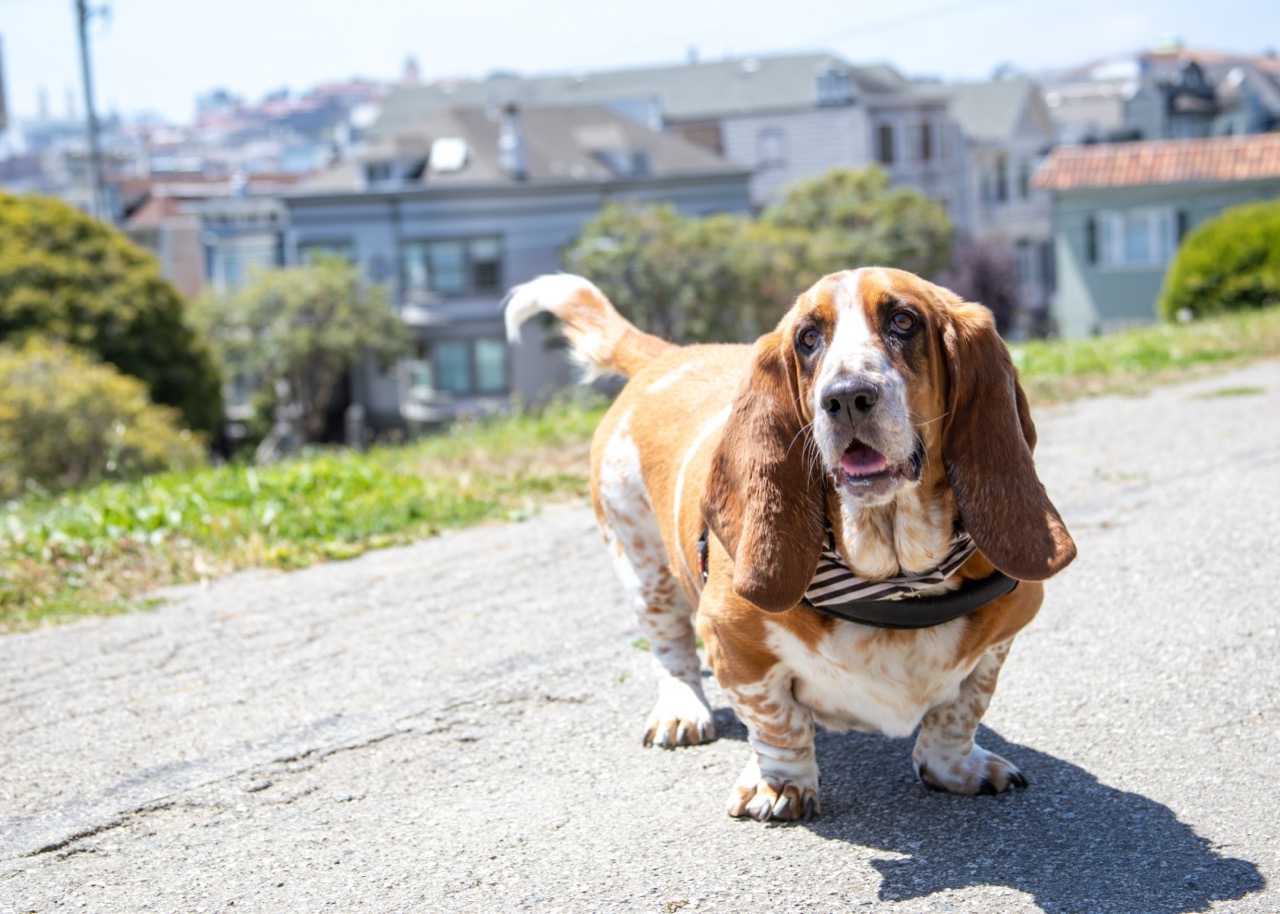
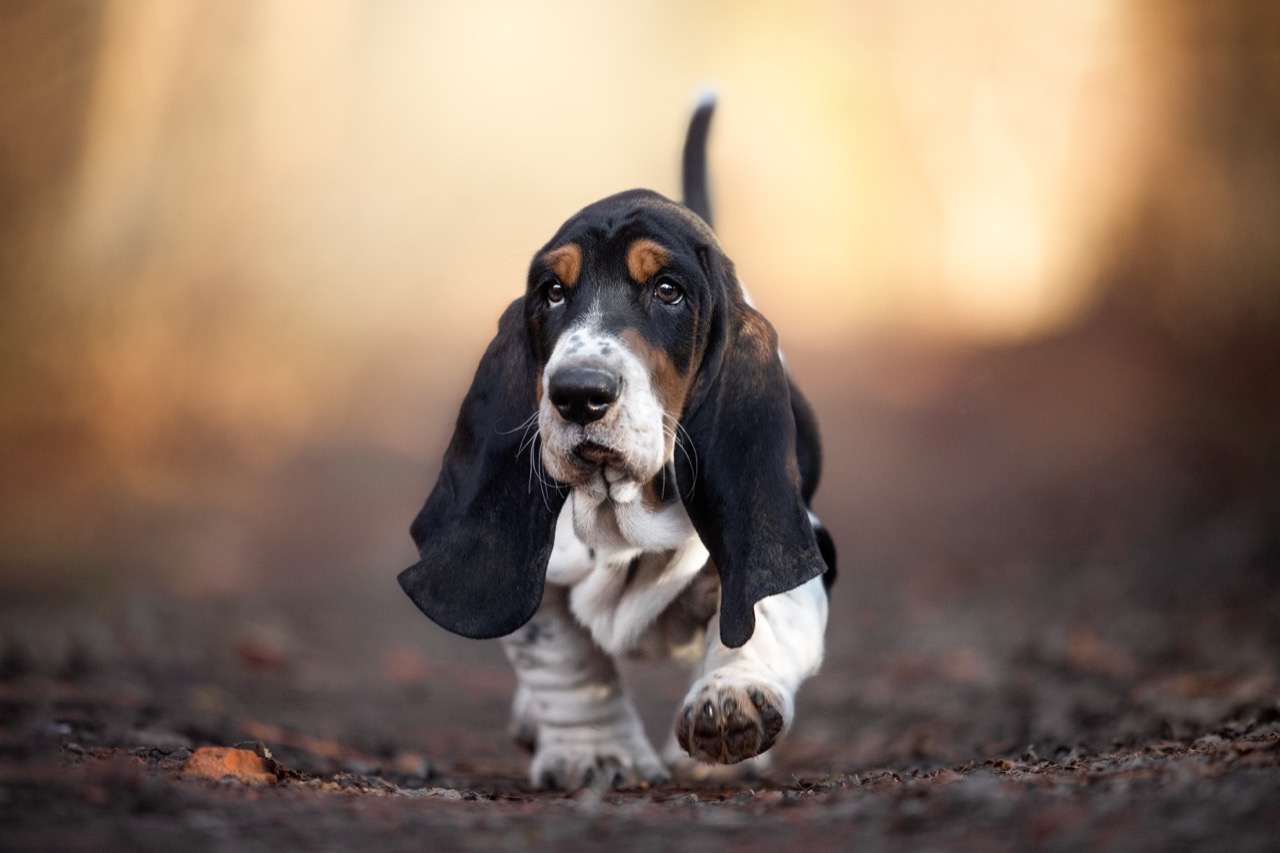
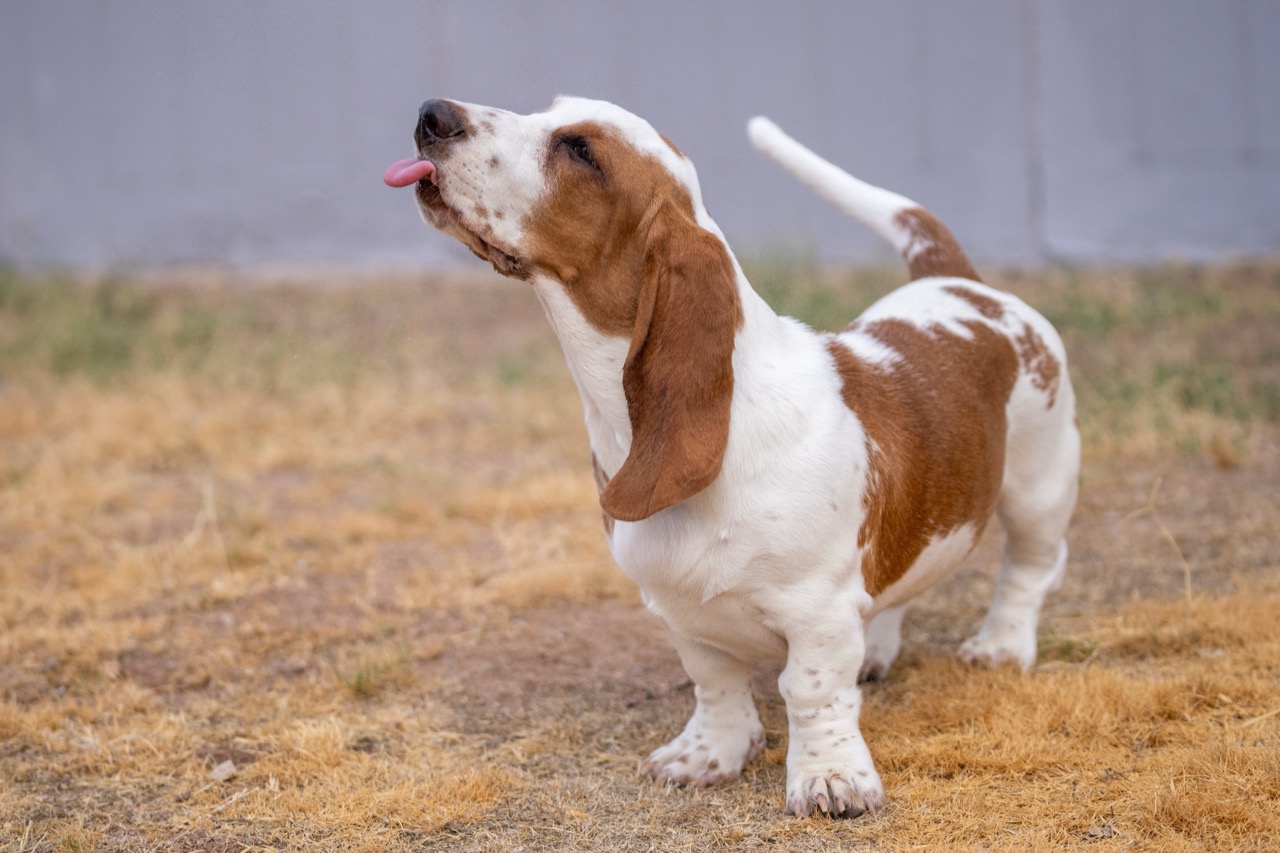
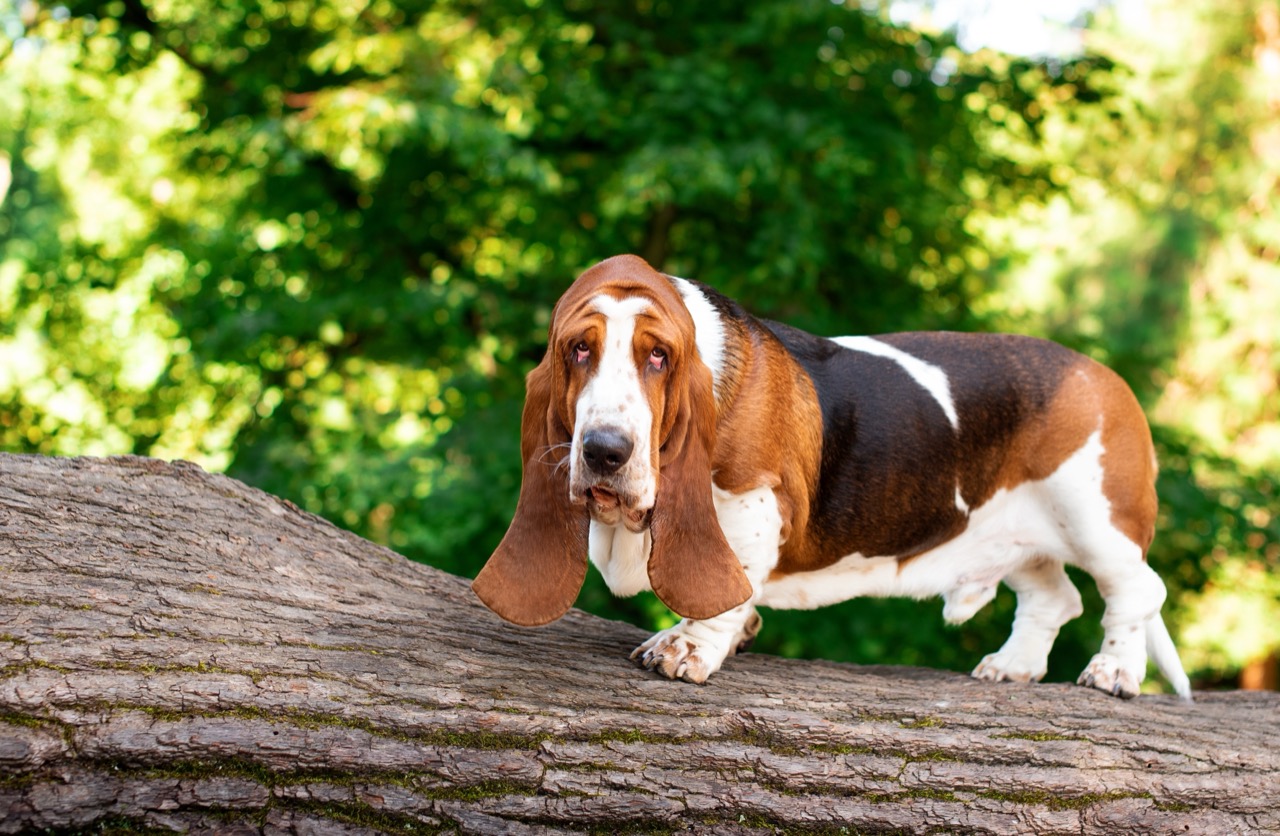
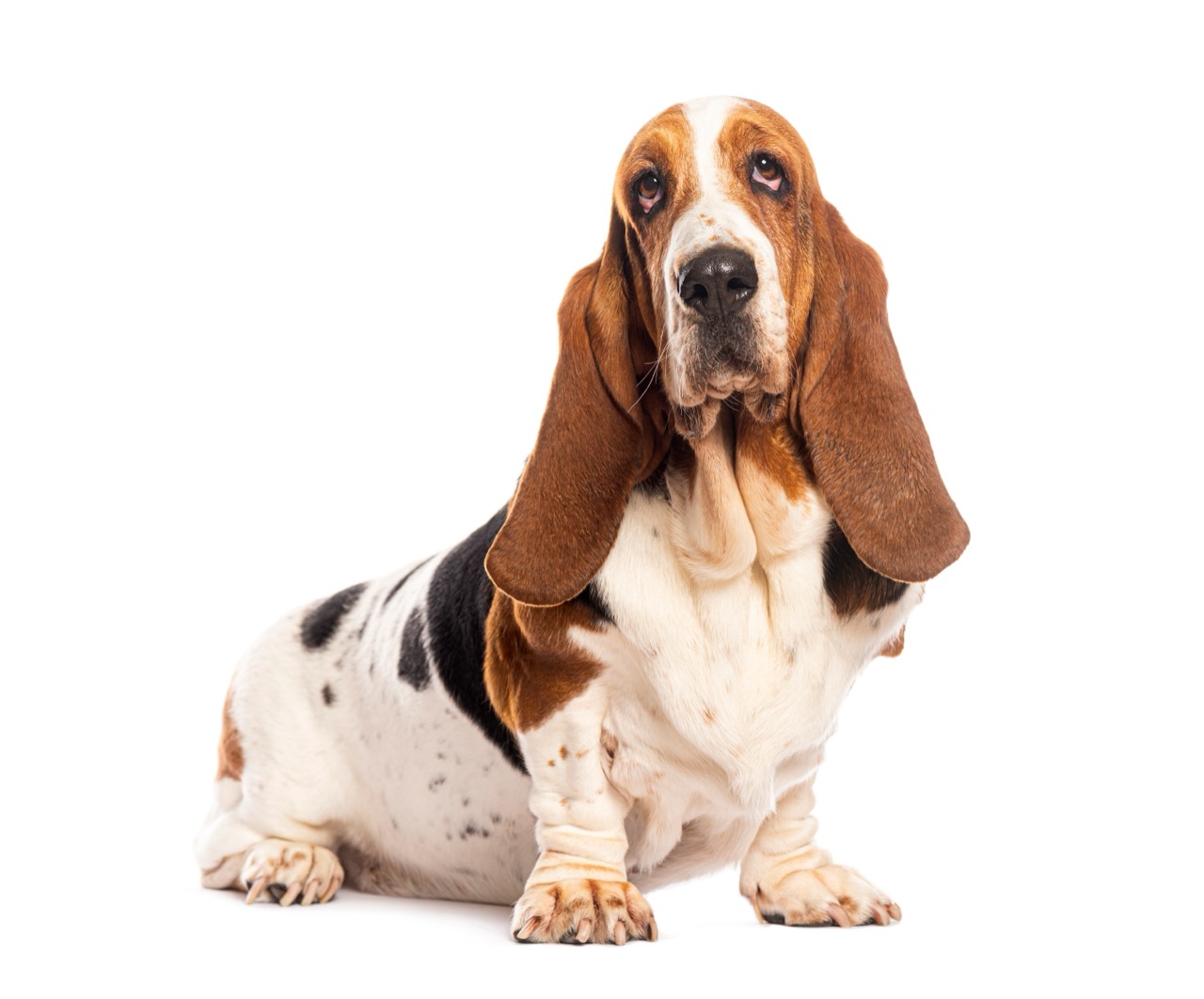
The Basset Hound looks like a comedian designed by nature, but nearly every exaggerated feature has a practical origin. This is a dog shaped for one job: following scent on foot at a steady pace while staying in contact with human hunters. The breed’s name points straight to its purpose. “Basset” comes from the French word bas, meaning low, a reference to short legs that keep the dog close to the ground where scent is strongest. That low build also slows the dog down just enough that a person walking can keep up, which mattered in an era when many hunts were done without horses.
Bassets belong to the family of scent hounds, dogs that prioritize smell over sight. Their noses are famously capable, and while it is hard to measure “best” in a meaningful way, it is well established that scent hounds have an enormous number of scent receptors compared with humans and that they are bred to interpret odor trails with persistence. What makes the Basset special is not only sensitivity but attitude: once locked onto a trail, the dog tends to keep going. That single mindedness is a working trait, not stubbornness in the moral sense. On a modern walk it can look like selective hearing, but it is often the dog doing exactly what it was built to do.
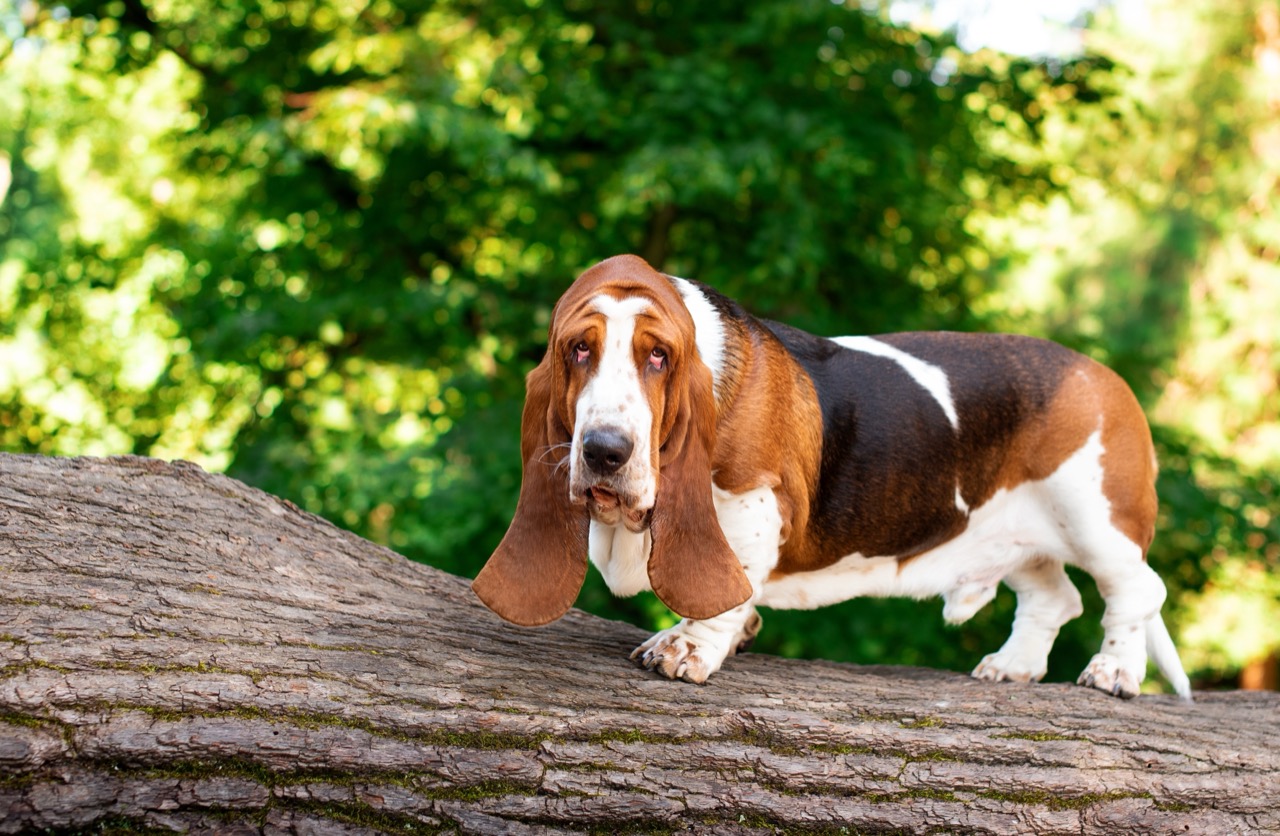
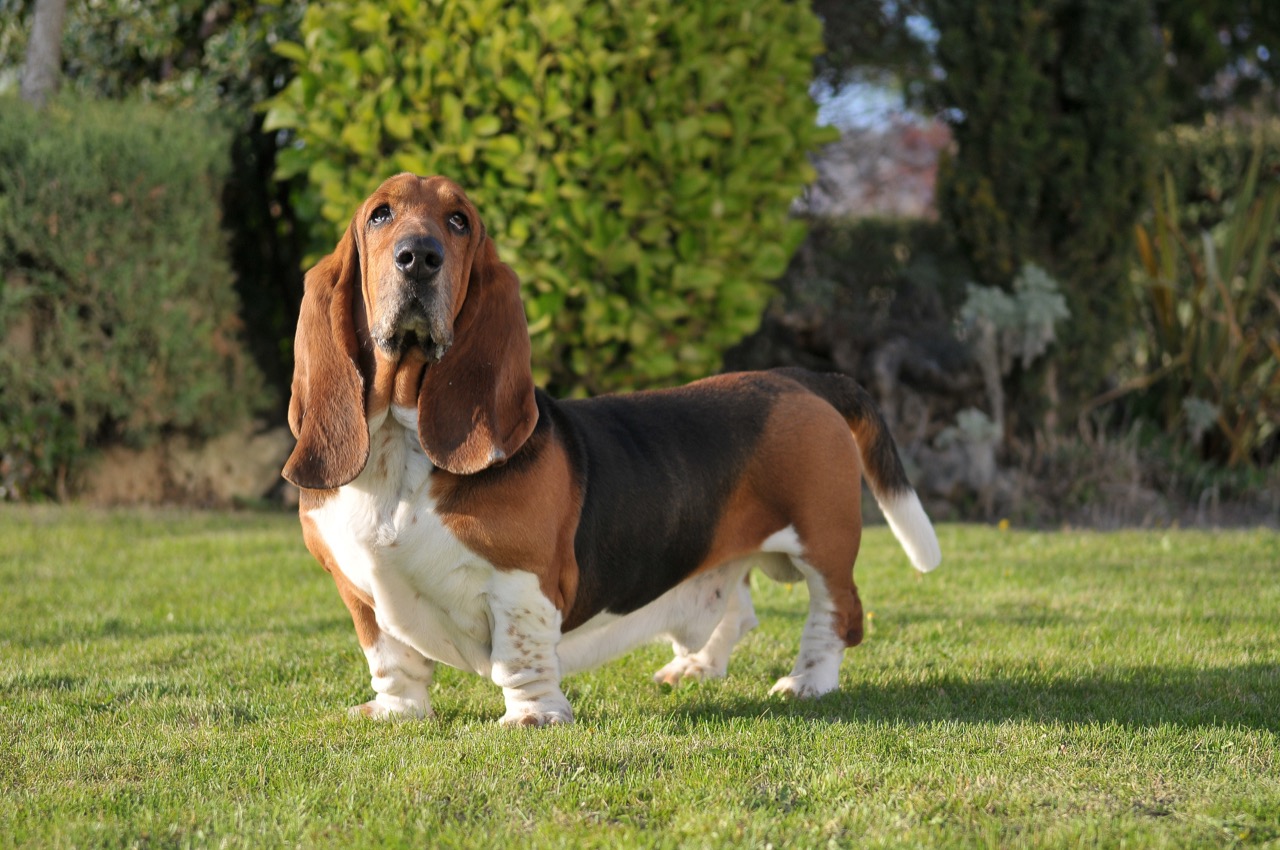
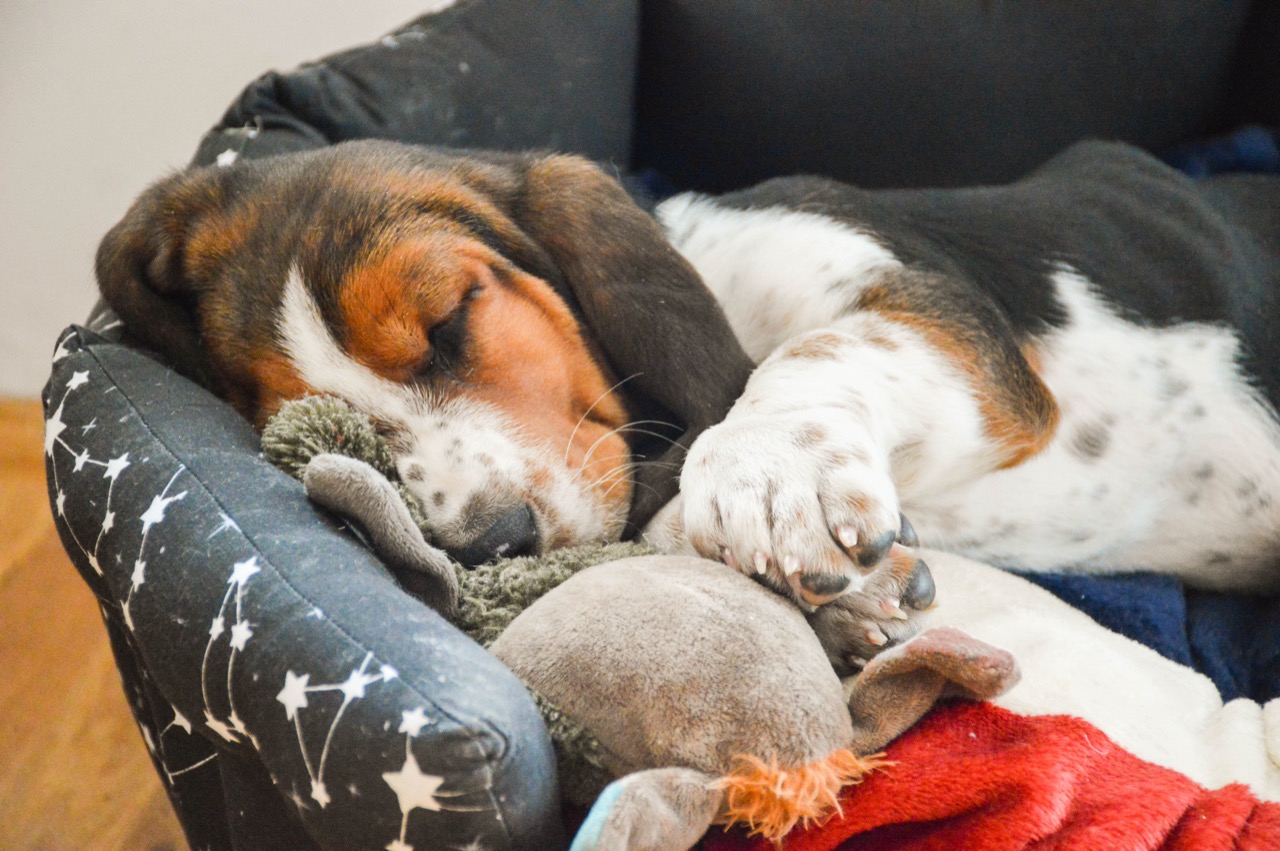
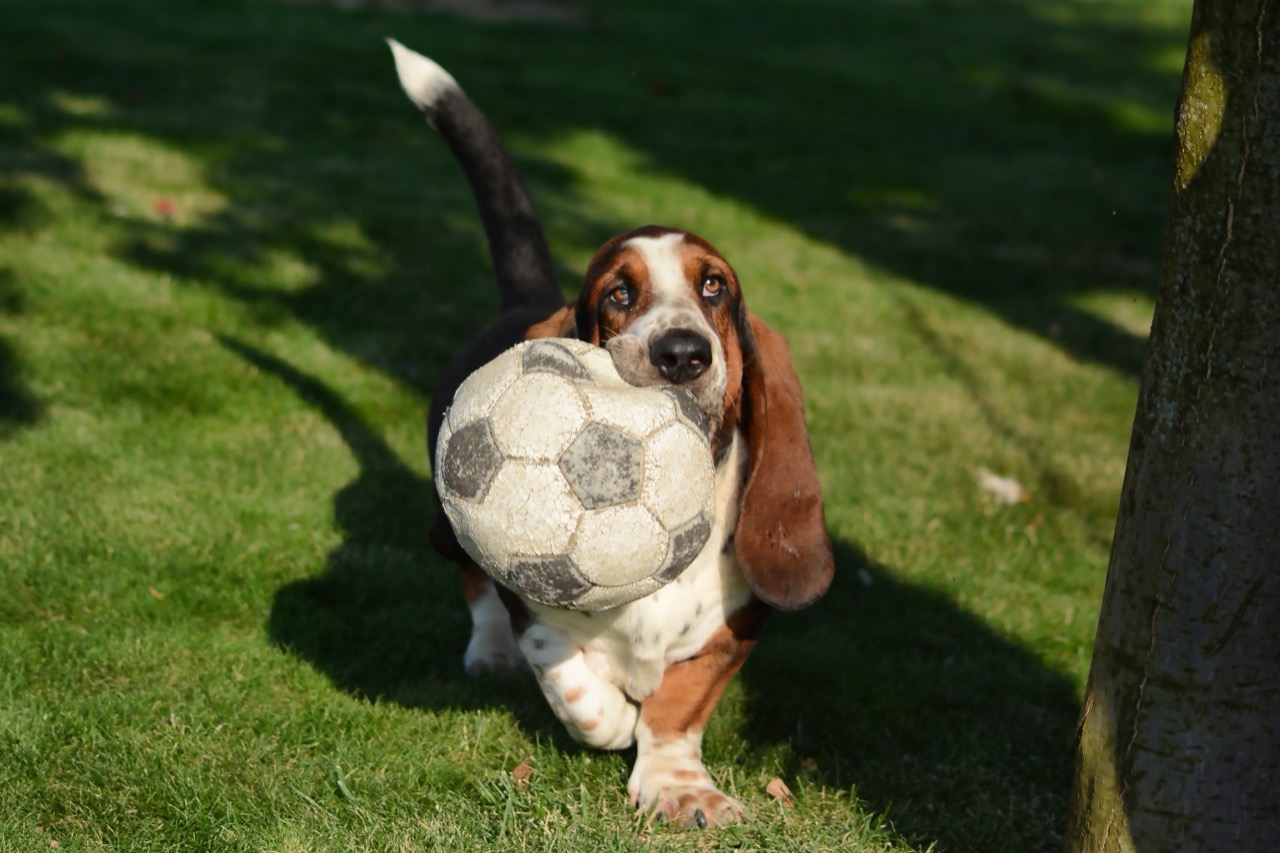
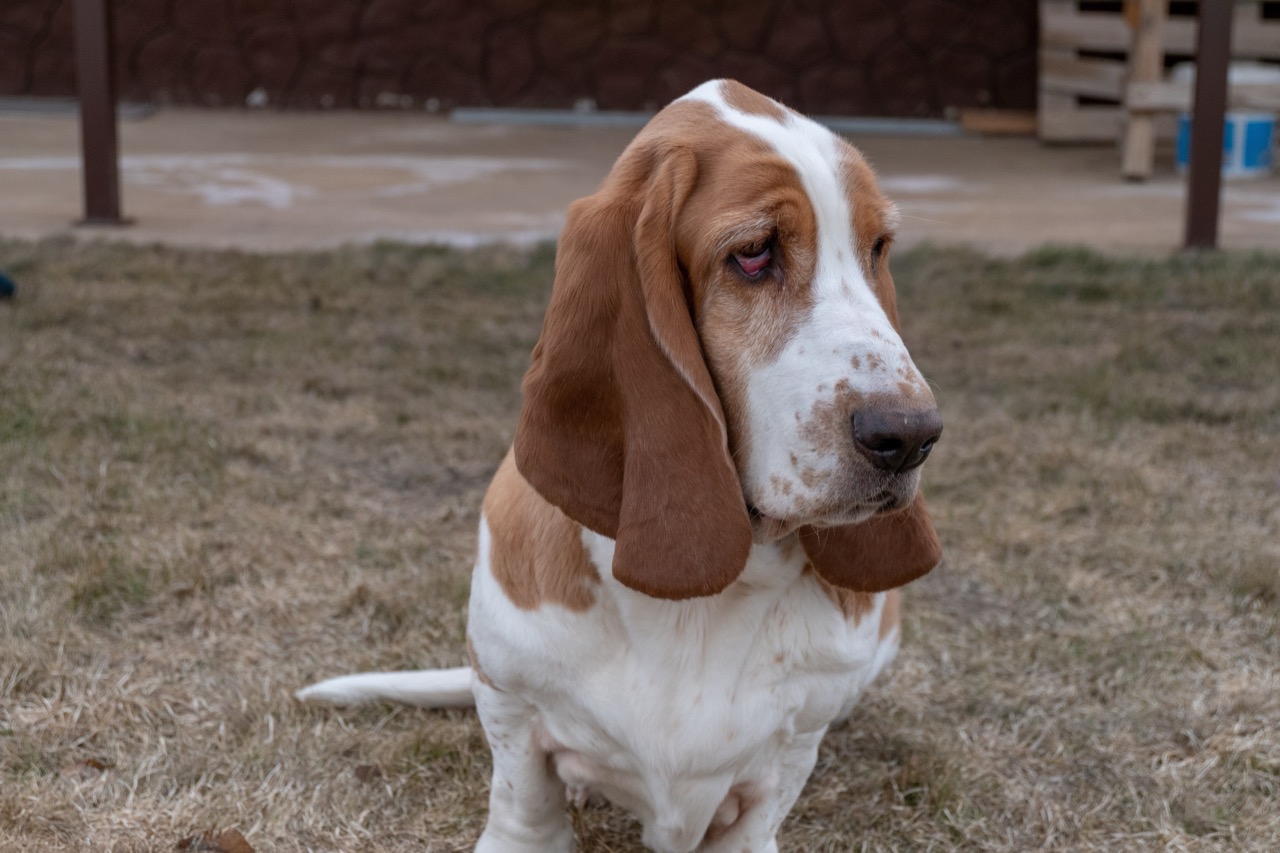
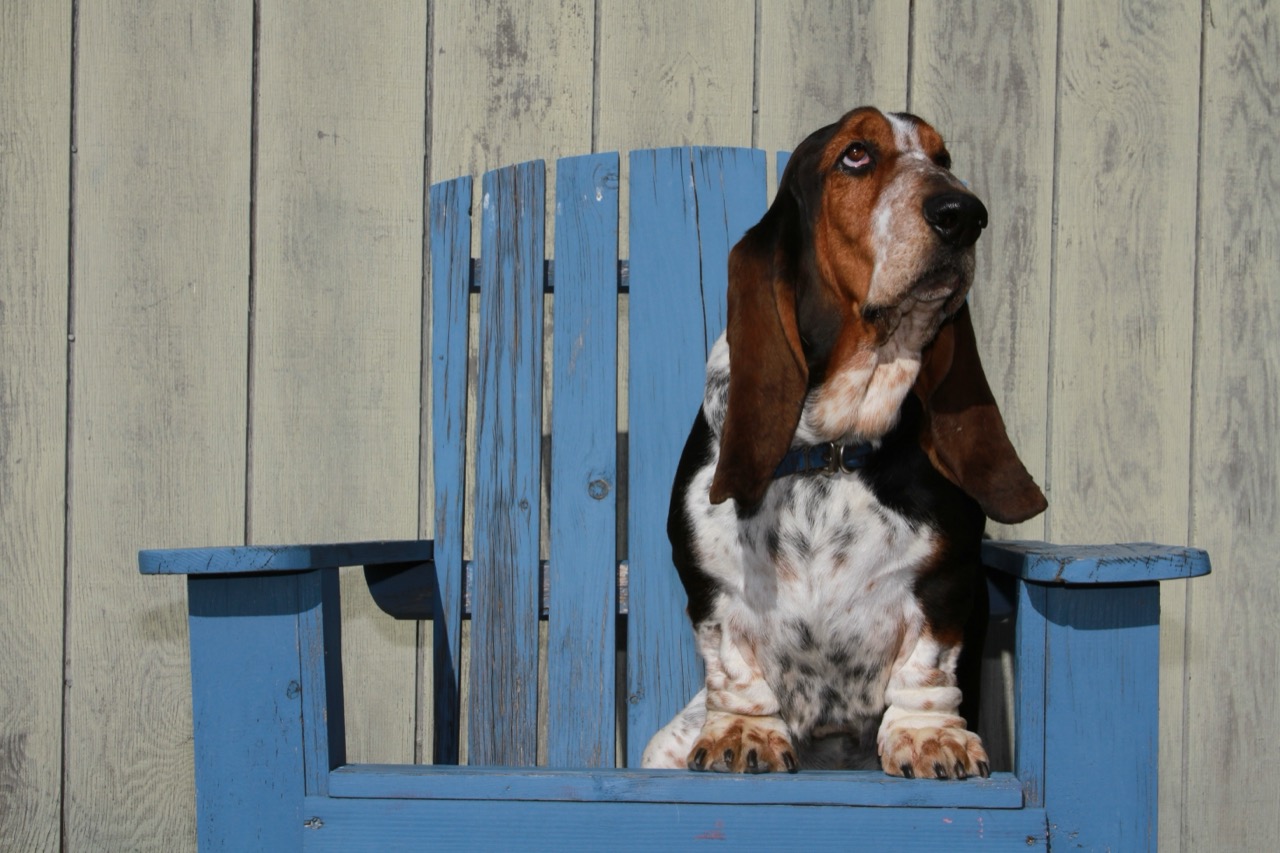
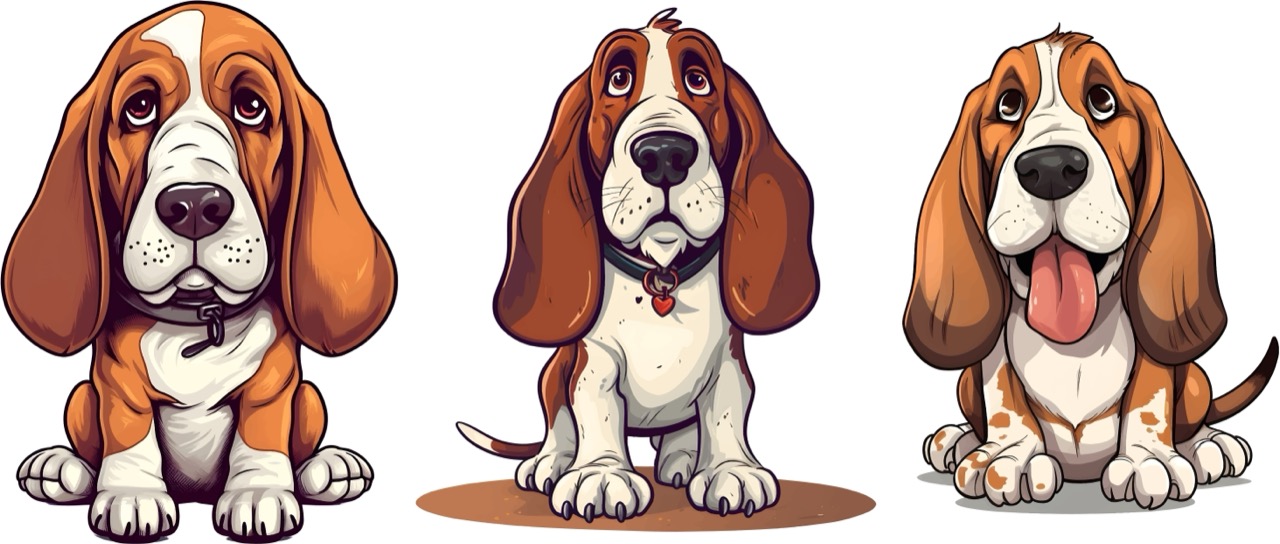
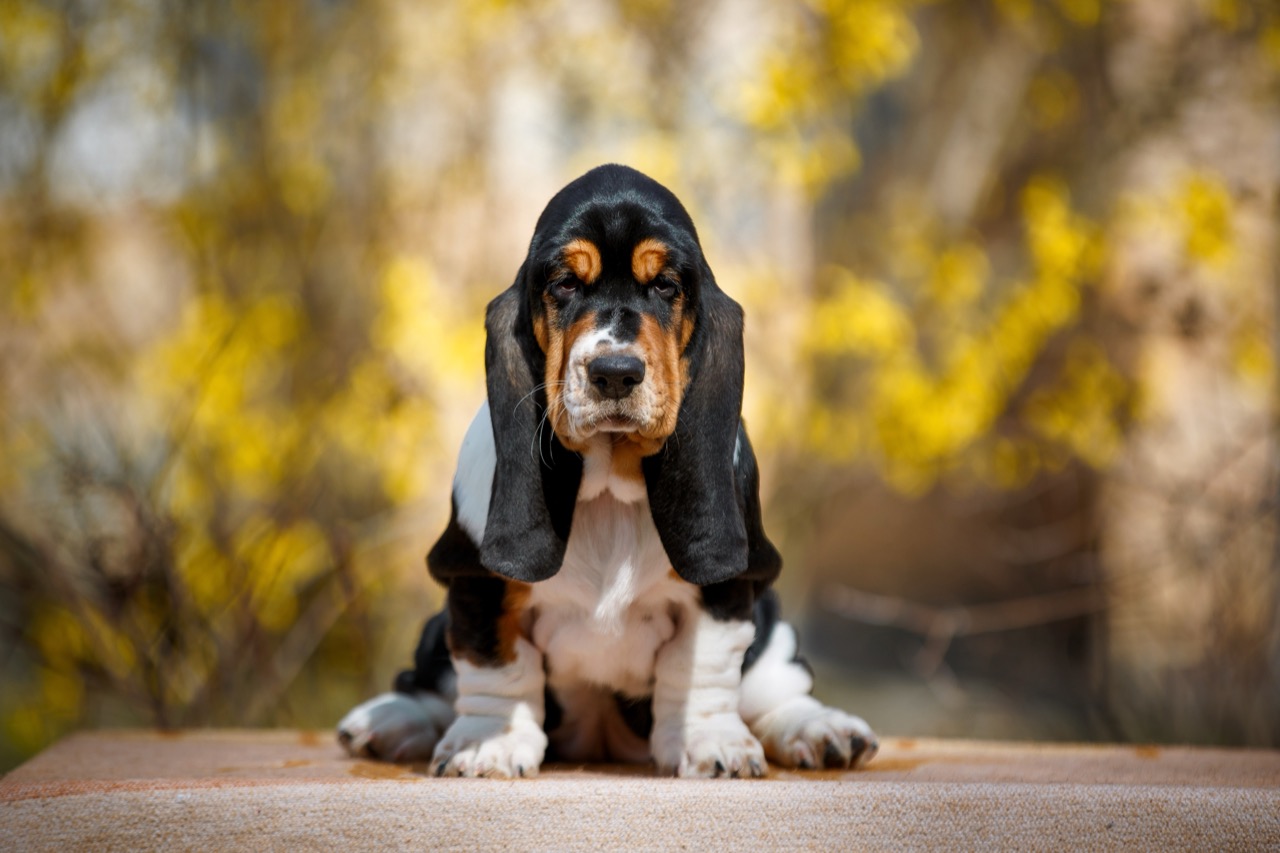
The Basset’s long ears are not just decoration. As the dog moves with its nose down, the ears sweep the ground and stir up scent particles. Those particles are then carried toward the nose, helping the dog sample the trail continuously. The loose skin around the head and neck, including the characteristic wrinkles and pronounced lips, also plays a role. It helps trap scent close to the muzzle, allowing the dog to hold onto odor information as it works. Even the Basset’s heavy bone and substantial body contribute by giving stability and endurance for slow, methodical tracking over uneven terrain.
One hallmark that surprises new owners is the voice. Bassets have a deep, ringing bay designed to carry across fields and through brush. In traditional hunting, that sound let people follow the dog without seeing it. A carrying voice is useful when the dog is working at a distance, and it is one reason Bassets can be quite vocal when excited or when they believe they are on an important trail. The sound is communication, not just noise.
Historically, low built hounds were developed in France and associated with hunting small game such as rabbits and hare. Over time, these dogs were refined into recognizable types, and the modern Basset Hound became established as a distinct breed with strong scenting instincts and a steady, ground covering trot. Their temperament was shaped by the demands of working in packs and around people: generally sociable, tolerant, and focused. That pack background can still show up today as a preference for company and a tendency to become bored or loud if left without enough interaction.
Living with a Basset means living with its nose. Many will zigzag, pause to investigate tiny patches of grass, and seem compelled to follow invisible lines. This is normal scent hound behavior. It also explains why a secure leash or fenced area is important. A Basset that catches an intriguing scent may wander with determination, not out of disobedience but because the trail feels like unfinished business. Training works best when it respects the dog’s instincts: short sessions, high value rewards, and patience. Consistent recall practice is especially valuable, but even well trained Bassets can be tempted by a fresh trail.
The breed’s structure also has everyday consequences. Those long ears can pick up moisture and debris, so routine ear checks are part of responsible care. The low body and heavy frame mean owners should watch weight closely and support joint health with appropriate exercise. The ideal activity is exactly what their ancestors did: long, unhurried walks with plenty of sniffing time. For a Basset Hound, following a scent is not a quirky hobby. It is a living connection to centuries of purposeful design, still visible every time the nose drops and the world narrows to a trail only the dog can read.