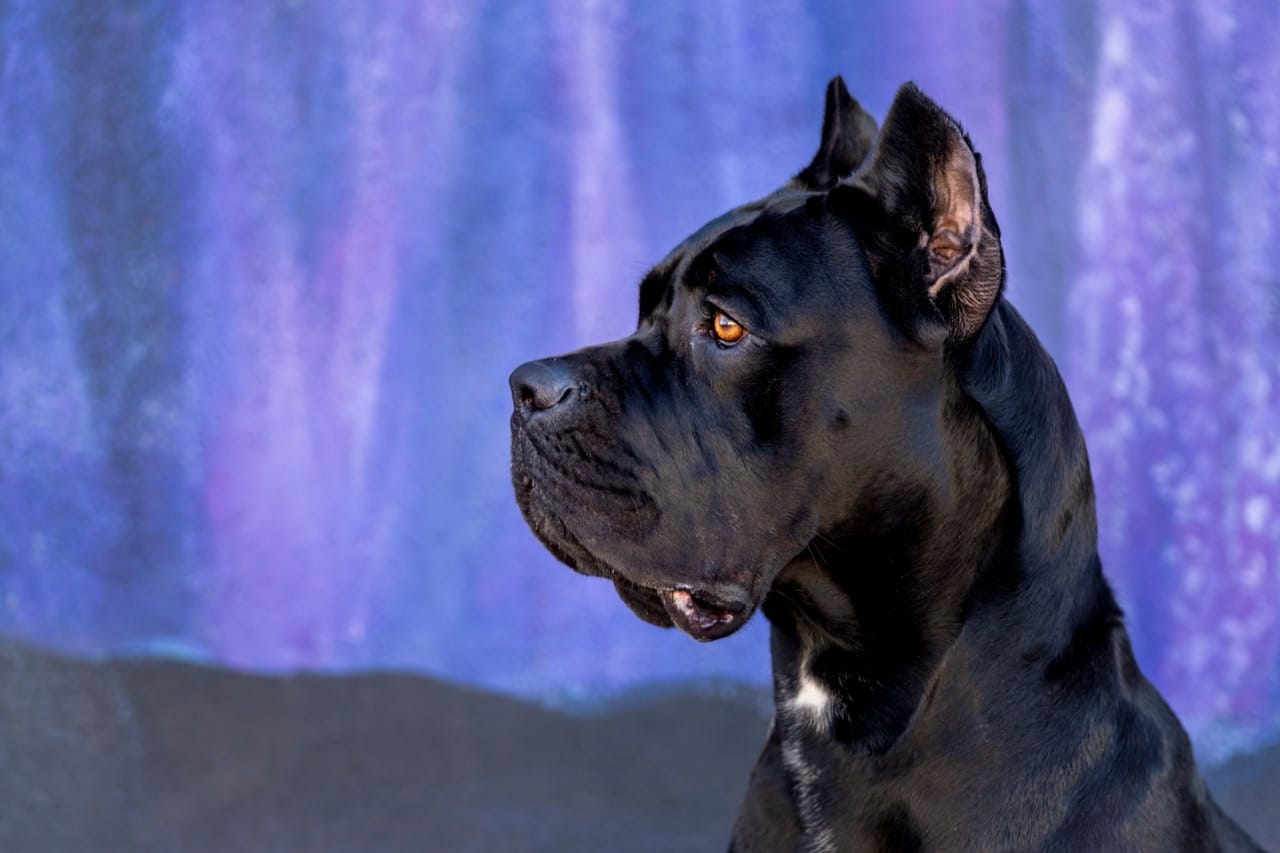
Cane Corso: Italy’s Farm Guardian
Quiz Complete!
Cane Corso Work Roots: How Purpose Shaped the Breed
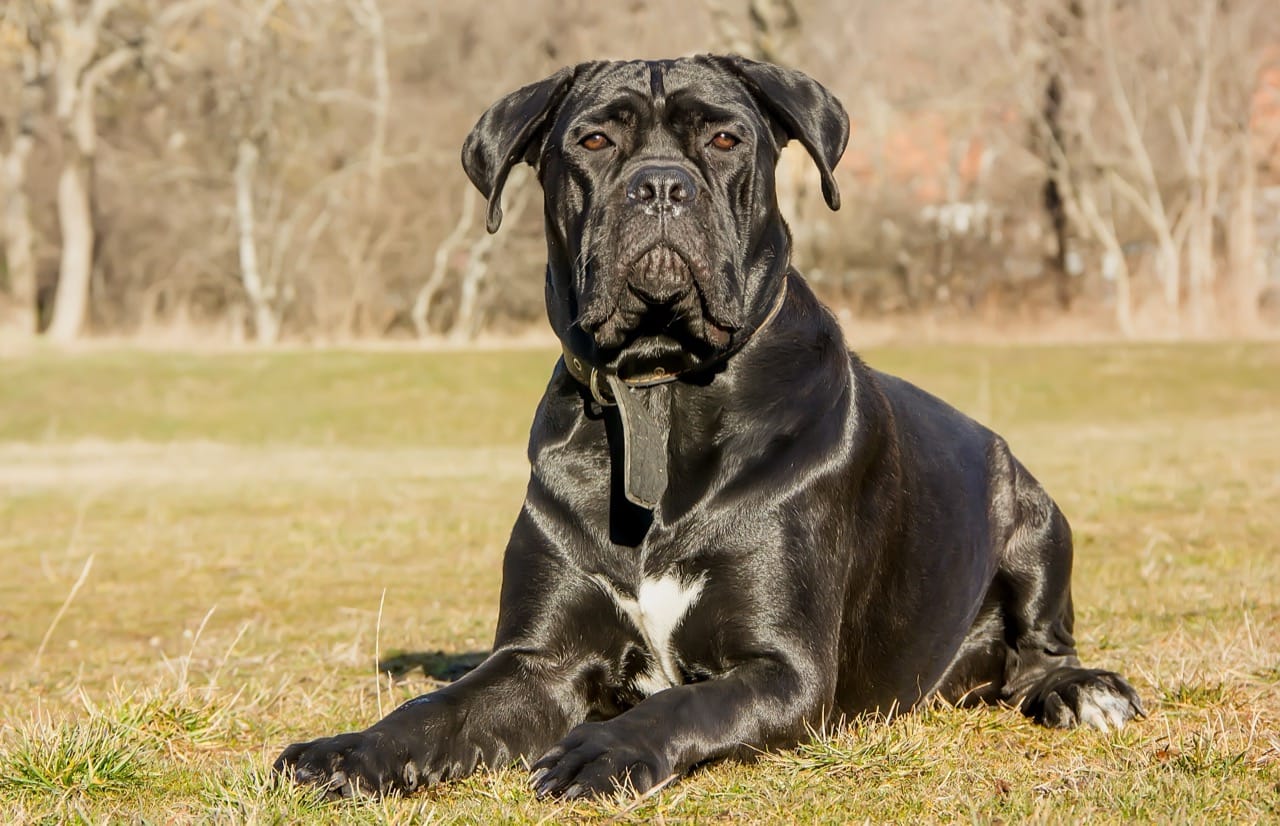
The Cane Corso did not become distinctive by accident. For centuries in Italy, especially in rural areas where a family’s livelihood depended on animals, tools, crops, and a secure home, dogs were expected to be useful. The Corso’s reputation grew from practical work: guarding property, helping manage livestock, and serving as a steady presence that could respond quickly when trouble appeared. When people admire the breed’s powerful outline today, they are often looking at a body and mind designed for specific tasks rather than decoration.
A traditional farm guardian needed to do more than look intimidating. The ideal dog stayed close to home, understood boundaries, and treated familiar people and animals as part of daily life. That background helps explain why a well-bred, well-raised Cane Corso is often calm in normal situations. Constant barking wastes energy and can create chaos on a working farm. Instead, the Corso was valued for watchfulness and judgment, noticing changes in routine, reading strangers, and escalating its response only when necessary. This controlled temperament is one reason the breed can seem serious or reserved with unfamiliar visitors, especially compared with dogs bred primarily for sociability.
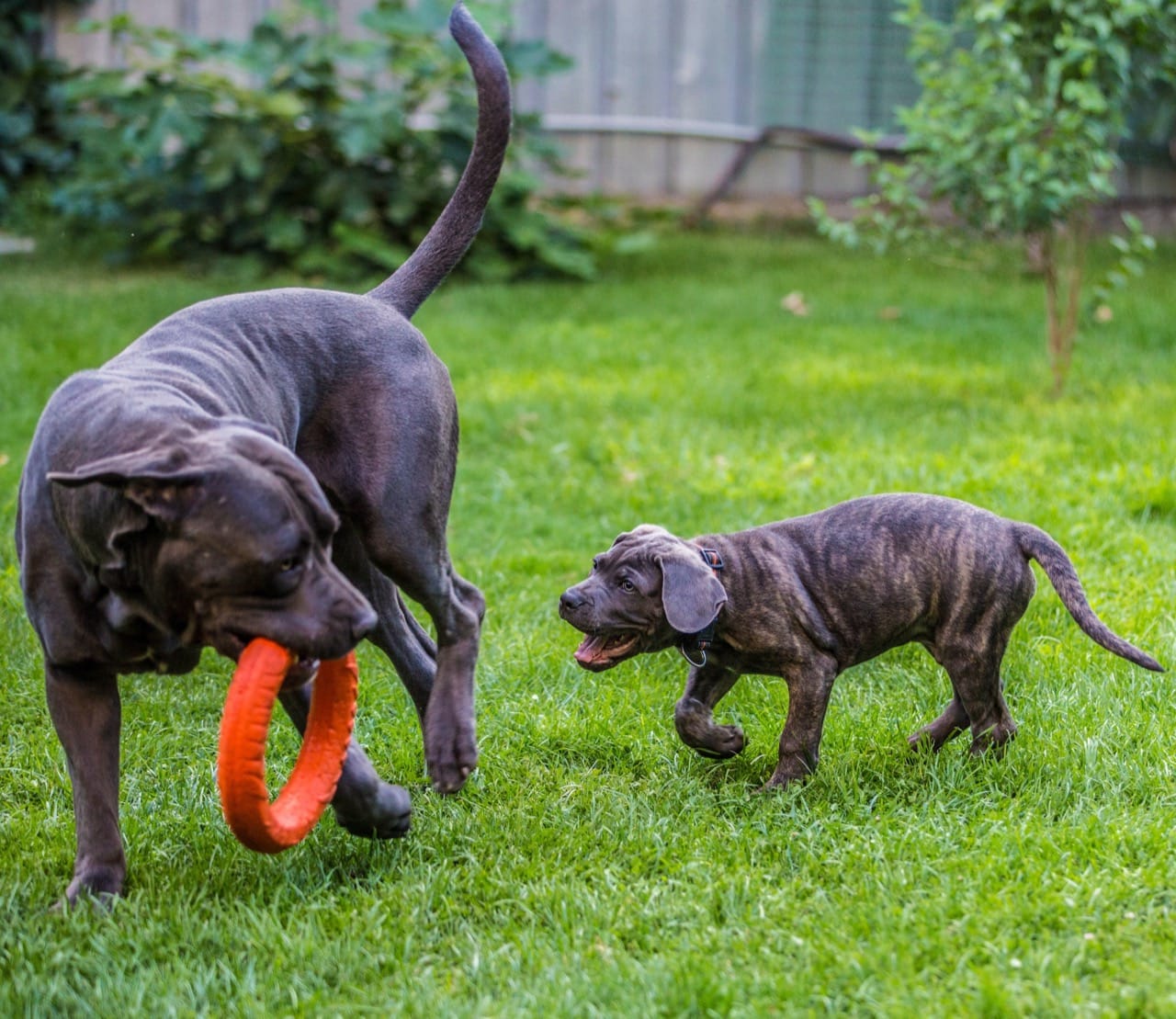
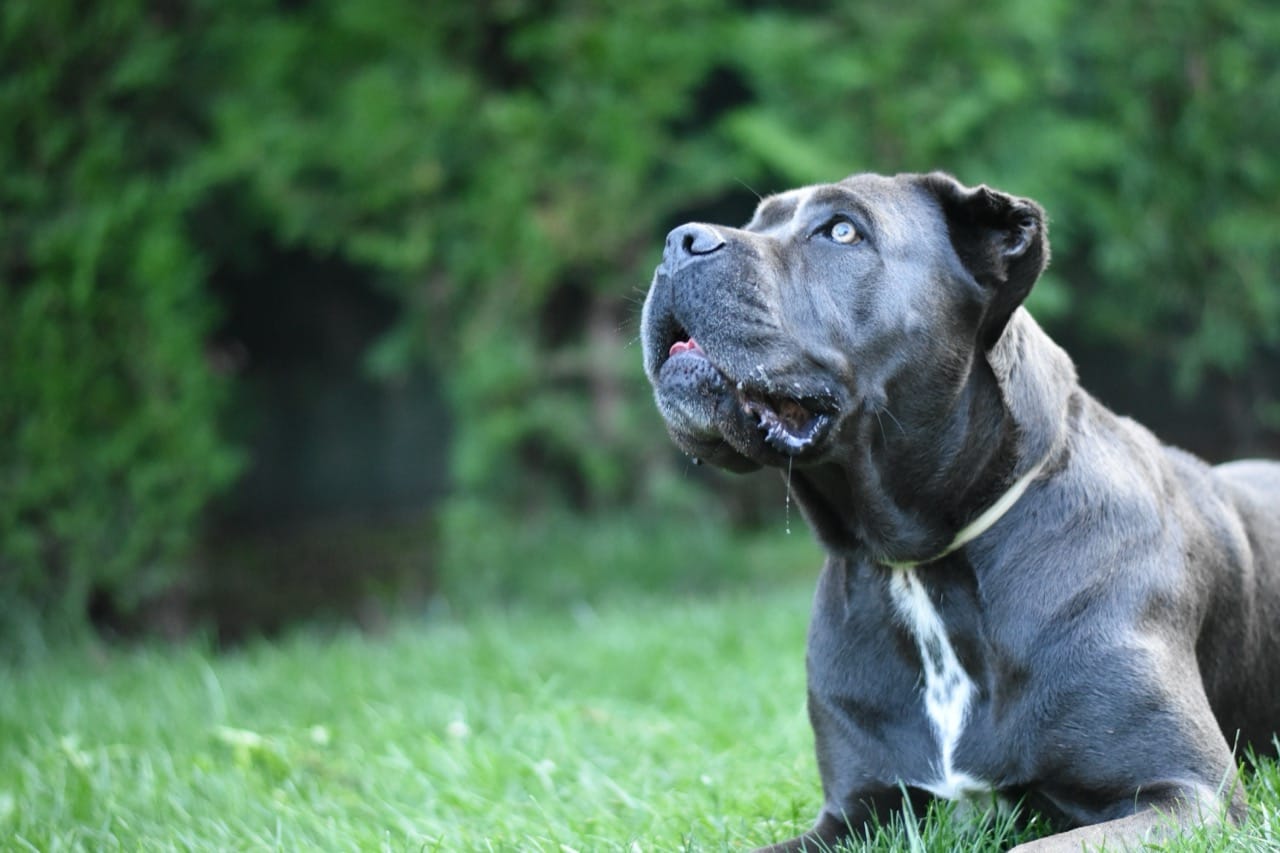
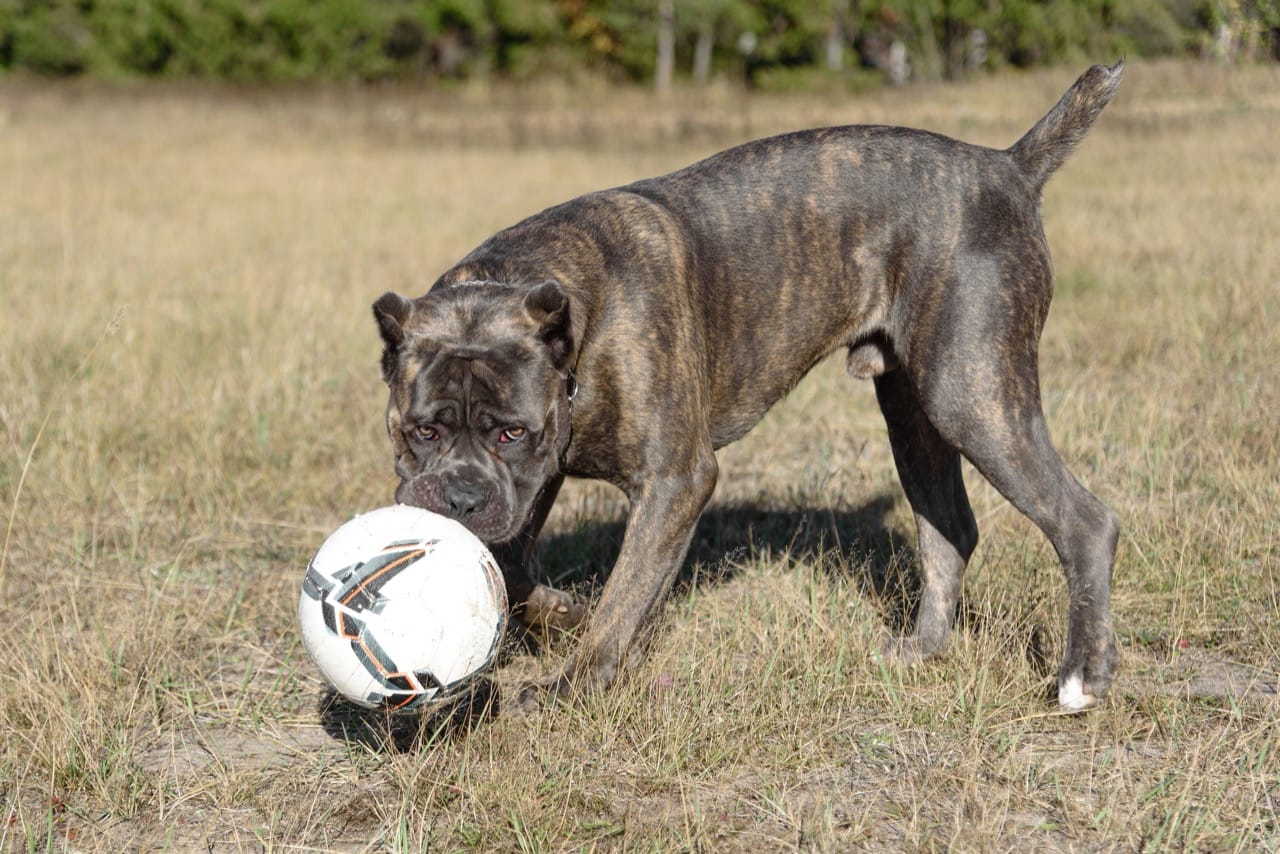
The Corso’s athletic build reflects the kind of effort required in real work. Farm dogs were not expected to run long distances all day like some herding breeds, but they did need to explode into action: sprinting across a yard, blocking an intruder’s path, or confronting a threat near livestock. That kind of job rewards a muscular frame, strong rear drive, and efficient movement. The body is meant to be capable rather than bulky for its own sake, with strength that can be used quickly.
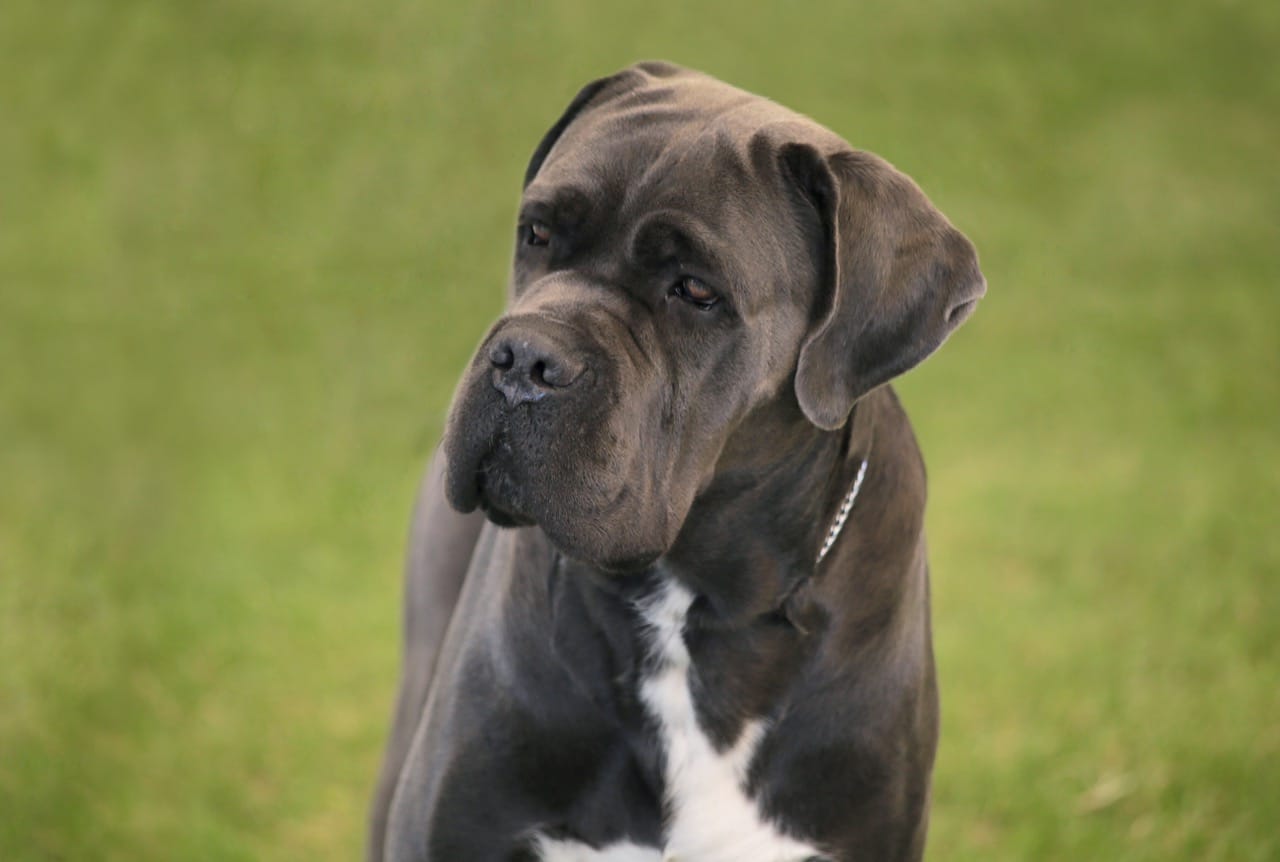
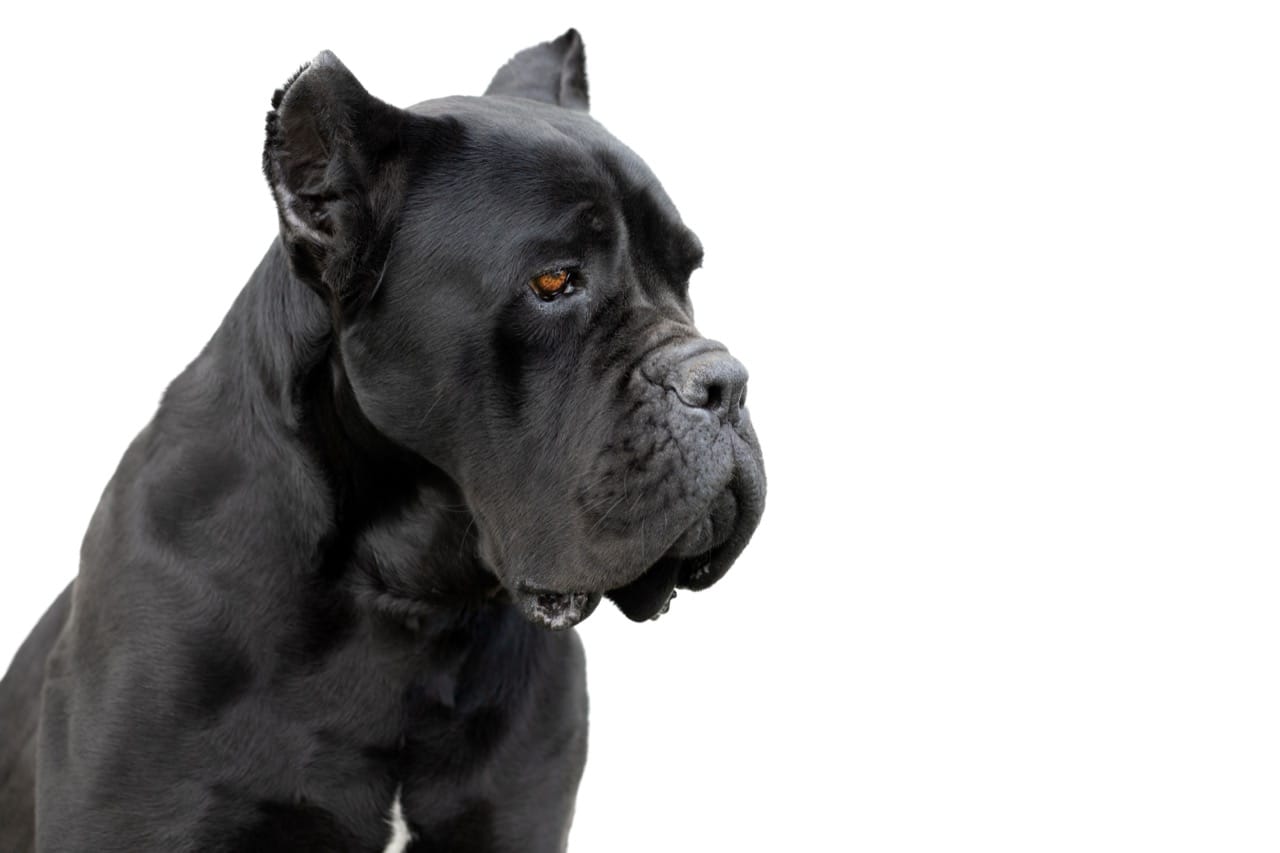
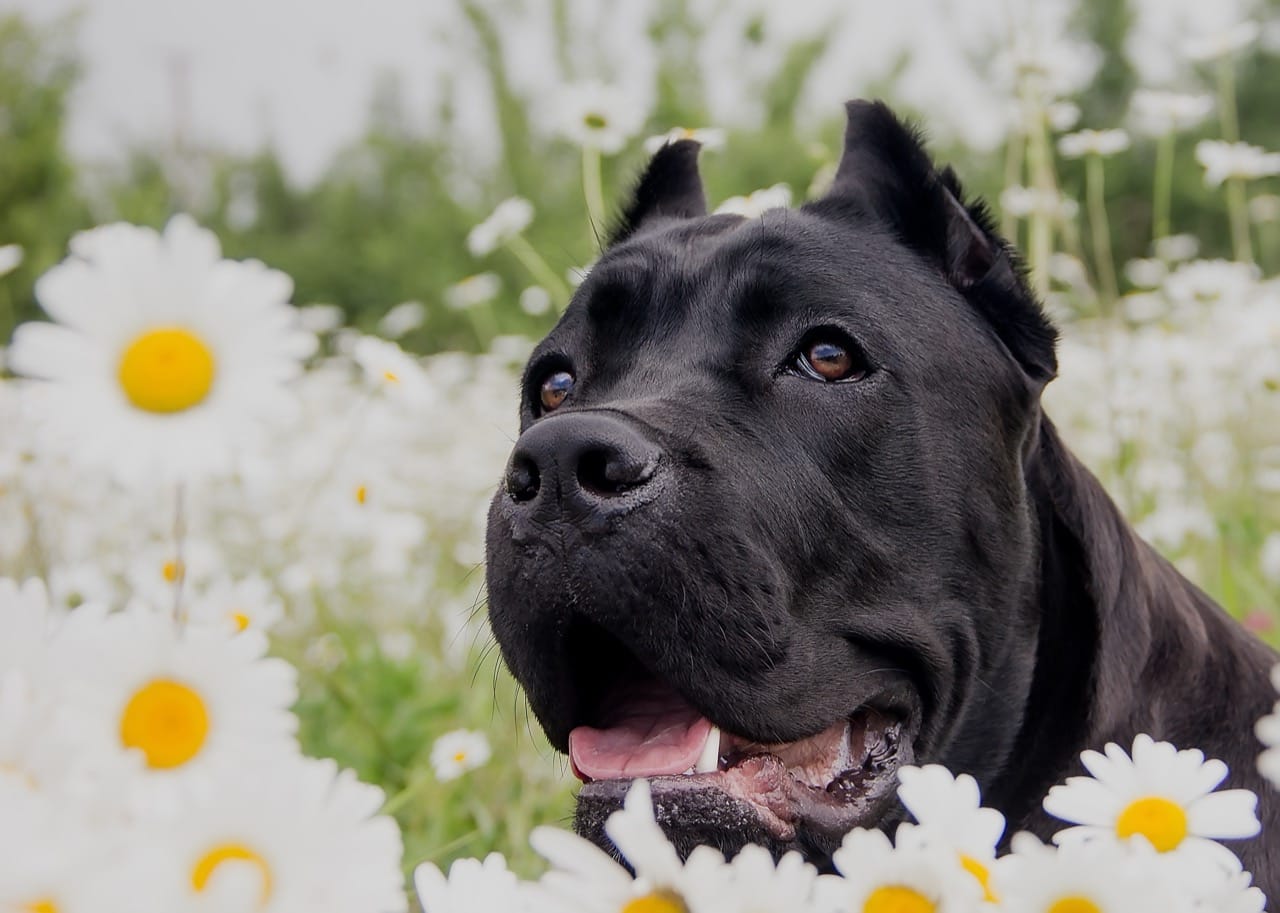
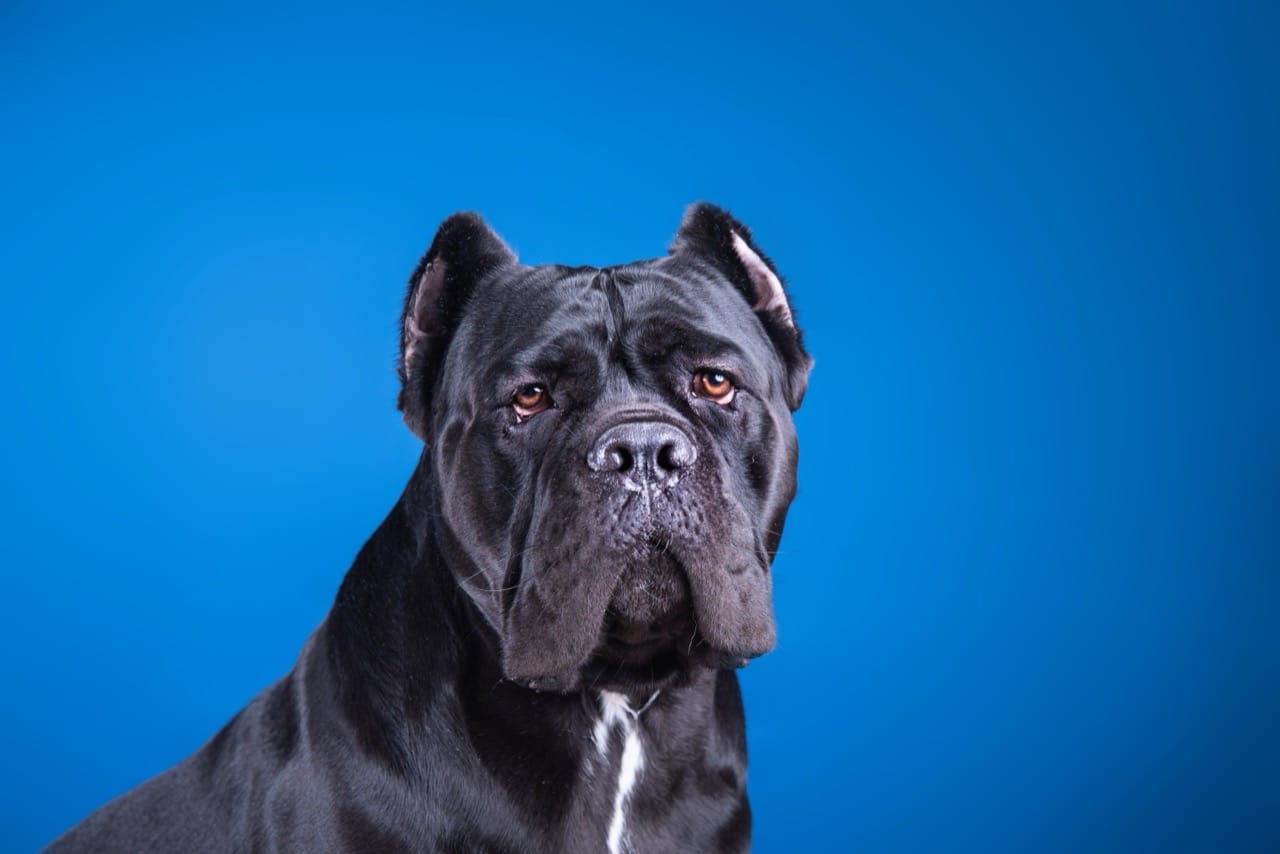
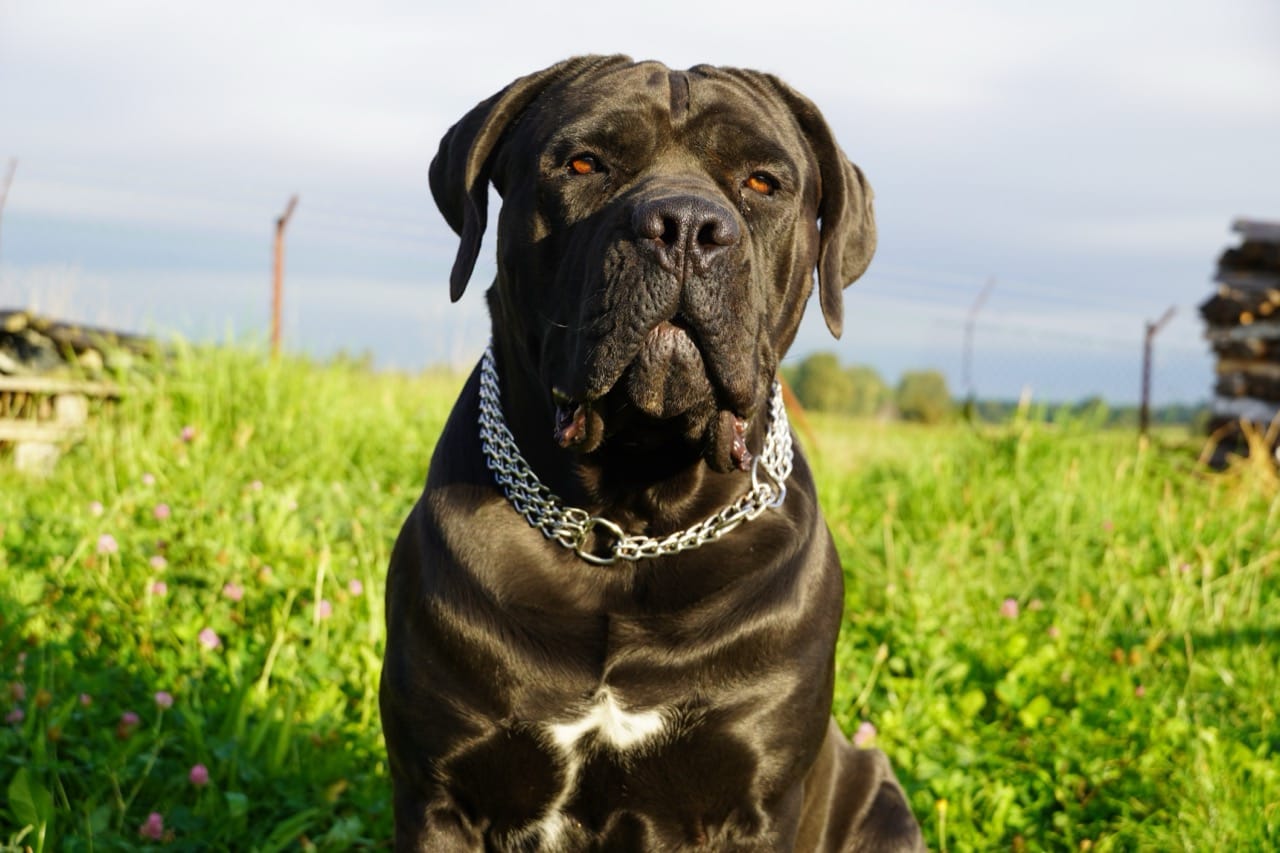
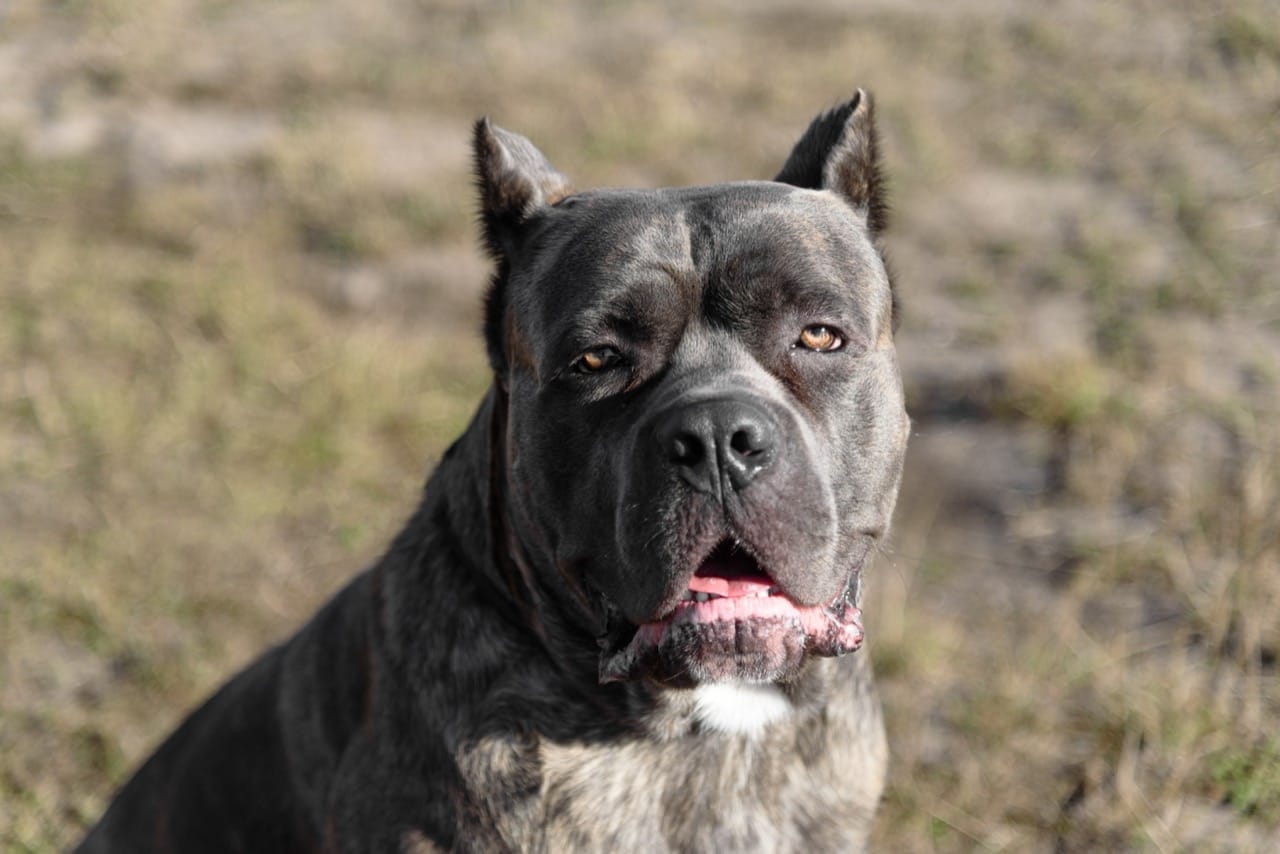
Its head structure also connects directly to function. A broad skull, powerful jaw muscles, and a substantial muzzle were useful for gripping and holding when needed. Historically, dogs like the Corso could be used to catch and control large animals, including unruly cattle or hogs, and to deter predators. Gripping work does not mean mindless aggression; it means being able to take hold with confidence and maintain control under pressure. The best working dogs balanced intensity with responsiveness, because a dog that could not be called off or redirected was a danger on a farm.
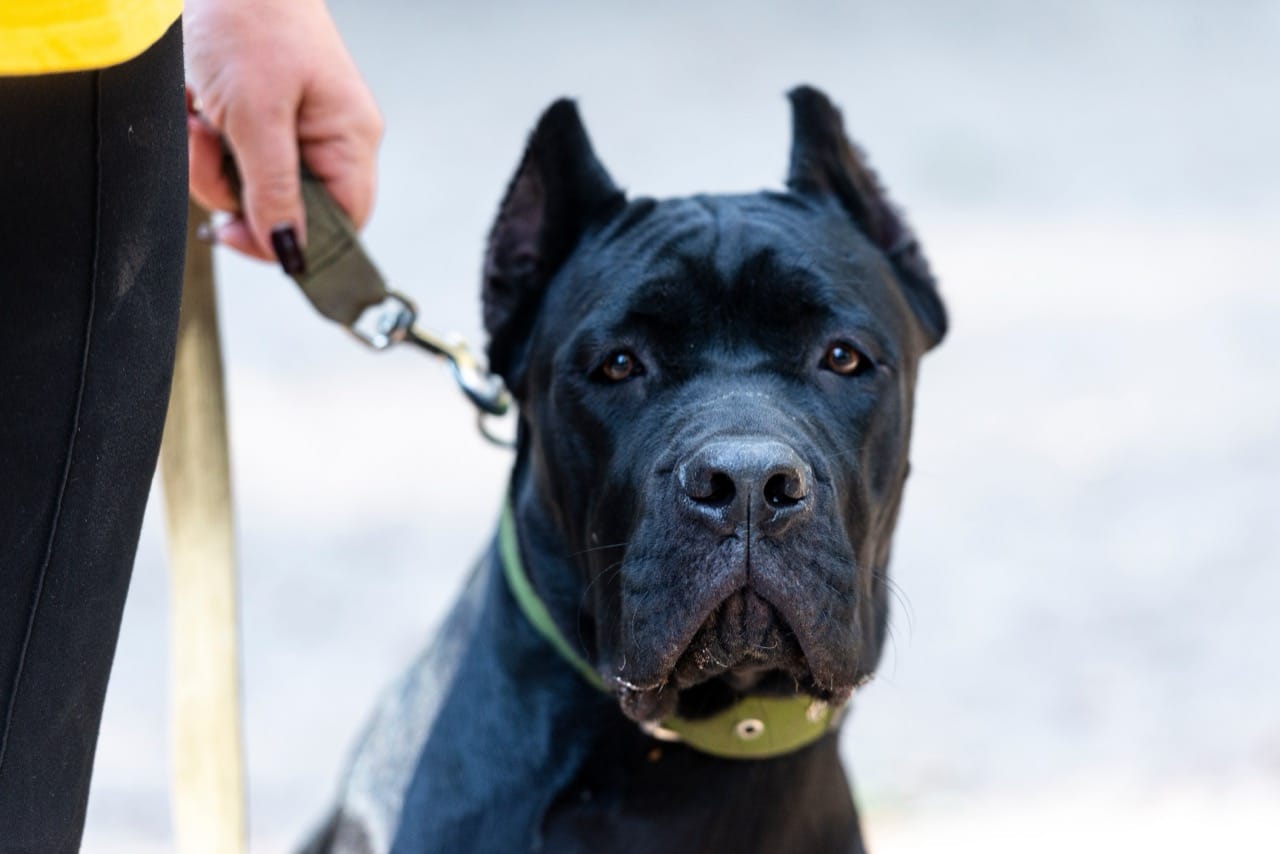
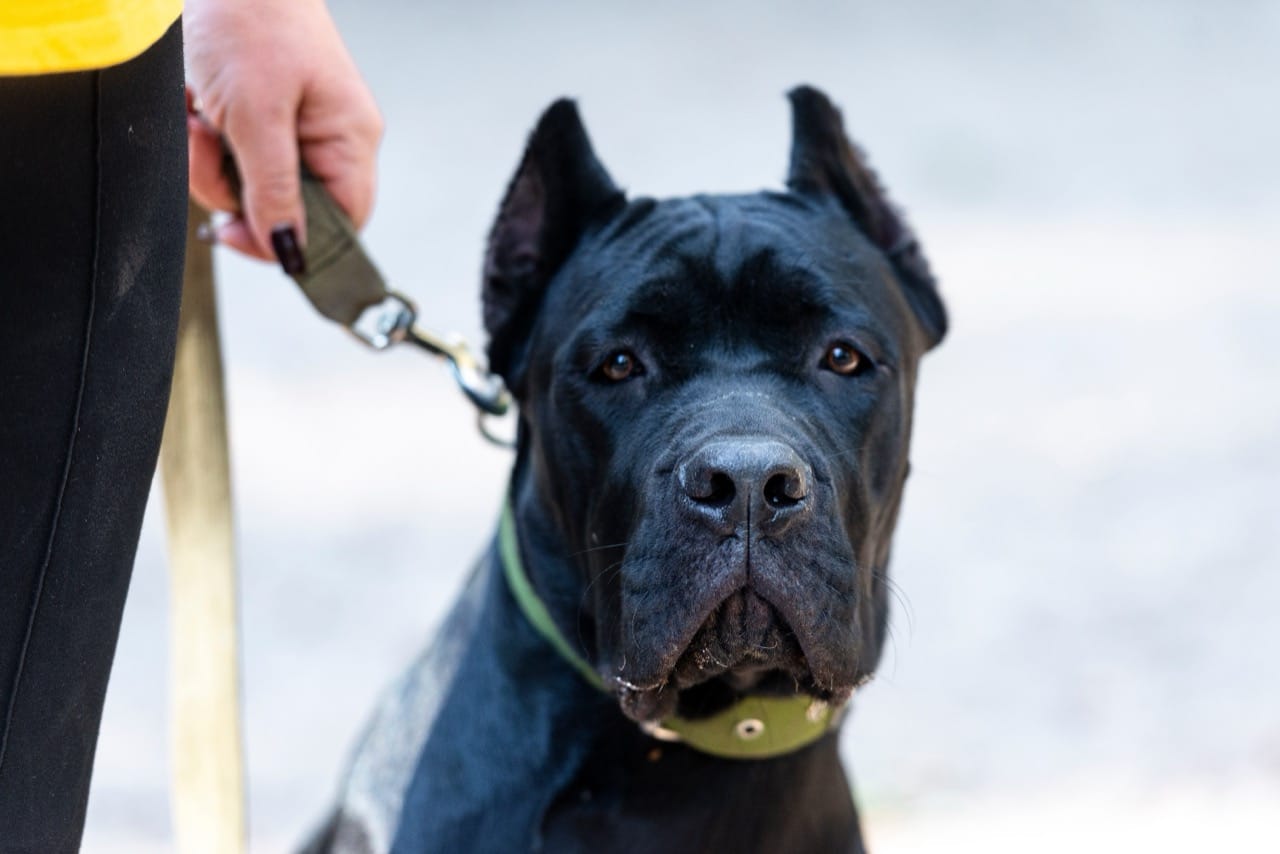
The breed’s close-to-home nature also shaped its relationship with people. A property guardian had to be deeply bonded to its family and attentive to human cues. That is why training and socialization matter so much with a Cane Corso today. The raw material is a dog inclined to notice, evaluate, and act. Good guidance channels those instincts into stable behavior, while poor handling can lead to suspicion without control. In working terms, the difference is between a reliable guardian and a liability.
Even the breed’s presence, the way it stands and observes, fits the old job description. A dog that patrols a farmyard or watches a gate does not need to pace nervously; it needs confidence. The Corso’s steady gaze and composed posture can be part of a deterrent effect, preventing problems before a chase or confrontation ever happens.
Understanding these roots makes modern ownership clearer. The Cane Corso is not simply a big dog; it is a specialist shaped by real responsibilities. When given structure, training, and meaningful activity, the breed’s historic traits can show up as loyalty, steadiness, and impressive self-control. The same qualities that once protected rural homesteads still influence what people see today in the Corso’s body, instincts, and quiet readiness.