Great Dane Built for the Hunt
Quiz Complete!
Great Dane Built for the Hunt: The Working Design Behind the Gentle Giant
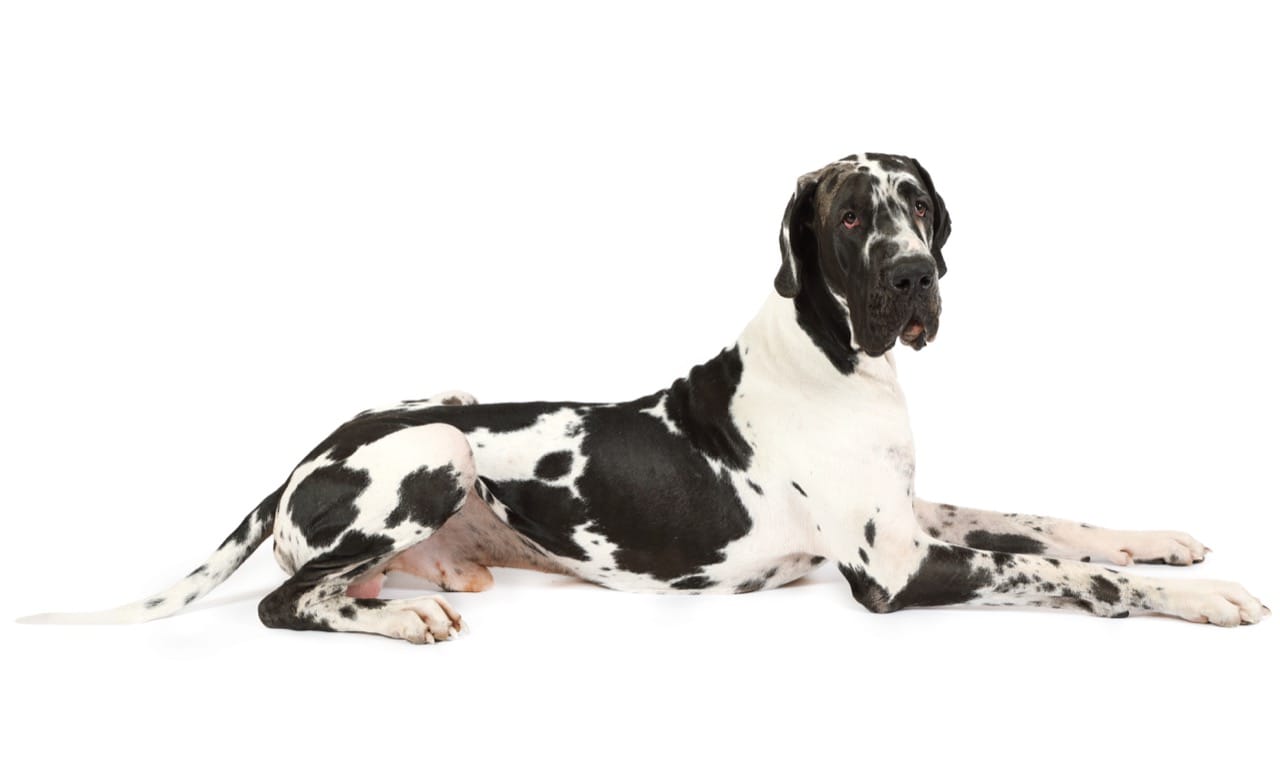
The Great Dane is often described as a gentle giant, a calm companion who seems more suited to a sofa than a chase. Yet the breed’s original job was far more demanding. In parts of Europe, dogs that resemble early Great Danes were developed to hunt large, dangerous game, especially wild boar. Boar hunting required a dog that could cover ground quickly, stay steady under pressure, and get close enough to a tusked animal that could injure or kill with a single strike. When you look at a Great Dane’s body through that lens, many of its signature features make practical sense.
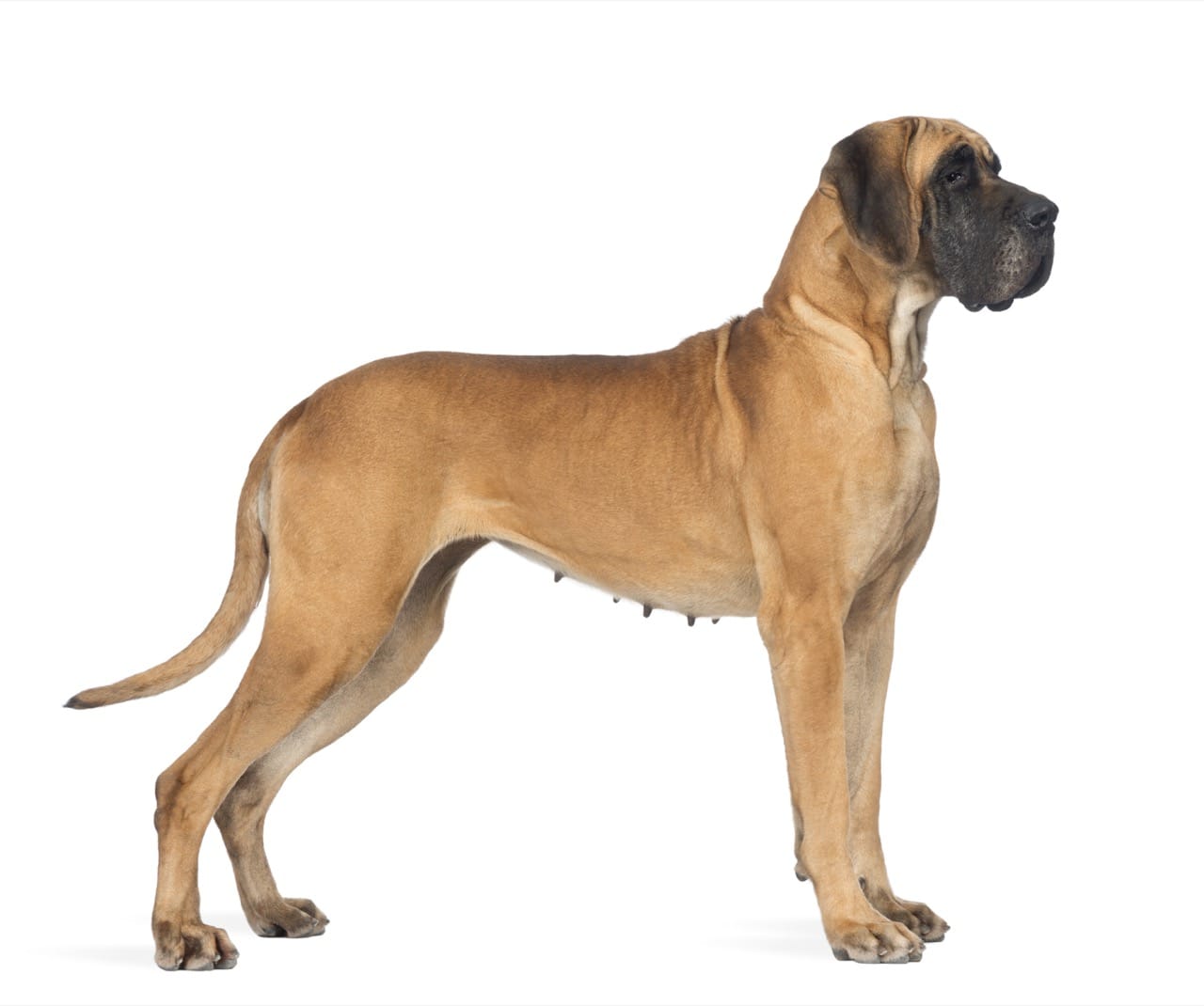
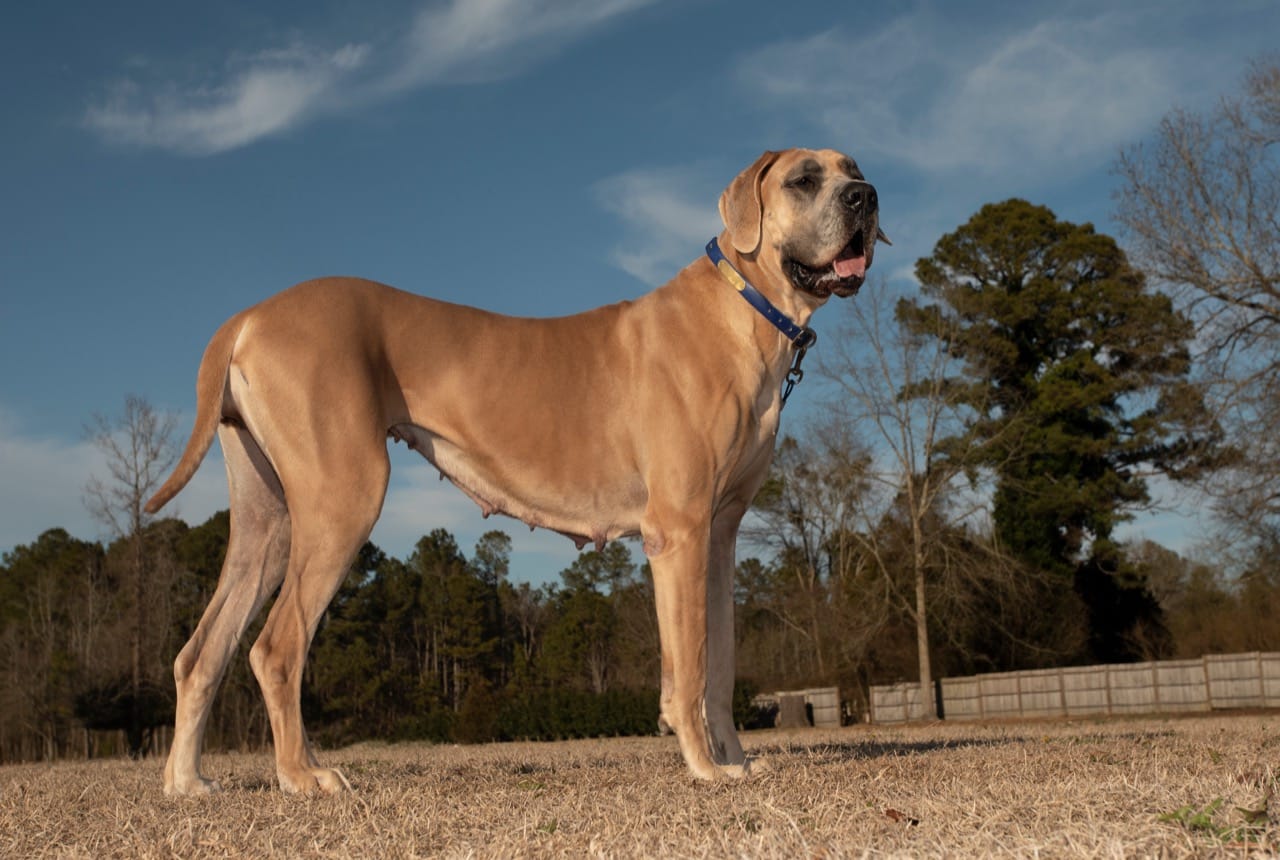
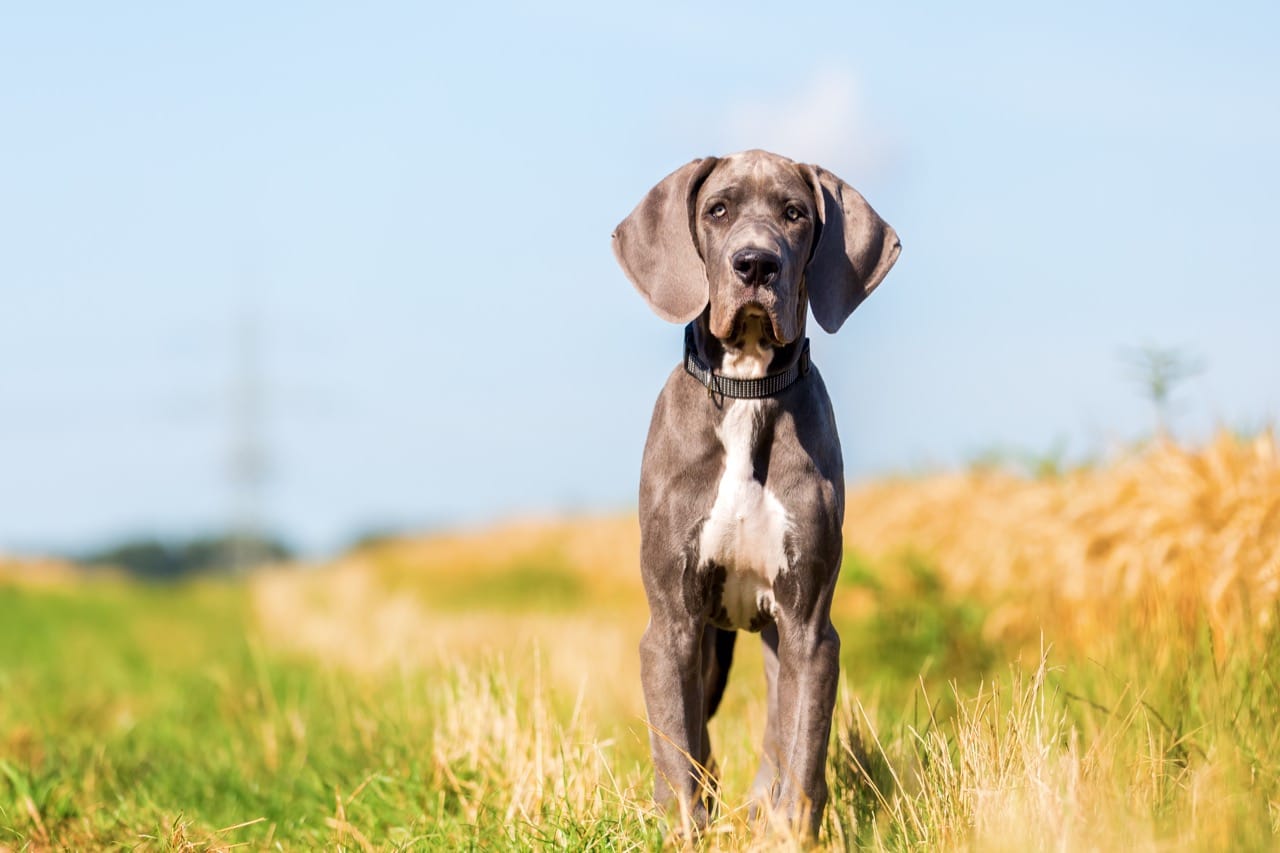
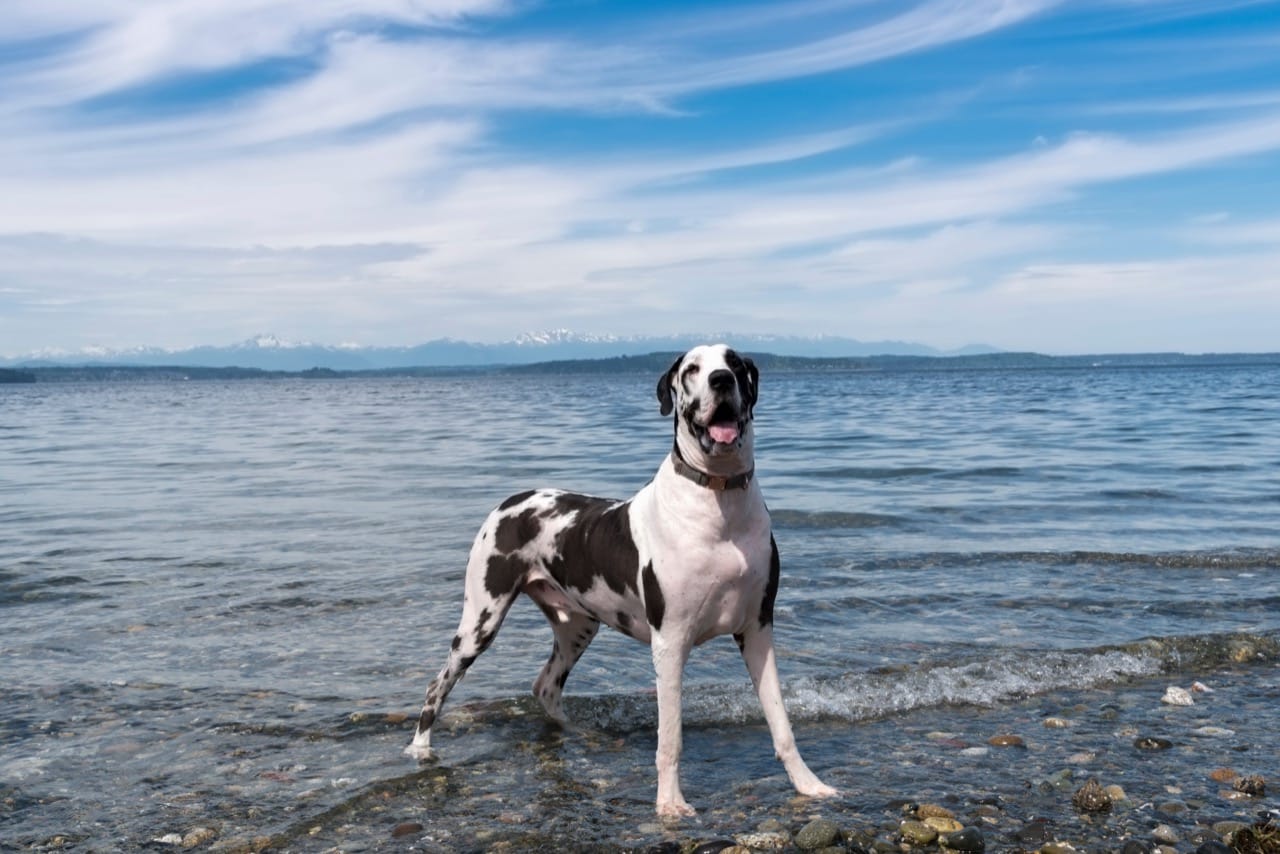
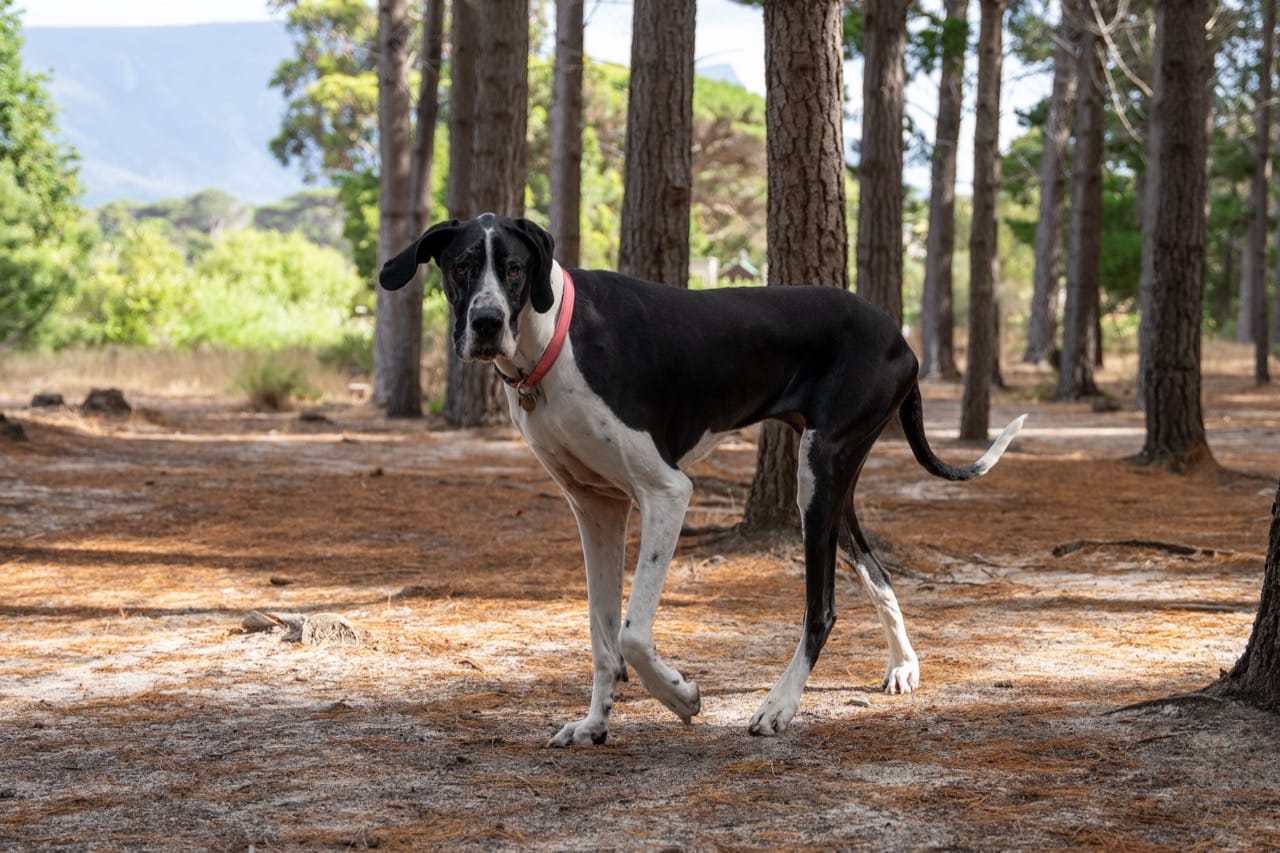
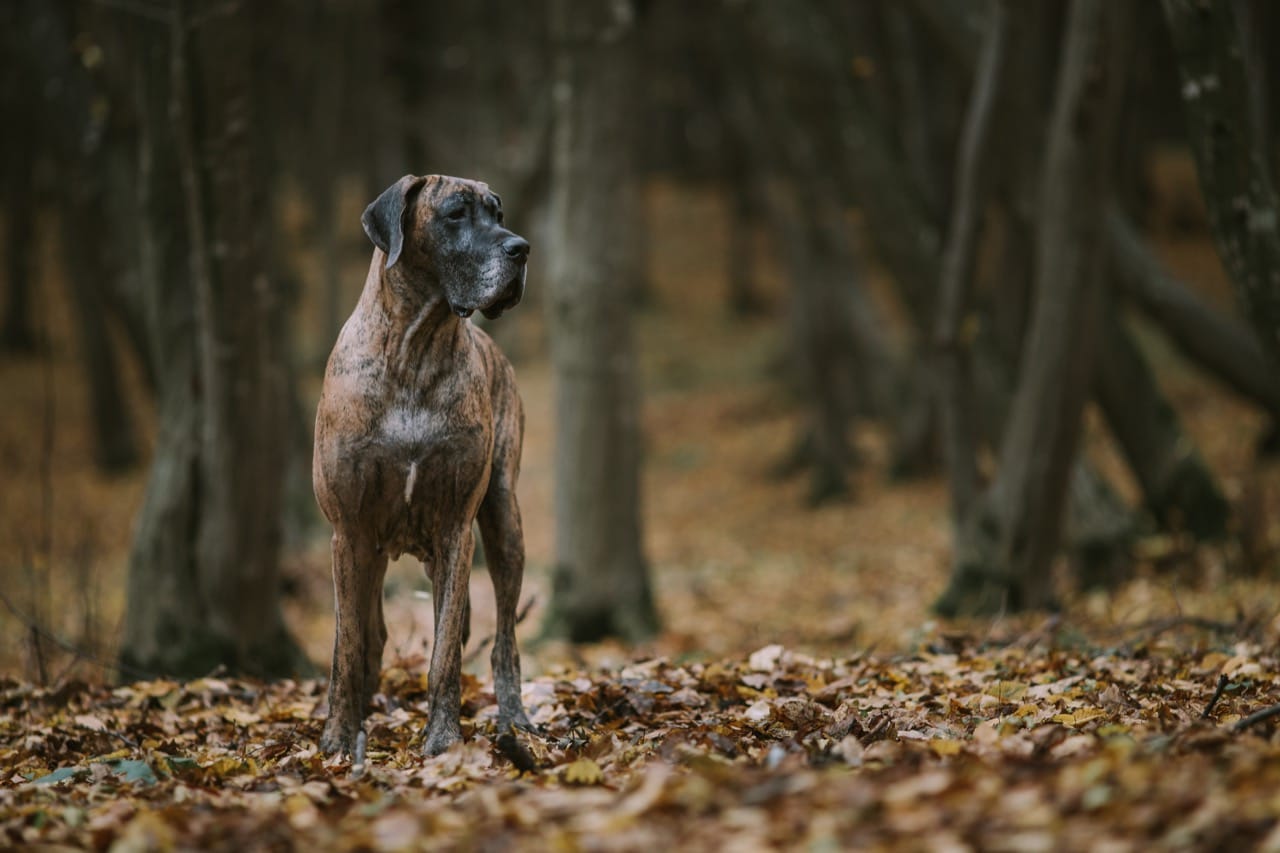
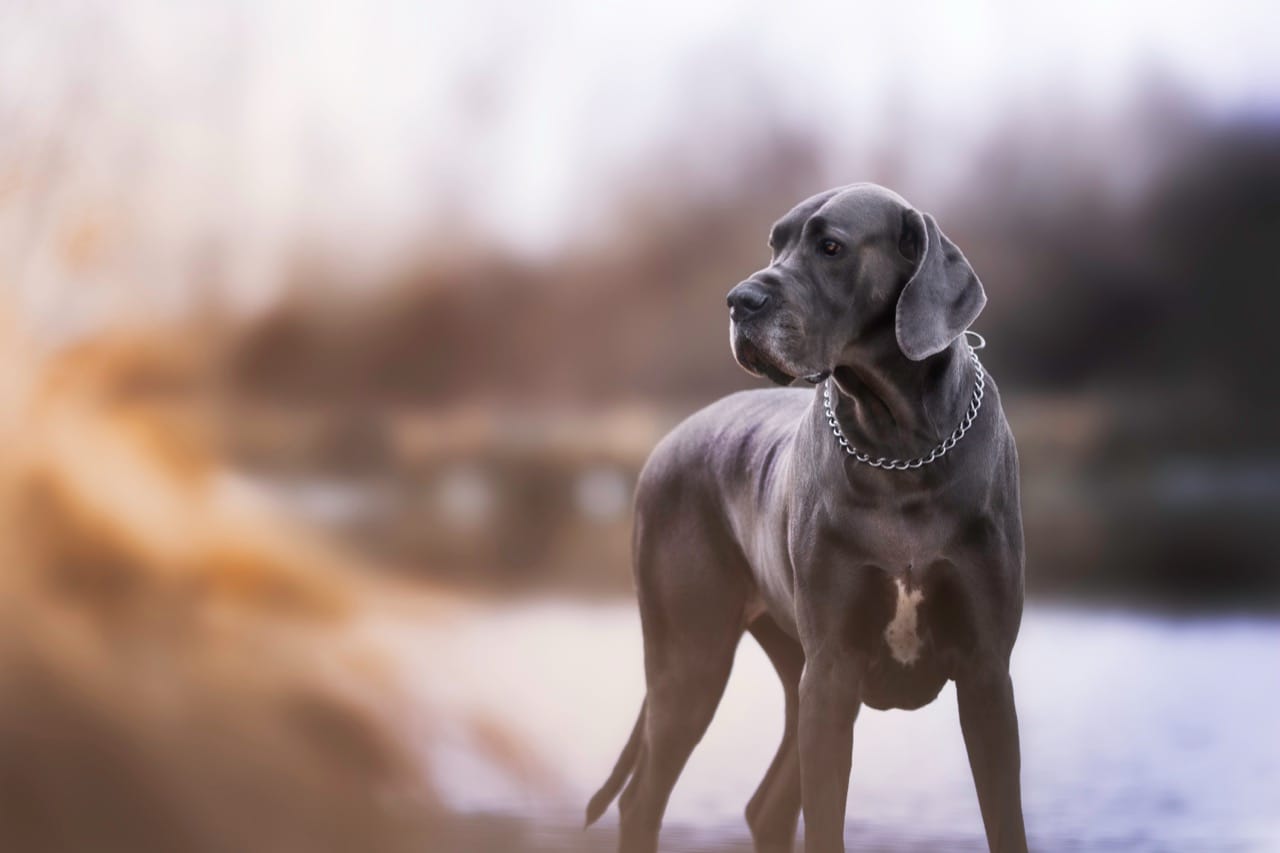
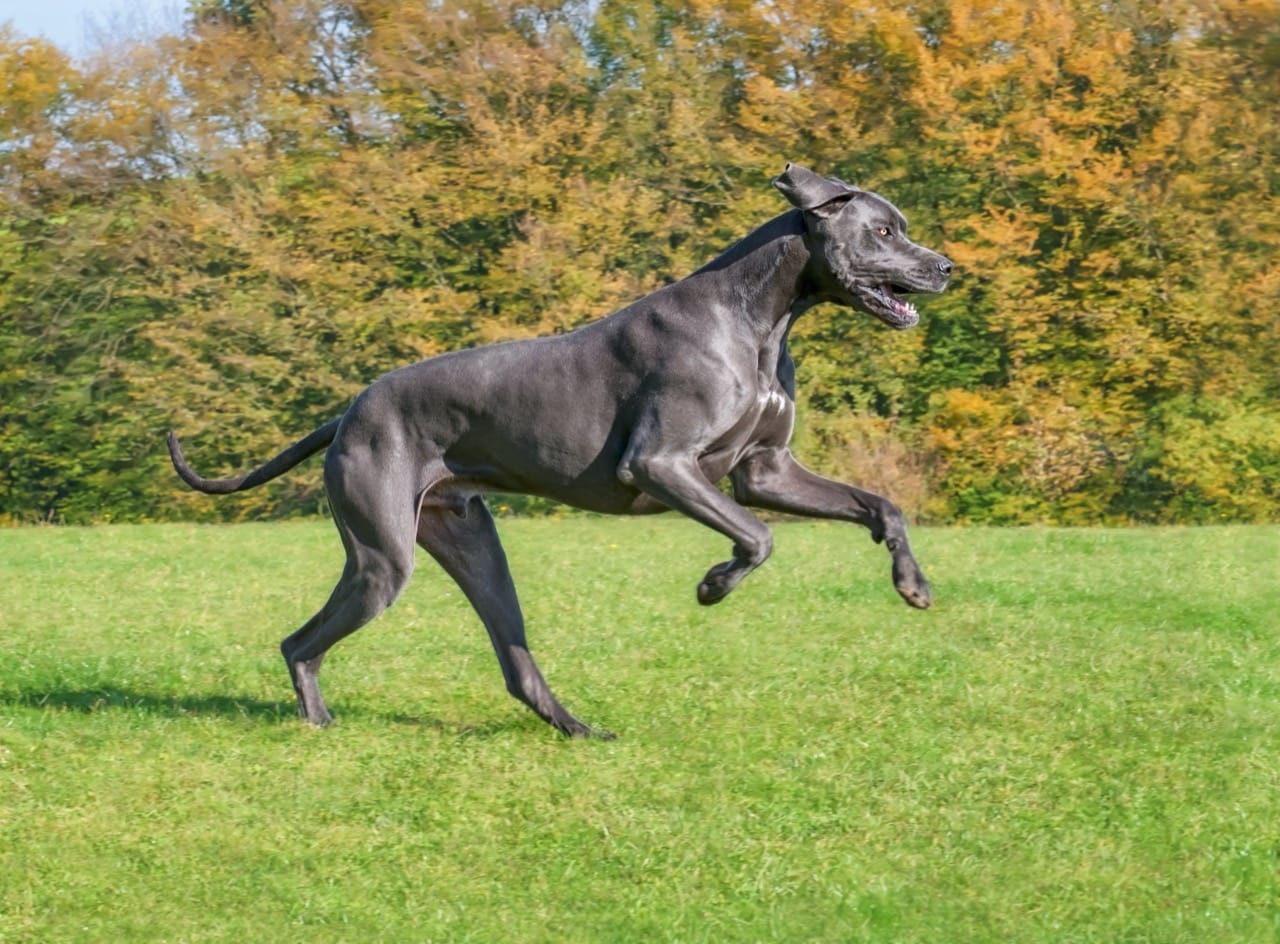
Those long legs and tall frame were not created for show-ring drama. Height gave the dog a longer stride and the ability to keep pace over fields and forests while conserving energy. A tall dog can also see over brush and move through uneven terrain more efficiently than a shorter, heavier animal. The deep chest, another hallmark of the breed, is linked to lung capacity and endurance. A roomy ribcage supports sustained activity and helps explain why a well-conditioned Great Dane can be surprisingly athletic despite its size.
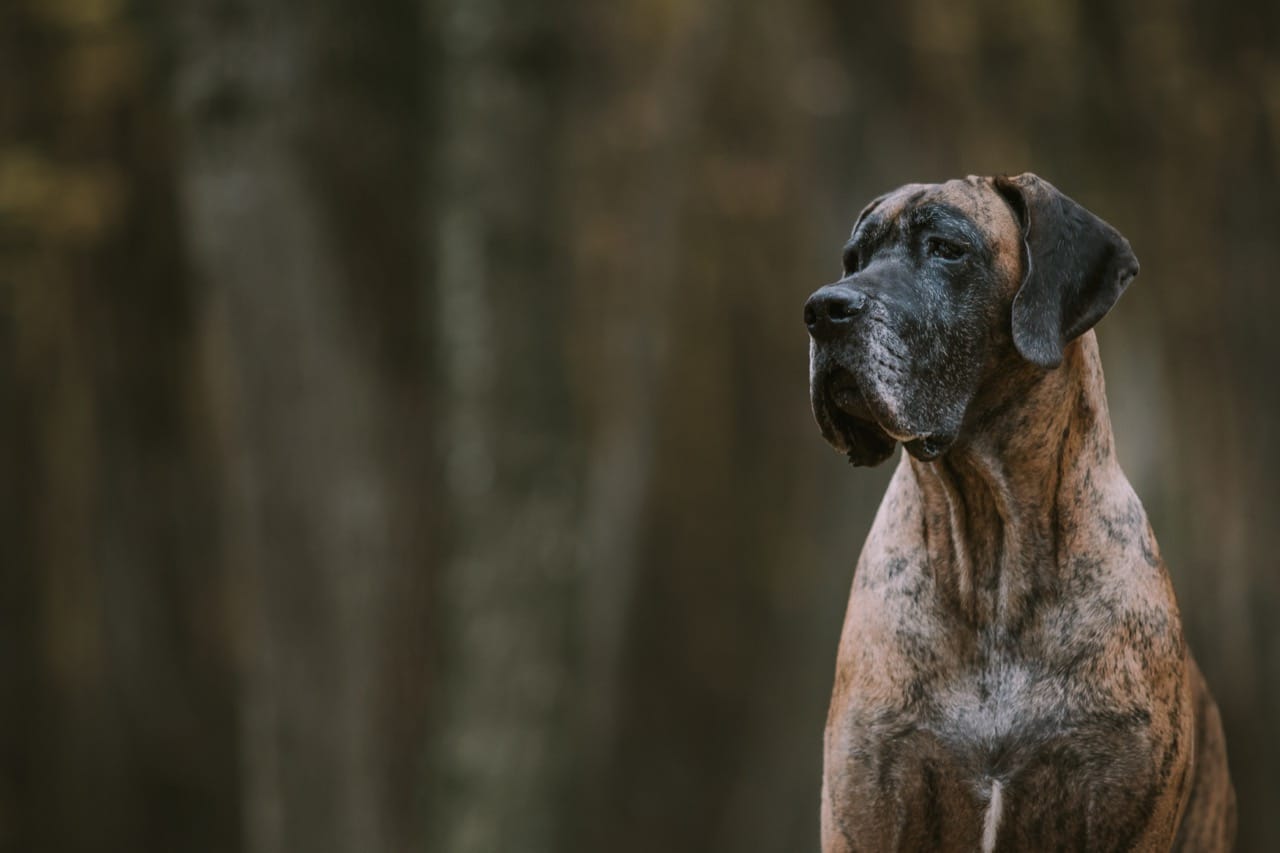
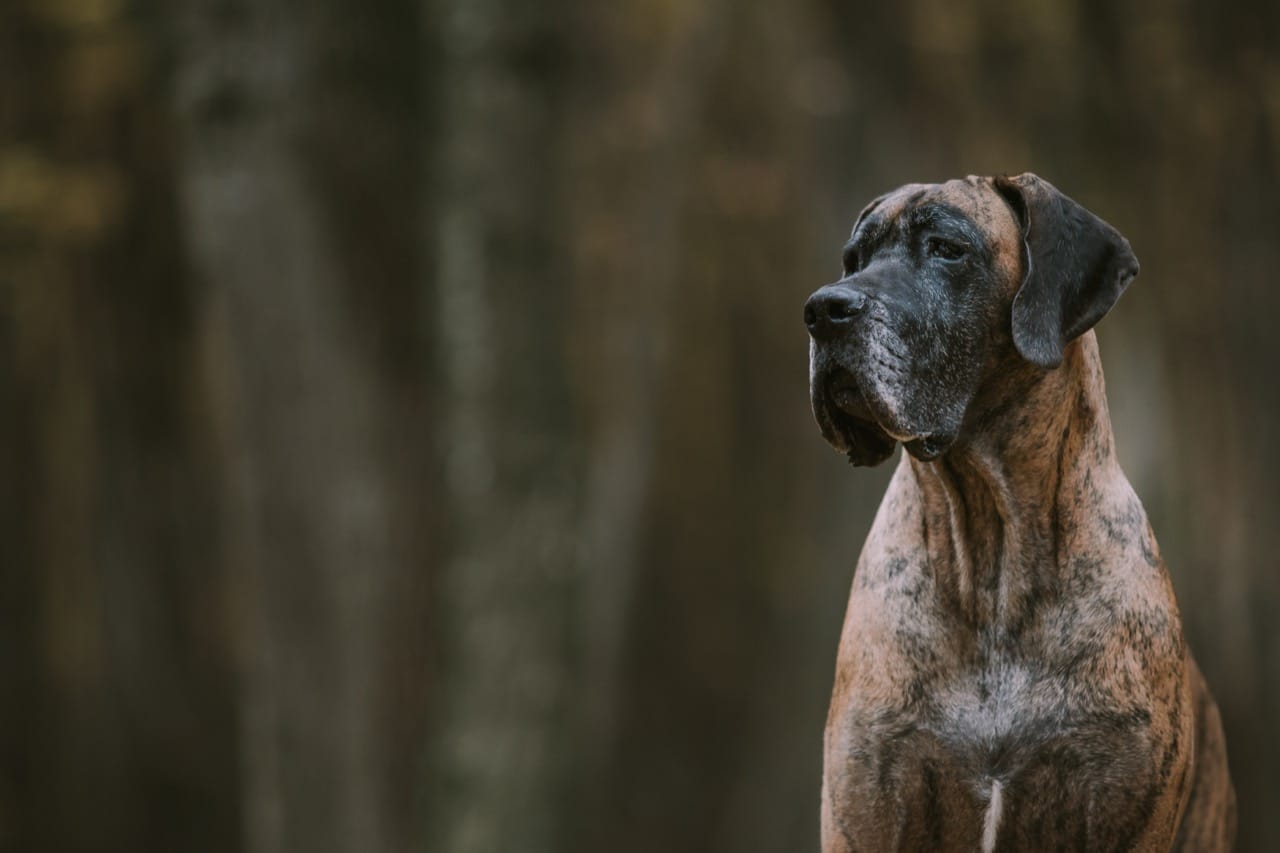
Power mattered as much as speed. A strong neck and substantial head were useful when the task involved grabbing and holding a struggling quarry long enough for hunters to arrive. Boar dogs were not expected to do all the killing themselves; their role often involved catching, controlling, and distracting. That kind of work favors a dog that can brace, pull, and maintain a grip while staying balanced. Even the Great Dane’s overall silhouette, with its combination of length and strength, reflects an animal designed to move fluidly and then apply force when needed.
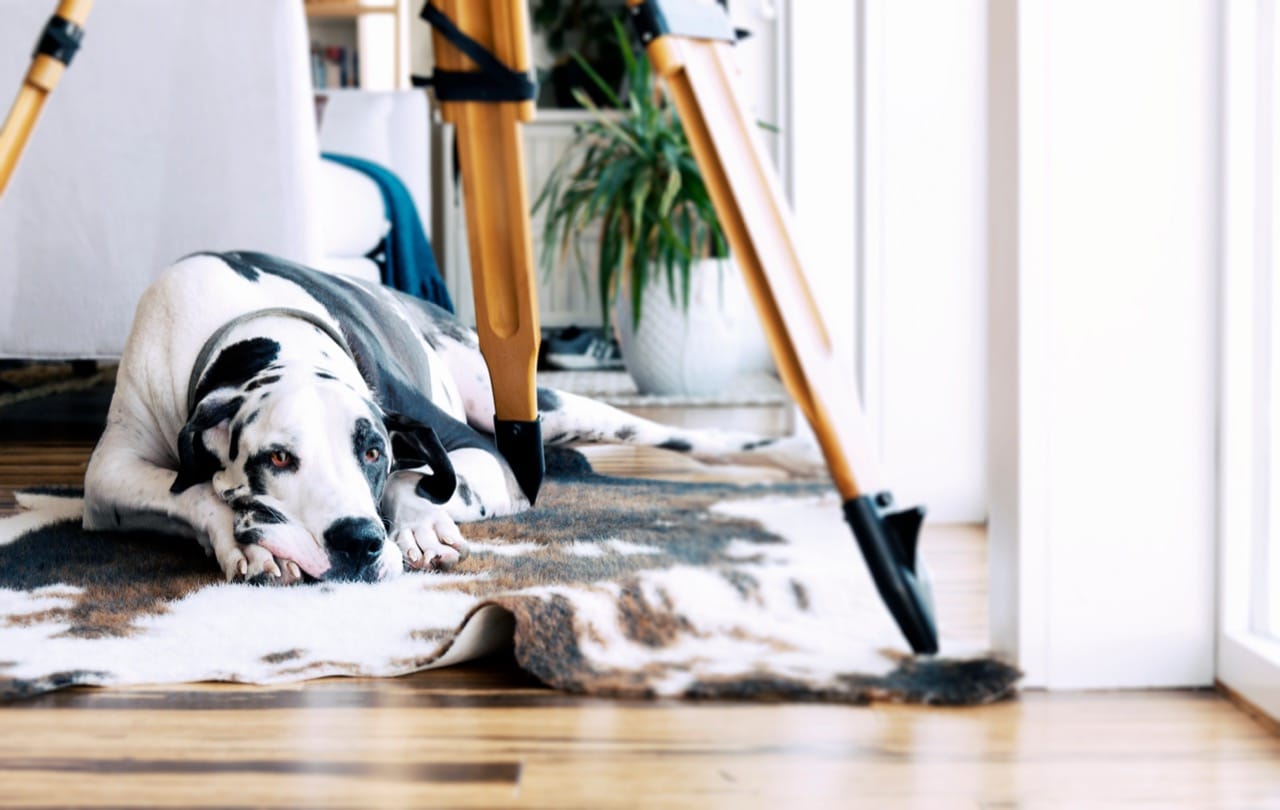
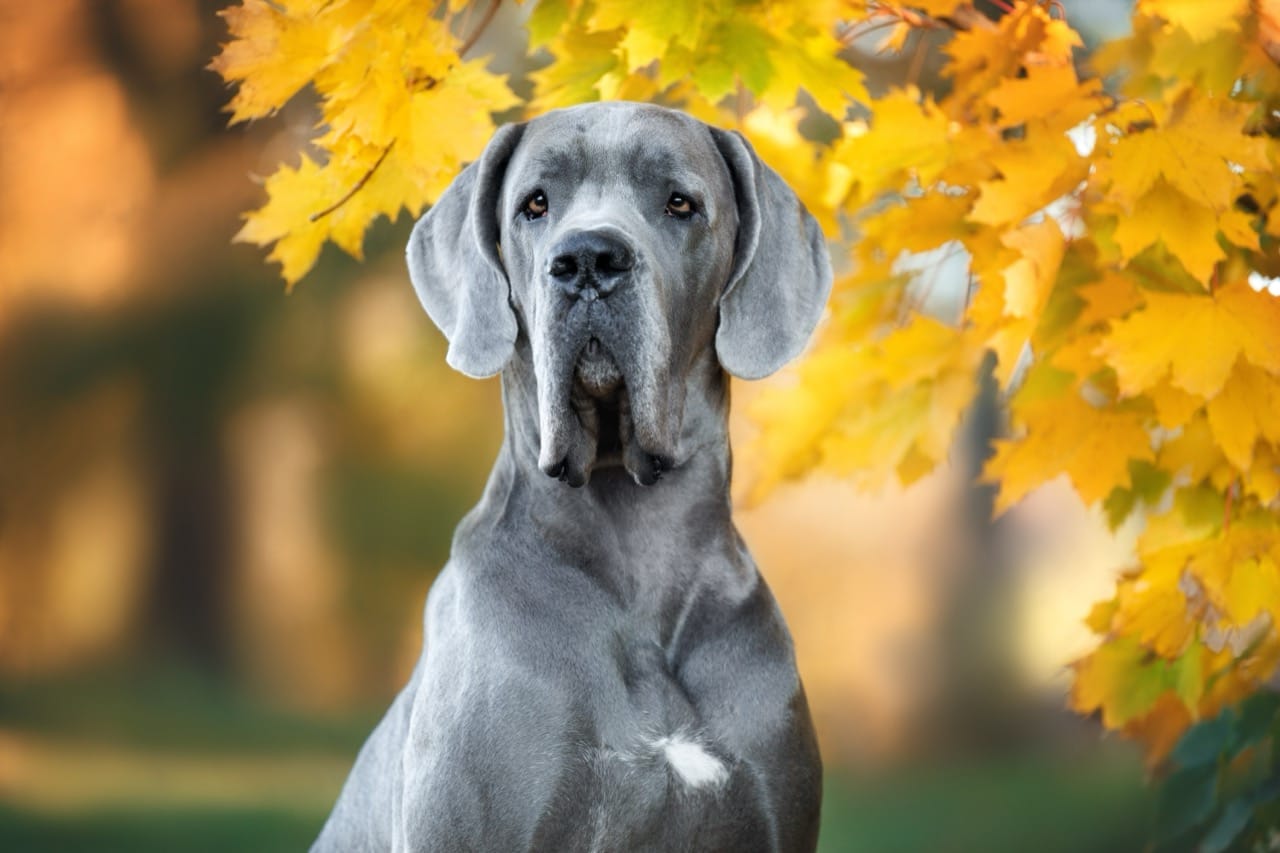
Temperament was part of the equipment. A successful hunting dog had to be bold but not reckless, responsive to people, and able to switch gears quickly. That “off switch” many owners love today may have roots in a working dog that spent long periods waiting and watching, then exploded into action when signaled. Later, as hunting practices changed, Great Danes were also valued as estate guardians. Their size alone is a deterrent, but effective guarding depends on alertness and discernment, not constant aggression. A dog that can remain composed, read unfamiliar situations, and stand its ground fits that role well.
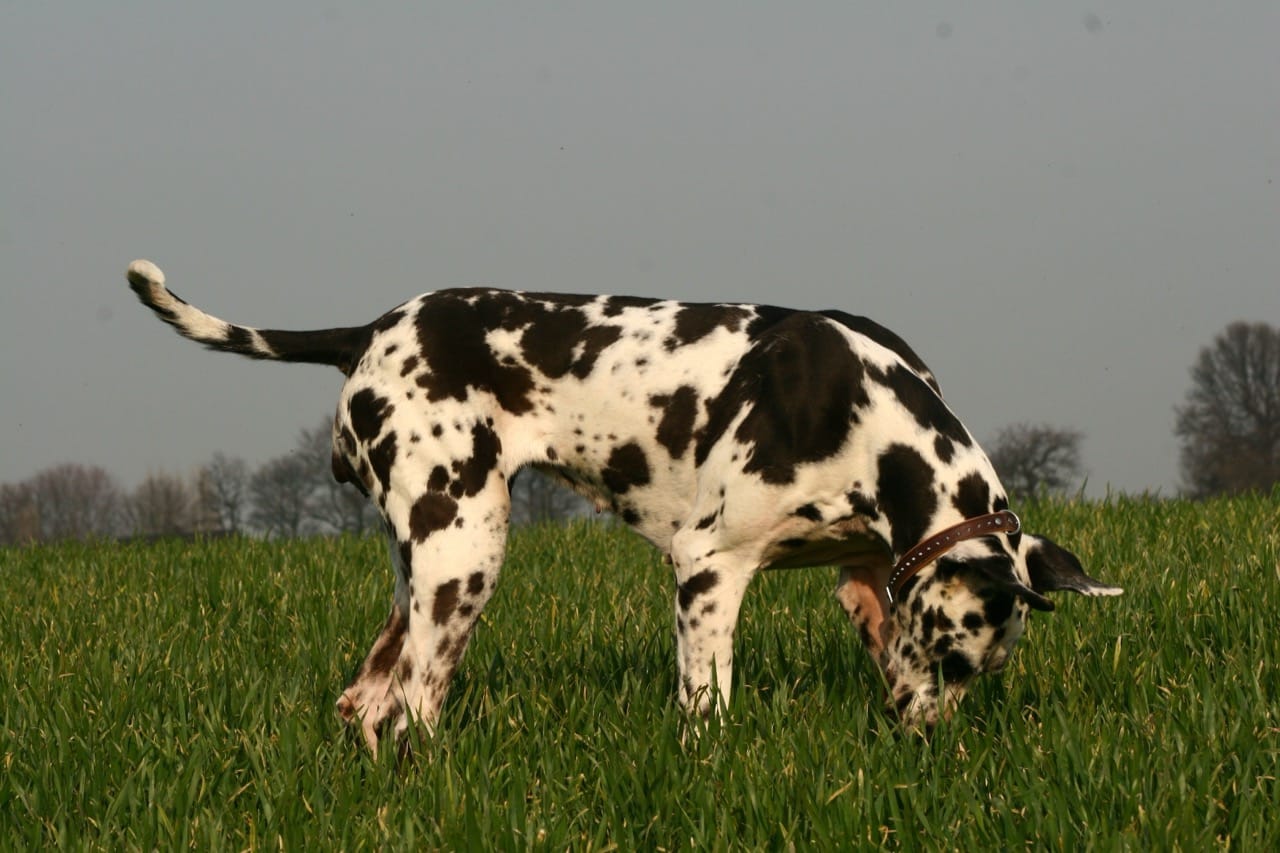
Modern Great Danes usually do not hunt boar, but the legacy can still show up in everyday life. Many retain a strong interest in movement, a tendency to track scents, and a quick reaction to sudden activity. Their impressive reach and speed can surprise people who assume they are slow. At the same time, the breed’s working past helps explain why early training and socialization matter. A large dog with protective instincts and a fast startle-to-action response needs guidance so its natural confidence becomes reliable manners.
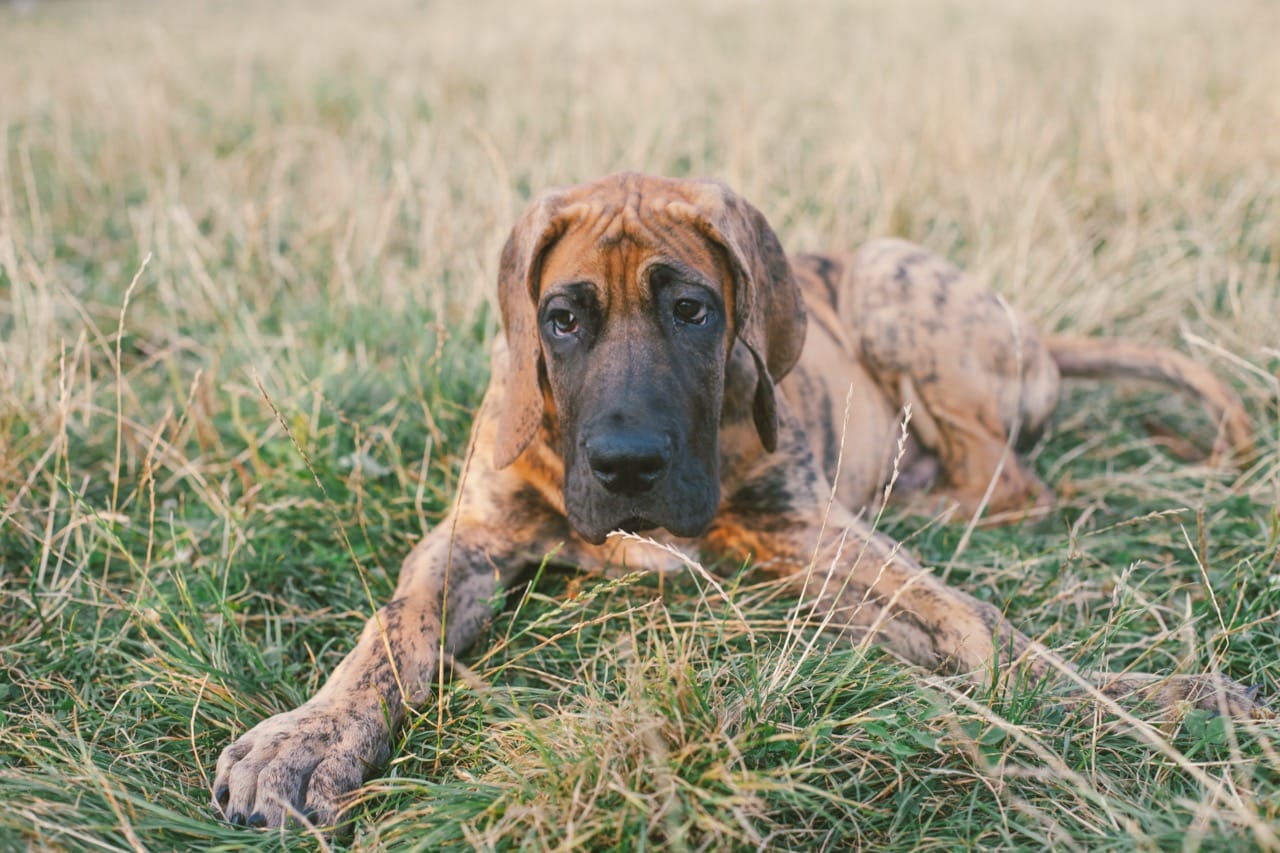
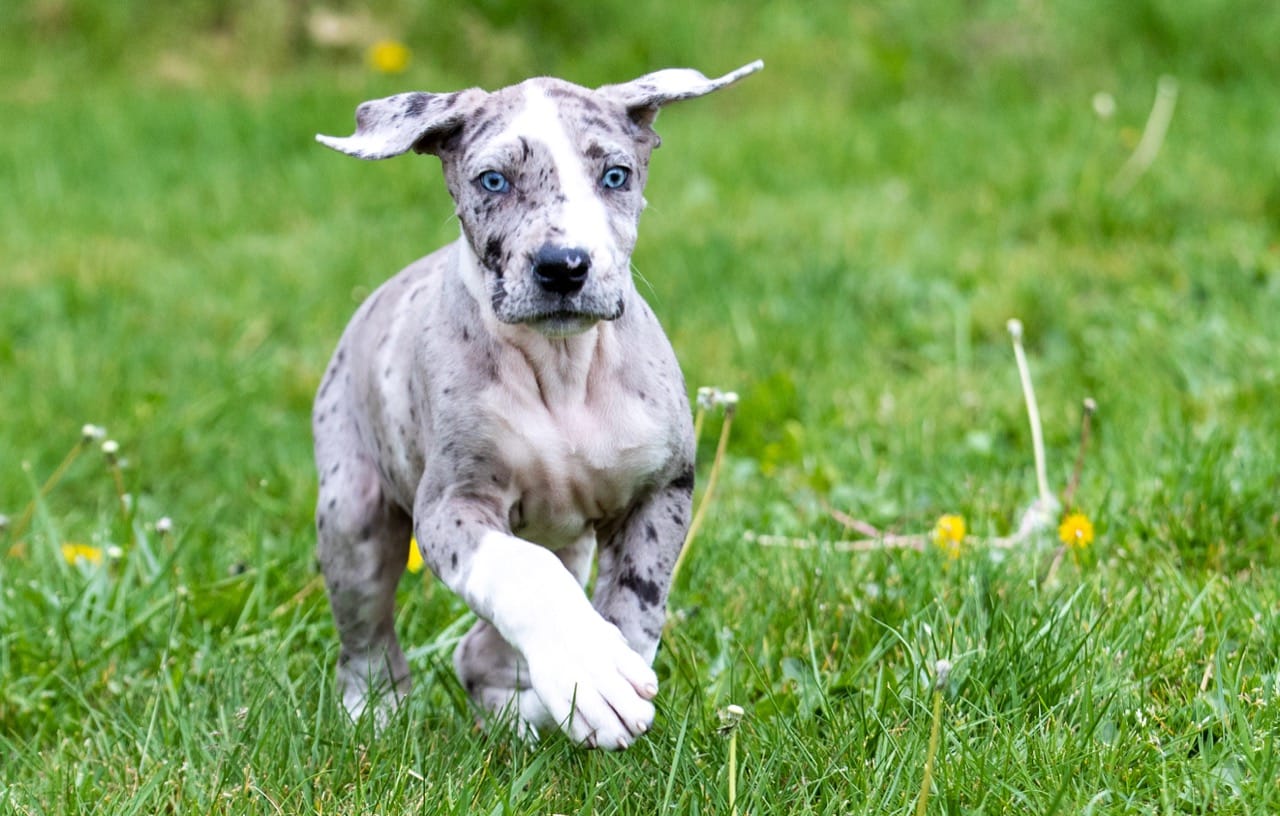
Understanding the Great Dane as a purpose-built athlete also highlights responsible care. Their rapid growth and heavy adult weight place stress on bones and joints, so controlled exercise and appropriate nutrition during puppyhood are important. Their deep chest, once an advantage for stamina, is associated with a higher risk of bloat, a serious condition that owners should learn to recognize quickly. In the end, the Great Dane’s elegance is not just decorative. It is the polished result of a dog shaped by demanding work, then refined into the calm, watchful companion people know today.