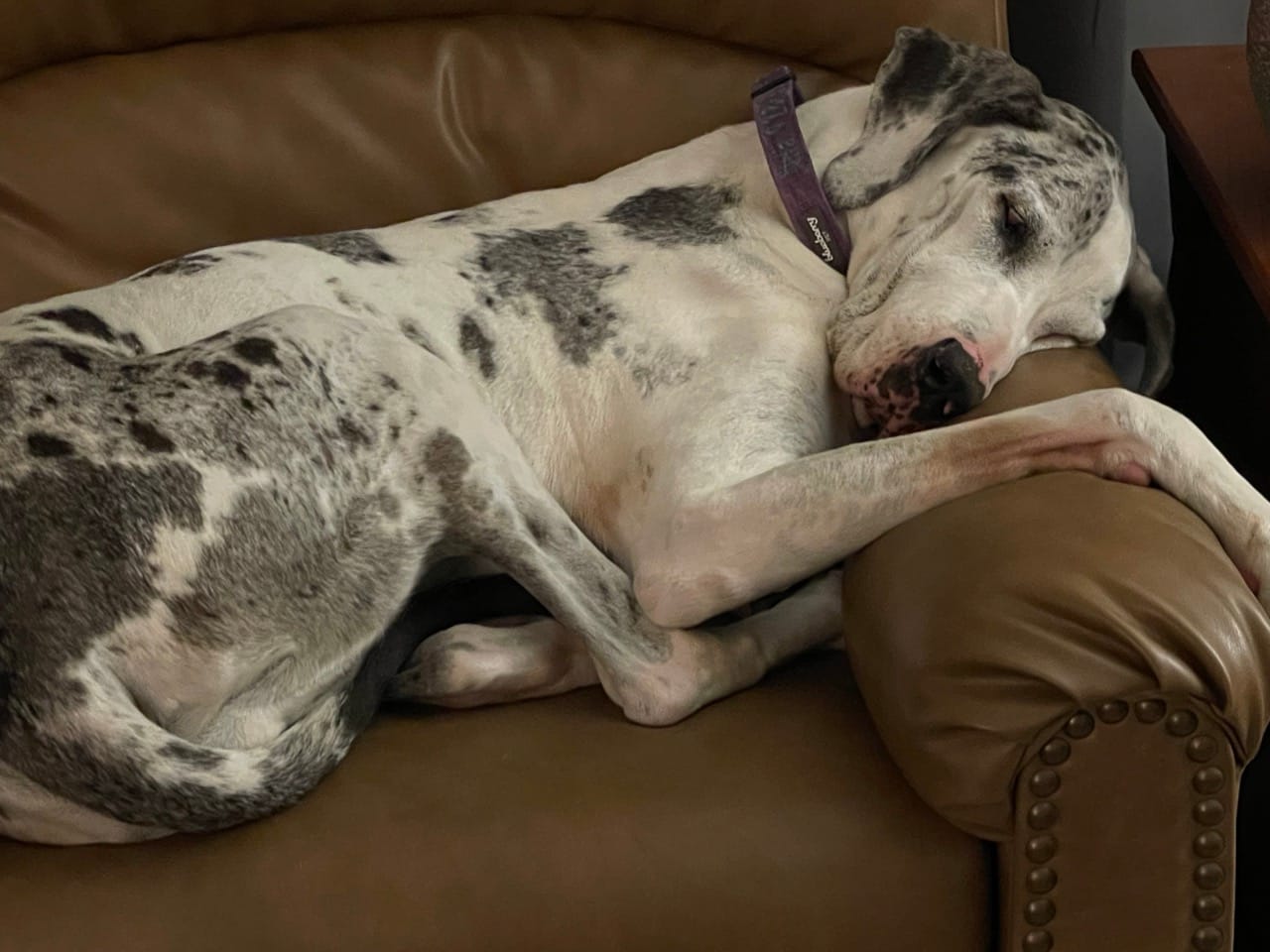
Sharing a Sofa With a Great Dane
Quiz Complete!
Practical Home Care for Great Danes: Living Well With a Gentle Giant
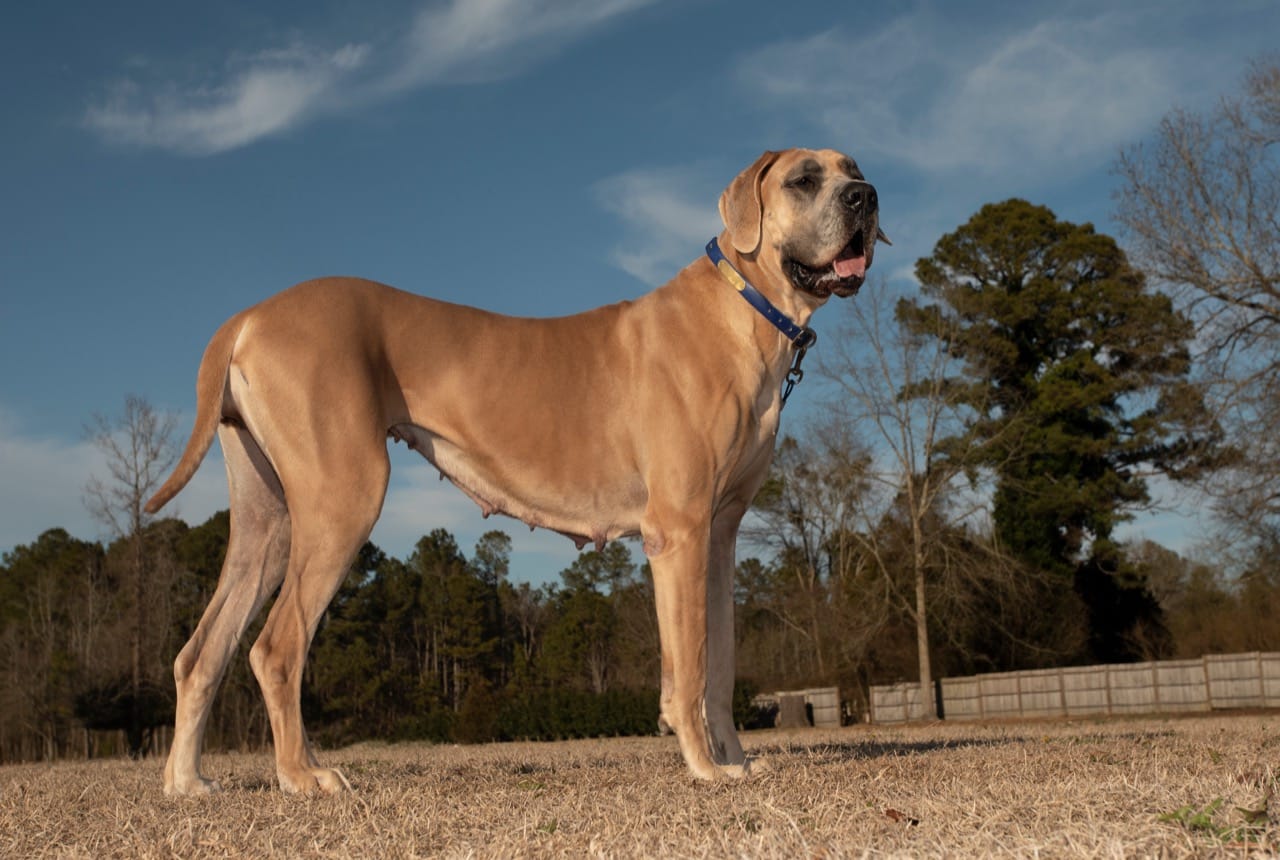
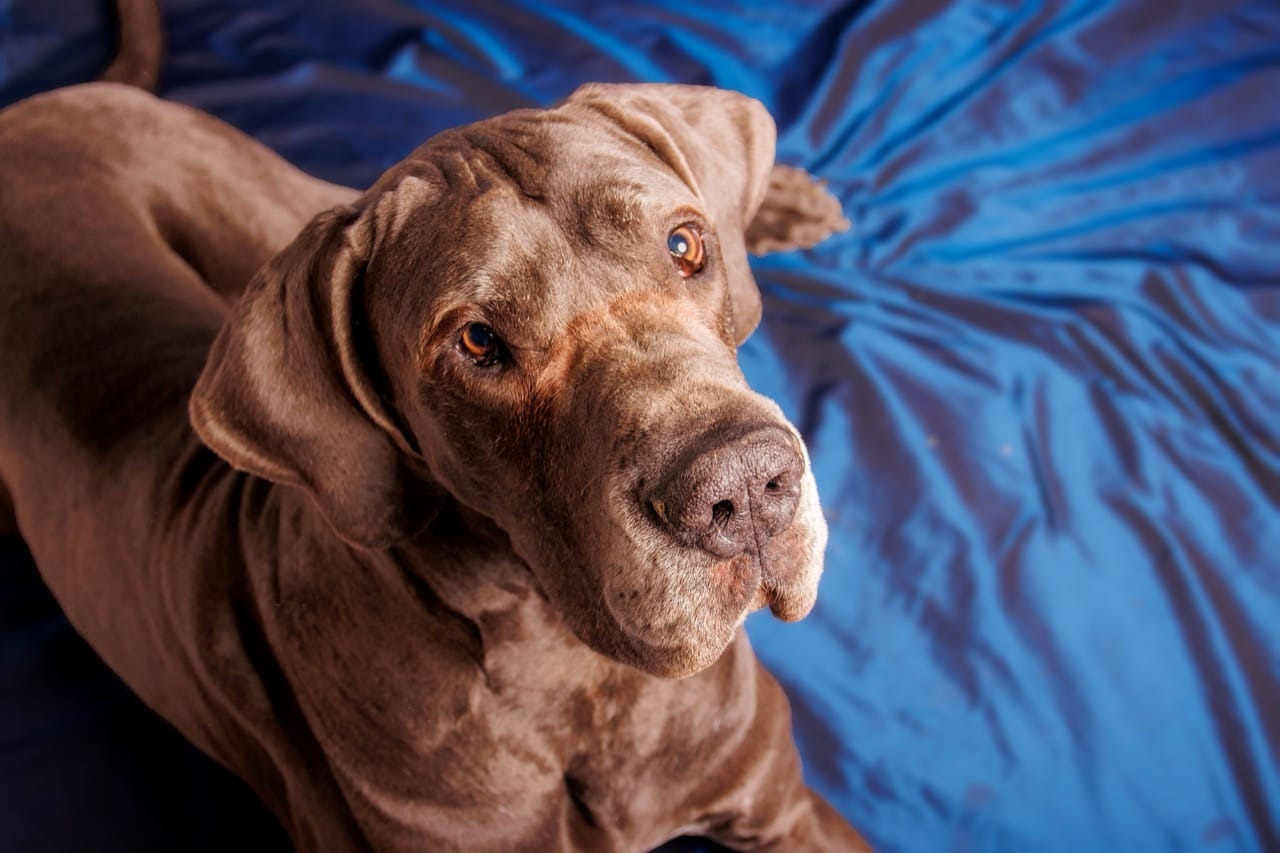
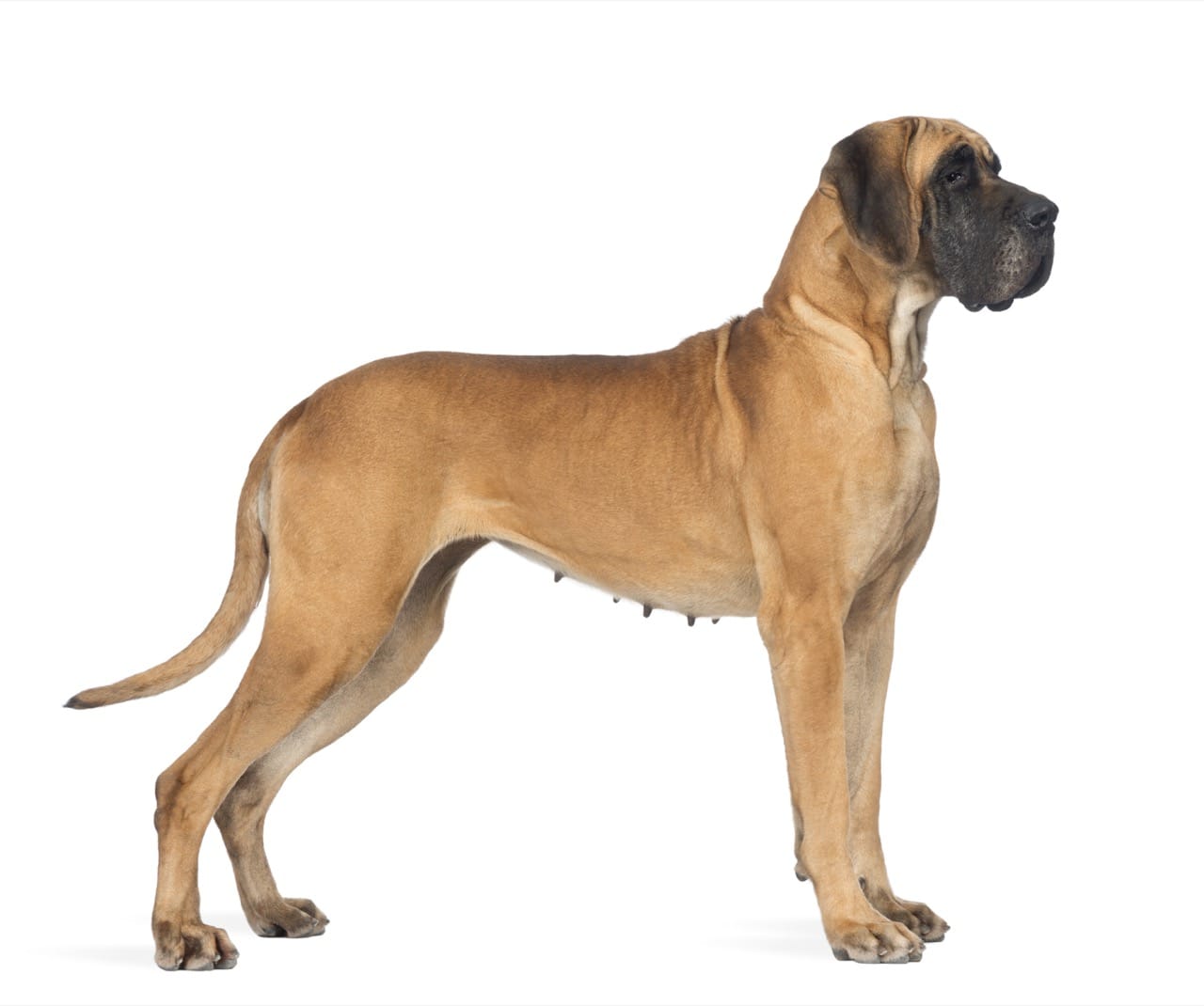
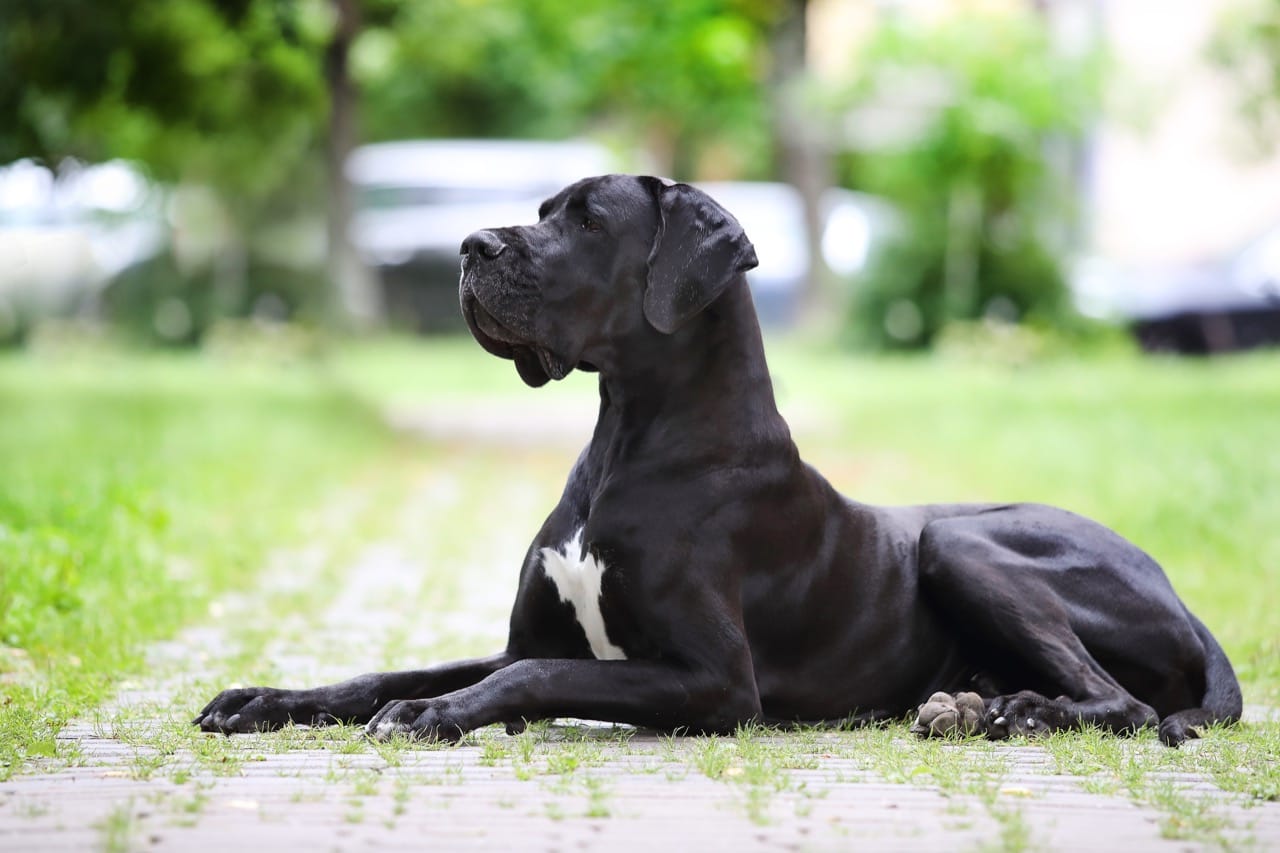
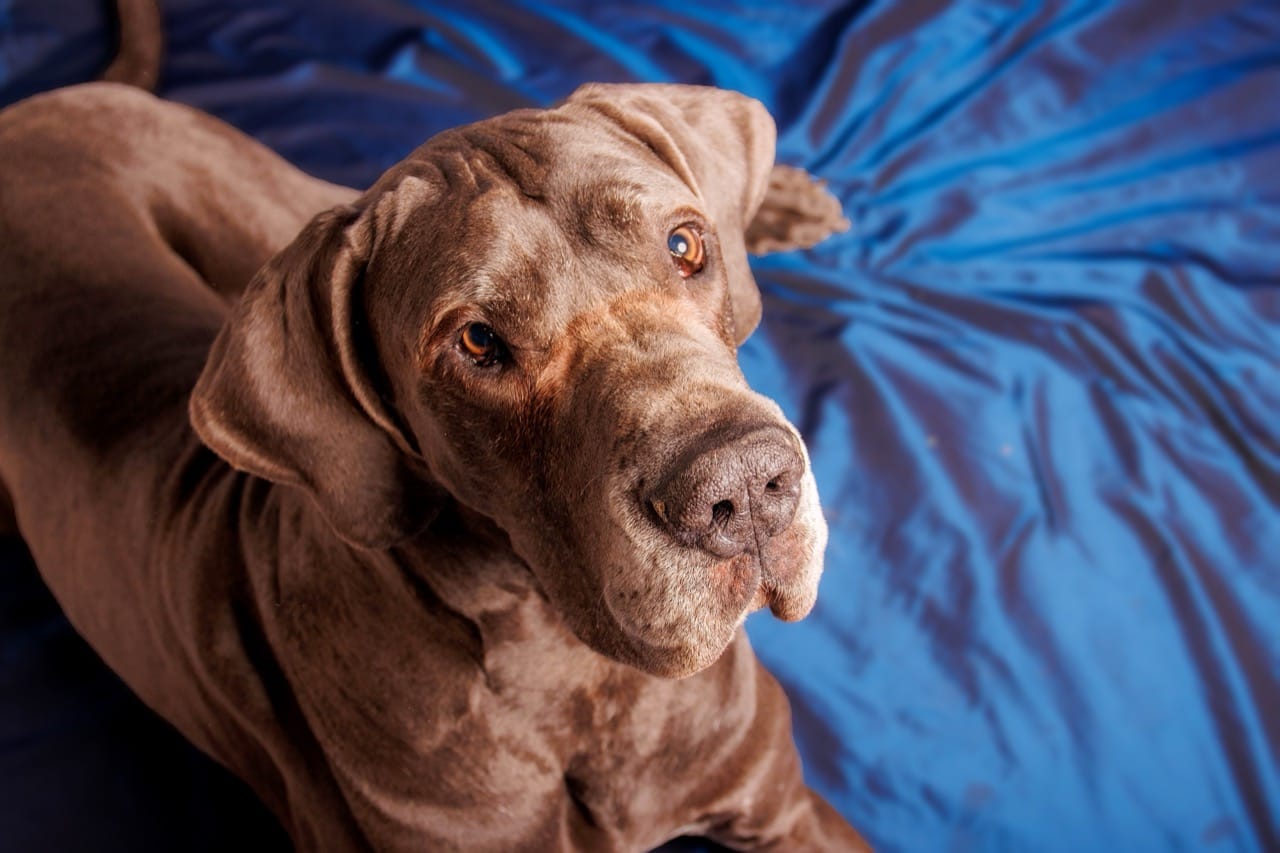
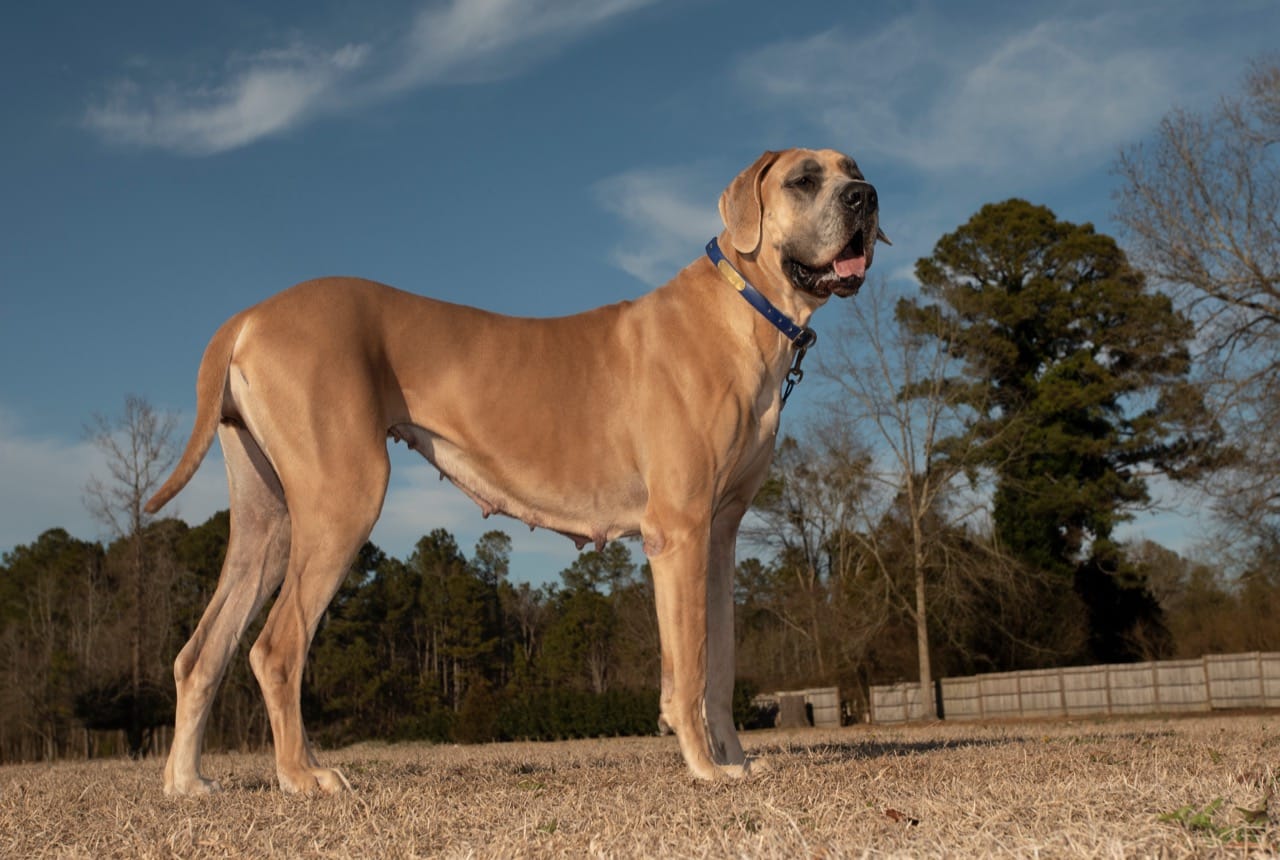
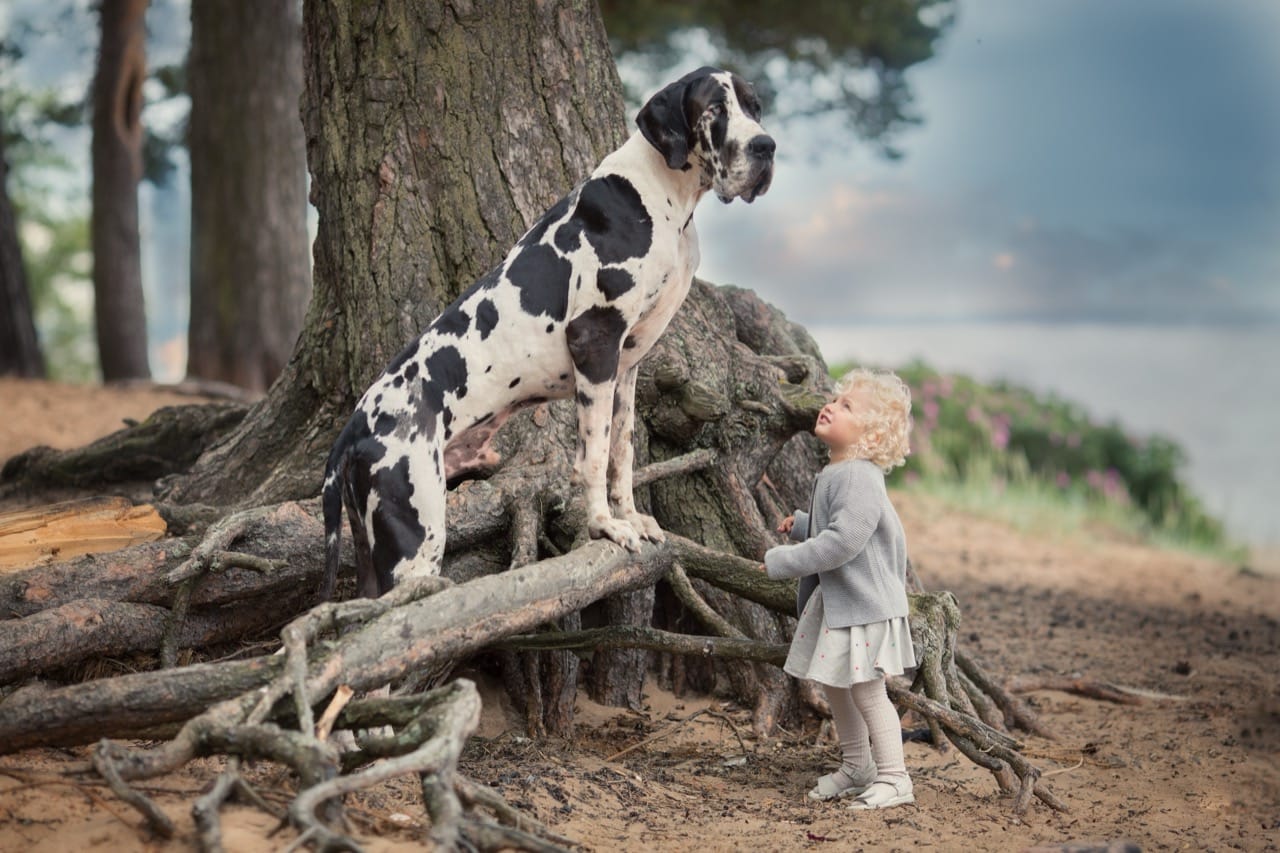
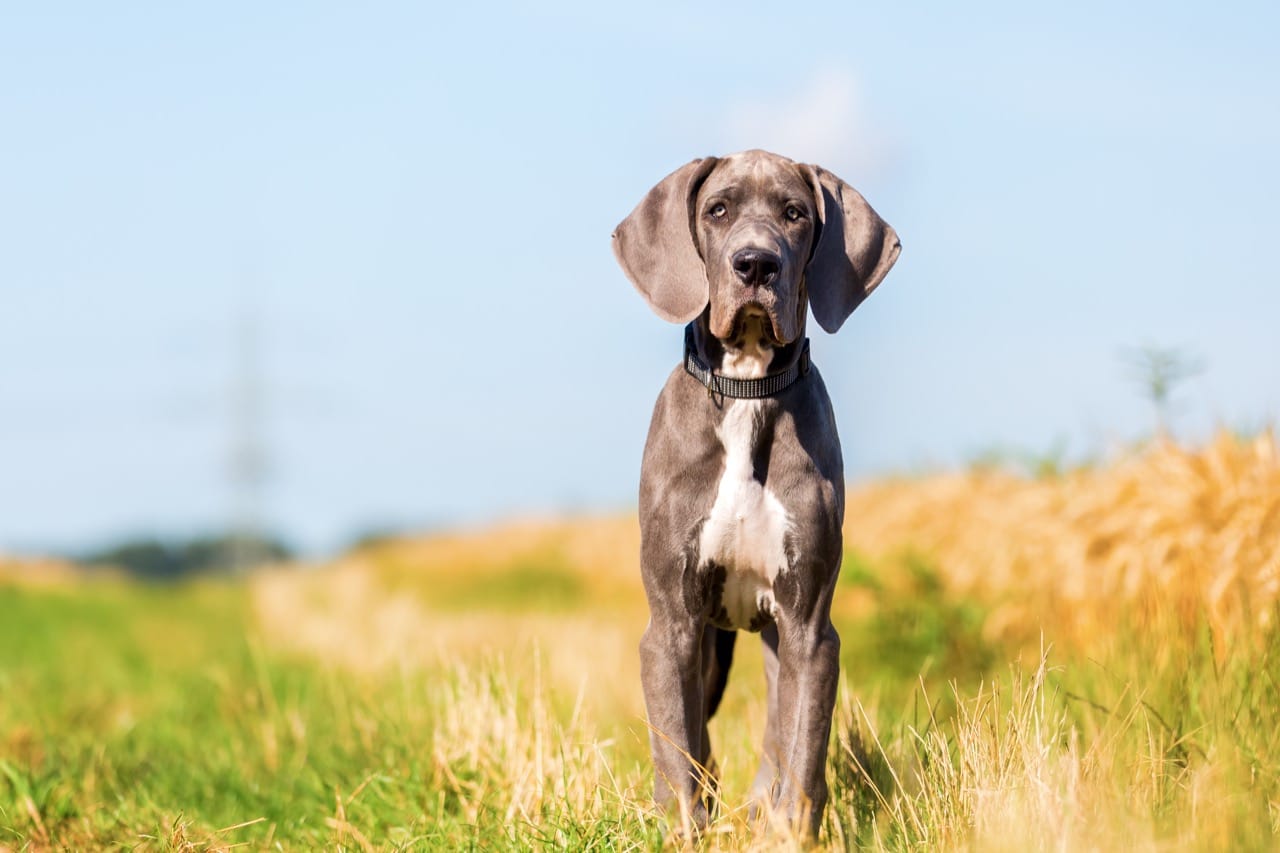
Living with a Great Dane means sharing your home with a dog that can be taller than your kitchen counter when standing on hind legs, yet often acts like an oversized lapdog. Their temperament is usually affectionate, people oriented, and surprisingly sensitive, which is why good manners are not optional. A friendly Dane that jumps up, pulls on leash, or crowds doorways can accidentally knock someone over just by being large. Early training matters less because they are stubborn and more because you need polite habits in place before the puppy becomes a 120 to 170 pound adult. Short, consistent sessions work best, using rewards and calm repetition. Harsh corrections can backfire with a dog that bonds closely to its people.
Household routines make a big difference. Teach a reliable sit, wait at doors, and a settle on a mat so your dog has a default behavior when guests arrive. Because Danes are often social, they may lean their whole body against people as a form of affection. It is charming until your visitor is carrying a hot drink, so practice greeting manners early. Crate training and alone time practice are also practical, since some Danes dislike being left out and can develop anxiety if they are never taught to relax independently.
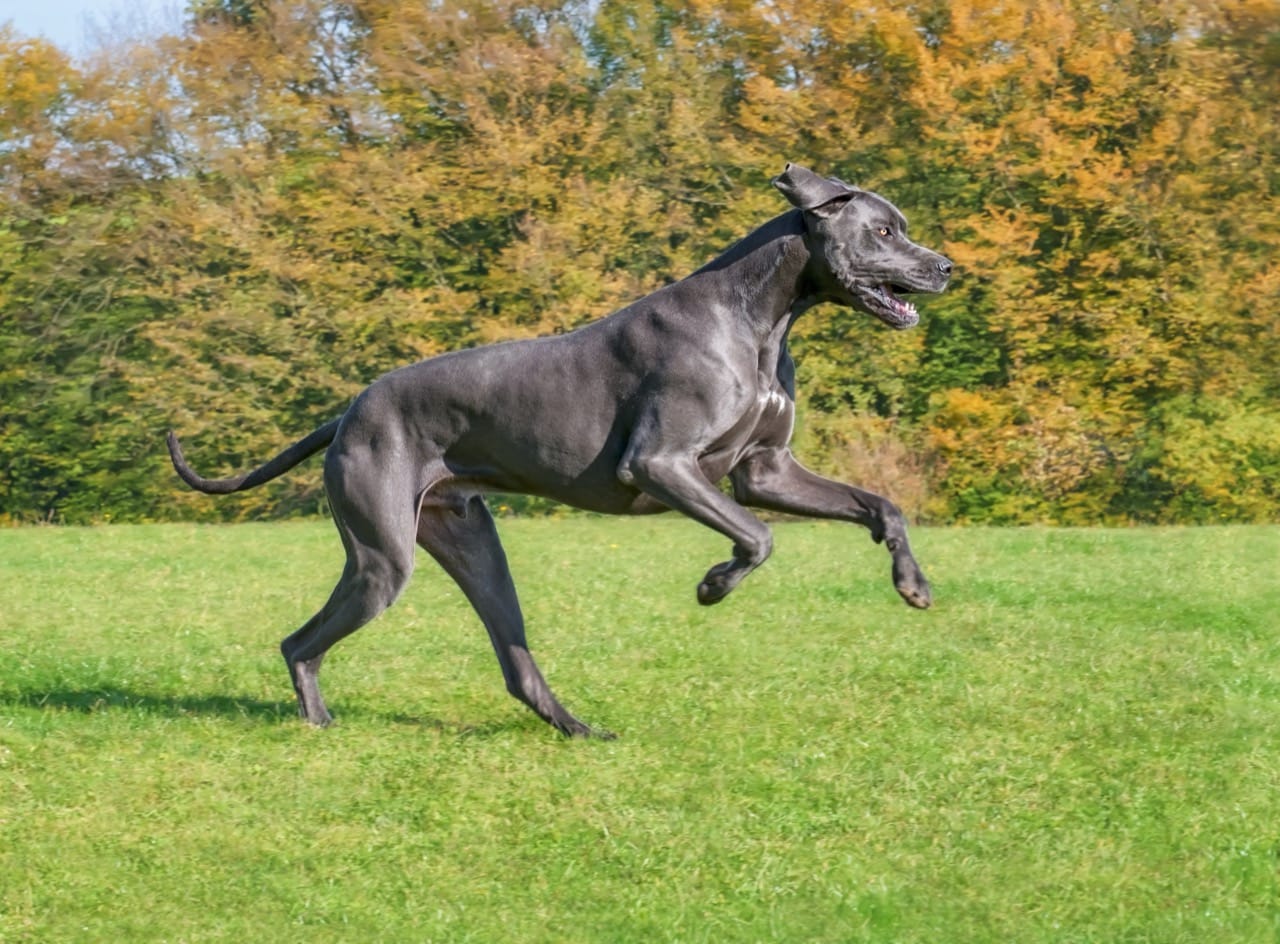
Exercise is another area where “more” is not always better. Great Danes benefit from daily walks and gentle play, but their large frame and rapid growth mean you should avoid repetitive high impact exercise, especially in puppies. Long runs on hard pavement, forced jogging, and lots of jumping can stress developing joints. Aim for controlled, age appropriate activity and focus on mental exercise too, like basic obedience, scent games, and food puzzles. Adult Danes still need movement to maintain muscle and a healthy weight, but they are not typically endurance athletes. Many are happiest with a couple of moderate walks and some supervised yard time.
Feeding and bloat prevention are taken seriously with this breed for a reason. Great Danes are among the breeds at higher risk for gastric dilatation volvulus, commonly called bloat, a life threatening emergency where the stomach can fill with gas and potentially twist. No routine can guarantee prevention, but practical habits can reduce risk. Feed measured meals rather than one huge daily portion, discourage frantic gulping by using slow feeders if needed, and avoid intense exercise right before and after meals. Learn the warning signs such as a swollen abdomen, unproductive retching, restlessness, and sudden distress, and treat them as an emergency requiring immediate veterinary care. Some owners discuss preventive gastropexy surgery with their veterinarian, especially when a Dane is already undergoing another procedure.
Despite their short coat, grooming is not zero effort. Danes shed year round, and a quick brush once or twice a week helps remove loose hair and spreads skin oils. Baths are occasional, but nail care is constant. Long nails change the way a heavy dog stands and can contribute to discomfort, so frequent trims are kinder than infrequent big cuts. Check ears for redness or odor, wipe facial folds if your dog has them, and keep an eye on drool, which can collect on walls, furniture, and collars.
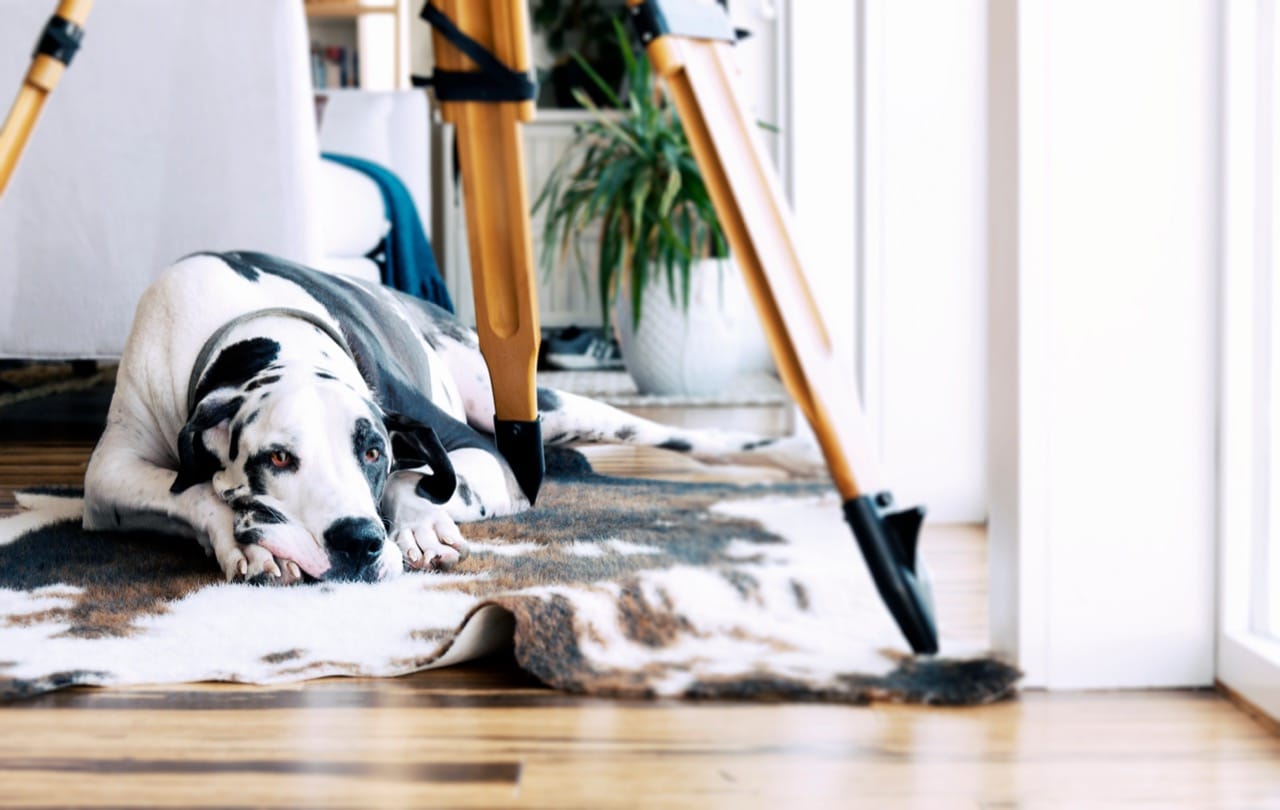
Finally, set your home up for giant dog reality. Provide a supportive bed to cushion elbows and joints, use non slip rugs where your dog turns quickly, and choose sturdy bowls that stay put. Car travel may require a ramp or a vehicle with enough space for safe loading. With thoughtful training, sensible exercise, and careful daily routines, a Great Dane becomes what people hope for when they imagine a gentle giant: calm, loyal, and remarkably easy to live with for such a big presence.