Yorkie Hair, Don’t Care


Quiz Complete!
Yorkshire Terrier Care: Big Personality in a Tiny Package
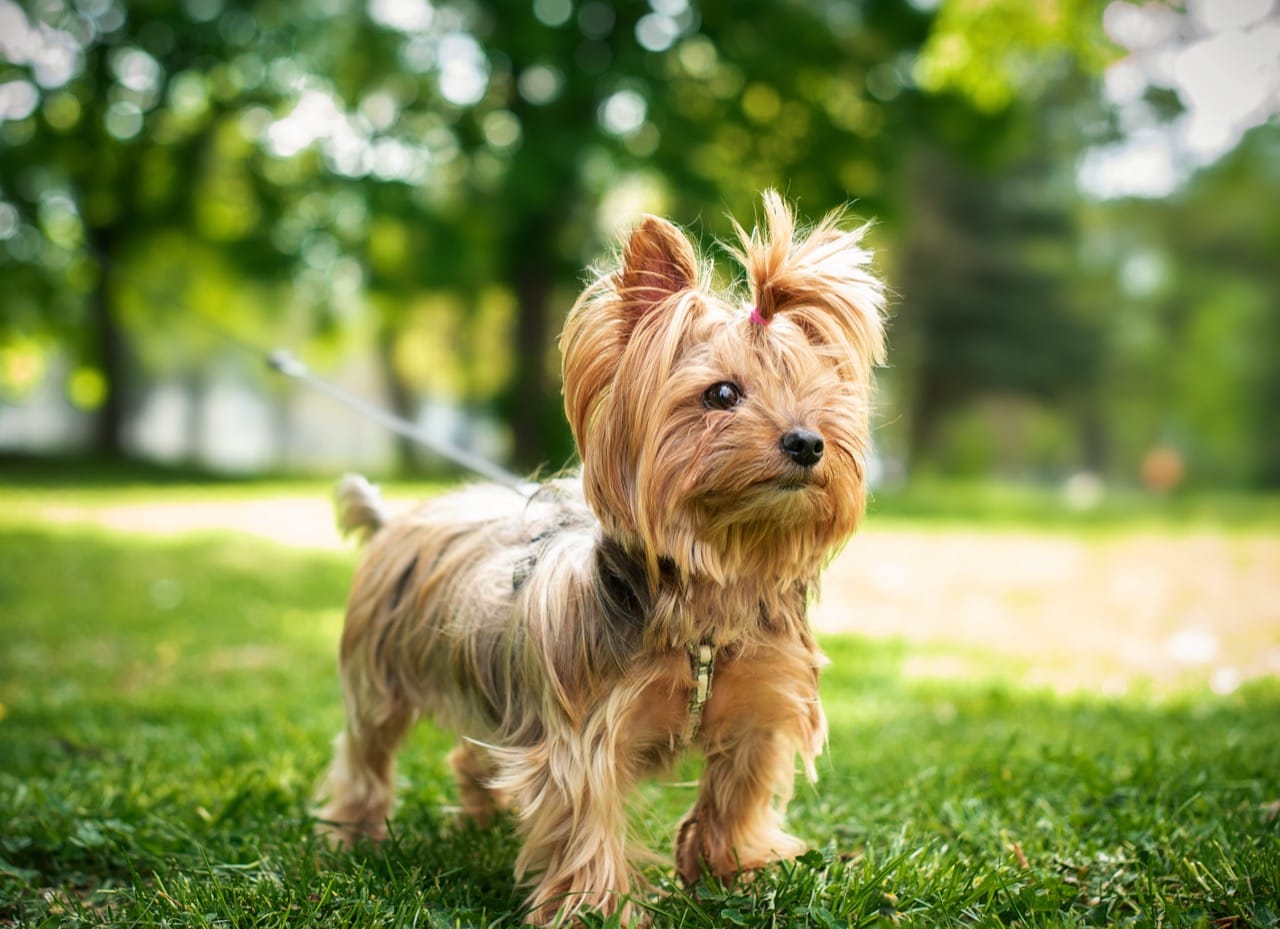
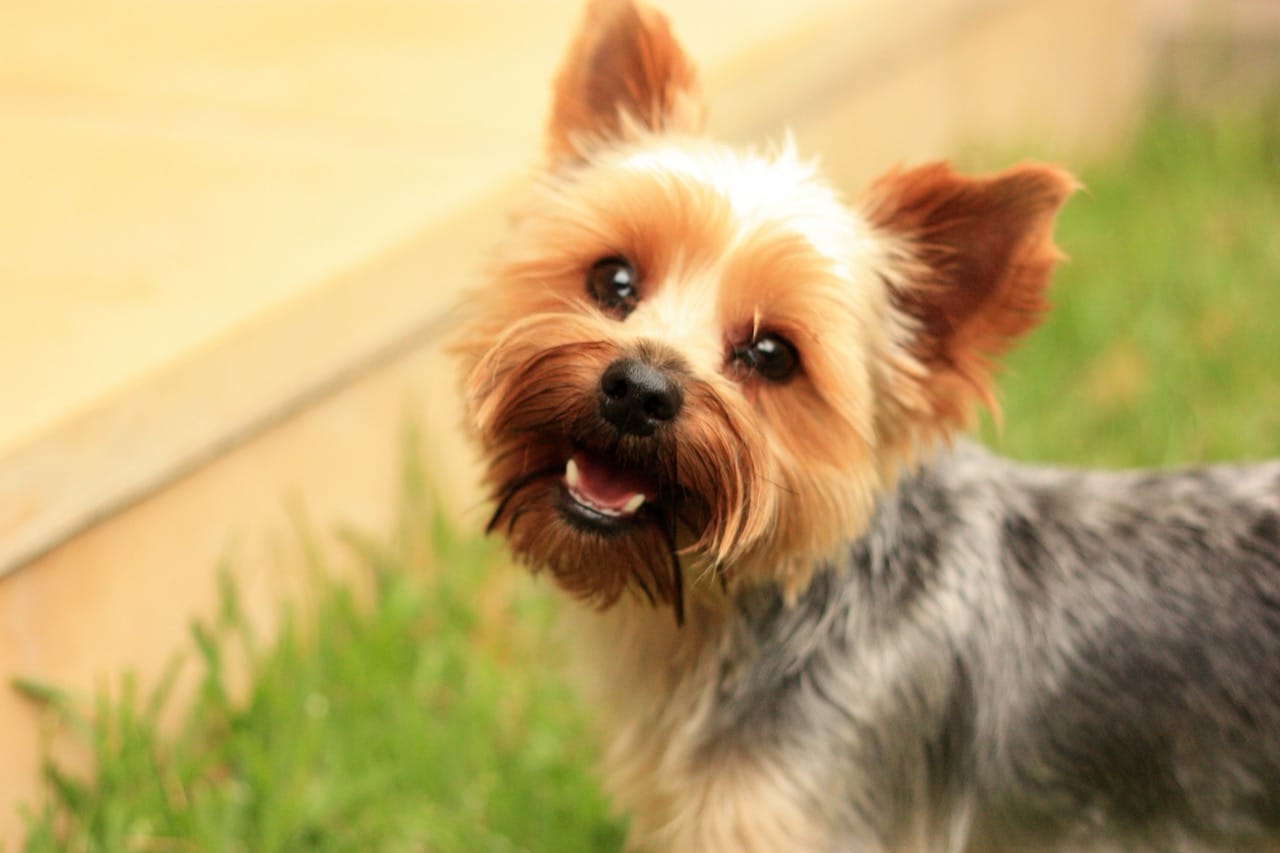
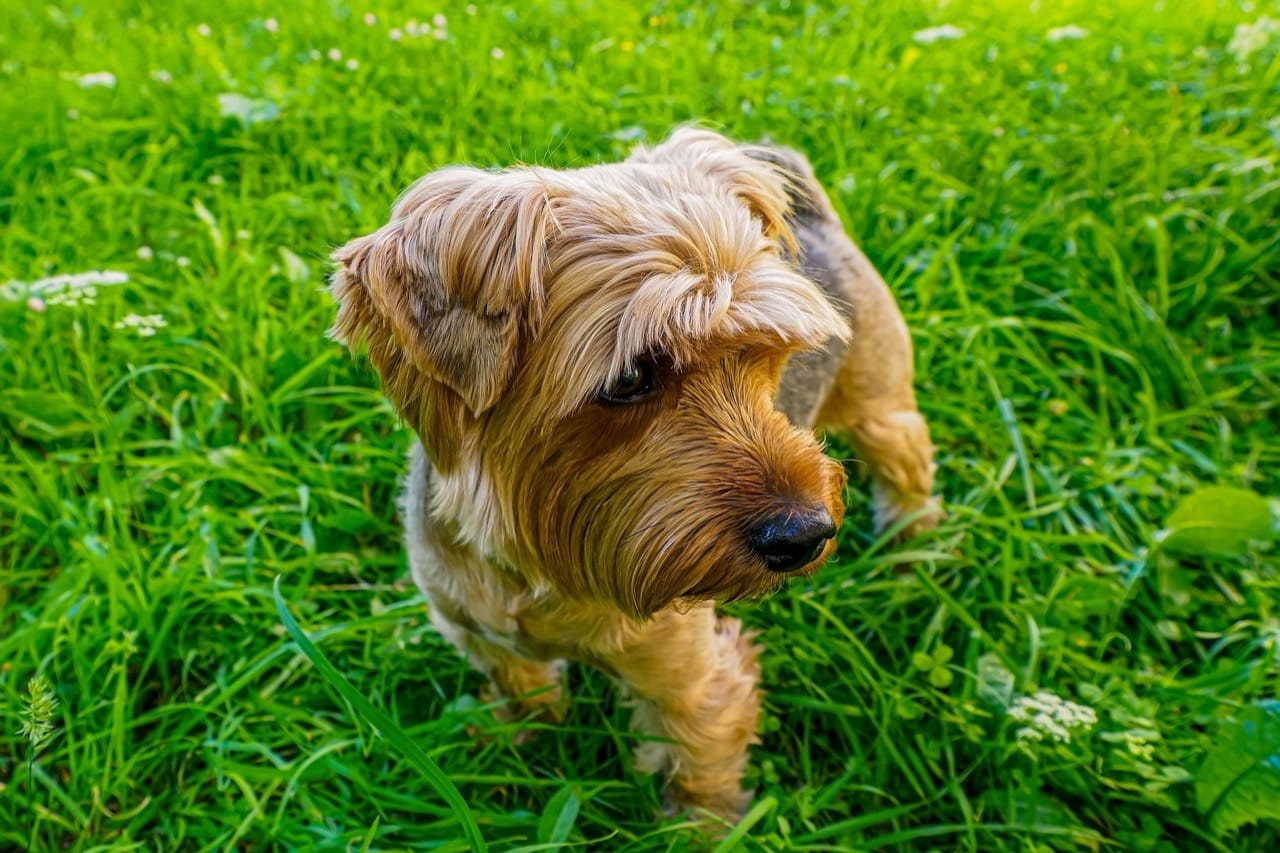
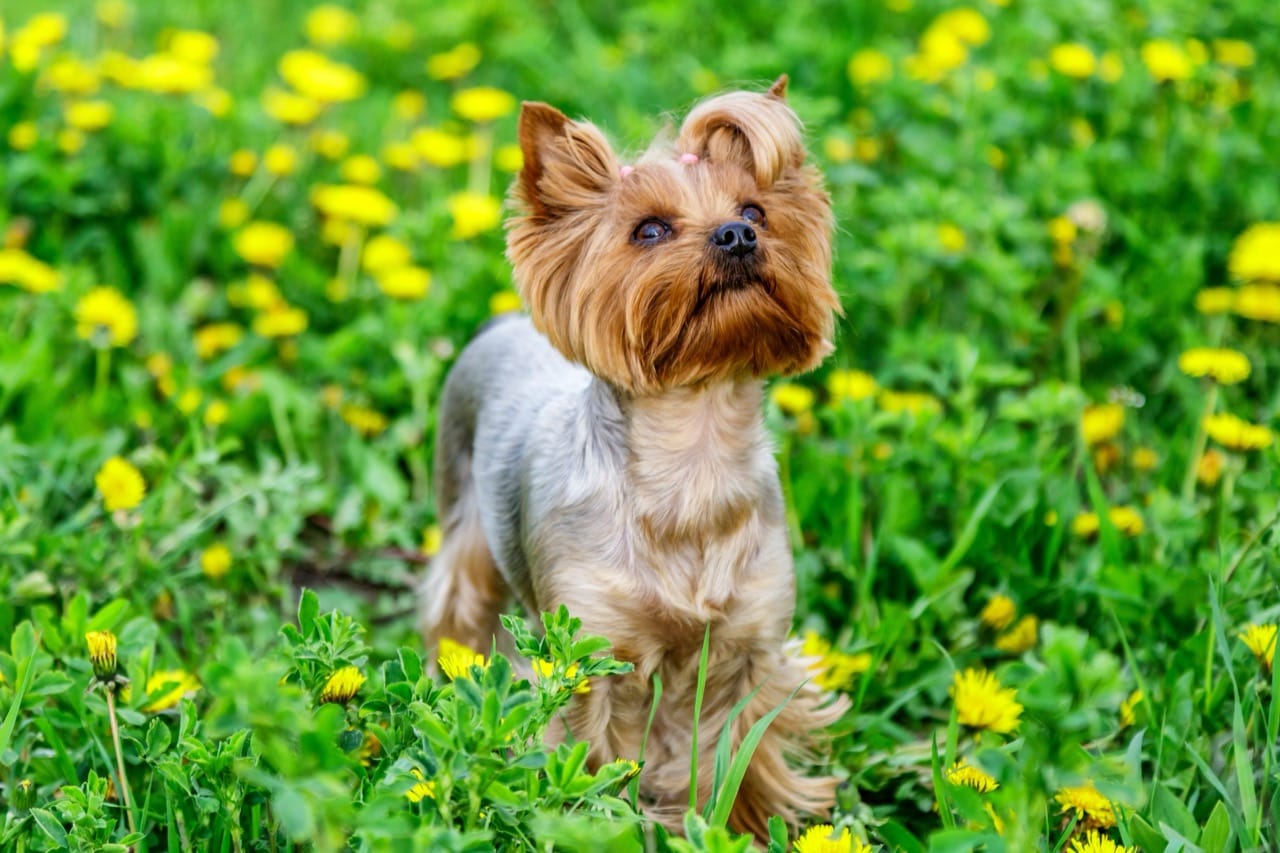
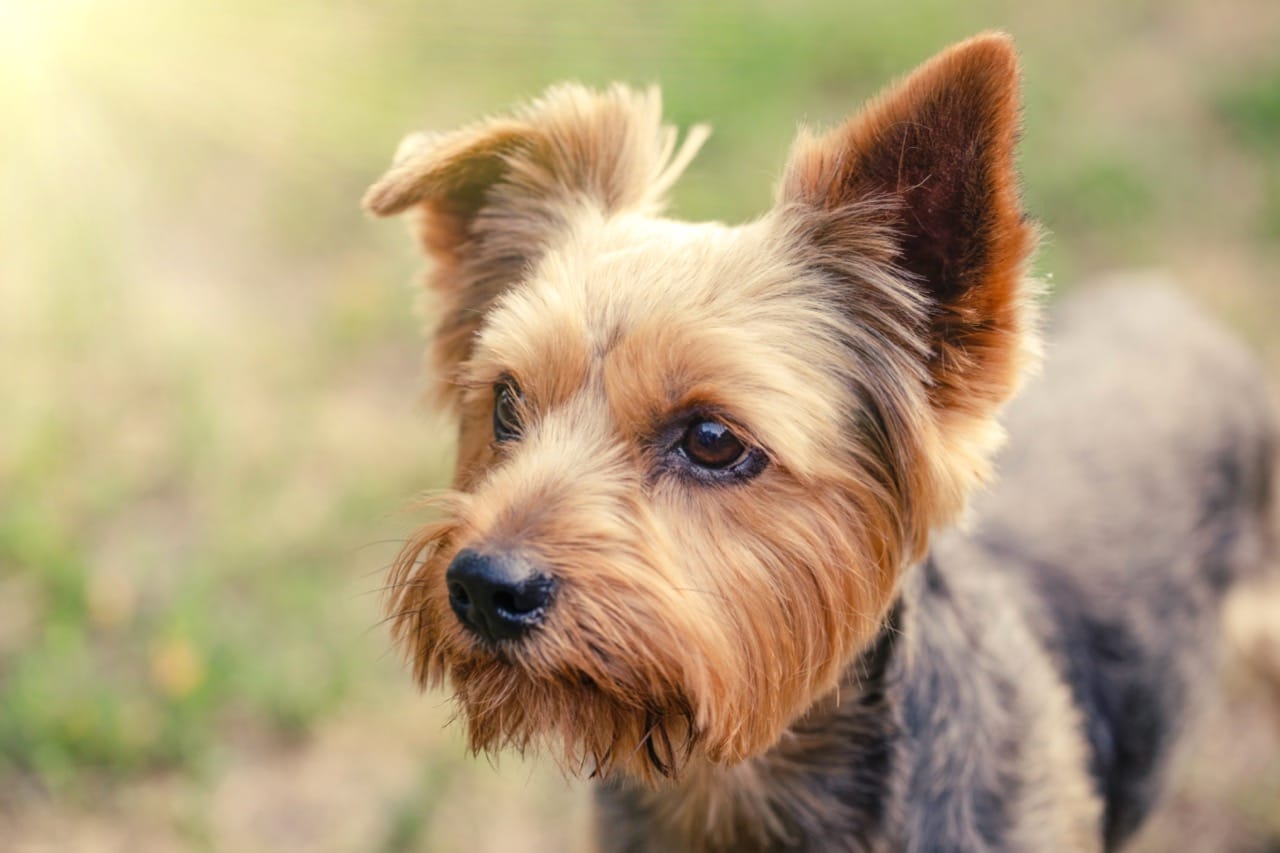
Yorkshire Terriers may be small enough to ride in a tote bag, but they often behave like they are in charge of the whole neighborhood. That confidence is part of the terrier heritage. Yorkies were originally bred in northern England to hunt rats and other vermin in mills and mines, and that working-dog background still shows up today in their alertness, quick reactions, and determination. Many Yorkies take their watchdog duties seriously, sounding the alarm at doorbells, footsteps in the hallway, or suspicious squirrels. This makes early training and thoughtful socialization especially important so their natural vigilance does not turn into nonstop barking or nervousness around new people.
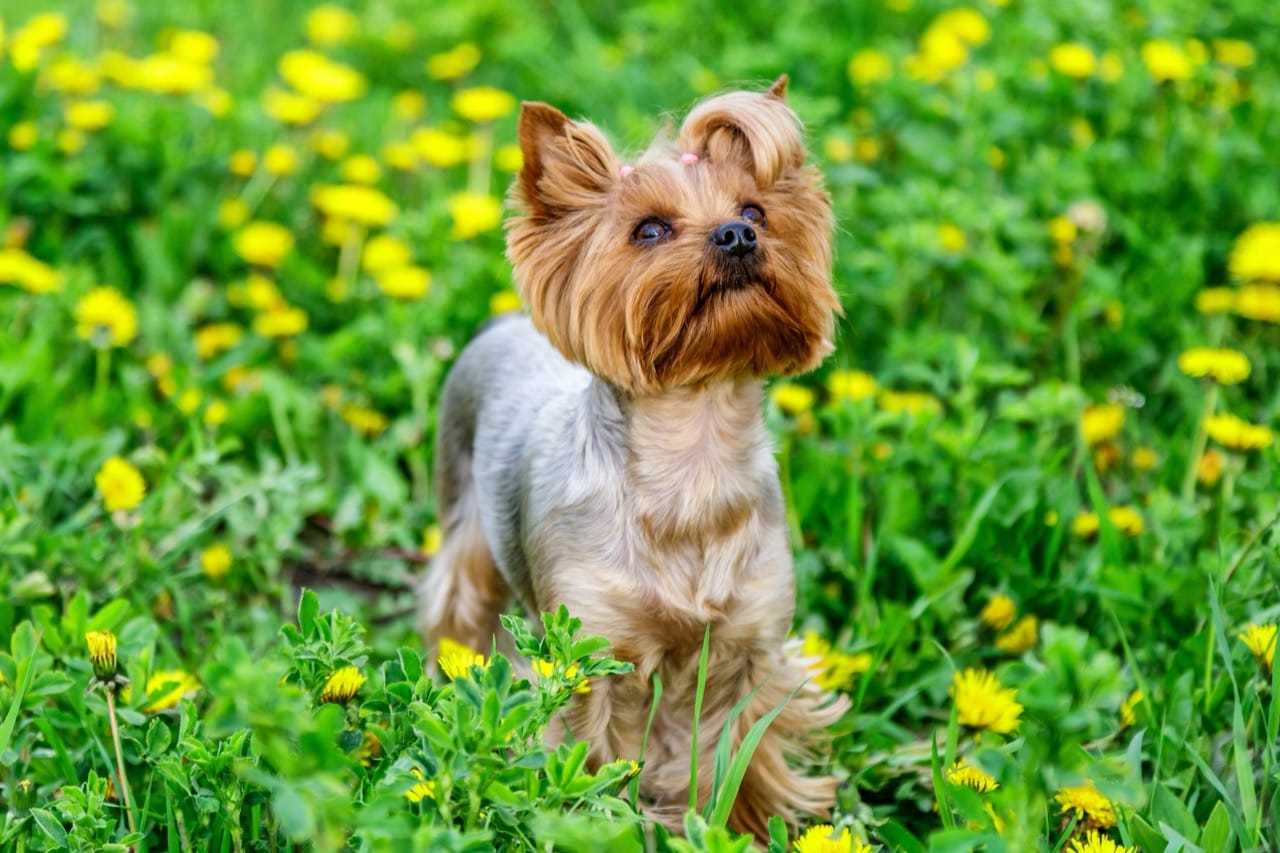
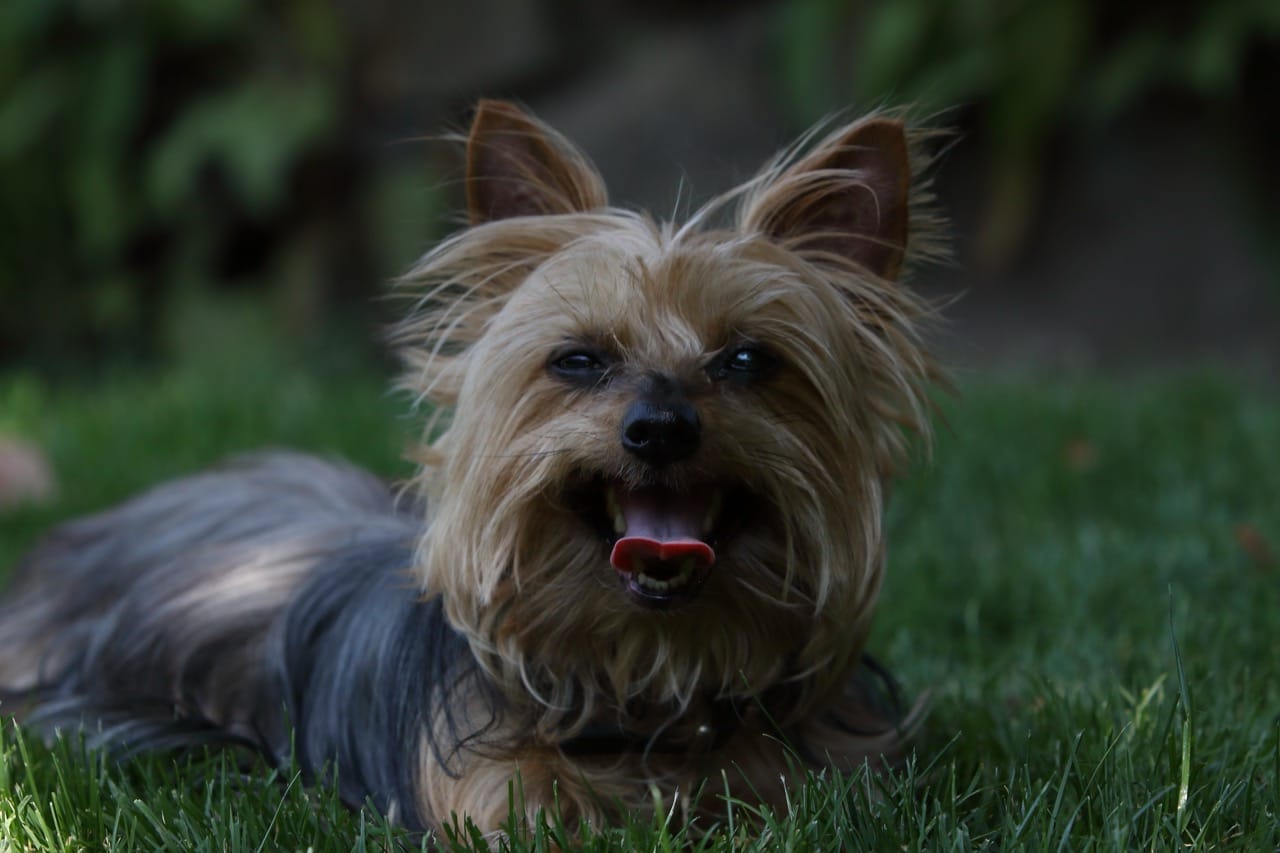
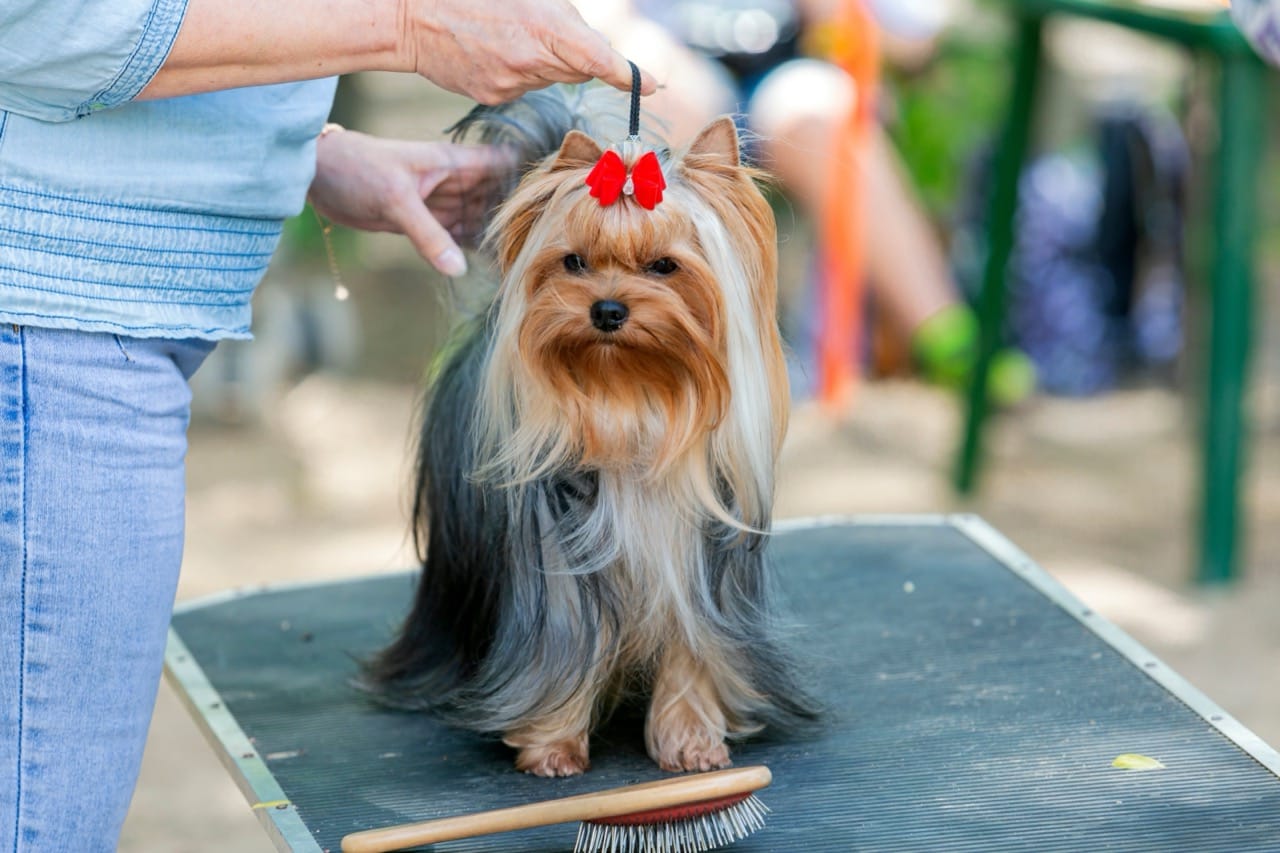
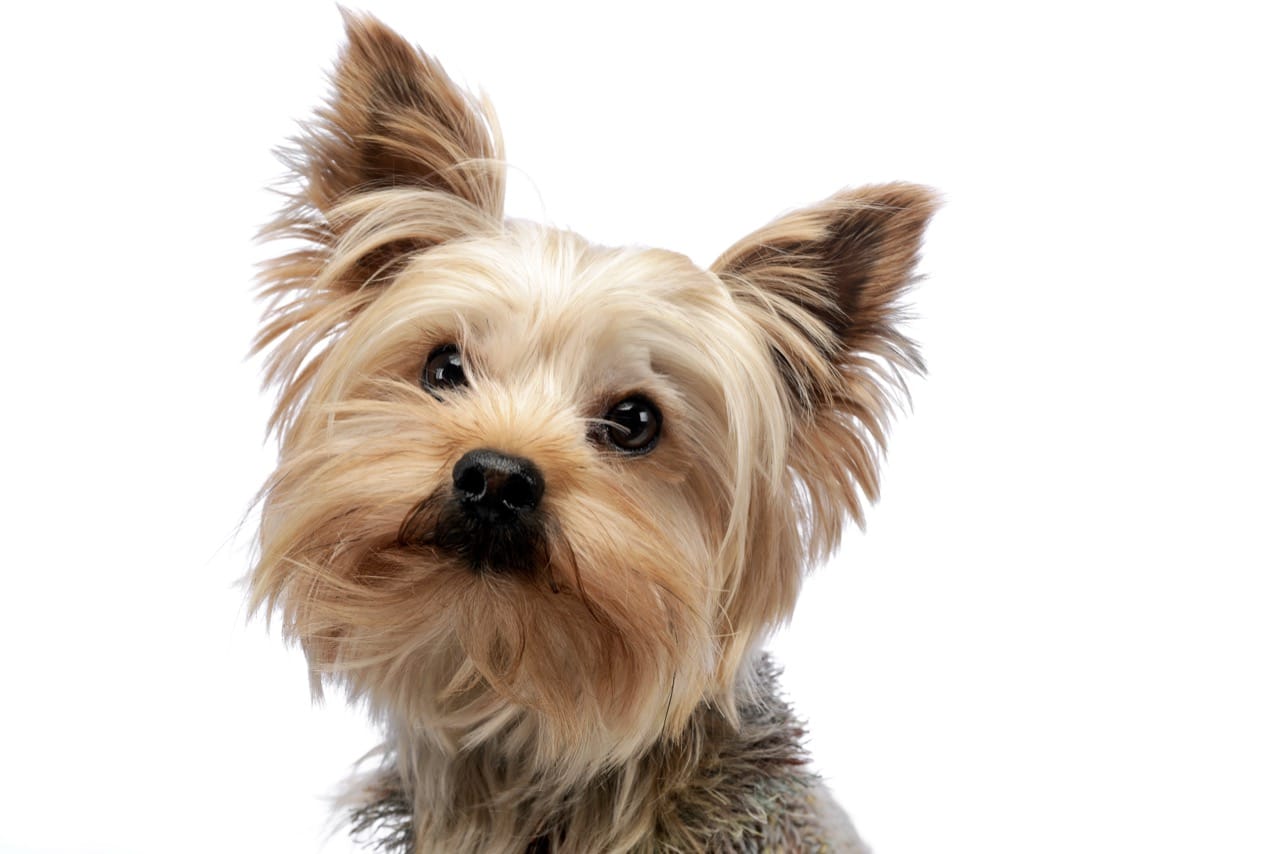
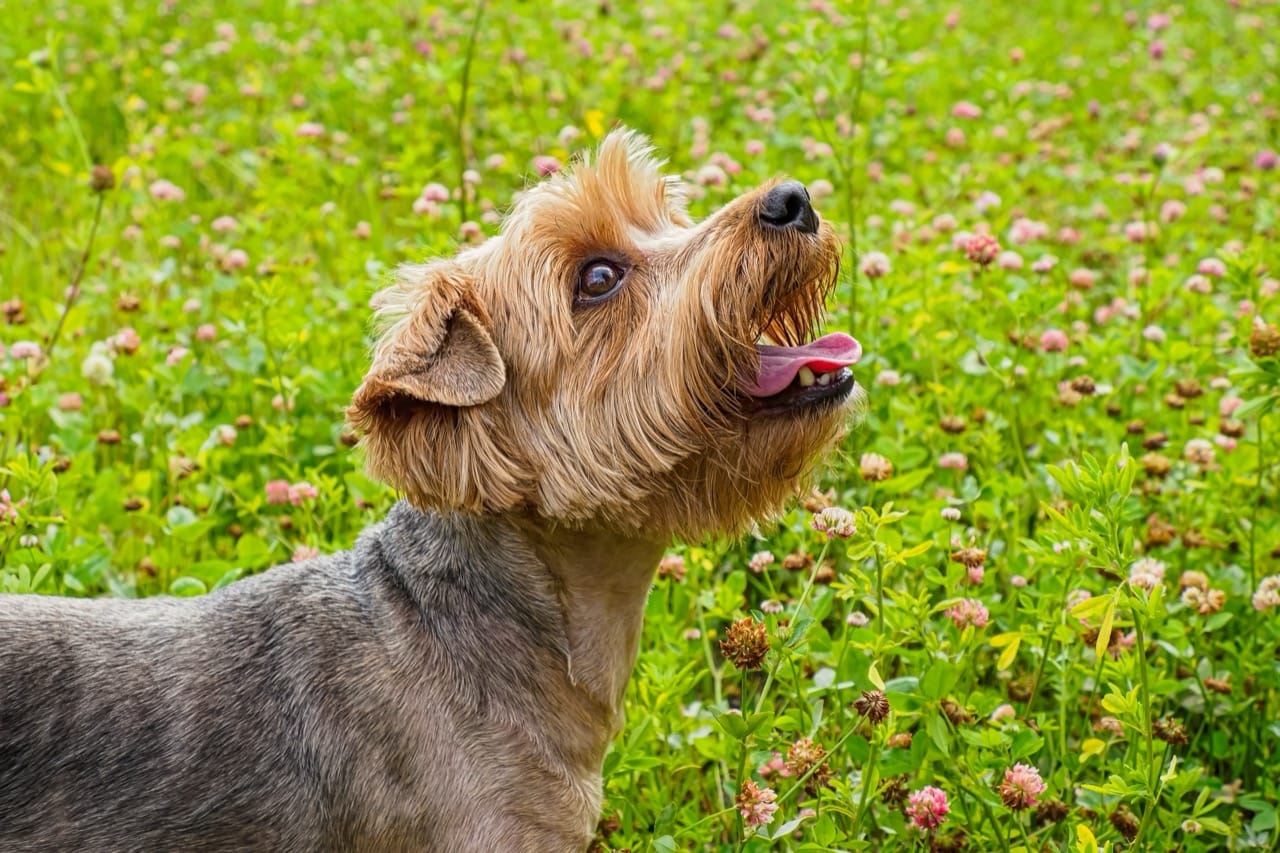
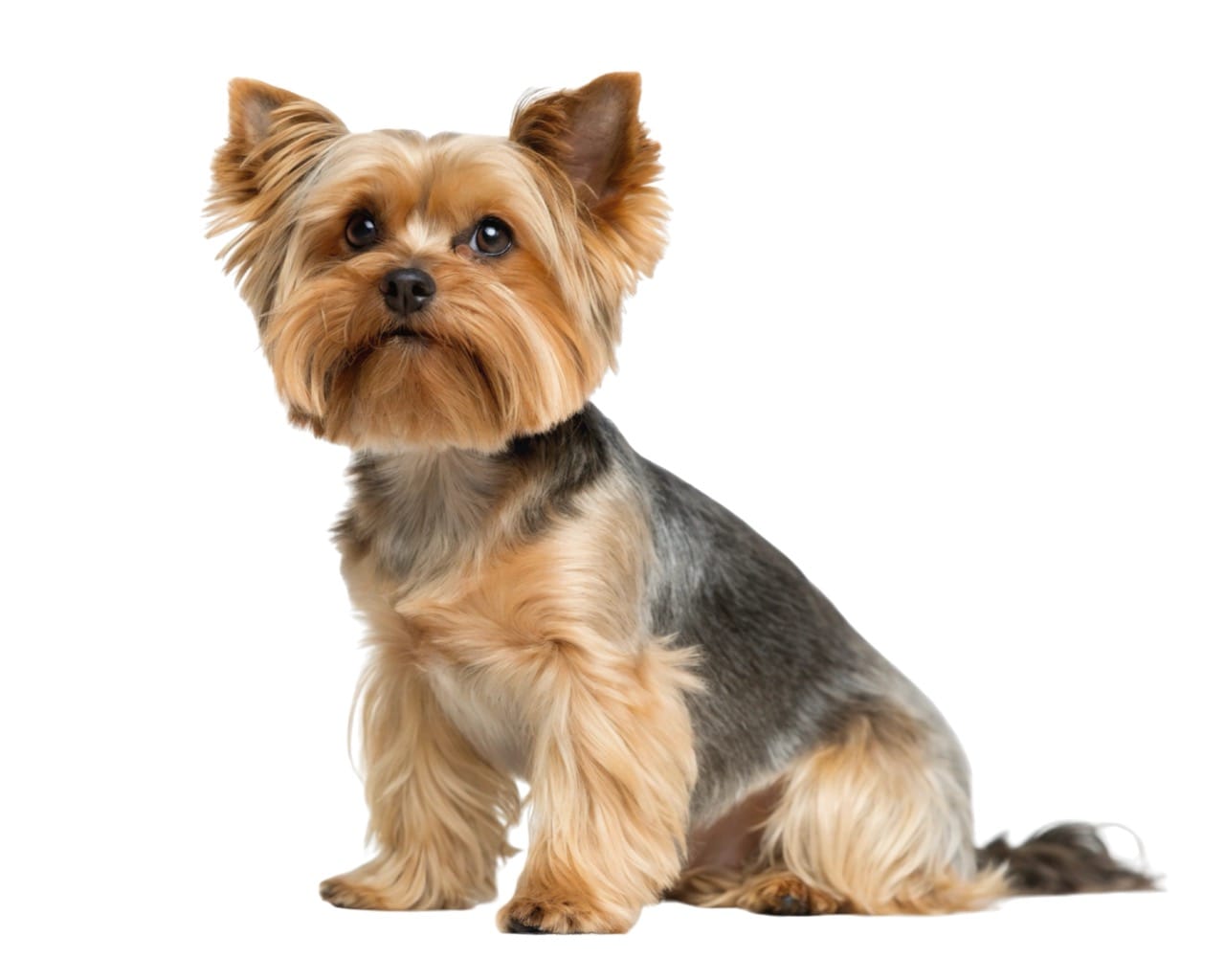
One of the biggest surprises for new owners is the coat. A Yorkshire Terrier does not have typical dog fur; the breed is known for hair that grows continuously and can resemble human hair in texture. That glamorous, silky look comes with a trade-off: regular grooming is not optional. If you keep the coat long, expect frequent brushing to prevent tangles and mats, plus routine bathing and careful drying. Many families choose a shorter puppy cut to make daily care easier, but even then, brushing and trimming around the eyes, paws, and sanitary areas matter. Because the hair keeps growing, professional grooming or at-home clipping becomes part of the schedule. Grooming is also a chance to check ears for wax buildup, look for skin irritation, and spot ticks or fleas early.
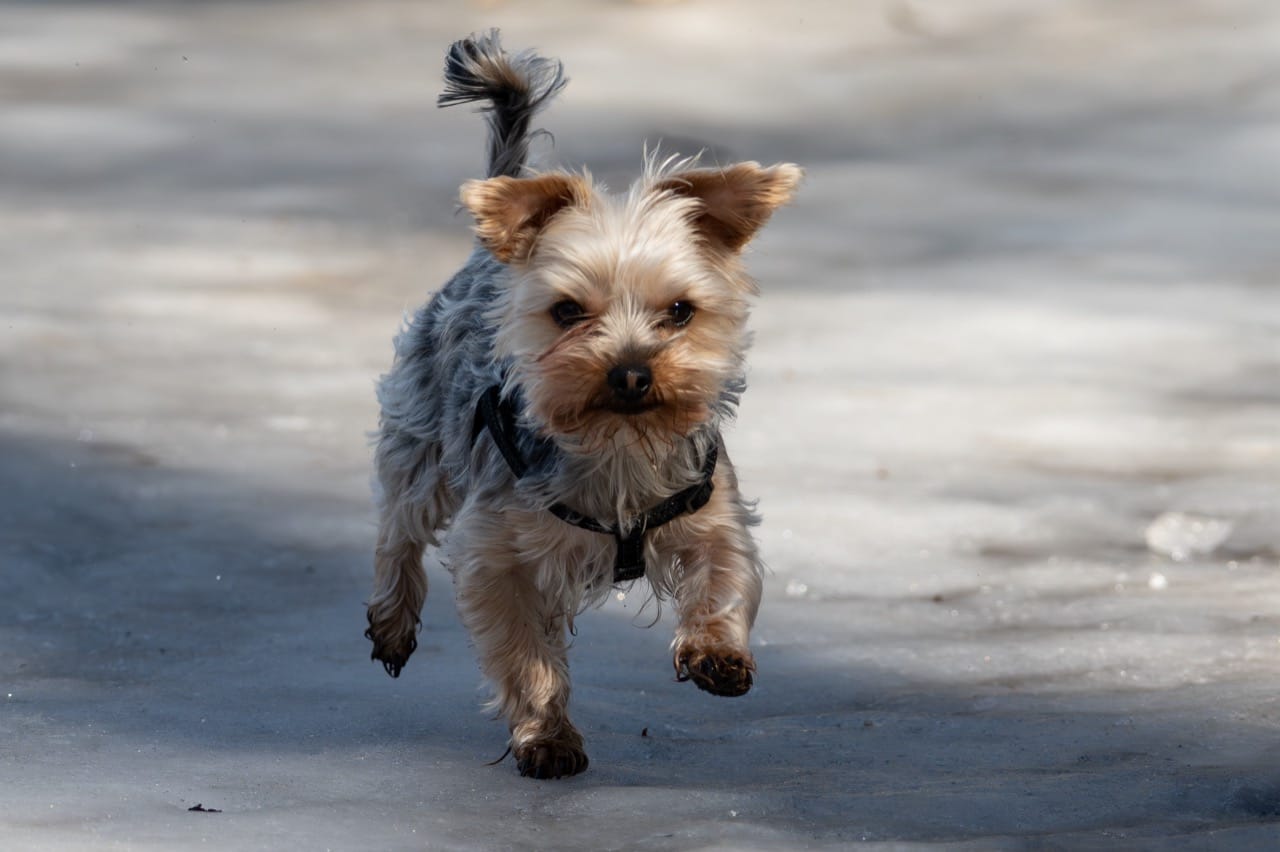
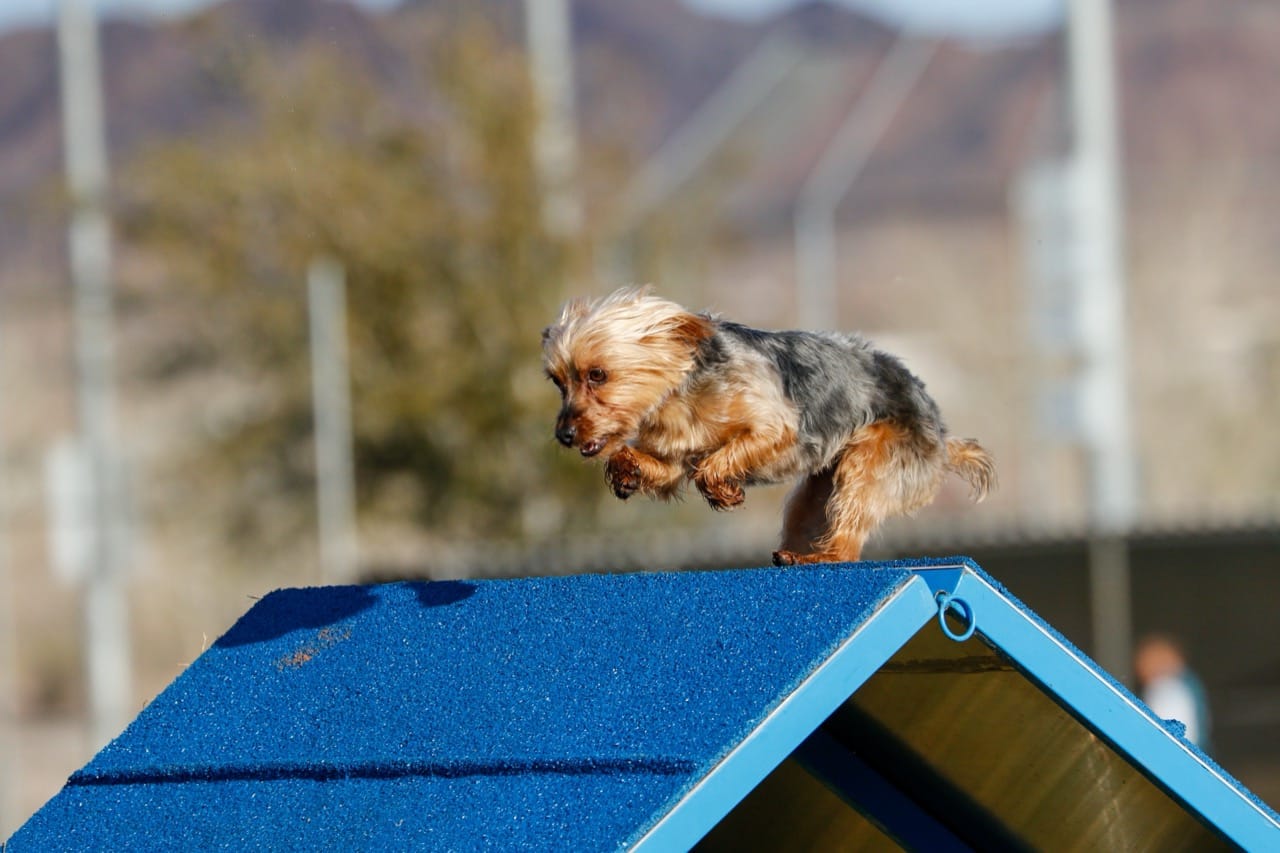
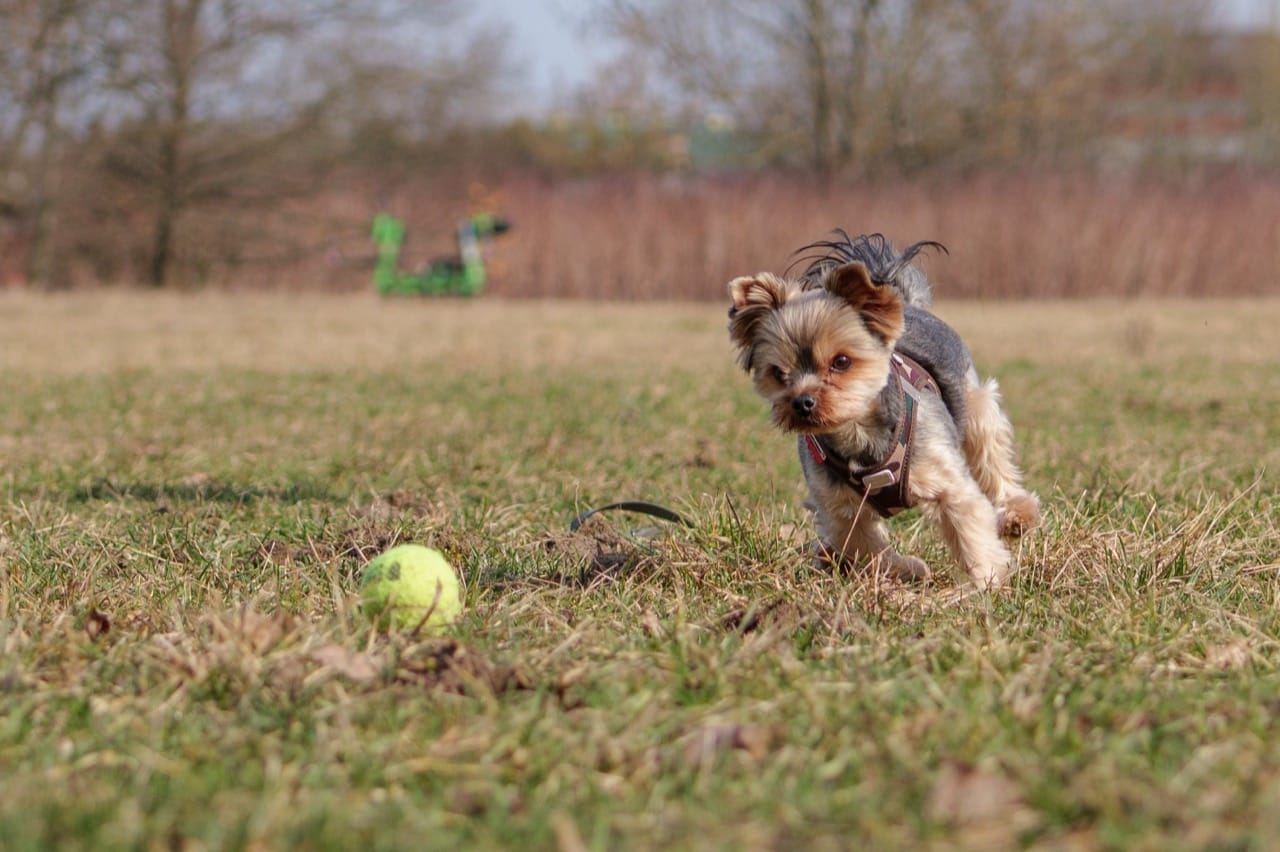
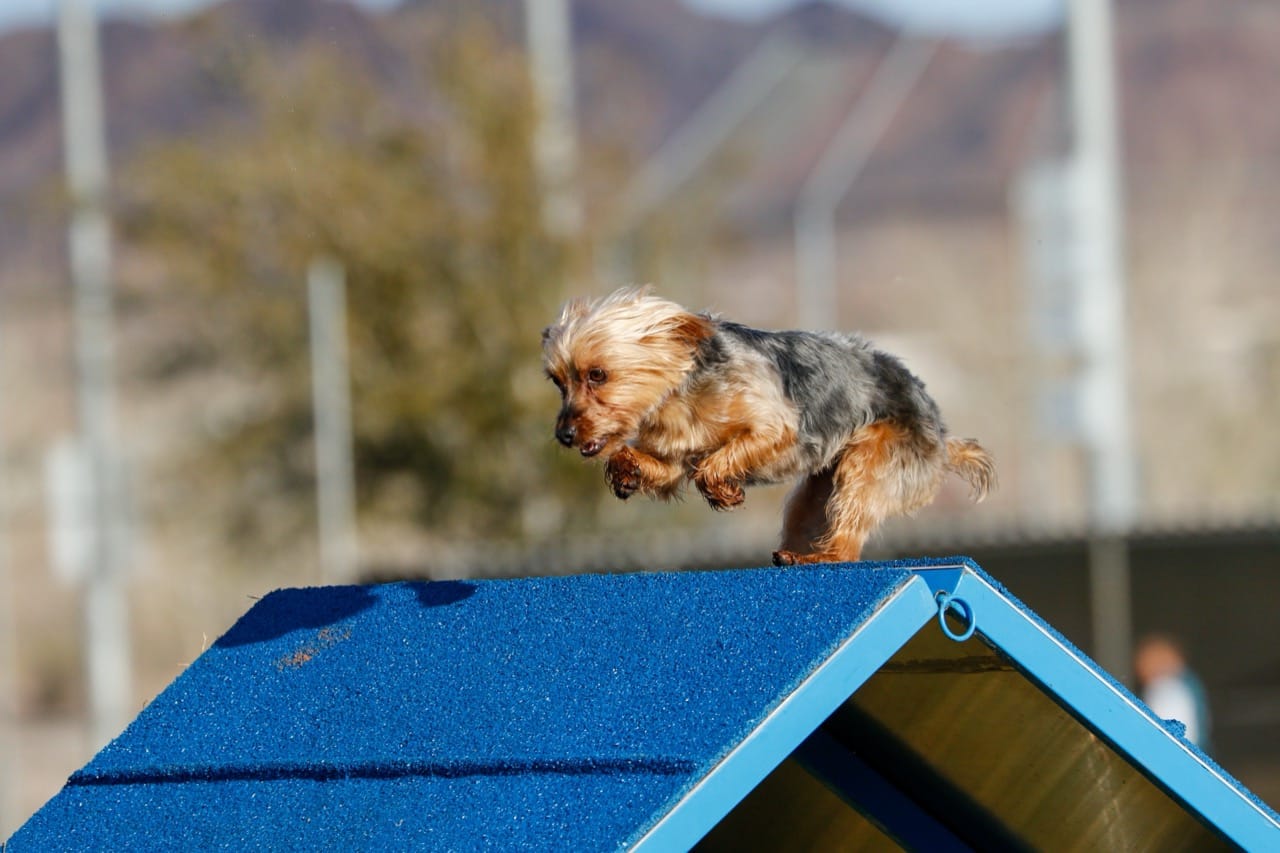
Despite their size, Yorkies are not decorative pets. They need daily activity to stay fit and mentally balanced. Short walks, indoor games, and brief training sessions can add up to the exercise they need without overdoing it. Their small bodies can be fragile, so safety is a real part of “smart care.” Jumping off furniture can cause injuries, and rough play with much larger dogs can end badly even if the Yorkie is fearless. A harness is often safer than a collar for walking because it reduces pressure on the delicate trachea, a concern in many toy breeds.
Training a Yorkie works best when it feels like a game. They are bright and often eager to learn, but they can also be stubborn if they think the rules are negotiable. Consistency, tiny high-value treats, and short sessions help. House-training can take patience because small dogs have small bladders and may struggle in bad weather. A predictable routine, frequent outdoor trips, and rewarding success immediately make a difference. Many owners also teach a reliable “quiet” cue, polite greetings, and comfortable handling for brushing and nail trims, since these skills improve everyday life.
Feeding should match their size and energy needs. Because they are tiny, even small amounts of extra food can lead to weight gain, yet they also can be prone to low blood sugar as puppies if meals are skipped. Regular meal times, appropriately sized kibble, and limiting rich table scraps support steady energy and dental health. Speaking of teeth, Yorkies are known for dental issues, so tooth brushing and routine veterinary dental care are more than cosmetic. Clean teeth can mean better breath, fewer infections, and a more comfortable life.
The best part of living with a Yorkshire Terrier is that their big personality is usually paired with strong attachment to their people. They often want to be involved in everything, from following you room to room to supervising your snacks. With the right blend of grooming habits, safe exercise, positive training, and preventive health care, a Yorkie can be a confident, entertaining companion who proves daily that “toy breed” does not mean “small presence.”