Akita House Rules Trivia
Quiz Complete!
Living With an Akita: Care and Training Realities for a Loyal, Powerful Breed
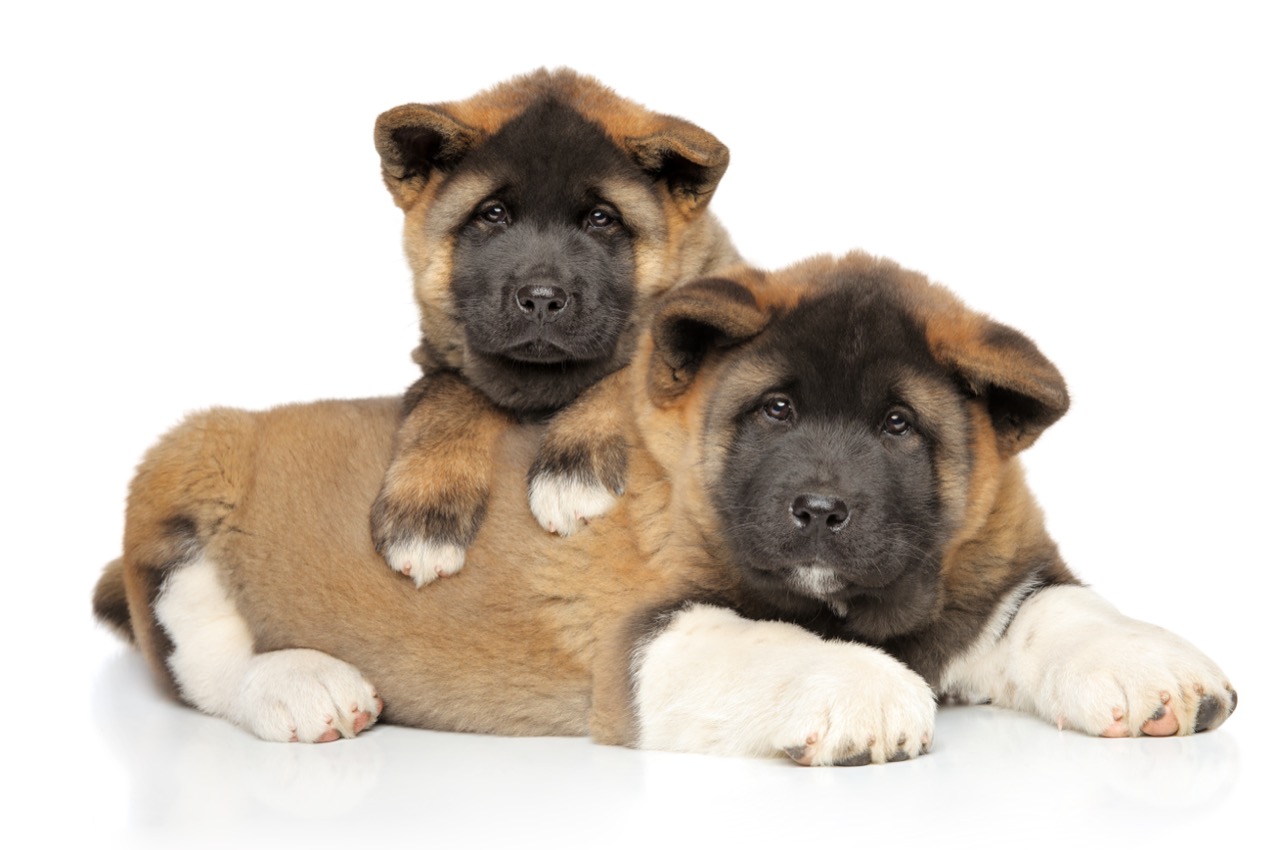
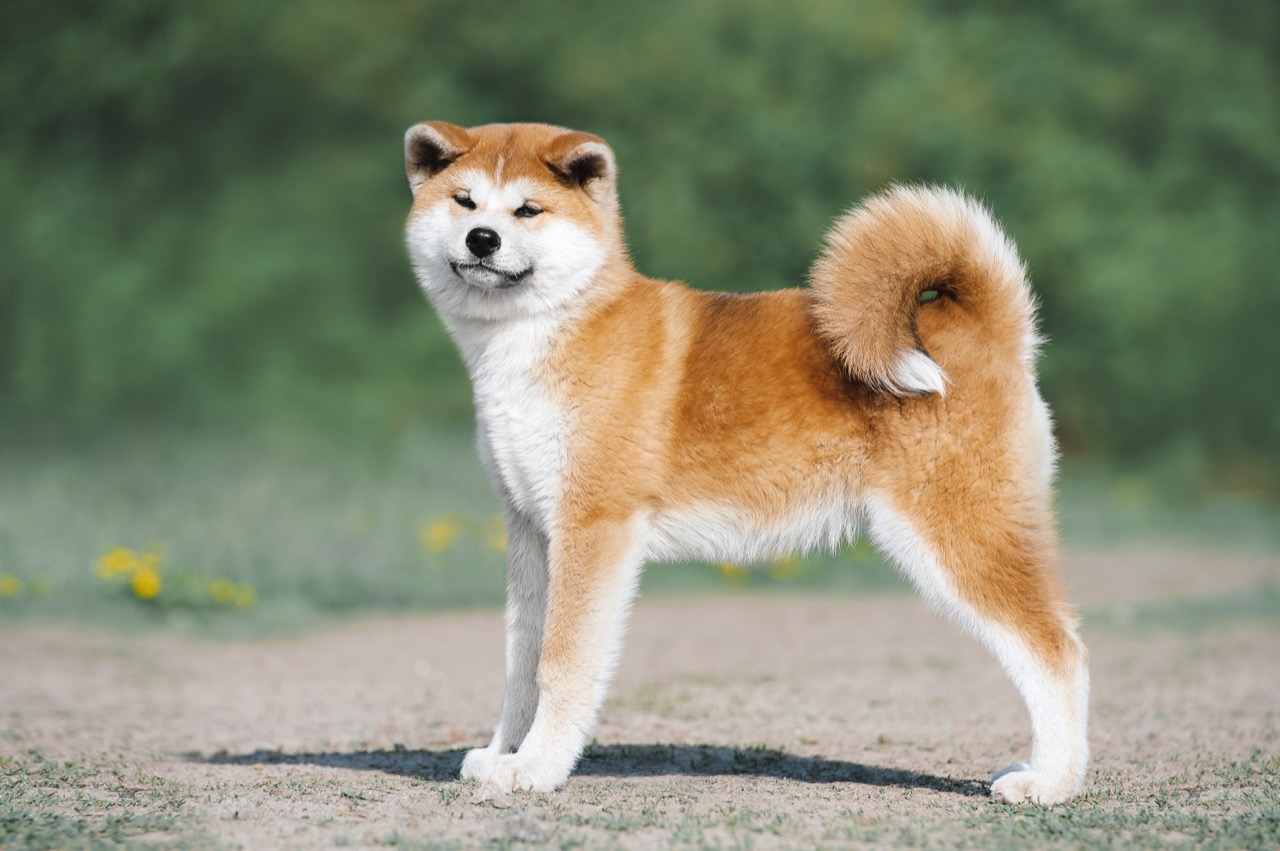
The Akita has a reputation for dignity and devotion, and those traits are real, but they come with responsibilities that surprise first time owners. An Akita is not typically a dog that happily greets every stranger or tolerates chaotic handling. Many are naturally reserved with unfamiliar people and prefer to observe before engaging. That does not mean they should be encouraged to guard or act suspicious; it means owners should plan for calm, structured social experiences early on so the dog learns that new sights, people, and places are normal parts of life. Socialization is not about forcing an Akita to be outgoing. It is about building steady confidence and teaching polite behavior even when the dog does not feel like making friends.
Training an Akita works best when it is consistent, fair, and purposeful. They are intelligent and can learn quickly, but they are also independent thinkers. Repeating the same drill endlessly often backfires, while short sessions that feel like a job with a clear point tend to go better. Positive reinforcement matters, but with an Akita it also helps to be calm and matter of fact. If rules change depending on the day, many Akitas will test the boundaries, especially as they mature. Adolescence and early adulthood are common milestone periods when owners suddenly notice more confidence, more selectiveness about listening, and sometimes more intensity around other dogs. This is why practicing basics like recall, leash manners, and impulse control when the dog is young is not optional. It is insurance for the future.
Because Akitas are powerful, handling skills are part of everyday life. Cooperative care training is a smart investment: teach your dog to accept gentle restraint, to offer a paw, to stand still for brushing, and to be comfortable with ears, feet, and mouth being checked. The goal is not to overpower the dog, but to make routine care predictable and non dramatic. Many Akitas do better when they can see what is happening and when the person handling them moves slowly and confidently. A dog that trusts the process is easier to groom, safer at the veterinarian, and less likely to resist in ways that escalate.
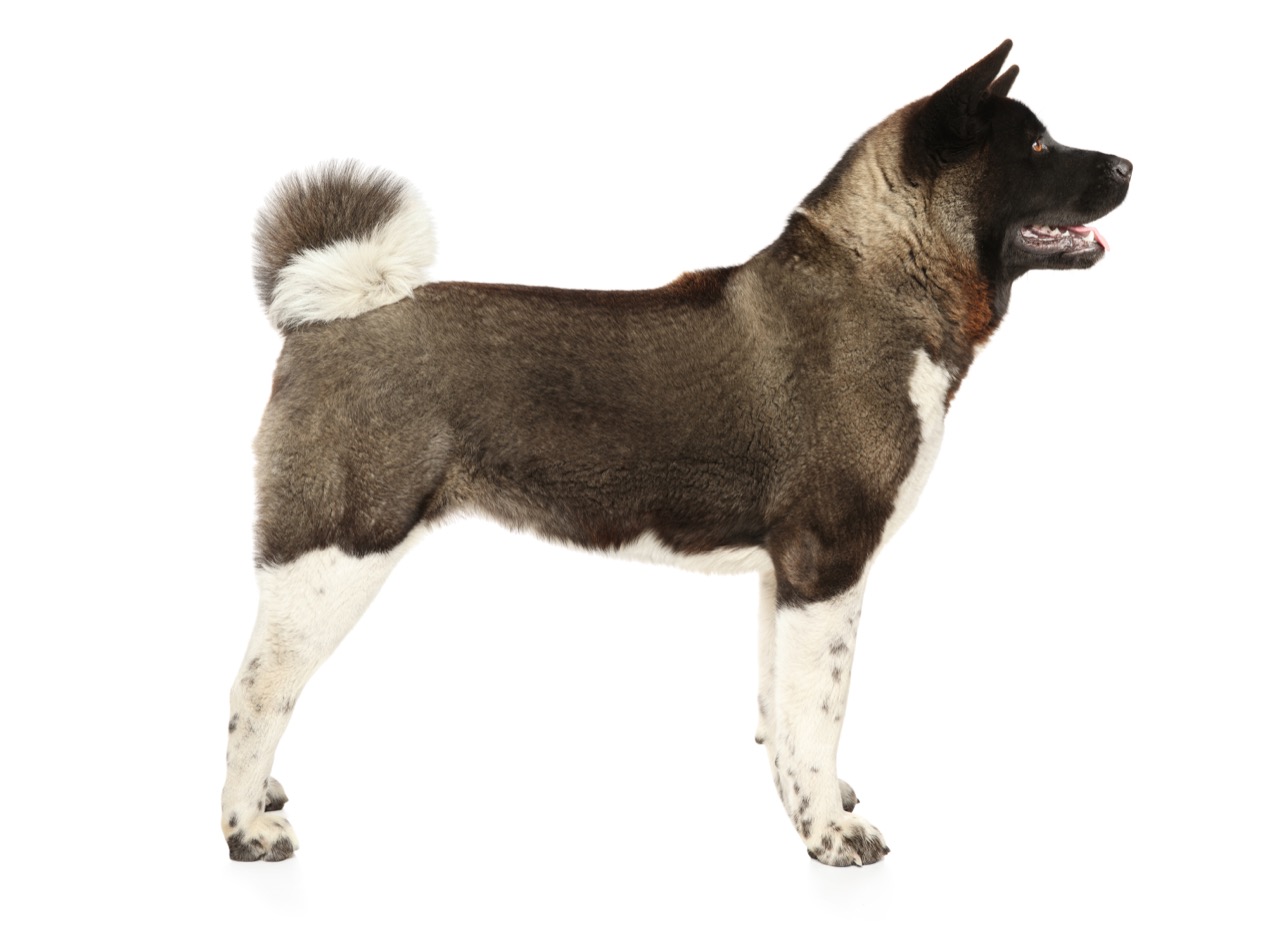
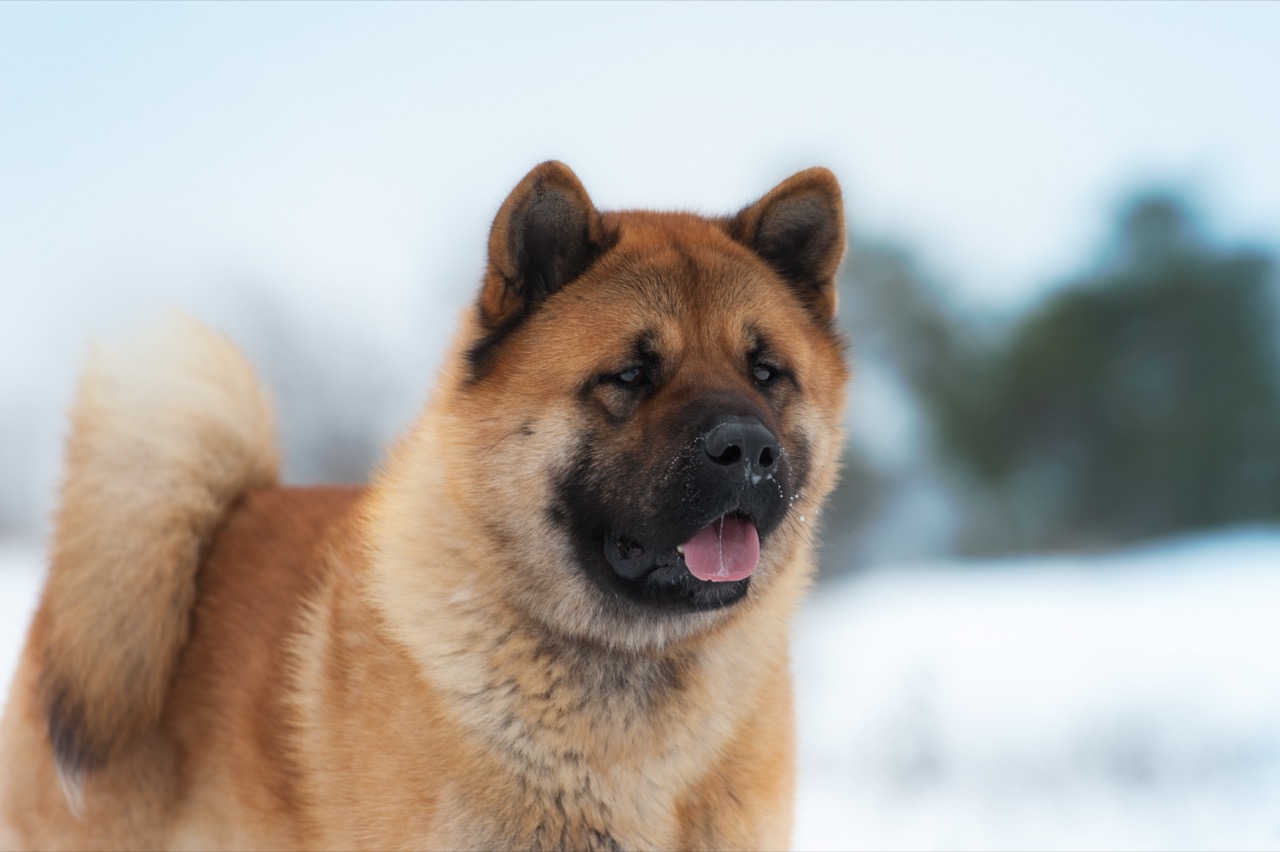
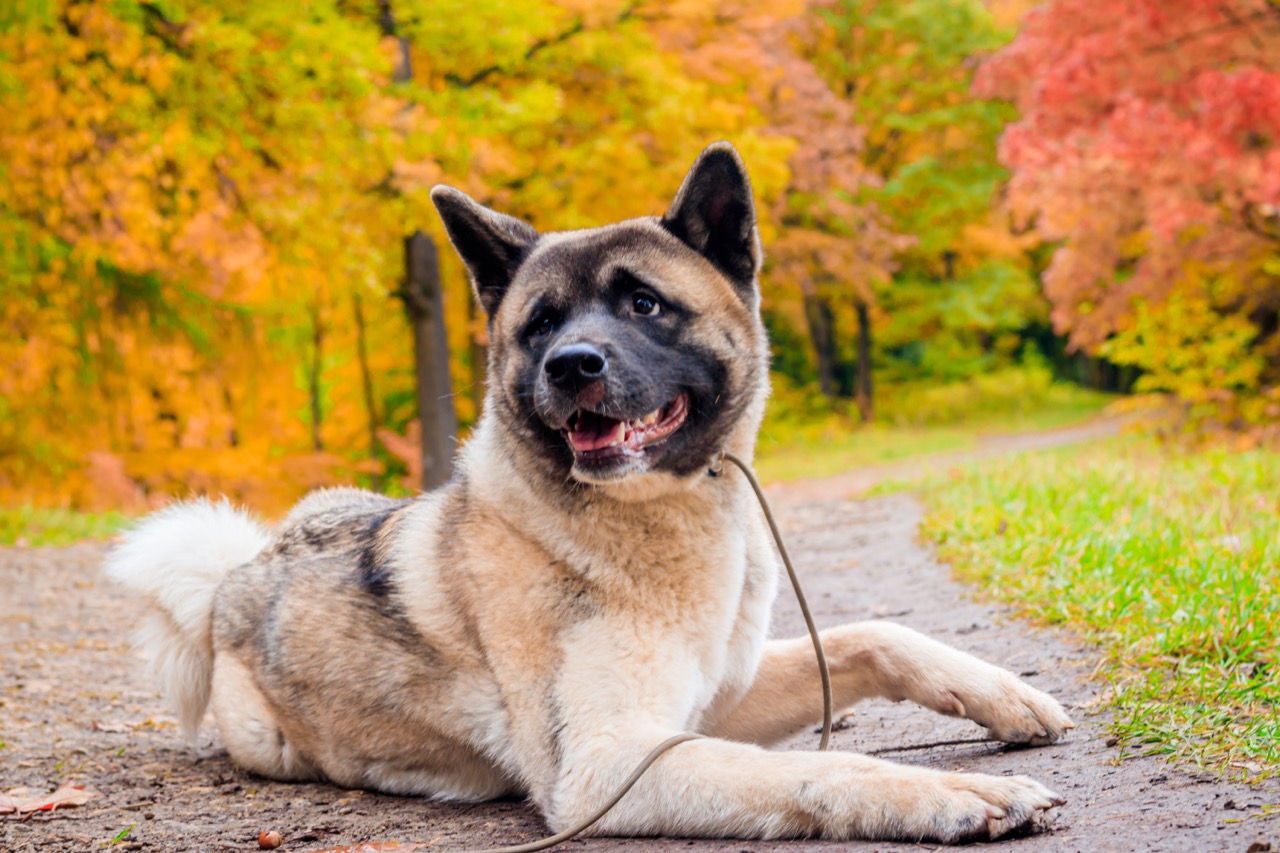
Grooming surprises people because the Akita coat is not just thick, it is engineered. The breed has a dense double coat that insulates them in cold weather and sheds heavily, especially during seasonal coat blowing. When the undercoat releases, it can come out in clumps and seems to multiply overnight. Regular brushing helps manage this, but the real key is consistency and the right tools for removing loose undercoat without damaging the topcoat. Many owners learn to schedule extra brushing during shedding seasons and accept that lint rollers become household equipment. Bathing is not usually needed frequently, but when it is time, thorough drying matters because the coat can hold moisture close to the skin.
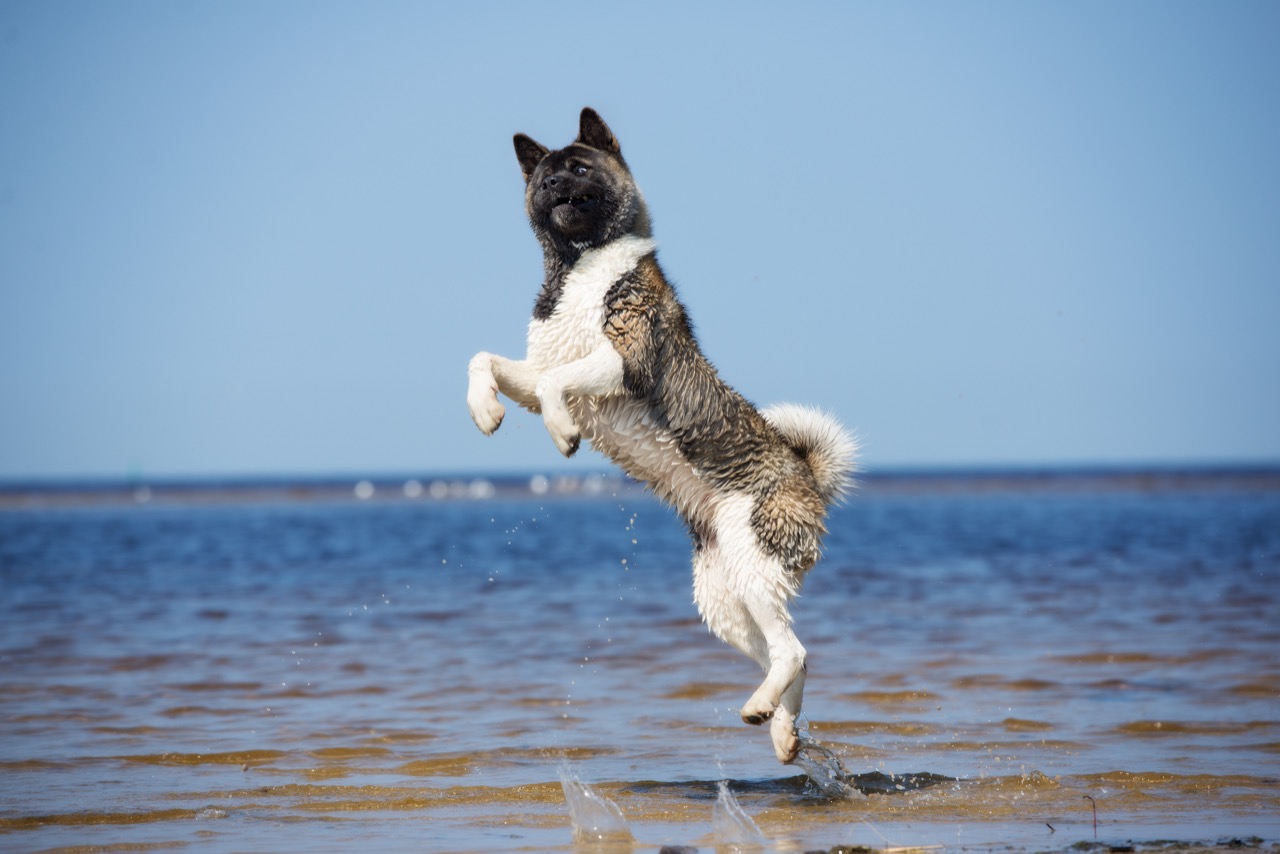
Exercise for an Akita is about balance. They need daily activity and mental engagement, but they are not typically built for endless high speed running like some sporting breeds. Many thrive on brisk walks, hiking, structured play, and training games that use their brain. Because they can be strong on leash and may be reactive toward other dogs, choosing controlled environments and practicing focus around distractions is important. Secure fencing and responsible leash use are not negotiable.
Introductions to other animals deserve special care. Some Akitas can live peacefully with other pets, but the breed is known for same sex dog intolerance and for being less tolerant of pushy canine behavior. Slow, supervised introductions on neutral ground, thoughtful management in the home, and an honest assessment of individual temperament help prevent problems. With an Akita, good ownership often looks like planning ahead, setting clear boundaries, and respecting the dog for what it is: a loyal companion with a strong sense of self and a need for capable guidance.