Akita: Hunters of the Snowy North
Quiz Complete!
Akita Instincts From Hunt to Home
The Akita’s calm, watchful presence can feel almost deliberate, as if the dog is always weighing a situation before acting. That impression is not an accident of personality or modern training trends. The breed was shaped in northern Japan, where rugged terrain, cold winters, and demanding work rewarded dogs that could conserve energy, read danger quickly, and commit fully when it mattered. Understanding what Akitas were built to do helps explain why they can be quiet and composed one moment and intensely driven the next.
Historically, Akitas were developed as powerful hunting and guarding dogs. In their homeland, they were used to pursue large, formidable game, including bears, wild boar and other mountain game. Hunting animals like these is not about endless sprinting or noisy chasing. It is about closing distance with purpose, holding ground, and staying brave when the target can fight back. That background favors a dog that is physically substantial, mentally steady under pressure, and willing to act independently. Many Akitas still show that independence today. They often assess a new person or dog without rushing forward, and they may not look for constant direction the way some breeds do.
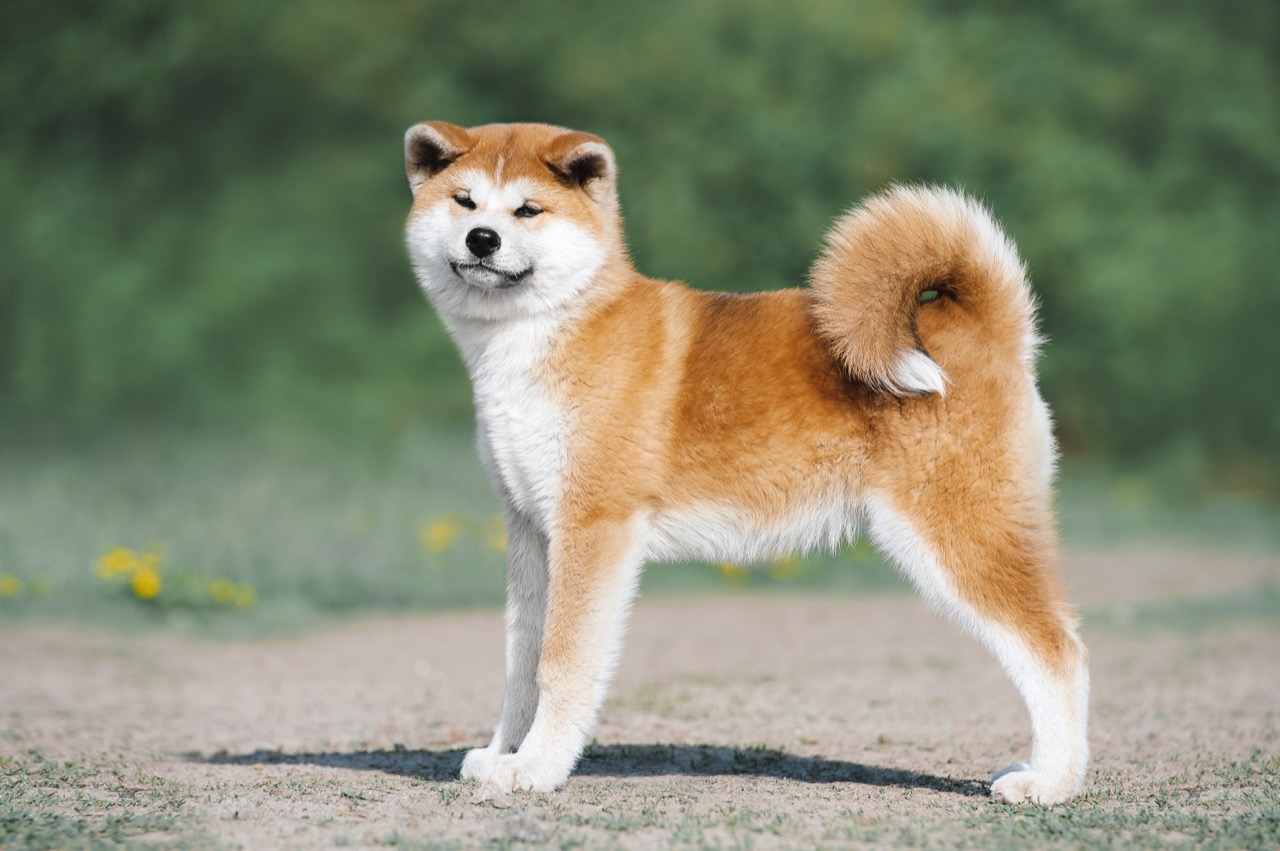
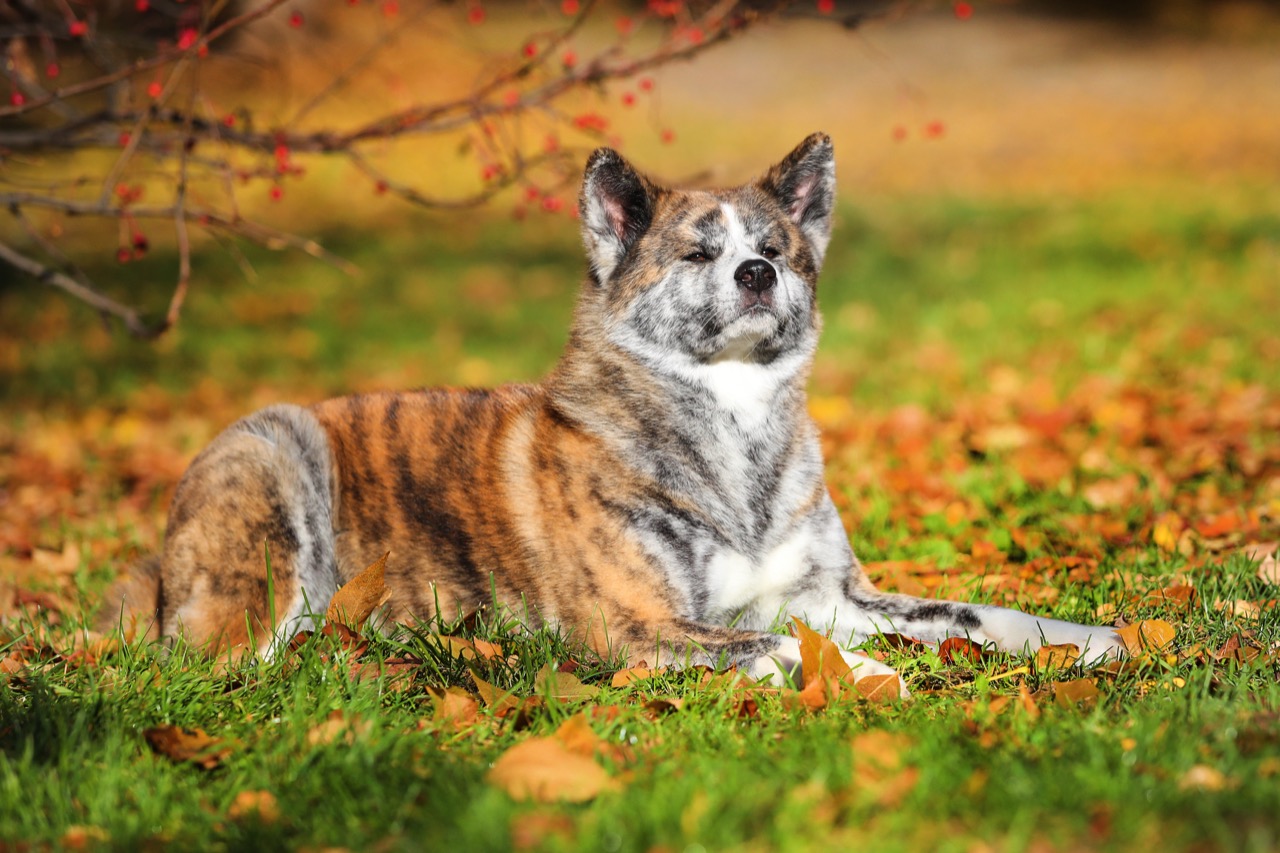
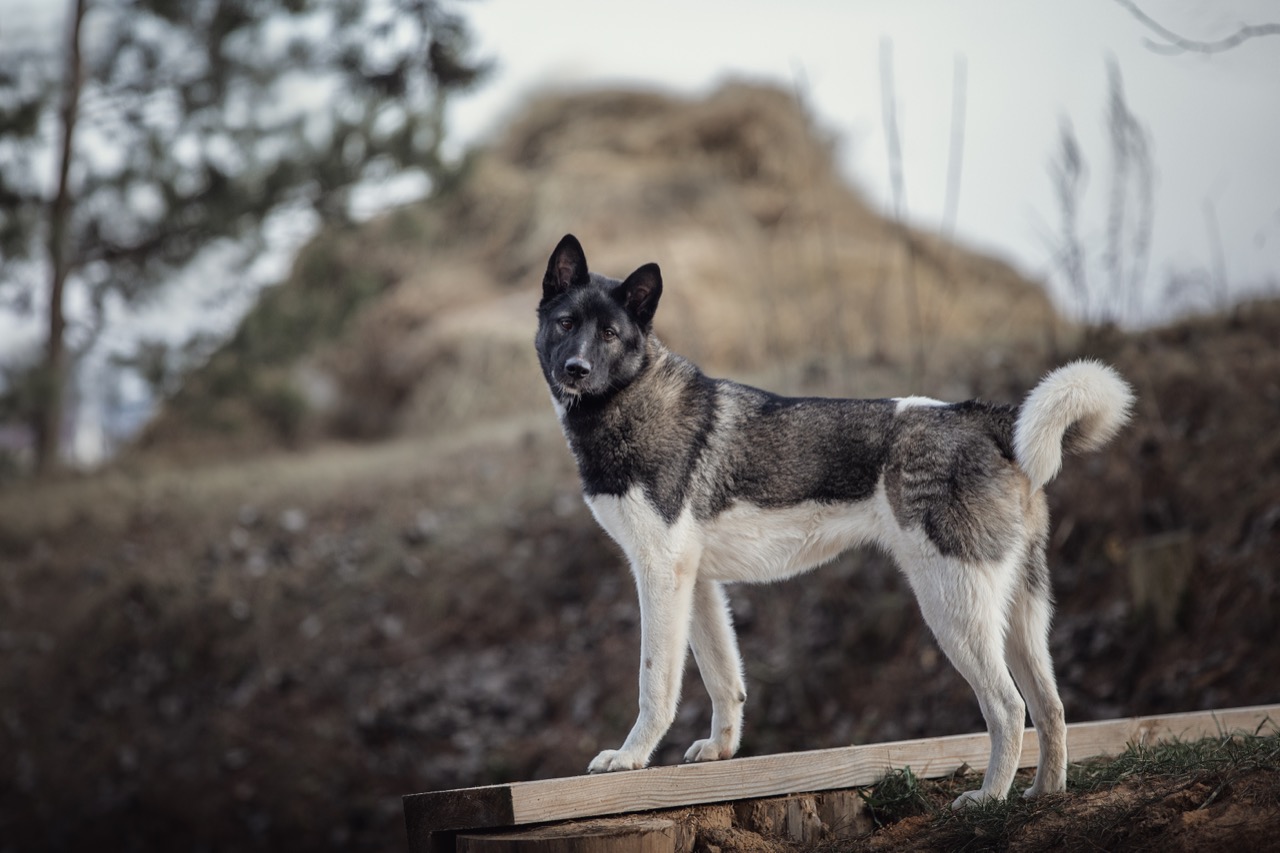
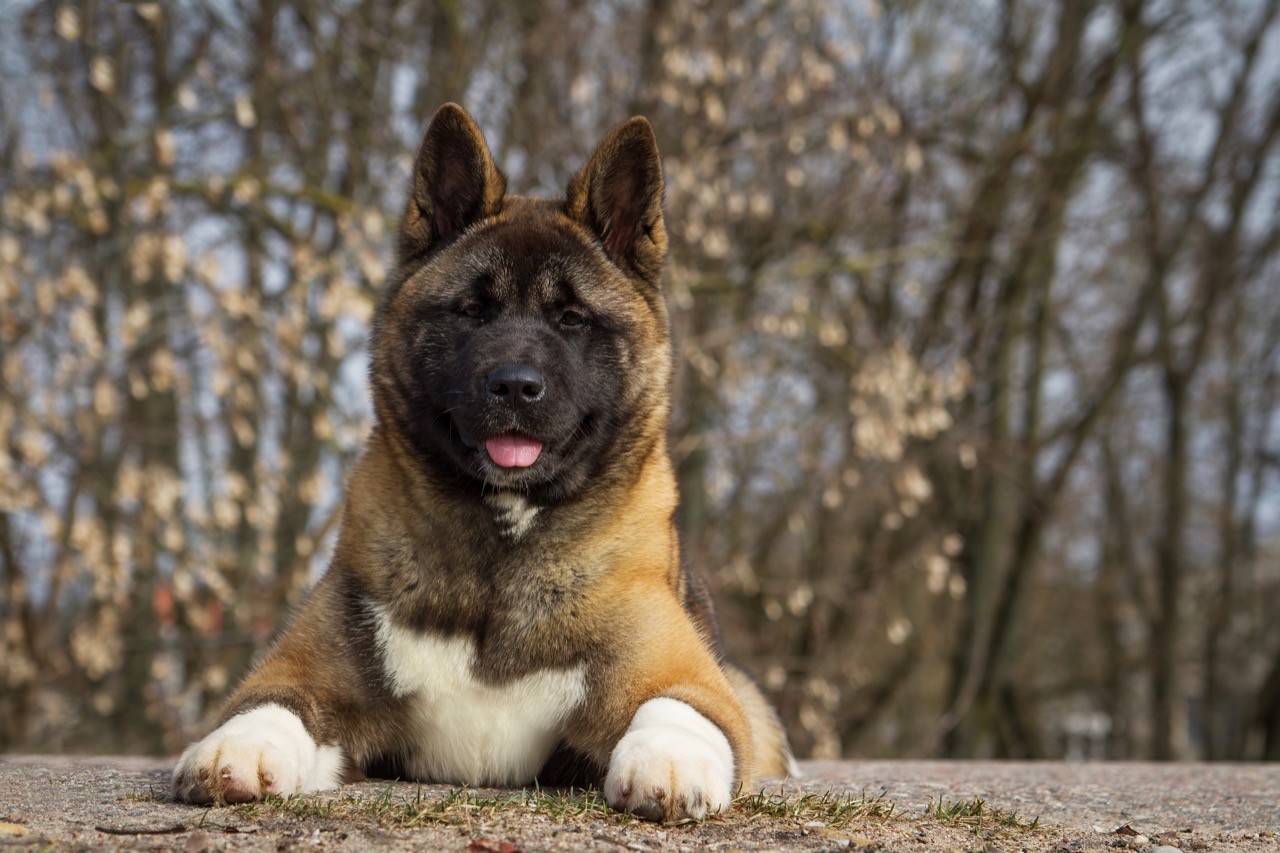
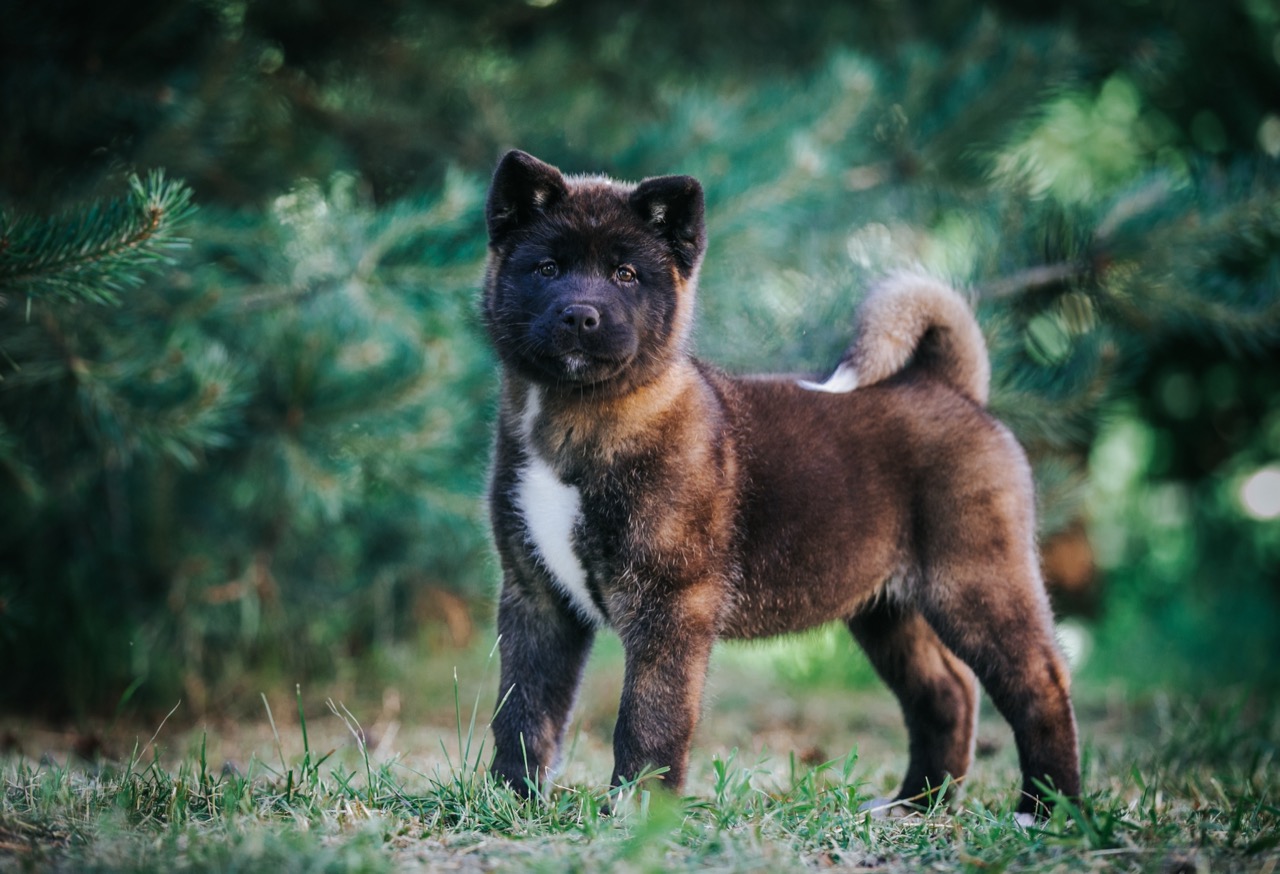
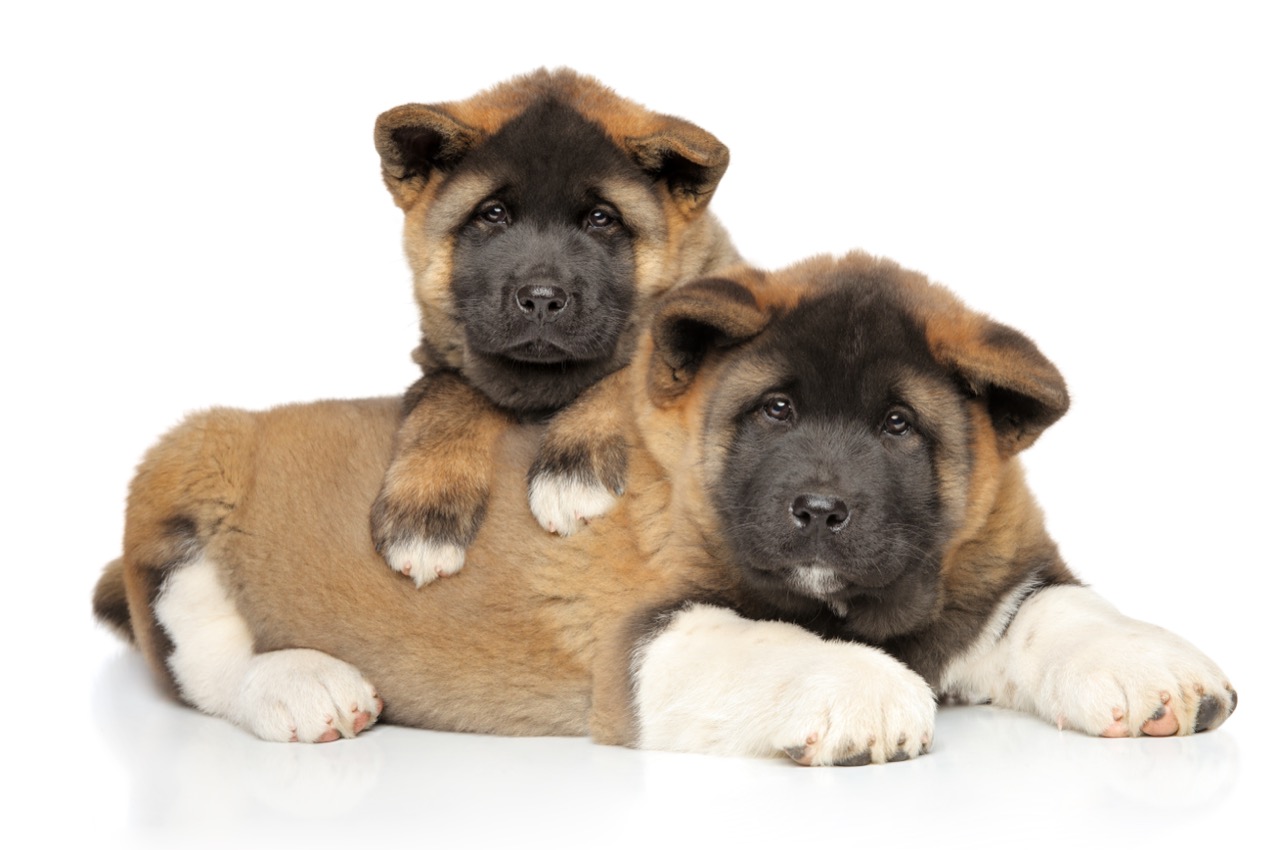
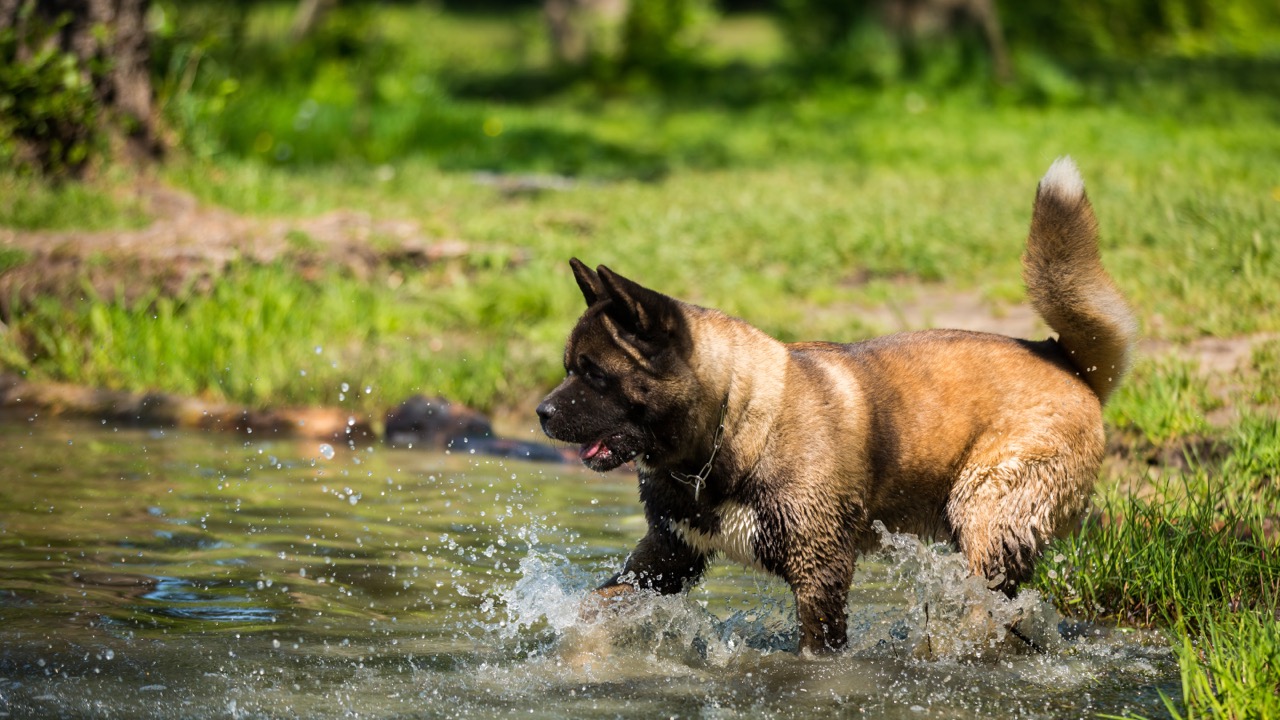
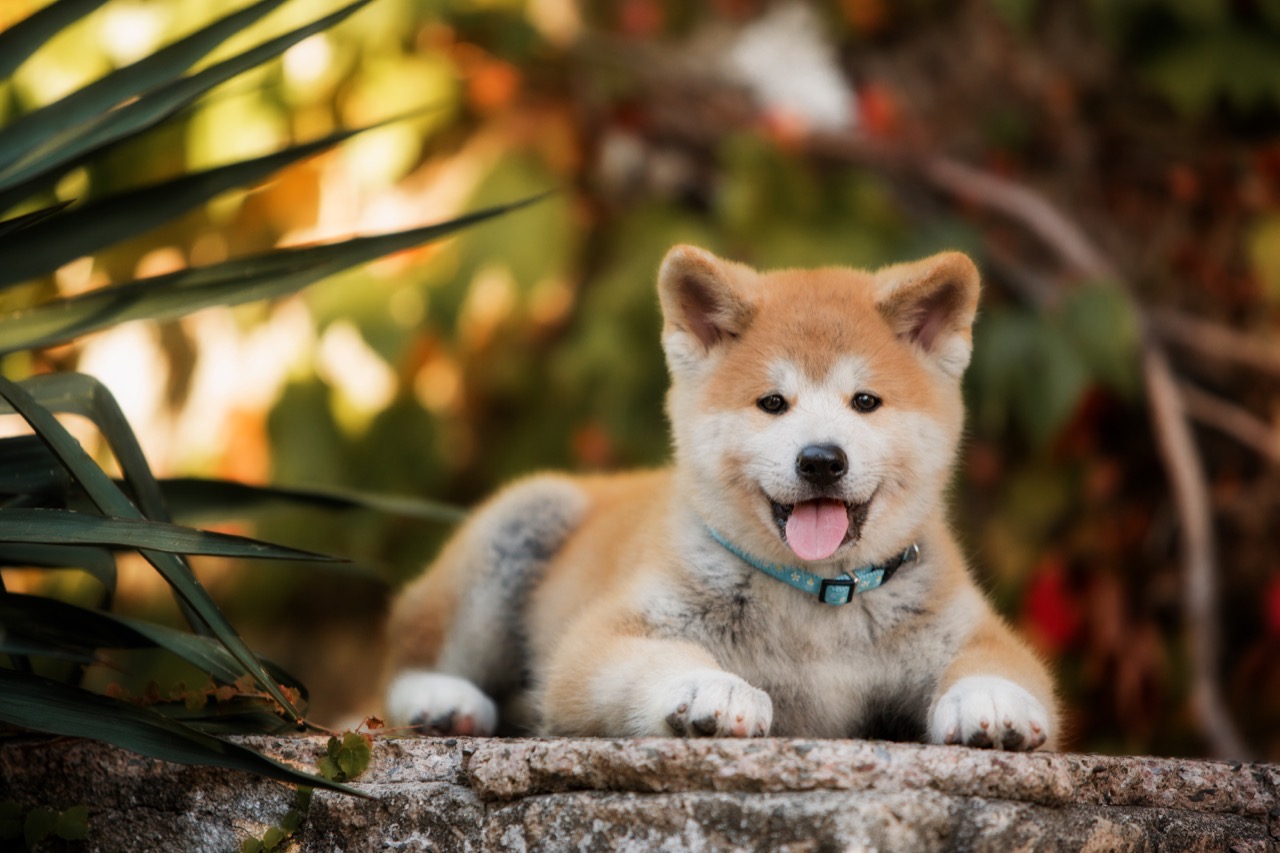
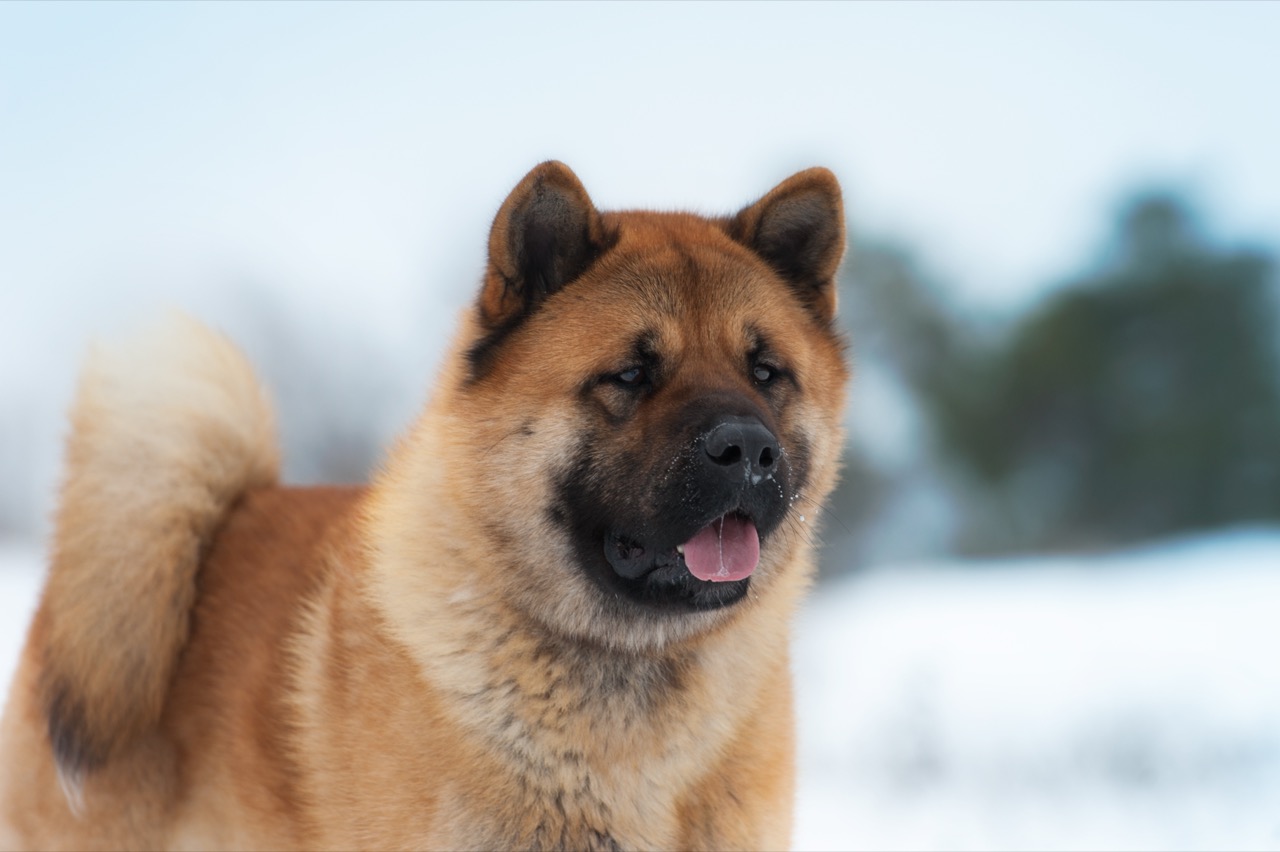
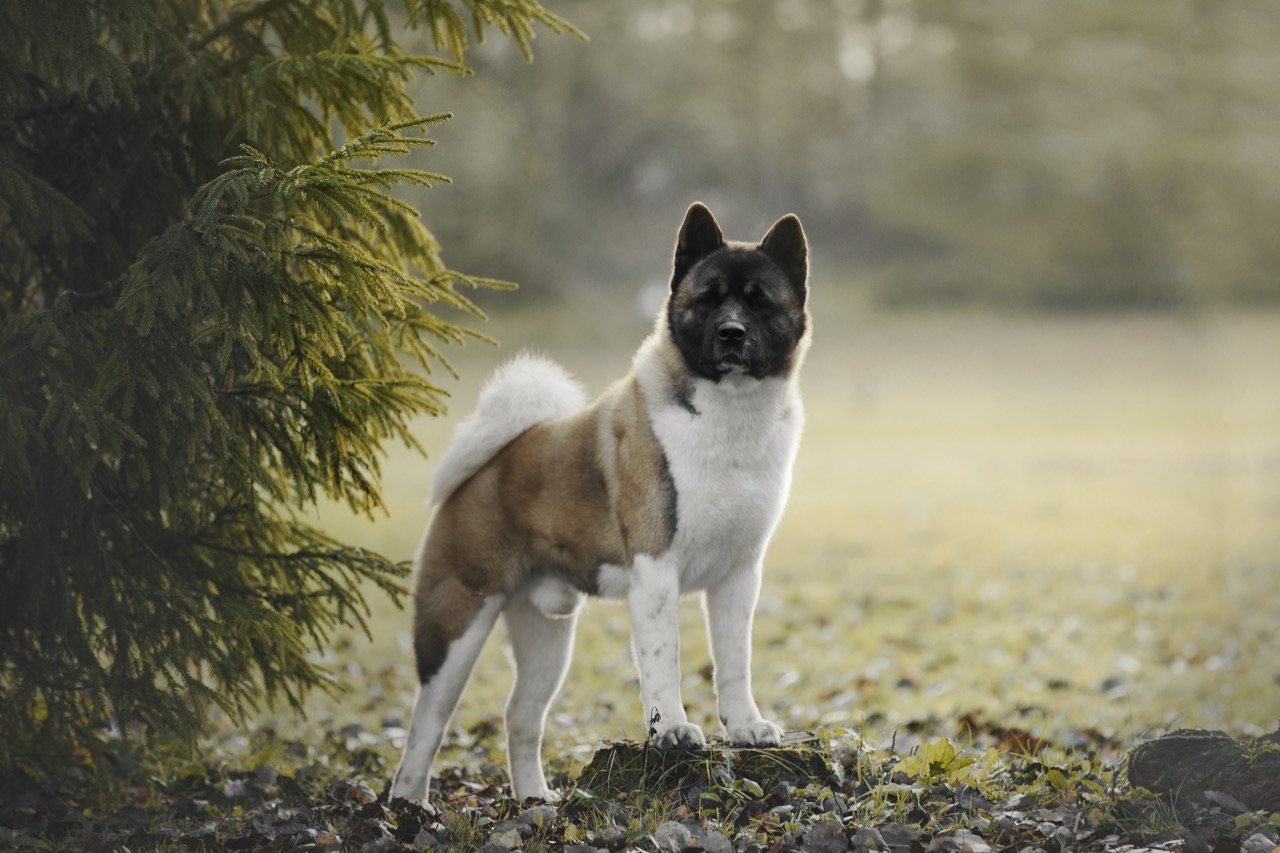
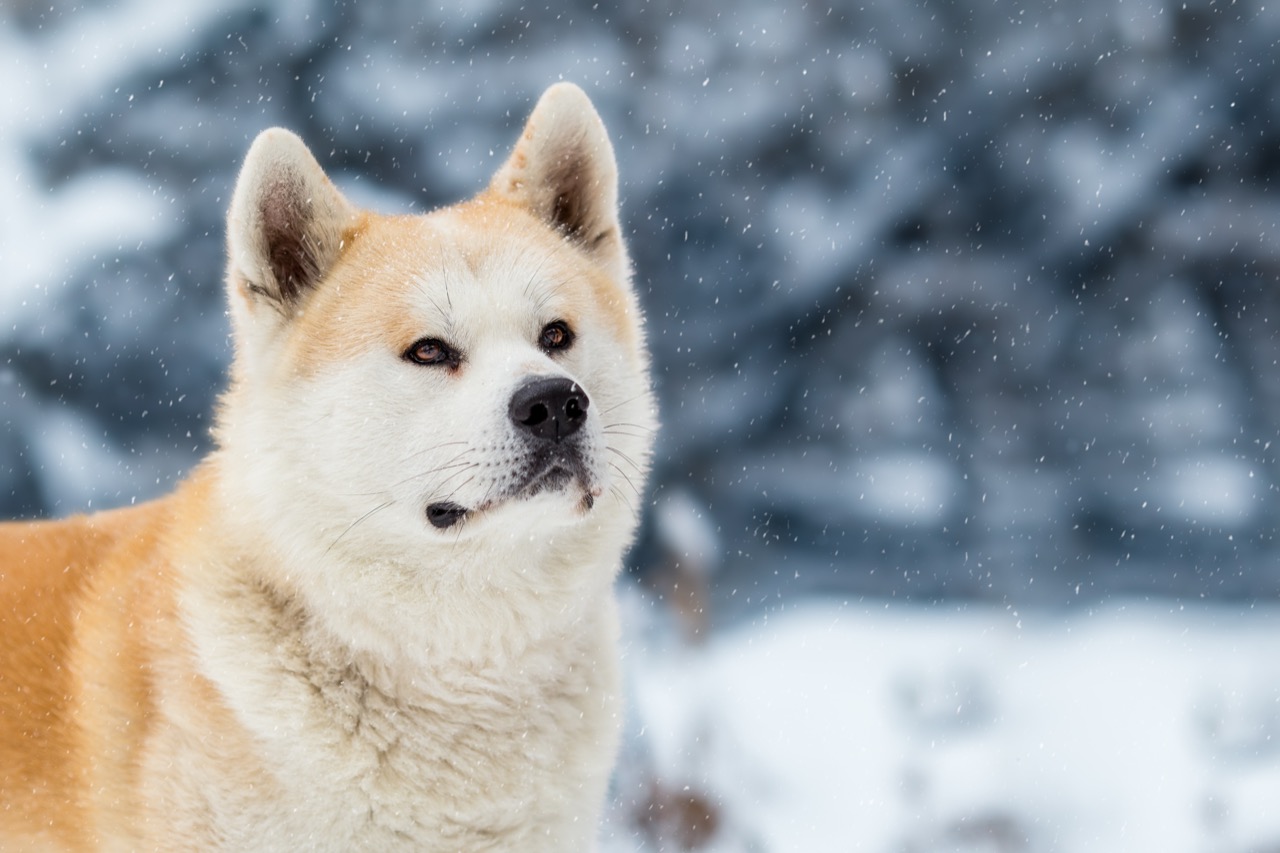
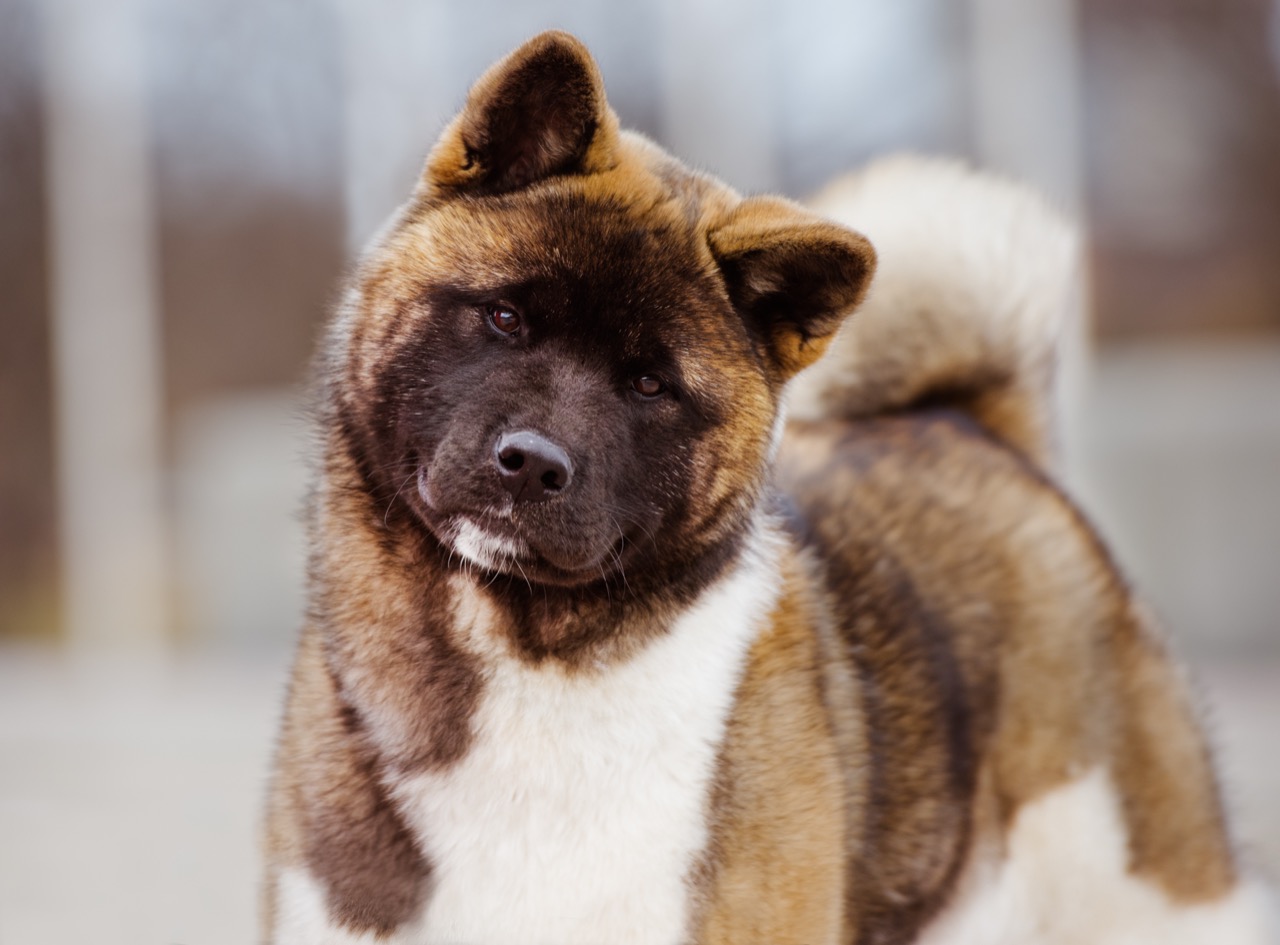
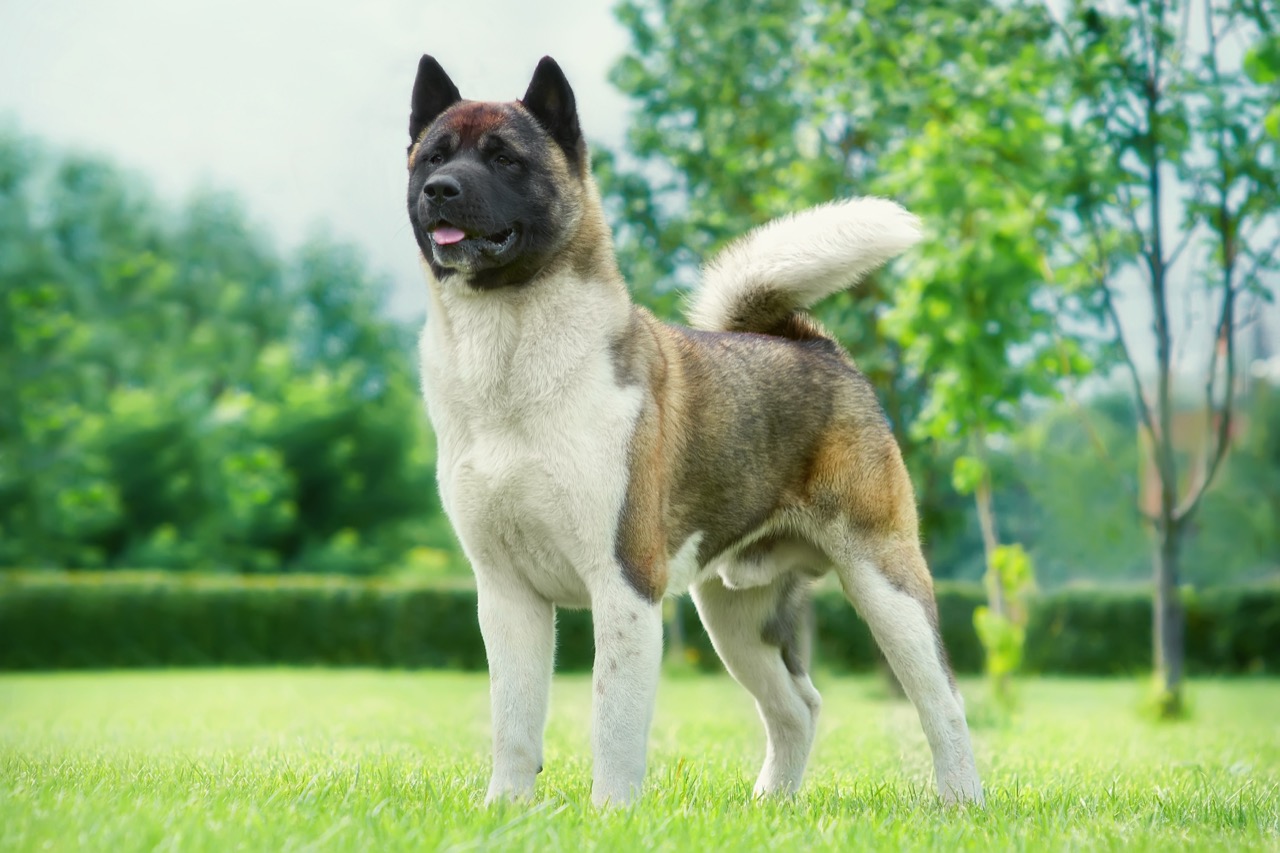
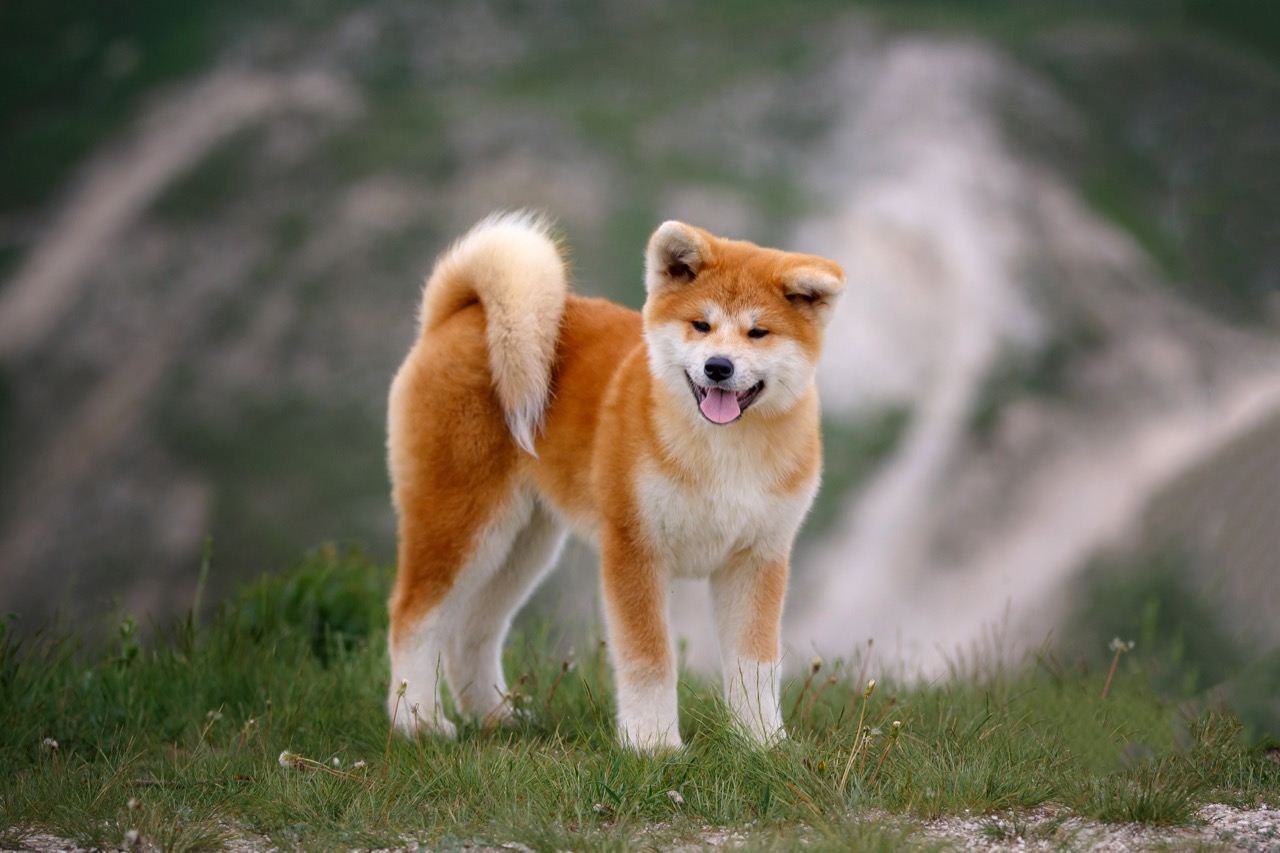
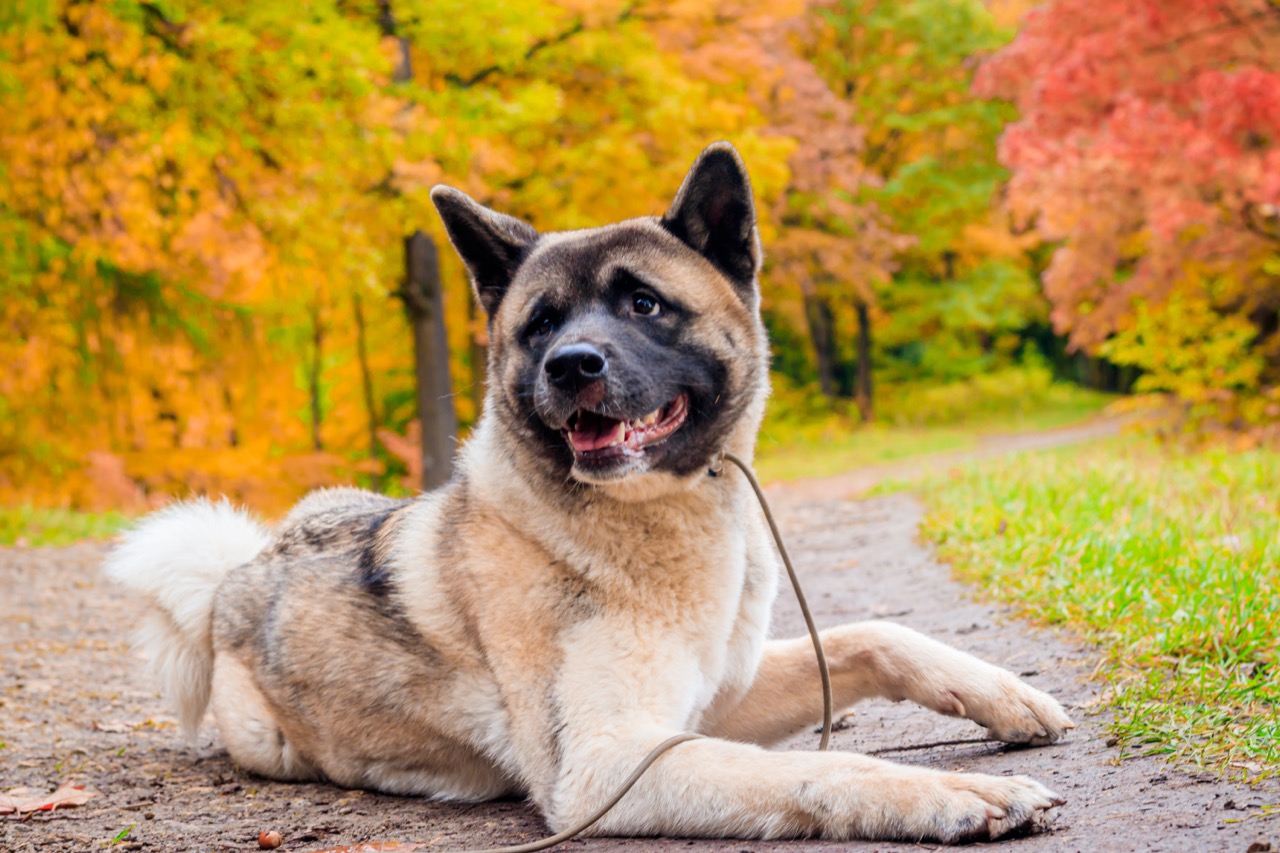
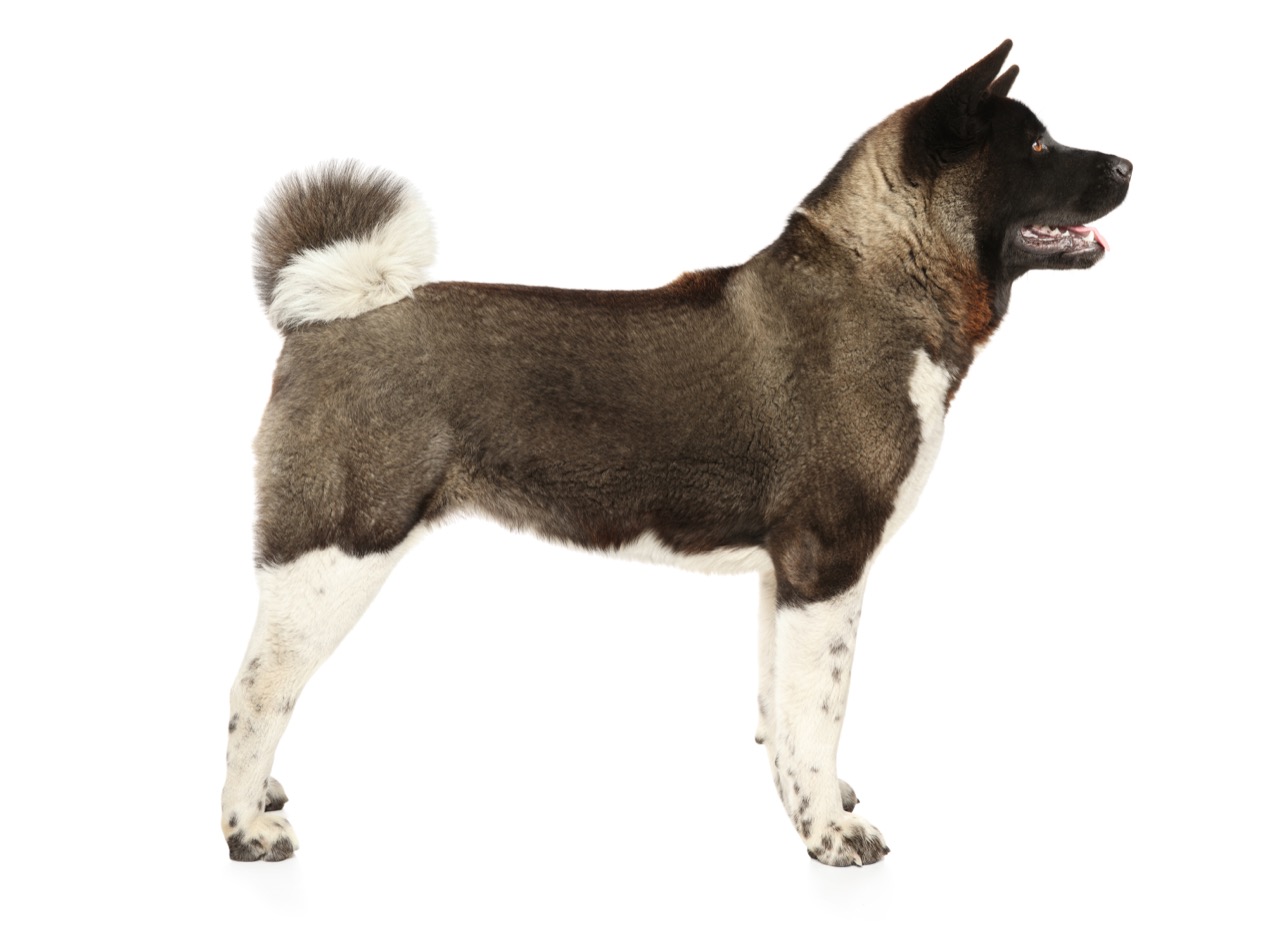
The Akita’s body reflects cold weather and hard work. The dense double coat is not just for looks. It traps warmth close to the skin while the outer layer helps shed snow and moisture. In everyday life, that same coat can make Akitas more comfortable in cool weather than in heat, and it also means seasonal shedding can be dramatic. Their small, triangular ears sit upright, reducing heat loss and helping them pick up subtle sounds. Their compact, catlike feet provide traction on snow and uneven ground, and their thick tail curls over the back like a built in scarf, helping conserve warmth when resting.
Those classic spitz features also connect to the way Akitas move and react. An Akita often appears economical, not wasteful. Rather than bouncing around constantly, many prefer to observe, then choose a moment to engage. That can be mistaken for stubbornness, but it is closer to a working style that relies on judgment. In hunting, a dog that charges without thinking can get injured. In the home, the same careful decision making may show up as a dog that does not instantly obey a repeated command if it seems pointless or confusing.
Akitas are also known for strong territorial and protective instincts. A dog bred to guard property and accompany people in challenging conditions tends to be naturally alert to changes in routine. Many Akitas will position themselves where they can monitor entrances, and they may be reserved with strangers until they decide someone is safe. This reserve is often quiet rather than flashy. Instead of constant barking, an Akita may simply stare, stand tall, and place its body between you and something unfamiliar.
Another inherited trait is a pronounced prey drive. A dog built to focus on large game can still lock onto smaller moving targets, such as squirrels, cats, or fast running dogs. That does not mean every Akita will chase, but the instinct can be strong enough that secure fencing, leashes, and thoughtful introductions to other animals matter. Their strength and determination also mean that once they commit to an action, they can be hard to interrupt.
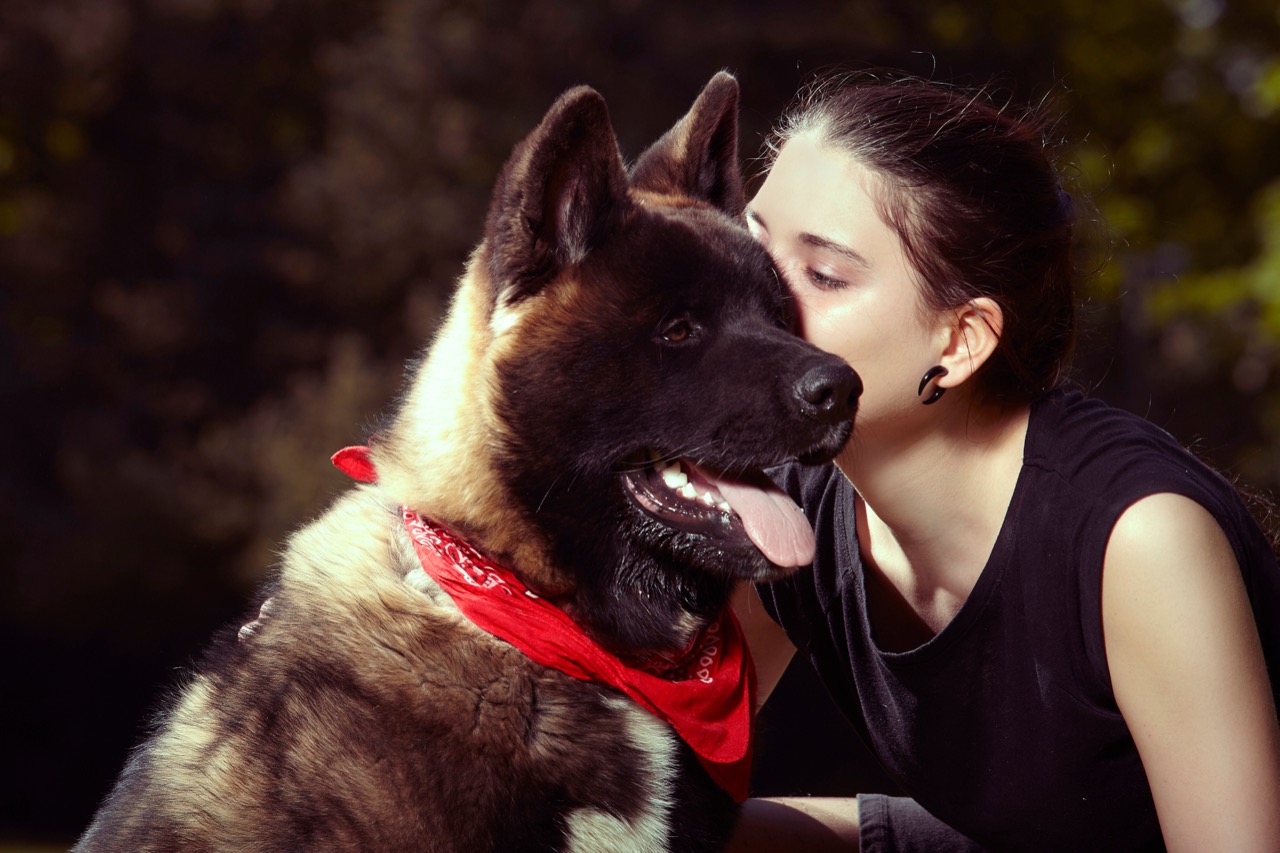
Socially, many Akitas prefer a small circle. They often bond deeply with their household and may not enjoy rough, chaotic greetings from unfamiliar dogs. Same sex dog intolerance can occur, and early socialization is important, but it is equally important to respect the breed’s tendency toward selectivity. The goal is not to turn an Akita into a social butterfly, but to build calm, reliable manners and a sense of safety.
Living well with an Akita means channeling the working mind in modern ways. They often thrive with purposeful exercise, clear rules, and training that feels meaningful rather than repetitive. Because they are observant and sensitive to patterns, consistency matters. When you see the breed through the lens of its original jobs, the Akita’s combination of composure and intensity makes sense: a dog designed to endure harsh conditions quietly, then act with full commitment when the moment demands it.