Shiba Inu: Little Brushwood Hunter
Quiz Complete!
Shiba Inu Instincts: How Huntwork Still Shapes the Modern Dog
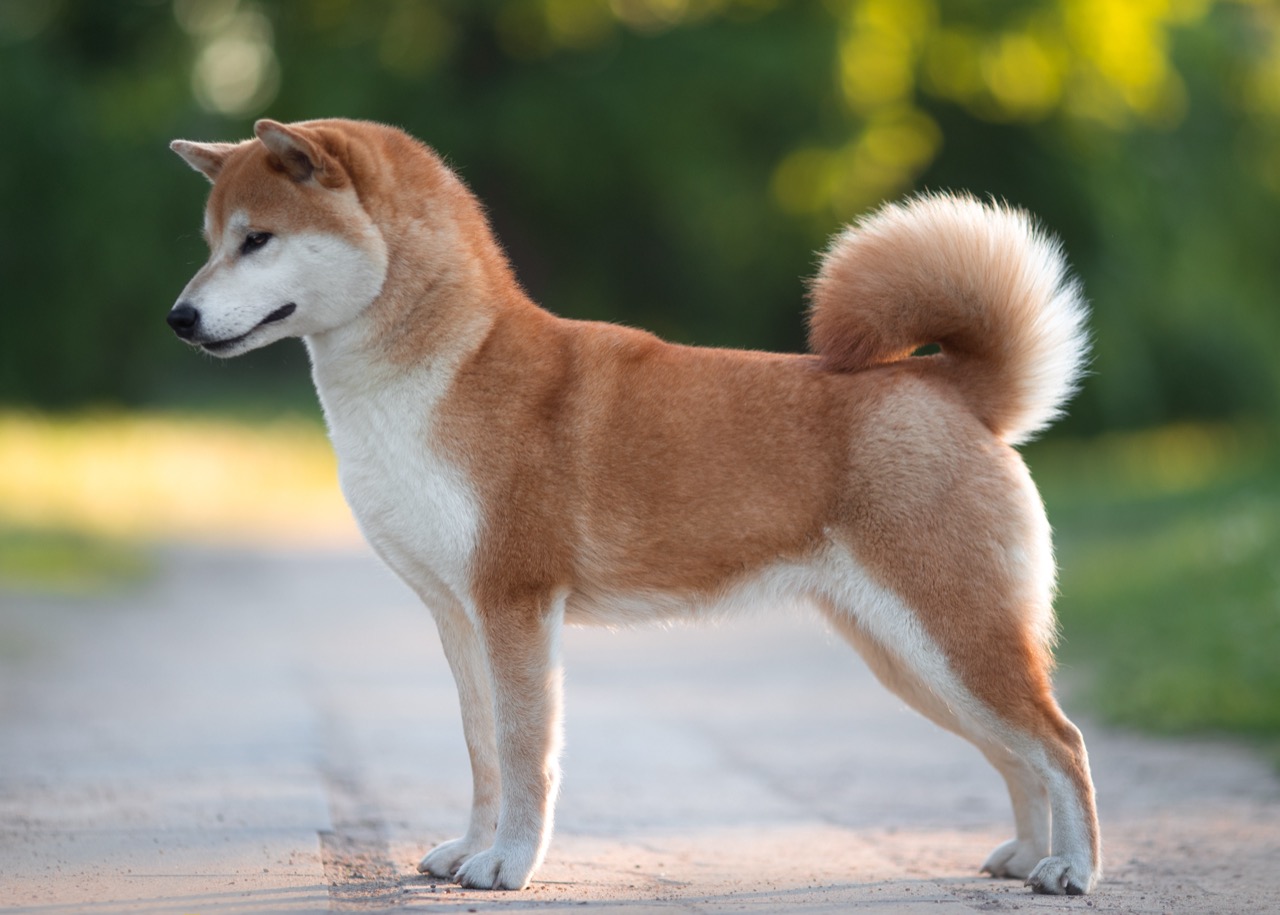
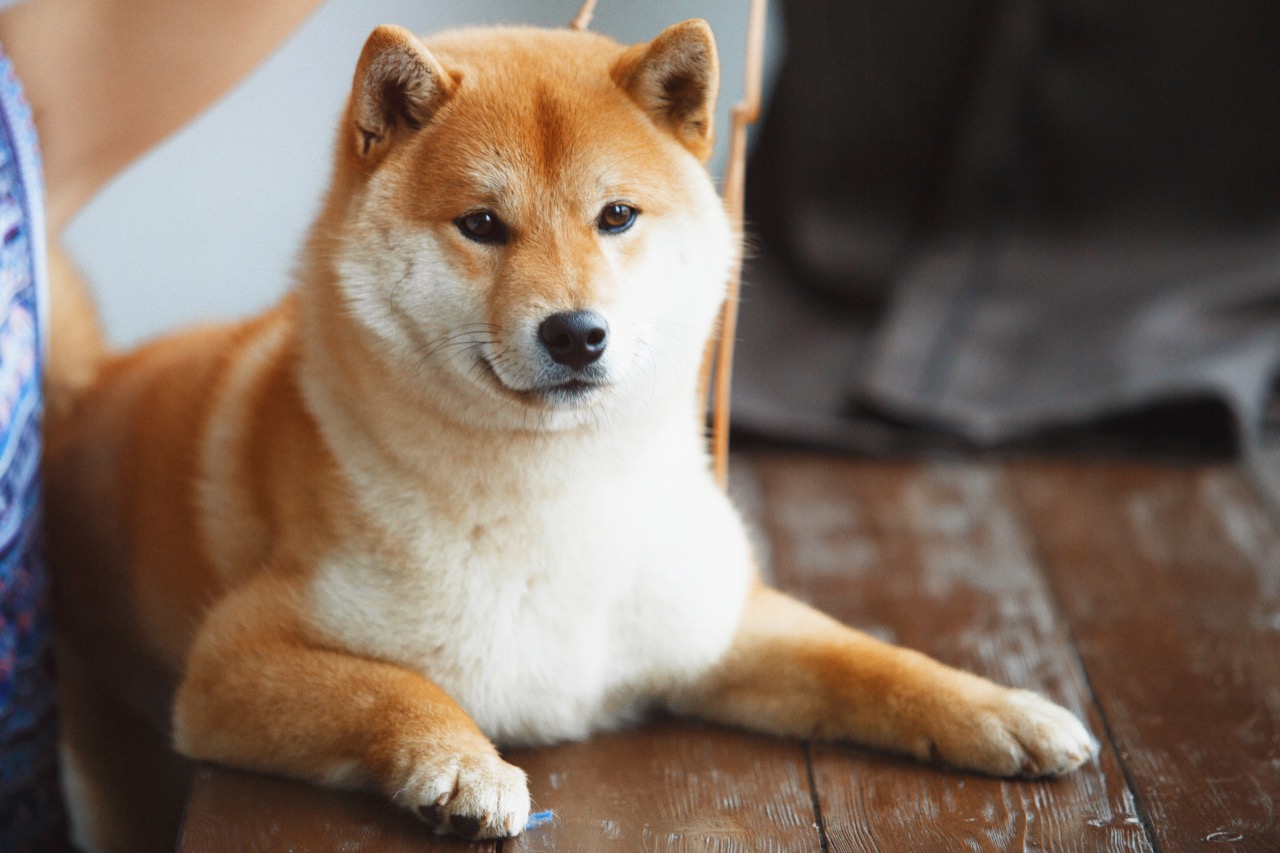
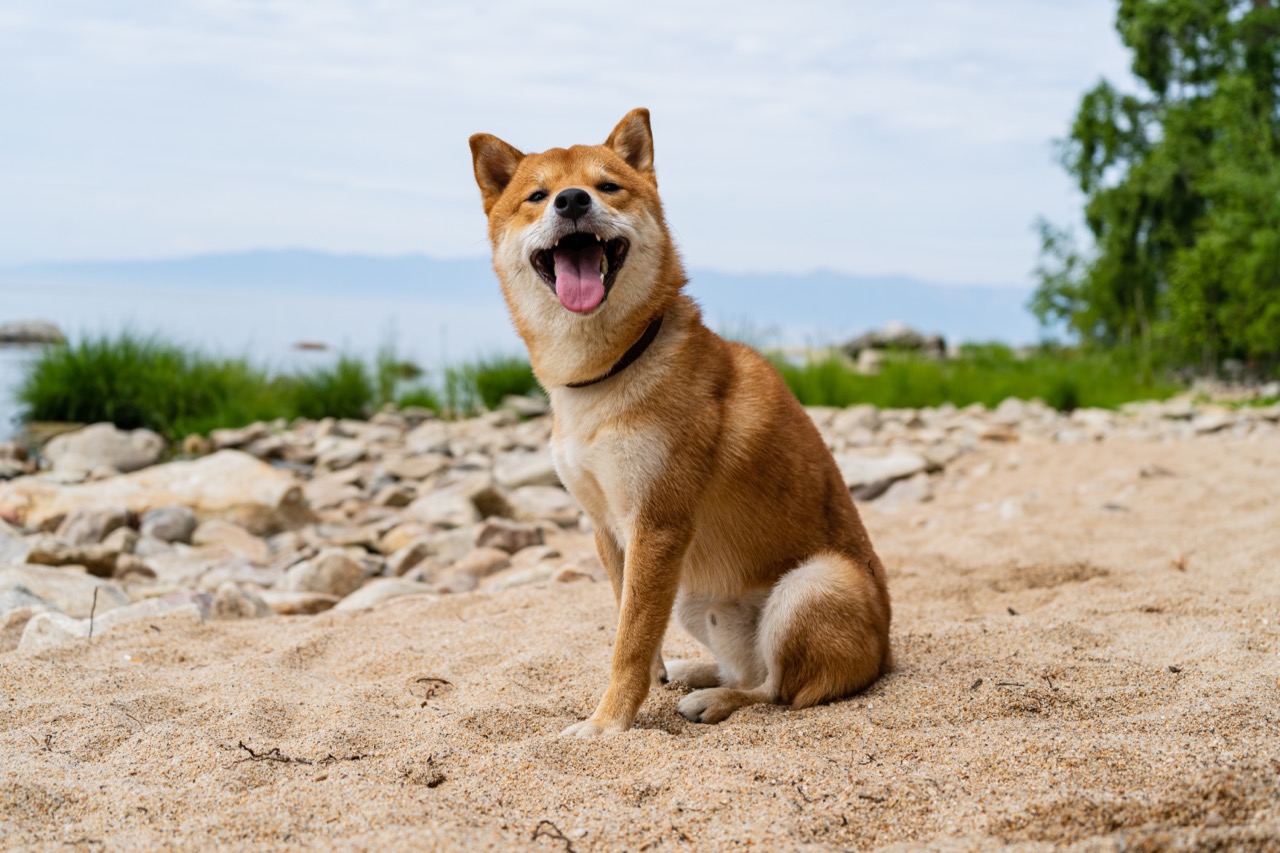
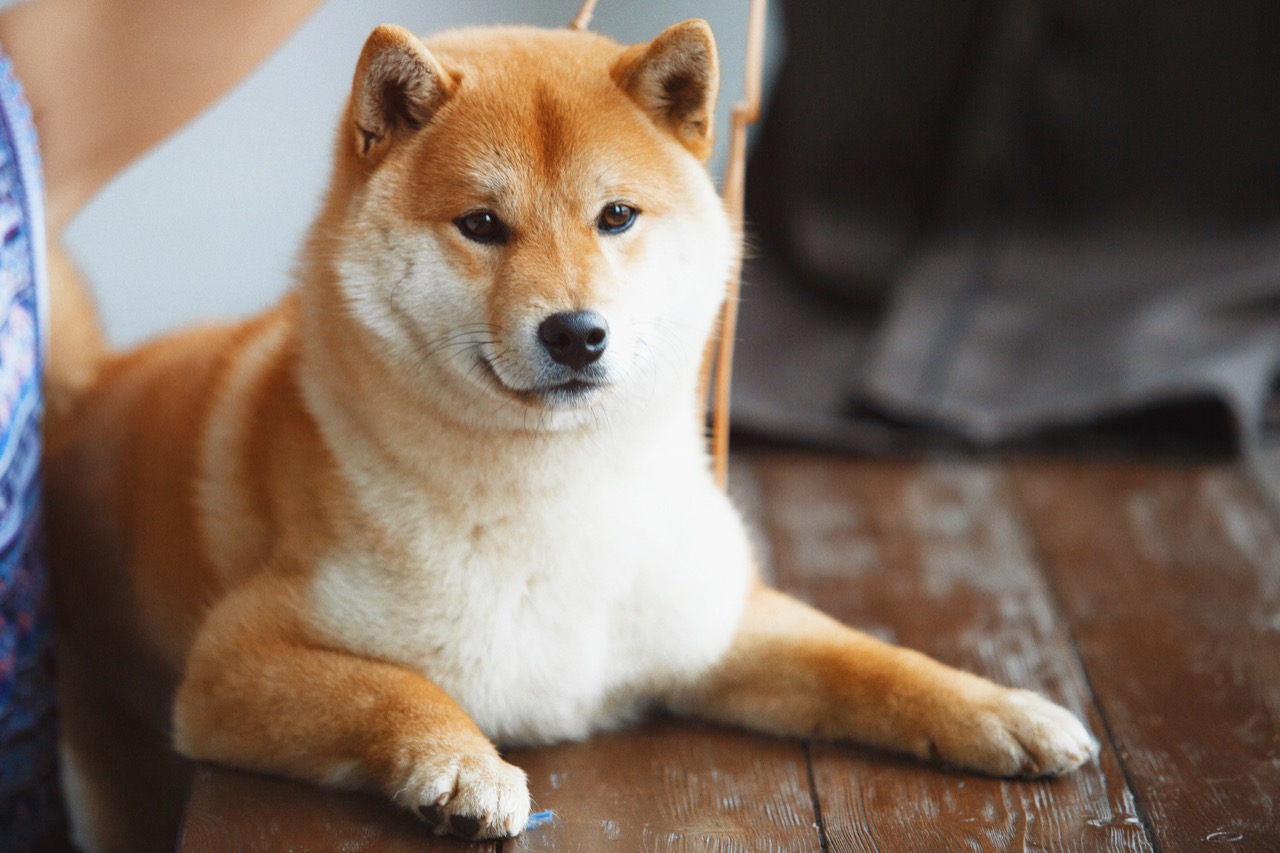
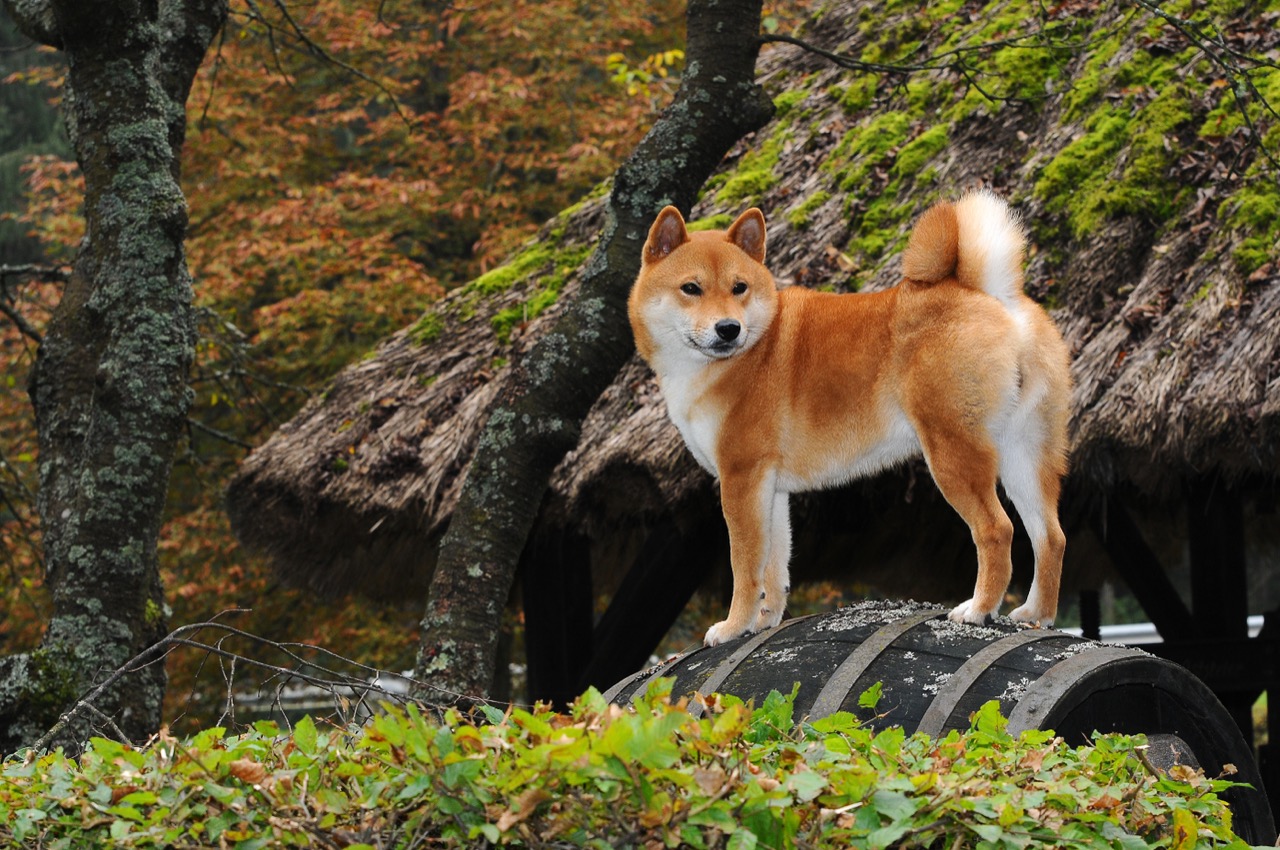
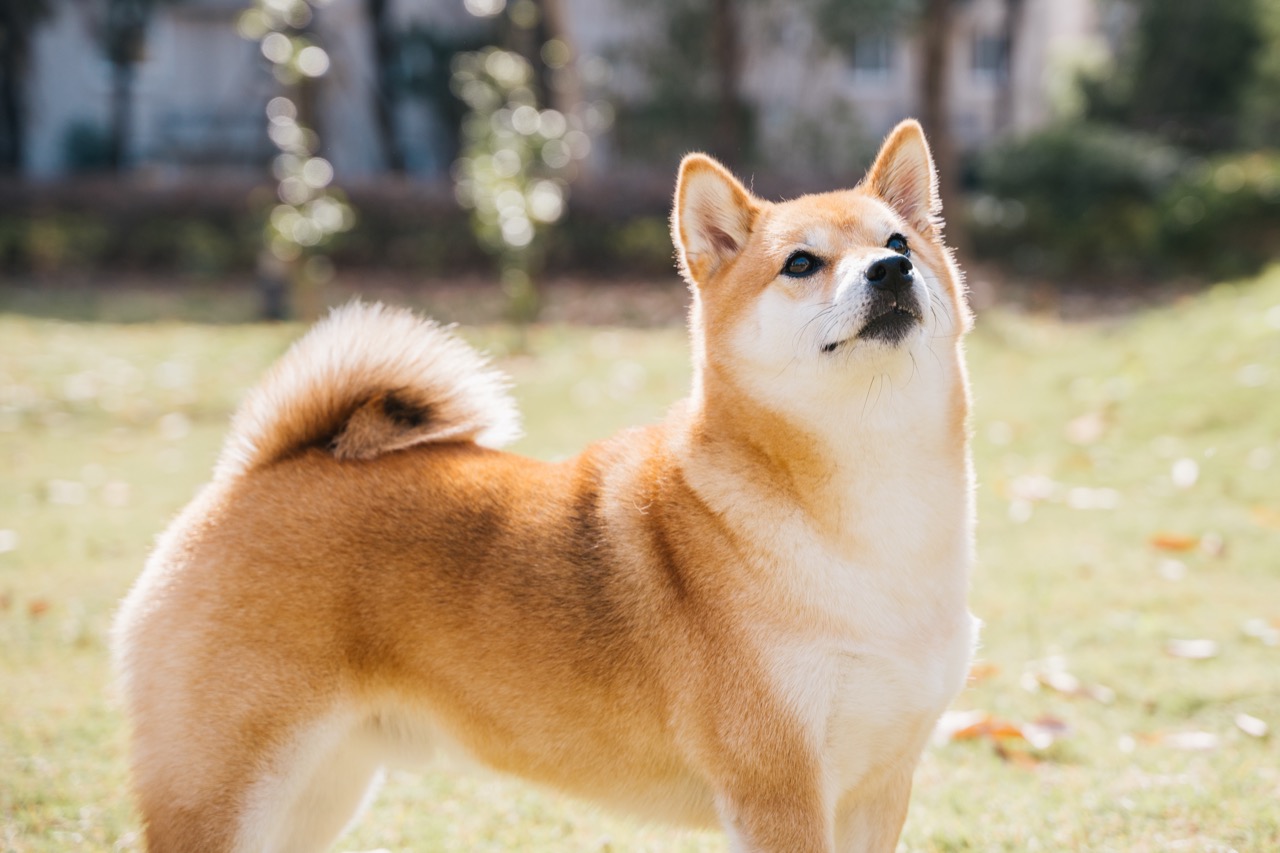
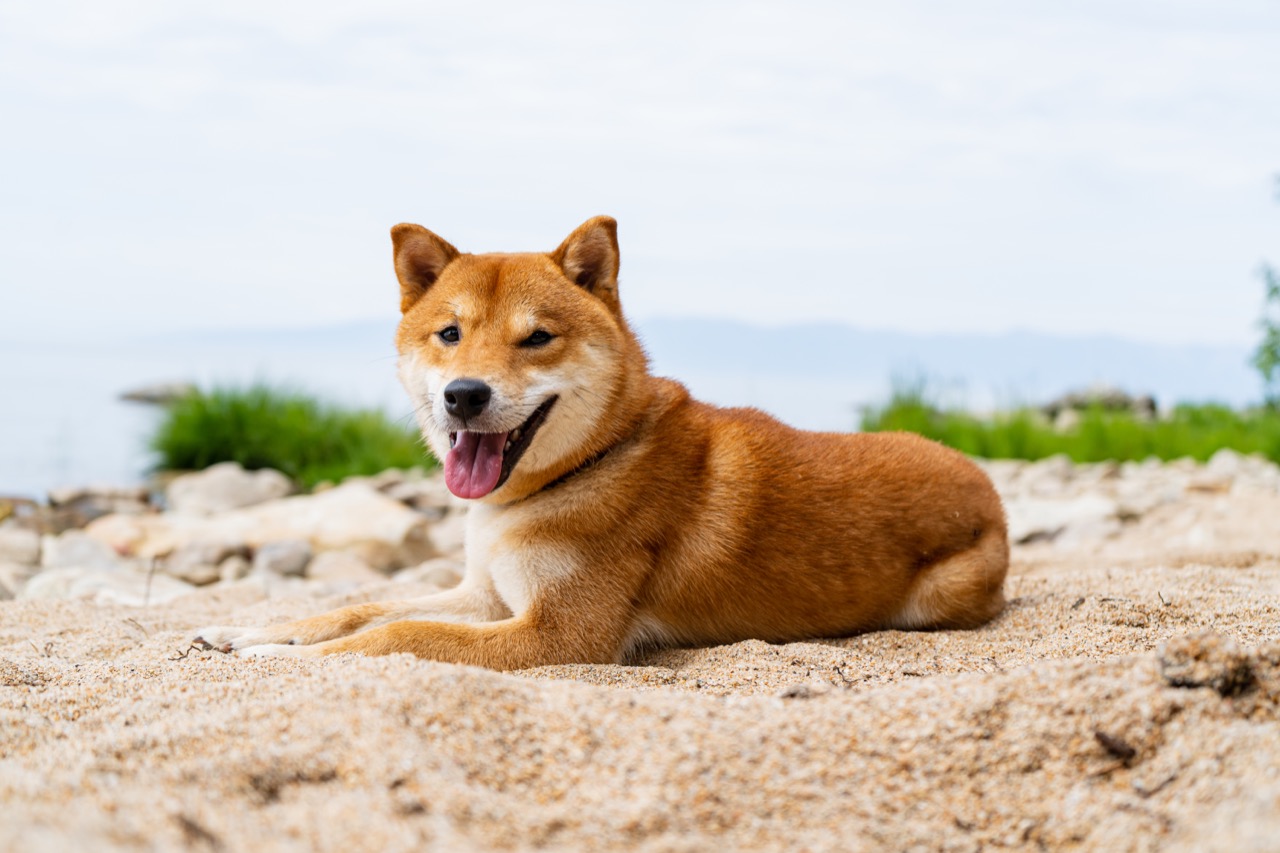
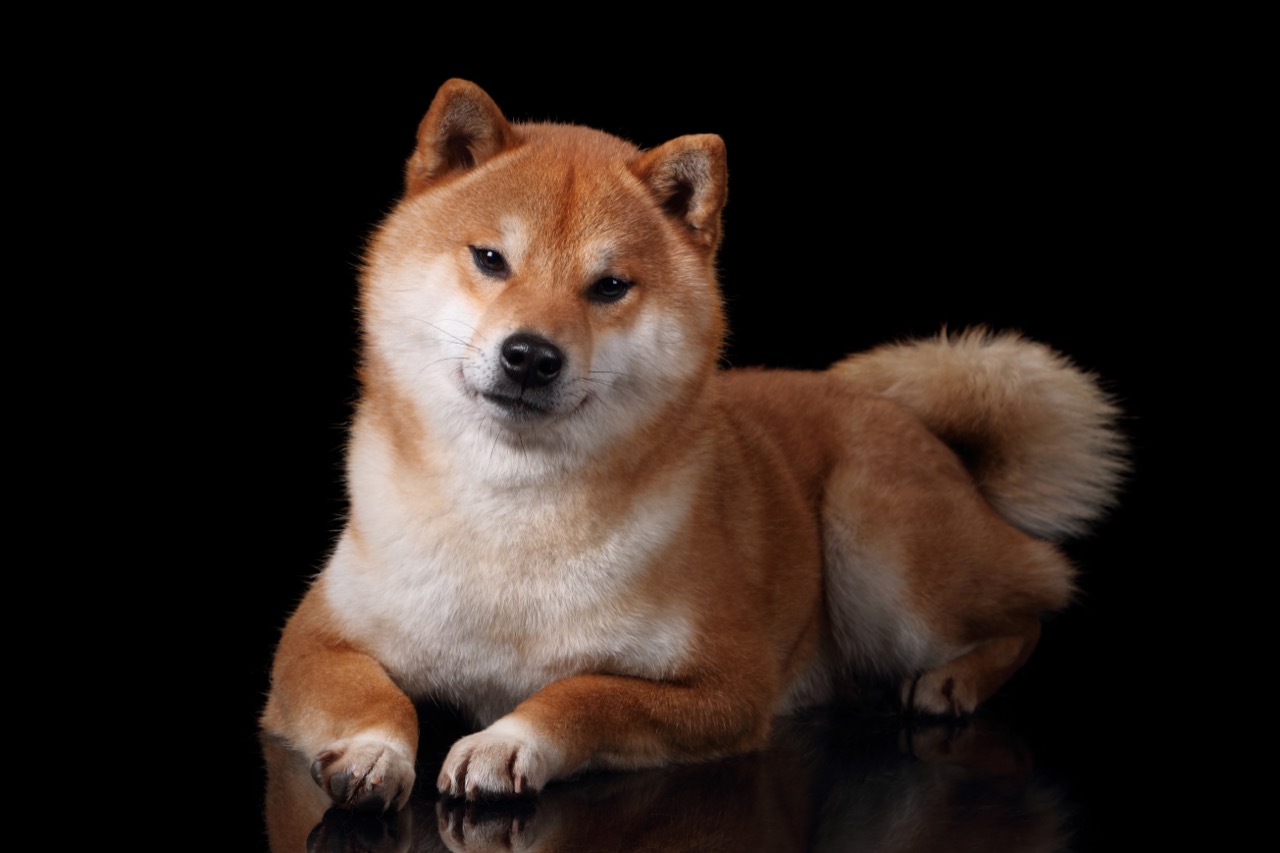
The Shiba Inu may look like a compact, plush companion, but the breed was built for a job. In Japan’s mountainous and brushy regions, Shibas were developed to hunt and flush small game and birds, working close to the ground in thick cover where a larger dog would struggle. That history helps explain why so many Shiba traits can seem a little surprising in a modern home. The breed’s famous confidence, quick reflexes, and independent decision making were practical tools in rugged terrain, not personality quirks invented by social media.
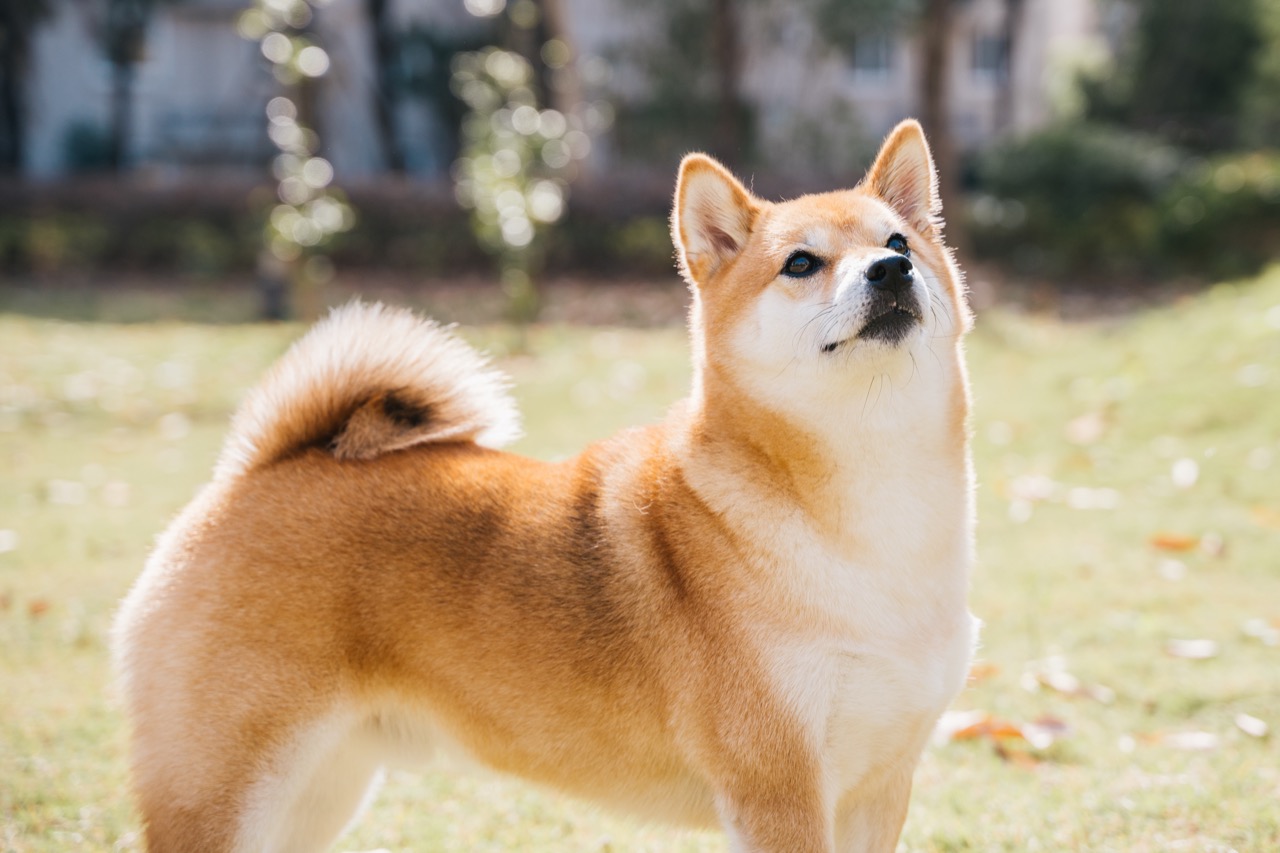
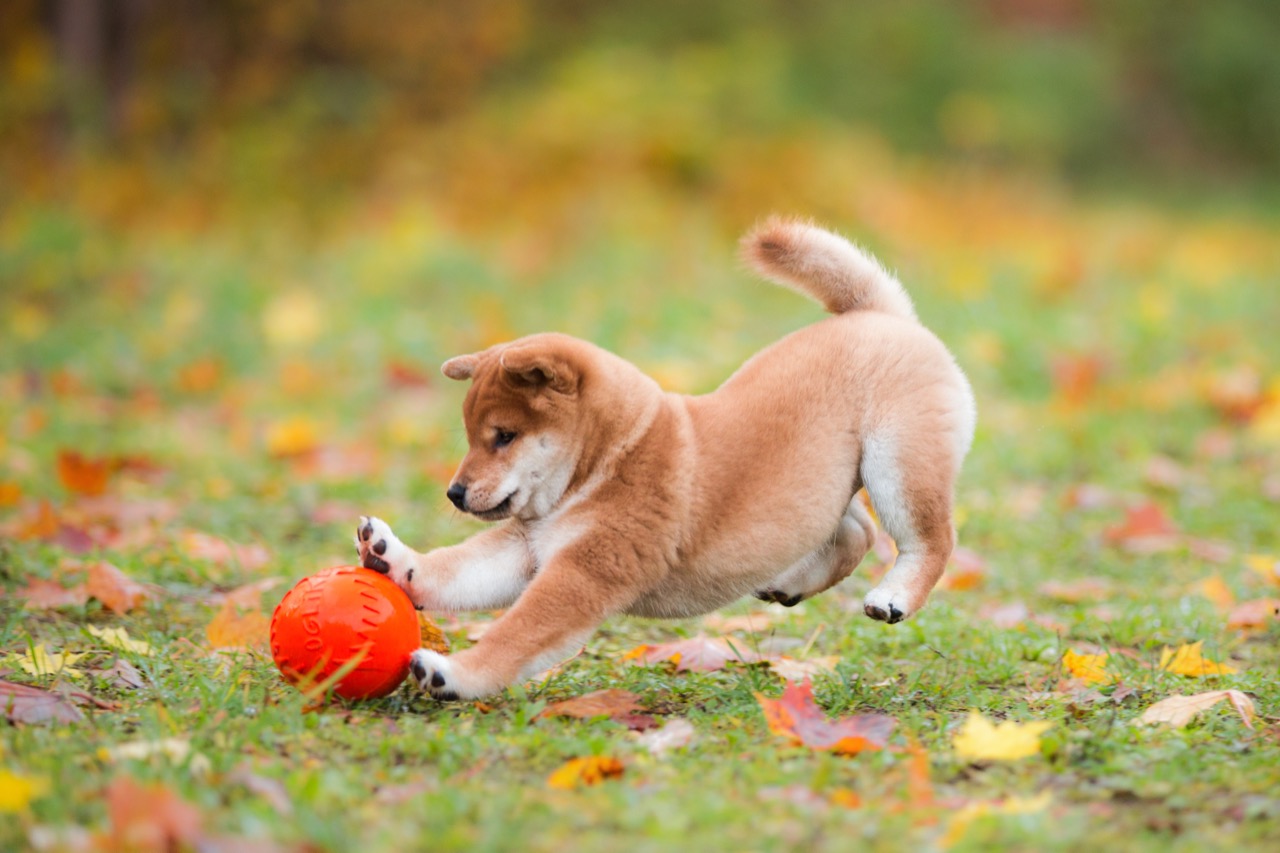
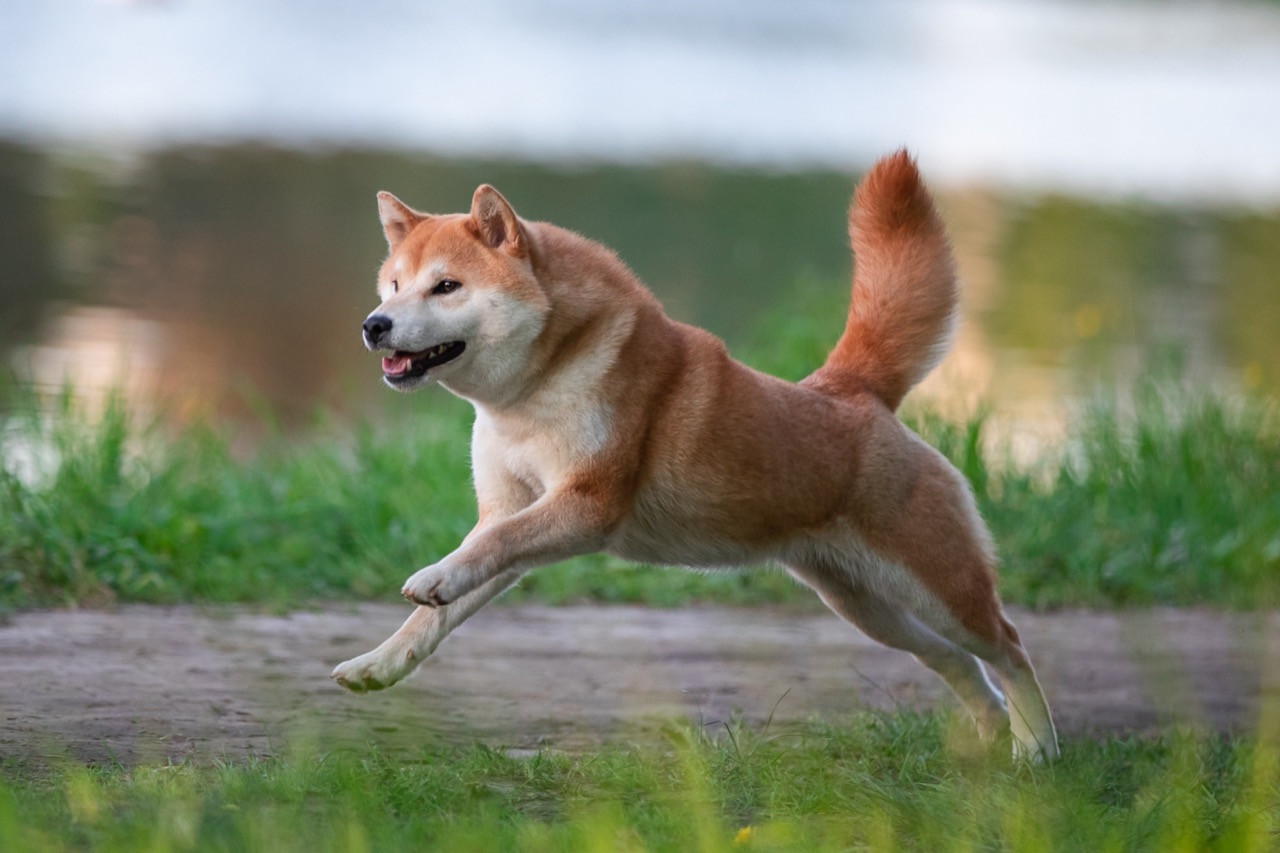
A hunting dog that had to move through dense vegetation needed sharp senses and a body that could pivot fast. Shibas are agile, light on their feet, and quick to react to movement, which is why a squirrel on a fence can instantly flip a calm walk into a laser focused pursuit. That chase response is not stubbornness or misbehavior so much as an old instinct switching on. It is also why reliable recall can be challenging: when a dog’s brain is wired to lock onto fleeing prey, the reward of the chase can outweigh the reward of returning, especially if the environment is exciting.
Their self possessed attitude also makes more sense through the lens of huntwork. A dog working in uneven terrain often had to make choices without constant direction. That independence can look like selective hearing today, but it is closer to confident problem solving. Many Shibas will pause, assess, and decide whether a cue is worth following, especially if something else seems more important. This does not mean they cannot be trained. It means training tends to work best when it is clear, consistent, and motivating, with rewards that compete with the outside world.
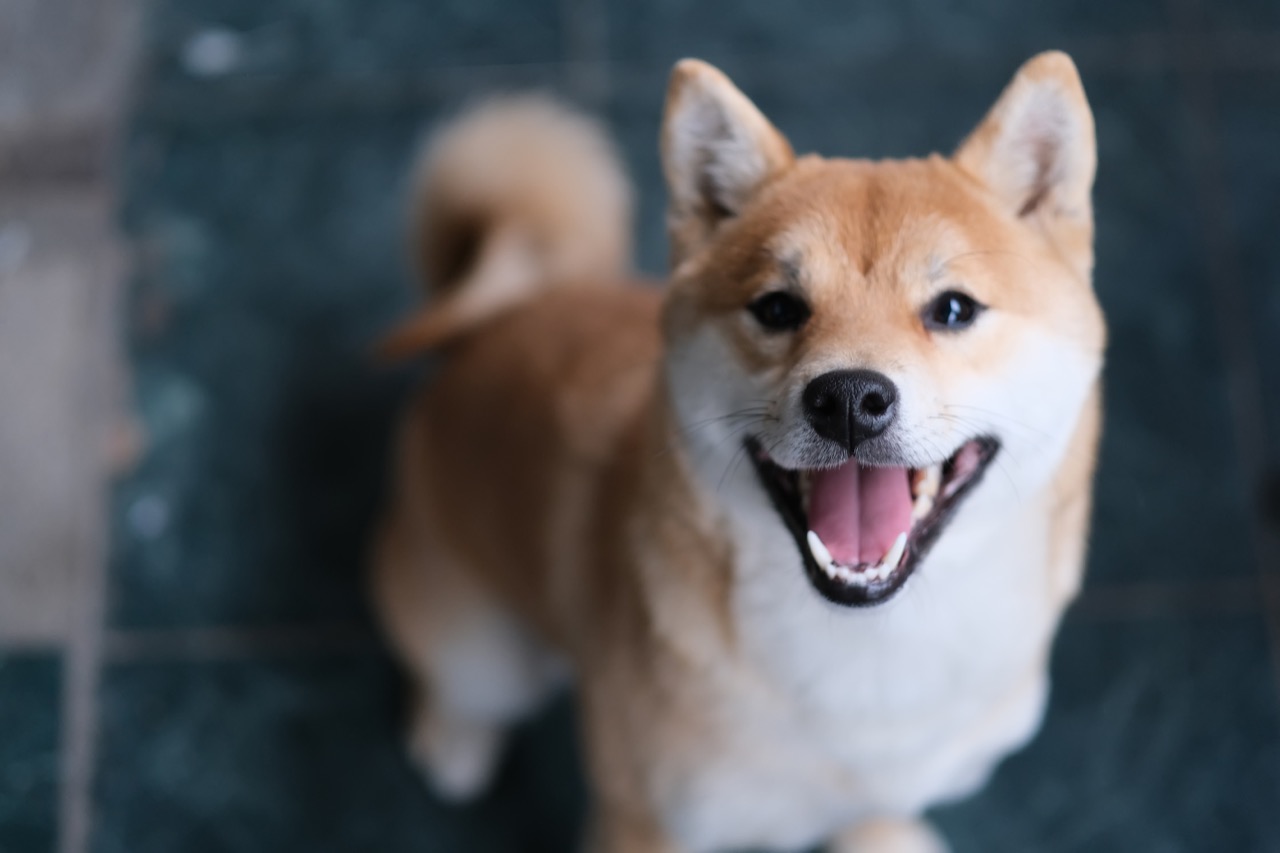
People often describe Shibas as catlike, and cleanliness is a big part of that. Shibas are known for grooming themselves and avoiding mess when they can. Their double coat is another working feature. The outer coat sheds water and resists dirt, while the dense undercoat insulates against cold. That weatherproof package helped a small dog stay functional in harsh conditions. The curled tail is part of the spitz toolkit as well, and while it is often seen as a cute hallmark, it also relates to outdoor utility in cold climates, where a tail carried over the back can help conserve warmth when a dog rests.
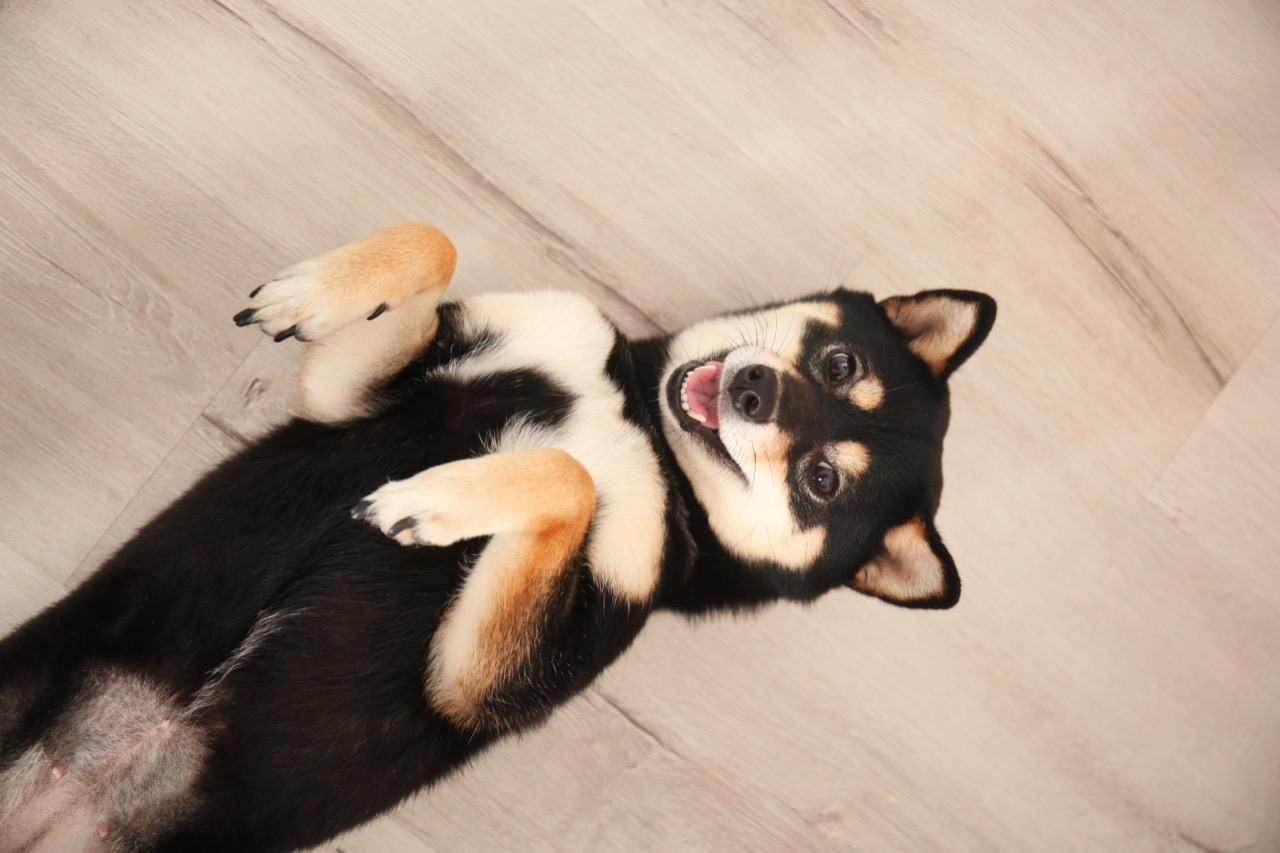
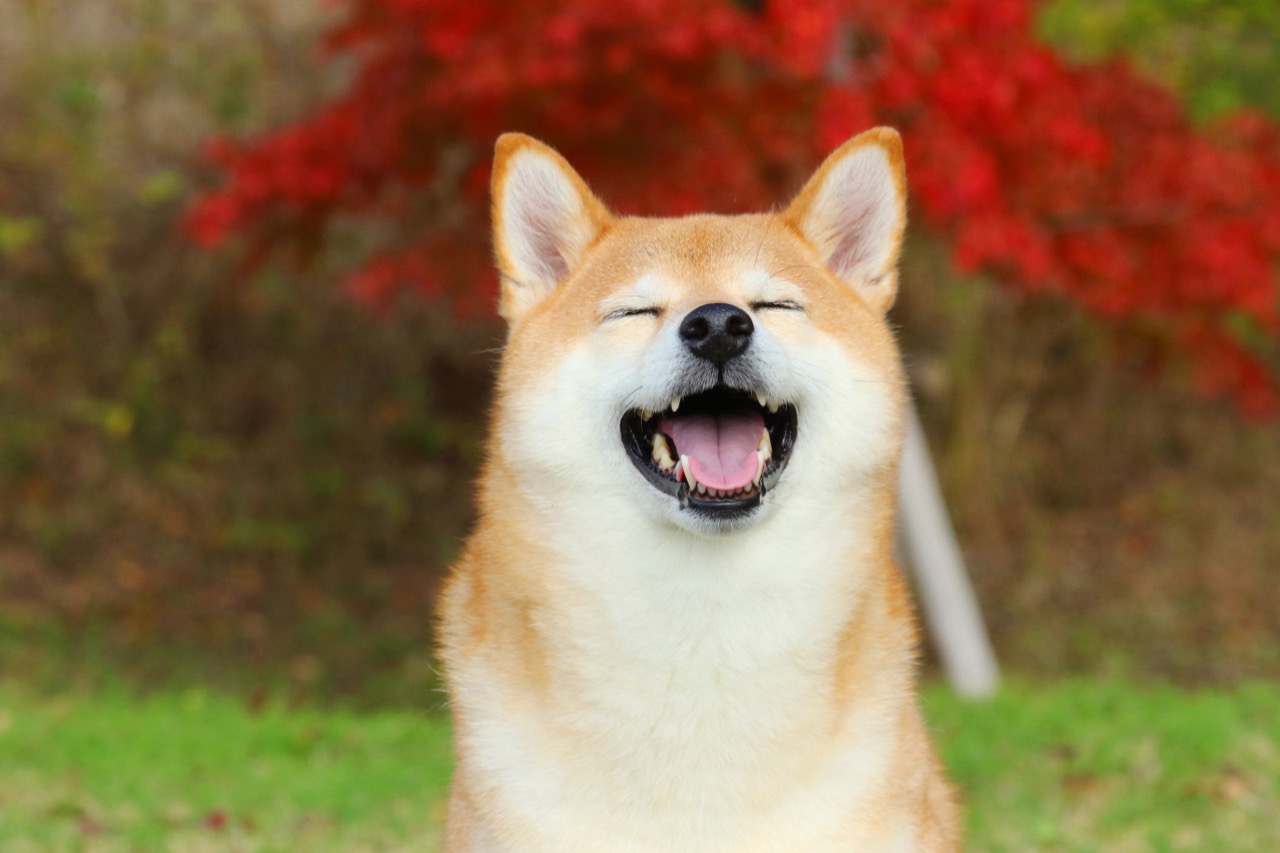
Shiba communication can also reflect a dog bred to be alert and decisive. They are typically attentive to changes in their environment and quick to sound the alarm. Some individuals are famously expressive, including the well known high pitched Shiba scream, which can appear during restraint, surprise, or strong excitement. In a household, it often shows up at the vet, during nail trims, or when a Shiba strongly disagrees with being handled.
Understanding these instincts can make life with a Shiba smoother and more enjoyable. Secure fencing and a leash are not signs of distrust; they are sensible management for a dog with a strong chase drive. Enrichment that uses the nose, such as scent games and food puzzles, taps into natural skills and helps prevent boredom. Socialization and gentle handling practice can reduce stress around grooming and veterinary care, even if a Shiba never becomes a cuddly pushover. When you view the breed as a small, capable hunter rather than a decorative pet, many everyday behaviors become easier to predict, and the Shiba’s unique charm starts to look like a living echo of its working past.