Shiba Inu: Scream, Shed, Repeat

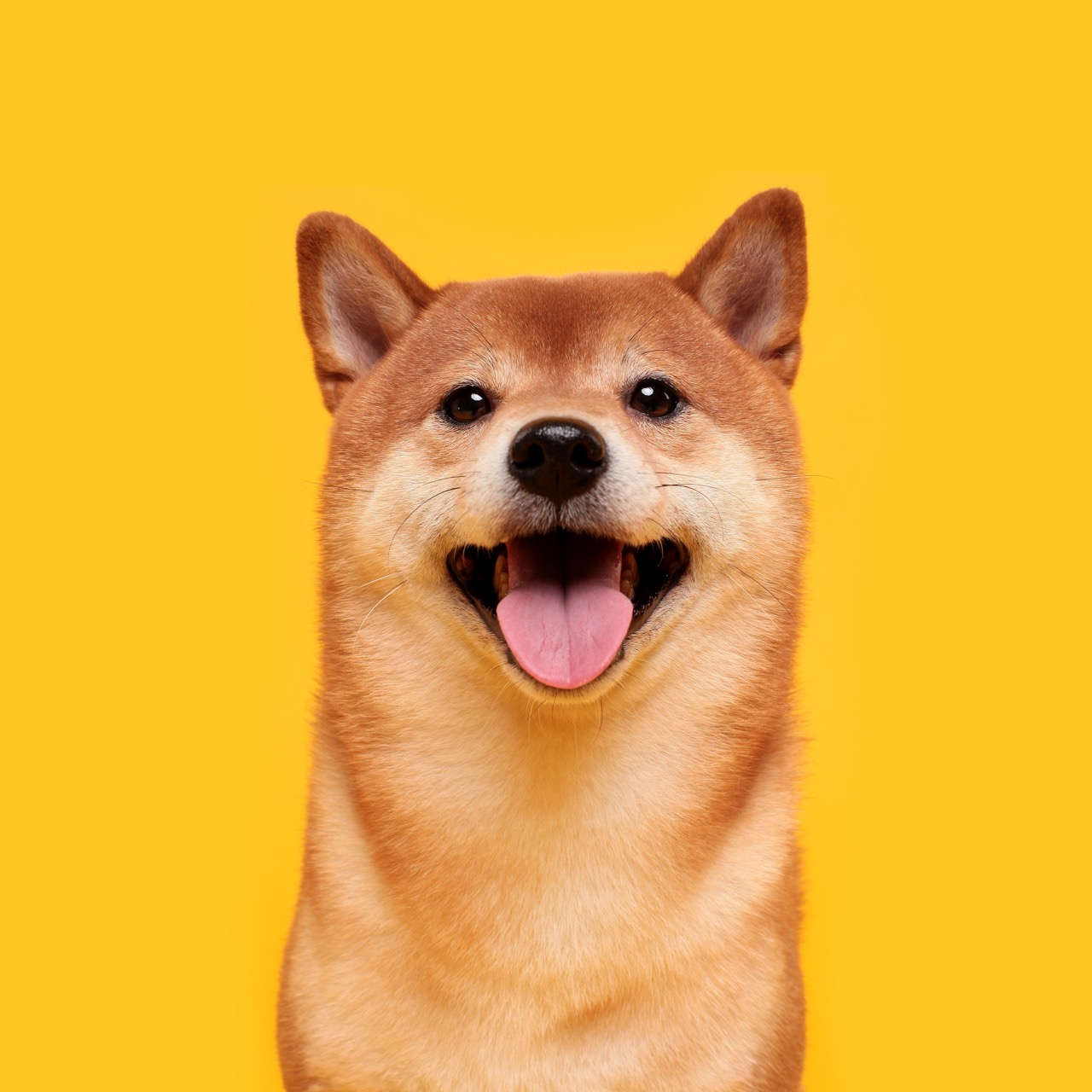
Quiz Complete!
The Realities of Living With a Shiba Inu: Smart, Independent, and Always One Step Ahead
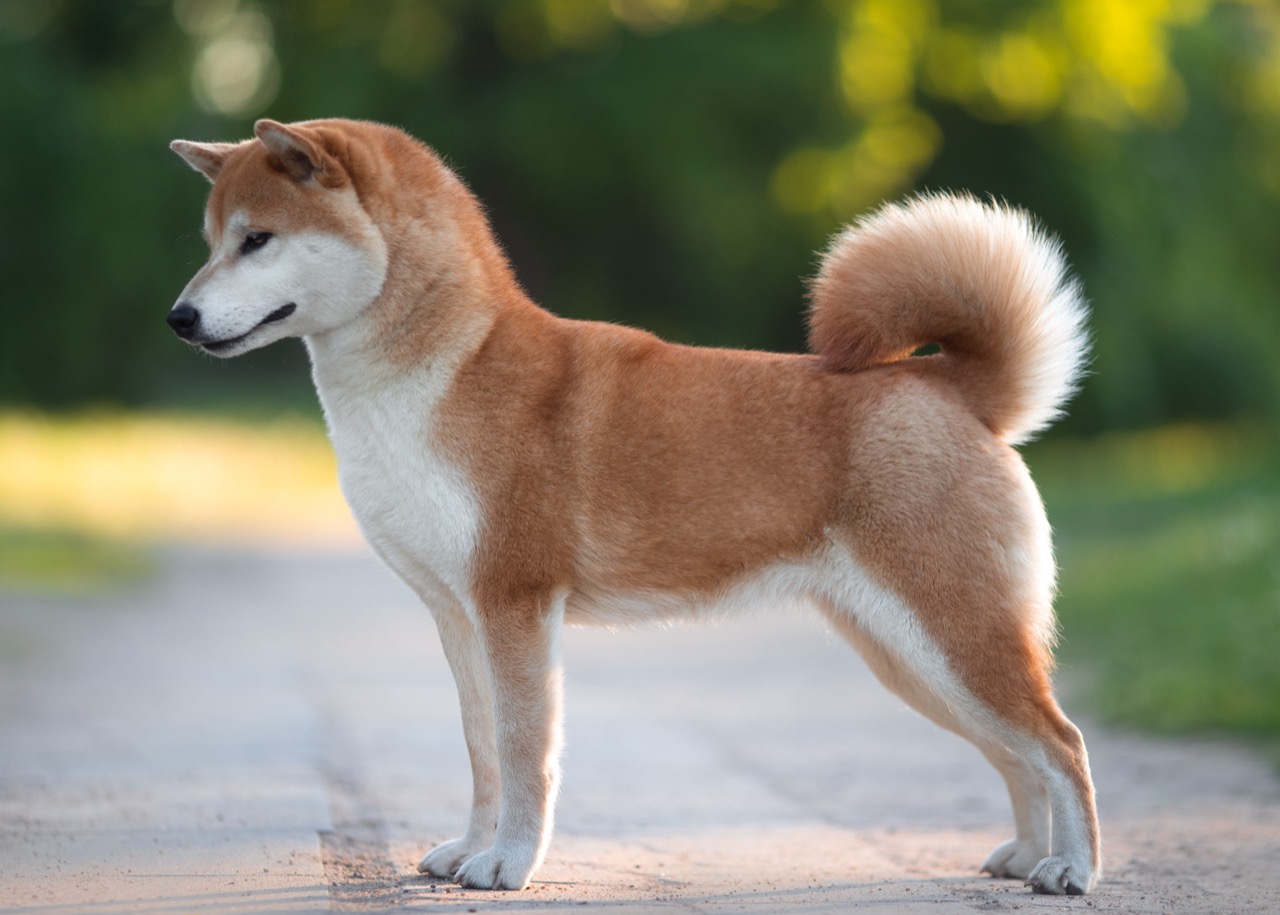
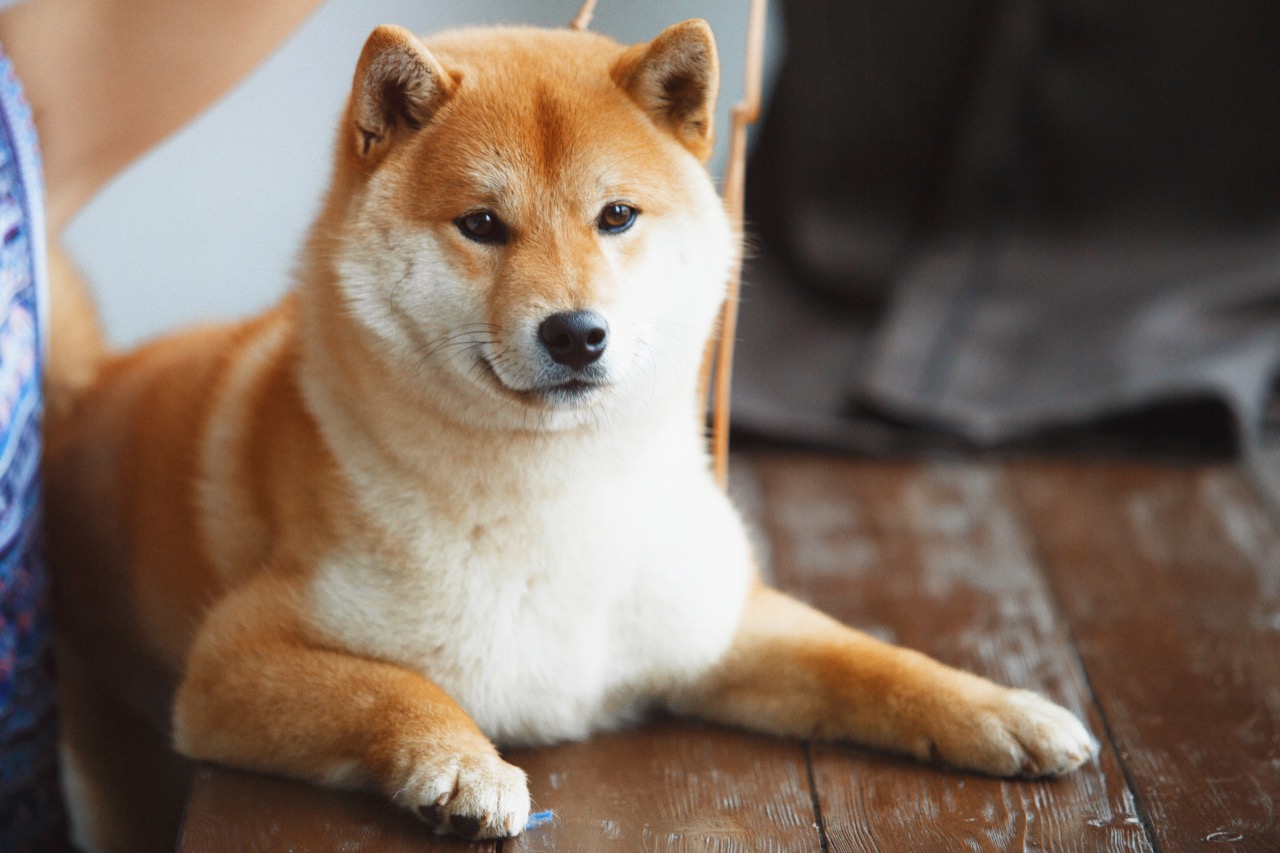
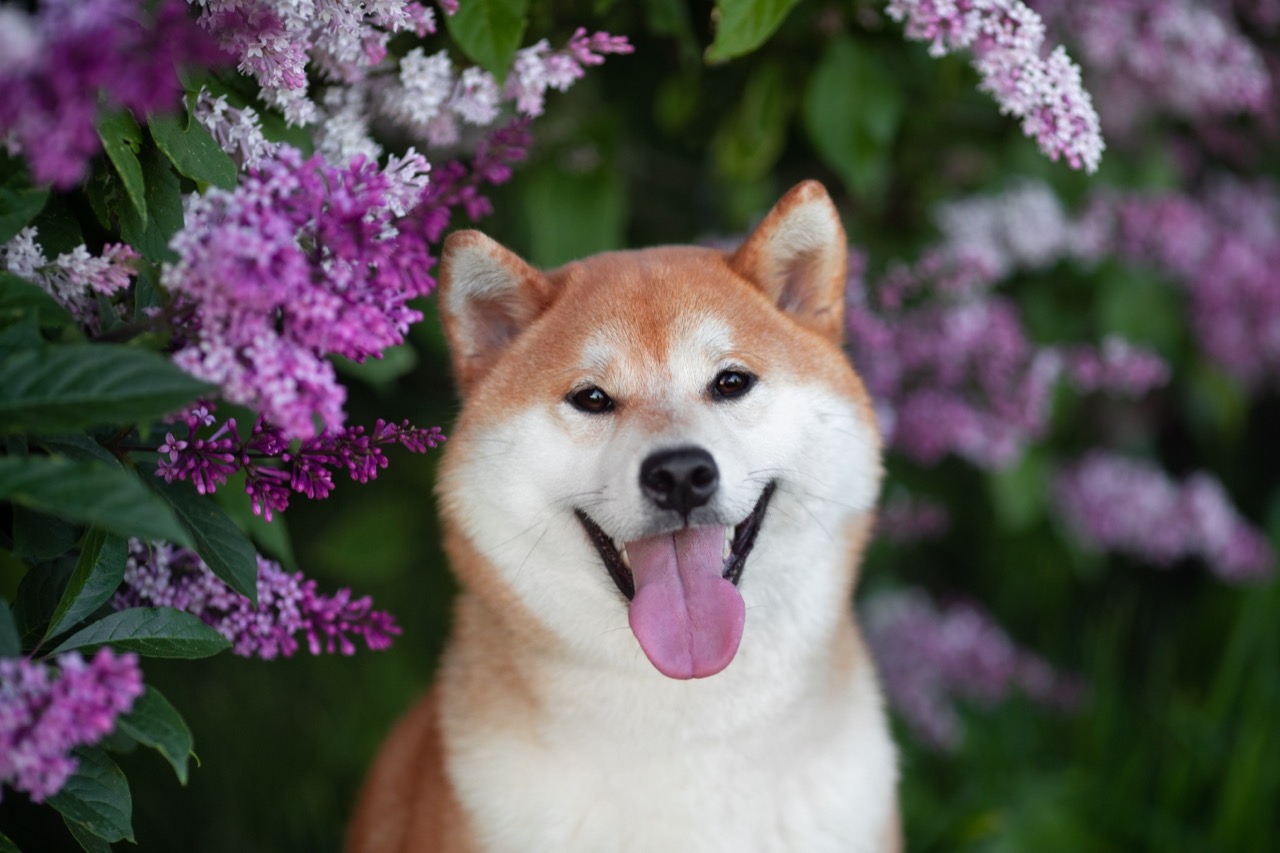
The Shiba Inu has a reputation for being charming, foxlike, and a little mysterious, and most of that reputation is earned. People often describe Shibas as catlike, not because they are aloof all the time, but because they tend to be selective about affection and highly motivated by their own interests. A Shiba may follow you from room to room, then decide they would rather watch you from a distance than sit in your lap. This independence can be refreshing for someone who wants a companion without constant clinginess, but it also means you cannot rely on blind obedience. If you expect a dog that lives to please, the Shiba will quickly teach you otherwise.
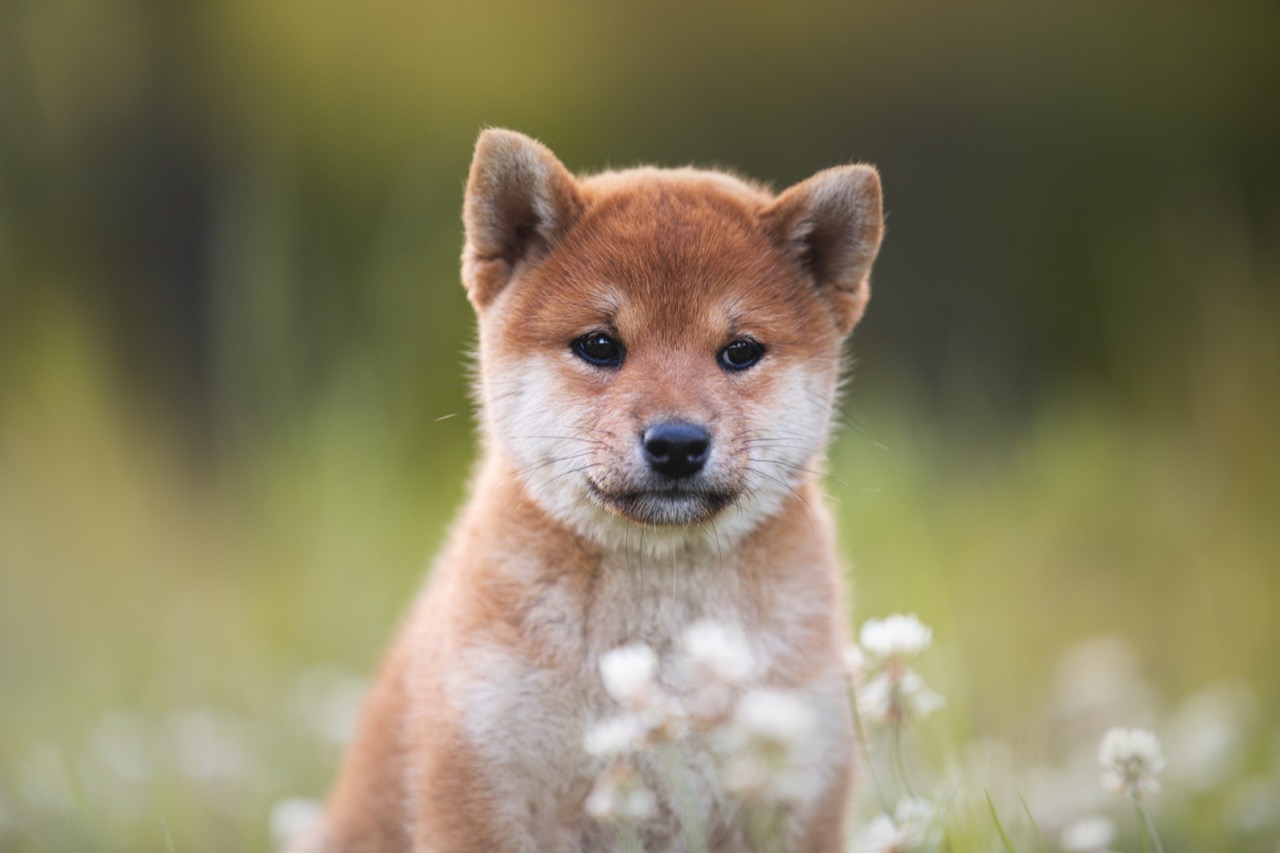
Training a Shiba is less about dominance and more about persuasion, management, and consistency. They are clever and can learn cues quickly, but they are also excellent at deciding whether a cue is worth responding to. Short, upbeat sessions with rewards that actually matter to the dog tend to work best. Harsh corrections often backfire by making the dog distrustful or simply more determined to do things their way. Many experienced owners focus heavily on early socialization, impulse control, and practical life skills like handling for grooming, calmly accepting a harness, and trading objects rather than guarding them. Even well trained Shibas can be opportunists, so training should be paired with smart routines.
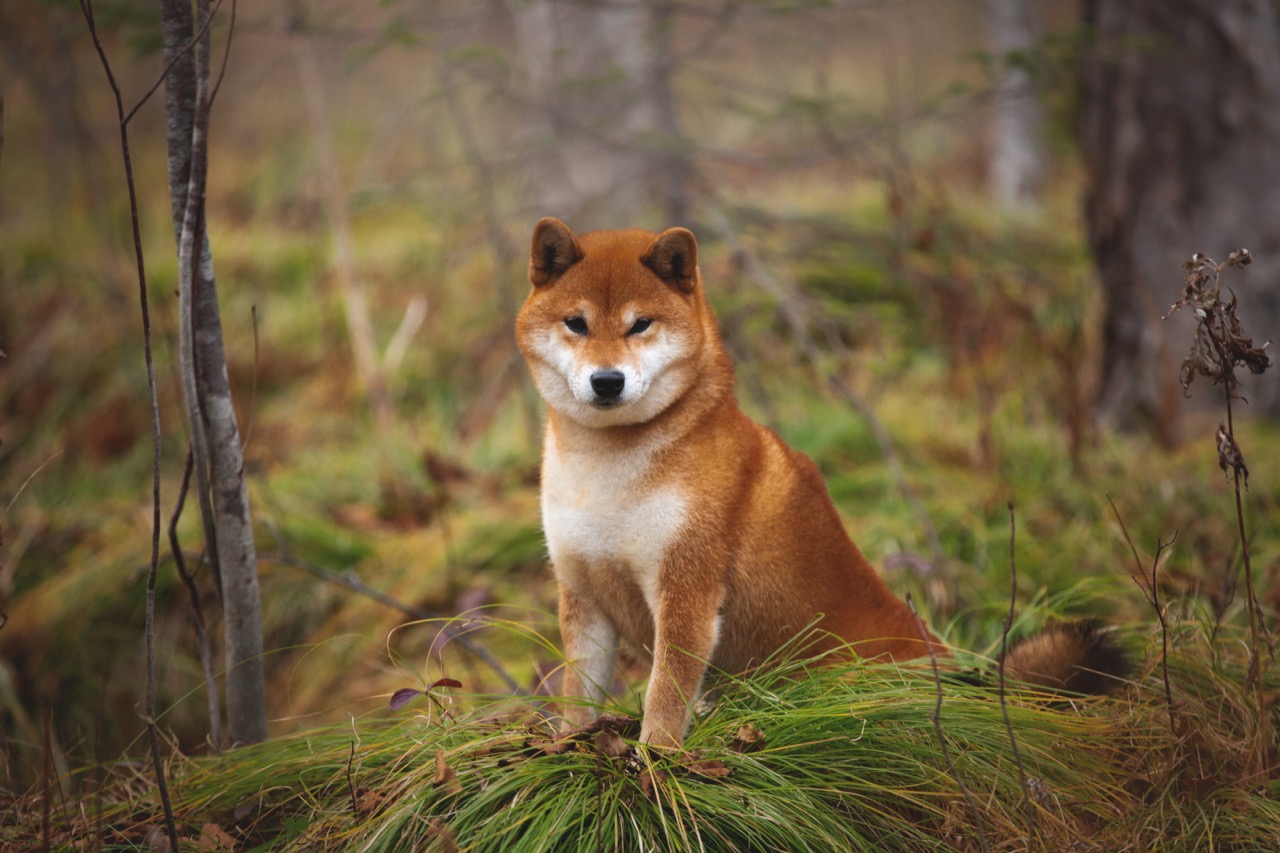
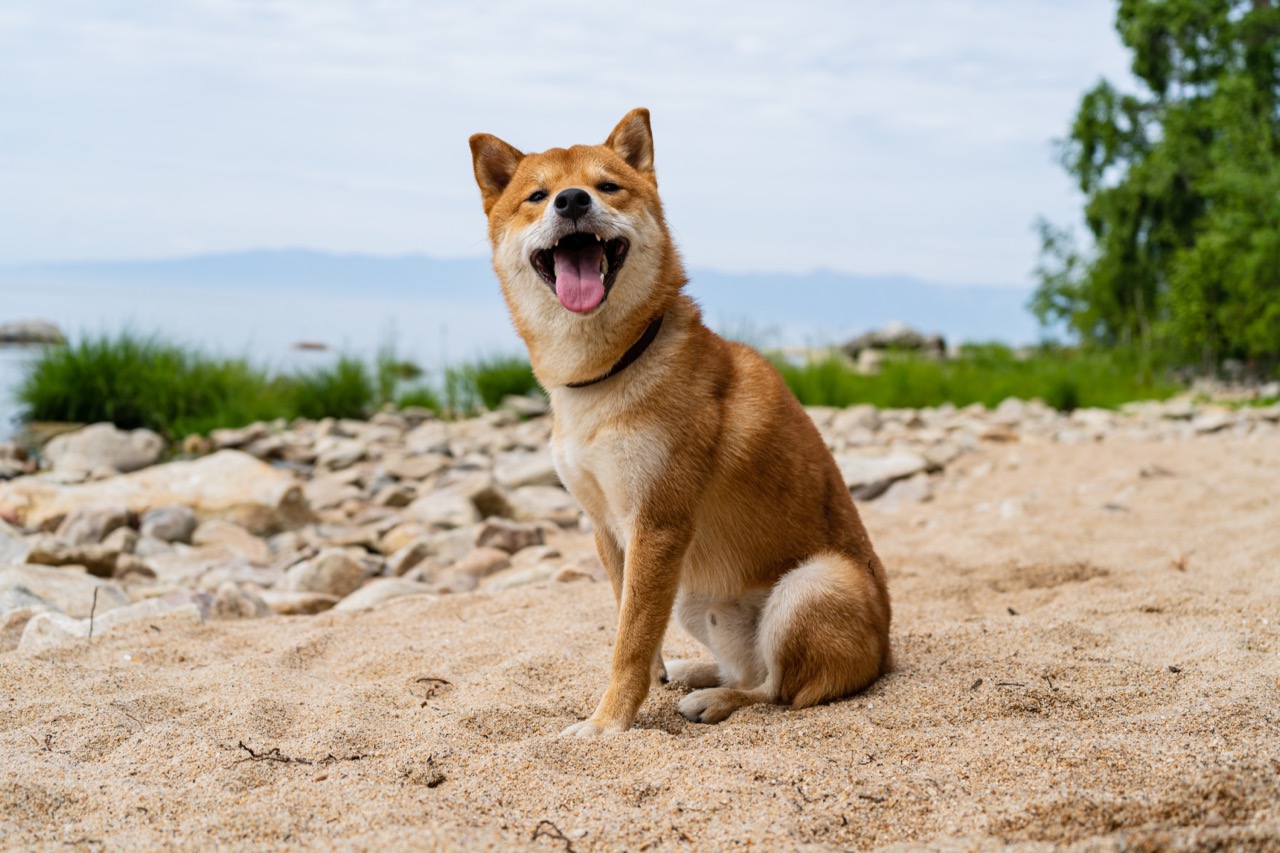
Secure containment is one of the biggest day to day realities. Shibas are known for a strong prey drive, quick reflexes, and a willingness to bolt if something interesting appears. That interesting thing might be a squirrel, a bird, a drifting leaf, or a neighbor walking a small dog. A reliable recall is possible for some individuals, but it should not be treated as a guarantee, especially around distractions. This is why many Shiba owners use fenced yards, double leash systems, and careful door manners. They are also skilled escape artists; a fence that stops other dogs may not stop a Shiba that can climb, squeeze, or exploit a loose latch. Think in terms of prevention rather than hoping you can catch them once they are running.
Exercise needs are often misunderstood. Shibas do not always act like nonstop athletes indoors, but they do need regular outlets for their minds and bodies. Daily walks, sniffing time, and short bursts of play help prevent boredom, which can show up as mischief or selective hearing. Many enjoy puzzle toys, food games, and training that feels like a challenge rather than a chore. Off leash dog parks can be risky depending on the individual dog and the environment, since Shibas may be choosy about dog friends and quick to object if another dog ignores their boundaries.
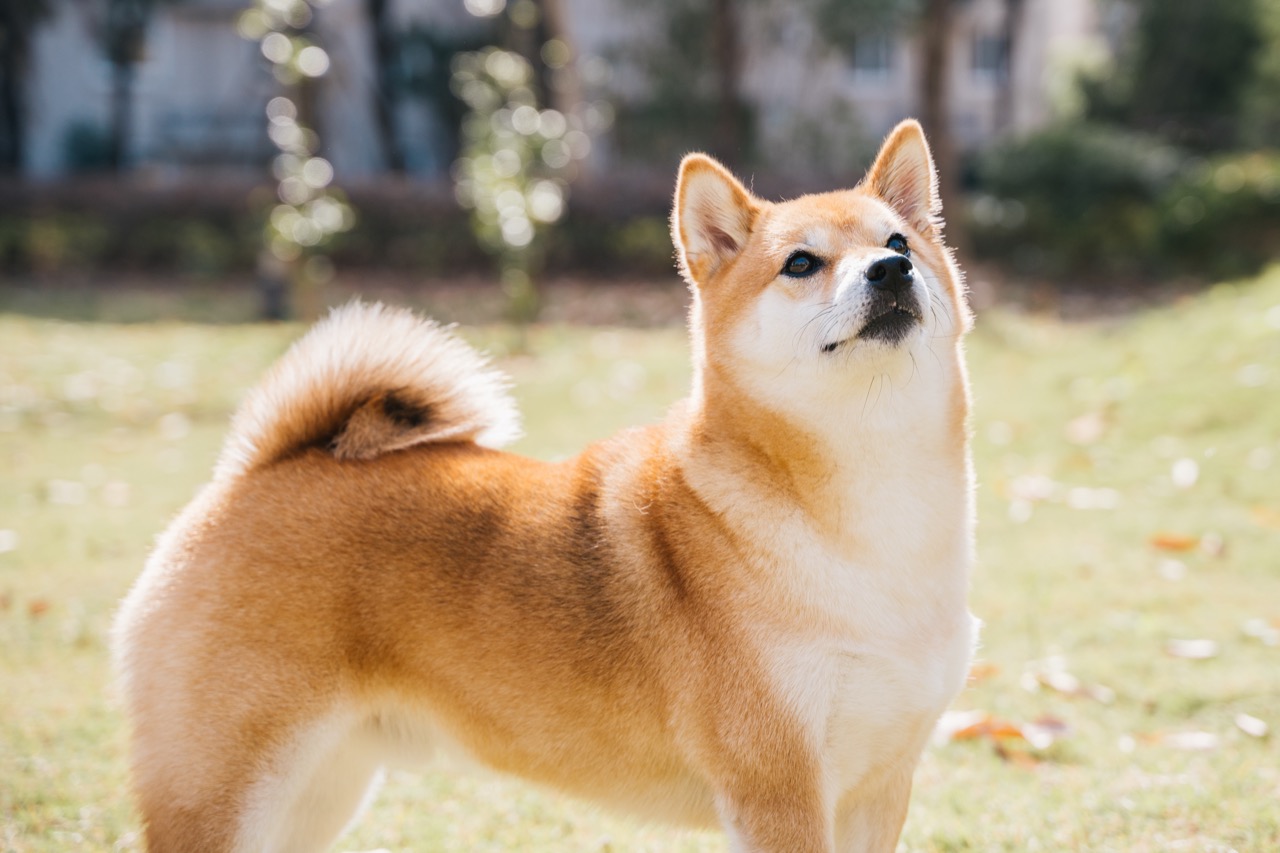
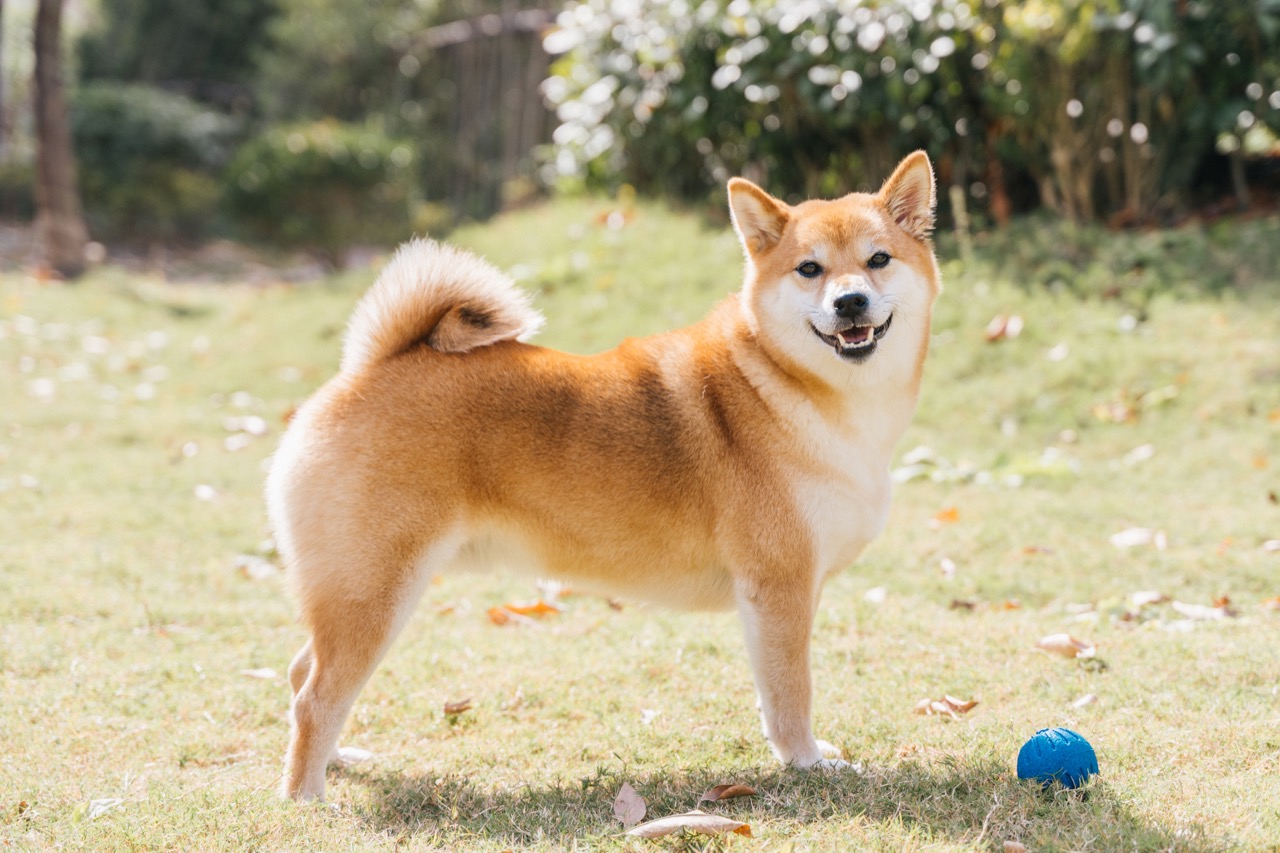
Then there is the coat. That plush double coat is beautiful, functional, and seasonally dramatic. Shibas typically shed year round, but they also blow their coat in heavier seasonal waves, often in spring and fall. During those periods, hair seems to appear everywhere no matter how much you clean. Regular brushing helps remove loose undercoat and keeps skin healthier, and many owners find that a good deshedding tool and a consistent routine are more effective than occasional marathon grooming. Baths are not needed constantly, but when you do bathe, thorough drying matters because dense undercoat can hold moisture.
Living with a Shiba Inu can feel like sharing your home with a witty roommate who has strong opinions. They can be intensely loyal in their own way, quietly affectionate, and wonderfully entertaining. The key is matching their independence with respectful training, meeting their need for mental stimulation, and taking containment seriously. When you build trust and set up the environment for success, a Shiba does not become a different breed, but they do become the best version of themselves, and that is exactly what fans of the breed love about them.